
Rose disease library
34 common diseases and disorders on roses — symptoms, treatment and prevention.
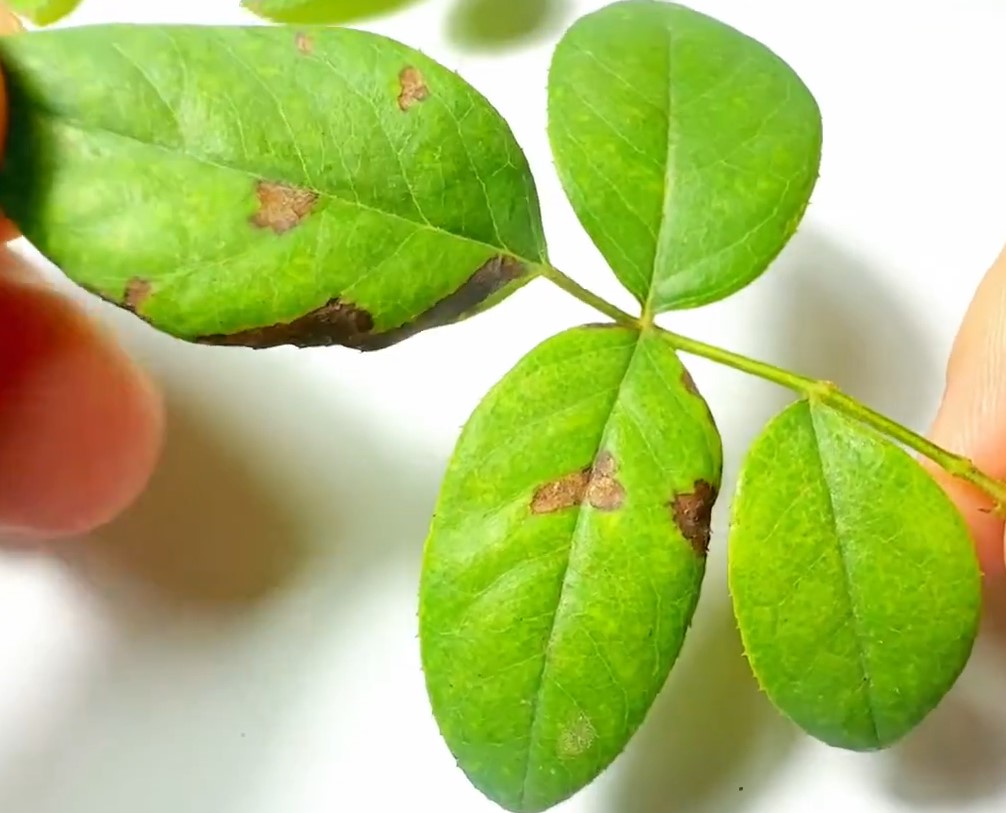
Anthracnose
**This entry groups two fungal leaf-spot diseases with identical treatment and prevention:** **anthracnose** (round t...
Fungal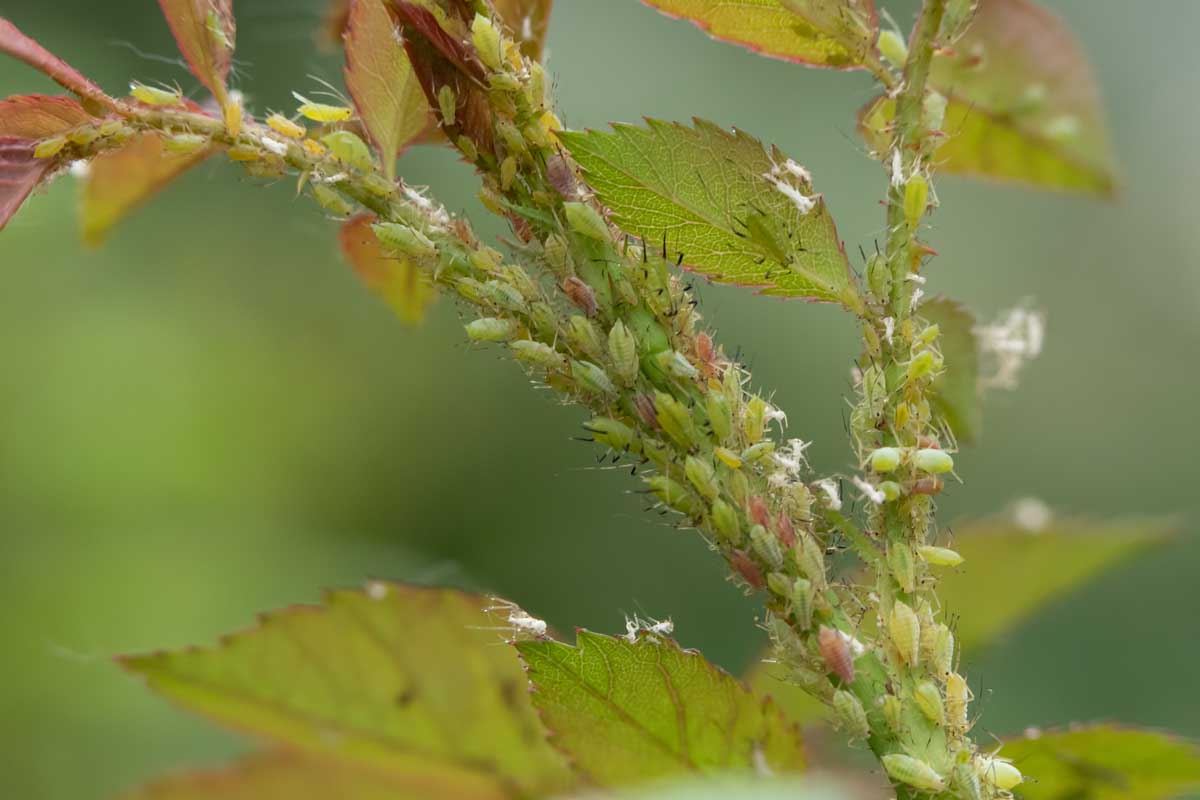
Aphids
Aphids (family Aphididae — the common pest species on roses is *Aphis gossypii*) are soft-bodied insects, approximate...
Insect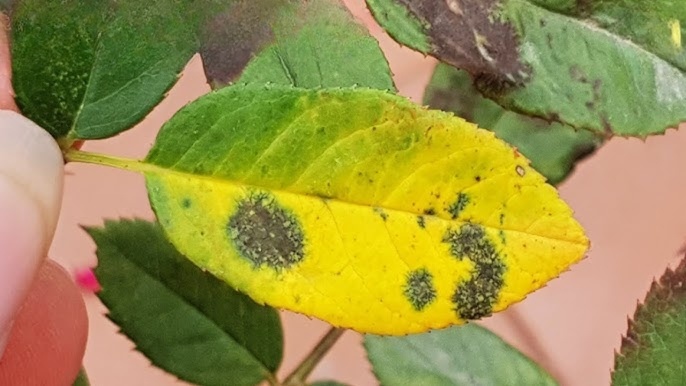
Black Spot
Black spot is caused by the fungus *Diplocarpon rosae*. It is one of the most prevalent diseases on roses, producing...
Fungal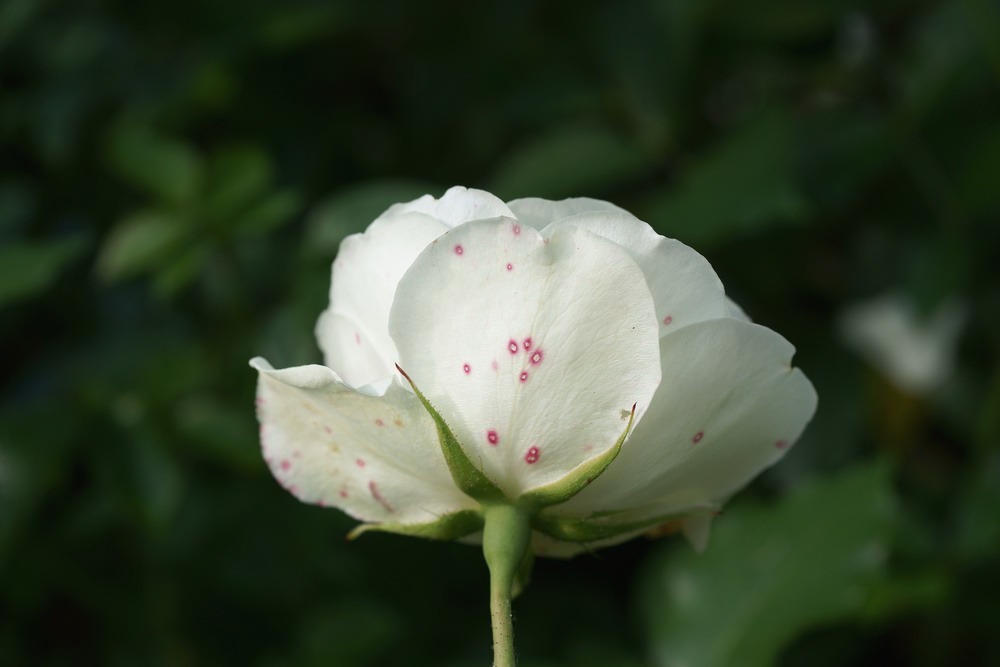
Botrytis Blight
Botrytis blight (grey mould) is caused by the fungus *Botrytis cinerea*. It attacks flowers, buds, and young shoots m...
Fungal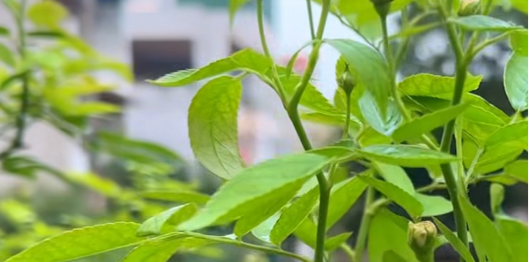
Ca Deficiency
Calcium (Ca) deficiency typically develops in acidic soils, leached substrates, or where irrigation is uneven, becaus...
Physiological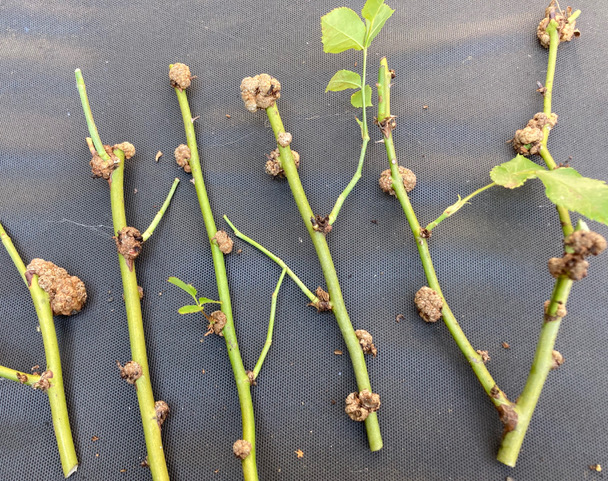
Crown Gall
Crown gall is a bacterial disease caused by *Agrobacterium tumefaciens*, which forms hard, swollen tumour-like galls...
Virus & Bacteria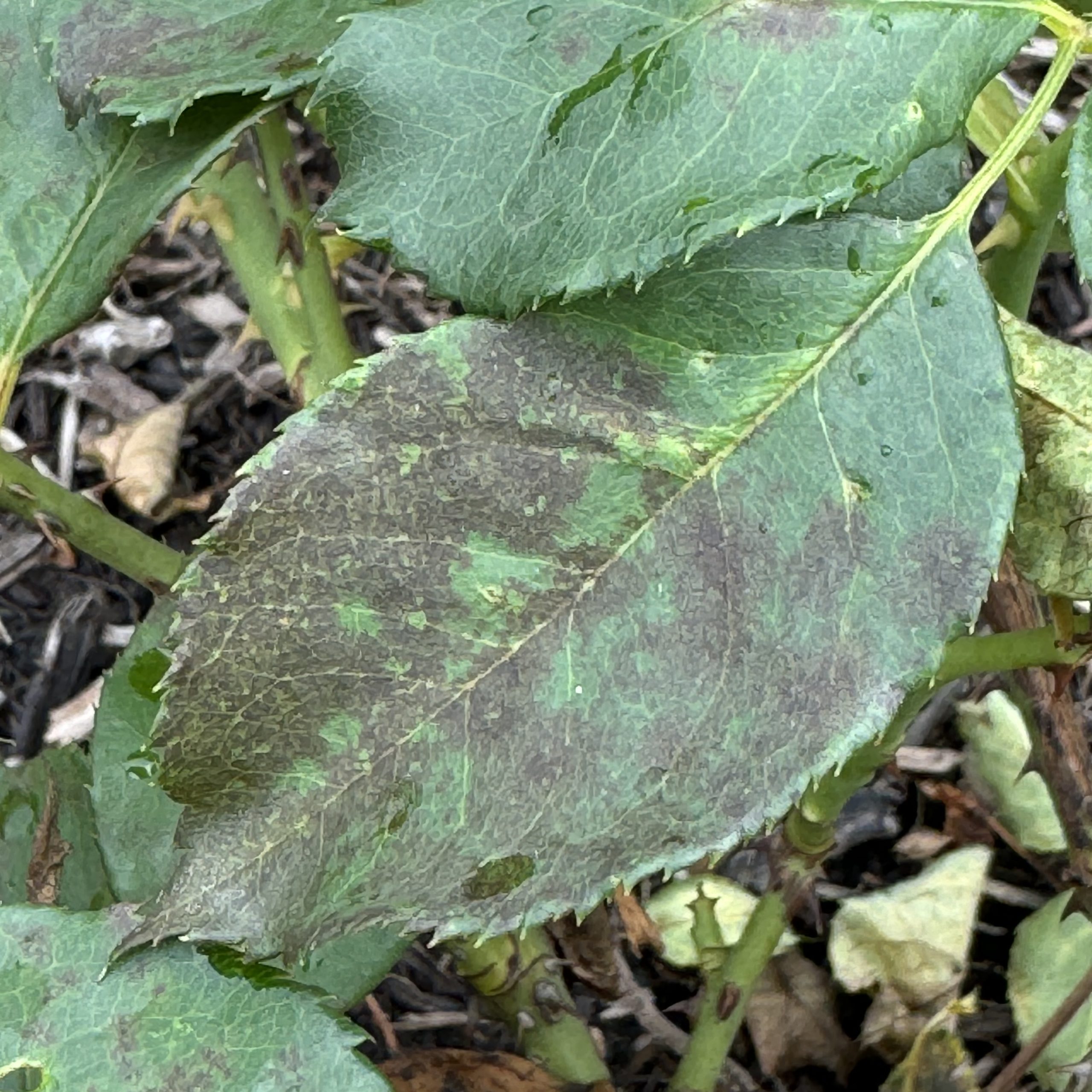
Downy Mildew
Downy mildew is caused by the oomycete *Peronospora sparsa*. Damp, cool, poorly ventilated conditions allow the disea...
Fungal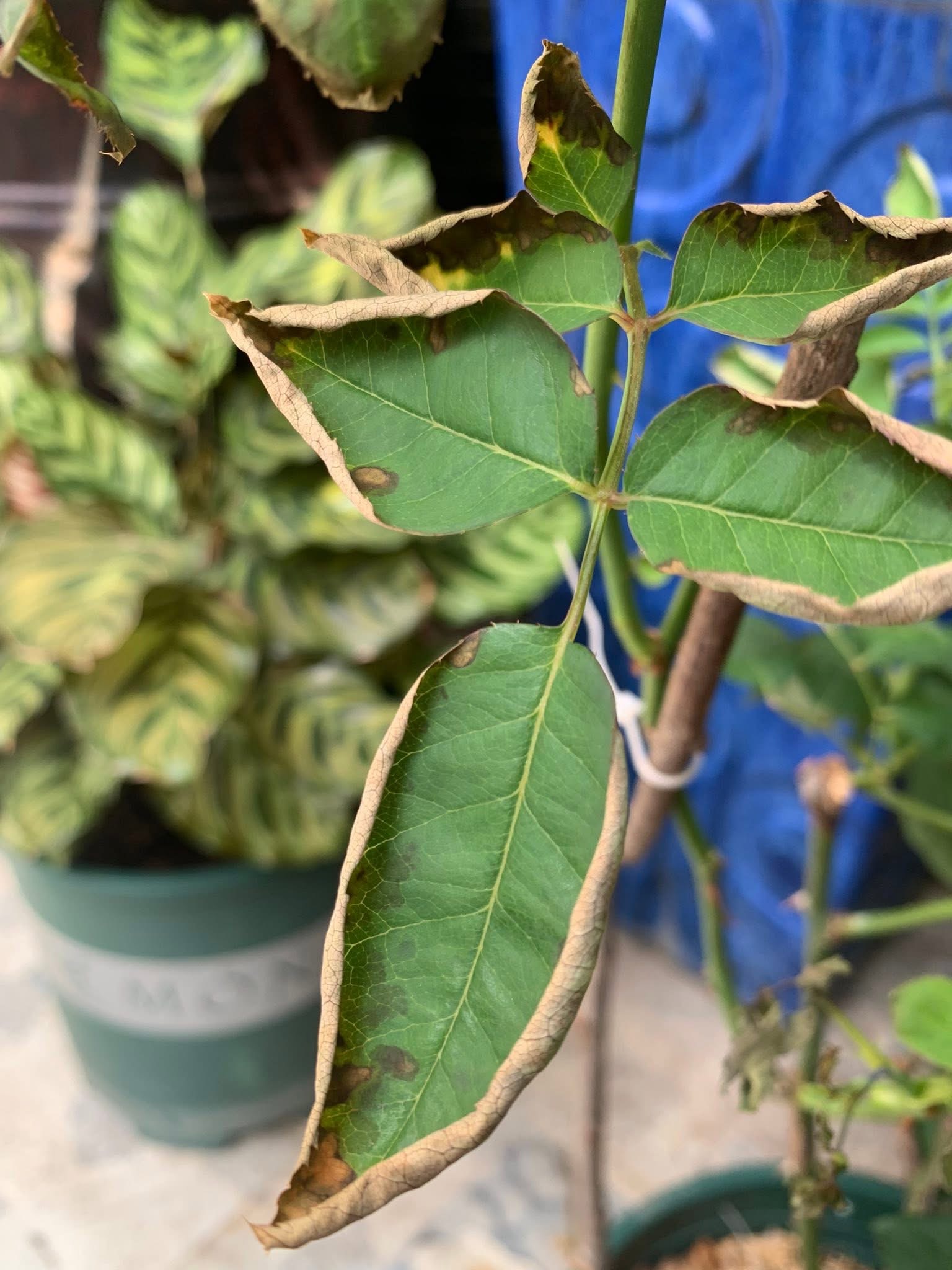
Drought Stress
Drought stress develops when the plant does not receive enough water — through insufficient irrigation, a substrate t...
Physiological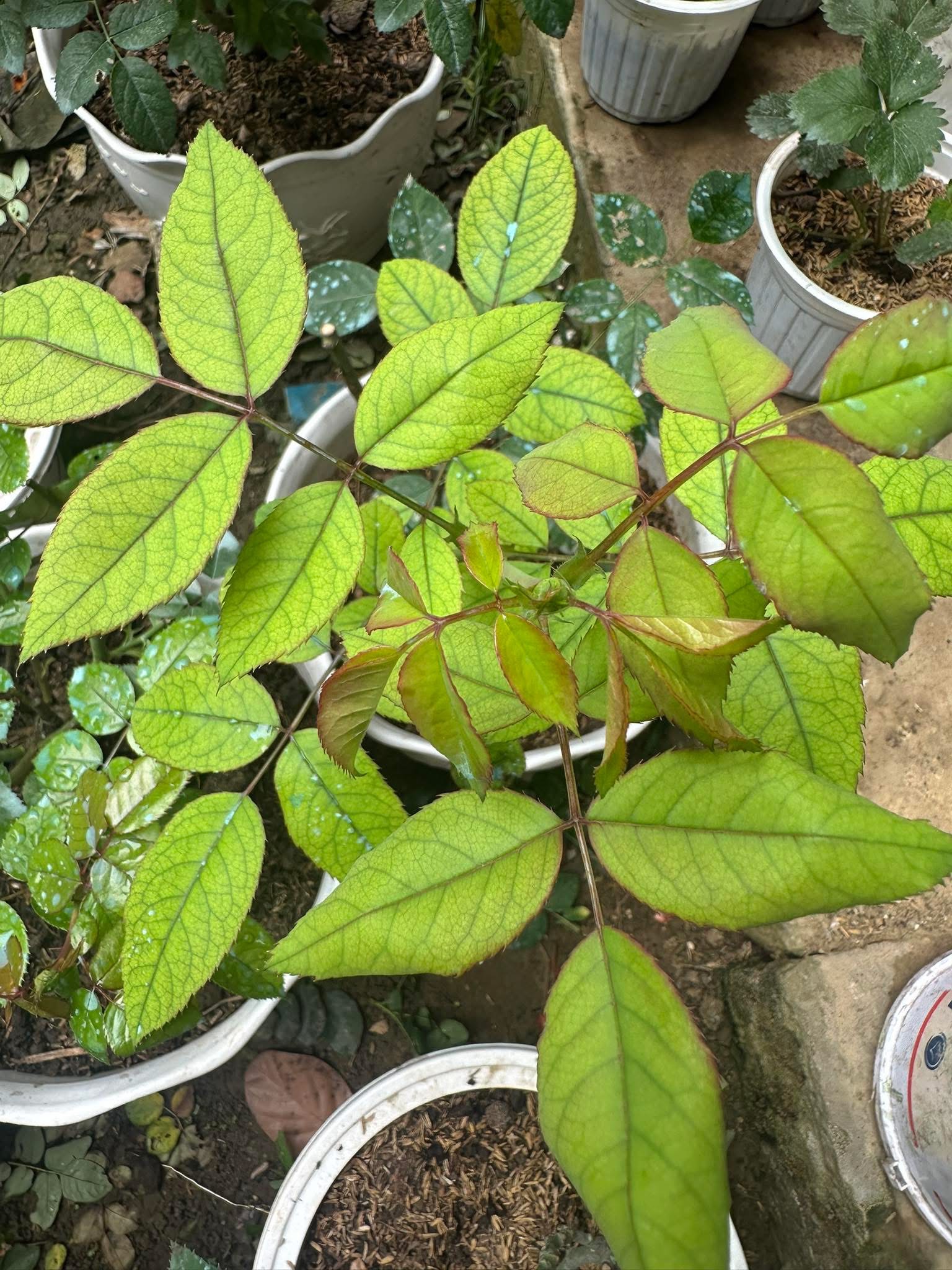
Fe Deficiency
Iron (Fe) deficiency is usually caused by alkaline soil (pH > 7), which precipitates iron into forms the roots cannot...
Physiological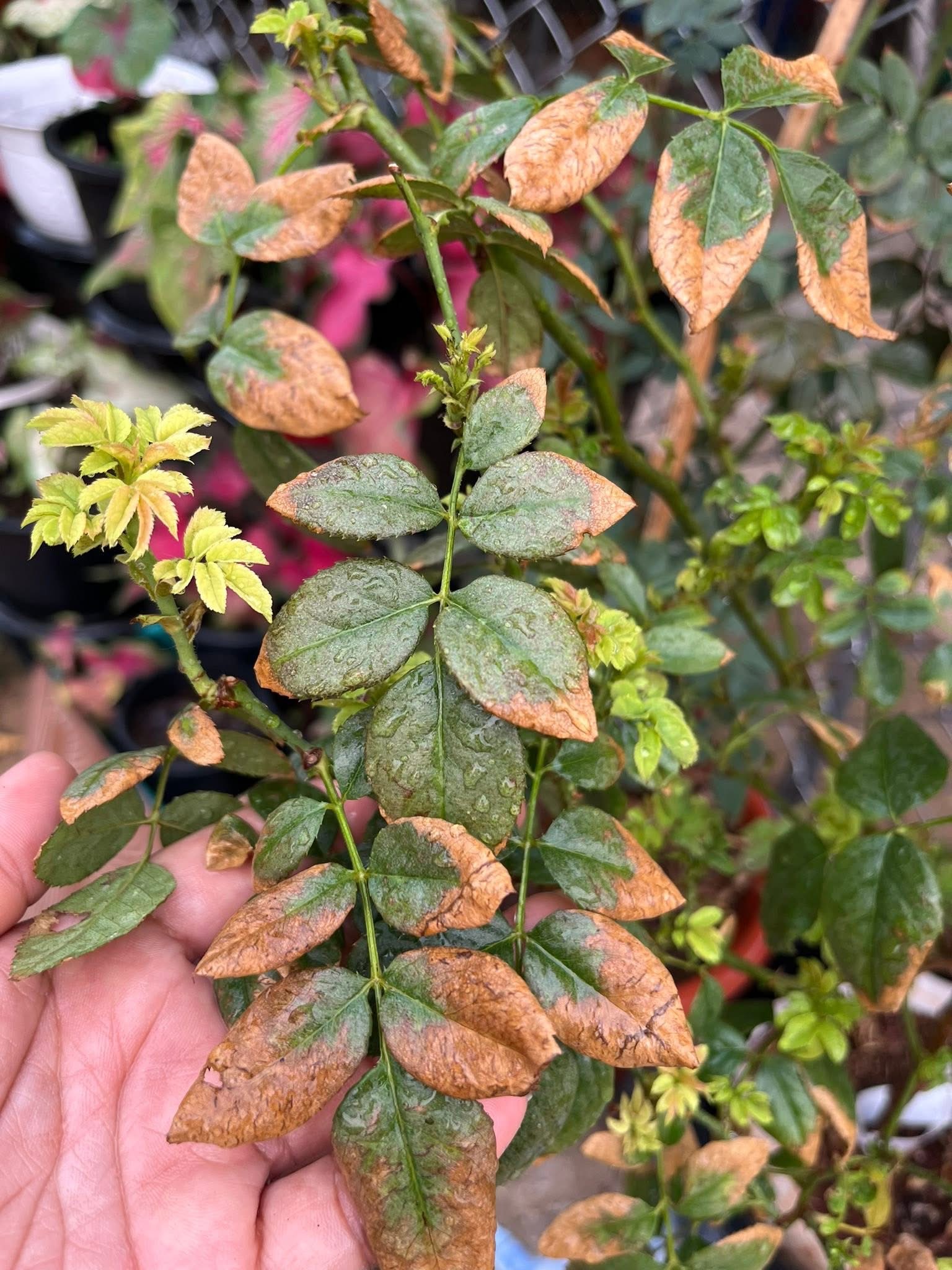
Fertilizer Burn
Fertiliser burn (salt injury) occurs when chemical fertiliser is applied at too high a rate or too high a concentrati...
Physiological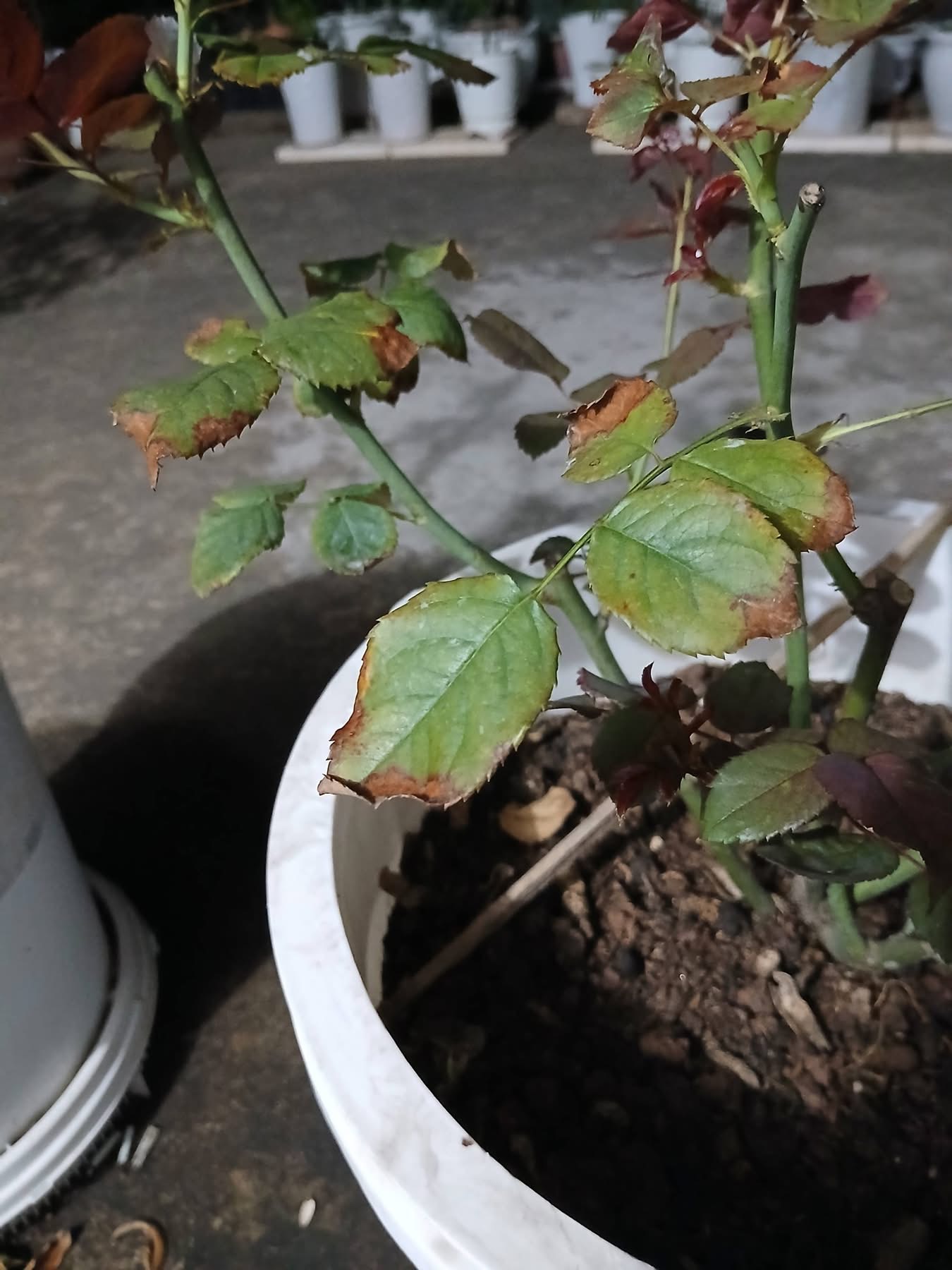
K Deficiency
Potassium (K) deficiency is common on light (sandy) soils, leached substrates, or where nitrogen has been applied hea...
Physiological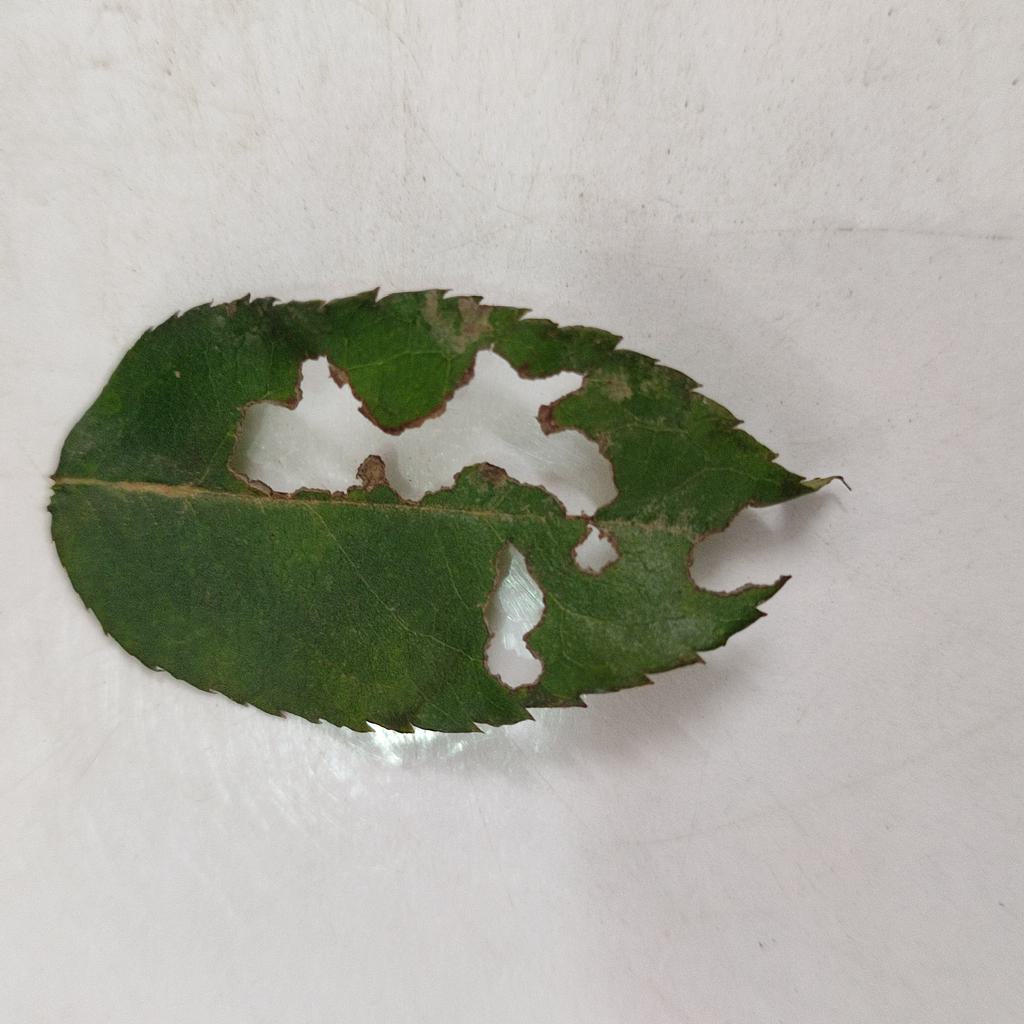
Leaf Cutter
This damage is caused by leaf-cutter bees (*Megachile* spp.), which excise neat semi-circular pieces from leaf margin...
Insect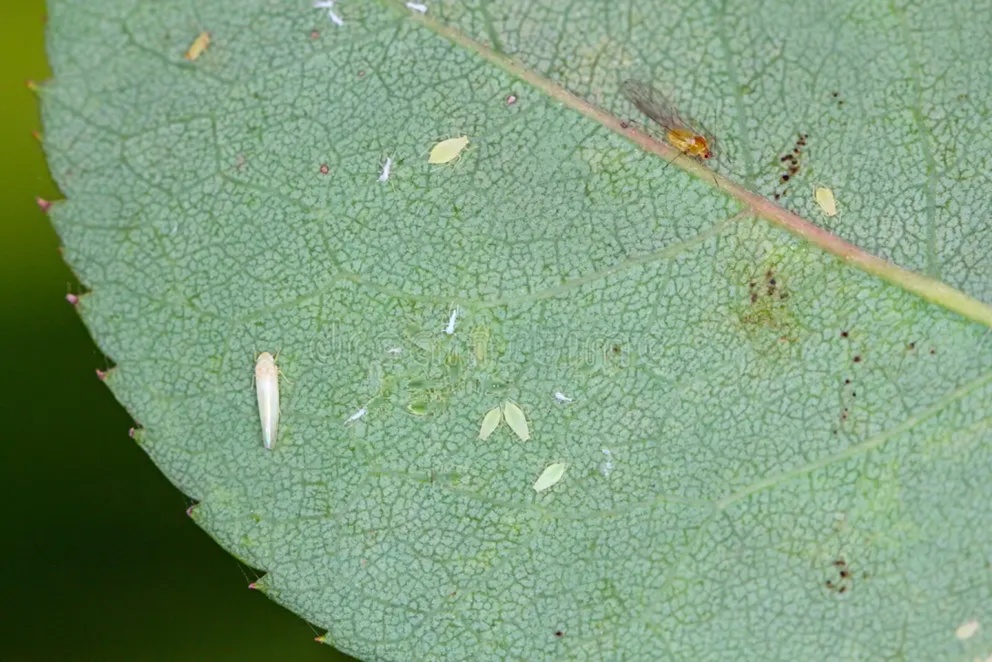
Leafhopper
The rose leafhopper (*Edwardsiana rosae*, family Cicadellidae) is a small, slender insect that hops or flies off shor...
Insect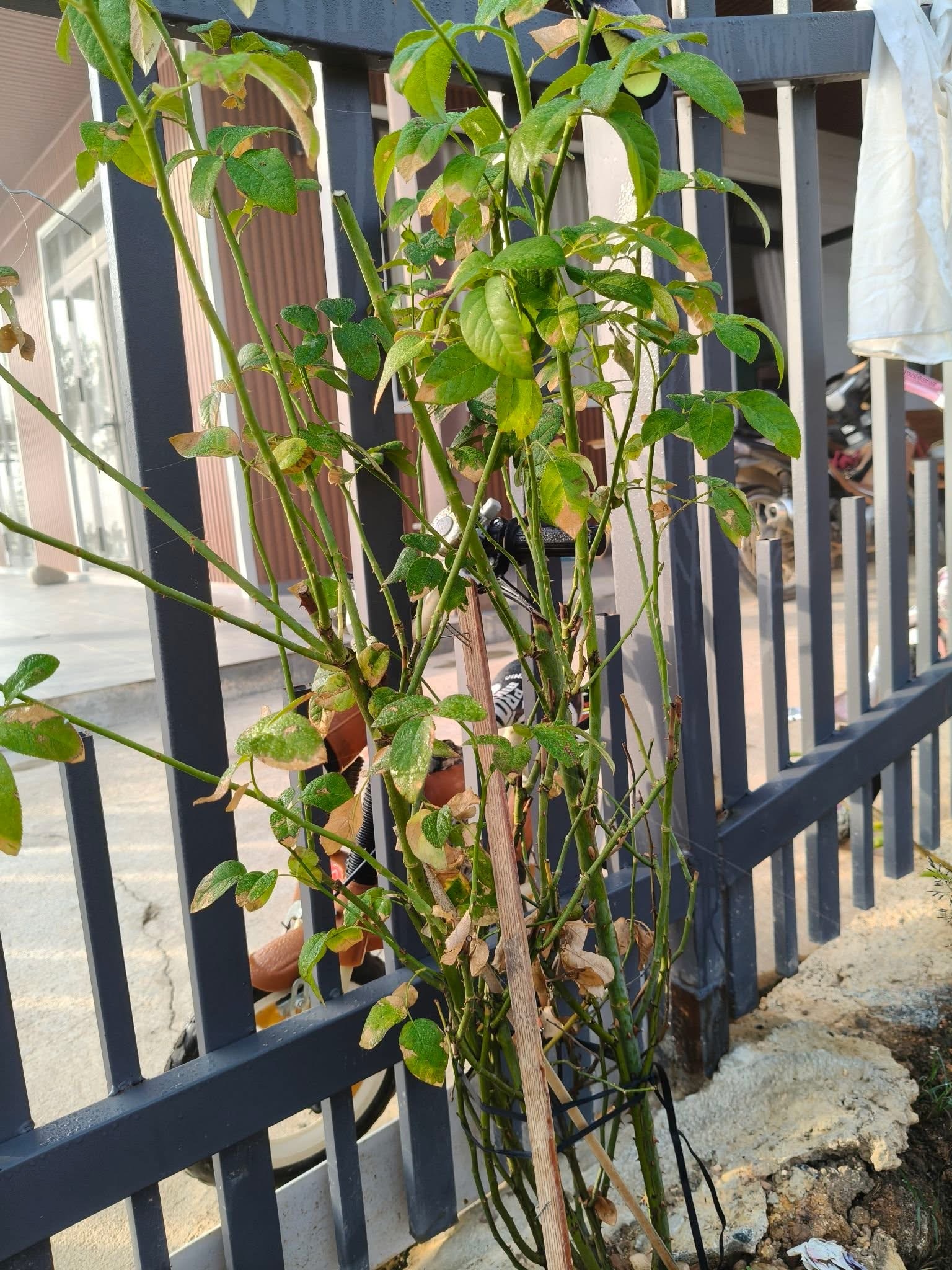
Light Deficiency
Light deficiency occurs when the rose does not receive enough light to photosynthesise efficiently. Roses need at lea...
Physiological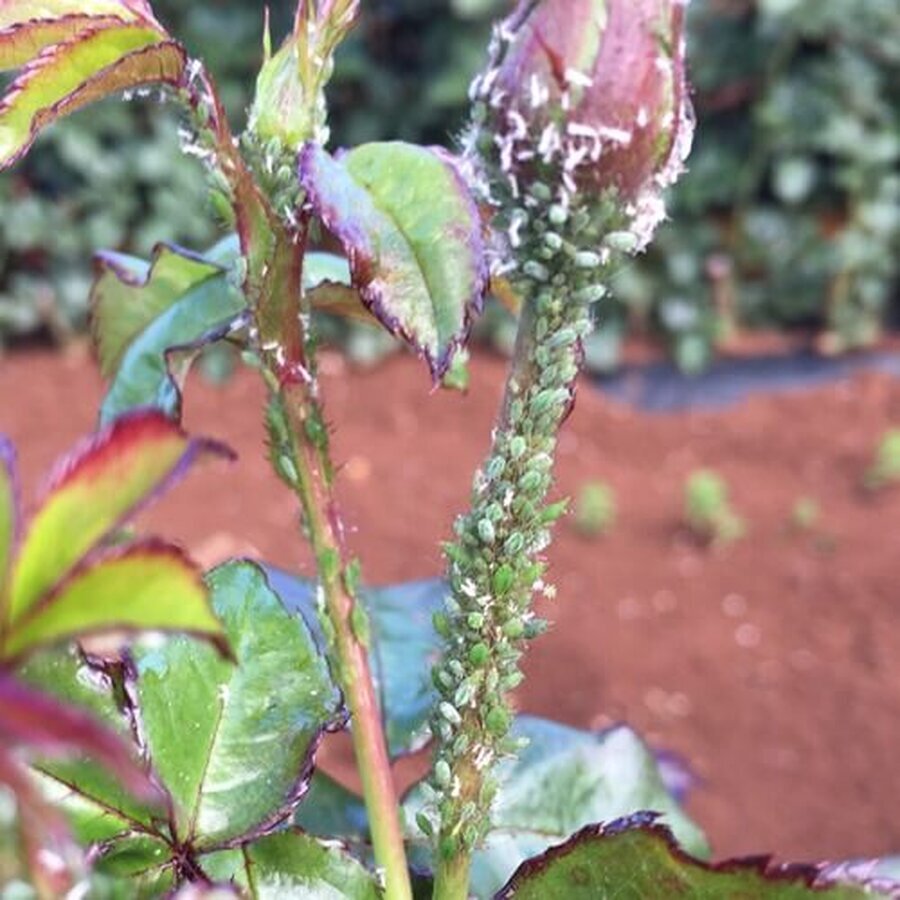
Mealybug
Two closely related piercing-sucking pests commonly attack roses: - Mealybugs (Pseudococcidae): soft-bodied insects c...
Insect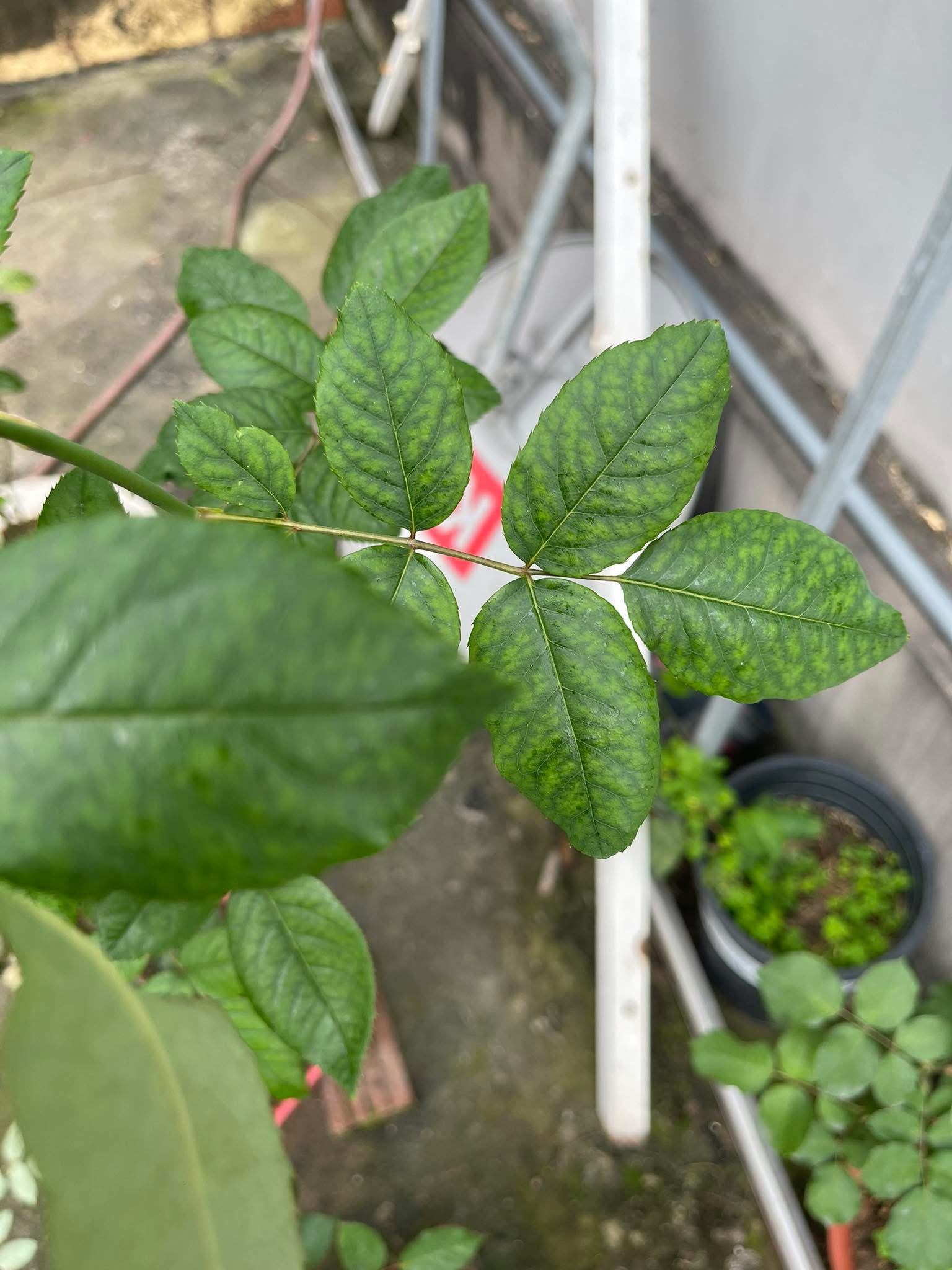
Mg Deficiency
Magnesium (Mg) deficiency typically develops in acidic soils, in heavily leached substrates, or where potassium has b...
Physiological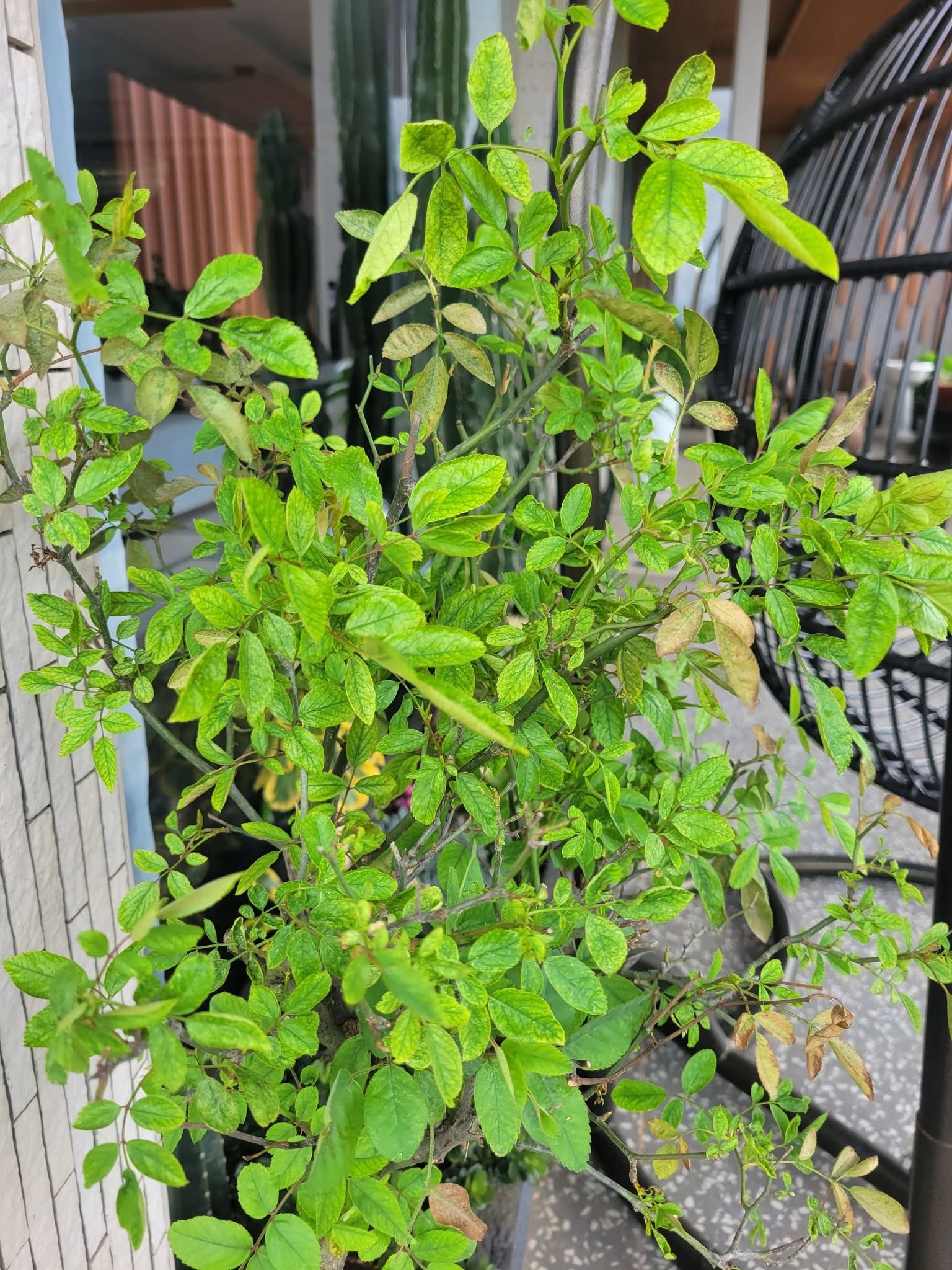
Mn Deficiency
Manganese (Mn) deficiency typically occurs in alkaline soils (pH > 7) or in soils with very high organic-matter conte...
Physiological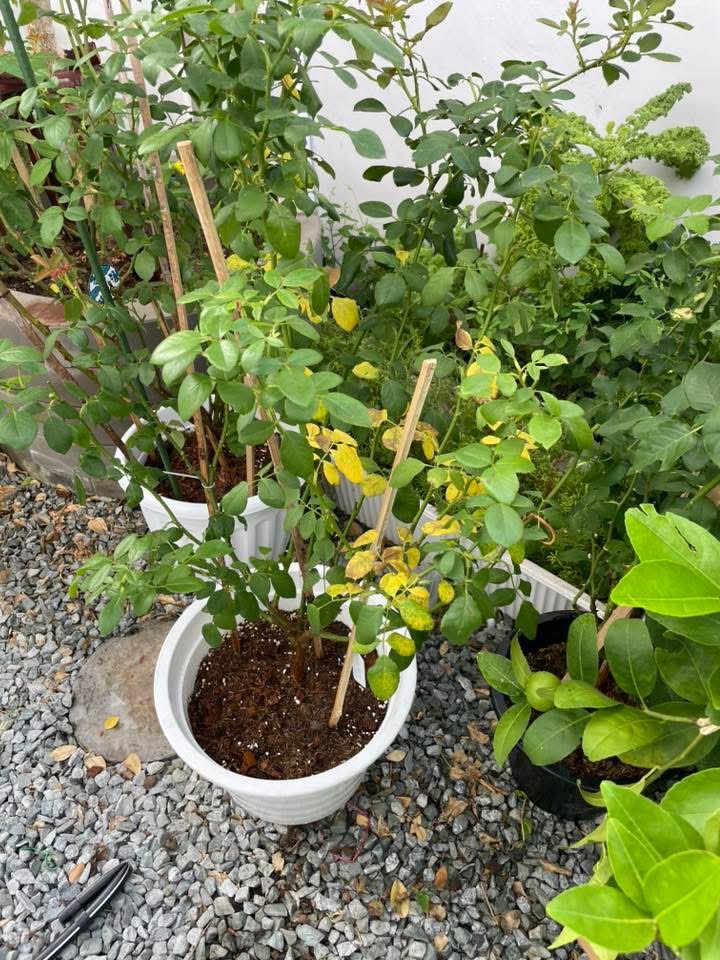
N Deficiency
Nitrogen (N) deficiency occurs when the rose is not supplied with enough nitrogen — typically because the soil is poo...
Physiological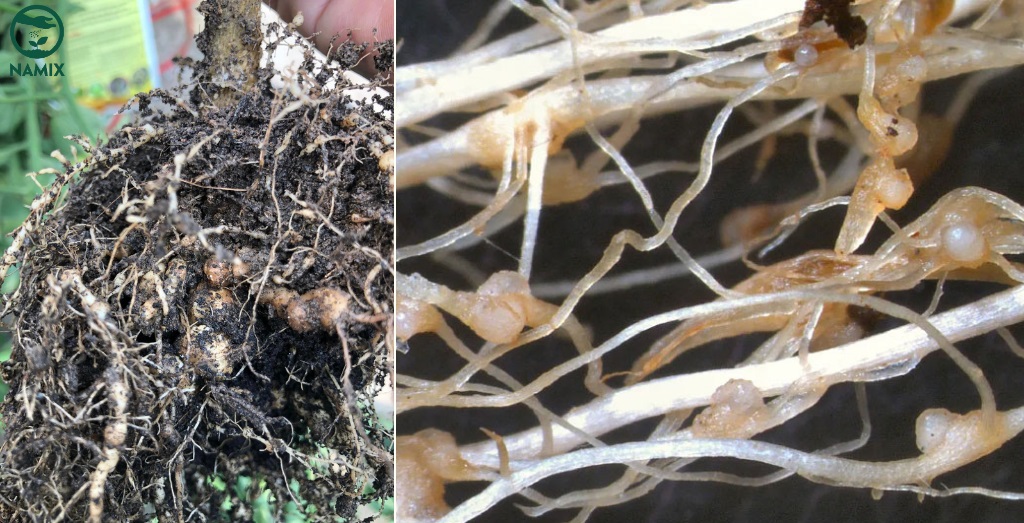
Root-knot Nematode
Root-knot nematodes (*Meloidogyne* spp.) are microscopic obligate root parasites (0.2–2 mm) of roses. They pierce fin...
Parasitic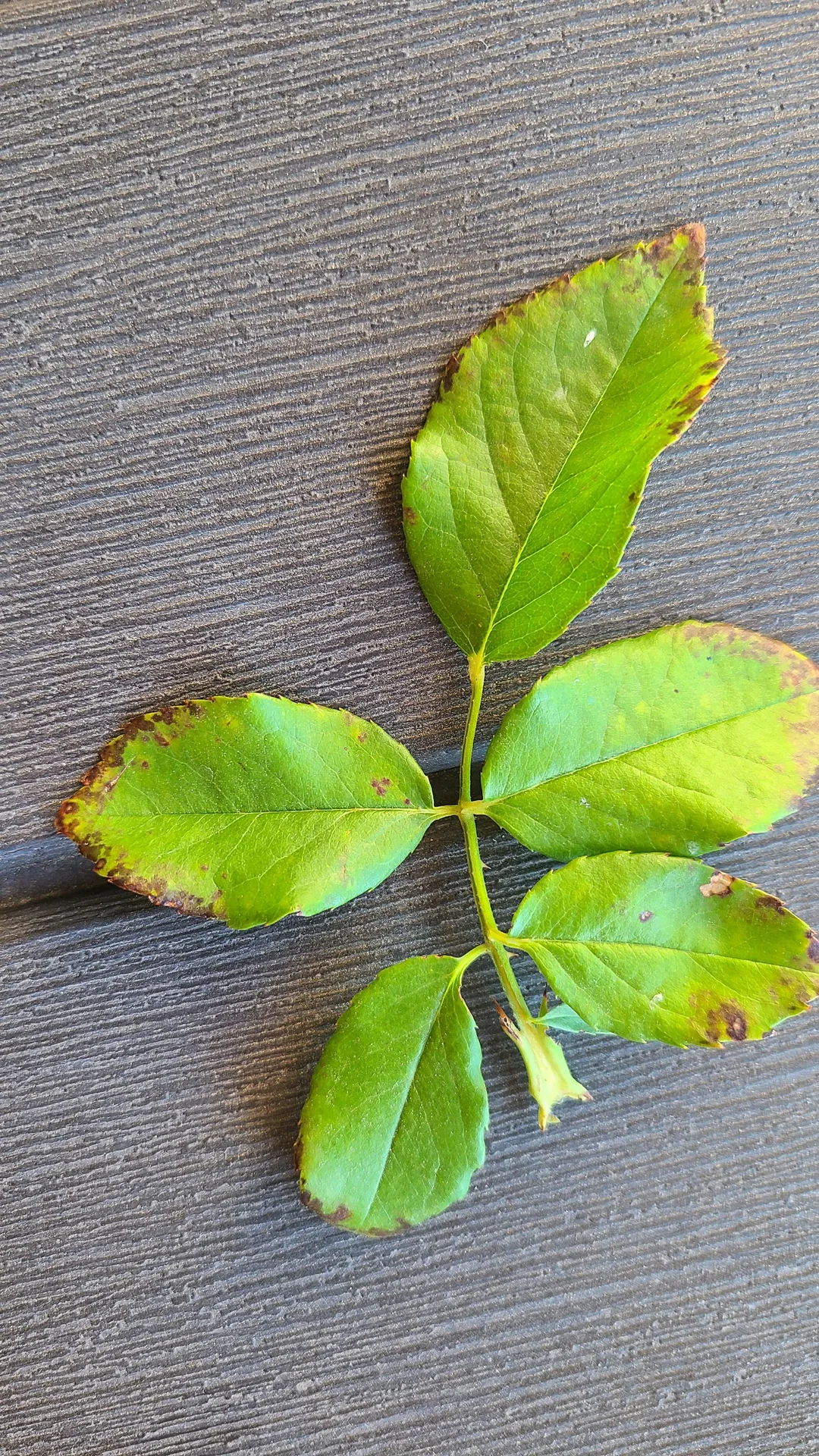
P Deficiency
Phosphorus (P) deficiency occurs when the rose is not supplied with enough phosphorus — one of the three macronutrien...
Physiological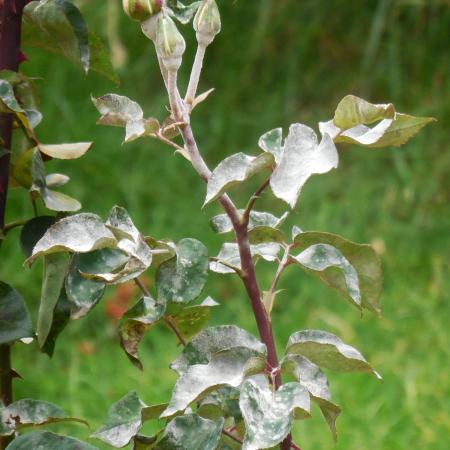
Powdery Mildew
Powdery mildew is caused by the fungus *Sphaerotheca pannosa* (also classified as *Podosphaera pannosa*). It is one o...
Fungal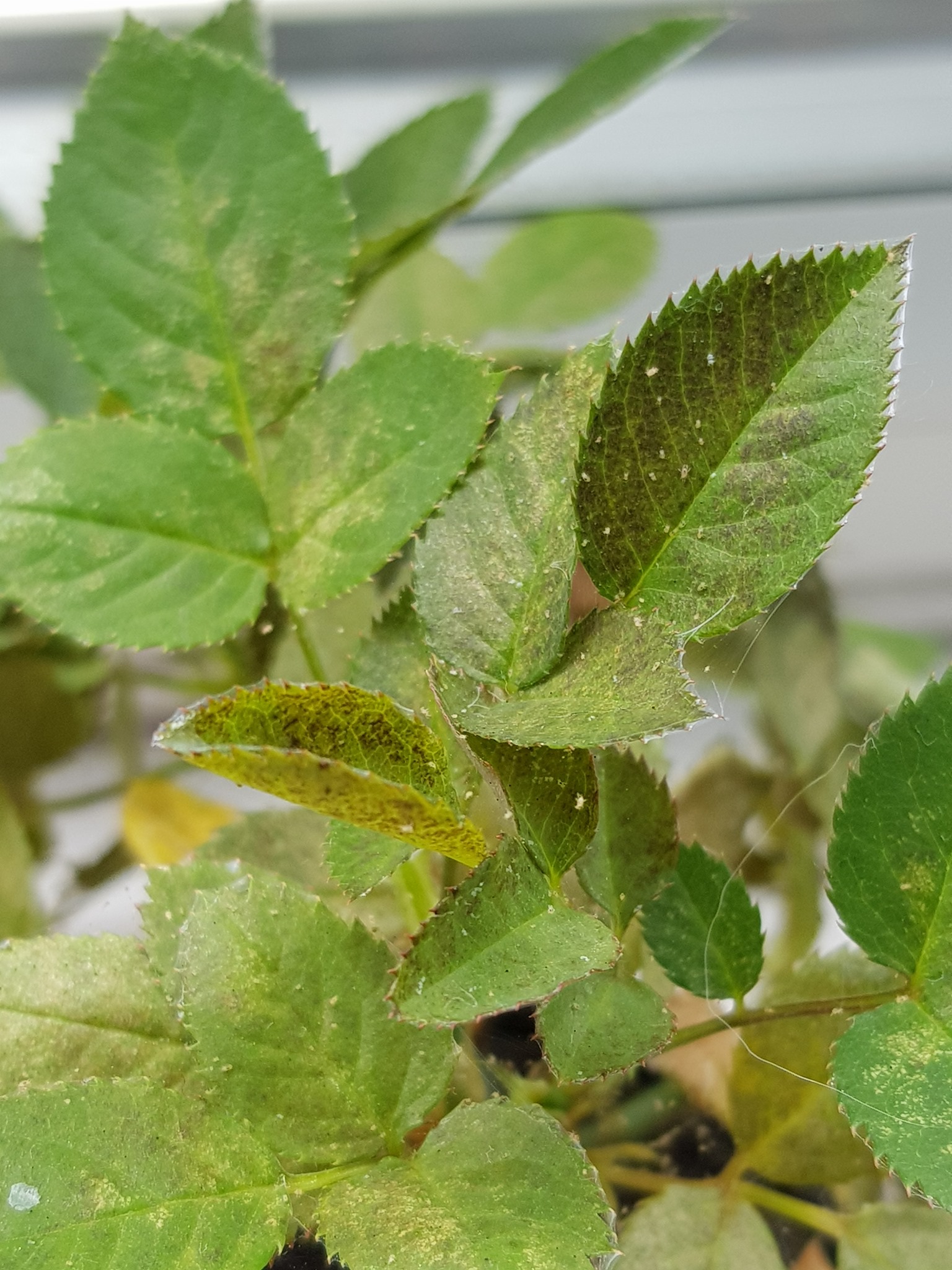
Red Spider Mite
This damage is caused by the two-spotted spider mite, *Tetranychus urticae*. Despite the name, it is an arachnid rath...
Insect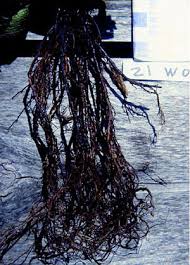
Root Rot
Root rot is caused by soilborne pathogens such as *Phytophthora*, *Pythium*, or *Rhizoctonia*. The fungi blacken and...
Fungal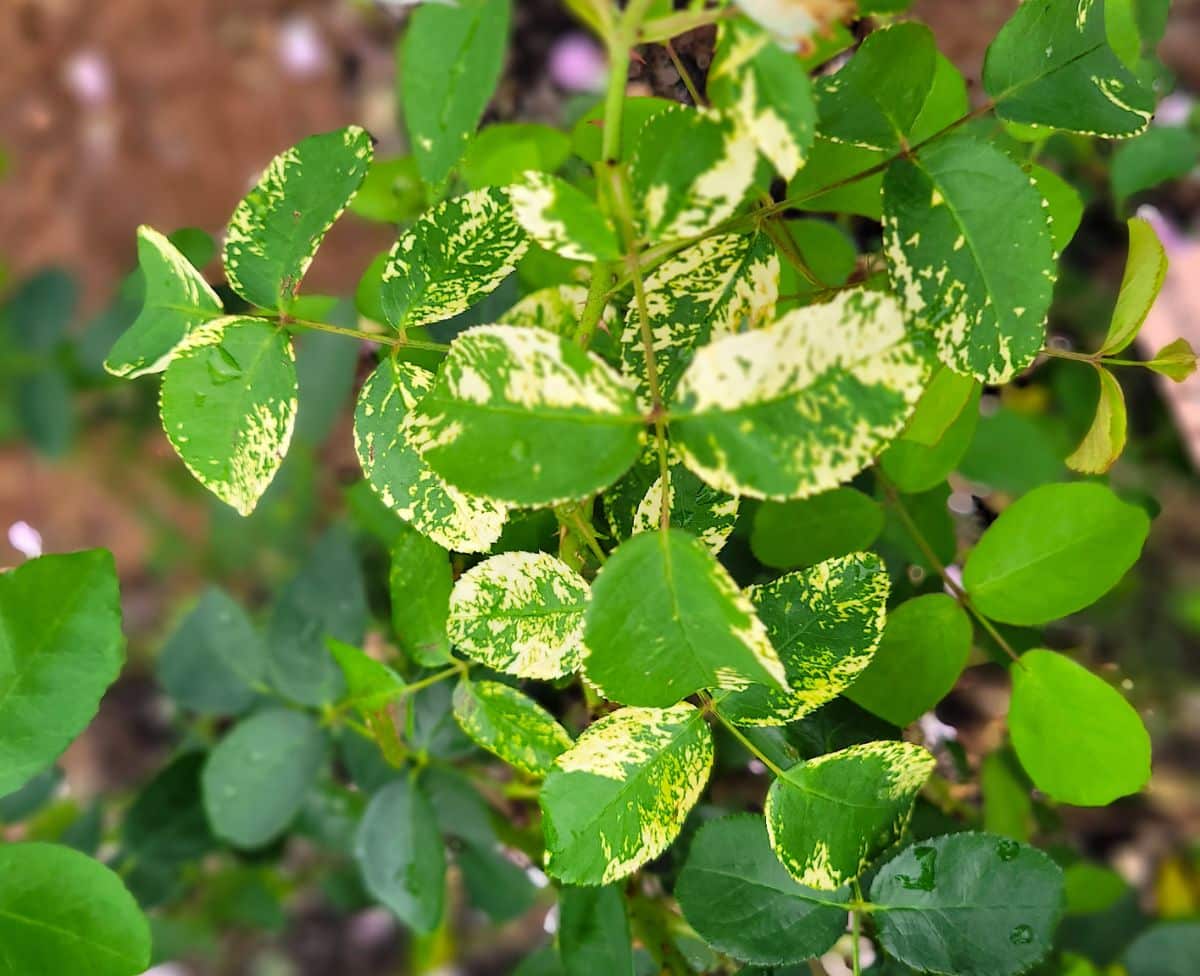
Rose Mosaic Virus
Rose mosaic is caused by a complex of plant viruses, most often *Prunus necrotic ringspot virus* (PNRSV) and *Apple m...
Virus & Bacteria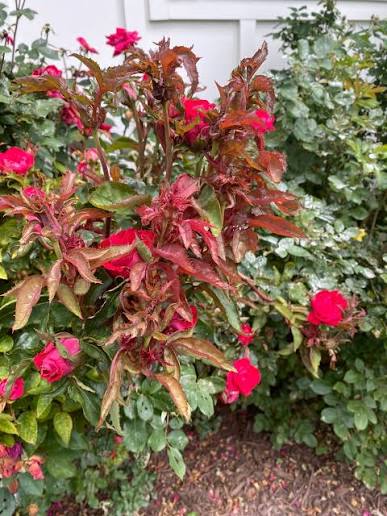
Rose Rosette Disease
Rose Rosette Disease (RRD) is one of the most destructive diseases of roses (*Rosa* spp.), especially across North Am...
Virus & Bacteria
Rose sawfly (rose slug)
The rose sawfly (rose slug, family Tenthredinidae) is the larva of a leaf-eating sawfly, not a true caterpillar. In e...
Insect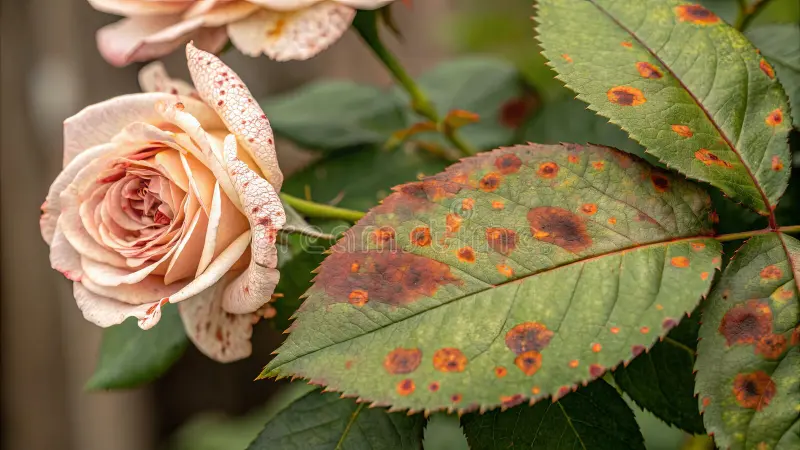
Rust
Rose rust is caused by *Phragmidium* spp. The disease is recognised by the orange or brown spore pustules that develo...
Fungal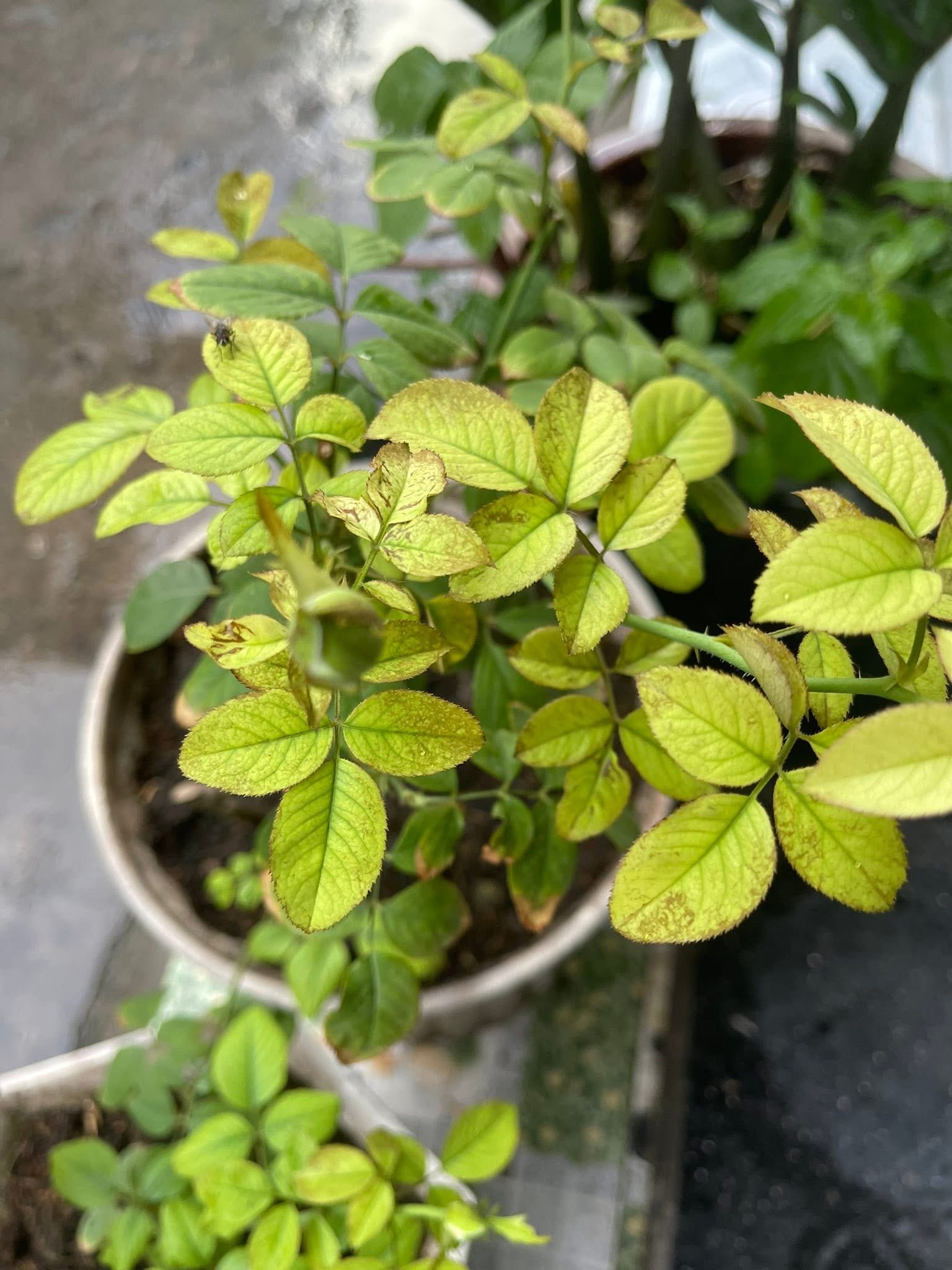
Soil pH Imbalance
Soil pH imbalance — either too acidic (pH < 5.5) or too alkaline (pH > 7.5) — locks up many nutrients into forms the...
Physiological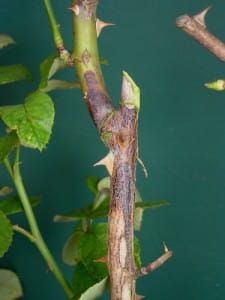
Stem Canker
Stem canker is caused by a complex of fungal pathogens including *Botryosphaeria*, *Leptosphaeria*, and *Coniothyrium...
Fungal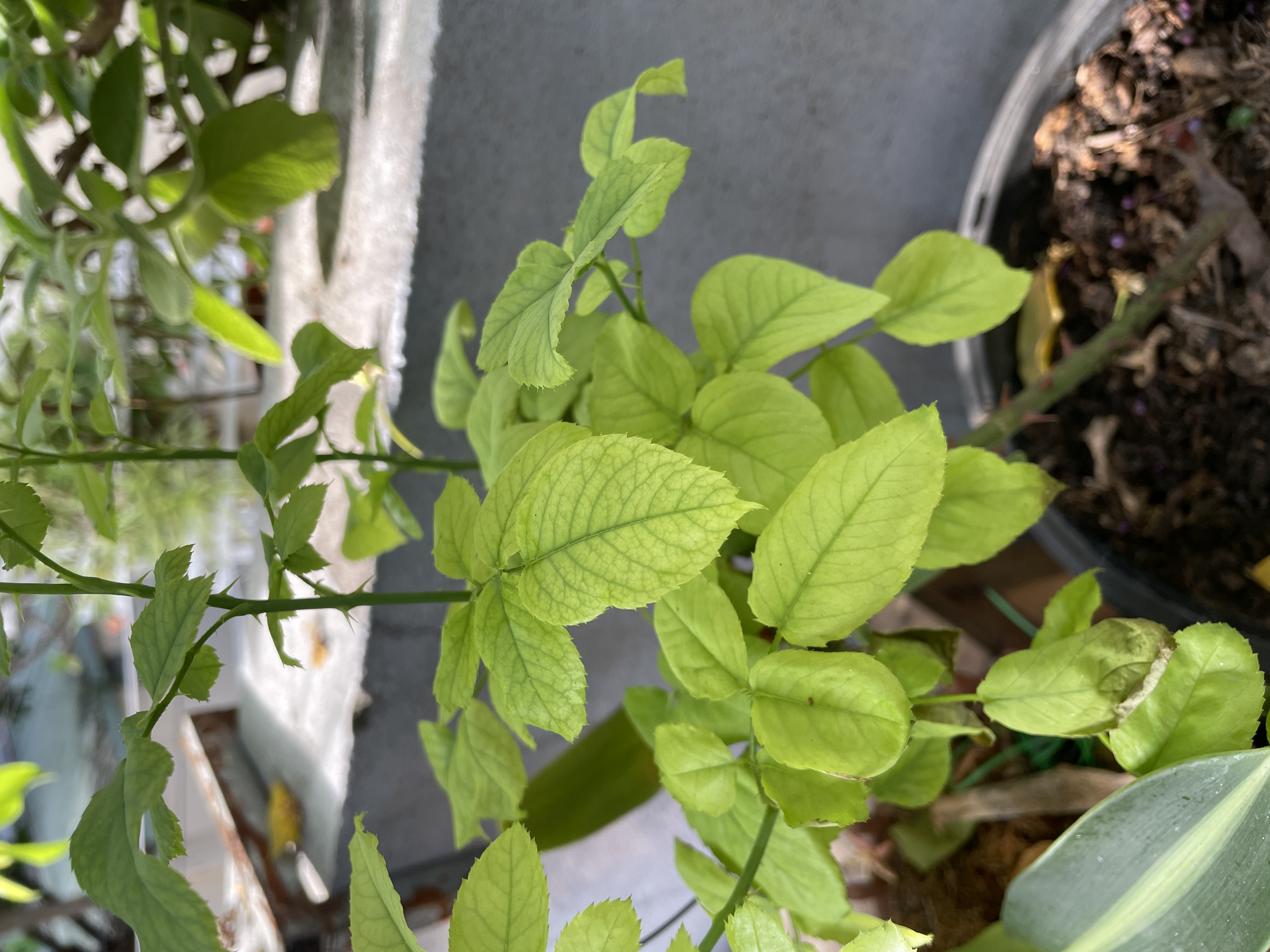
Sulfur Deficiency
Sulfur (S) is often called the fourth major nutrient for roses, after nitrogen, phosphorus and potassium. It is a bui...
Physiological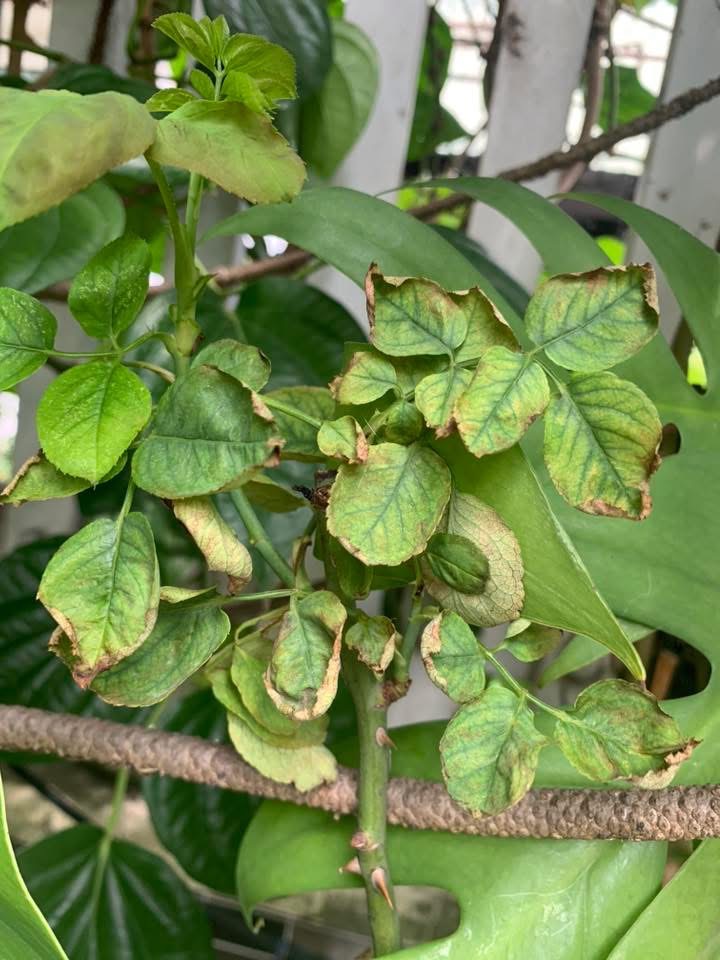
Sunburn
Sunburn (sunscald) occurs when the plant is exposed to direct sunlight that is too intense, particularly when air tem...
Physiological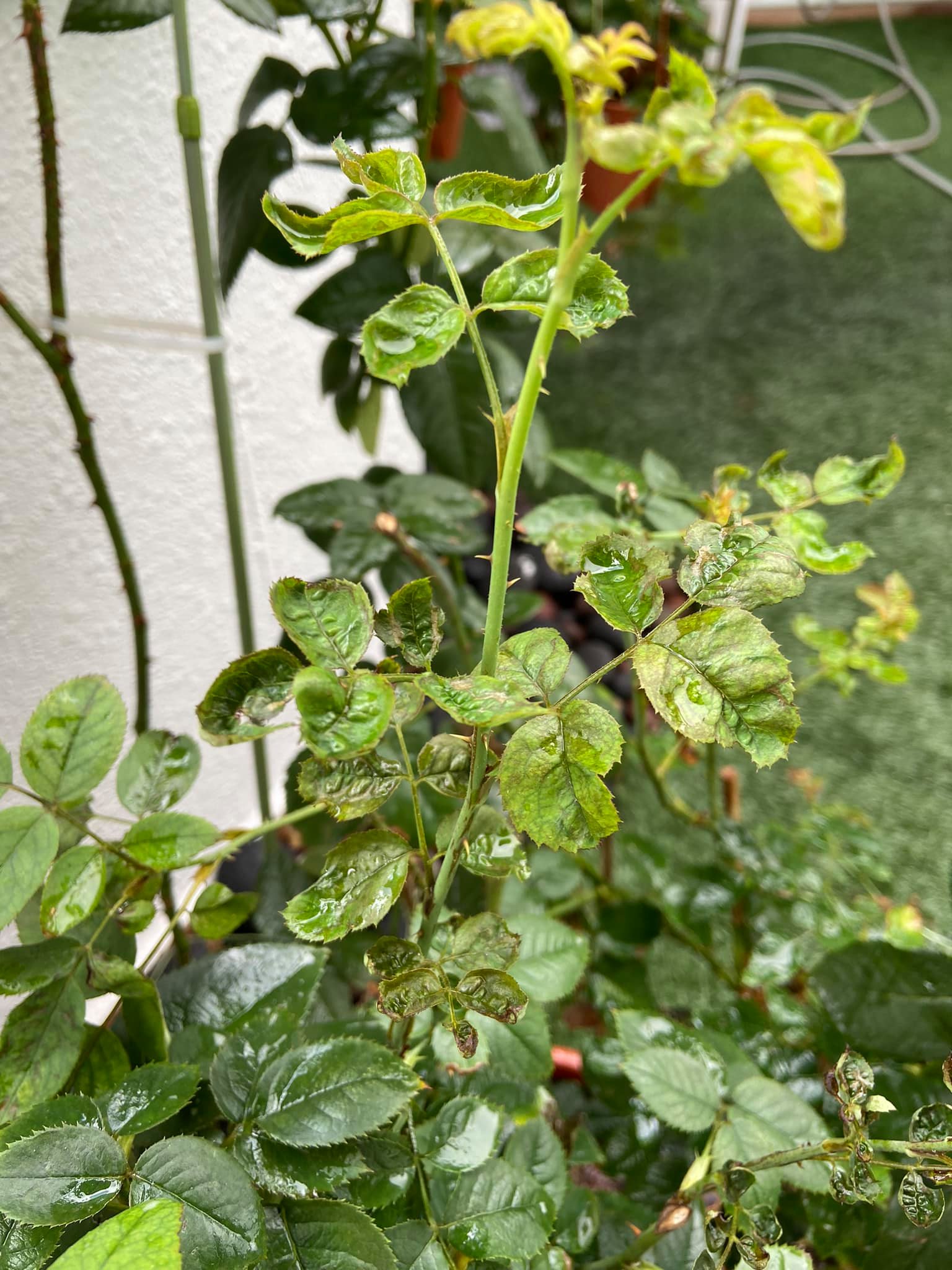
Thrips
Thrips are tiny (1–2 mm) piercing-sucking insects in the order Thysanoptera, most commonly *Frankliniella occidentali...
Insect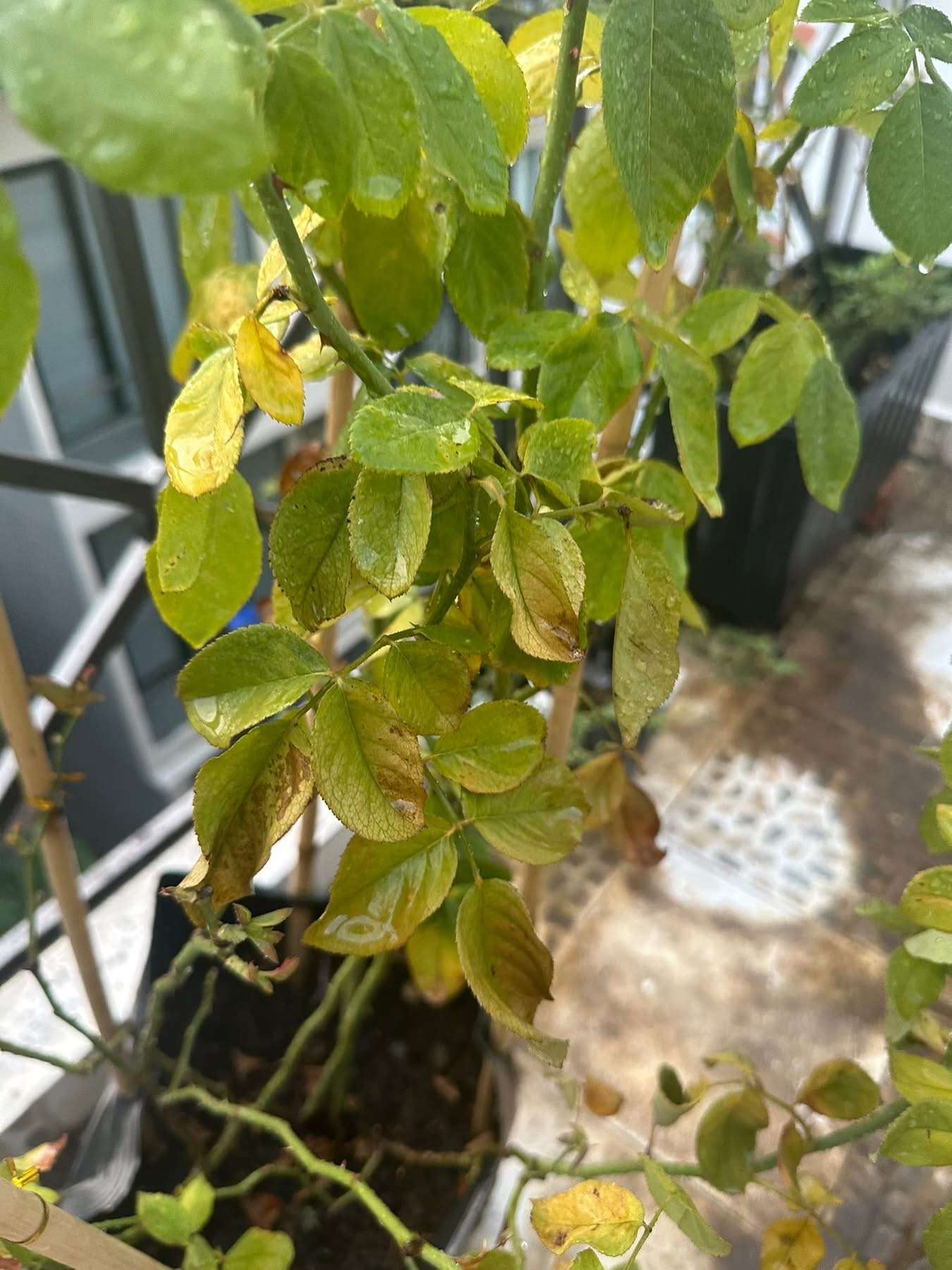
Waterlogging
Waterlogging occurs when the substrate stays saturated for an extended period, depriving the root zone of oxygen. The...
Physiological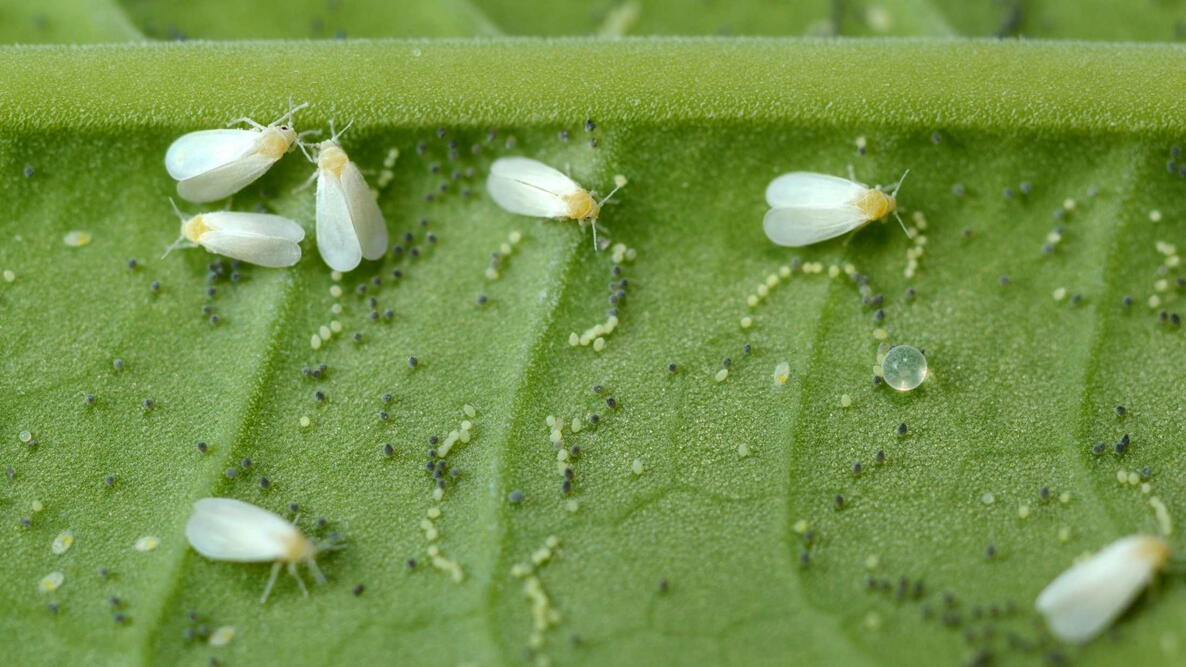
Whitefly
Whiteflies (family Aleyrodidae) are not true flies but close relatives of aphids and mealybugs. They are tiny insects...
Insect