
Sunburn
PhysiologicalDescription
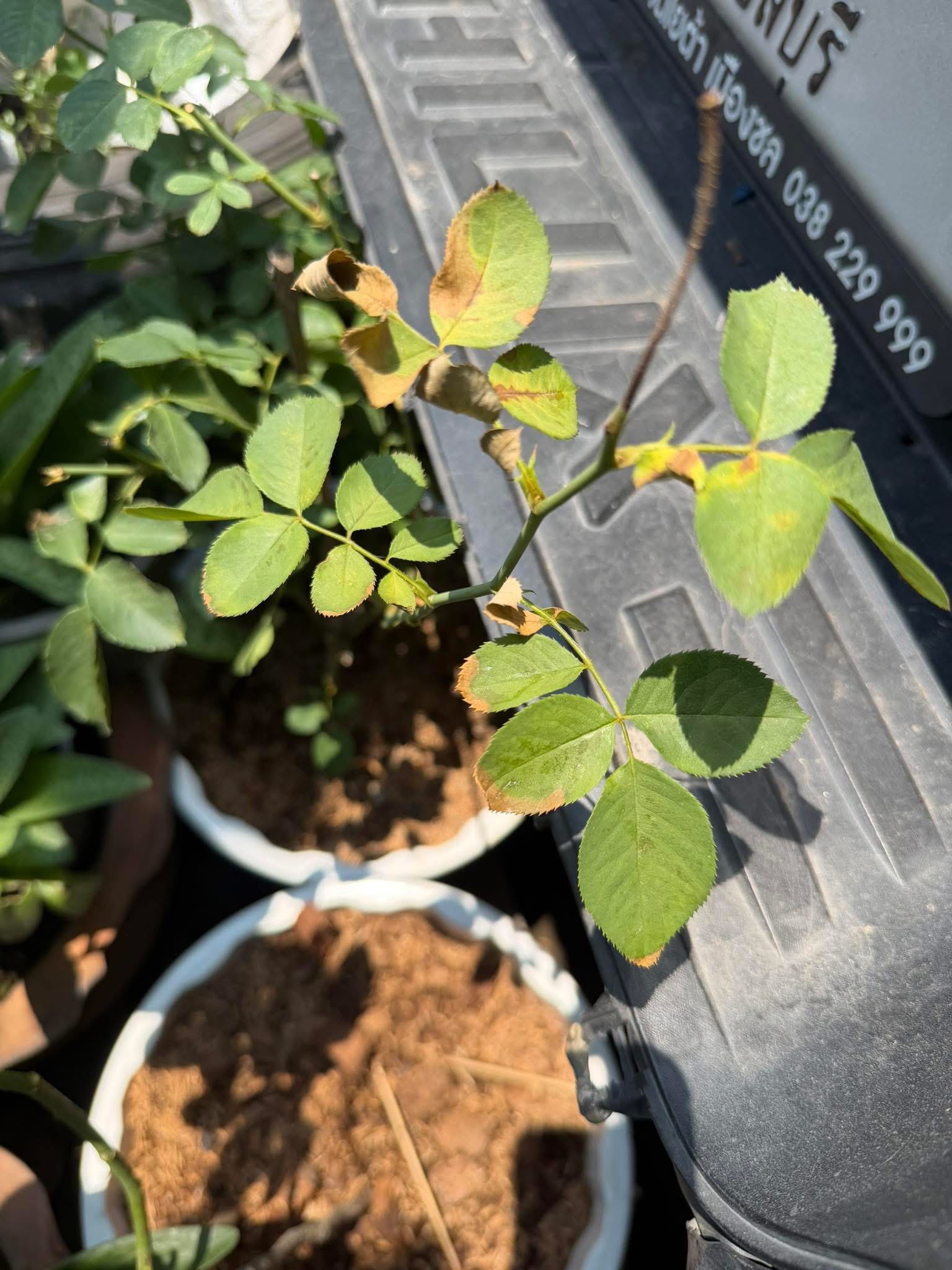
Sunburn (sunscald) occurs when the plant is exposed to direct sunlight that is too intense, particularly when air temperature exceeds 35 °C. Leaf cells are destroyed by heat and UV radiation. The disorder usually shows up after a plant has been moved abruptly from indoors to full sun, or during a heatwave. The damage is abiotic — once cells are killed they cannot be revived, and recovery depends on removing the stressor and letting the plant grow replacement foliage.
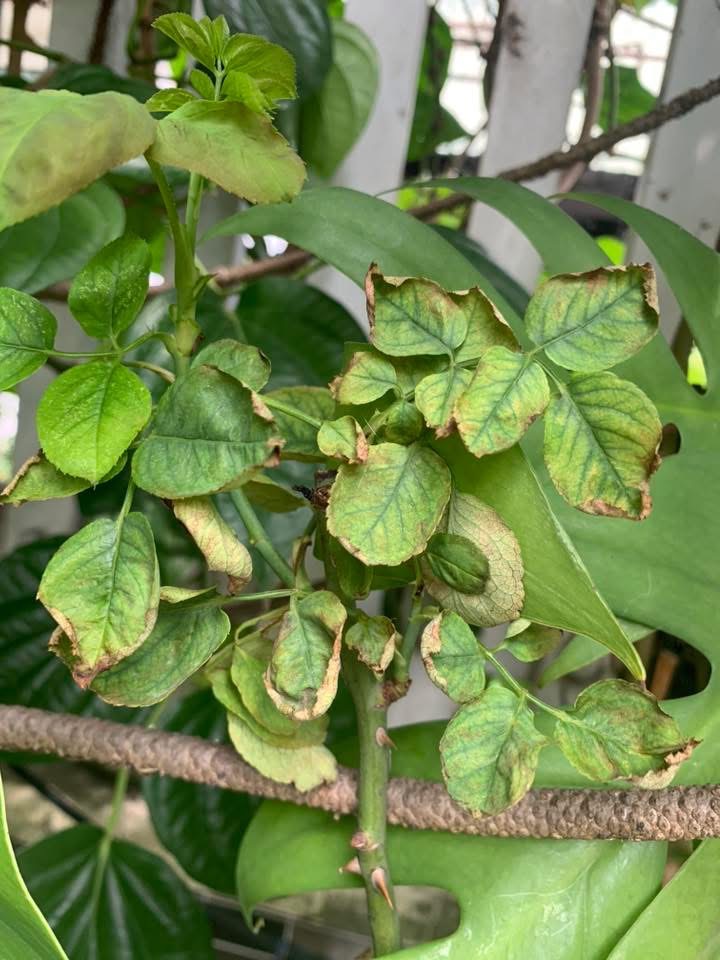
During peak heat combined with dry winds, the rate of evapotranspiration from the leaves can exceed the rate of water uptake by the roots. The leaf margins, being the furthest points from the vascular supply, are the first areas to desiccate and scorch.
Symptoms
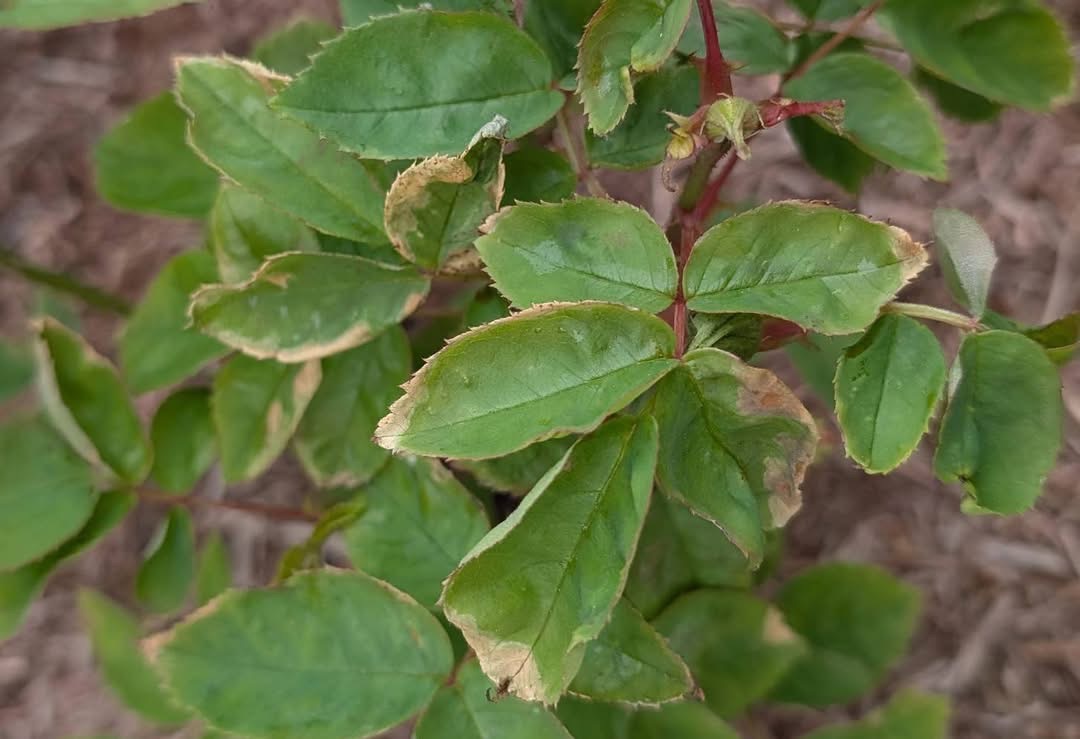
- Clearly defined scorch marks on the leaf surfaces that received direct sun, with shaded areas of the same leaf unaffected
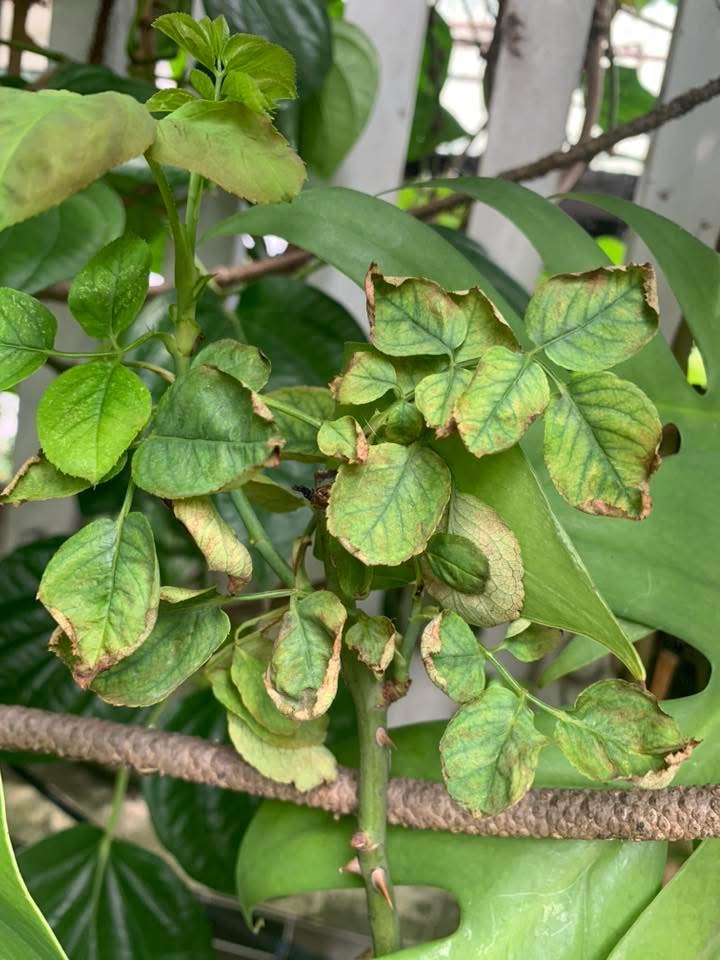
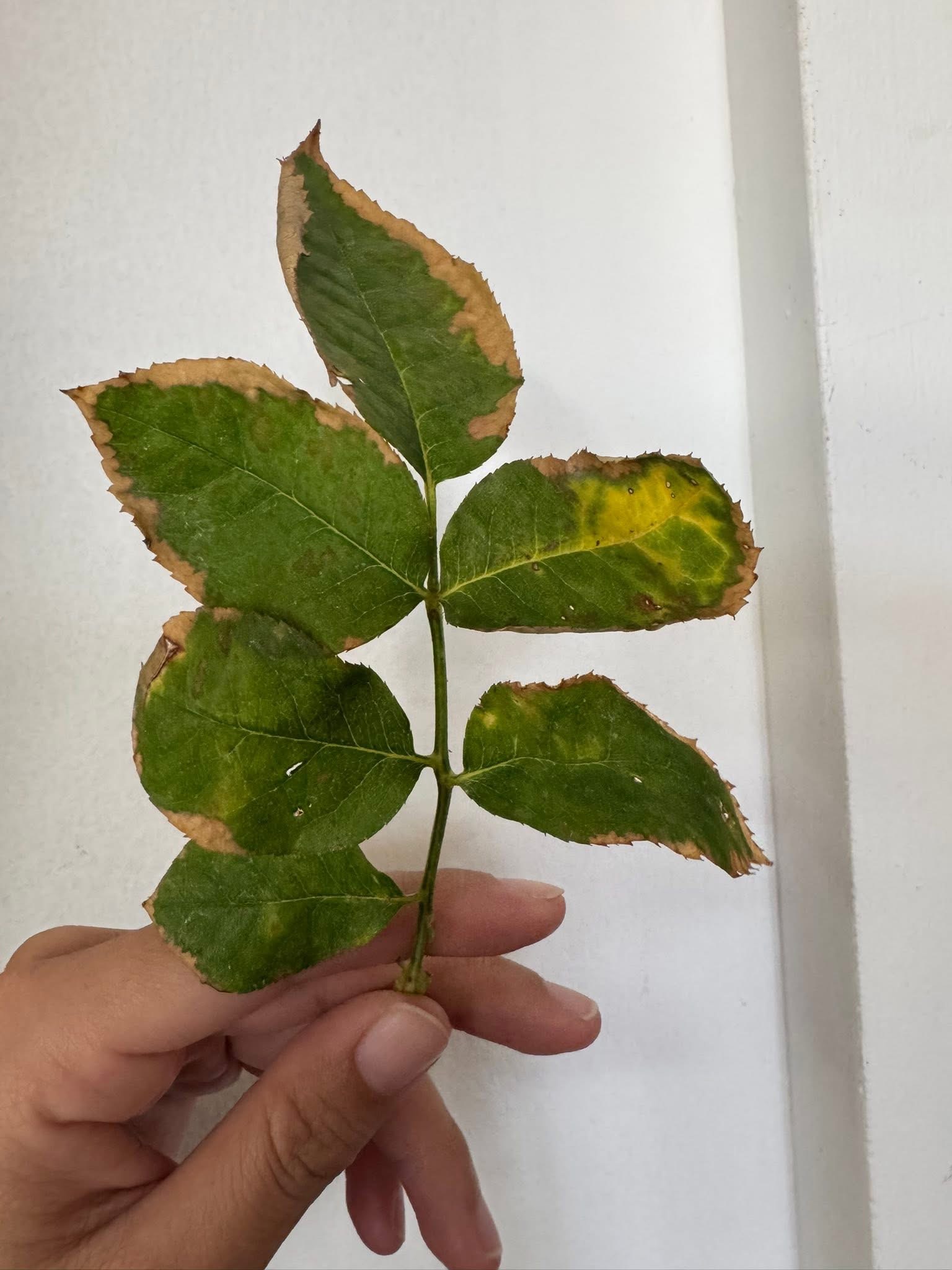
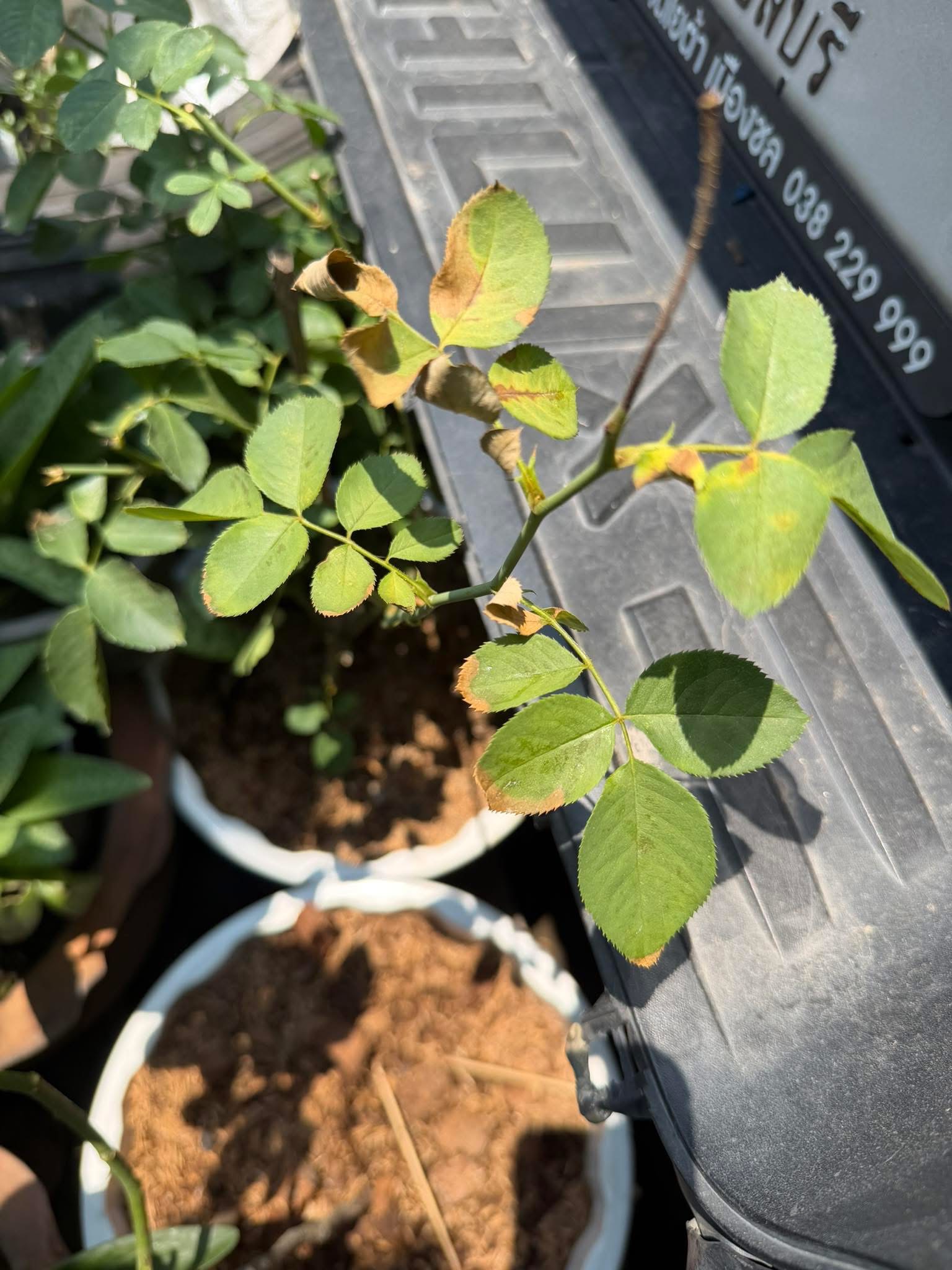
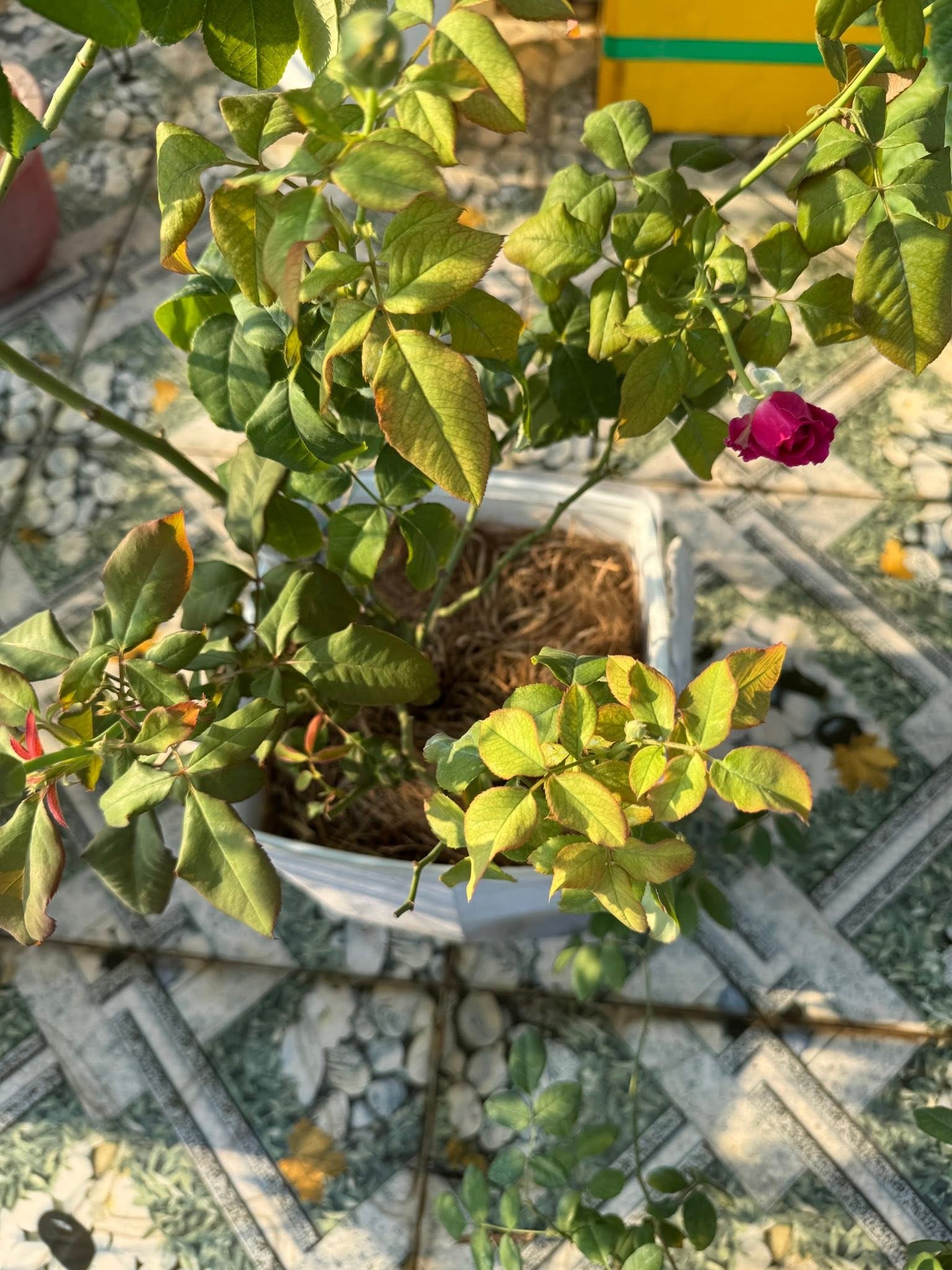
- Burned tissue becomes stiff, brittle, and easily crushed
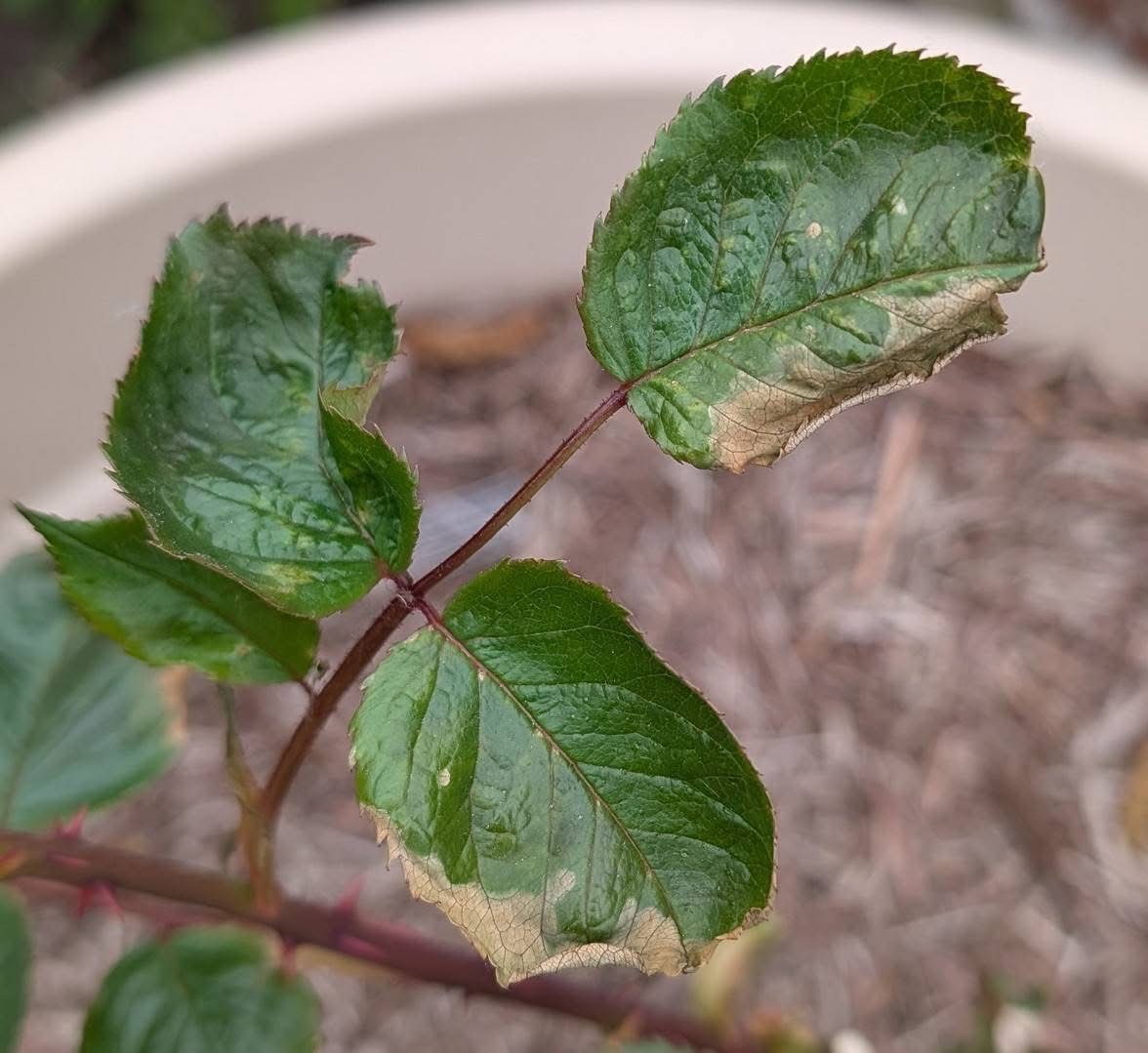
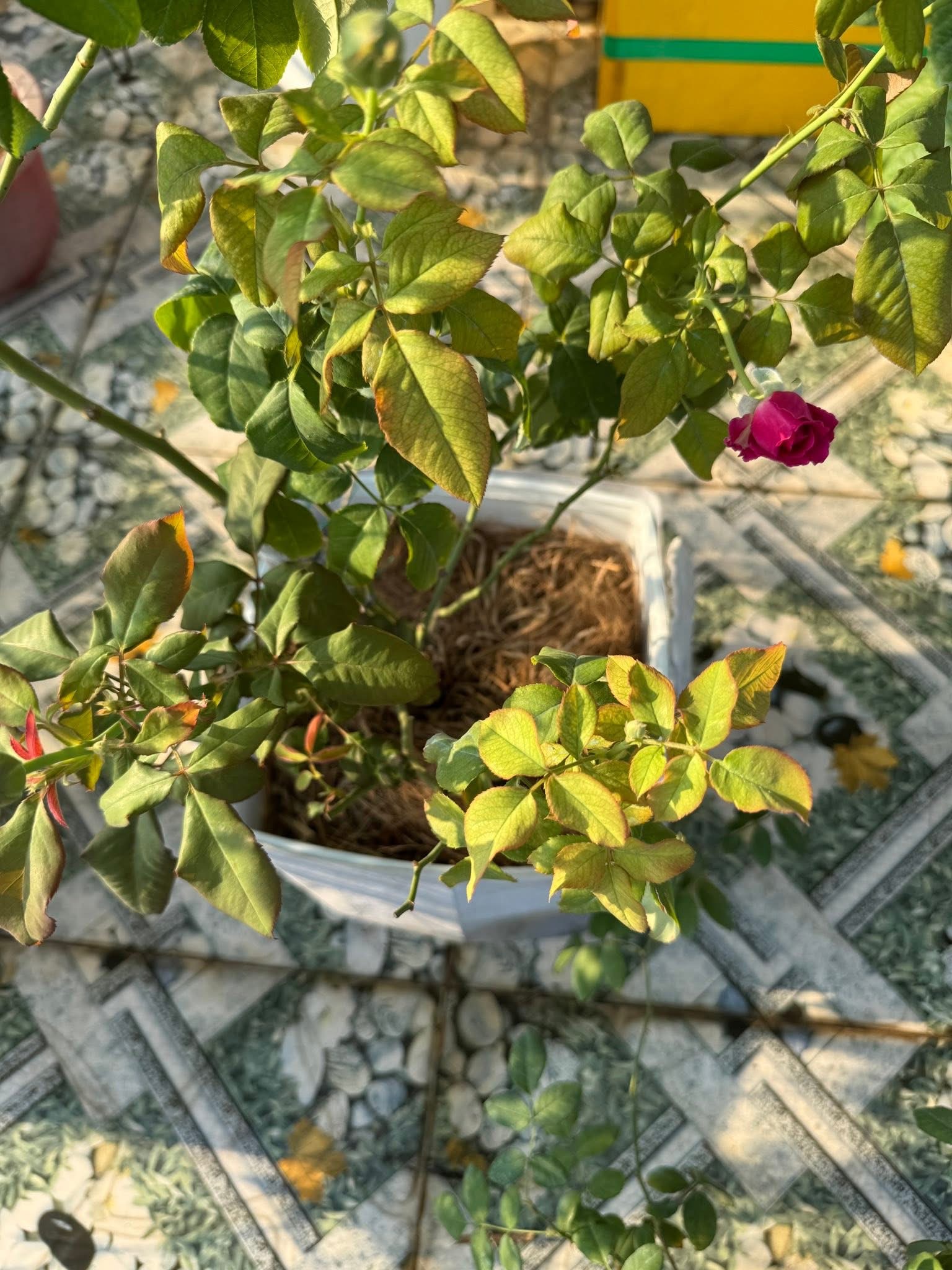
- Petals scorch brown where they have caught direct, intense sunlight
Treatment plan
Sunburn damage is permanent at the cellular level. Recovery depends on removing the heat/UV stress and letting the plant flush new growth — there is no chemical "treatment."
- Move the plant out of direct sunlight, or cover it with 30–50% shade netting.
- Do not cut off the sunburned leaves straight away — leave them in place so they continue to shade the tissue below.
- Harden off gradually: Acclimatise the plant to stronger sun in stages over several days, rather than all at once.
- Choose a balanced exposure: Plant in a position that receives morning sun with light afternoon shade.
Prevention
- Never move a plant directly from indoors into harsh sun without hardening off.
- Water at the root zone in the early morning so the plant is well hydrated before the heat of the day.