RoseDoctor
Ca Deficiency

Ca Deficiency

Physiological

Description

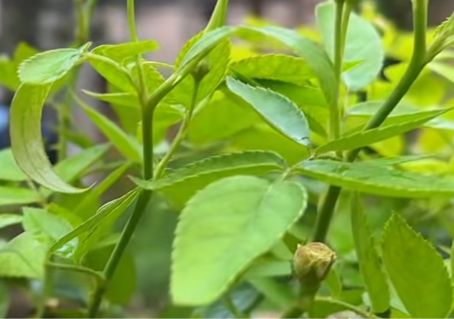
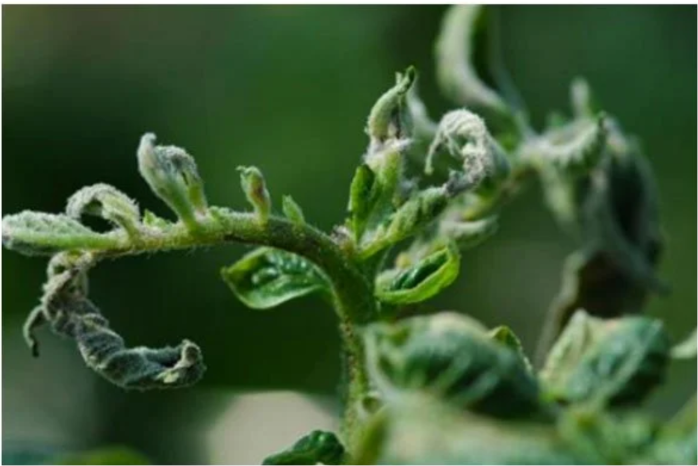
Calcium (Ca) deficiency typically develops in acidic soils, leached substrates, or where irrigation is uneven, because calcium is carried passively in the transpiration stream and only reaches tissues that actively pull water. Calcium is essential for cell-wall integrity and for the growth of apical meristems. Because Ca is an immobile nutrient, symptoms appear first on the young, actively expanding tissues — terminal buds die back and new leaves emerge distorted.

Symptoms

  • Necrosis of shoot tips and young leaves (tip burn) — the margins of new leaves turn brown-black and die
  • Young leaves become deformed, curled, with wavy margins — highly characteristic of Ca deficiency (Fe and Mn deficiencies do not produce distortion)
  • Young stems and shoots are weak and brittle
  • Flower buds develop poorly, abort, and drop prematurely before opening

Treatment plan

When the plant runs short of calcium, newly forming cells cannot build sturdy walls, leading to tip burn and bud abortion.

  • Pruning: Cut back any shoot tips that have already curled or blackened. Because calcium is immobile, the plant cannot redirect Ca from older leaves to repair damaged new growth.
  • Immediate foliar supplementation: Apply a foliar calcium feed (CaCl₂ at 0.3% or calcium nitrate) so the plant absorbs it directly into the new tissue.
  • Consistent watering: Water evenly and consistently to maintain the transpiration stream that carries calcium upward.
  • pH correction: Test the soil pH. If the soil is too acidic (pH < 5.5), calcium uptake will be blocked no matter how much you apply. Add agricultural lime or refined lime to raise the pH.

Recommended products

Below are three widely available, effective options:

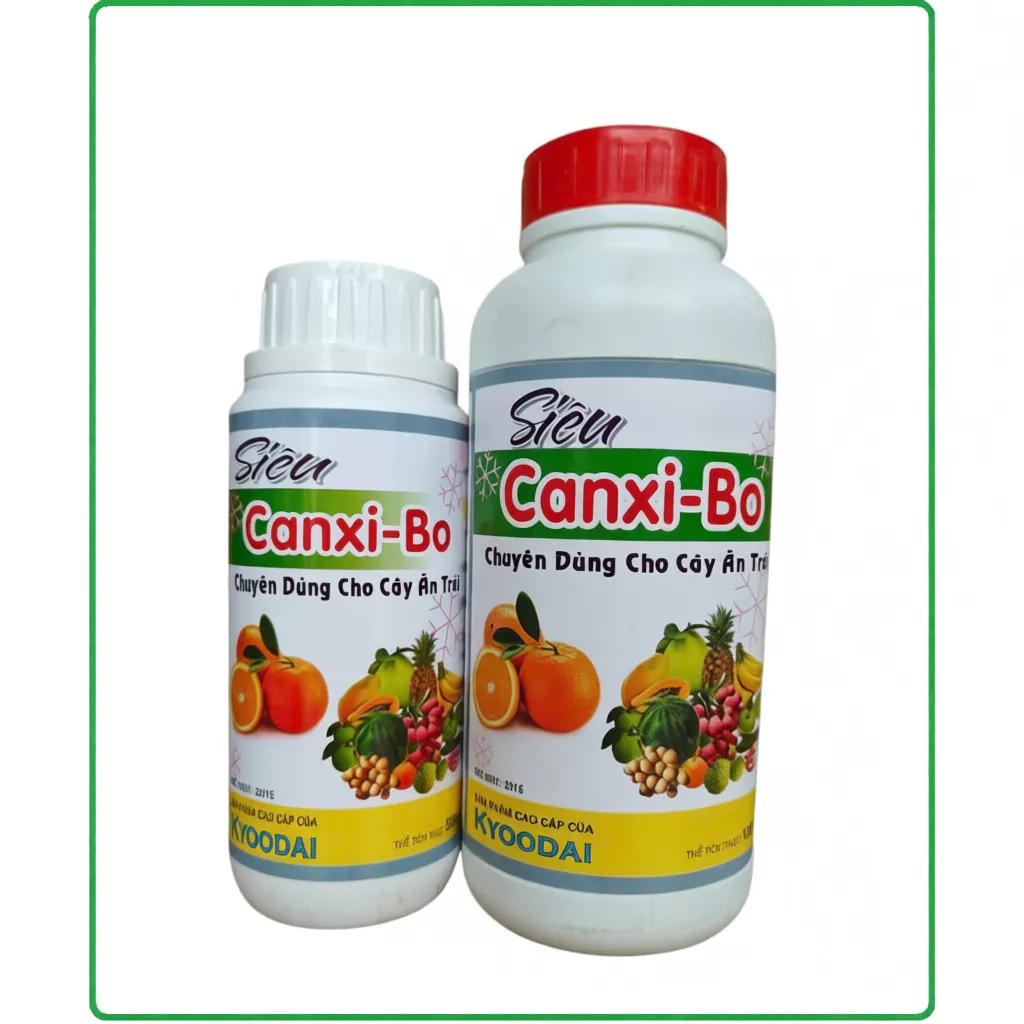
  1. Calcium Boron (liquid — fast uptake)
  • Description: Combines calcium and boron to strengthen pollen viability, harden cell walls, and reduce bud drop and leaf curling.
  • Dosage: 15–20 ml per 16–20 L of water, sprayed evenly over the foliage.
  • Application: Spray onto leaves and young buds in the early morning or late afternoon.
  • Frequency: Every 7–10 days for optimal results.
  • Where to buy: Buy Calcium Boron on Shopee
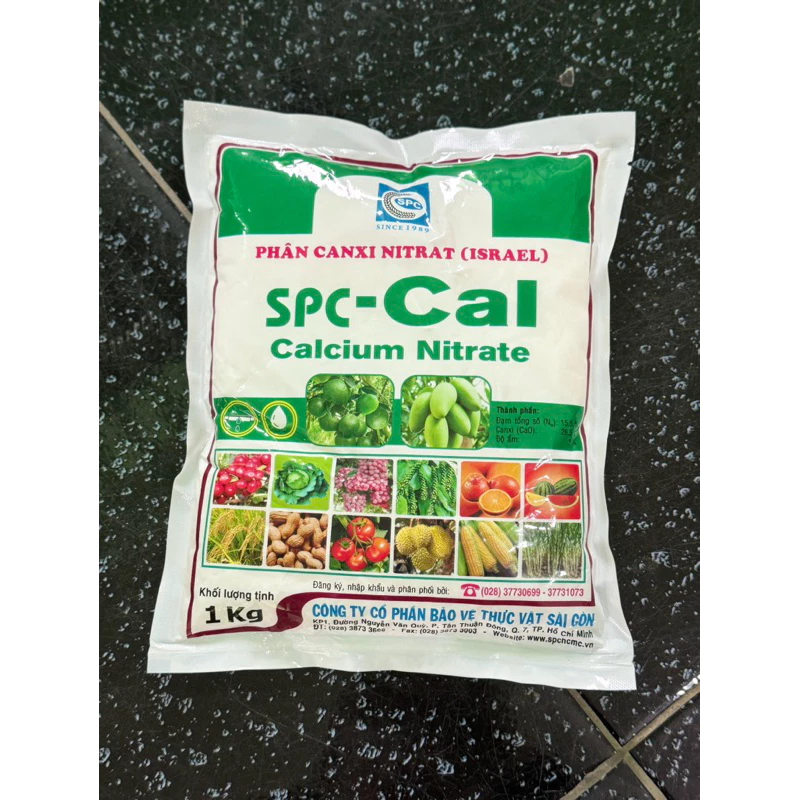
  1. Calcium nitrate fertiliser (soluble — boosts roots, hardens growth)
  • Description: Supplies soluble calcium plus nitrate nitrogen, greening up the foliage and firming up shoots almost immediately.
  • Dosage: 1–2 g calcium nitrate per litre of water.
  • Application: Apply as a root-zone drench or as a foliar spray.
  • Frequency: Every 10–15 days during key growth stages. For ornamental plants, every 2–3 weeks is sufficient. Spray in the early morning (before 9 am) or the late afternoon (after 3 pm) to avoid leaf burn.
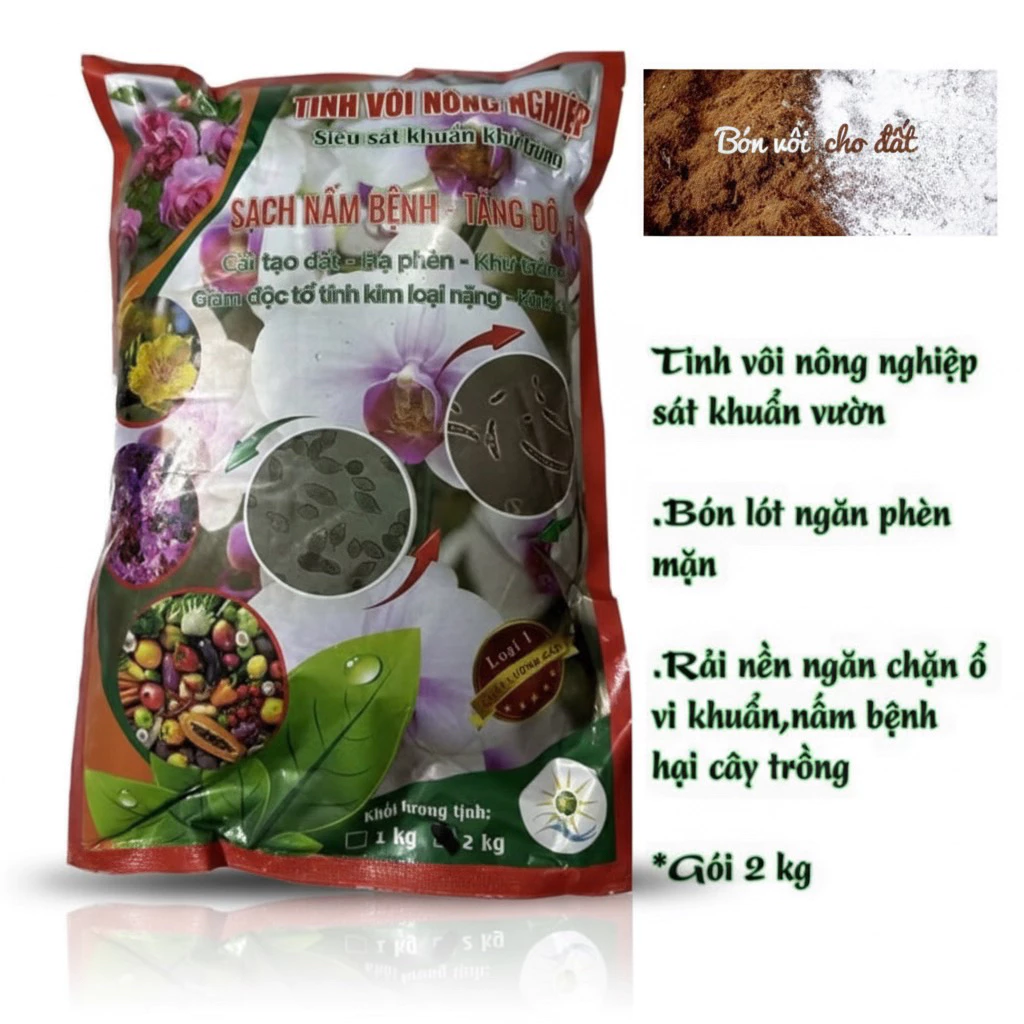
  1. Refined agricultural lime (raises soil pH, sanitises)
  • Description: Neutralises acidity and raises soil pH so the roots can take up the calcium already present in the soil more easily.
  • Dosage: Broadcast or dilute according to the rate on the label.
  • Application: Scatter around the base or water in at the start of the rainy season.
  • Frequency: Follow the manufacturer's instructions.

Note: If older leaves are showing interveinal chlorosis (yellowing between veins, veins remain green), the plant may also be magnesium-deficient (Mg deficiency often accompanies Ca deficiency). In that case, use a Cal-Mag product to correct both at once.

Prevention

  • Water consistently — never let the substrate dry out completely and then drench it suddenly.
  • Test the soil pH regularly.

Recommended products

Super Calcium Boron foliar fertiliser

Super Calcium Boron foliar fertiliser

Calcium Boron foliar fertiliser combines calcium and boron to strengthen pollen viability, harden cell walls, and reduce bud drop and leaf curling. Apply 15–20 ml per 16–20 L of water, sprayed evenly over the foliage every 7–10 days in the early morning or late afternoon for optimal results.

Calcium Nitrate fertiliser

Calcium Nitrate fertiliser

Calcium nitrate, formula Ca(NO3)2, comes as milky-white granules free of impurities. · Dissolves quickly and completely in water, so it can be applied directly to the root zone or mixed into irrigation water. · Because the nitrogen is mainly in the nitrate (NO3-) form, it is taken up immediately, works fast, and is less prone to volatilisation and leaching than urea; nitrate nitrogen also does not acidify the soil. · In addition to nitrogen, it supplies highly soluble calcium (Ca), suitable for either basal or top-dressing, meeting plant demand during stages of strong stem, leaf, and fruit development. Apply 1–2 g per litre as a root drench or foliar spray every 10–15 days during key growth stages (every 2–3 weeks for ornamentals). Spray before 9 am or after 3 pm to avoid leaf burn.

Refined agricultural lime

Refined agricultural lime

Refined agricultural lime with CaO as the main ingredient plus selected additives. Helps improve soil structure, reduce acidity (acid-sulphate / phèn), sanitise, and stabilise pH so roots can take up the calcium already present in the soil. Broadcast or dilute according to the label rate, scattering around the base or watering in at the start of the rainy season.

Share this page