
Articles
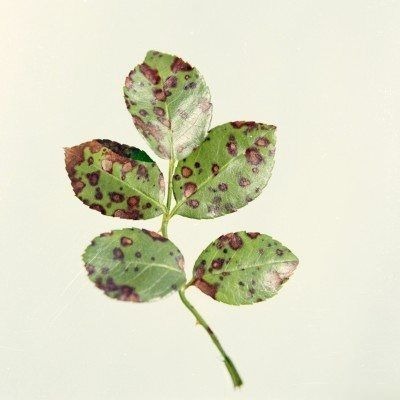
Differentiating Black Spot, Anthracnose, and Downy Mildew on Roses by Lesion Shape
Black spot, anthracnose, and downy mildew are the three most common fungal diseases on rose plants. They all produce spots on leaves, making them very easy to confuse, leading to incorrect diagnoses and ineffective pesticide use.However, by understanding the biological mechanisms of each pathogen, growers can accurately identify them simply by observing the shape of the lesions. Black spot typically forms serrated edges with a yellow halo, anthracnose creates sharp, circular spots that can perforate the leaf, while downy mildew forms characteristic purple-brown lesions confined by the leaf vein system into polygonal shapes.The article below will analyze in detail the causes behind the formation of each type of lesion and provide practical guidance on quick differentiation.

The Secret to Mixing Potting Medium for Roses: A Foundation for Healthy Roots and Superior Growth
Success in rose cultivation largely depends on the physicochemical structure and biological health of the rhizosphere. Roses are high-nutrient demanding plants but are particularly sensitive to oxygen deficiency caused by waterlogging, as well as soil-borne pathogens like root rot fungi and nematodes. Establishing a potting mix formula with high aeration and good drainage, combined with biological solutions, is fundamental for sustainable root development.
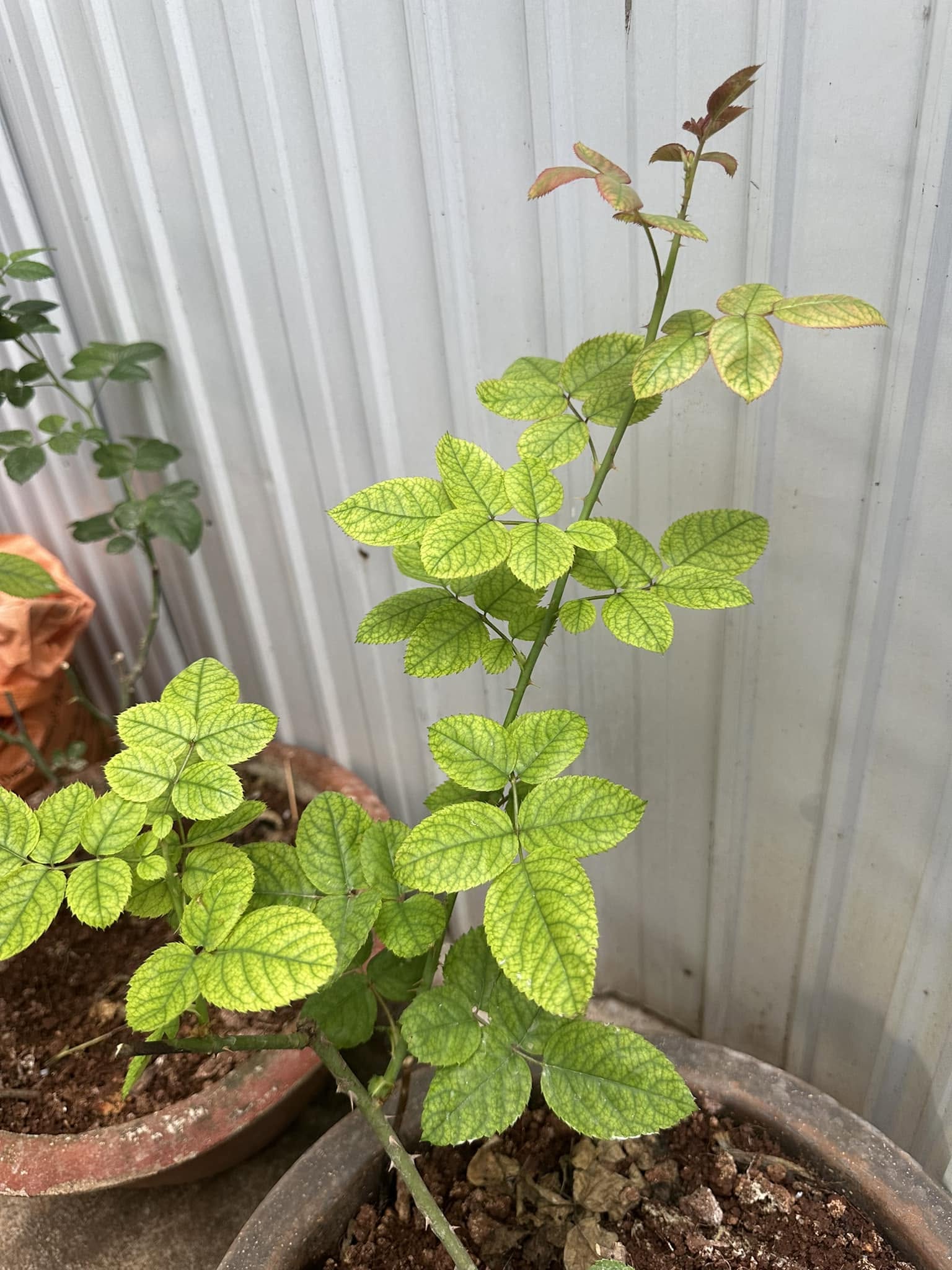
Identifying Causes of Yellow Leaves in Roses
Leaf yellowing (chlorosis) in roses is not a single disease but a **physiological response** that occurs when chlorophyll synthesis is disrupted. To effectively treat the problem, growers must differentiate between direct symptoms (such as nutrient deficiencies) and the underlying root causes found deep within the soil or the plant's vascular system.
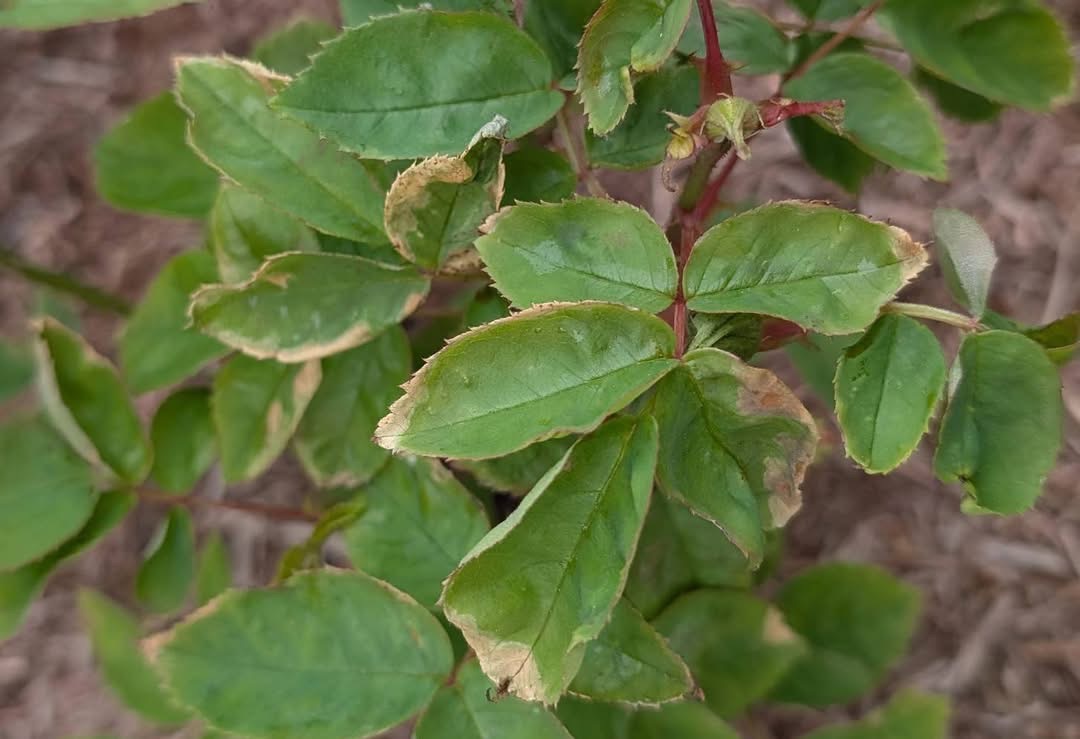
Identifying the Causes of Leaf Scorch in Roses: Water Deficiency, Potassium Deficiency, or Fertilizer Burn?
Leaf scorch is one of the most common symptoms observed in rose plants. However, while the phenomenon of leaf edges turning yellow and then brown is the same, the underlying causes can be entirely different. The three most common causes include: Water Deficiency: The plant either doesn't receive enough water or loses water too rapidly, leading to the drying of leaf edges. Potassium (K) Deficiency: A lack of potassium weakens cells at the leaf margins, resulting in scorch that typically starts from older leaves. Fertilizer Burn (Salt Toxicity, High EC): An excessively high salt concentration in the growing medium impairs the roots' ability to absorb water, causing a 'false scorch' phenomenon even when the soil is still moist. Although the initial symptoms are quite similar, by carefully observing the location of the damage, the shape of the leaf blade, the color of the scorched areas, the rate of spread, and the condition of the growing medium, growers can distinguish between the causes with reasonable accuracy.
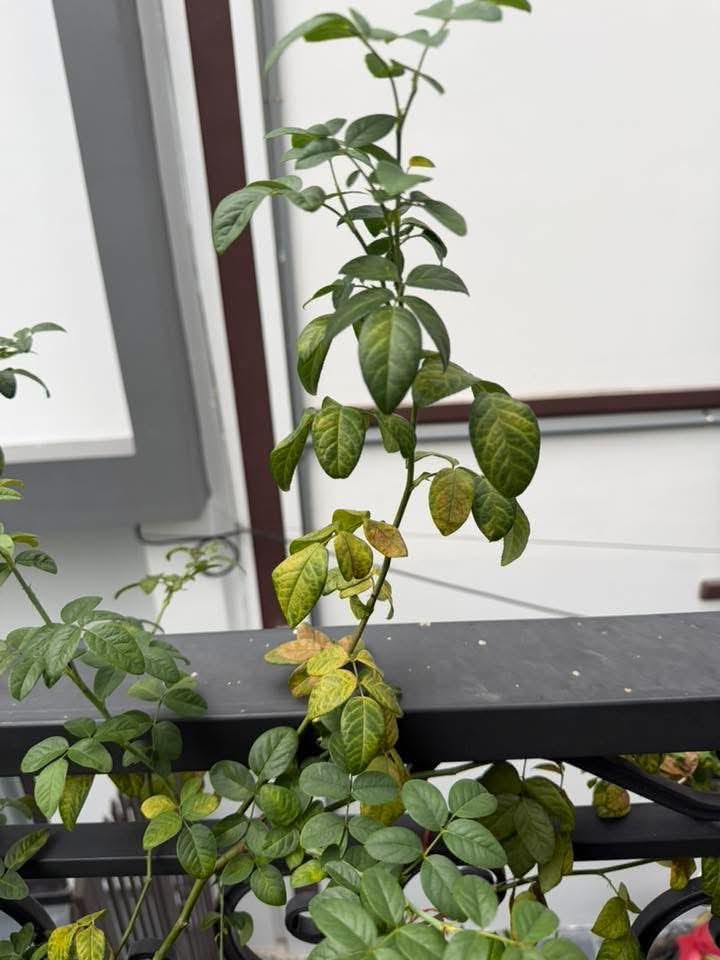
Root Waterlogging and Oxygen Deficiency in Roses: Causes, Symptoms, Differentiation, and Treatment Guide
Root waterlogging, or oxygen deficiency in the root zone, is one of the most common causes of yellowing leaves on rose plants, often occurring after prolonged rainfall or excessive watering. Unlike diseases caused by fungi or insects, root waterlogging is a physiological disorder that prevents the root system from respiring normally, thereby reducing its ability to absorb water and nutrients. The symptoms of root waterlogging are easily confused with magnesium (Mg) deficiency, iron (Fe) deficiency, nematodes, or fungal diseases that harm roots. Misdiagnosing the cause can lead growers to continuously apply fertilizers or pesticides without the plant recovering. This article will analyze the mechanism of its formation, characteristic symptoms, how to differentiate it from other common problems, and provide effective treatment methods.