RoseDoctor
Fe Deficiency

Fe Deficiency

Physiological

Description

Iron (Fe) deficiency is usually caused by alkaline soil (pH > 7), which precipitates iron into forms the roots cannot absorb — not by a true absence of iron in the soil. Iron is required for chlorophyll synthesis. The characteristic symptom is interveinal chlorosis on the YOUNG leaves (apical foliage), which distinguishes it from Mg or N deficiency, where chlorosis starts on the older leaves.

Symptoms

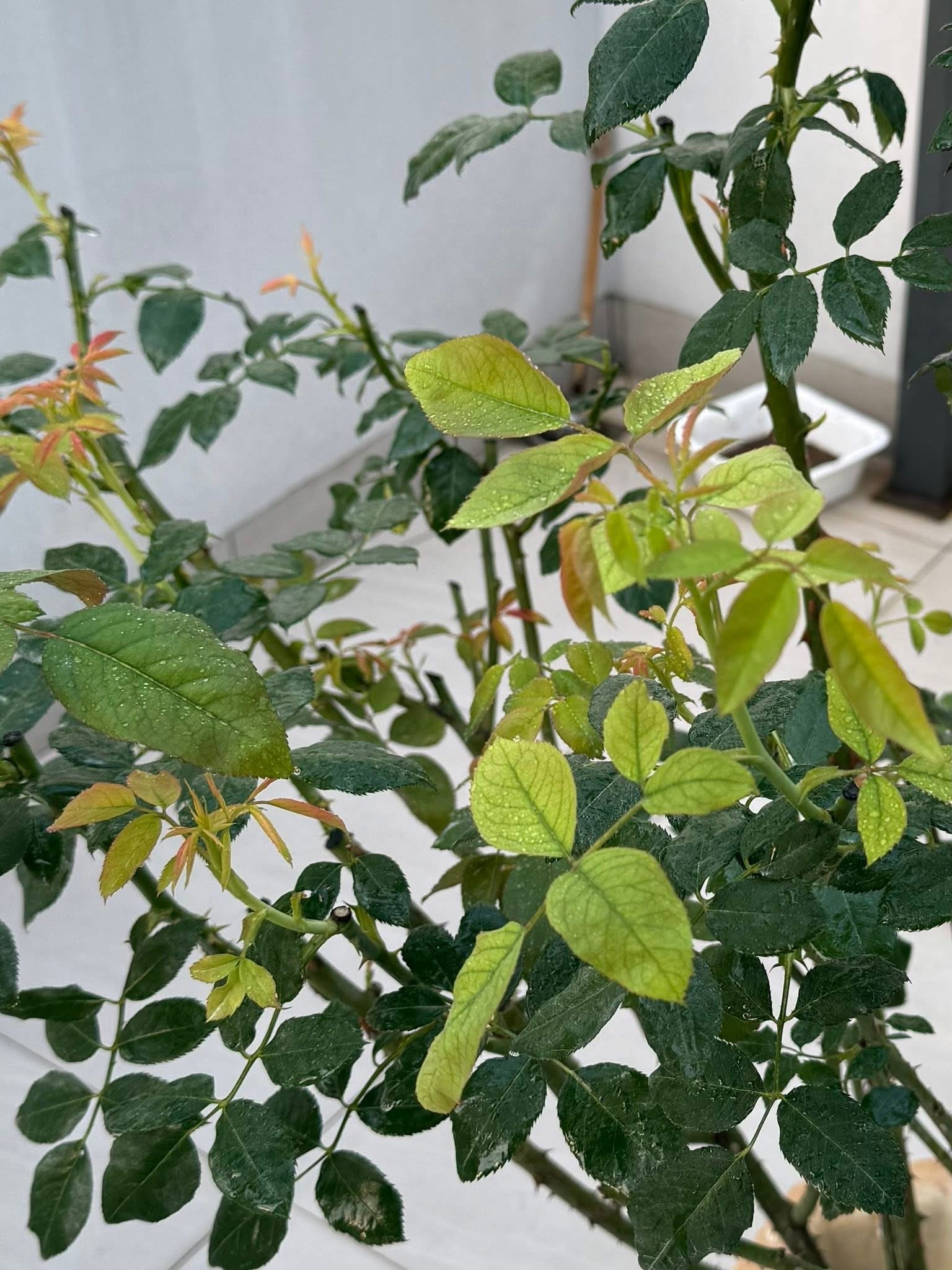
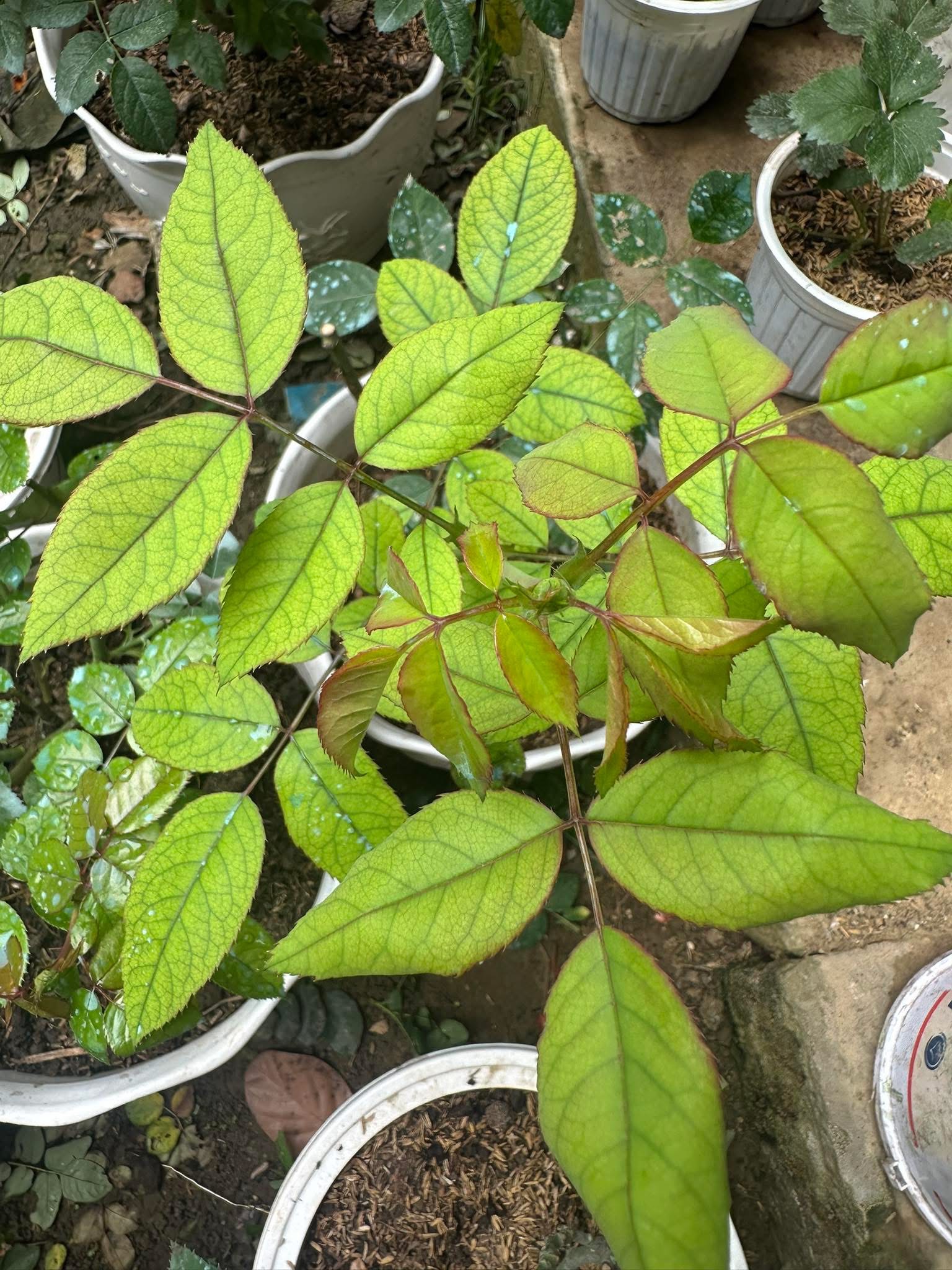
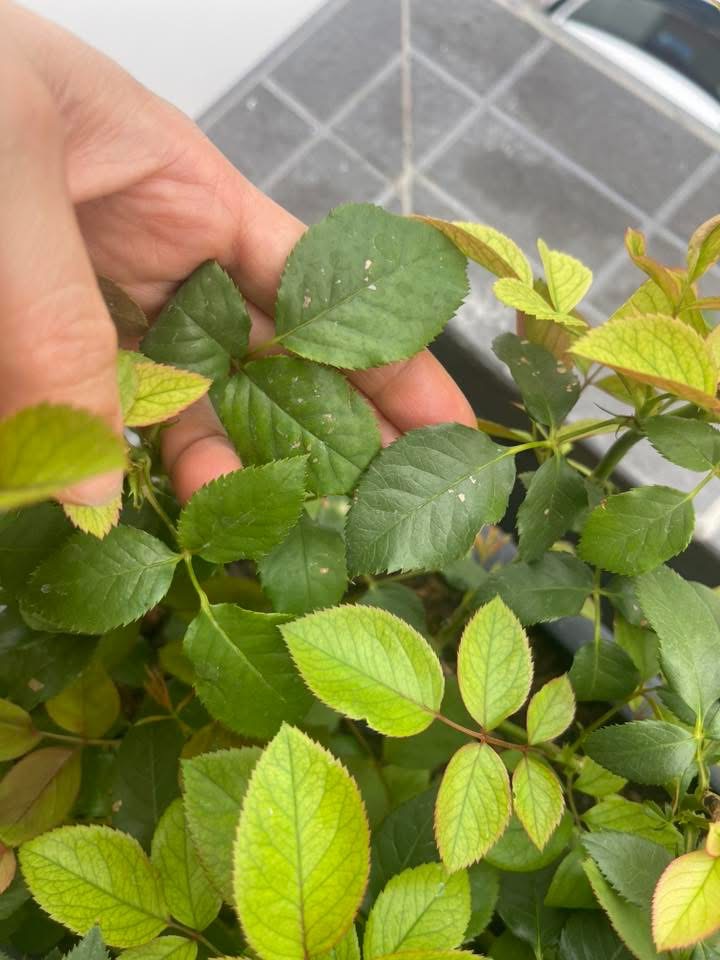
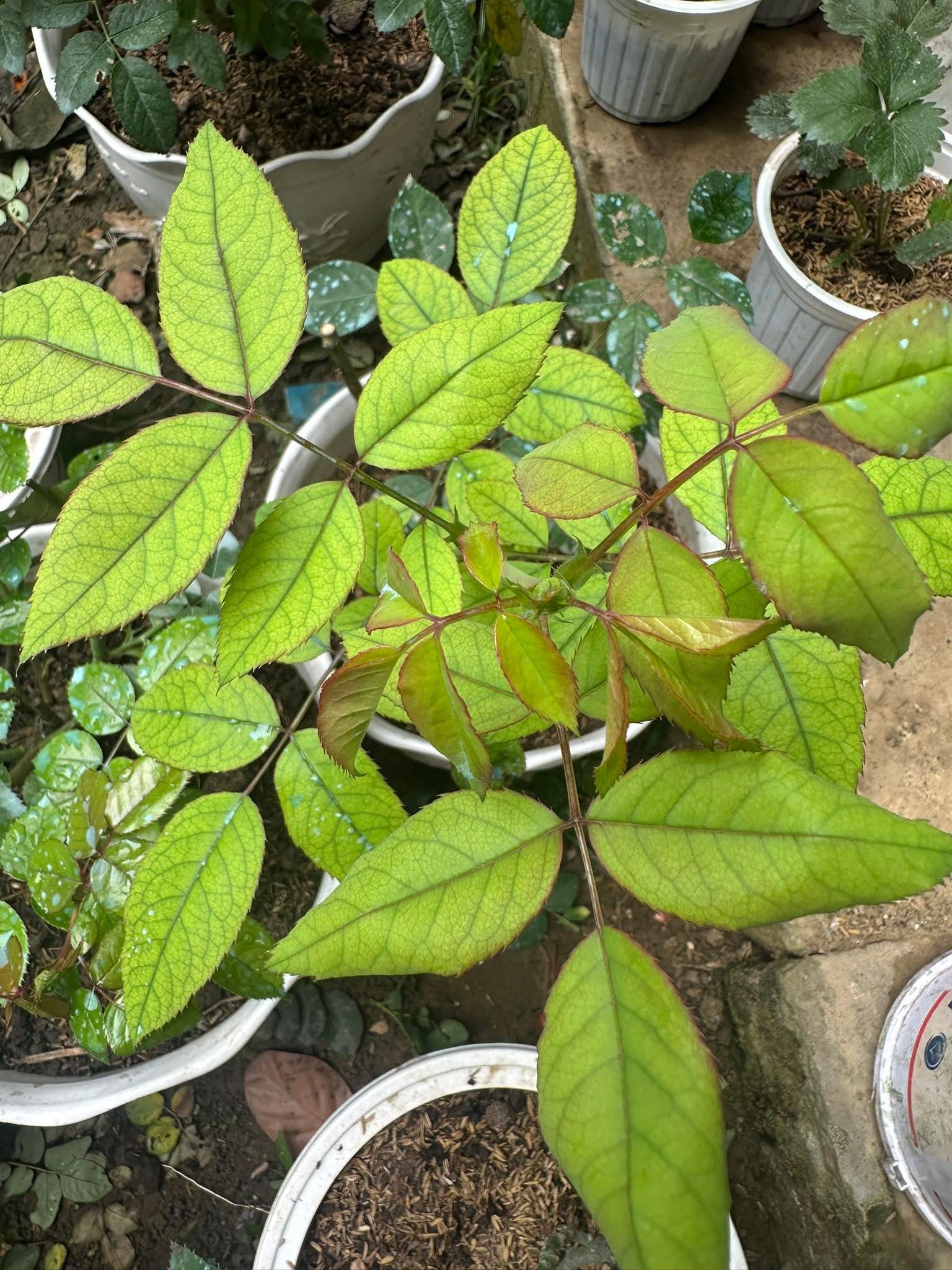
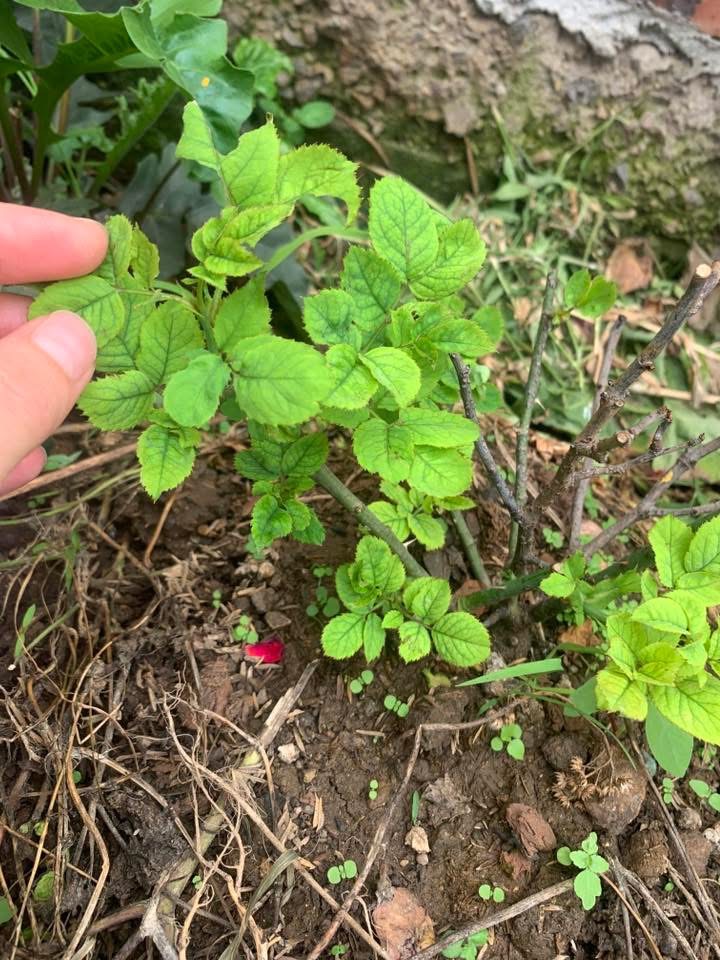
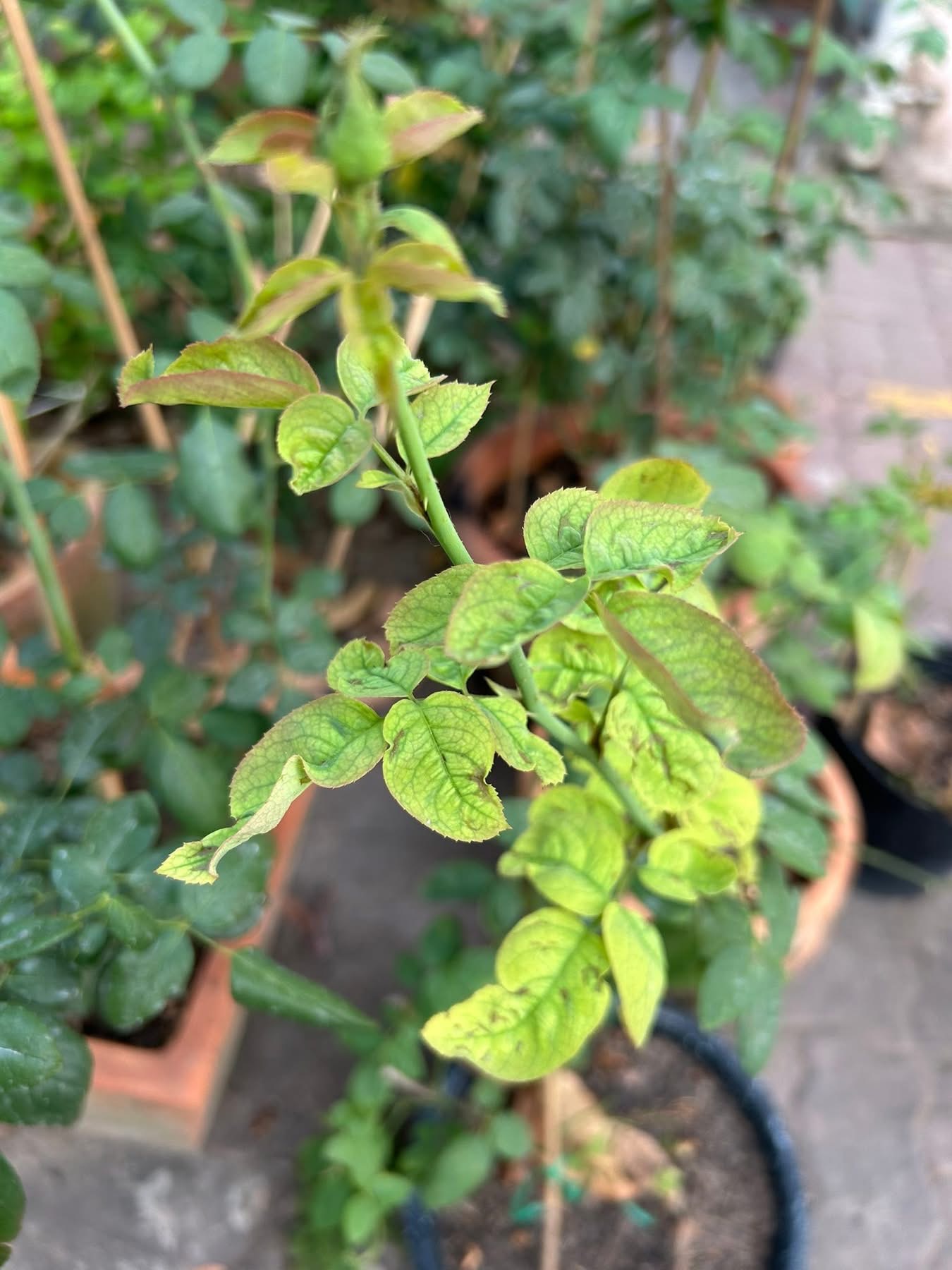
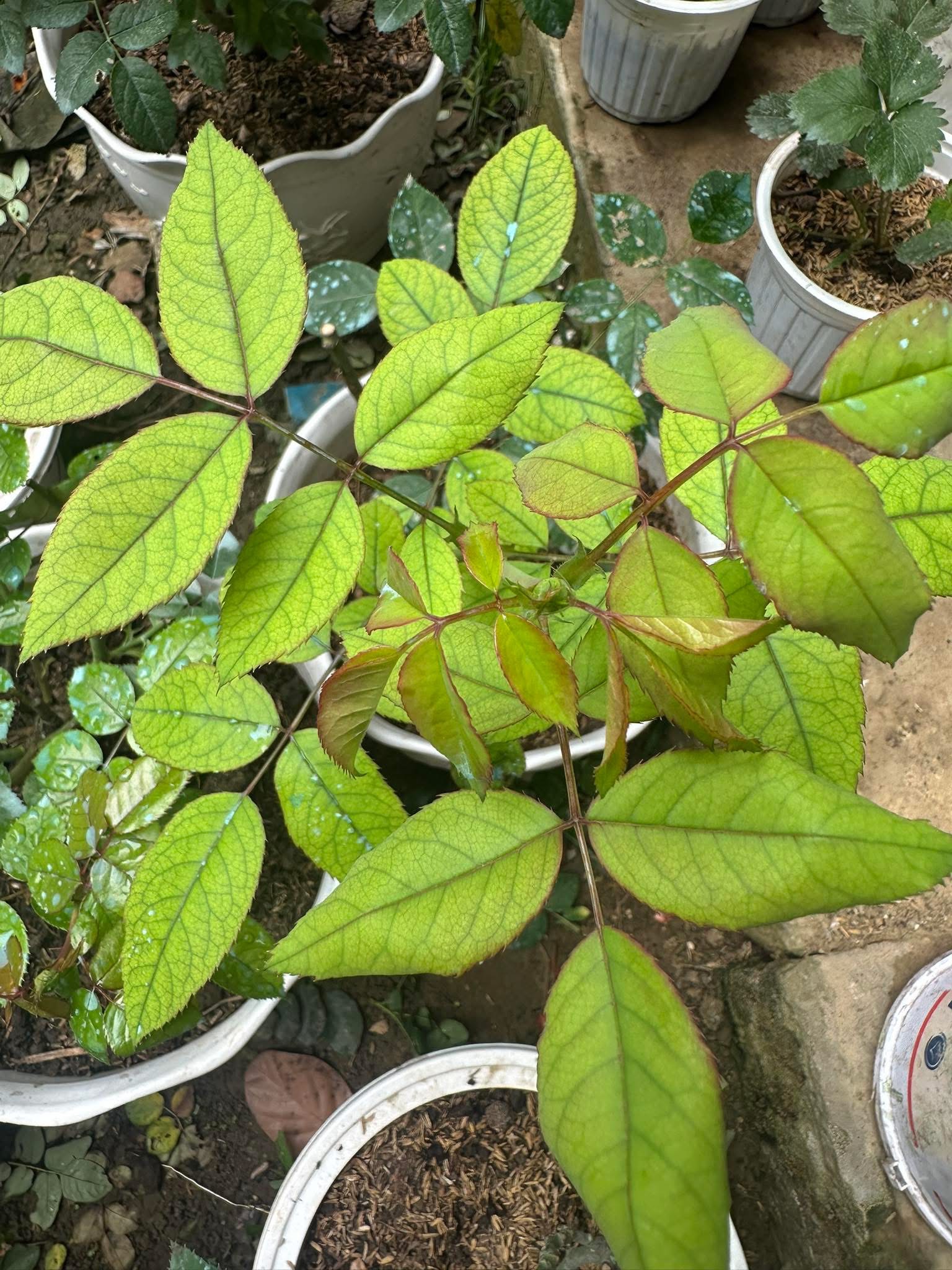
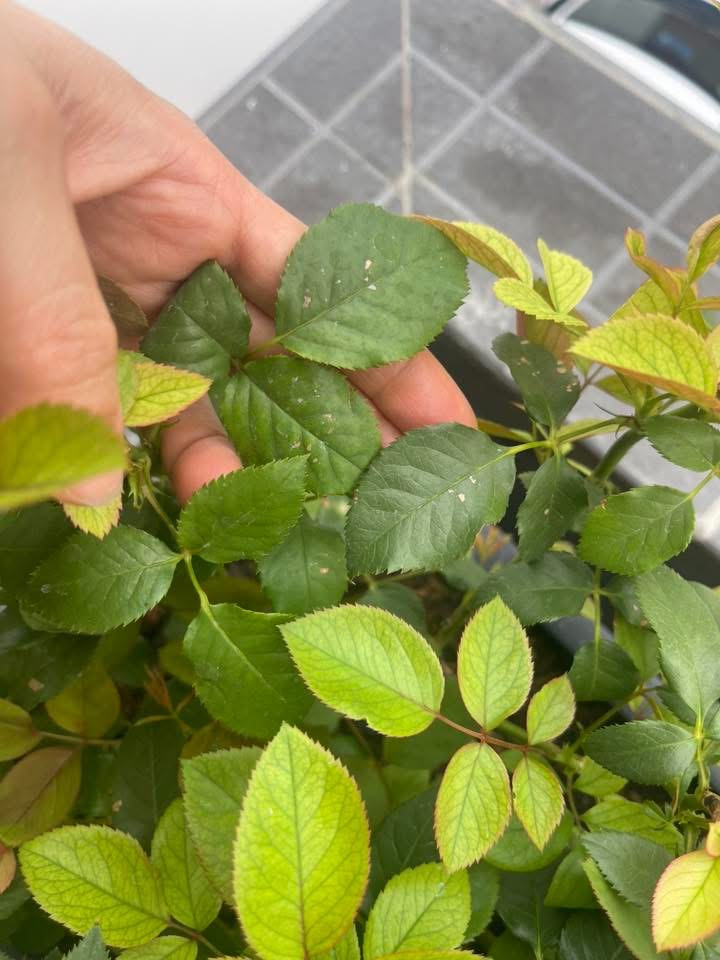
  • Interveinal chlorosis on young leaves (apical foliage, new shoots) — veins remain dark green while the leaf blade fades to pale yellow or white
    Interveinal chlorosis on young leaves (apical foliage, new shoots) — veins remain dark green while the leaf blade fades to pale yellow or whiteInterveinal chlorosis on young leaves (apical foliage, new shoots) — veins remain dark green while the leaf blade fades to pale yellow or whiteInterveinal chlorosis on young leaves (apical foliage, new shoots) — veins remain dark green while the leaf blade fades to pale yellow or whiteInterveinal chlorosis on young leaves (apical foliage, new shoots) — veins remain dark green while the leaf blade fades to pale yellow or white
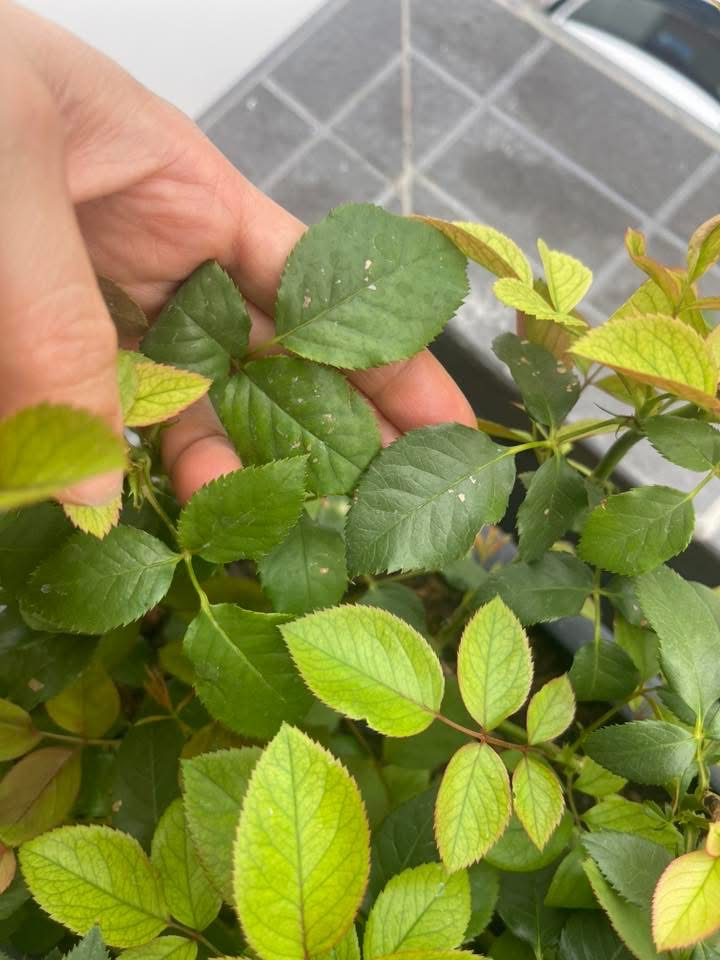
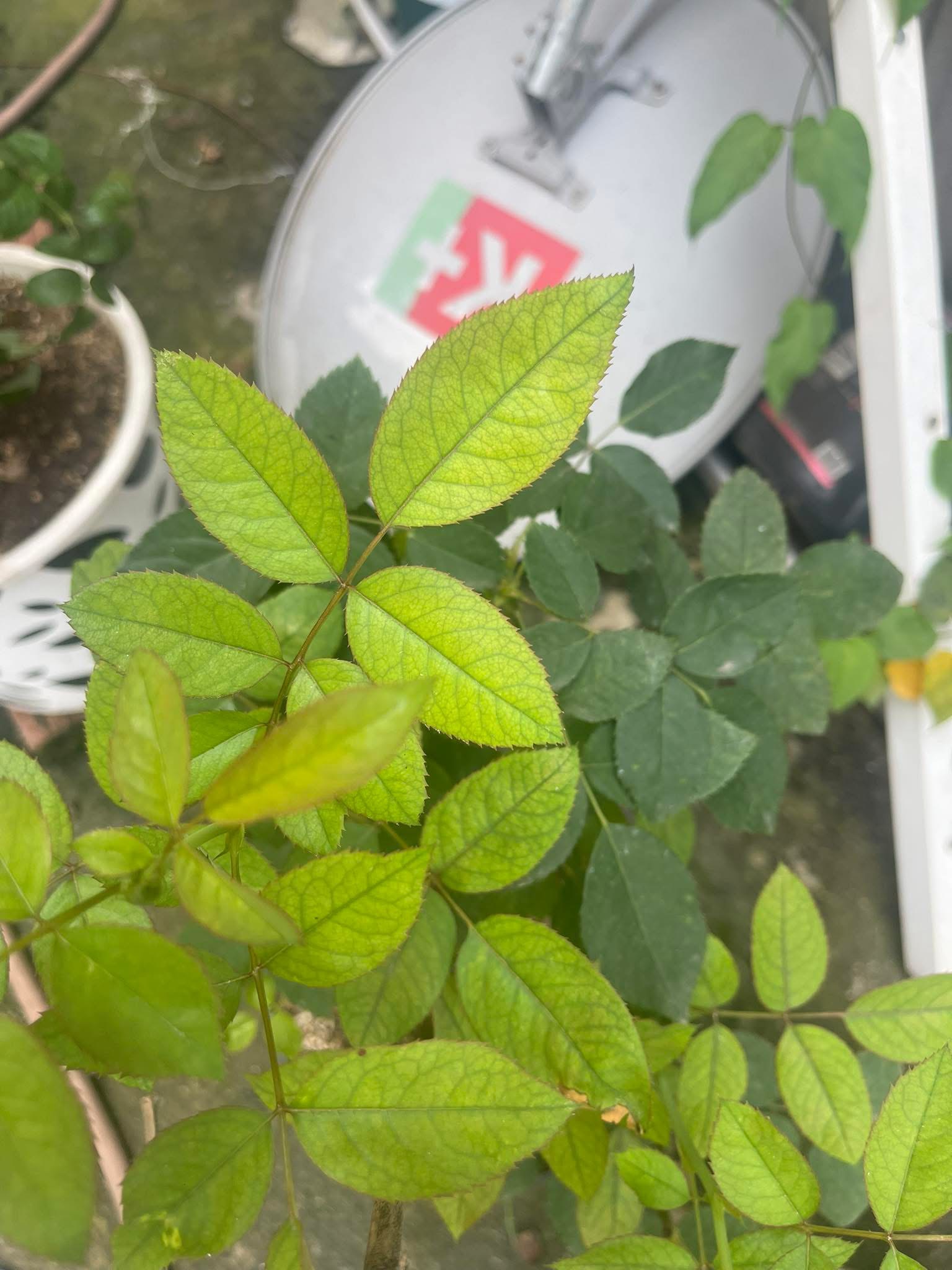
  • Symptoms appear first on the upper, younger leaves — older leaves below remain a normal green
    Symptoms appear first on the upper, younger leaves — older leaves below remain a normal greenSymptoms appear first on the upper, younger leaves — older leaves below remain a normal green
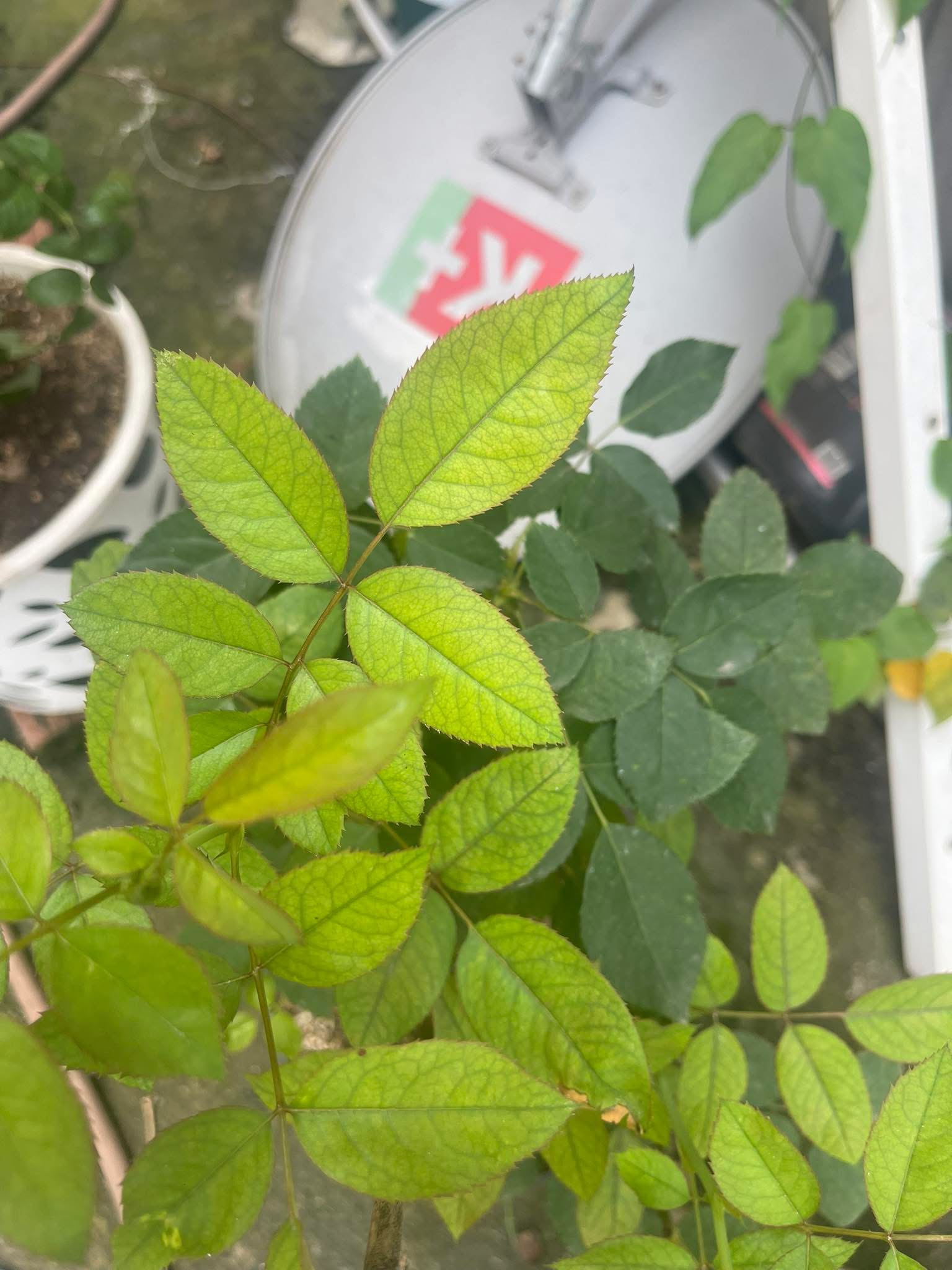
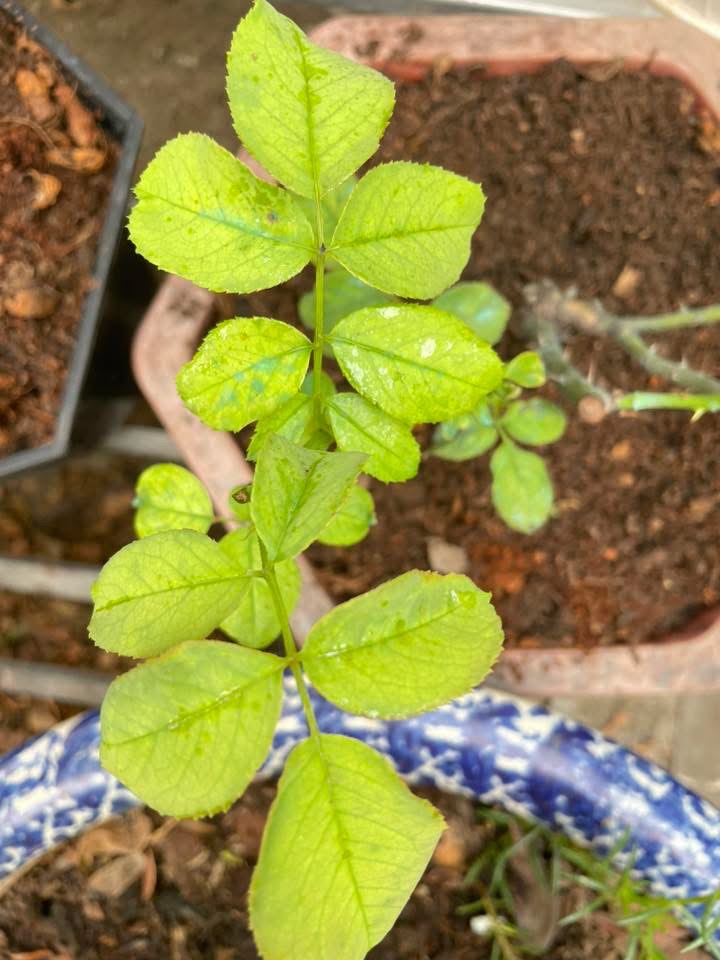
  • Bright yellow young leaves with sharply contrasting dark-green veins — characteristic of Fe deficiency (Mn and Mg produce a duller, more uniform pale chlorosis without that crisp contrast)
    Bright yellow young leaves with sharply contrasting dark-green veins — characteristic of Fe deficiency (Mn and Mg produce a duller, more uniform pale chlorosis without that crisp contrast)Bright yellow young leaves with sharply contrasting dark-green veins — characteristic of Fe deficiency (Mn and Mg produce a duller, more uniform pale chlorosis without that crisp contrast)Bright yellow young leaves with sharply contrasting dark-green veins — characteristic of Fe deficiency (Mn and Mg produce a duller, more uniform pale chlorosis without that crisp contrast)
  • Flowers and buds develop abnormally small with washed-out, pale coloration due to iron-deficiency chlorosis, while retaining their regular symmetric shape without physical tissue twisting or malformation physically induced by pathogens.

Treatment plan

Once chlorosis is severe, root-applied fertiliser tends to act slowly. You will need to:

  • Foliar spray immediately: Apply a foliar spray of Fe-EDTA (iron chelate) — this is the fastest way to deliver iron directly into the leaf cells.
  • Root drench: Drench the root zone with a dilute FeSO₄ solution alongside the foliar feed.
  • Lower the soil pH: Iron is "locked up" when the soil is too alkaline (pH > 7). Add acidifying amendments such as elemental sulphur or acidic composted organic matter.
  • Light pruning: Remove leaves that have already turned completely white (they can no longer photosynthesise) so the plant can put its energy into new growth.

Recommended products

For best results, look for iron in EDDHA form (effective in any soil type) or EDTA form.

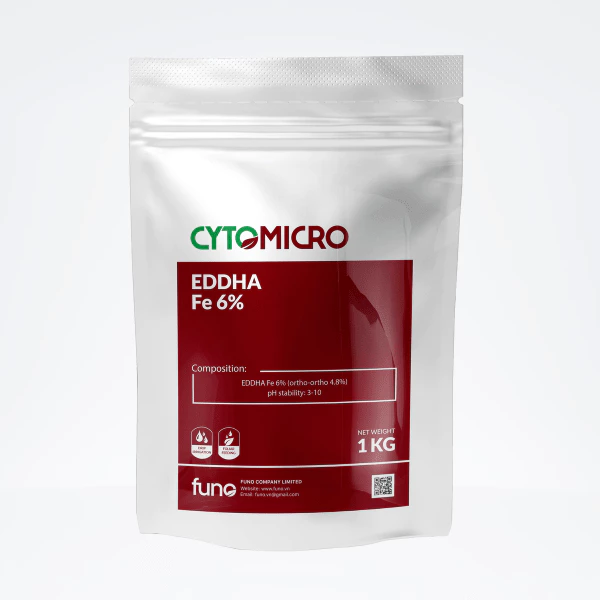
Product 1: Fe-EDDHA 6% iron chelate (powder)

  • Description: This is the premium grade of iron chelate, deep red in colour, fully water-soluble. Remains effective even in alkaline soils.
  • Application: Water into the root zone or spray in the early morning / late afternoon, following the label rate.
  • Frequency: Repeat regularly until new growth comes back green.

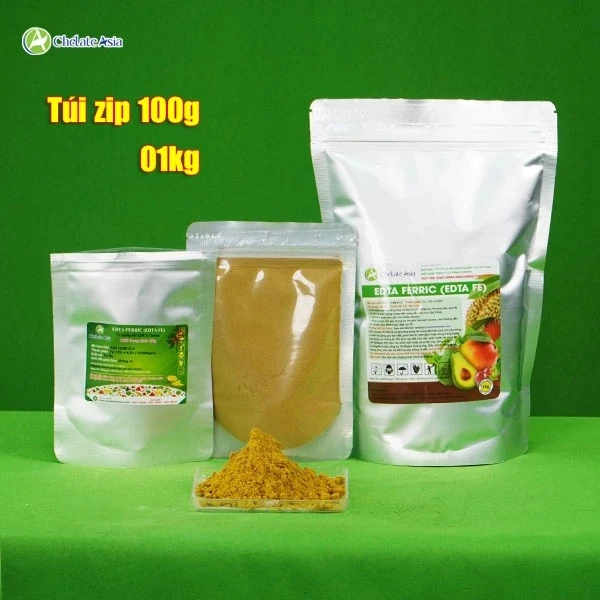
Product 2: Fe-EDTA 13% micronutrient fertiliser

  • Description: A fine, soluble powder with a high iron concentration — well suited to foliar feeding for chlorotic leaves.
  • Application: Spray evenly to both leaf surfaces, following the label rate. Add a wetting agent for better adhesion.
  • Frequency: Repeat at the recommended interval.

Prevention

  • Test soil pH regularly.
  • Avoid over-liming.
  • Irrigate with water of neutral pH.

Recommended products

Fe-EDDHA 6% iron chelate (powder)

Fe-EDDHA 6% iron chelate (powder)

Premium-grade iron chelate in the EDDHA form, a deep-red, fully water-soluble powder that remains effective even in alkaline soils. Supplies iron in a readily available form so plants photosynthesise efficiently and produce thick, deep-green foliage. Prevents yellowing, scorching, and necrotic brown spots on young leaves caused by failure to make chlorophyll under iron deficiency. Reduces stunting and yield loss from iron deficiency. Water into the root zone or spray in the early morning / late afternoon at the label rate; repeat regularly until new growth comes back green.

Fe-EDTA 13% iron chelate micronutrient

Fe-EDTA 13% iron chelate micronutrient

+ Essential for the synthesis and maintenance of chlorophyll, and therefore plays a key role in supplying oxygen to the plant. + A major component of many enzymes. + Plays a central role in nucleic acid metabolism, influencing RNA and chlorophyll turnover. A fine, soluble powder with a high iron concentration, well suited to foliar feeding for chlorotic leaves. Spray evenly to both leaf surfaces at the label rate; add a wetting agent for better adhesion and repeat at the recommended interval.
Share this page