
Root Rot
FungalDescription
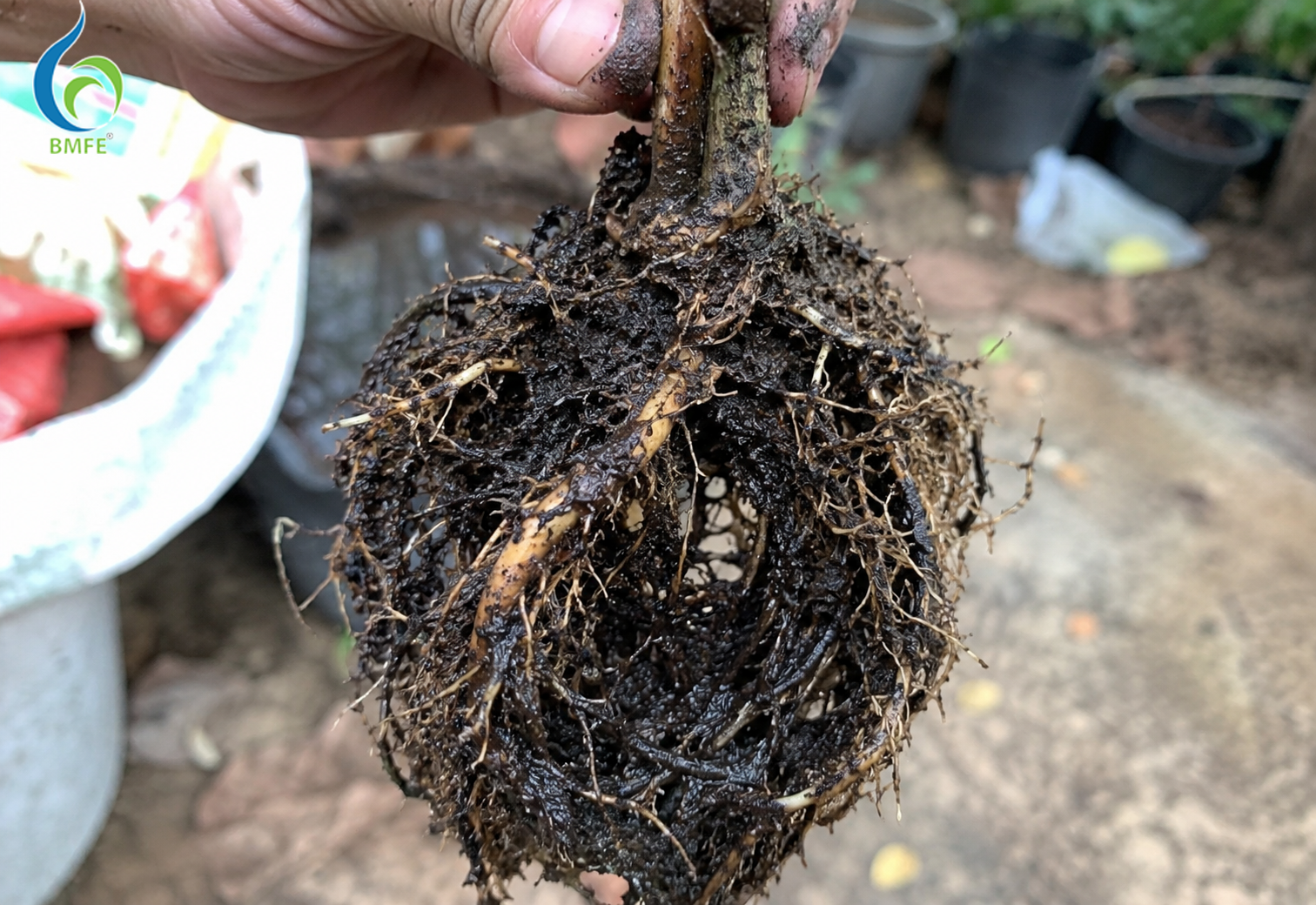
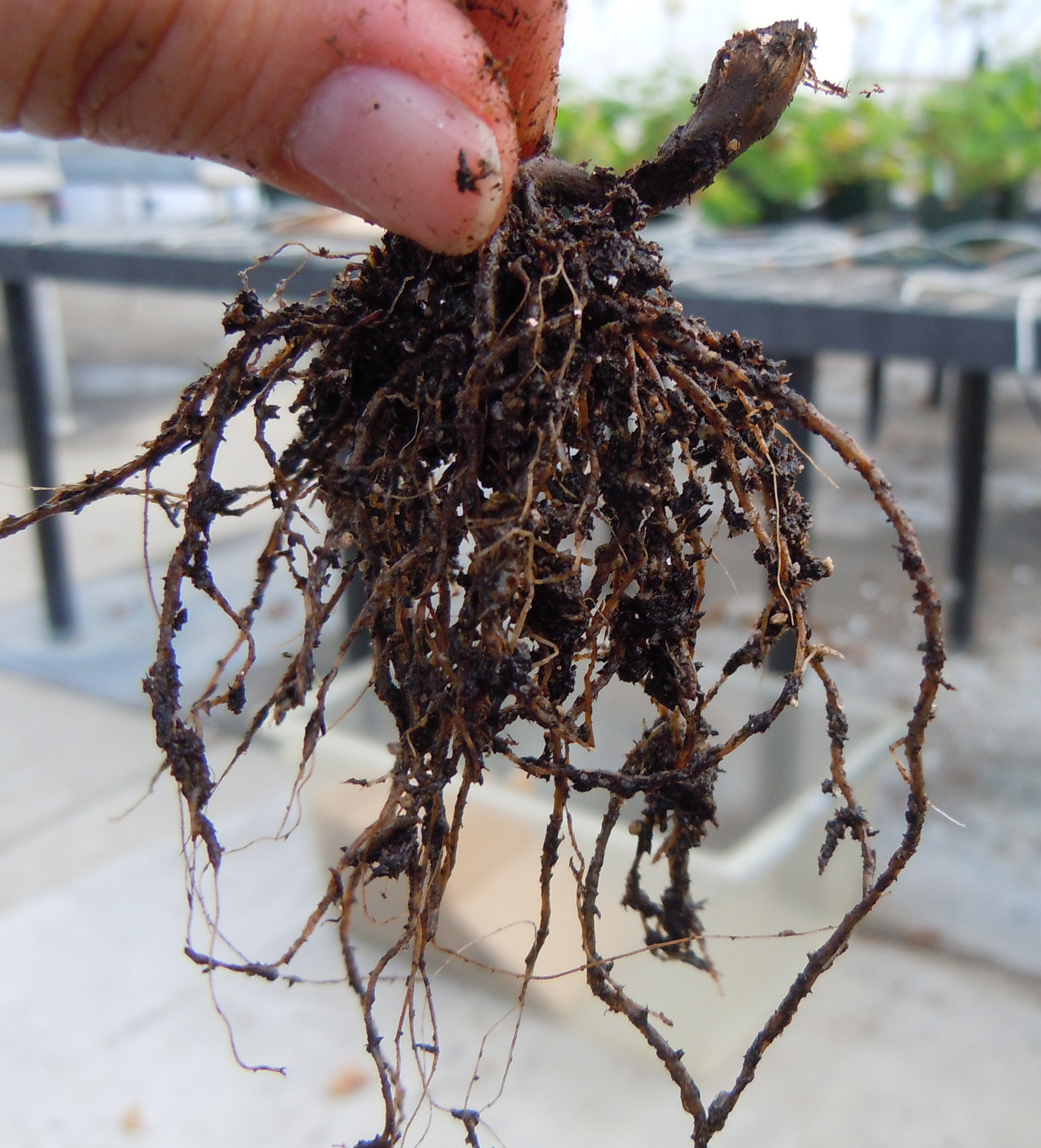
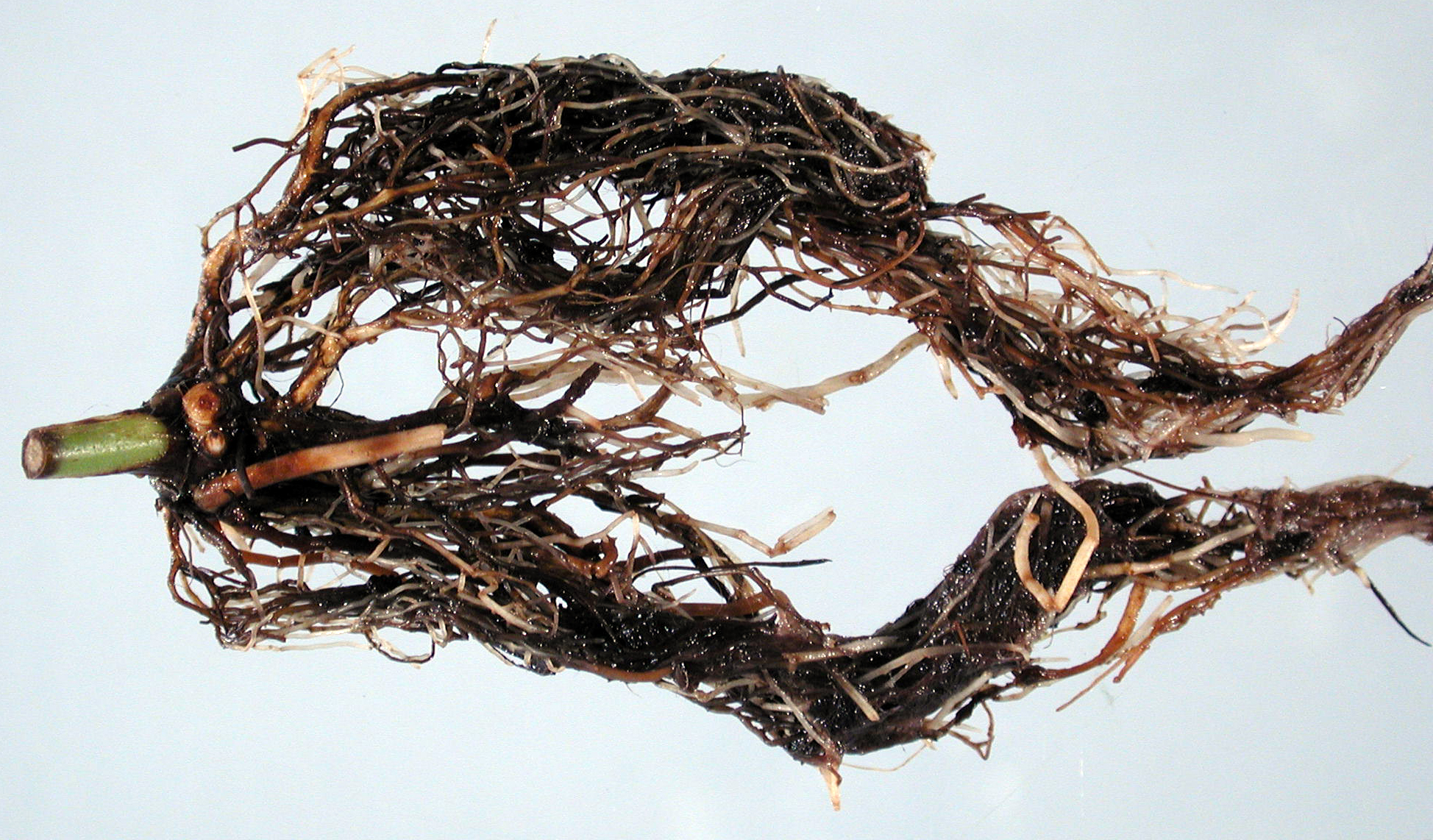
Root rot is caused by soilborne pathogens such as Phytophthora, Pythium, or Rhizoctonia. The fungi blacken and decay the root tissue, destroying its ability to take up water and leading to a gradual decline of the plant.
When the root system is compromised by rot, the plant's ability to absorb water and nutrients is severely diminished. This can manifest as leaf scorch, as the foliage cannot receive enough water to compensate for transpirational losses.
When roots are infected by pathogenic fungi and begin to rot, the xylem vessels become blocked, preventing water and nutrient transport to the foliage. The leaf cells lose water and turgor pressure collapses. Due to the heavier structure of the upper palisade mesophyll, the entire leaf blade sags and curls downward.
Symptoms
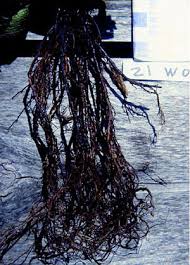
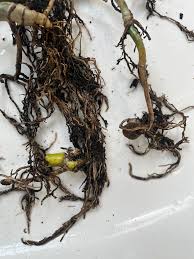
- Roots turning black, soft, and foul-smelling.
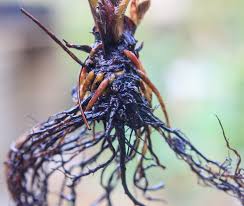
- Entire shoots, stems, and young leaves wilt and droop rapidly despite the growing medium being wet or damp, caused by decayed roots failing to absorb water.
- A distinctive musty, fungal odour from the rotting roots — distinguishable from waterlogging, which smells anaerobic but lacks the fungal note.
- Stunted, slow-growing plants.
- Leaves lose turgor pressure completely, becoming soft and causing the entire leaf blade to droop and curl downward.
Treatment plan
- Cut back on watering immediately.
- Inspect the root ball and trim away all rotten tissue.
- Repot into fresh, well-drained medium if necessary.
- Drench the root zone with a Metalaxyl- or Aliette-based fungicide.
- Improve soil drainage.
- Incorporate antagonistic Trichoderma into the growing medium.
Prevention
- Avoid overwatering.
- Ensure the growing medium drains freely.
- Apply Trichoderma inoculant on a regular schedule.