RoseDoctor
Powdery Mildew

Powdery Mildew

Fungal

Description

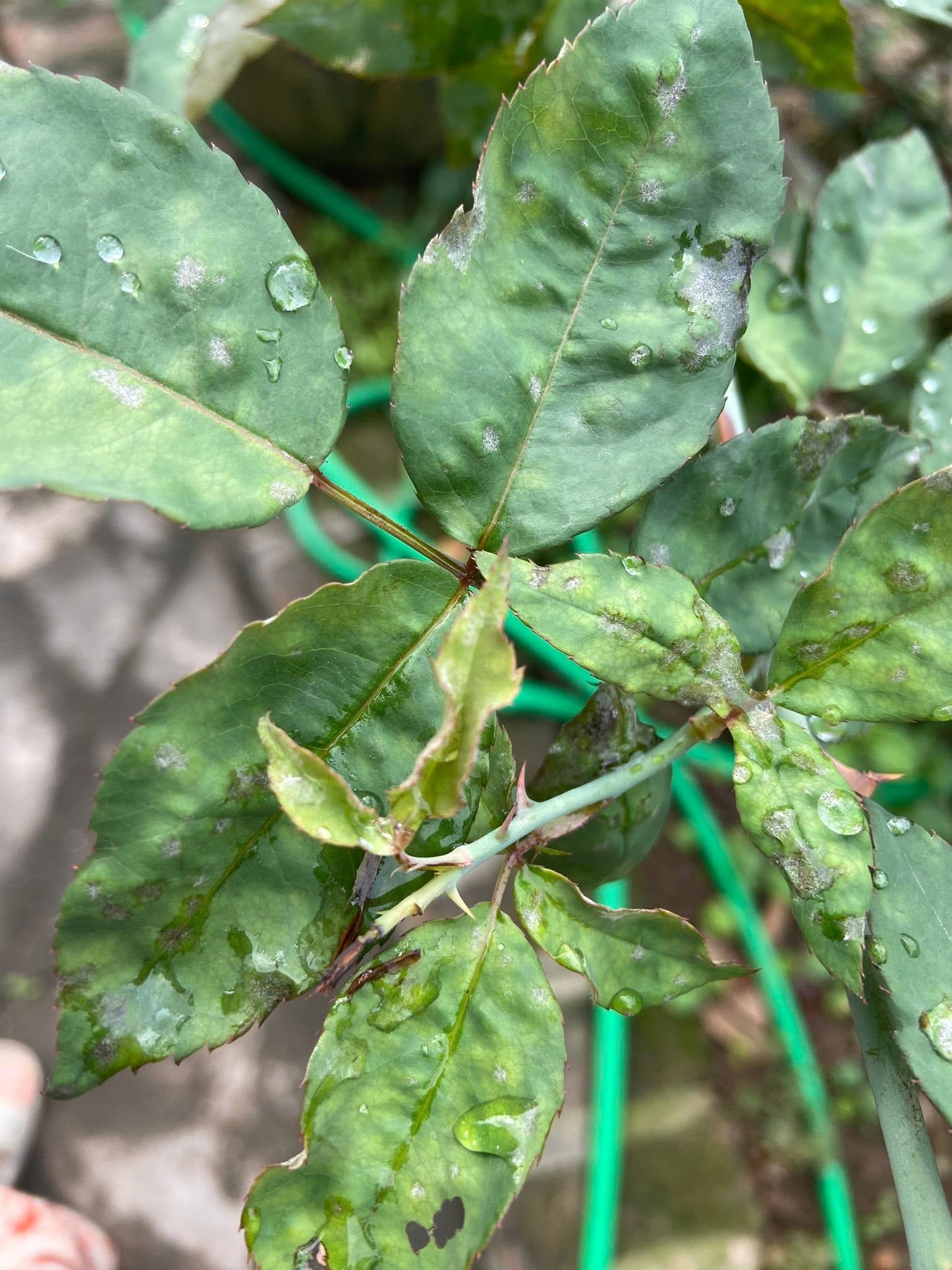
Powdery mildew is caused by the fungus Sphaerotheca pannosa (also classified as Podosphaera pannosa). It is one of the most damaging diseases on roses, and climbing roses are particularly susceptible. The disease thrives under dry but mildly humid conditions with poor air movement.

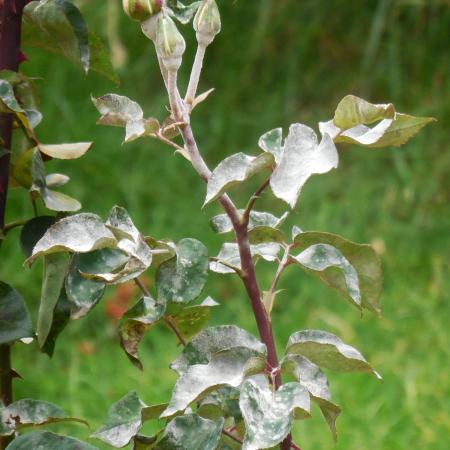
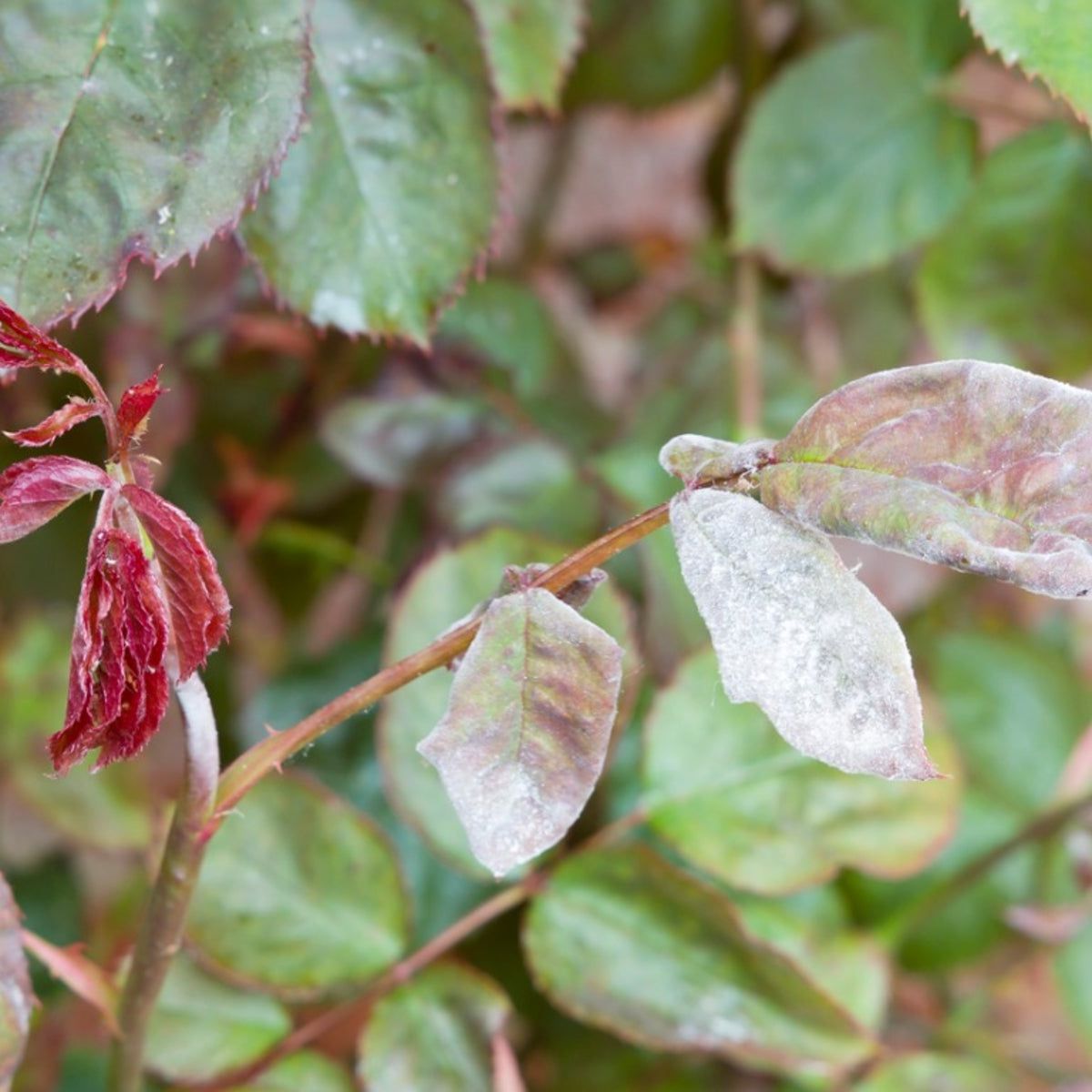
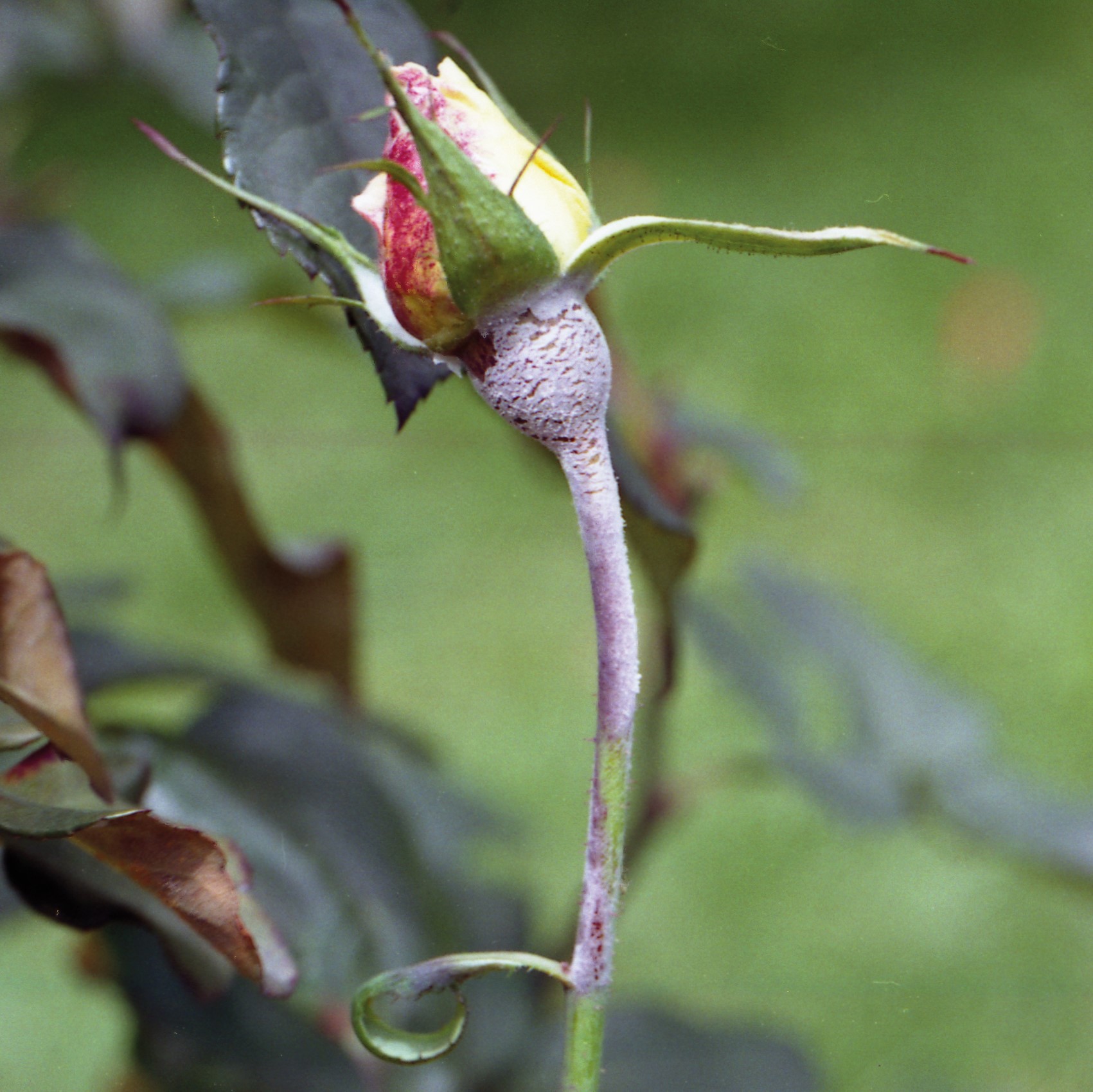
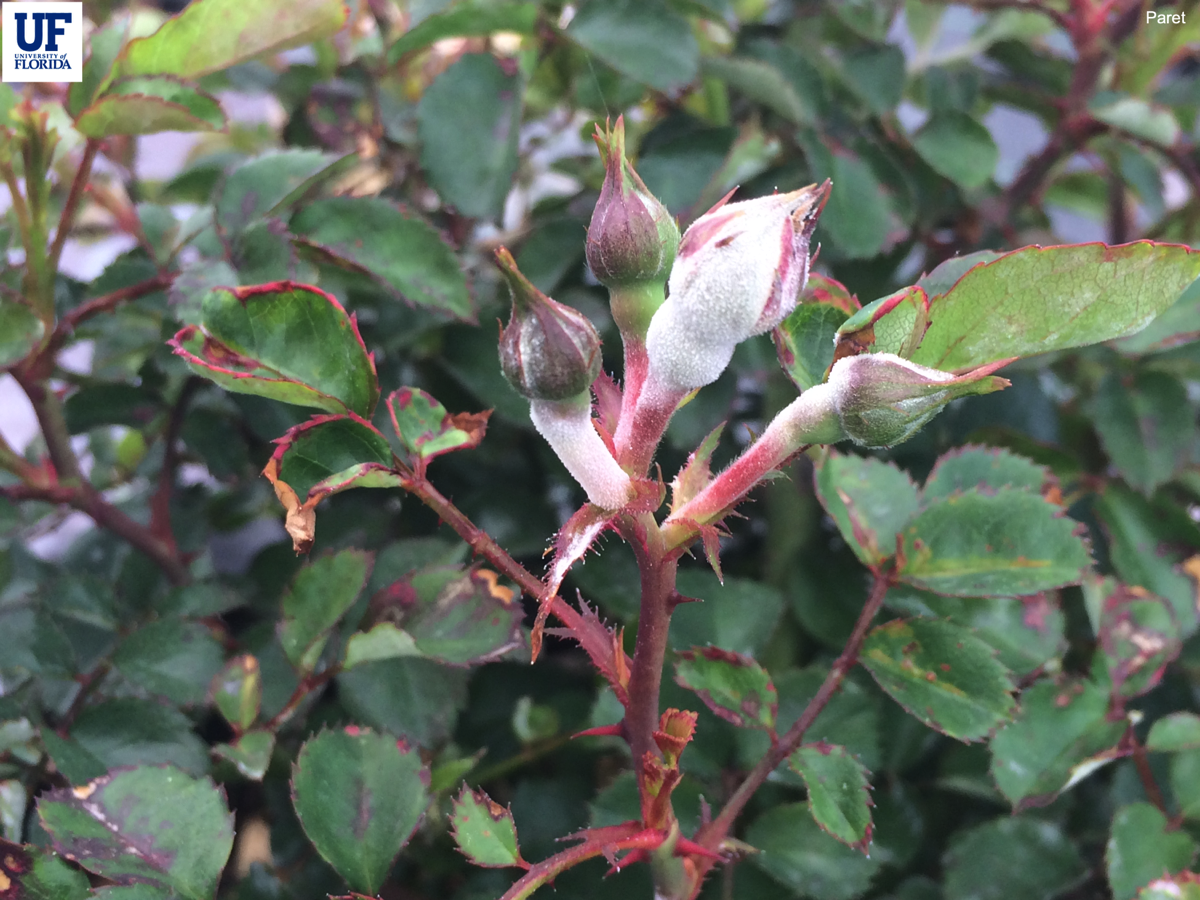
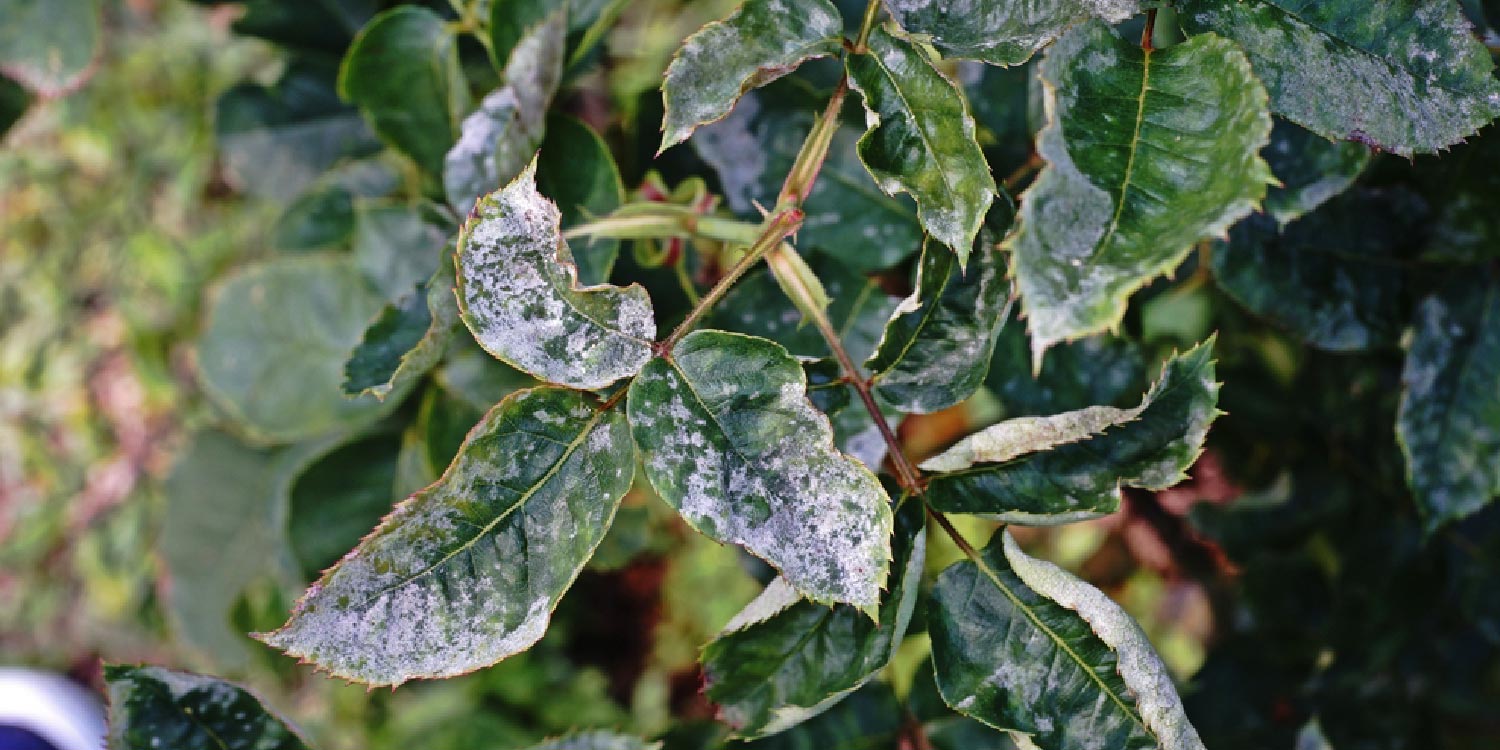
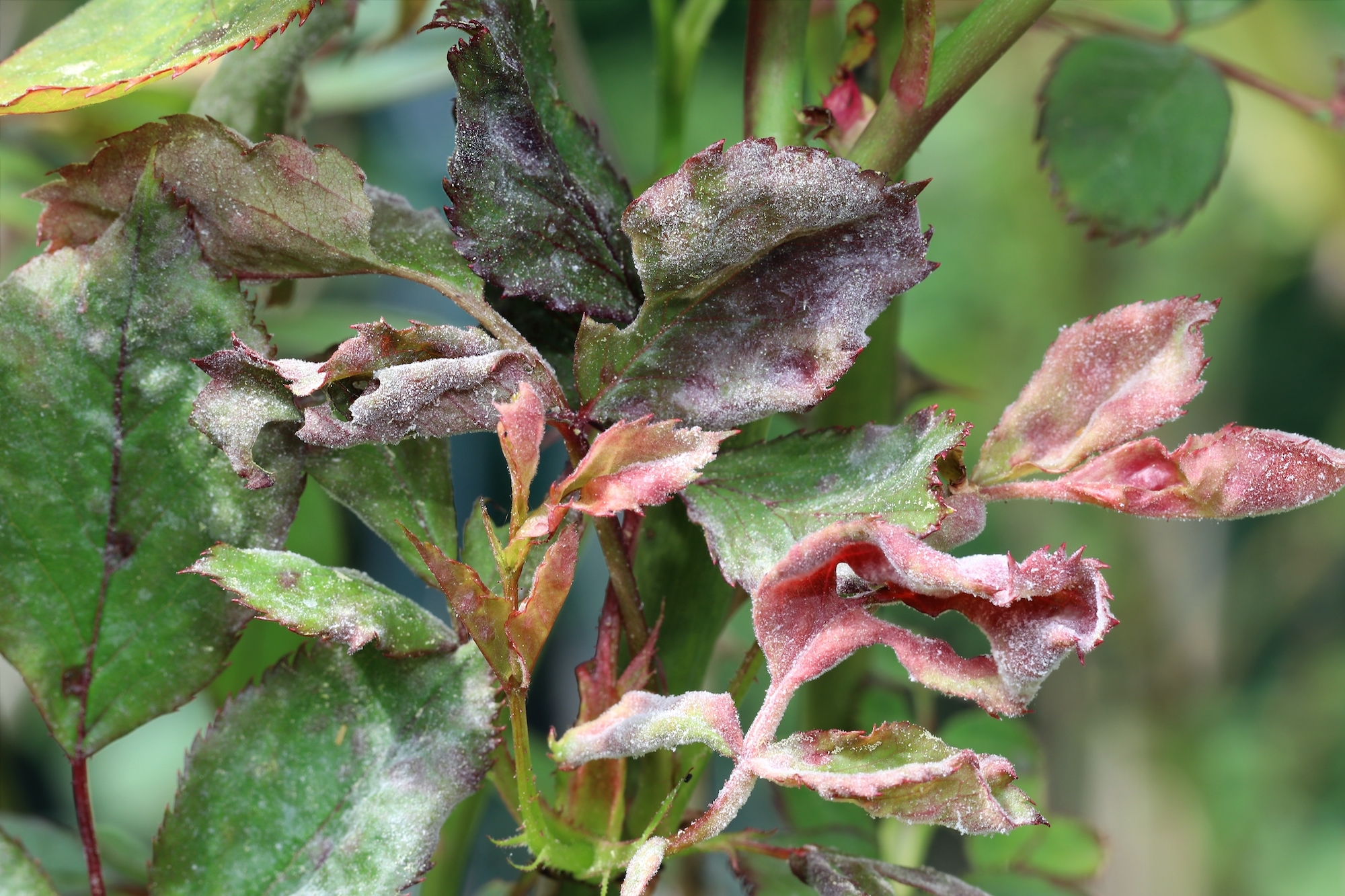
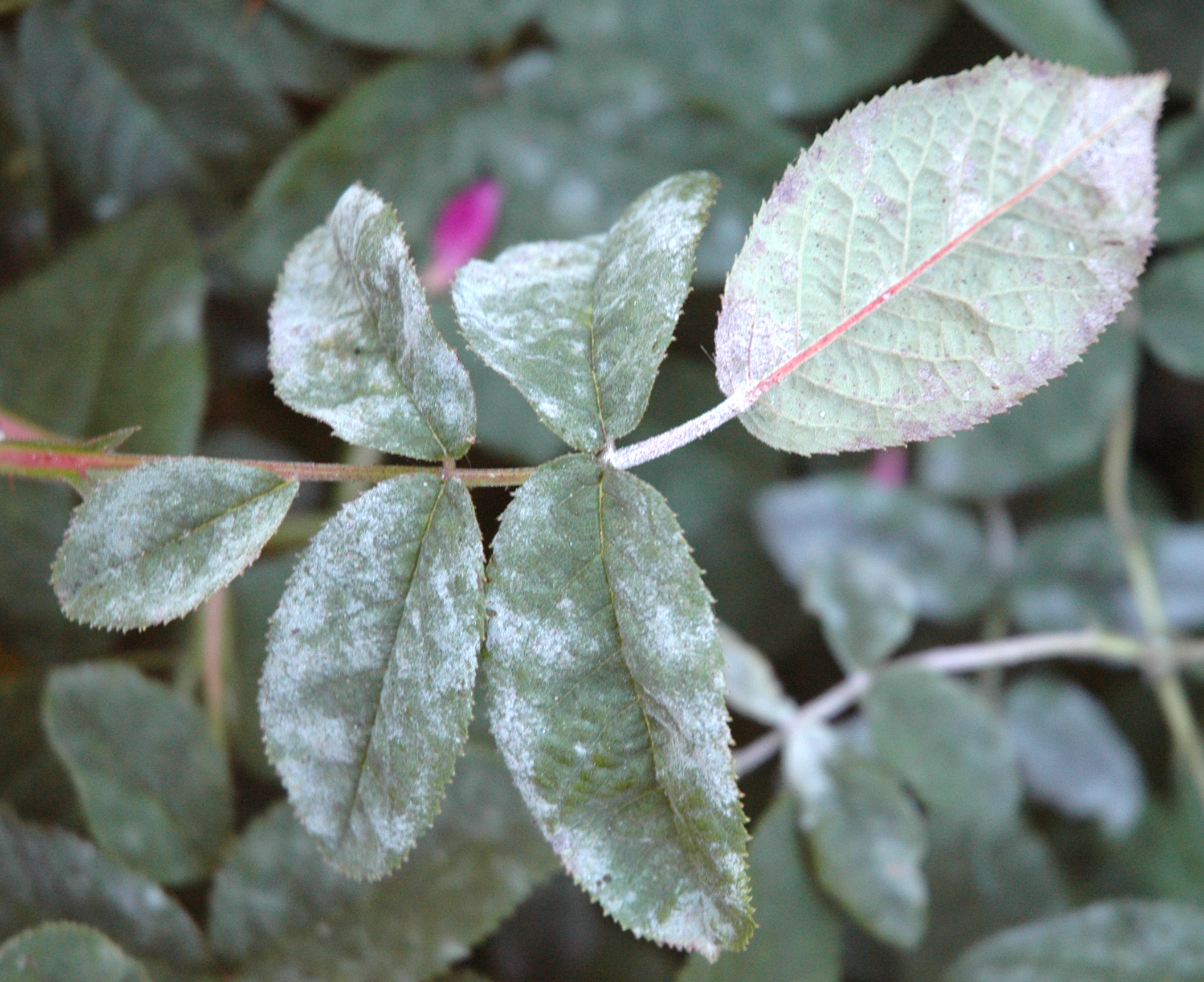
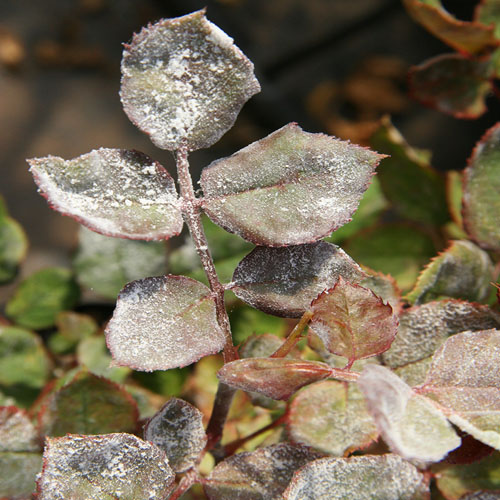
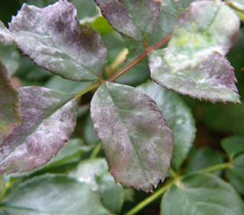
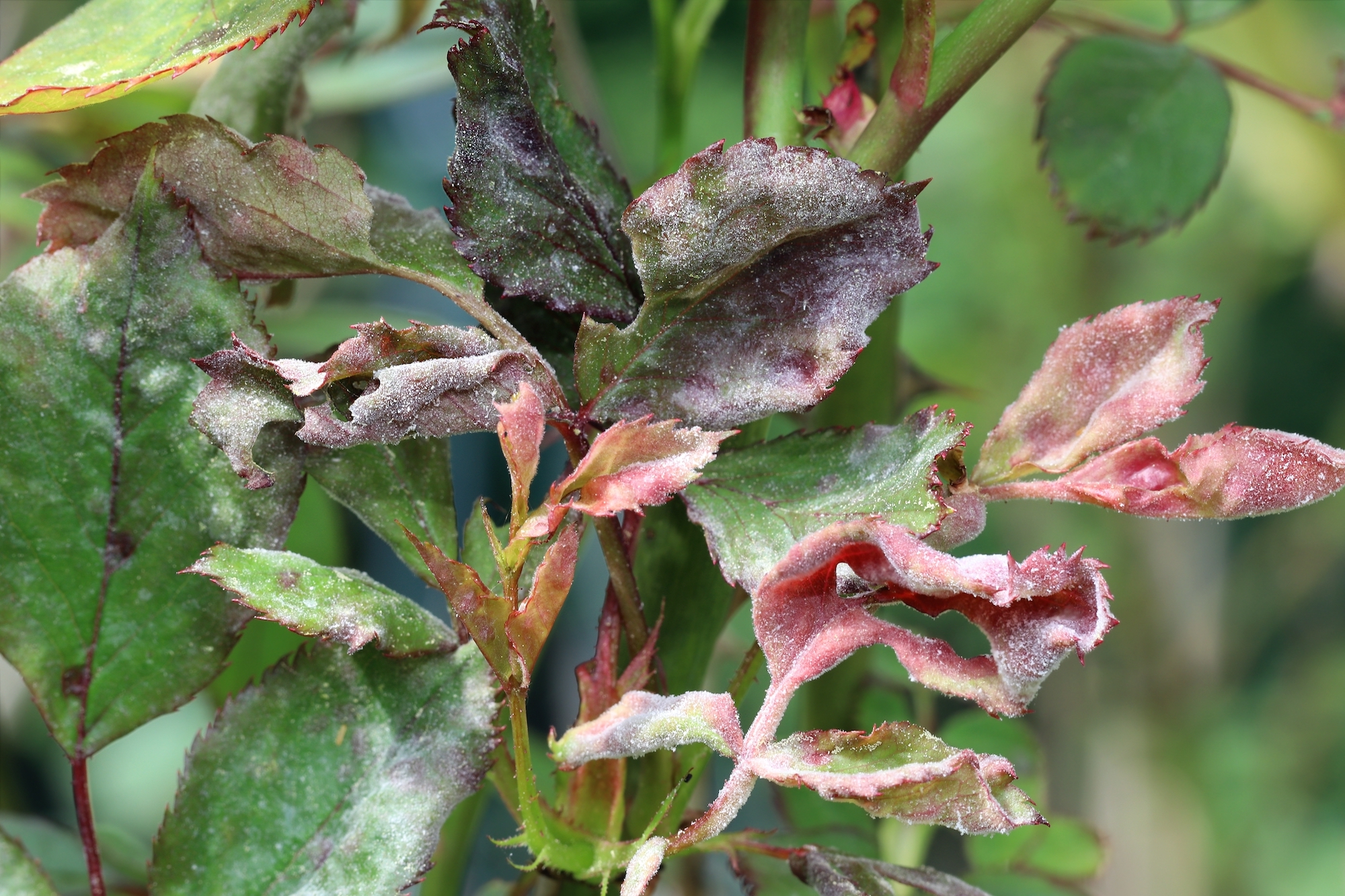
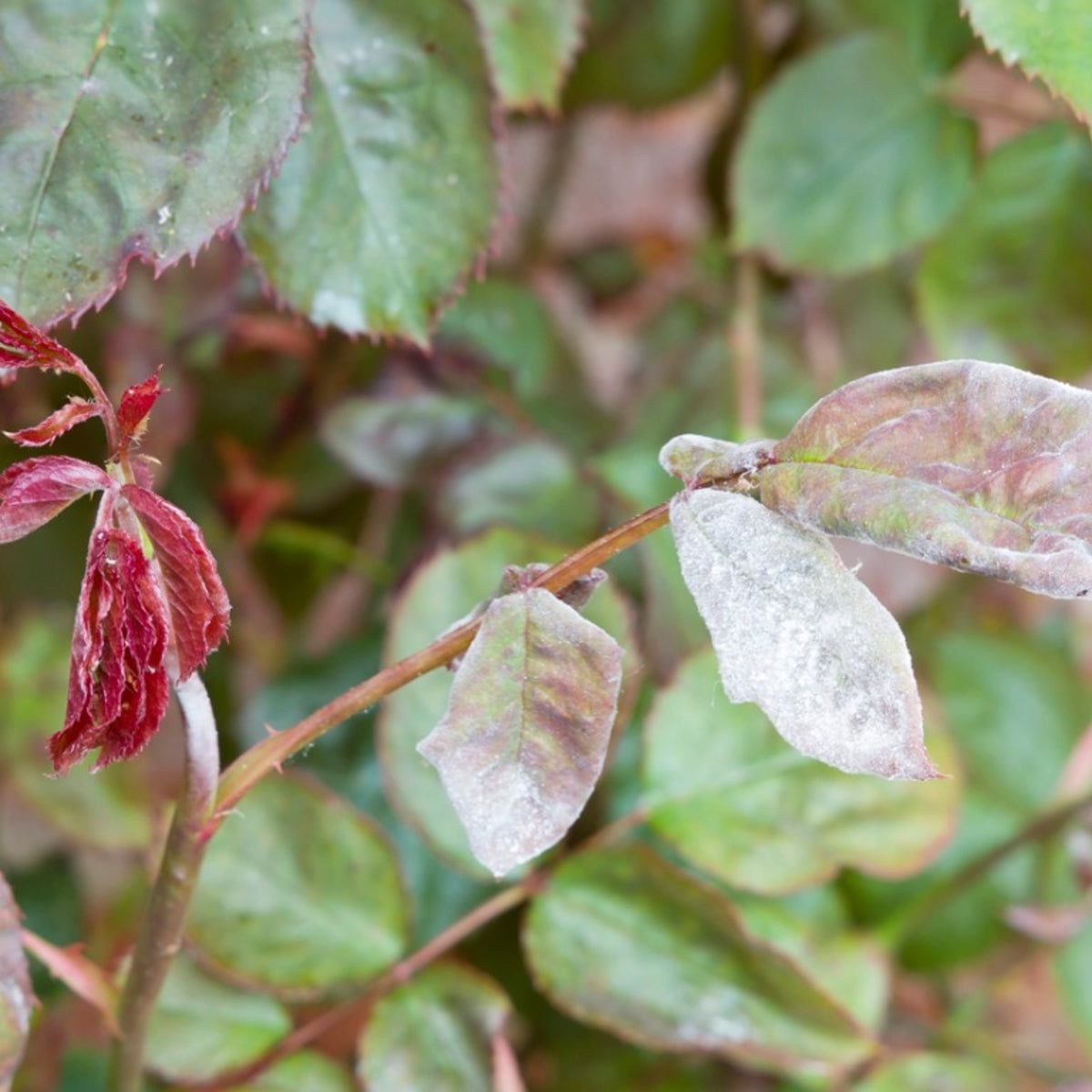
The characteristic sign is a greyish-white powdery layer visible on the surface of leaves, stems, and shoots. The mycelium penetrates the rose's epidermis and disrupts plant tissue. The disease spreads readily by contact between infected and healthy plants, carried on wind, in the air, and via water splash. Early symptoms appear as small white patches on the leaves; heavily infected foliage becomes distorted, contorted, discolours to yellow, red, or purple, and drops prematurely.

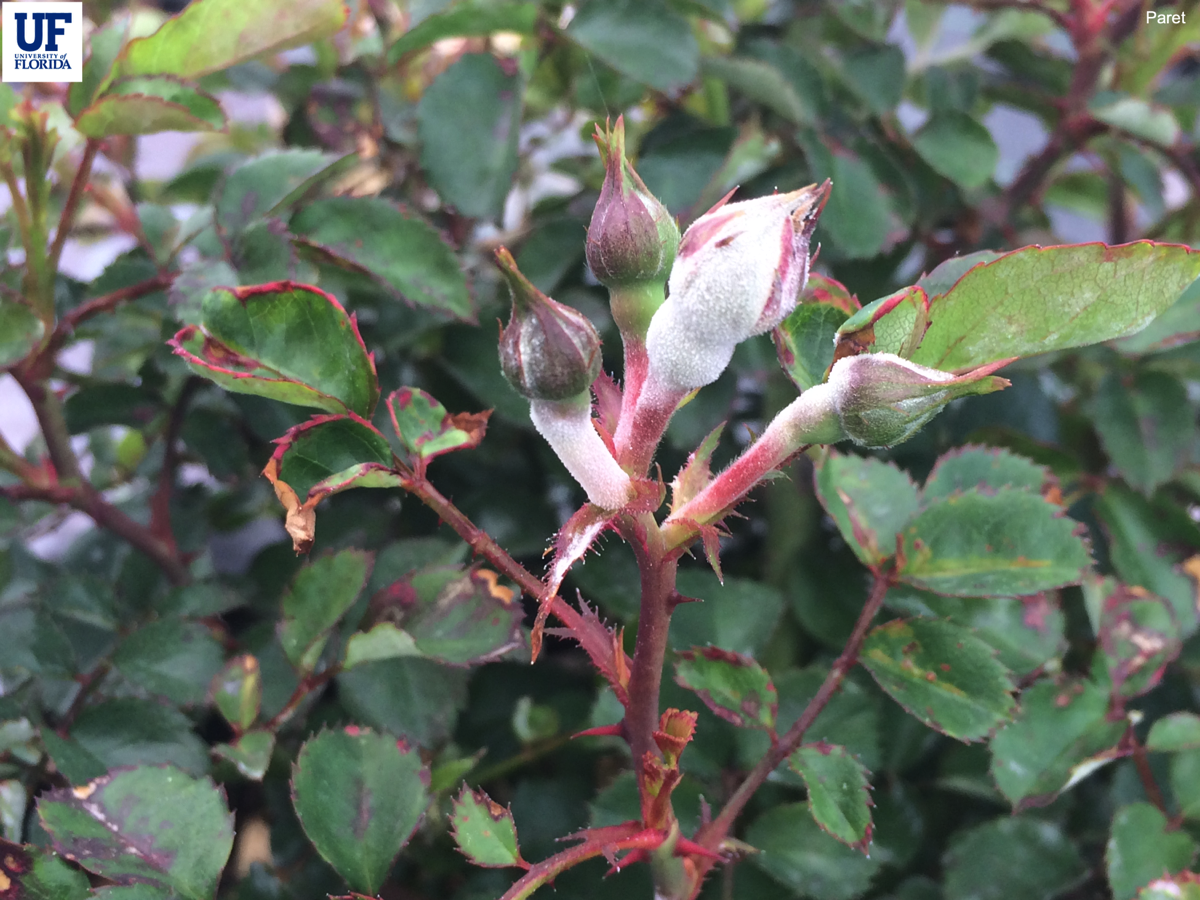
The fungus also colonises peduncles, sepals, and petals, preventing buds from opening properly. The petals thicken and take on a leaf-like, padded texture. In severe infections, affected tissues quickly turn brown and senesce.

Powdery mildew does not penetrate deep into the vascular tissue but forms a mycelial mat on the surface. It draws nutrients directly from the epidermal cells, causing them to dehydrate and contract. This results in the leaf margins curling, twisting, and becoming hard and brittle.

Symptoms

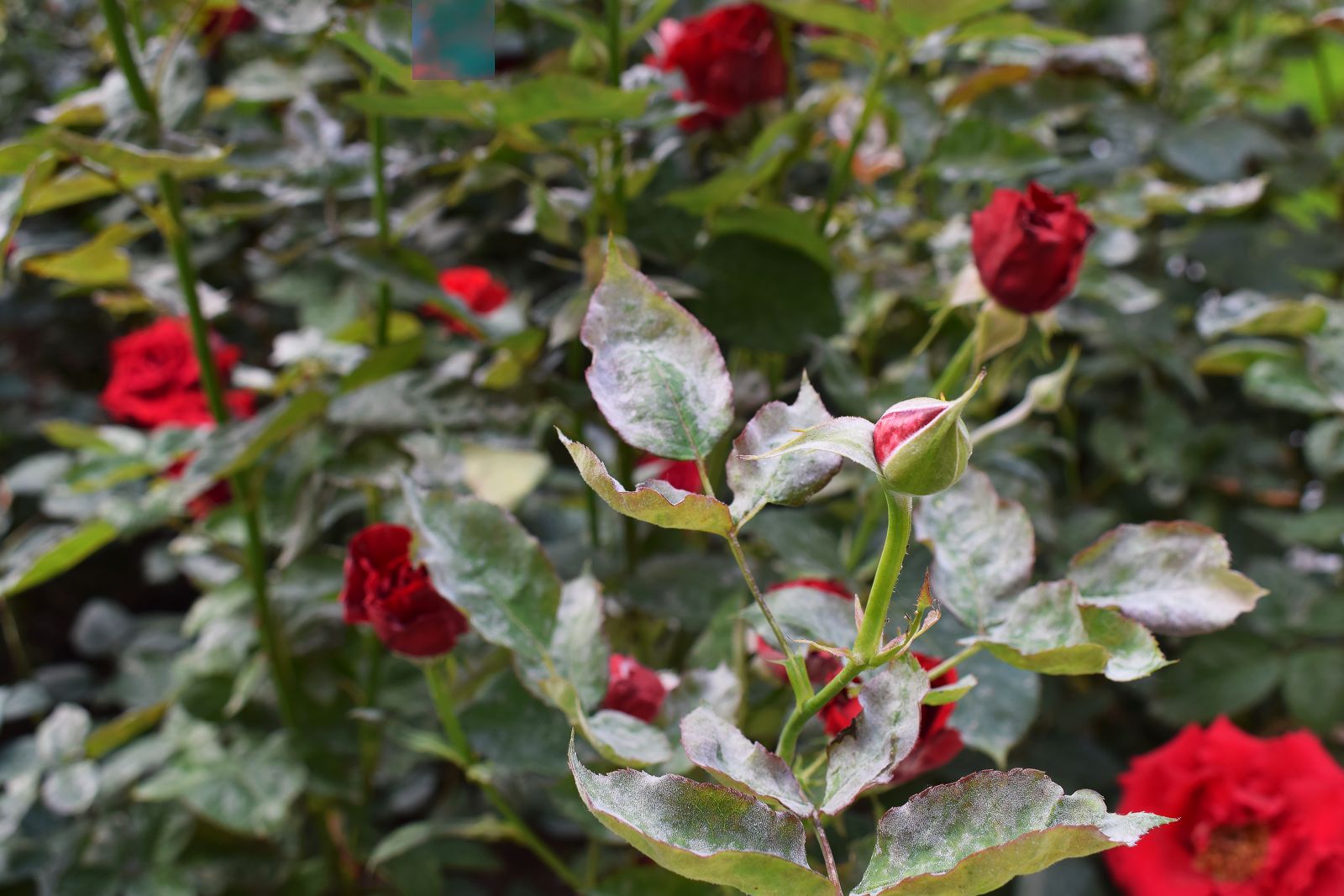
  • A white, powdery coating on leaves, shoots, and stems.
    A white, powdery coating on leaves, shoots, and stems.A white, powdery coating on leaves, shoots, and stems.A white, powdery coating on leaves, shoots, and stems.A white, powdery coating on leaves, shoots, and stems.
  • The bloom appears on both leaf surfaces (especially the upper side).
    The bloom appears on both leaf surfaces (especially the upper side).The bloom appears on both leaf surfaces (especially the upper side).The bloom appears on both leaf surfaces (especially the upper side).
  • Curling and distortion of the foliage.
    Curling and distortion of the foliage.Curling and distortion of the foliage.Curling and distortion of the foliage.Curling and distortion of the foliage.
  • Buds fail to open or emerge severely malformed and distorted because the thick coating of white fungal mycelium constricts and deforms the developing flower tissue physically.
  • Leaves dry out and drop in patches.

Treatment plan

At the first sign of white powdery patches on young leaves or buds, act decisively:

  • Prune heavily infected shoots and improve airflow through the canopy. Bag the pruned material tightly and dispose of it as rubbish (do not compost) to prevent spore dispersal.
  • Disinfect pruning tools with alcohol between cuts to avoid transferring inoculum.
  • Apply micronised sulphur or potassium bicarbonate, thoroughly wetting both leaf surfaces in the early morning (once the dew has dried) or in the late afternoon.
  • [After 7 days] Reapply if the white powder persists; rotate active ingredients between Anvil (Hexaconazole) and Score (Difenoconazole) to prevent resistance.
  • [After 14 days] Inspect young shoots for residual mildew; if any remains, continue spraying and pruning more aggressively.

Recommended products

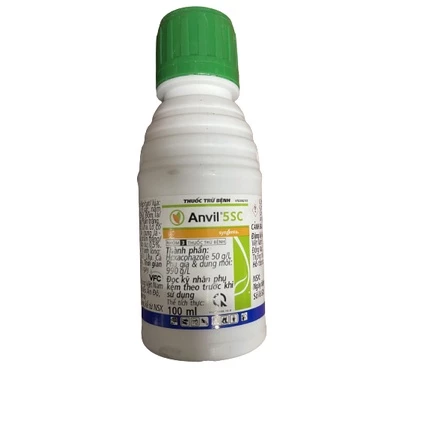
  1. Anvil 5SC (Syngenta) — Strong systemic and translaminar fungicide. Beyond eradicating the pathogen, it leaves the foliage greener and the canes harder.

    • Dosage: 1–2 ml per 1 L of water.
    • Application: Spray evenly across the canopy. For severe infections, two applications 3–5 days apart, then preventive sprays every 15 days.
    • Where to buy: Shopee — Anvil 5SC genuine
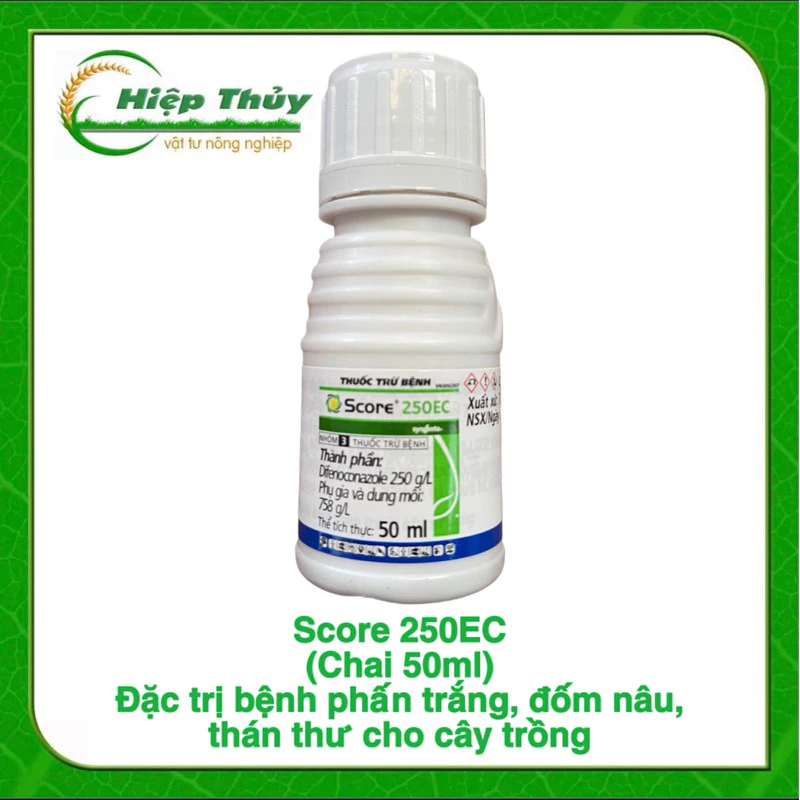
  2. Score 250EC — A fast-acting powdery mildew killer with deep penetration into leaf tissue, making it rain-fast.

    • Dosage: 0.5 ml per 1 L of water (highly concentrated — measure carefully).
    • Application: Reserve for severe outbreaks. Apply a maximum of two consecutive sprays, 7 days apart, to avoid resistance.
    • Where to buy: Available on Tiki — search for "Score".

Additional advice: Rotate between Anvil and Score so the fungus does not develop resistance. Once recovery is underway, supplement with a foliar feed rich in potassium to thicken and harden the leaves.

Prevention

  • Maintain good air movement around each plant.
  • Avoid an overly dense canopy.
  • Apply preventive sulphur sprays on a regular schedule.

Recommended products

Anvil 5SC

Anvil 5SC

- Effective fungicide: Anvil 5SC is a broad-spectrum fungicide whose active ingredient Hexaconazole kills pathogenic fungi by inhibiting ergosterol biosynthesis. - Fast and effective spray: Plant tissue absorbs the product rapidly with strong translaminar and systemic movement, providing quick and long-lasting control of fungal disease.

Score 250EC

Score 250EC

Systemic fungicide that penetrates plant tissue rapidly. Uses Controls many diseases across a wide range of crops, especially vegetables and fruit trees. Gray mold, powdery mildew, downy mildew.

Share this page