RoseDoctor
Anthracnose

Anthracnose

Fungal

Description

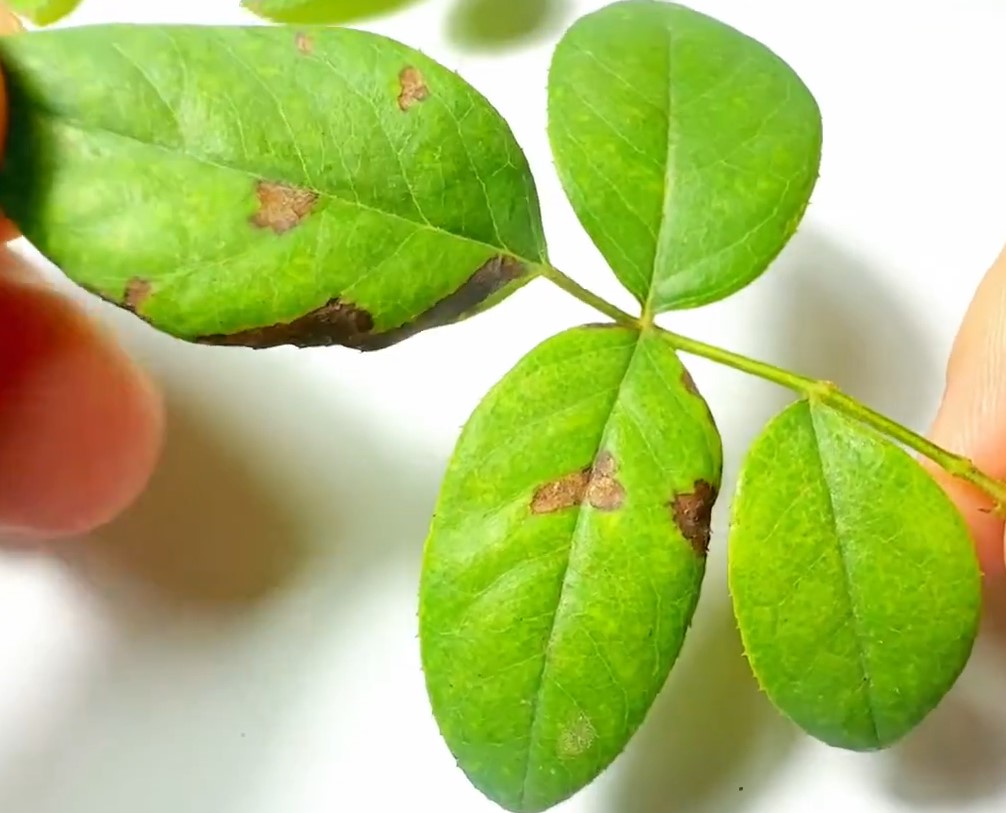
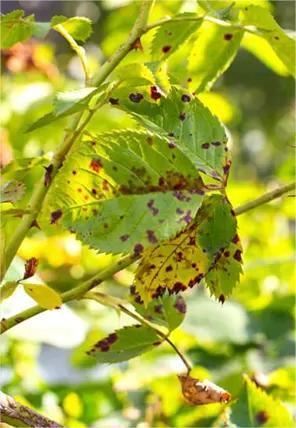
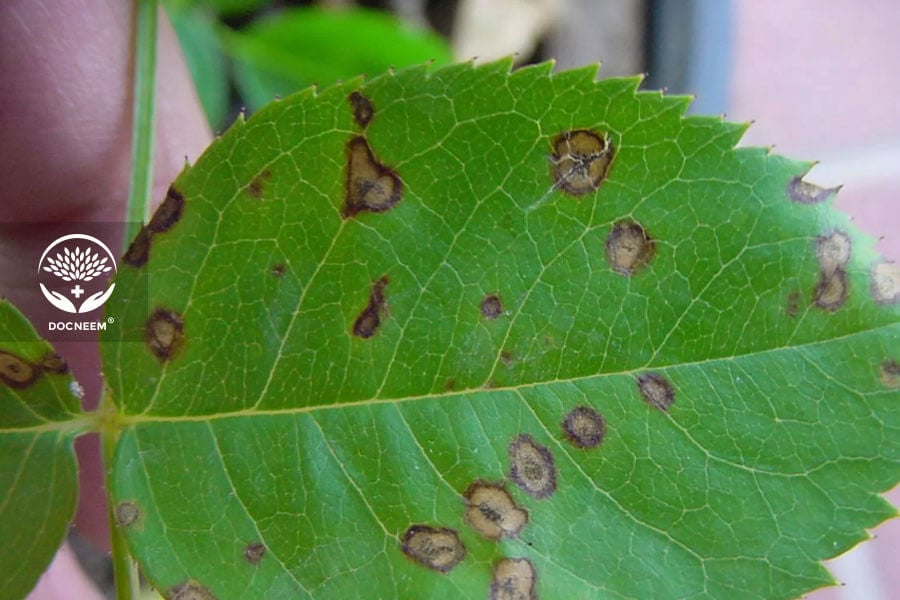
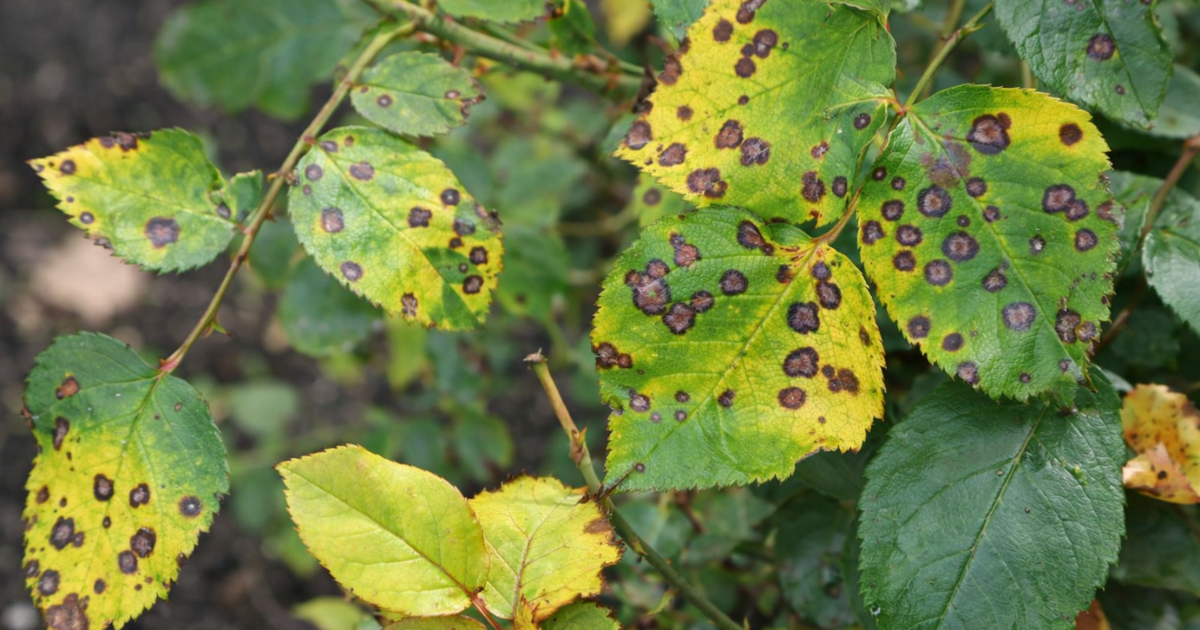
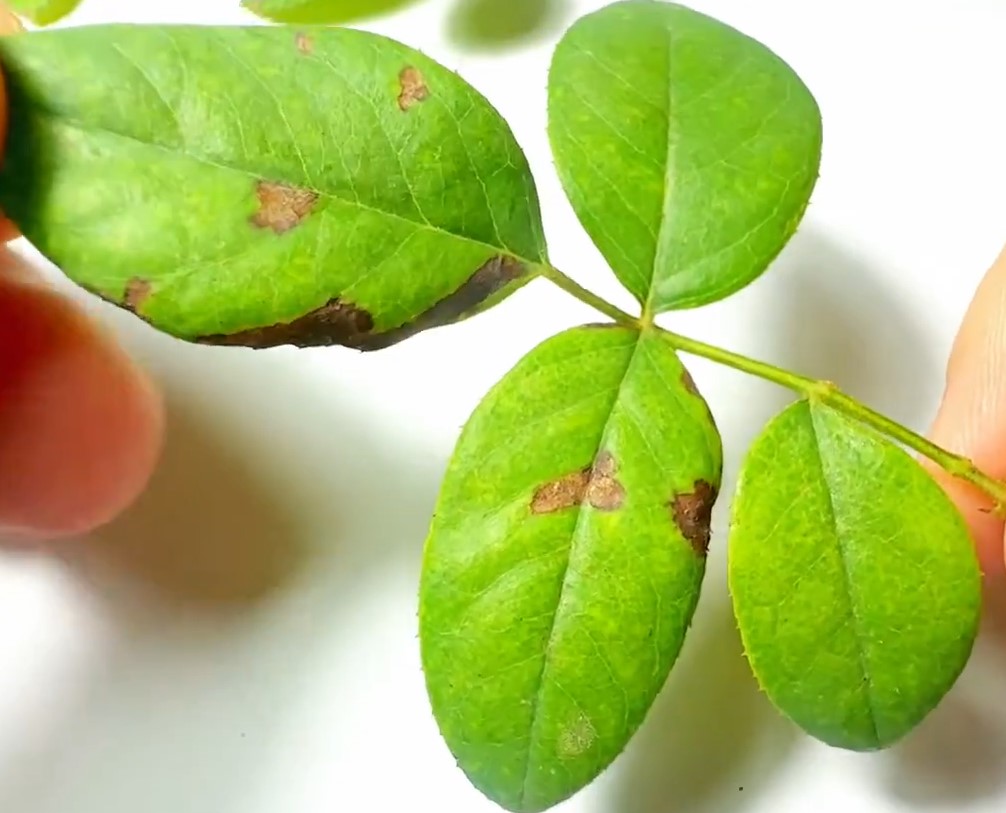
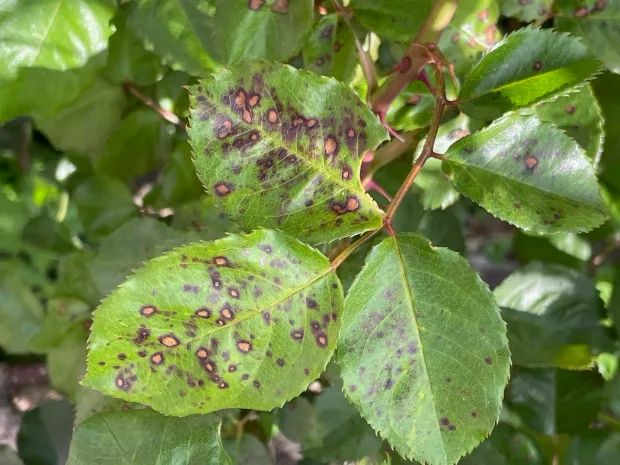
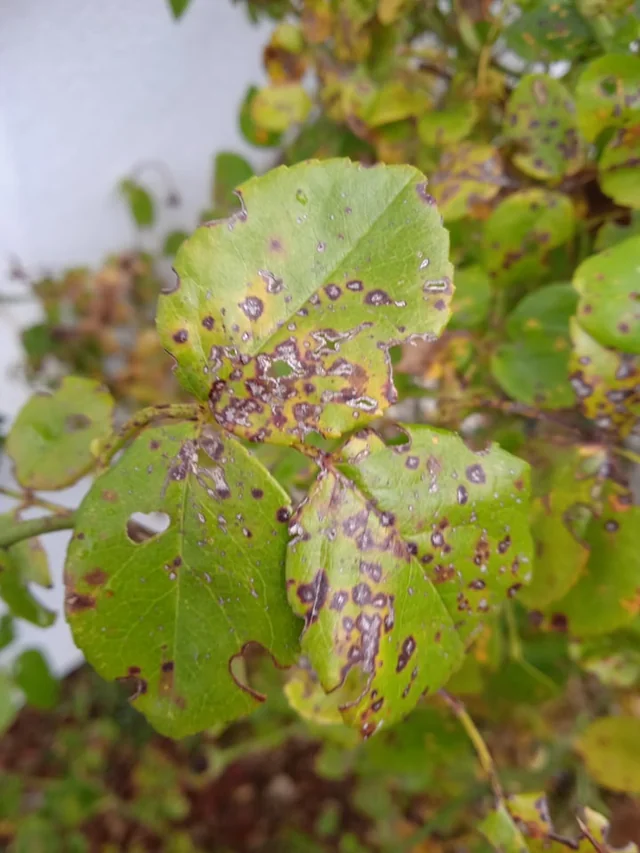
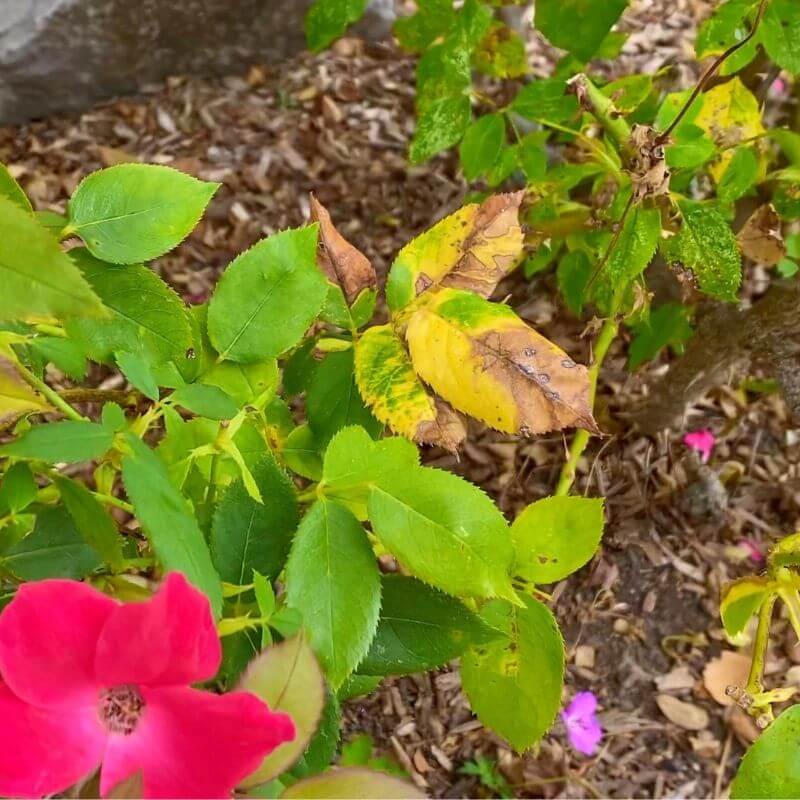
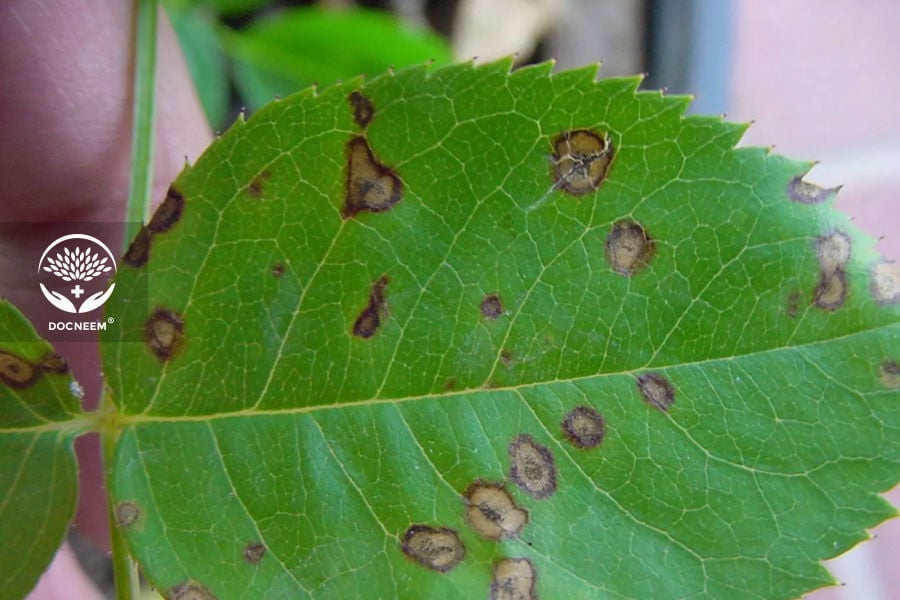
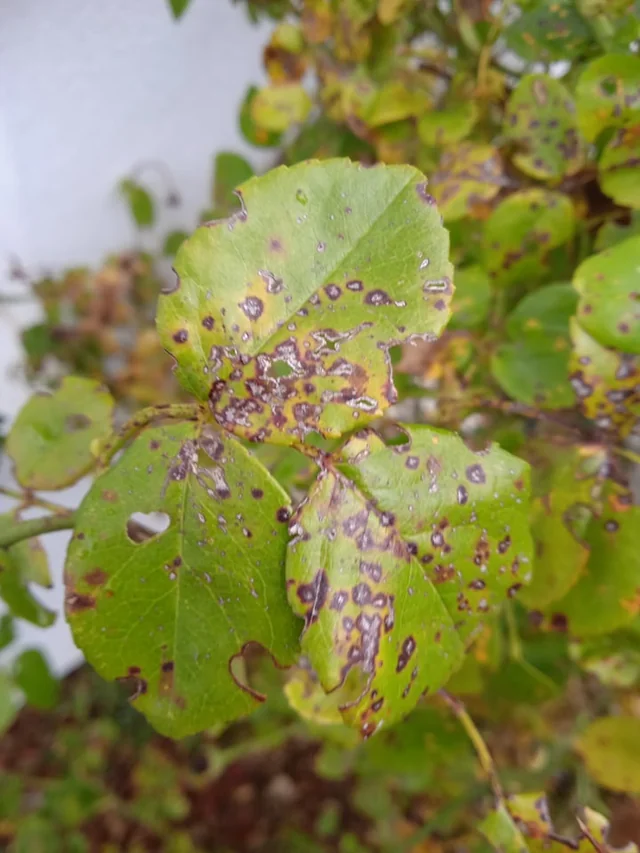
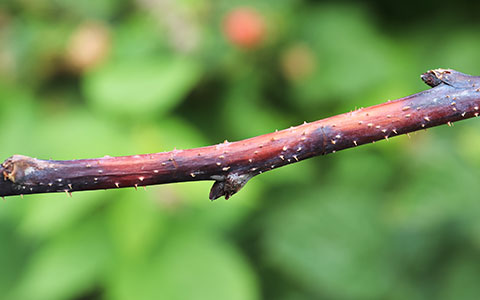
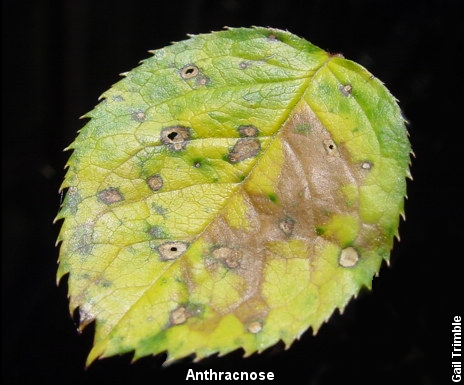
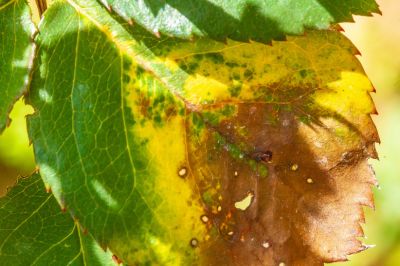
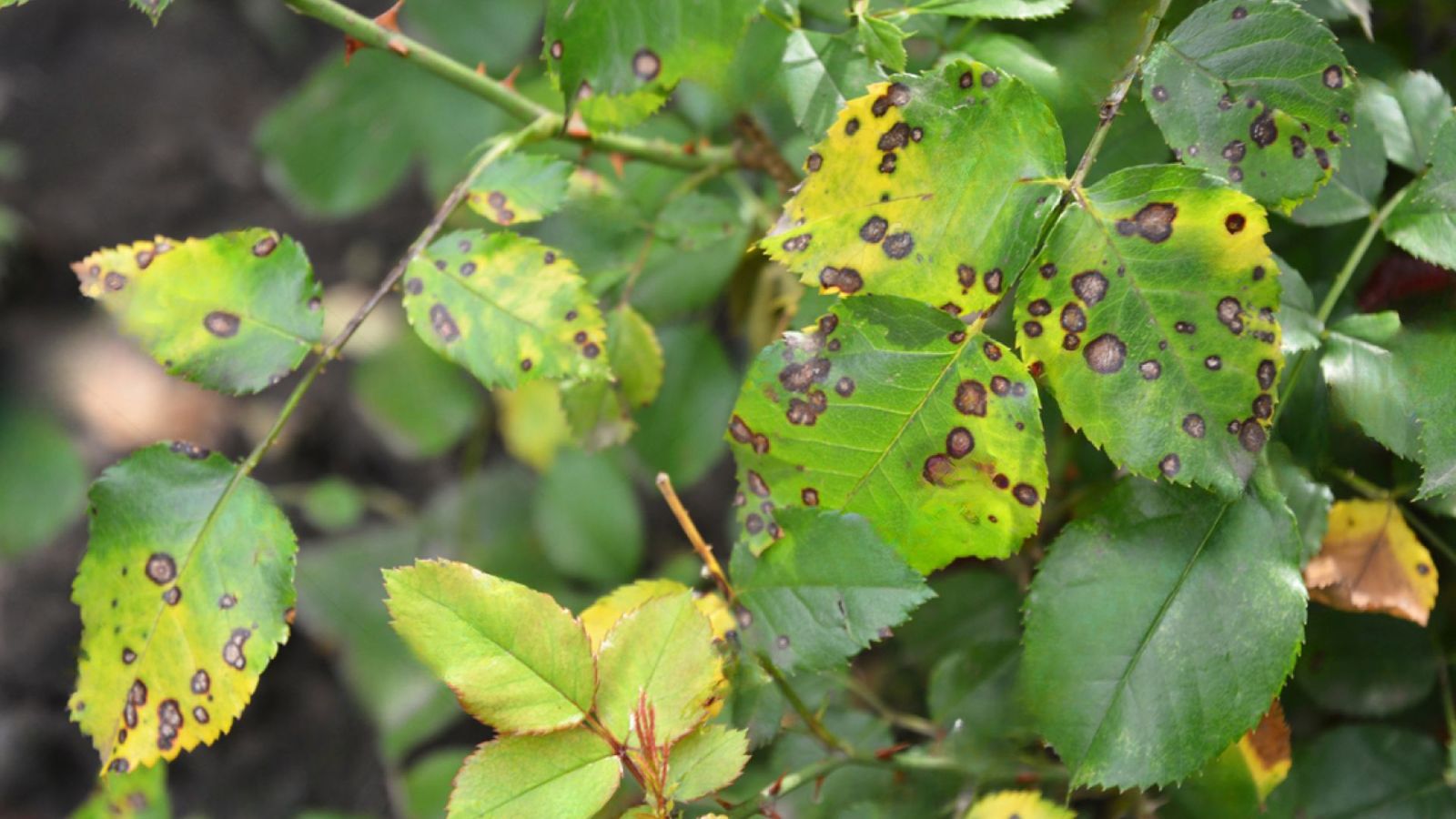
Anthracnose is a fungal disease caused by Sphaceloma rosarum or Colletotrichum spp. It typically develops under conditions of high humidity (>80%), warm temperatures (25–26 °C), and prolonged wet weather. Early lesions appear as small grey-brown to yellow-brown spots that are slightly sunken at the centre. As the disease progresses, lesions expand into irregular grey patches surrounded by reddish-brown margins. In severe infections the affected tissue dries out and develops shot-holes, or leaves become partly necrotic, yellow, and prematurely abscise. On stems and shoots, the fungus causes brown lesions that lead to stem shrinkage, distortion, and increased brittleness. On flowers, brown spots appear on the petals, causing them to wilt and drop early.

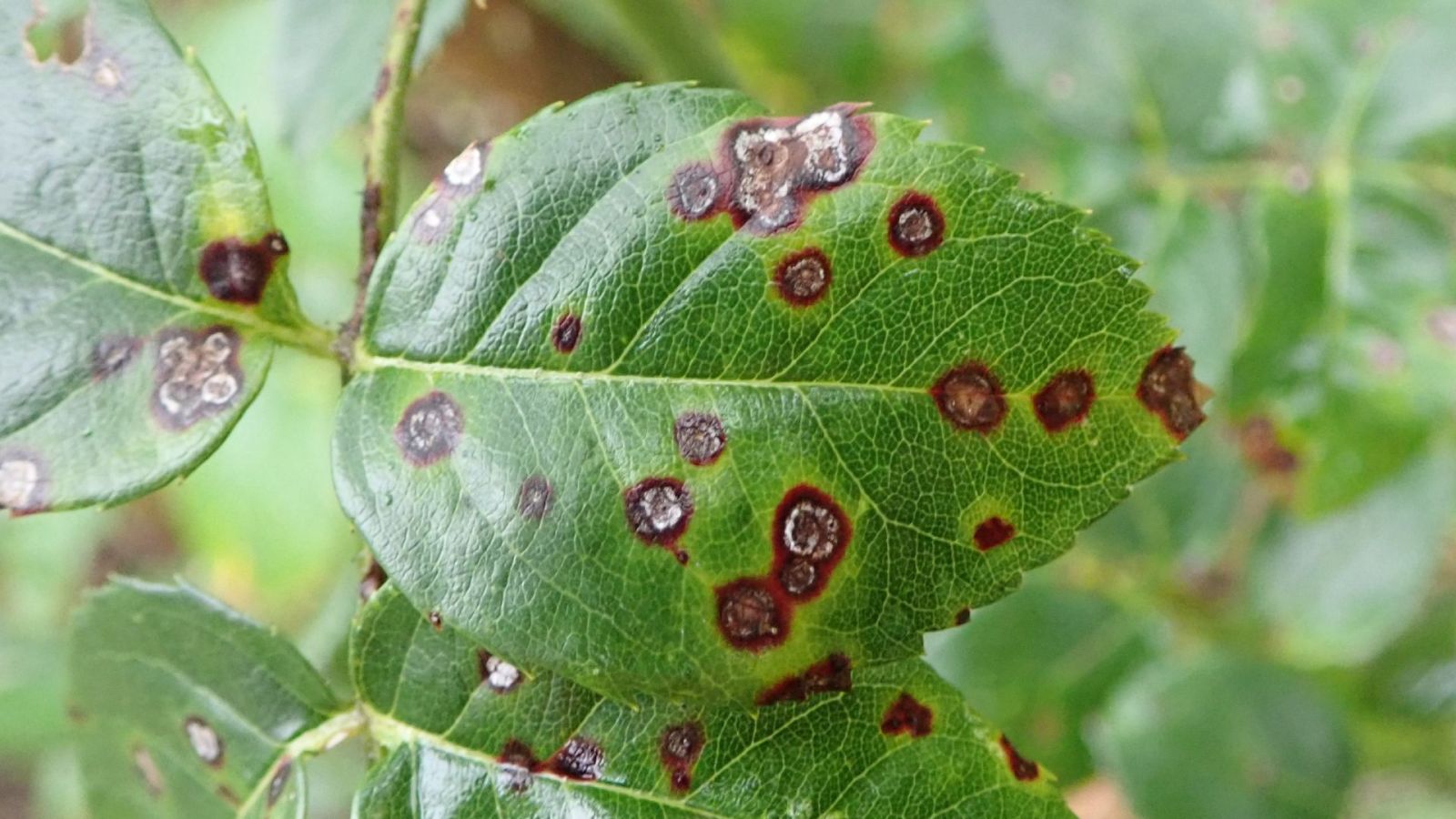
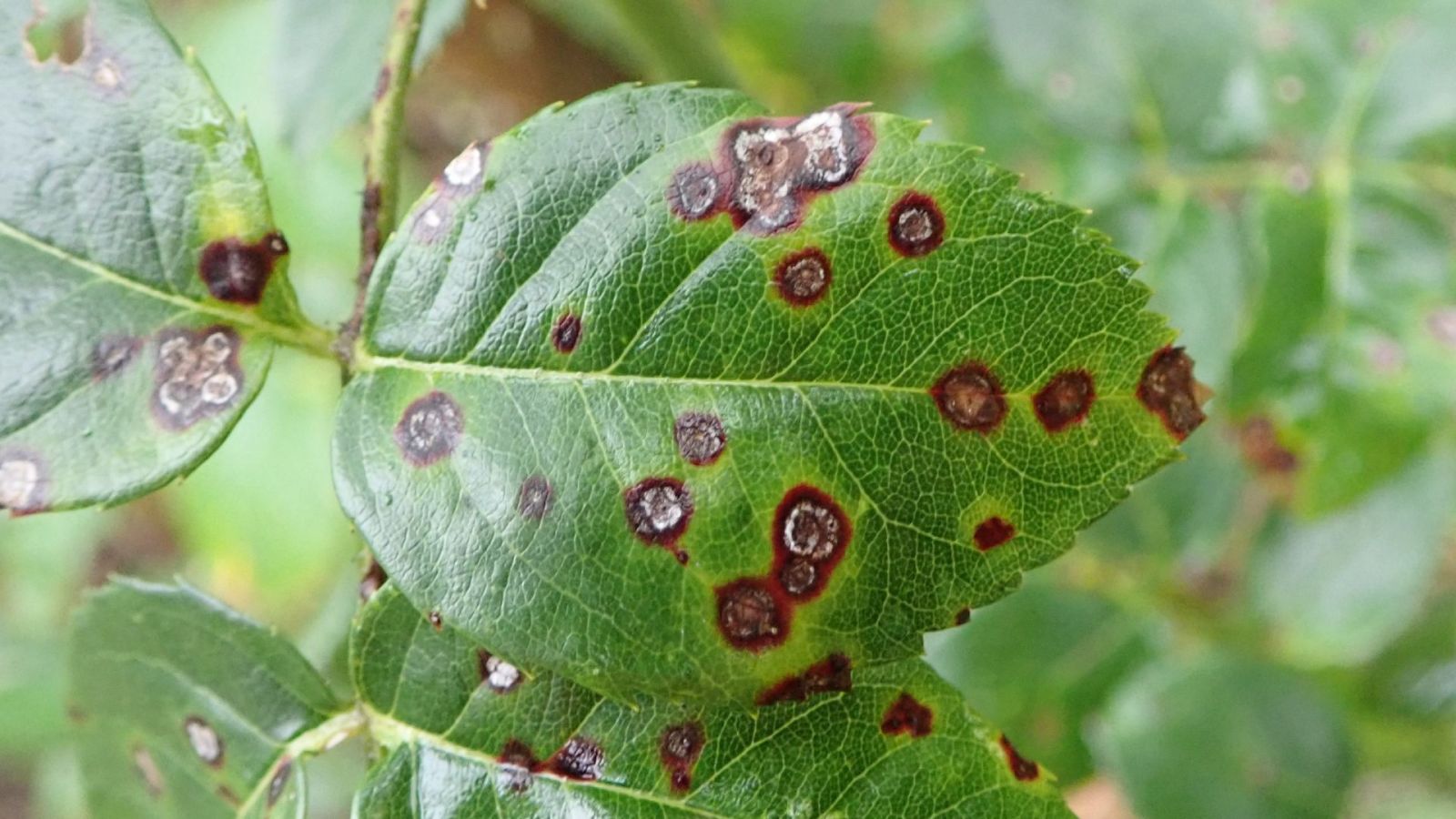
Mechanism behind the sharp circular spots, concentric rings, and shot-holes. Anthracnose fungi are necrotrophic: on contact with the leaf they secrete powerful degradative enzymes — cellulase and pectinase — that liquefy and kill leaf cells so the fungus can absorb the released nutrients. The toxins diffuse outward radially — like ink spreading on blotting paper — and are potent enough to eat straight through the smaller veins, producing a fully formed circular lesion that the leaf architecture cannot constrain. The stacked dark concentric rings are a footprint of the diurnal weather cycle: under humid nights the fungus advances aggressively, then halts during dry days and sporulates, laying down successive dark borders. The lesion centre — where the fungus exhausts the cells and draws out moisture first — becomes desiccated necrotic tissue, paper-thin and brittle; wind, rain, or irrigation easily punches it out, leaving the round shot-holes that define the disease.

Symptoms

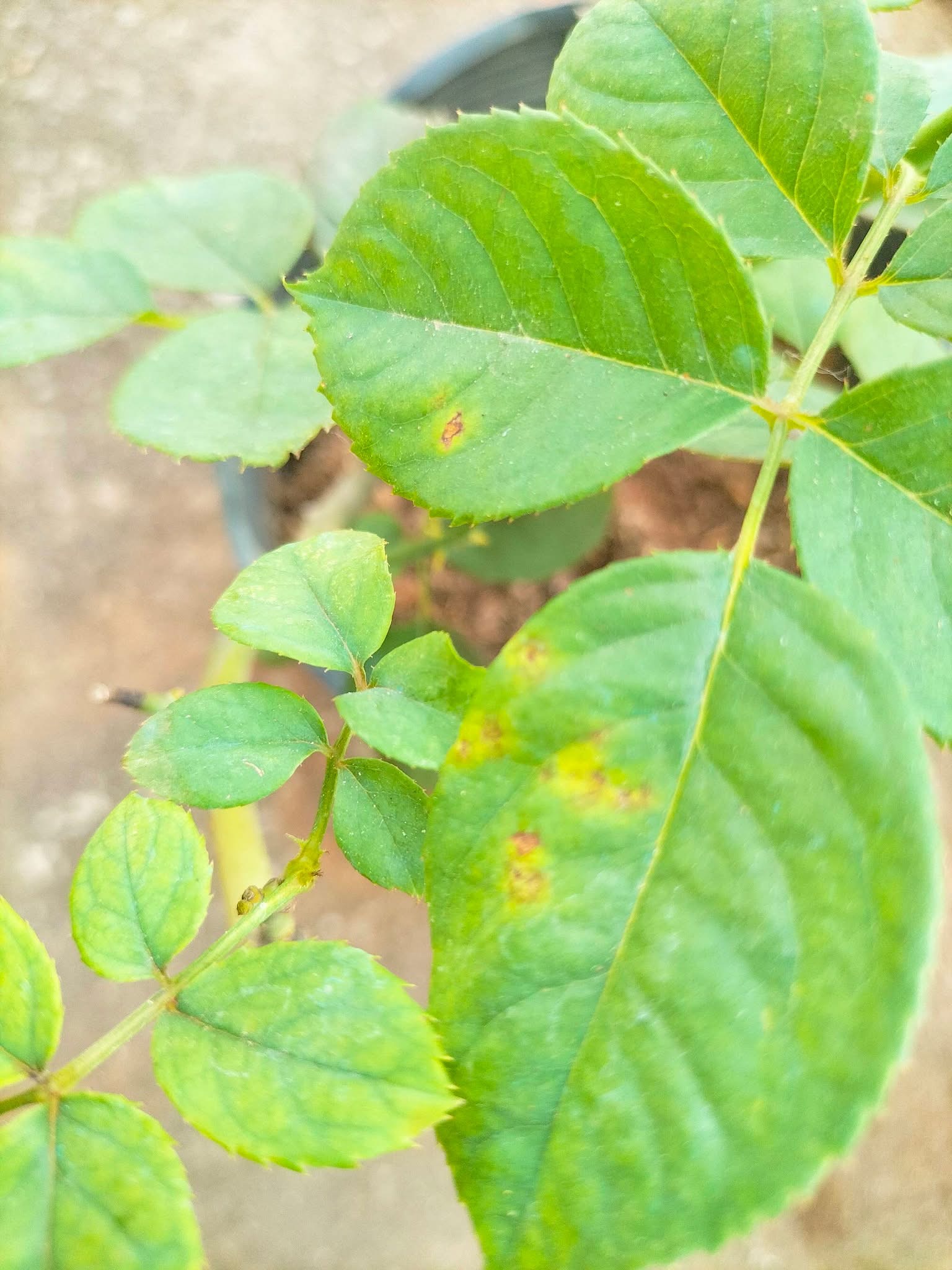
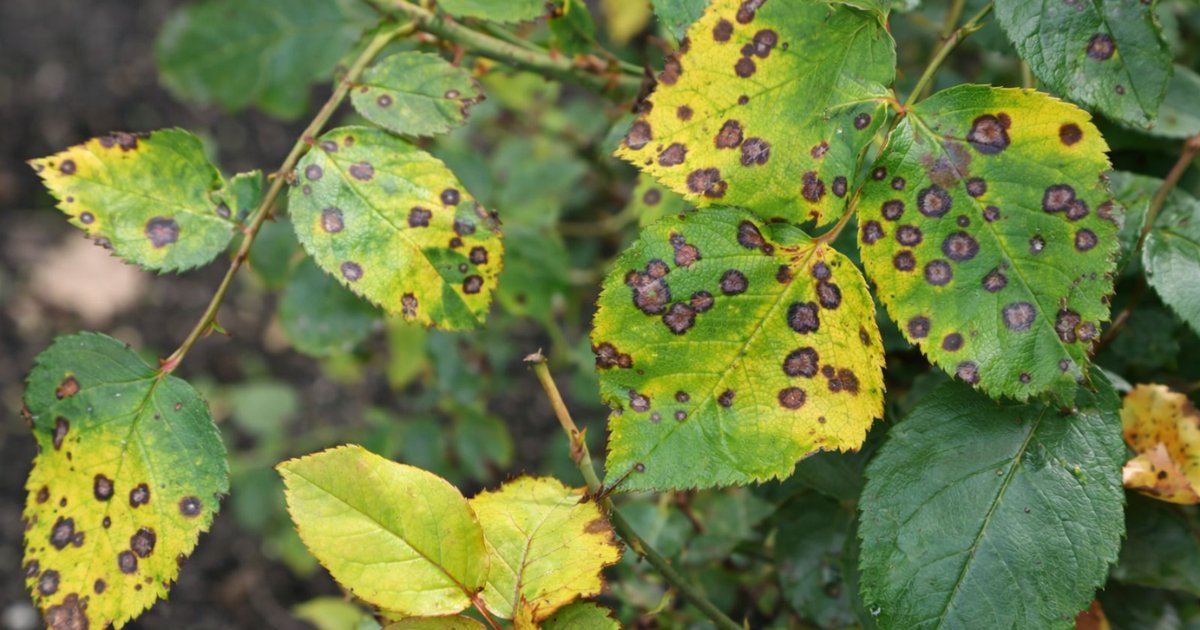
  • Small grey-brown to yellow-brown spots on the leaves.
    Small grey-brown to yellow-brown spots on the leaves.Small grey-brown to yellow-brown spots on the leaves.Small grey-brown to yellow-brown spots on the leaves.Small grey-brown to yellow-brown spots on the leaves.Small grey-brown to yellow-brown spots on the leaves.
  • Lesions with a dark margin and a paler, sunken centre — the characteristic target-lesion pattern.
    Lesions with a dark margin and a paler, sunken centre — the characteristic target-lesion pattern.Lesions with a dark margin and a paler, sunken centre — the characteristic target-lesion pattern.Lesions with a dark margin and a paler, sunken centre — the characteristic target-lesion pattern.
  • Leaf blades develop expanding concentric circular necrotic spots with dark margins caused by Colletotrichum fungus, causing infected leaves to dry out completely and drop in localized patches within the canopy while adjacent branches remain unaffected.
  • Dried lesions perforate, producing a shot-hole effect with partially scorched leaf margins.
    Dried lesions perforate, producing a shot-hole effect with partially scorched leaf margins.Dried lesions perforate, producing a shot-hole effect with partially scorched leaf margins.Dried lesions perforate, producing a shot-hole effect with partially scorched leaf margins.Dried lesions perforate, producing a shot-hole effect with partially scorched leaf margins.
  • Young shoots display narrow, elongated dark brown or black streaks running along the stem.
    Young shoots display narrow, elongated dark brown or black streaks running along the stem.
  • Yellow halo around brown spots, expanding as disease progresses
    Yellow halo around brown spots, expanding as disease progressesYellow halo around brown spots, expanding as disease progressesYellow halo around brown spots, expanding as disease progresses
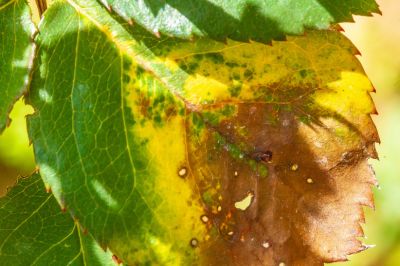
  • Leaf margins become dry and scorched in patches due to anthracnose infection

Treatment plan

As soon as lesions are detected, act decisively:

  • Hard pruning: Aggressively remove all diseased leaves and shoots. Bag and destroy the debris (burn or dispose of off-site); never leave it at the base of the plant or compost it, as the inoculum remains viable.
  • Sanitation: Collect and dispose of fallen leaves around the base of the plant.
  • Isolation: For potted roses, move the affected plant to a separate, well-ventilated area. Isolate the plant if it is growing near other susceptible hosts.
  • Reduce leaf wetness: Temporarily stop overhead watering — water only at the soil level.
  • Fungicide application: Use systemic and contact fungicides to eradicate the fungus from inside the leaf tissue.

Recommended products

The three most widely used and effective products are:

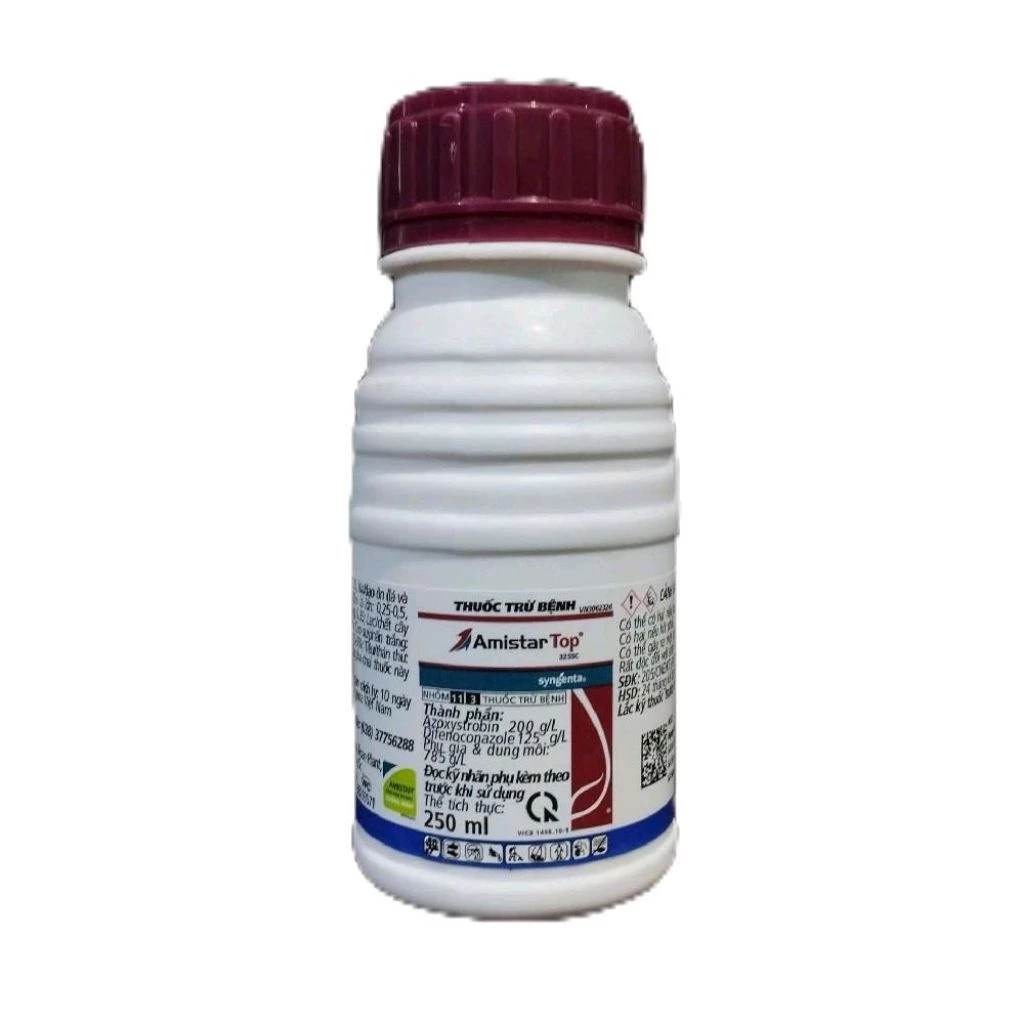
  1. Amistar Top 325SC (Syngenta)

A premium fungicide with strong systemic activity that penetrates leaf tissue rapidly.

  • Description: Contains Azoxystrobin and Difenoconazole — eradicates the pathogen from within and promotes thicker, greener foliage after recovery.
  • Dosage: 10 ml per 16–20 L of water.
  • Application: Spray to thoroughly wet both leaf surfaces and the stems.
  • Frequency: Two applications, 5–7 days apart.
  • Where to buy: Shopee — Amistar Top genuine
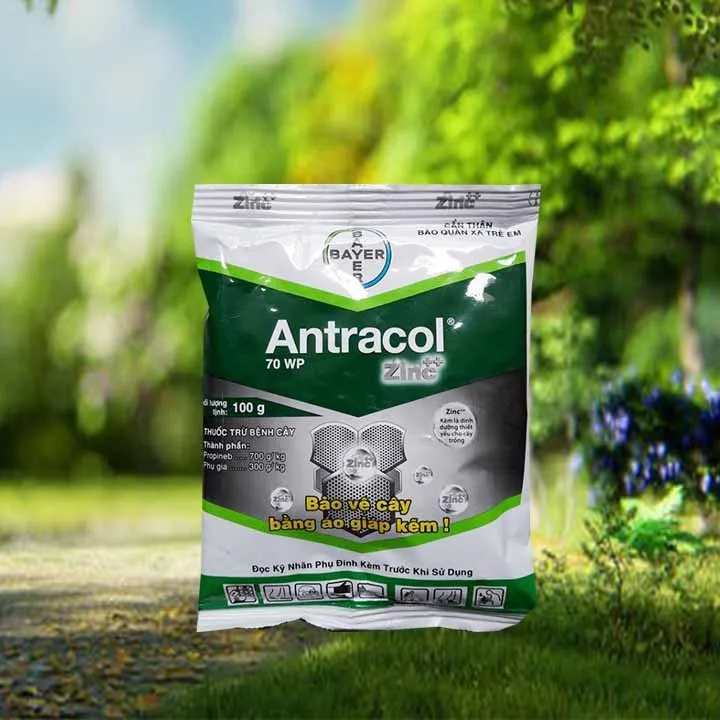
  1. Antracol 70WP (Bayer)

A widely trusted fungicide that also supplies micronutrient zinc, hardening the foliage.

  • Description: Active ingredient Propineb in wettable powder form; creates a protective film that blocks fungal penetration.
  • Dosage: 25–30 g per 16 L of water.
  • Application: Spray at the first sign of lesions, or as a preventive after extended rainy periods.
  • Frequency: Curative — 2 sprays 5 days apart. Preventive — every 10–15 days.
  • Where to buy: Lazada — Antracol Bayer
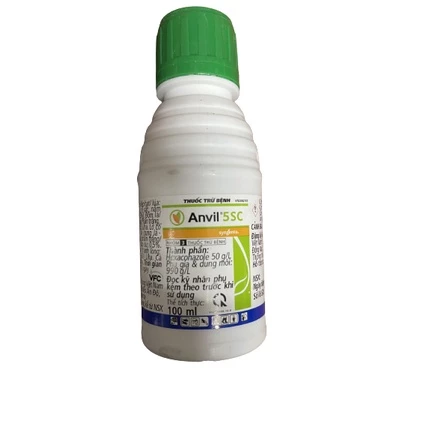
  1. Anvil 5SC (Syngenta)

Highly effective against leaf-spot diseases, anthracnose, and rust at a reasonable price point.

  • Description: Active ingredient Hexaconazole — translaminar with persistent residual activity.
  • Dosage: 20 ml per 16 L of water.
  • Application: Spray thoroughly into leaf axils and crevices where the fungus typically shelters.
  • Frequency: Repeat after 7 days to eliminate residual inoculum.
  • Where to buy: Shopee — Anvil 5SC

Prevention

  • Maintain an open canopy and avoid wetting the foliage when watering.
  • Prune regularly to reduce humidity within the canopy.
  • Apply preventive copper-based fungicide sprays every 2–4 weeks.
  • Avoid prolonged leaf wetness — never let water stand on the foliage.

Recommended products

AMISTAR TOP 325SC

AMISTAR TOP 325SC

AMISTAR TOP 325SC is a systemic, translaminar fungicide built on the proven Amistar® technology, delivering broad-spectrum disease control. It both prevents and cures a wide range of fungal diseases — rust, anthracnose, and more — on crops such as coffee, rubber, pepper, and roses.

Antracol 70WP

Antracol 70WP

Antracol 70WP is a broad-spectrum fungicide with Propineb as the active ingredient plus a readily available pure zinc (Zn²⁺) content. Supplied as a wettable powder, it provides excellent leaf coverage and strong adhesion when sprayed, and also delivers the micronutrient zinc to support vigorous, healthy growth.

Anvil 5SC

Anvil 5SC

- Effective fungicidal action: Anvil 5SC is a broad-spectrum fungicide with Hexaconazole as the active ingredient, killing pathogenic fungi by inhibiting ergosterol biosynthesis. - Rapid, lasting control: Plant tissue absorbs the product quickly, with strong translocation and translaminar movement, delivering fast and persistent disease control.

Share this page