RoseDoctor
Botrytis Blight

Botrytis Blight

Fungal

Description

Botrytis blight (grey mould) is caused by the fungus Botrytis cinerea. It attacks flowers, buds, and young shoots most aggressively, and cool, damp conditions strongly favour its development.

Symptoms

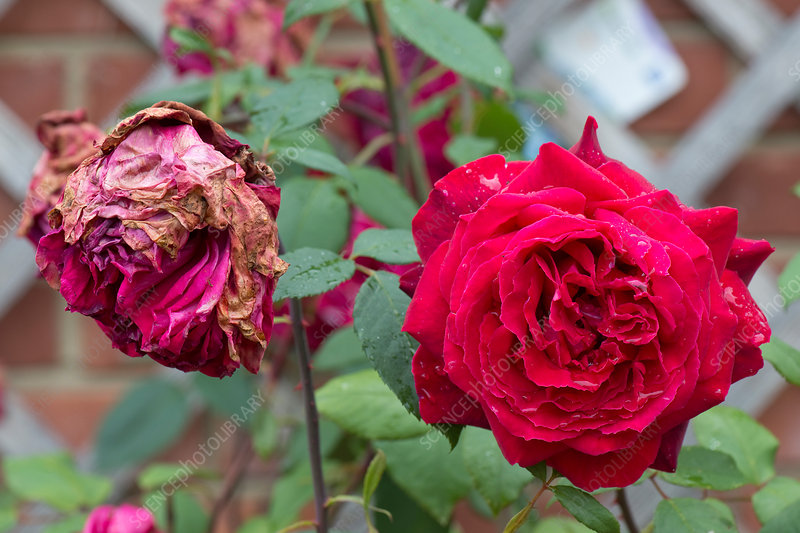
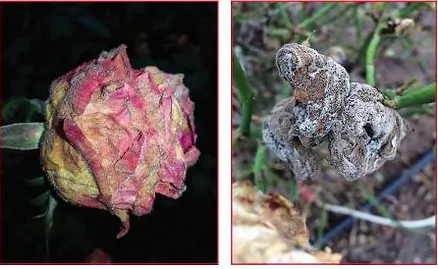
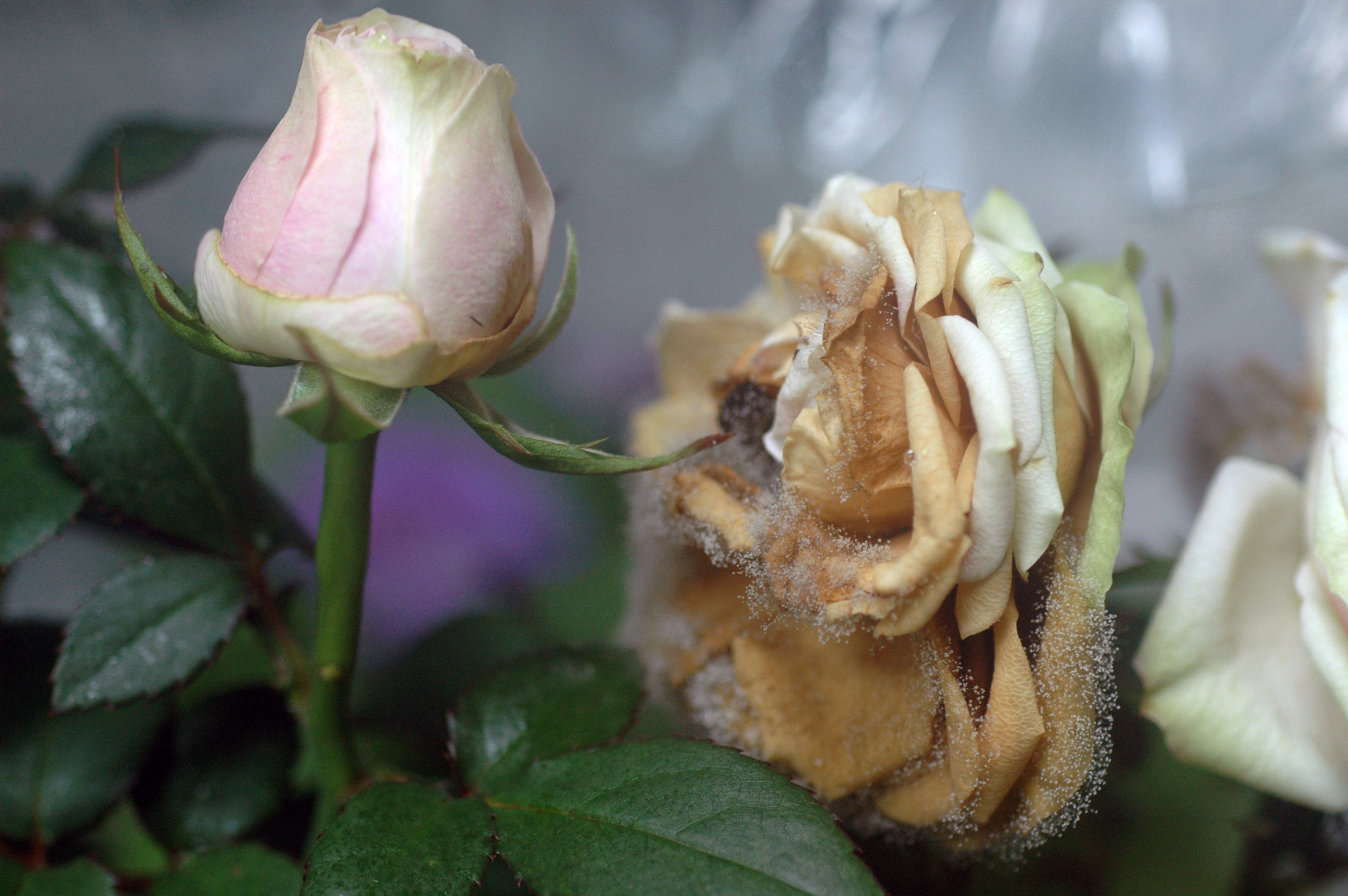
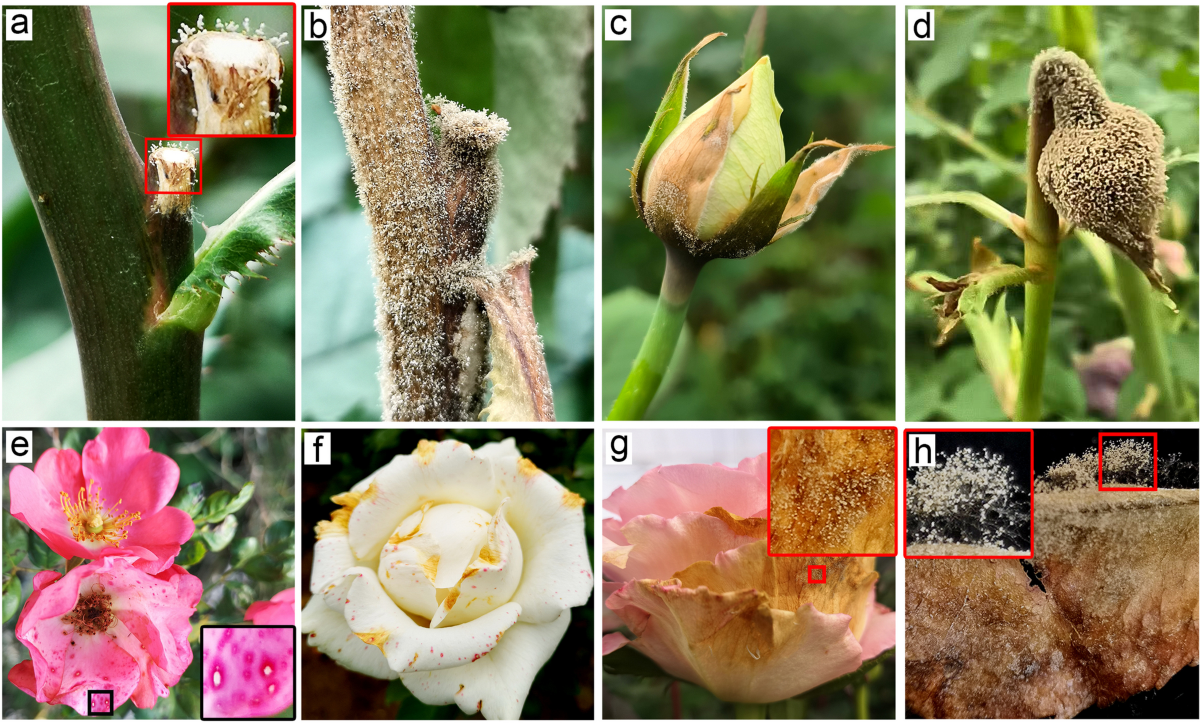
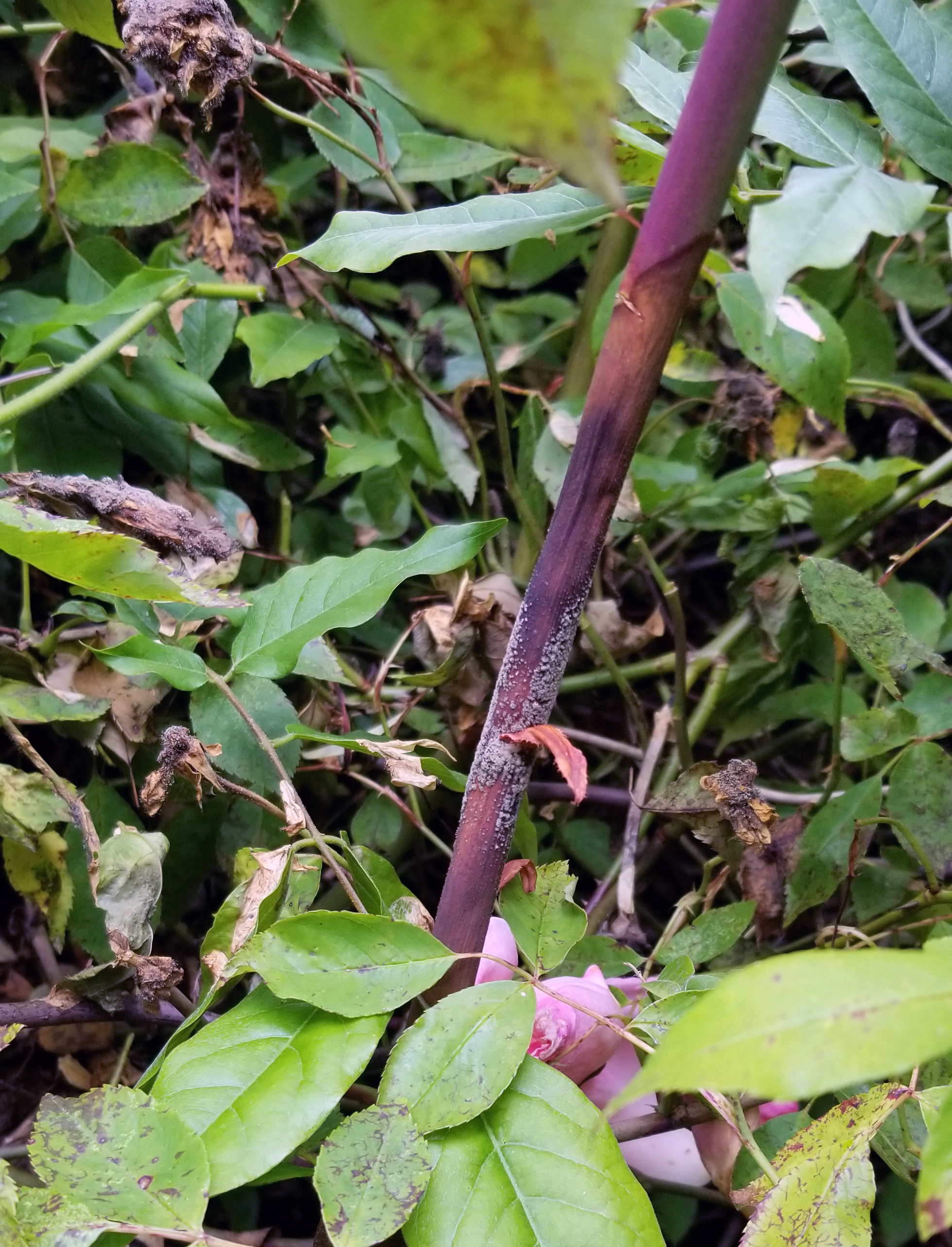
  • A grey fungal mat covering flowers or leaves.
    A grey fungal mat covering flowers or leaves.A grey fungal mat covering flowers or leaves.A grey fungal mat covering flowers or leaves.
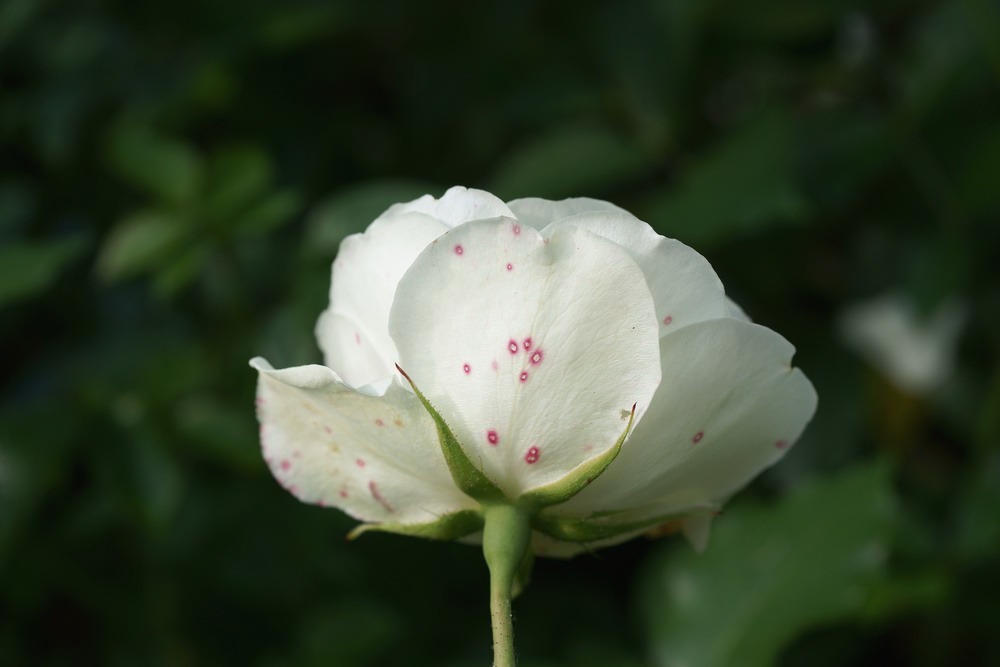
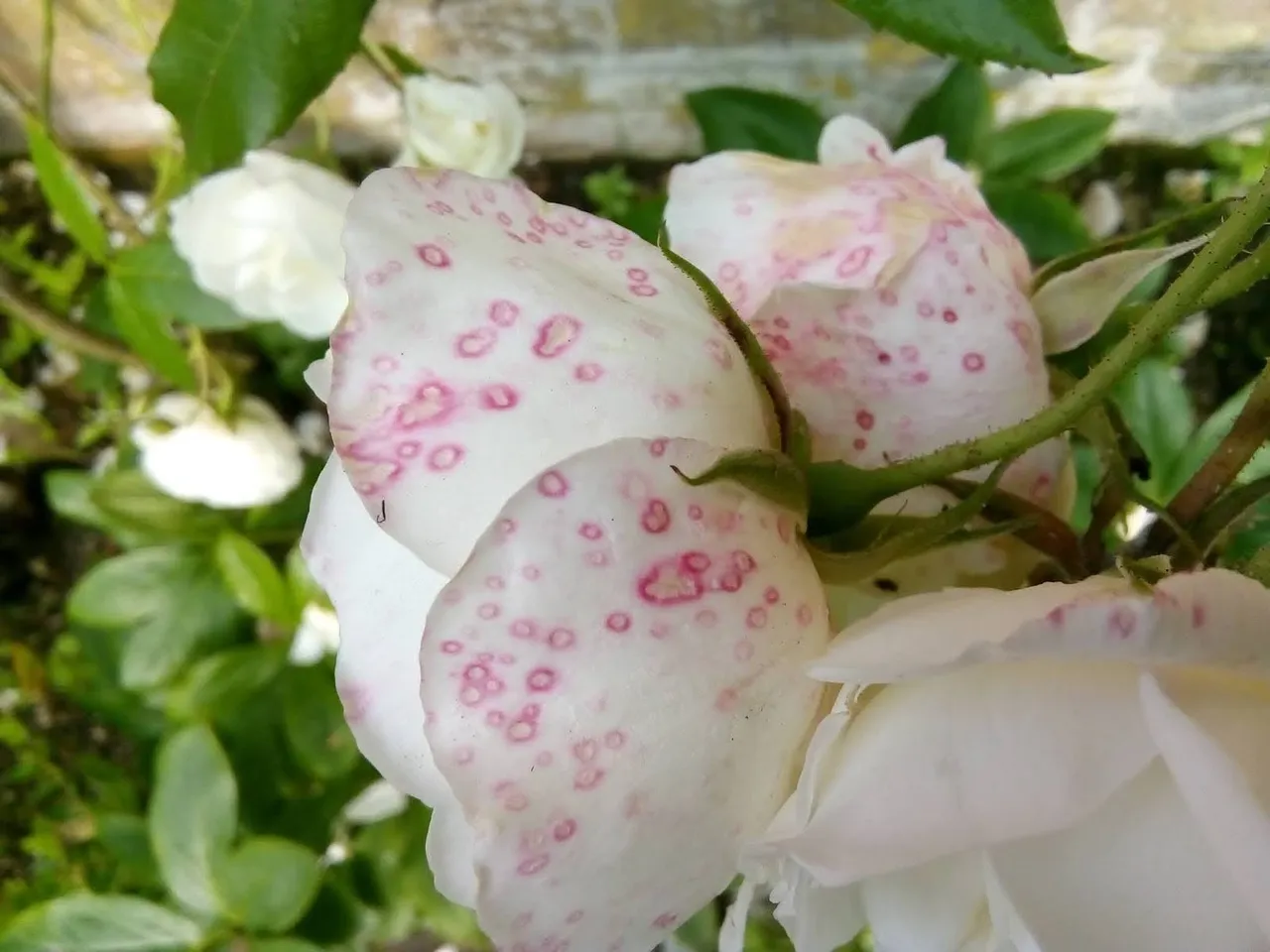
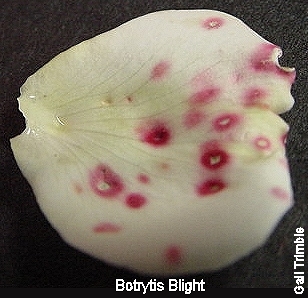
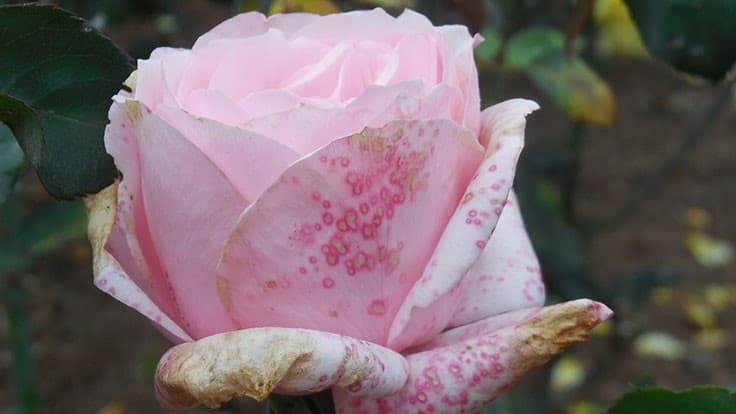
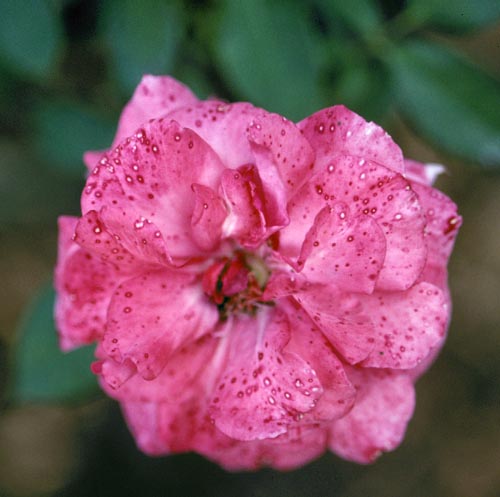
  • Small brown, pink, or red specks on the petals.
    Small brown, pink, or red specks on the petals.Small brown, pink, or red specks on the petals.Small brown, pink, or red specks on the petals.Small brown, pink, or red specks on the petals.
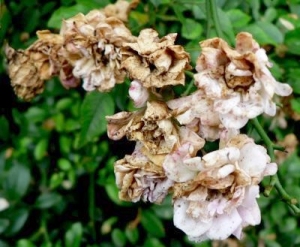
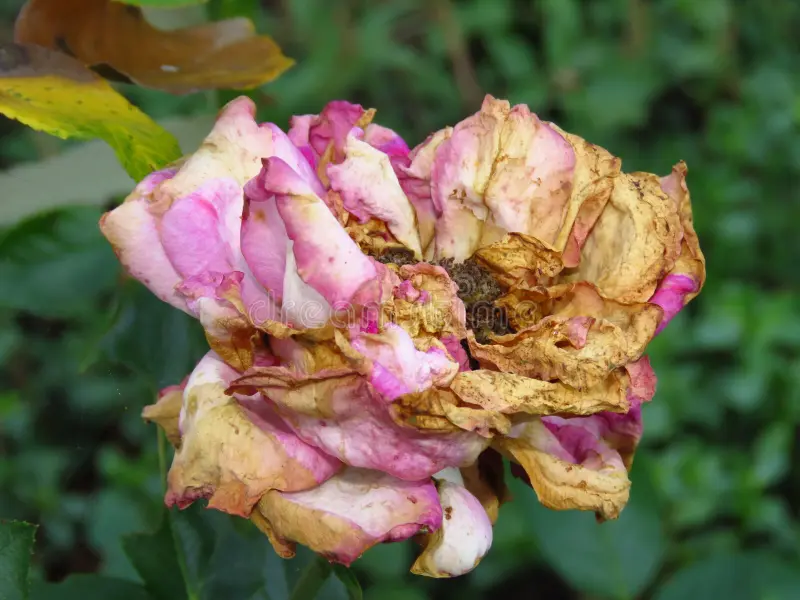
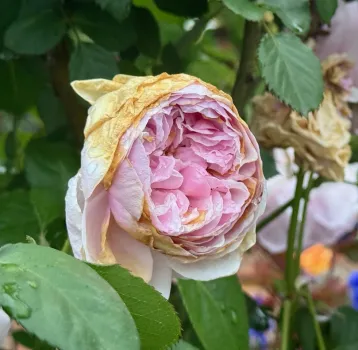
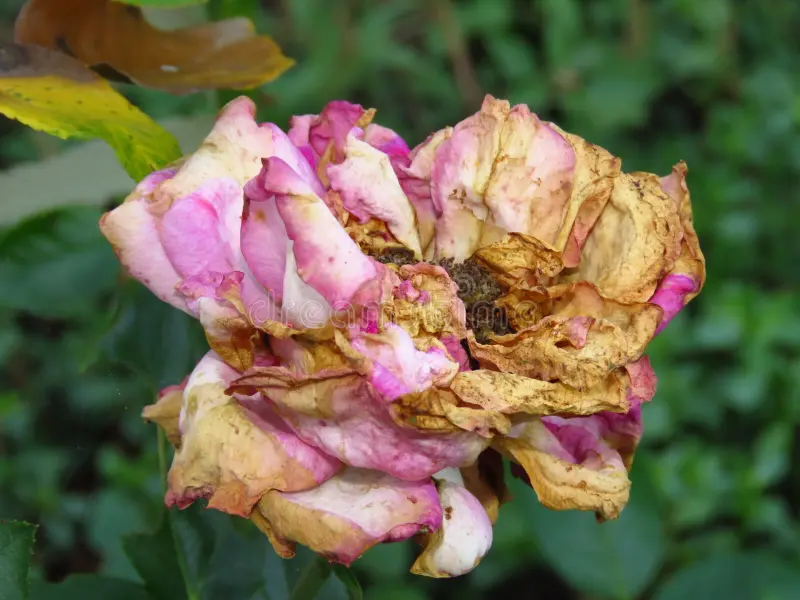
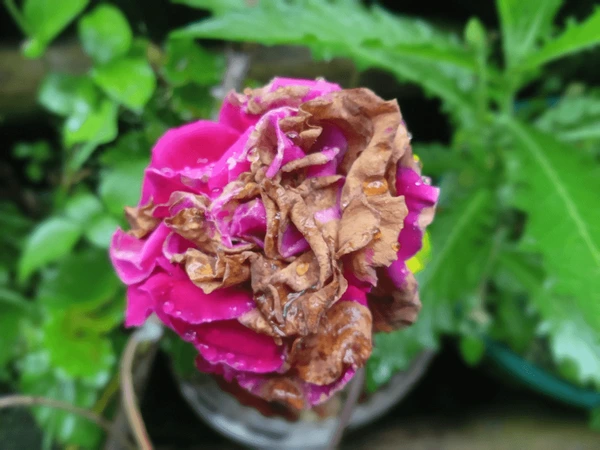
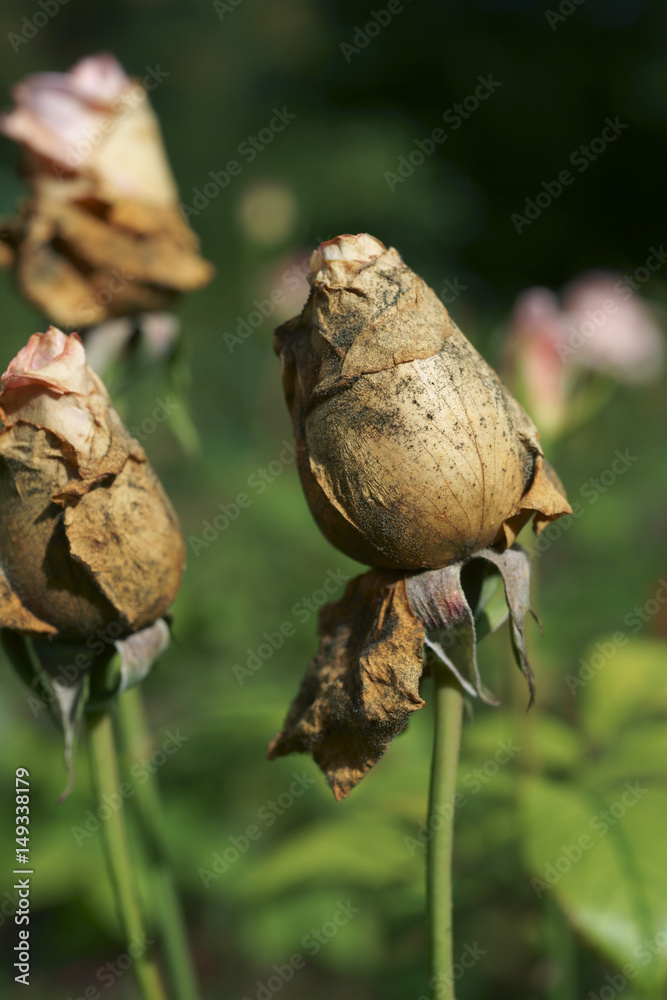
  • Petals and buds turning brown to black and rotting.
    Petals and buds turning brown to black and rotting.Petals and buds turning brown to black and rotting.Petals and buds turning brown to black and rotting.
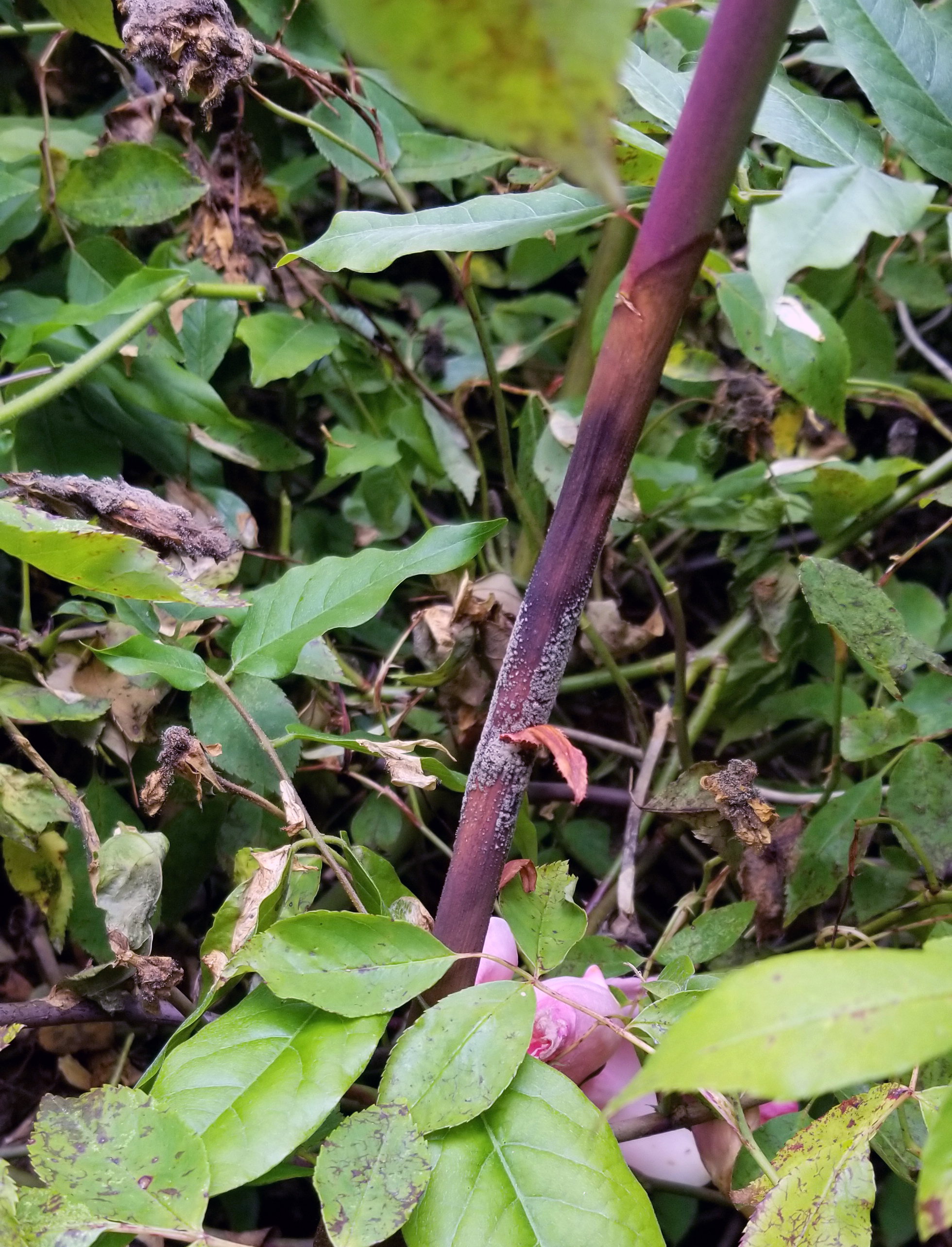
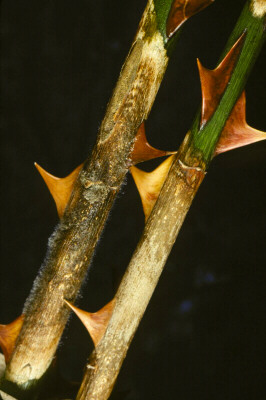
  • Semi-woody or woody canes showing dry black rot, often splitting longitudinally, with the necrosis slowly progressing downward from infected pruning cuts or twig tips.
    Semi-woody or woody canes showing dry black rot, often splitting longitudinally, with the necrosis slowly progressing downward from infected pruning cuts or twig tips.Semi-woody or woody canes showing dry black rot, often splitting longitudinally, with the necrosis slowly progressing downward from infected pruning cuts or twig tips.
  • Sunken, dark brown to black canker-like blotches developing on older or semi-mature branches, typically expanding from pruning cuts.
    Sunken, dark brown to black canker-like blotches developing on older or semi-mature branches, typically expanding from pruning cuts.Sunken, dark brown to black canker-like blotches developing on older or semi-mature branches, typically expanding from pruning cuts.
  • Succulent, tender young shoots turning mushy black and wilting rapidly, with the infection spreading downward from infected flower buds or soft leaf axils.
  • The apical growing tip of the young shoot withers, turns grayish-brown, and dies back progressively from the top down.

Treatment plan

At the first sign of grey mould on buds, flowers, or canes:

  • Remove buds, blooms, and tissue with grey mould using sharp secateurs; seal the debris in a plastic bag and dispose of it to prevent wind-borne spore dispersal. Never drop diseased buds at the base of the plant.
  • Disinfect tools between cuts with 70% alcohol to avoid transferring the inoculum to healthy wood.
  • Reduce humidity and increase airflow around the plant; cut back on watering and avoid wetting the blooms.
  • Apply a fungicide immediately after pruning to eradicate residual spores, especially during prolonged damp weather.
  • [After 7 days] Check new buds for grey-mould signs; if the disease is still active, reapply the fungicide and continue pruning.

Recommended products

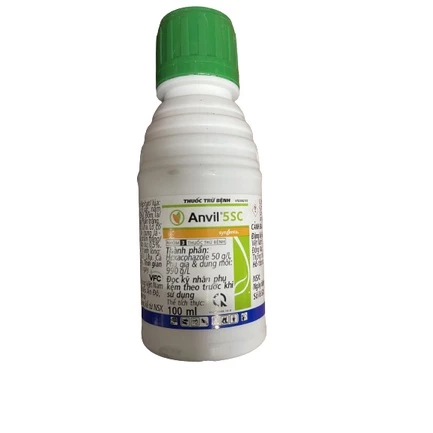
  1. Anvil 5SC (Syngenta) — Strong systemic fungicide with translaminar movement — well tolerated on rose foliage.

    • Dosage: 1–2 ml per 1 L of water.
    • Application: Spray to thoroughly wet both leaf surfaces, all buds, and the soil surface around the base.
    • Frequency: Curative: Two applications, 3–5 days apart. Preventive: Every 15 days during the rainy season or in prolonged overcast weather.
    • Where to buy: Shopee — Anvil 5SC
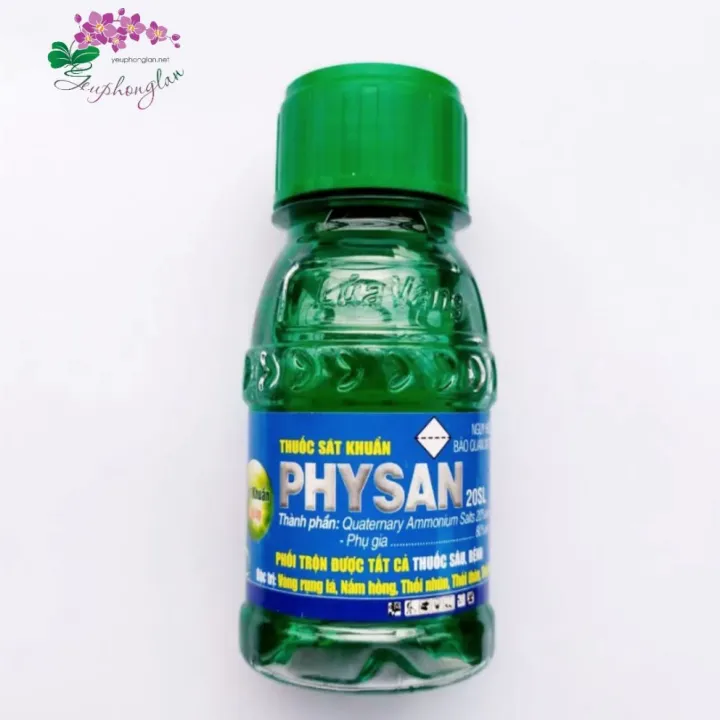
  2. Physan 20SL (cold formulation) — Powerful contact bactericide/fungicide; the cold formulation is far less likely to scorch petals than alternatives.

    • Dosage: 1 ml per 1 L of water.
    • Application: Spray directly onto buds and open blooms.
    • Frequency: Apply at the first sign of disease; repeat after 3 days if pressure remains high.
    • Where to buy: Lazada — Physan 20SL
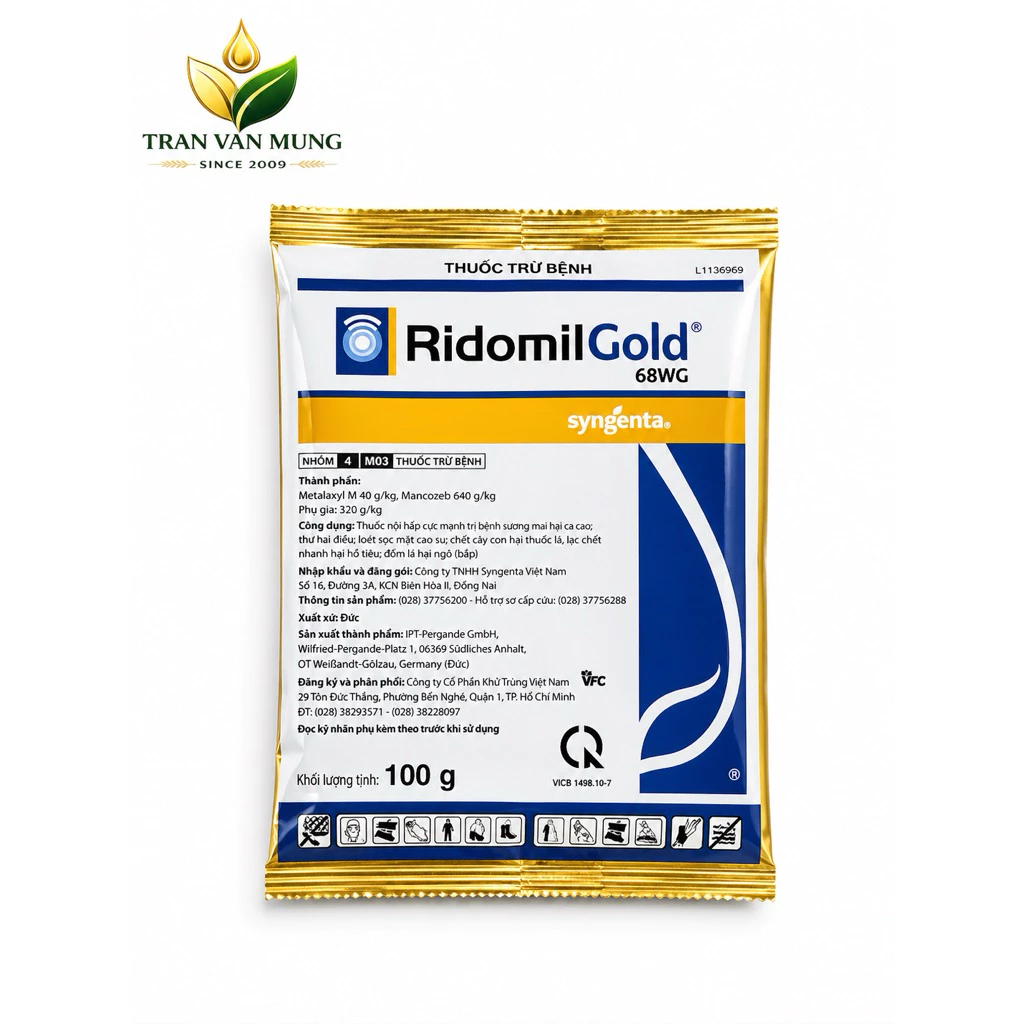
  3. Ridomil Gold 68WG — Water-dispersible granule that moves systemically through foliage, canes, and roots. Use when grey mould has already spread widely.

    • Dosage: Approximately 3–5 g per 1 L of water.
    • Application: Spray onto foliage or drench the soil around the base to protect the root system.
    • Frequency: A single knock-down spray; if symptoms persist, repeat only after 7 days.
    • Where to buy: Available on Shopee — search for "Ridomil Gold".

General note: Spray in the early morning (once the dew has dried) or late afternoon. Always wear personal protective equipment when applying.

Prevention

  • Maintain an open canopy: do not plant too densely, and prune to let sunlight reach the canes.
  • Water sensibly: avoid overhead irrigation onto leaves and blooms. Use drip irrigation or water at the base in the morning so the plant dries before nightfall.
  • Never let the blooms remain wet for extended periods.
  • Apply preventive fungicide sprays on a regular schedule.
  • Sterilise pruning tools with 70% alcohol or a 10% bleach solution after working on infected plants.

Recommended products

Anvil 5SC

Anvil 5SC

- Effective fungicide: Anvil 5SC is a broad-spectrum fungicide whose active ingredient Hexaconazole kills pathogenic fungi by inhibiting ergosterol biosynthesis. - Fast and effective spray: Plant tissue absorbs the product rapidly with strong translaminar and systemic movement, providing quick and long-lasting control of fungal disease.
Physan 20SL

Physan 20SL

Physan 20SL is a crop-protection product that controls soft rot, leaf-edge scorch, and pink fungus with extremely powerful bactericidal action and a broad spectrum of activity, eliminating most pathogenic inoculum on plants.

Ridomil Gold 68WG

Ridomil Gold 68WG

Ridomil Gold 68WG kills pathogenic fungal cells through two distinct mechanisms: – Inhibits the enzymes that catalyse ATP energy production. – Blocks RNA synthesis inside the fungal cell.

Share this page