
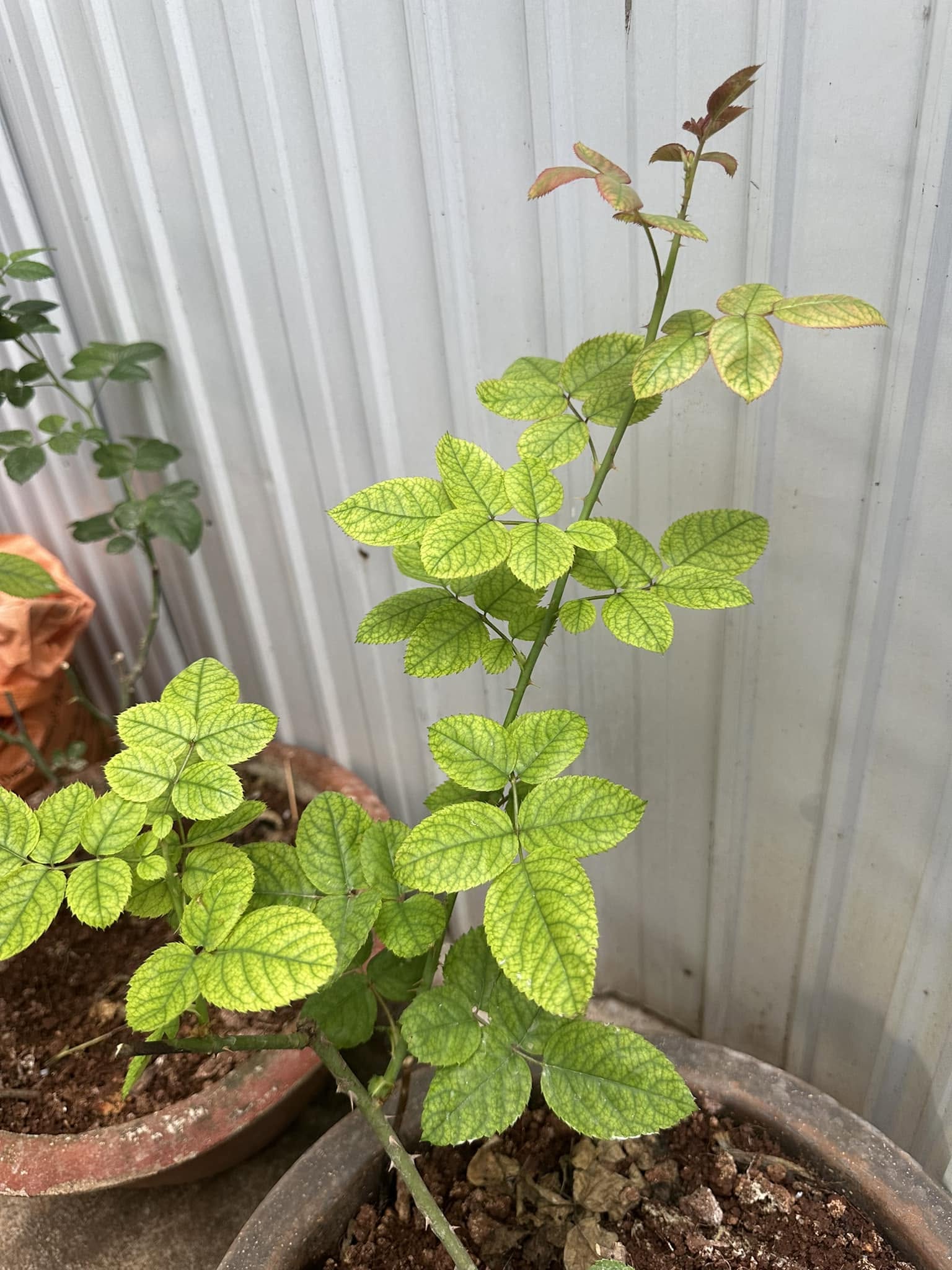
Physiological Mechanisms and Nutrient Mobility
Chlorophyll requires mineral elements such as Nitrogen, Iron, and Magnesium to form. Where yellowing symptoms appear on the plant depends on the remobilization capability of these elements.
- Mobile Elements (Yellowing starts from older leaves): The plant will "draw" nutrients like Nitrogen (N), Magnesium (Mg), Potassium (K), and Phosphorus (P) from older, lower leaves to nourish new shoots.
- Immobile Elements (Yellowing starts from new leaves): Elements such as Iron (Fe), Calcium (Ca), and Manganese (Mn) cannot move once localized. Therefore, when deficient, symptoms will appear immediately on the new growth at the top.
In-depth Analysis of Yellowing Caused by Nutrient Deficiencies
1. Interveinal Chlorosis
This is a condition where the leaf tissue loses its green color, but the leaf veins remain dark green. The deficient nutrient can be identified based on the location of the affected leaves:
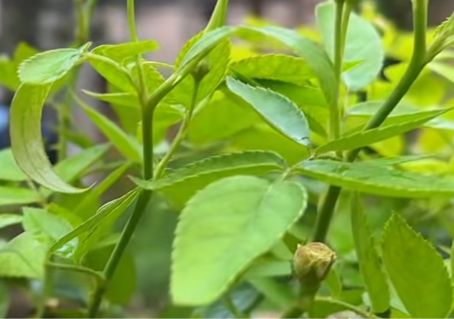
- Iron Deficiency (Fe): Interveinal chlorosis symptoms typically appear on NEW LEAVES (apical leaves). Dark green veins contrast sharply against a background of bright yellow to creamy white leaf tissue.
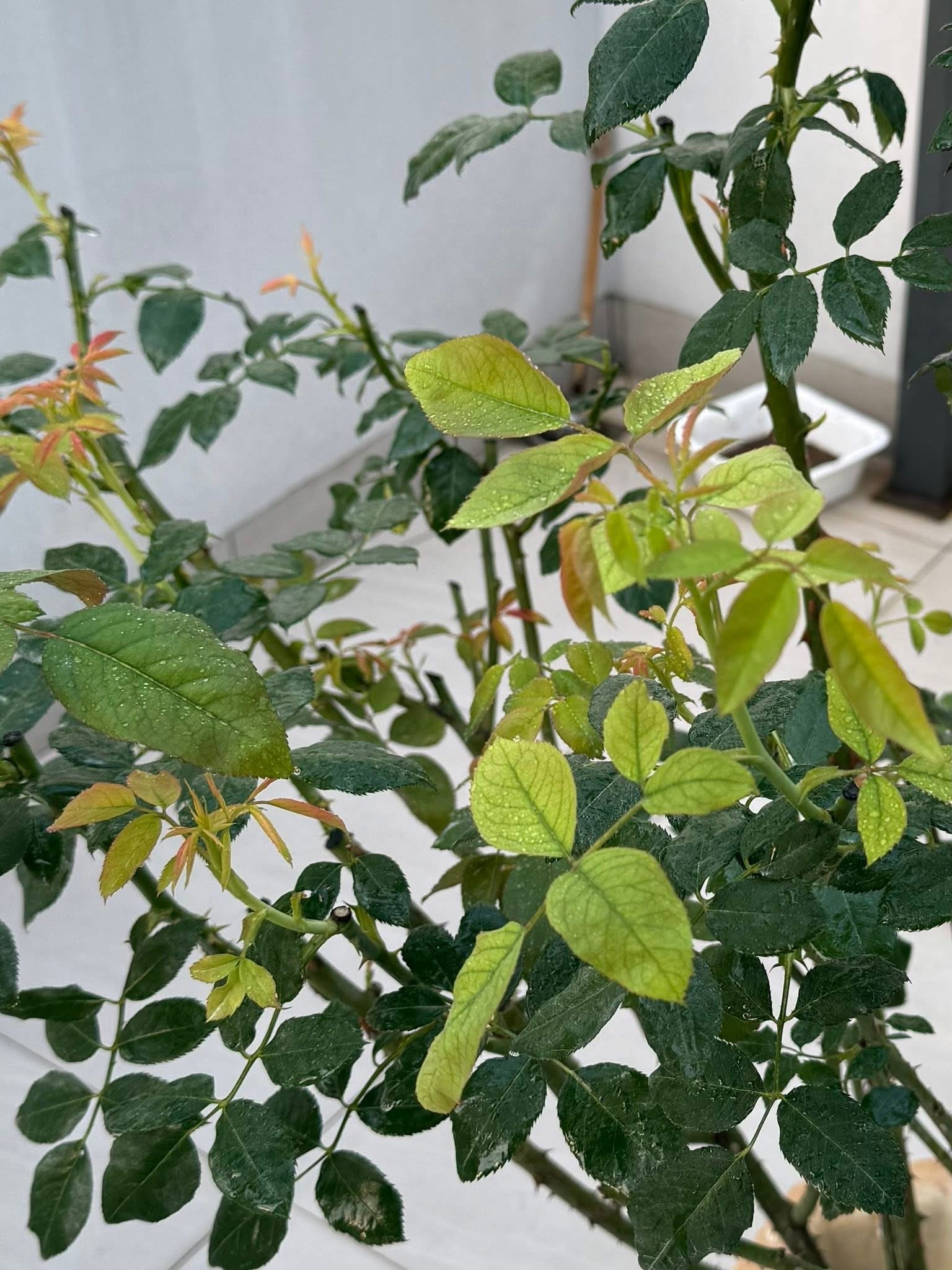
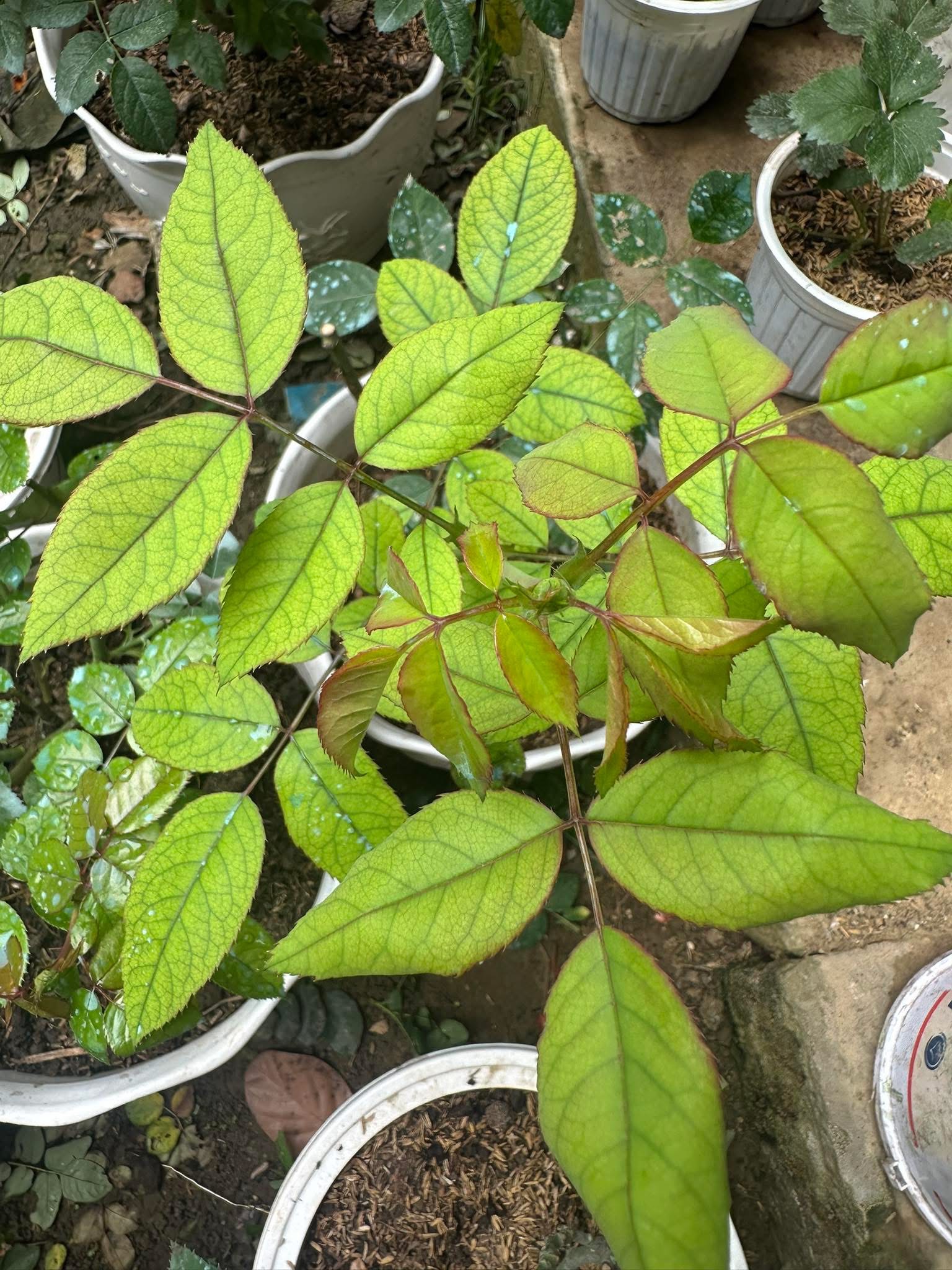
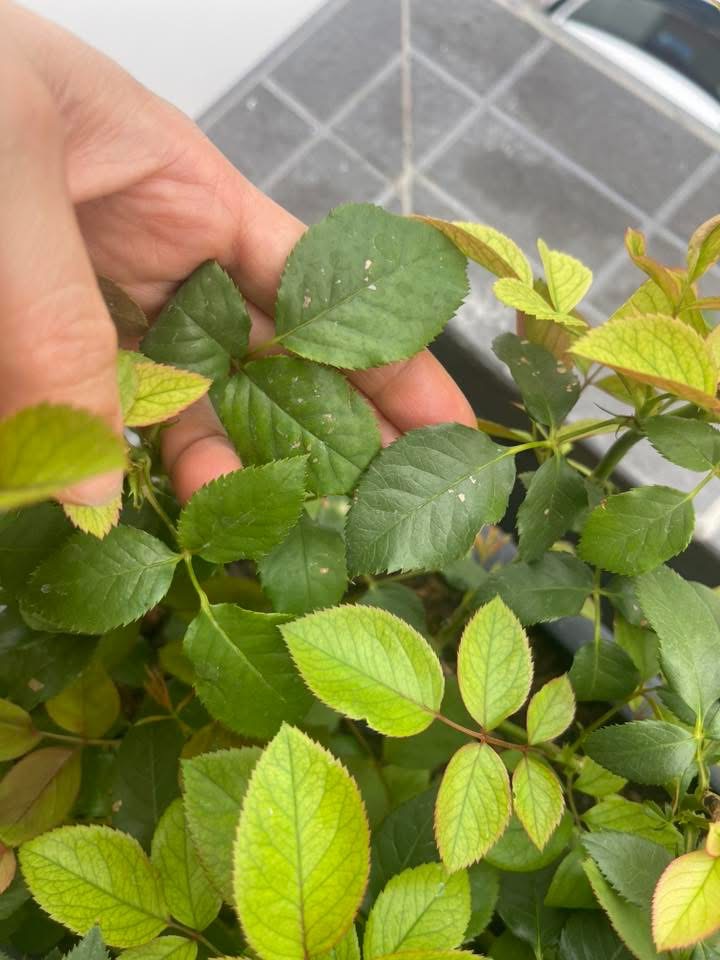
- Magnesium Deficiency (Mg): Interveinal chlorosis symptoms appear on OLDER LEAVES (lower leaves). The leaf tissue between the veins turns yellow or reddish-purple quite uniformly, but the contrast is often not as sharp as with iron deficiency.
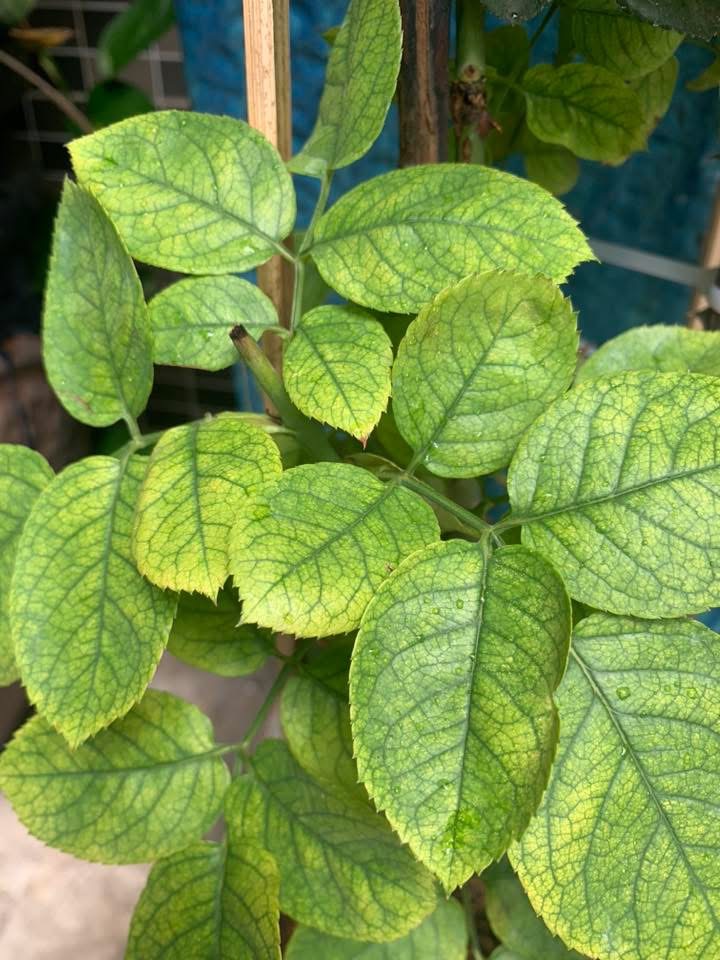
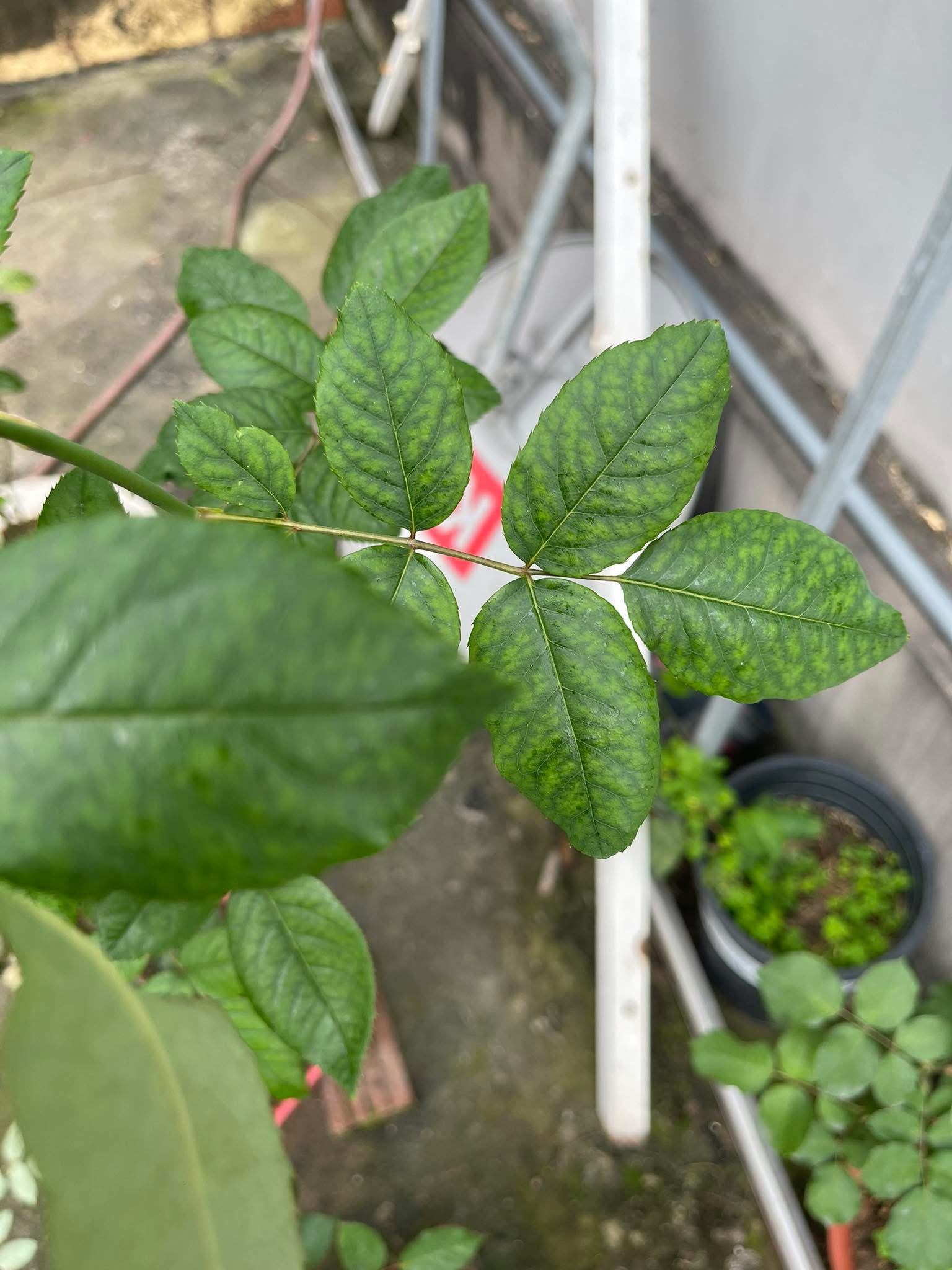
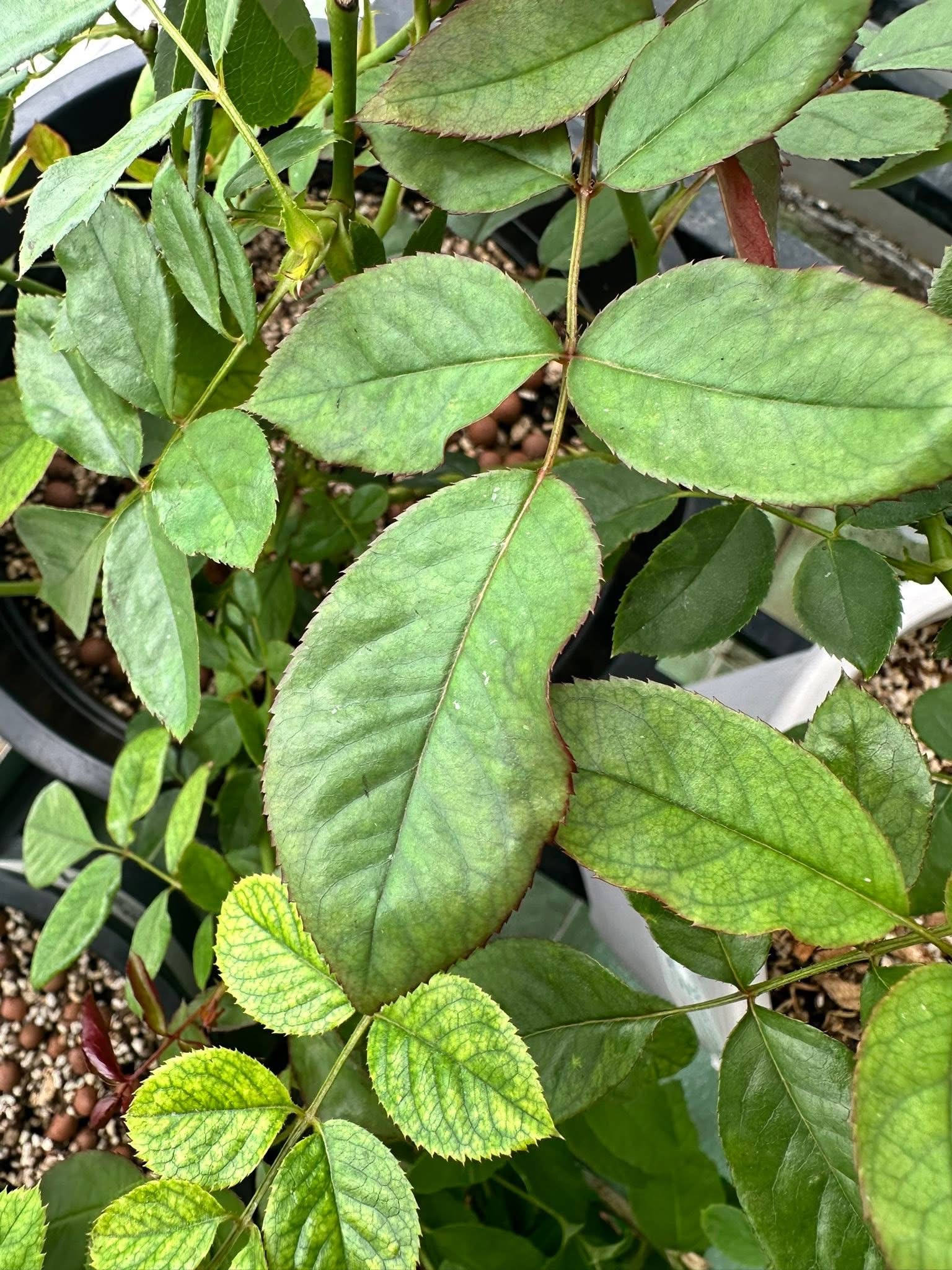
- Manganese Deficiency (Mn): Interveinal chlorosis symptoms appear on both new and mature leaves. The yellow hue is often a pale grayish-green and may be accompanied by tiny gray spots (a unique characteristic of Mn deficiency).
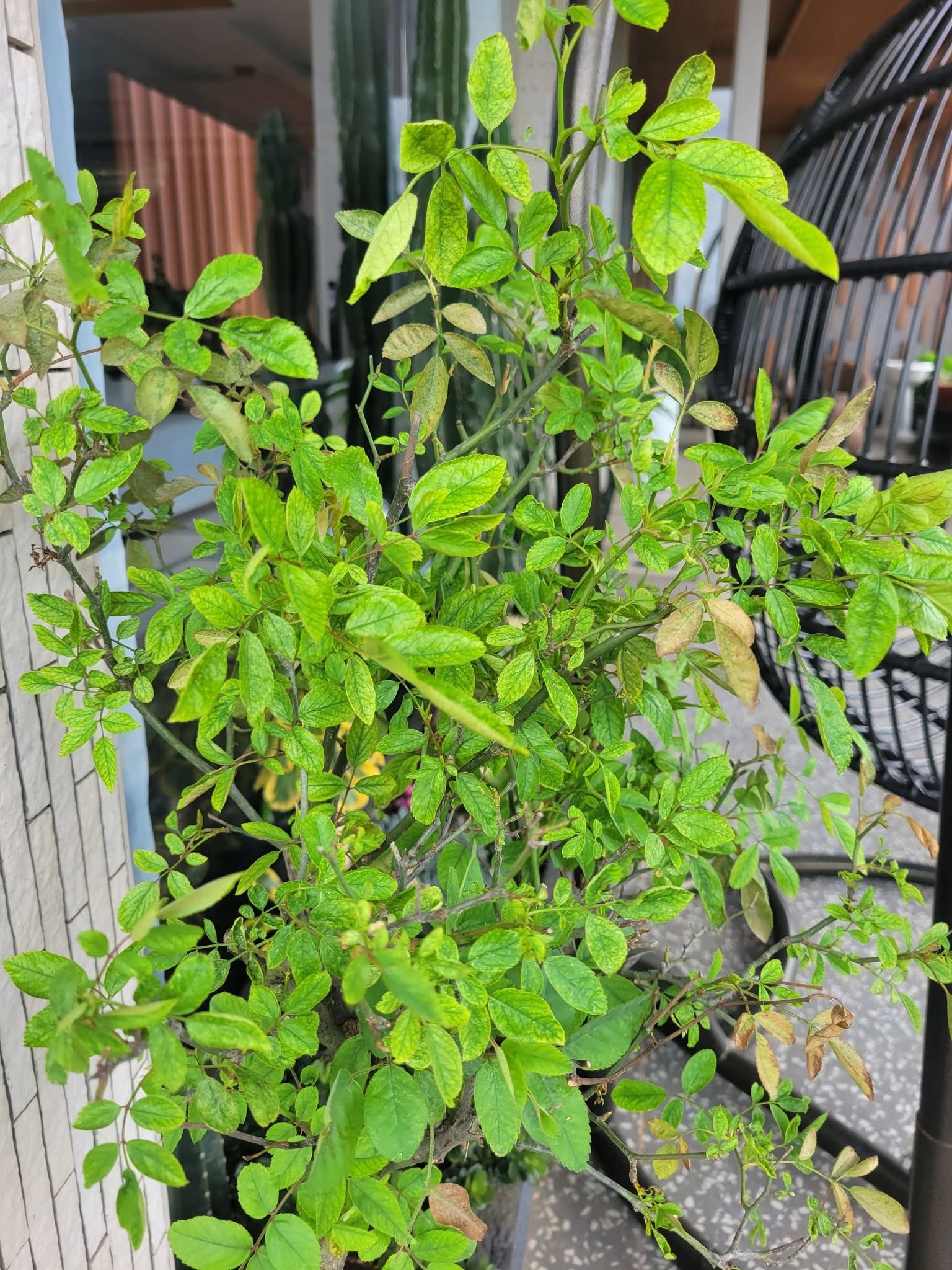
2. Uniform Yellowing and Other Deformations
- Nitrogen Deficiency (N): The entire older leaf blade turns a uniform yellow, with no distinction between veins and leaf tissue. Plants are stunted, internodes are short, and leaves gradually become smaller.
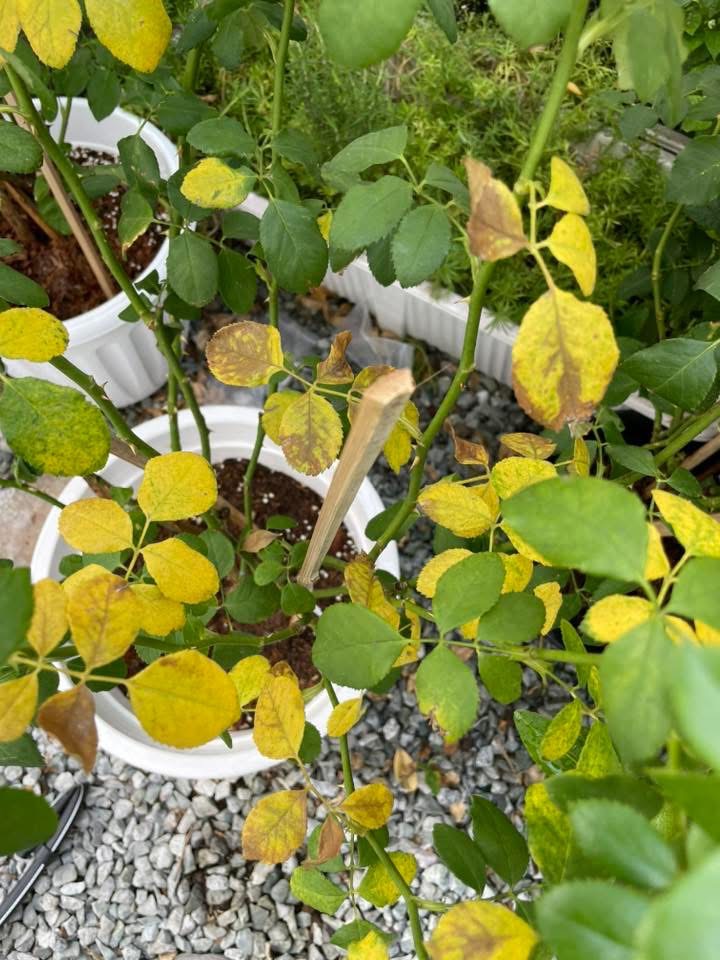
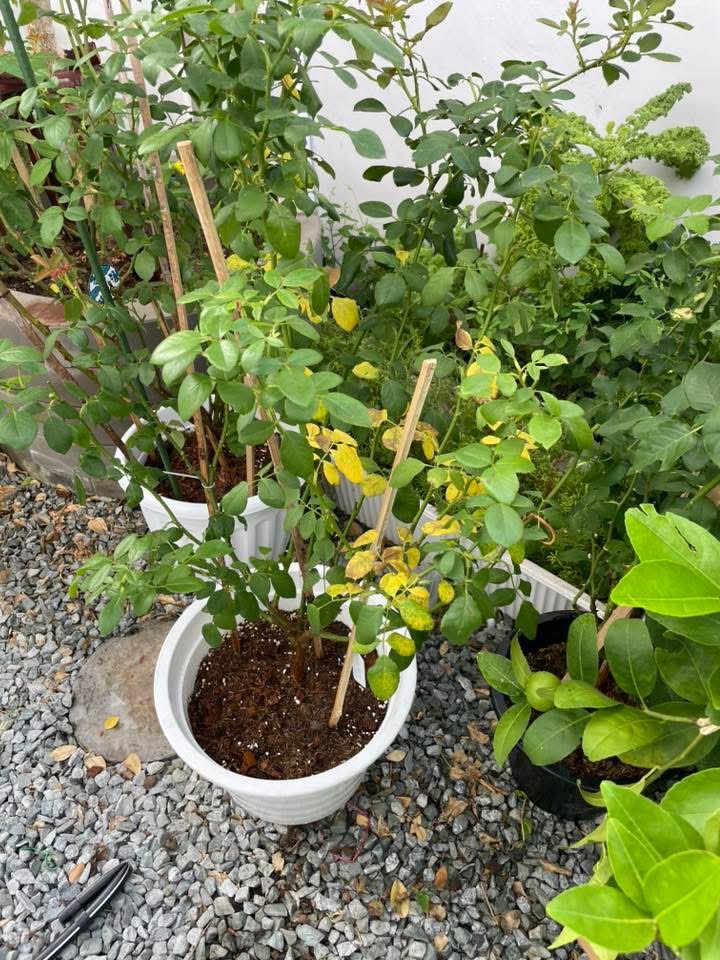
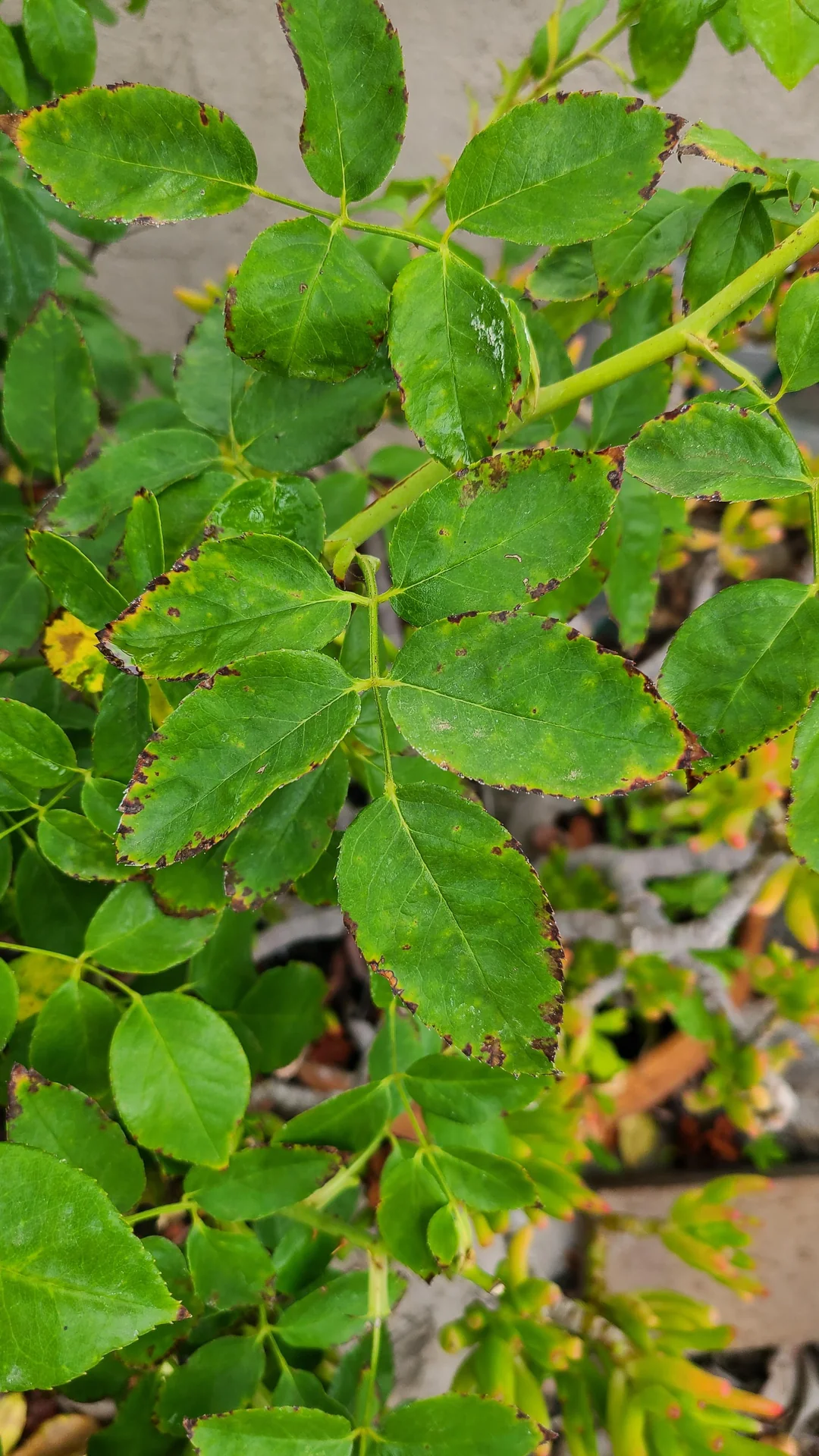
- Potassium Deficiency (K): Leaf margins show brown, dry 'edge burn', progressing from the edges inwards, usually most evident on older leaves.
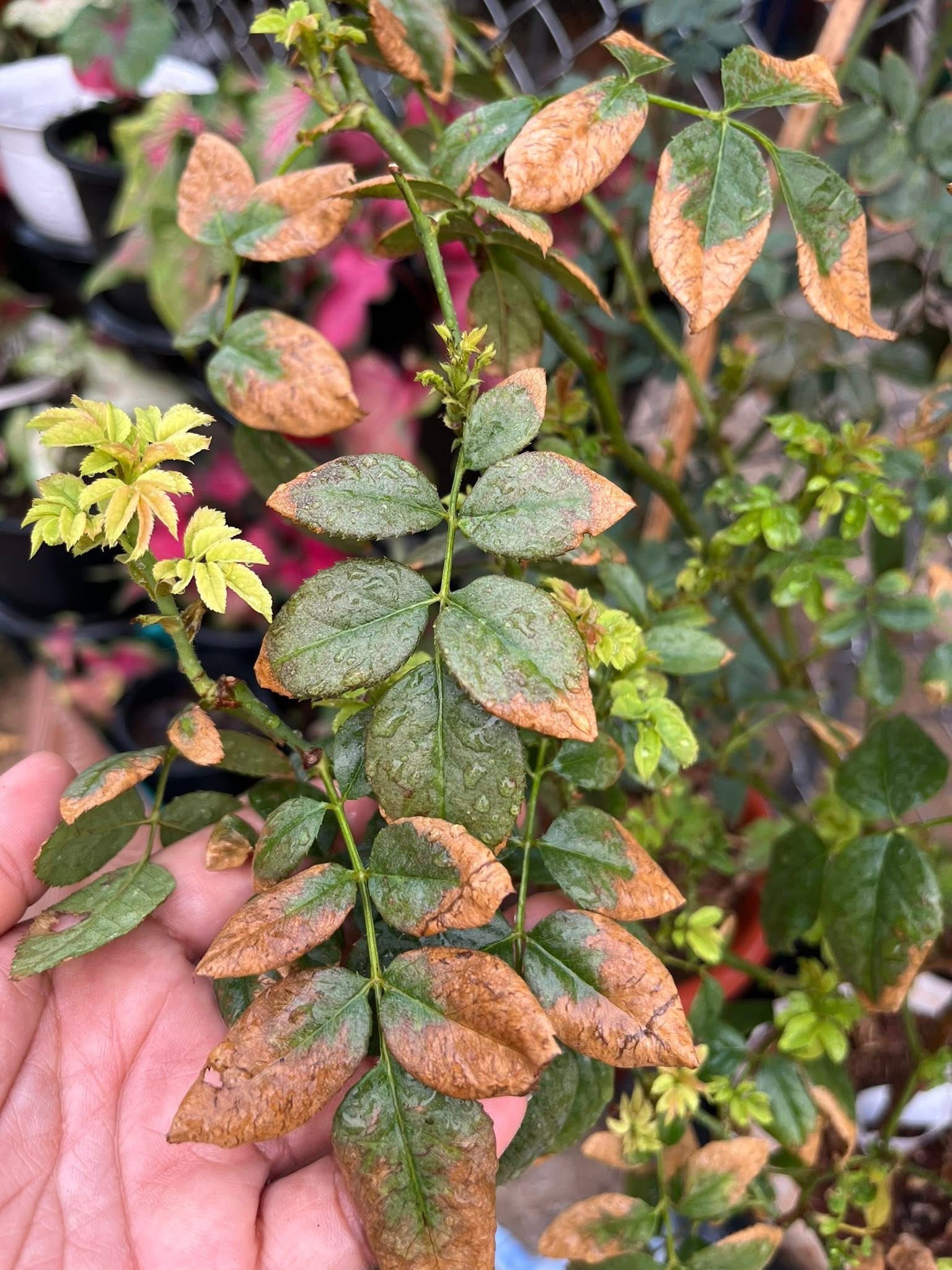
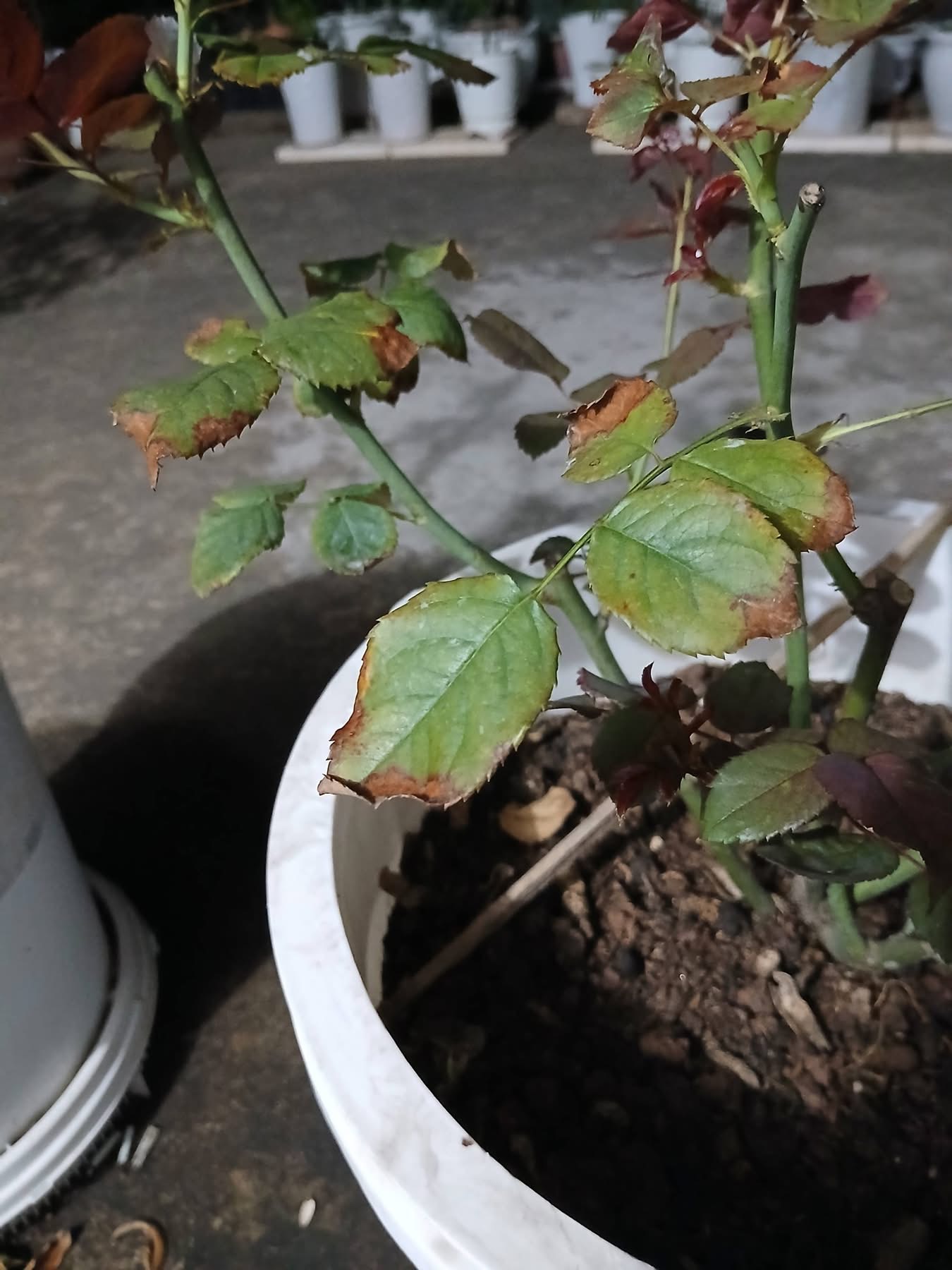
- Phosphorus Deficiency (P): Leaves turn a dull dark green, then the undersides of the leaves and along the veins turn purple or reddish-purple.
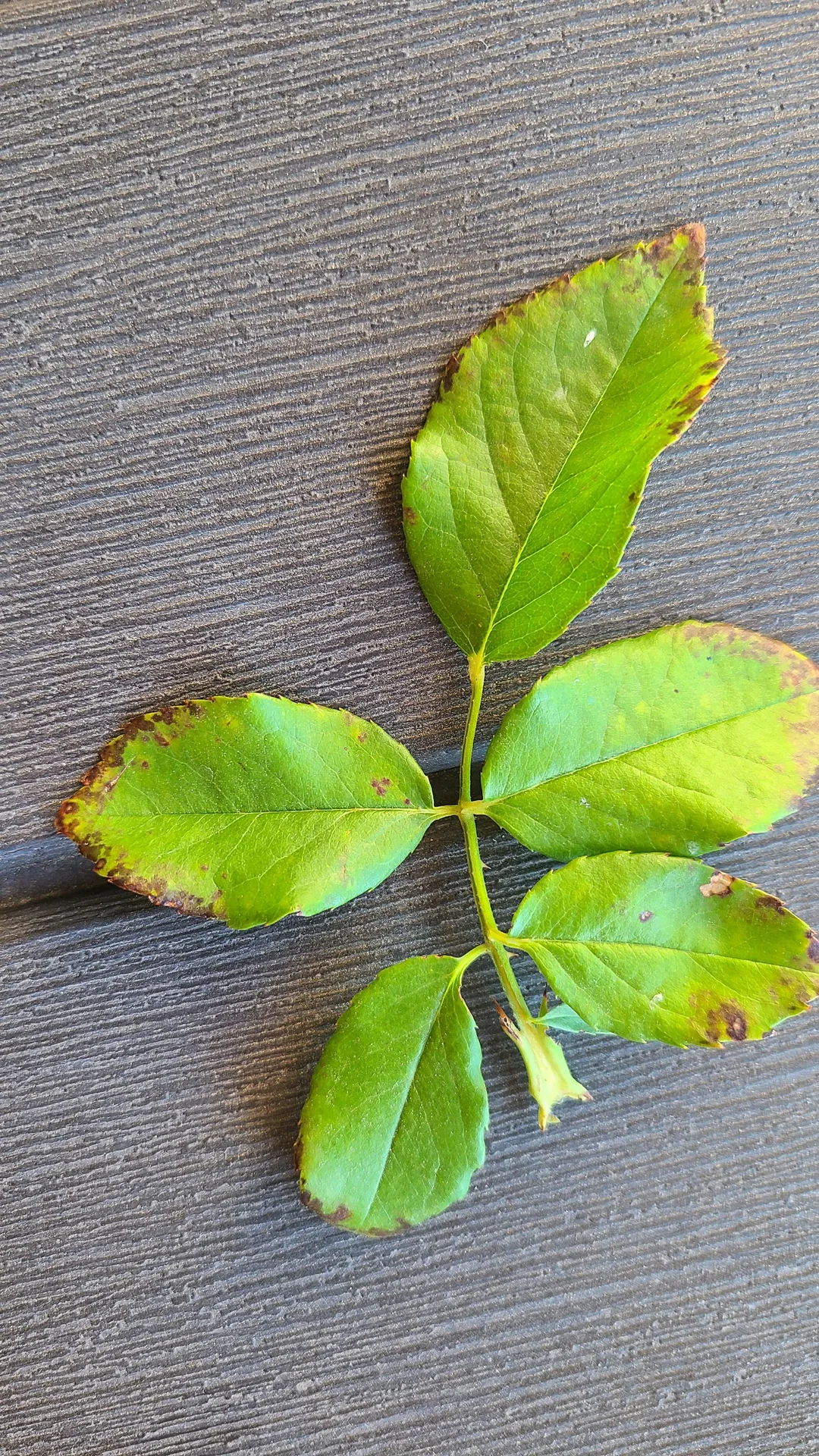
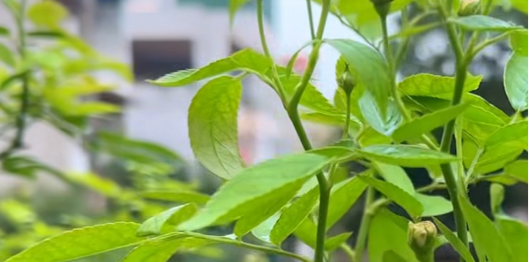
- Calcium Deficiency (Ca): Terminal buds and new leaves show necrosis (tip burn), and newly emerged leaves are deformed, curled, with wavy margins.
Underlying Causes: Why Plants Still Have Yellow Leaves Despite Fertilization?
In many cases, yellow leaves are not due to nutrient-deficient soil but because the root system cannot absorb nutrients.
1. Soil pH - The "Key" to Unlocking Nutrients
Soil pH acts as a filter that determines the solubility of minerals.
- Alkaline soil (pH > 7): Causes Iron and Manganese to precipitate, leading to interveinal chlorosis in new leaves even if the soil is rich in these elements.
- Acidic soil (pH < 5.5): Prevents roots from absorbing Calcium, Magnesium, and Potassium. Details and solutions for soil pH imbalance
2. Root Health - A "Broken Pump" System
- Nematodes: Sucking microorganisms cause root galls, blocking vascular tissues, leading to uniform yellowing and stunted growth even with adequate fertilization.
- Root Rot: Caused by Phytophthora or Pythium fungi, making roots black, soft, and foul-smelling. When roots are damaged, the vascular tissue (xylem) is blocked, leaves don't receive water, leading to wilting and yellowing even if the soil is moist.
- Crown Gall: Bacteria form hard, swollen galls at the crown or roots, directly impeding the flow of nutrients to the foliage.
Characteristic Diseases and Pests Causing Yellow Leaves
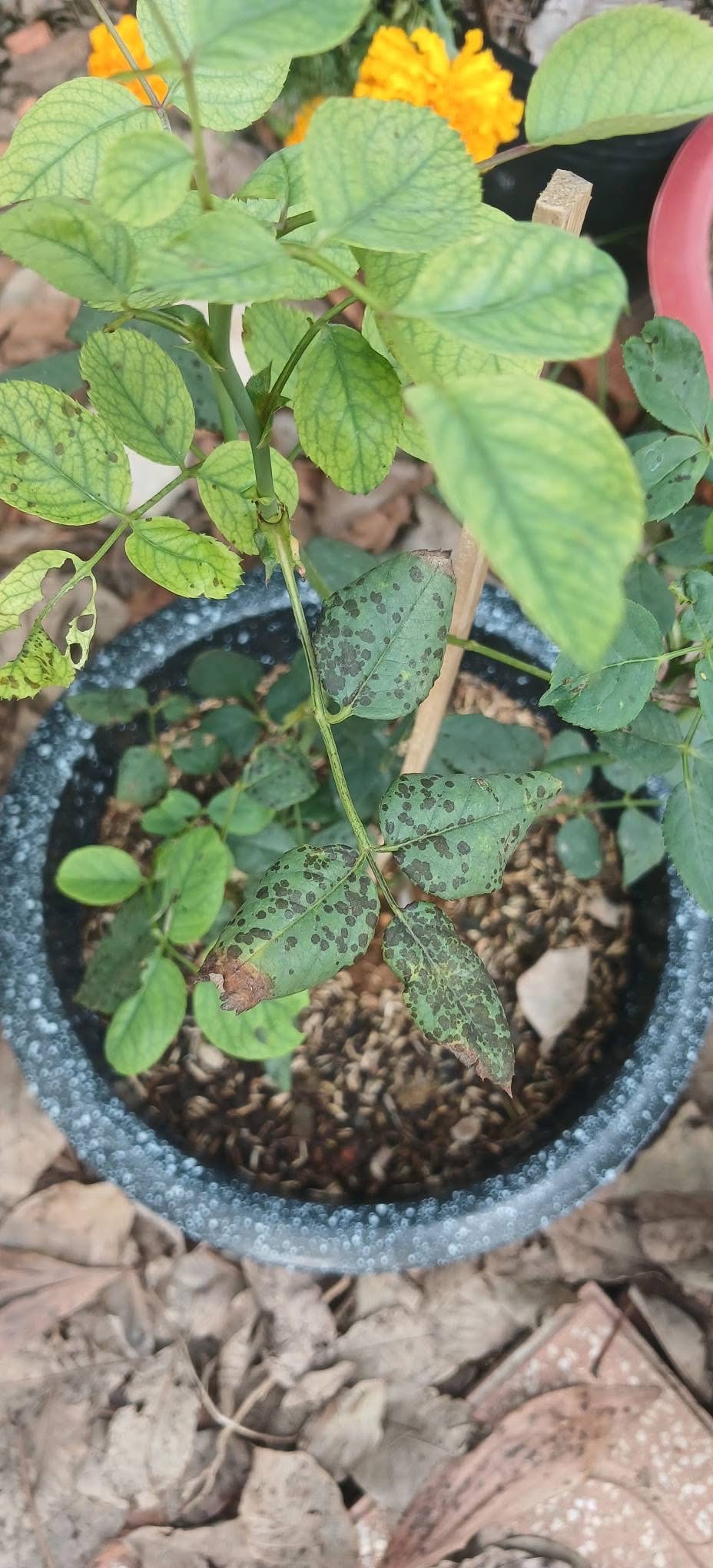
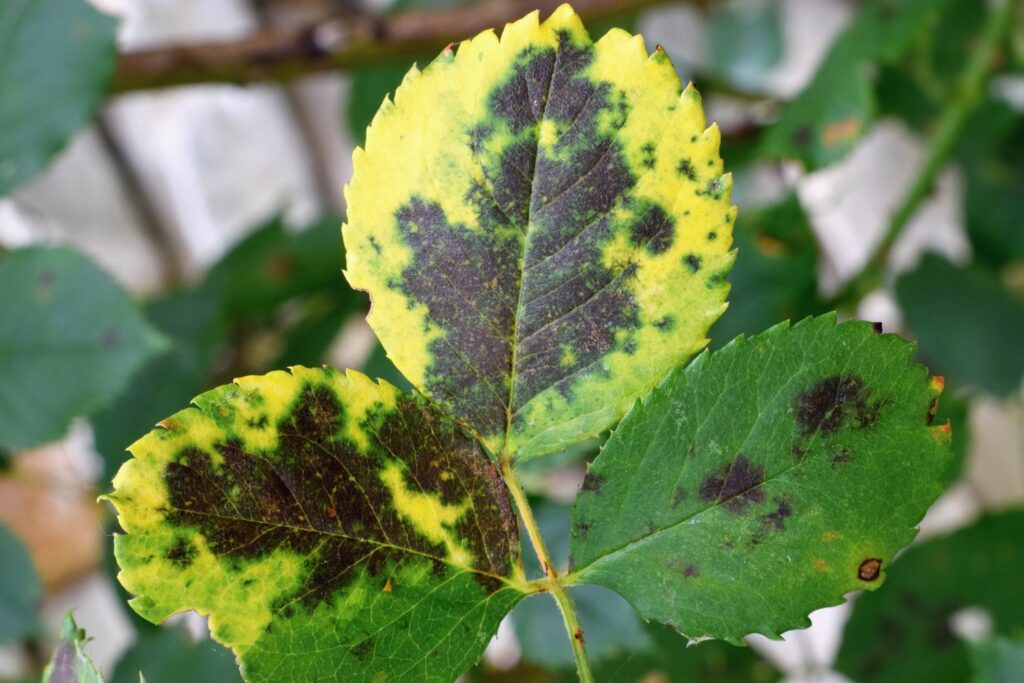
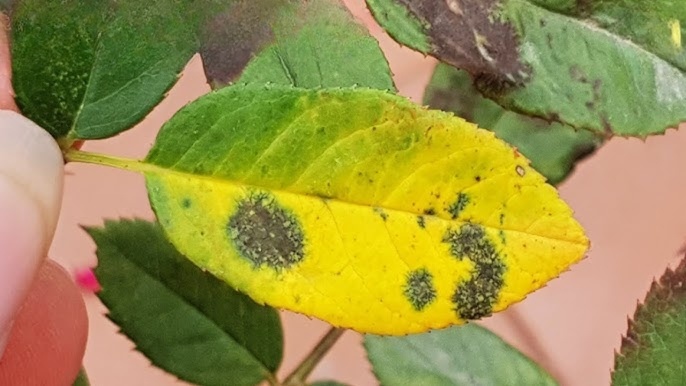
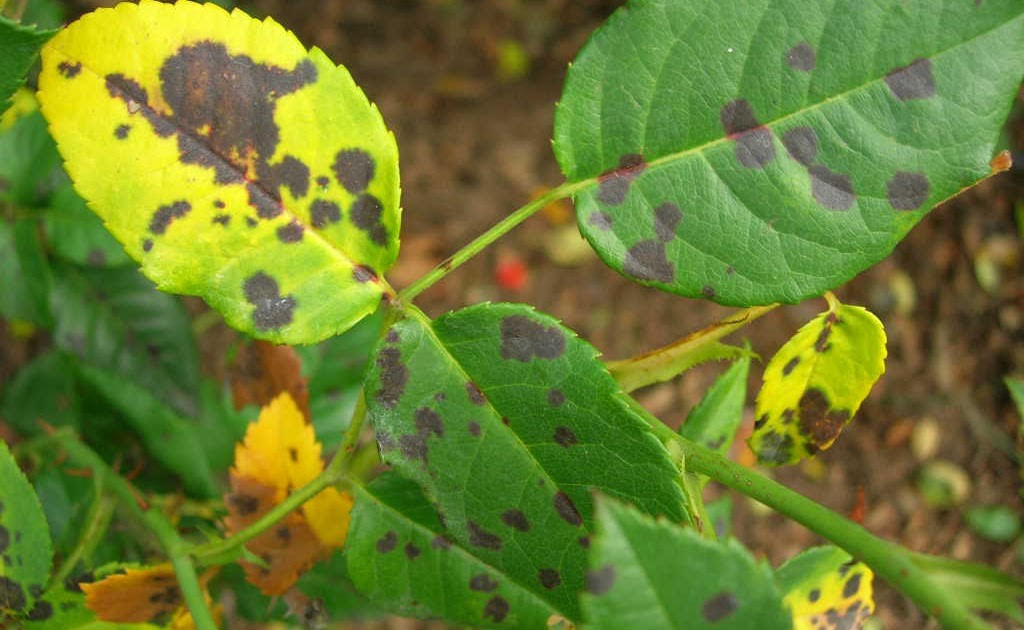
- Black Spot Disease: Fungi release ethylene gas, which breaks down chlorophyll, creating a vibrant yellow halo around round black spots with serrated edges before leaves drop en masse.
- Downy Mildew: Pale yellow spots appear on the upper leaf surface, mirroring purple/gray mold clusters on the underside. In later stages, flat, purple necrotic spots with straight edges adhere along the leaf veins, forming polygonal shapes.
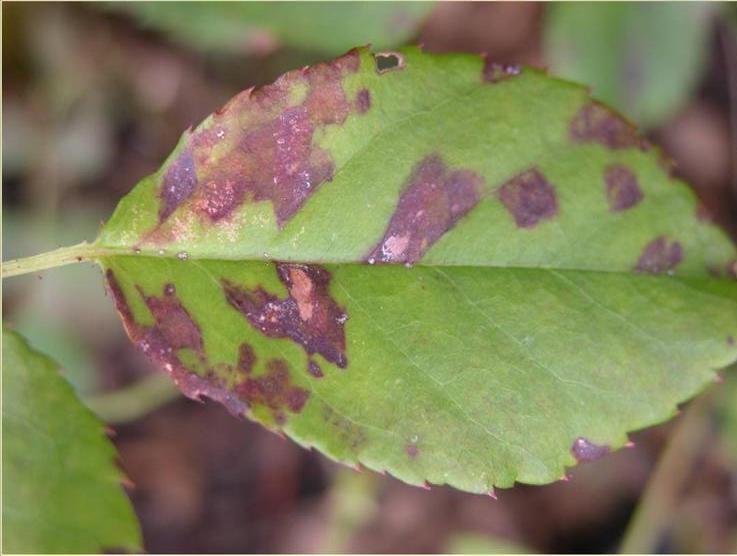
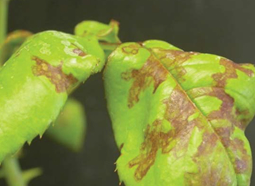
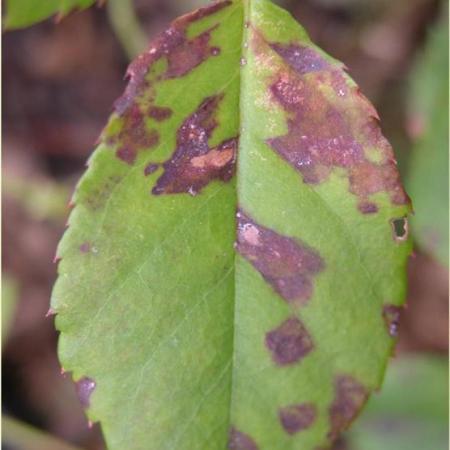
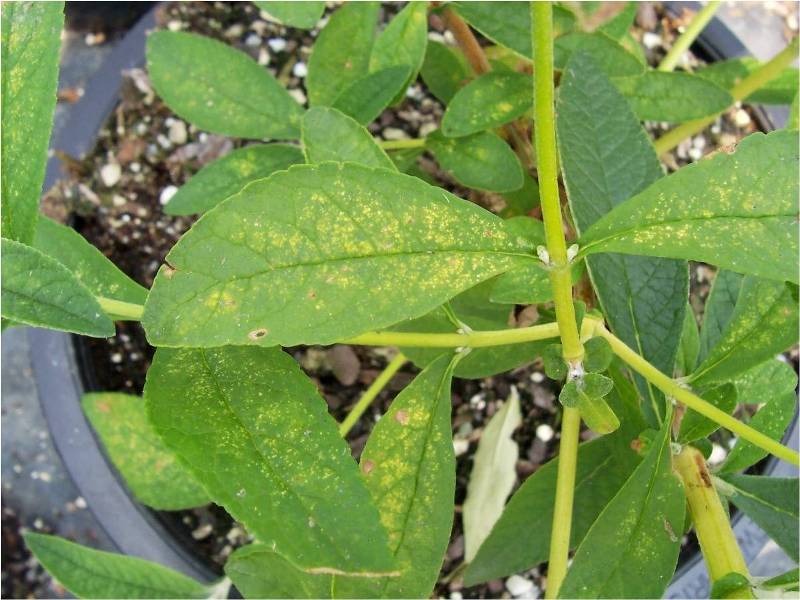
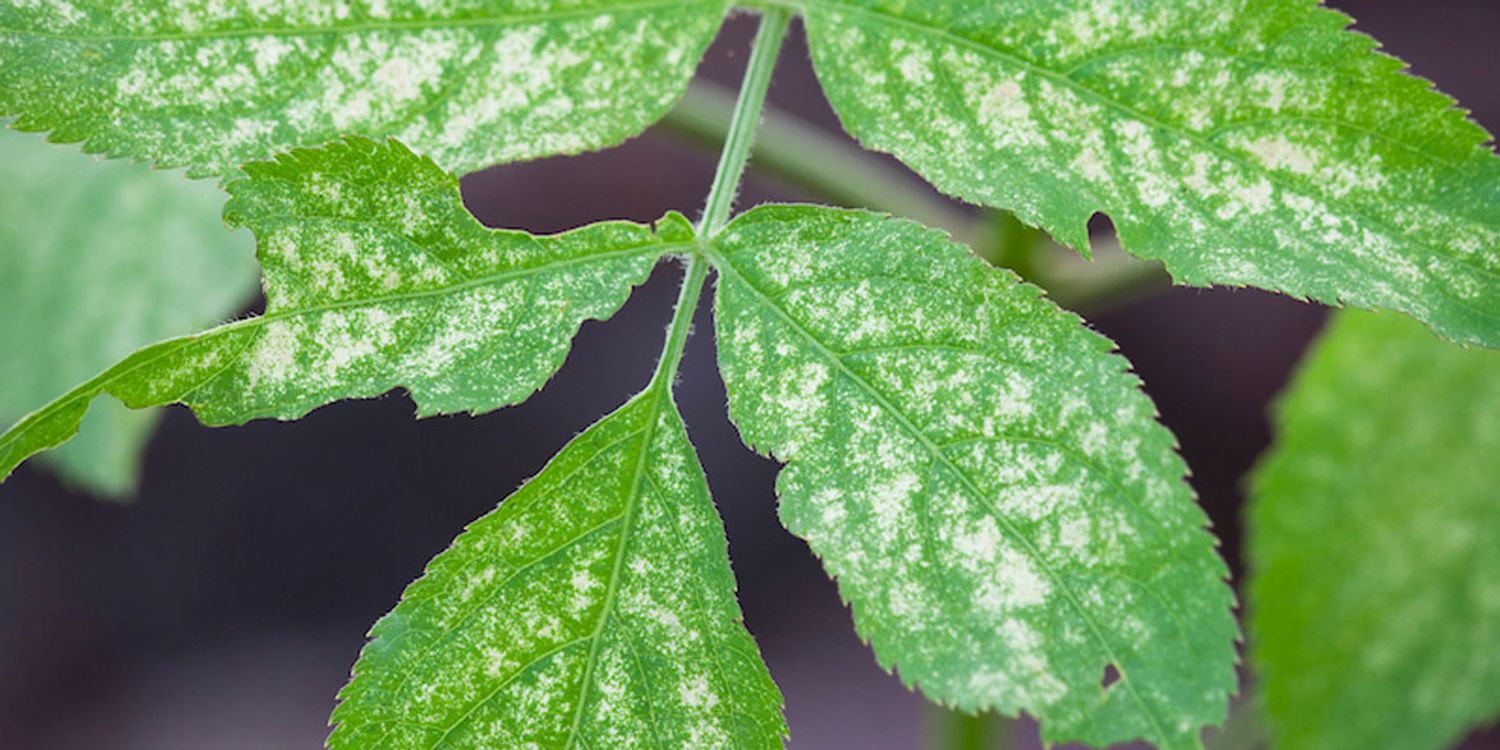
- Spider Mites: Sucking chlorophyll creates thousands of tiny yellow stipples on the leaf surface. Older leaves usually yellow first and drop, with the yellowing spreading upwards.
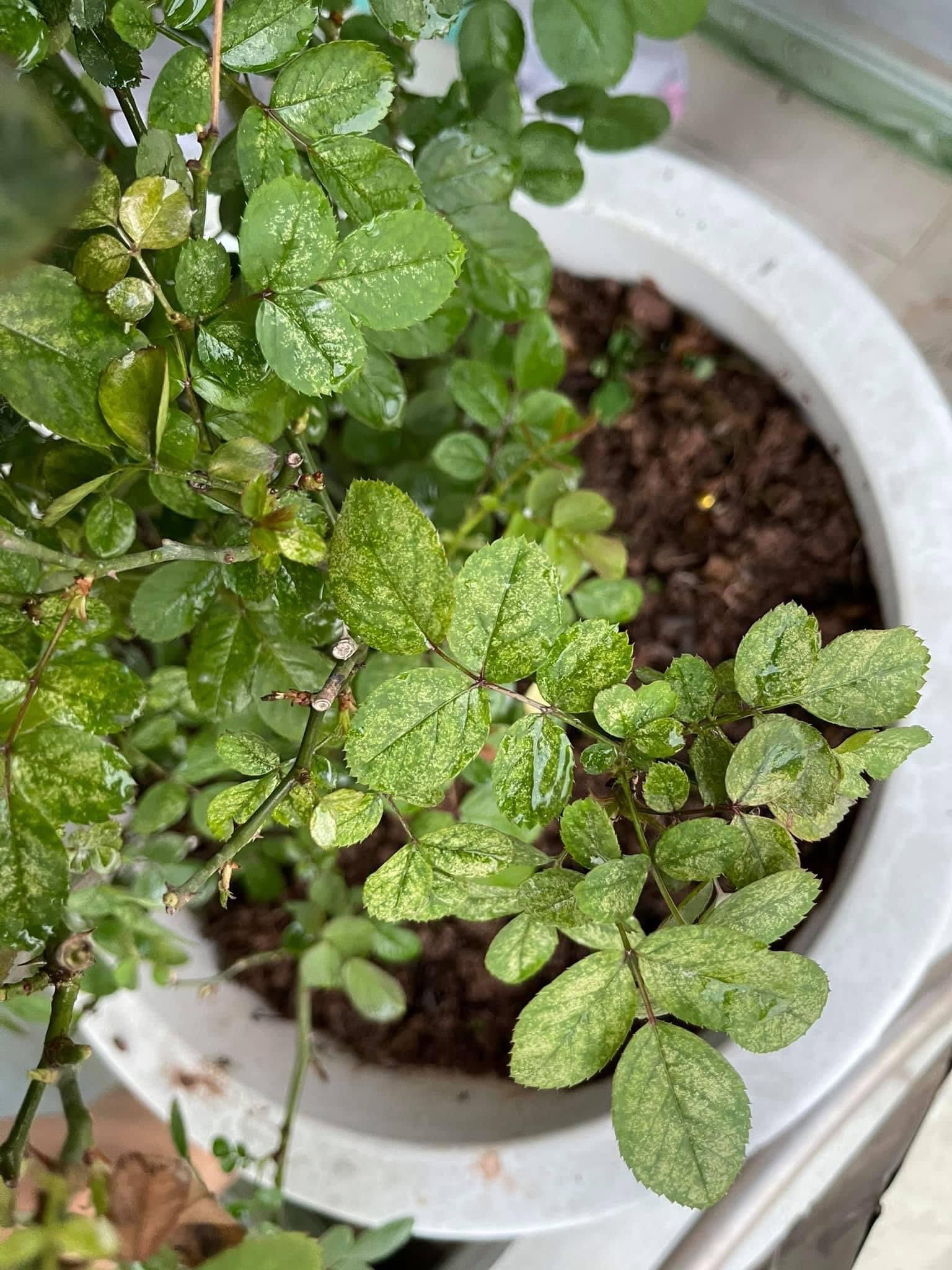
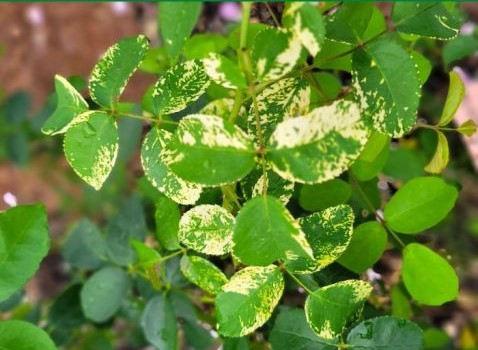
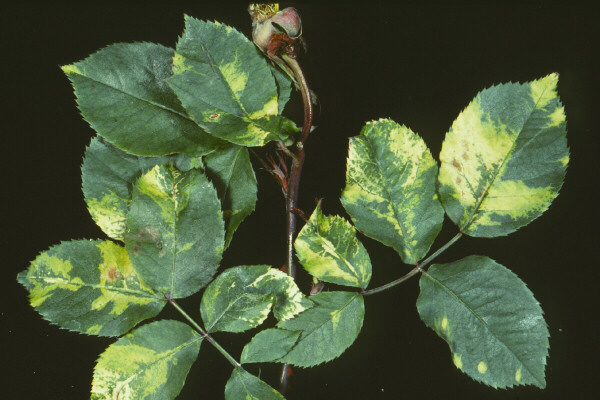
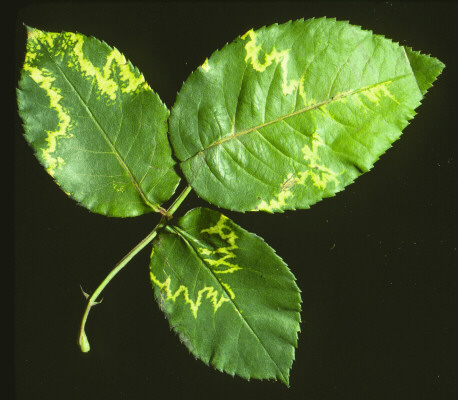
- Rose Mosaic Virus: Creates yellow mosaic patterns like zigzags, herringbone, or streaks on a green leaf background; leaves are often randomly deformed.
Comparison Table: Distinguishing Easily Confused Yellowing Patterns
| Comparison Feature | Iron Deficiency (Fe) | Magnesium Deficiency (Mg) | Spider Mite Infestation | Downy Mildew |
|---|---|---|---|---|
| Location of Appearance | New leaves (apical shoots) | Older leaves (lower) | Starts from older leaves | Any location |
| Yellowing Pattern | Interveinal chlorosis, distinct dark veins | Interveinal chlorosis, less contrasting veins | Tiny pinprick yellow spots | Irregular yellow/purple patches, polygonal spots |
| Underside Signs | Clean | Clean | Fine webbing or tiny moving dots | Purple, gray, or white mold layer |
| Consequences | Leaves can turn completely white | Premature leaf drop when severe | Leaves turn bronze/silver then drop completely | Leaves dry, curl, and drop very quickly |
Advice: Yellowing leaves are a cry for help. Correctly identifying the location (older/new leaves) and the yellowing pattern (interveinal chlorosis/uniform yellowing) is key to accurate diagnosis and effective treatment.