
Root-knot Nematode
ParasiticDescription
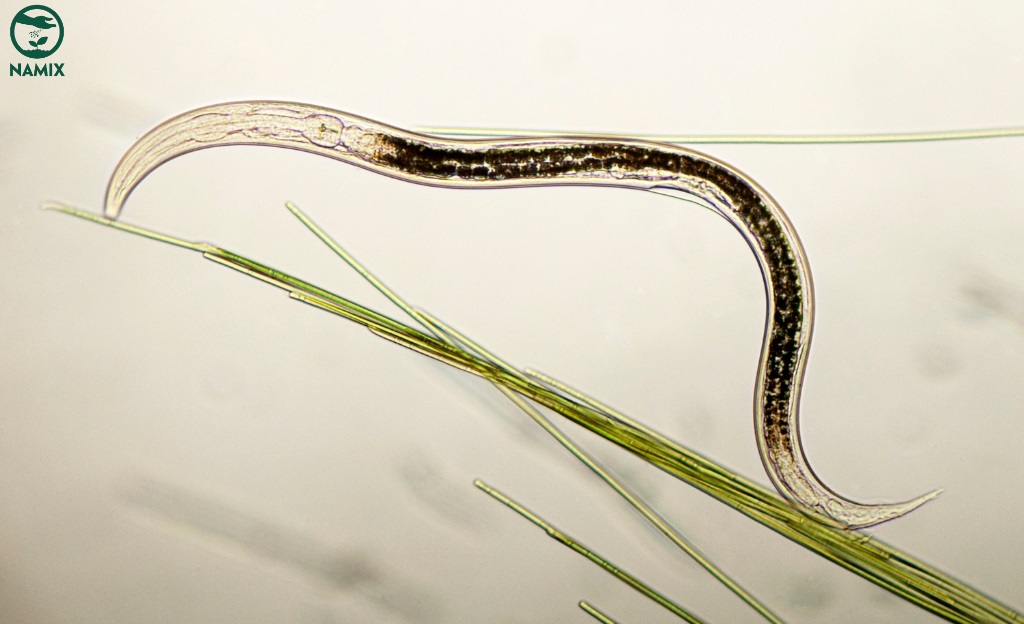
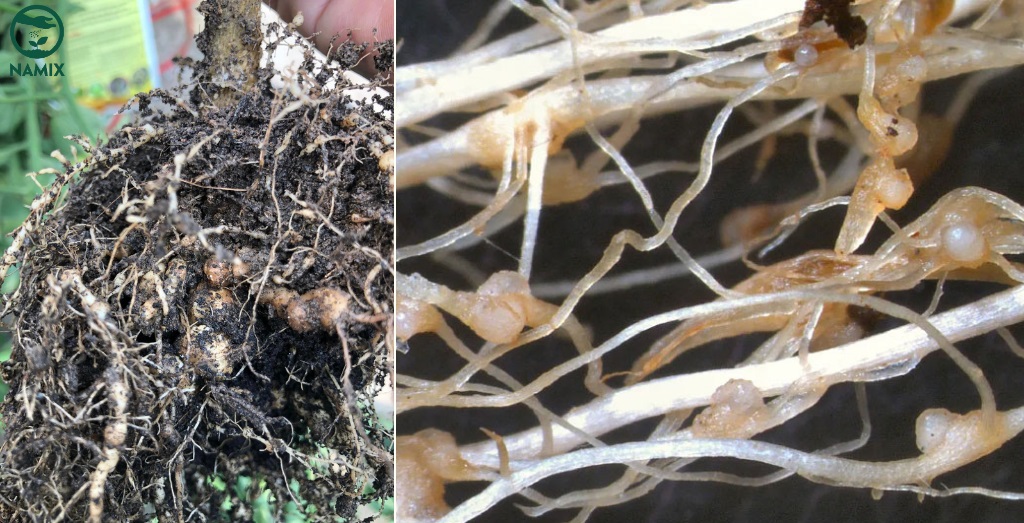
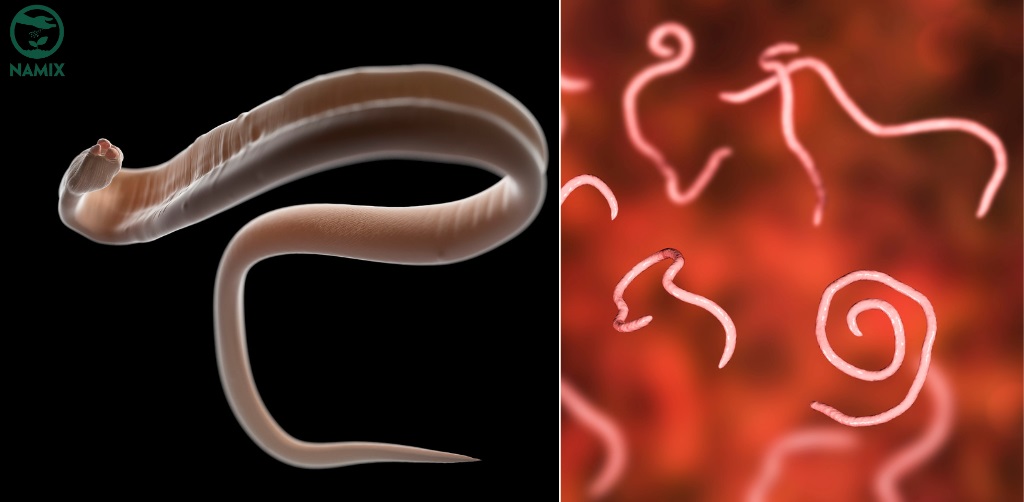
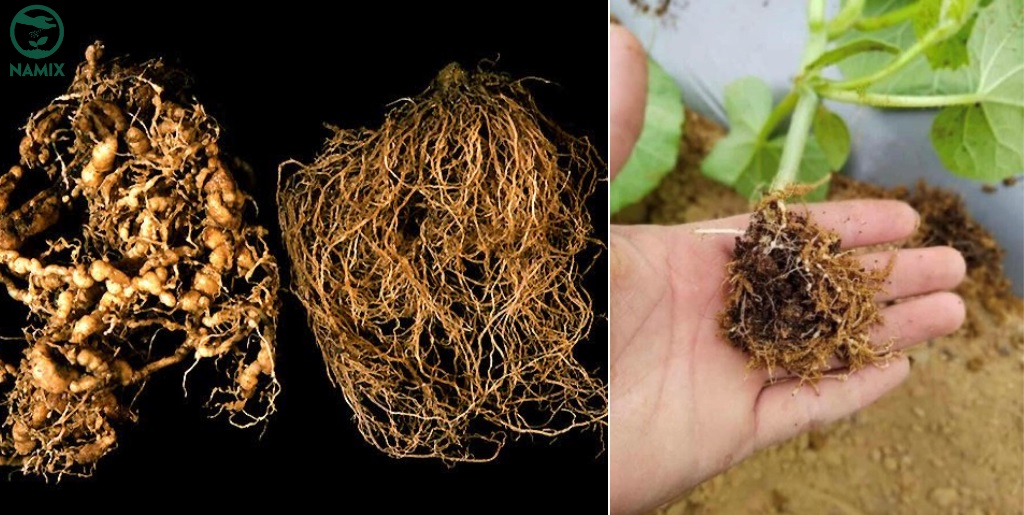
Root-knot nematodes (Meloidogyne spp.) are microscopic obligate root parasites (0.2–2 mm) of roses. They pierce fine roots and inject secretions that cause the roots to swell into characteristic galls (root galls), which also block the vascular tissue — the plant cannot take up enough water and nutrients even when the medium stays moist and you keep fertilizing on schedule.
The disease is very common in potted roses grown in soil that has been reused for many years or in untreated media. Warm, moist soil accelerates nematode reproduction: females lay eggs inside the roots and hatching juveniles keep attacking new fine roots. Root wounds also open the door to root-rot fungi (Fusarium, Pythium, Phytophthora), so roses frequently suffer a combined "nematode + root rot" infection.
Symptoms
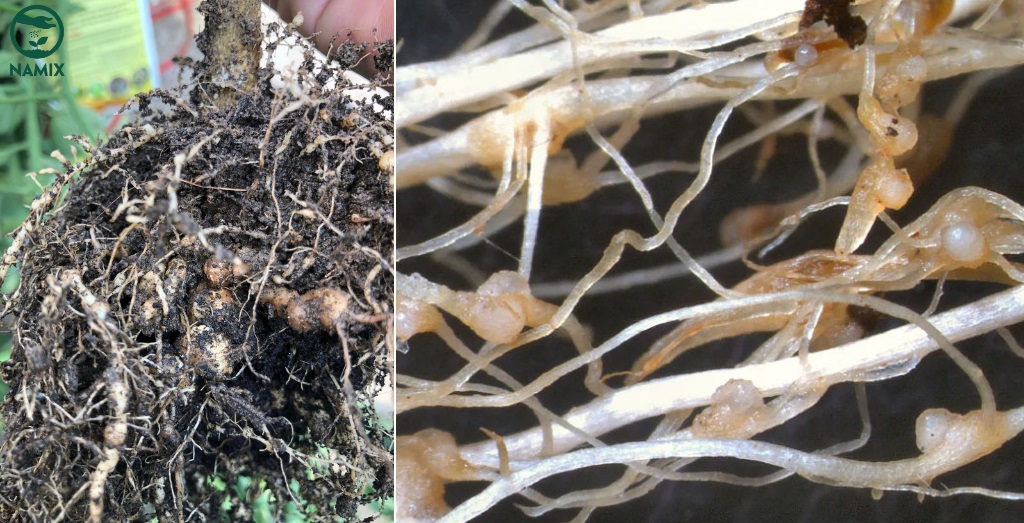
- Small swellings/knots along the fine roots (characteristic root-knot galls).
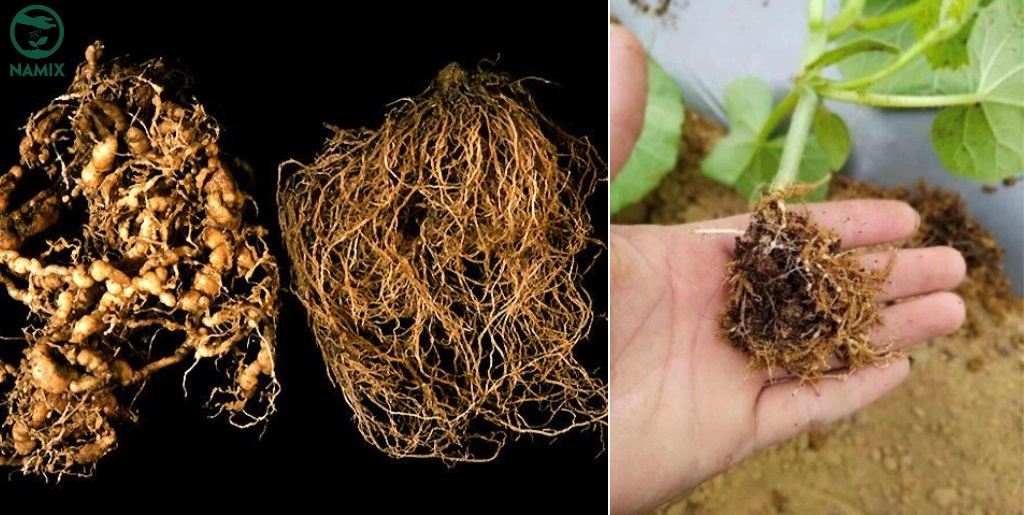
- Persistent stunting despite adequate fertilization.
- Sparse or abnormally short fine roots.
- Slow, weak growth.
Treatment plan
Once nematodes are established in the roots they are very hard to eradicate — combine multiple measures and stay patient over several months:
- Lift the plant, wash the roots under running water, and cut away all galled root sections; sterilize scissors/knives with alcohol between plants
- Replace all the growing medium in the pot; never reuse soil from an infested plant
- Treat the fresh medium before replanting: sun-bake it for 1–2 weeks, or drench with hot water ~48°C for ~35 minutes (or ~38°C for 24 hours) to knock down nematode and egg populations
- Neem cake worked into the medium around the base: 50–100 g/pot for small/medium plants, 100–200 g/pot for large plants — adds nutrients while suppressing nematodes via neem's active compounds
- Biological products containing nematophagous fungi: Paecilomyces lilacinus, Verticillium spp., Trichoderma spp. — drench into moist medium 2–3 times per year
- Nematicides based on abamectin or oxamyl (e.g. Tervigo, Vimoca) only in severe cases, strictly at label rates, and not while the plant is flowering or about to open
- If roots show blackened rot with a foul smell, treat the co-occurring root rot in parallel (see the root-rot article)
Prevention
- Always use fresh or heat/sun-treated medium for potted roses
- Never reuse soil from previously infected plants; if reuse is unavoidable, sun-bake it and mix in antagonistic fungi first
- Apply well-rotted organic matter and microbial amendments containing Trichoderma on a regular schedule to keep the soil microbiome healthy and competitive against nematodes
- Quarantine newly bought plants for at least 2–3 weeks and inspect their roots before adding them to the shared garden/pot area
- At every repot, inspect the roots to catch galls early before the infection spreads