RoseDoctor
N Deficiency

N Deficiency

Physiological

Description

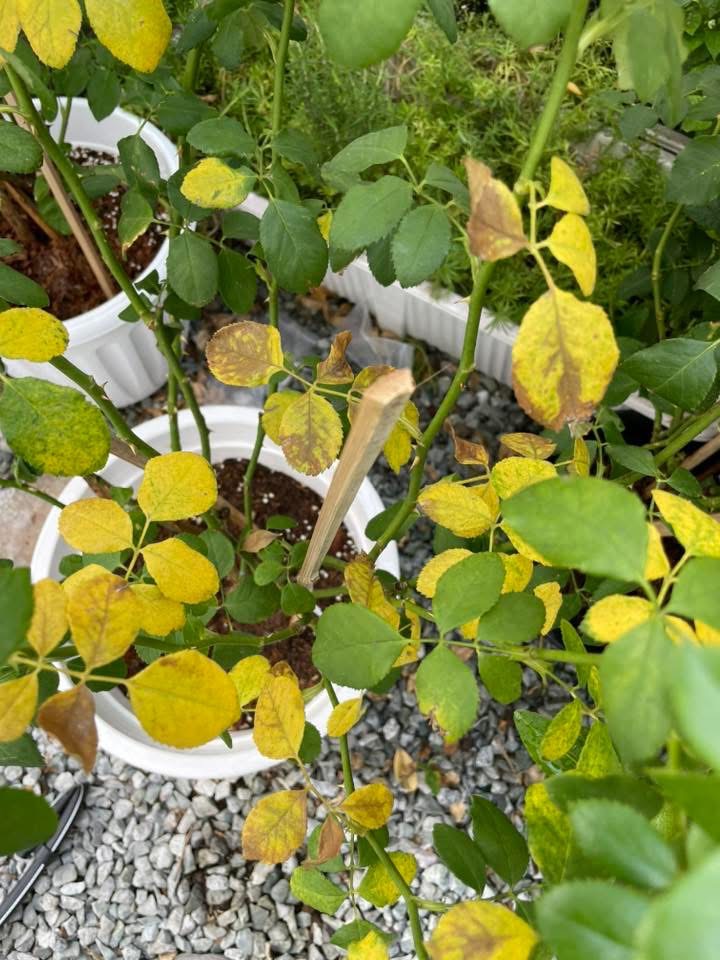
Nitrogen (N) deficiency occurs when the rose is not supplied with enough nitrogen — typically because the soil is poor, fertilisation is insufficient, or the soil is too alkaline to make N available. Nitrogen is the main building block of chlorophyll, so a shortage produces uniform yellowing that begins on the older (lower) leaves and progresses upward, with overall slow, stunted growth. Because N is a mobile nutrient, the plant withdraws it from older leaves to feed new growth.

Symptoms

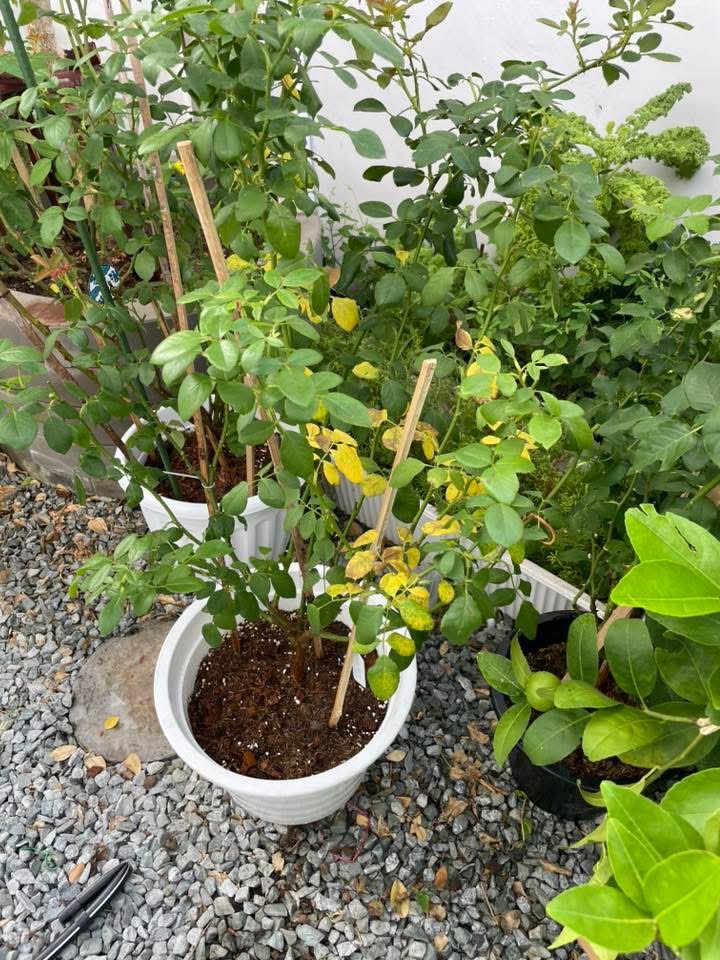
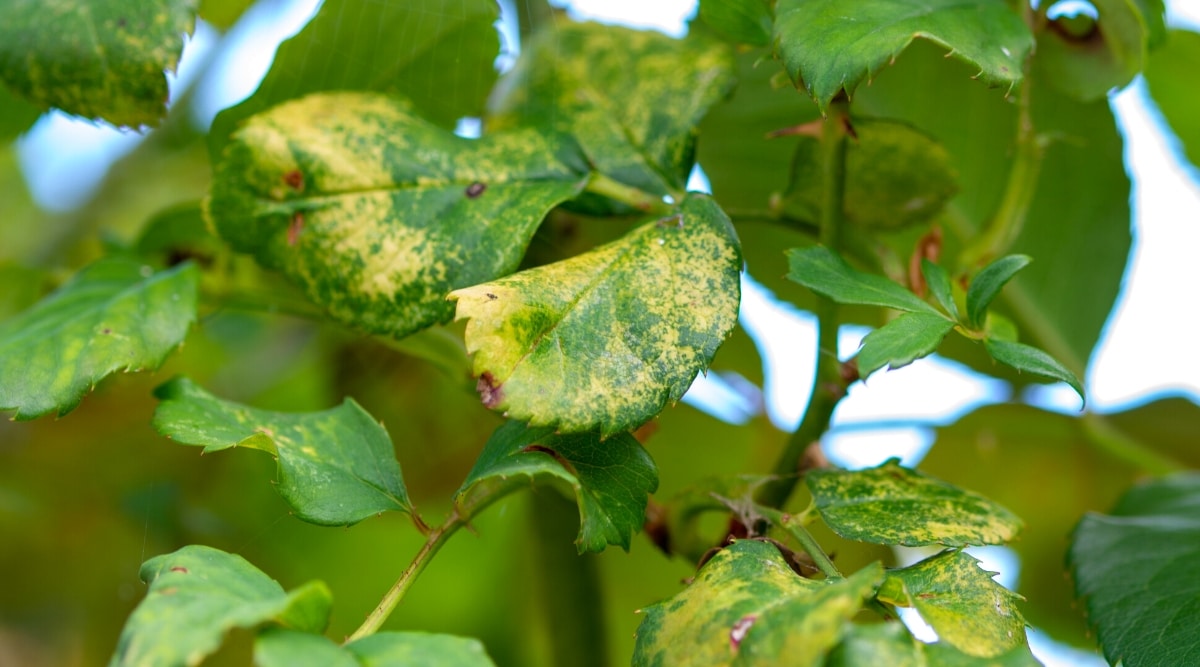
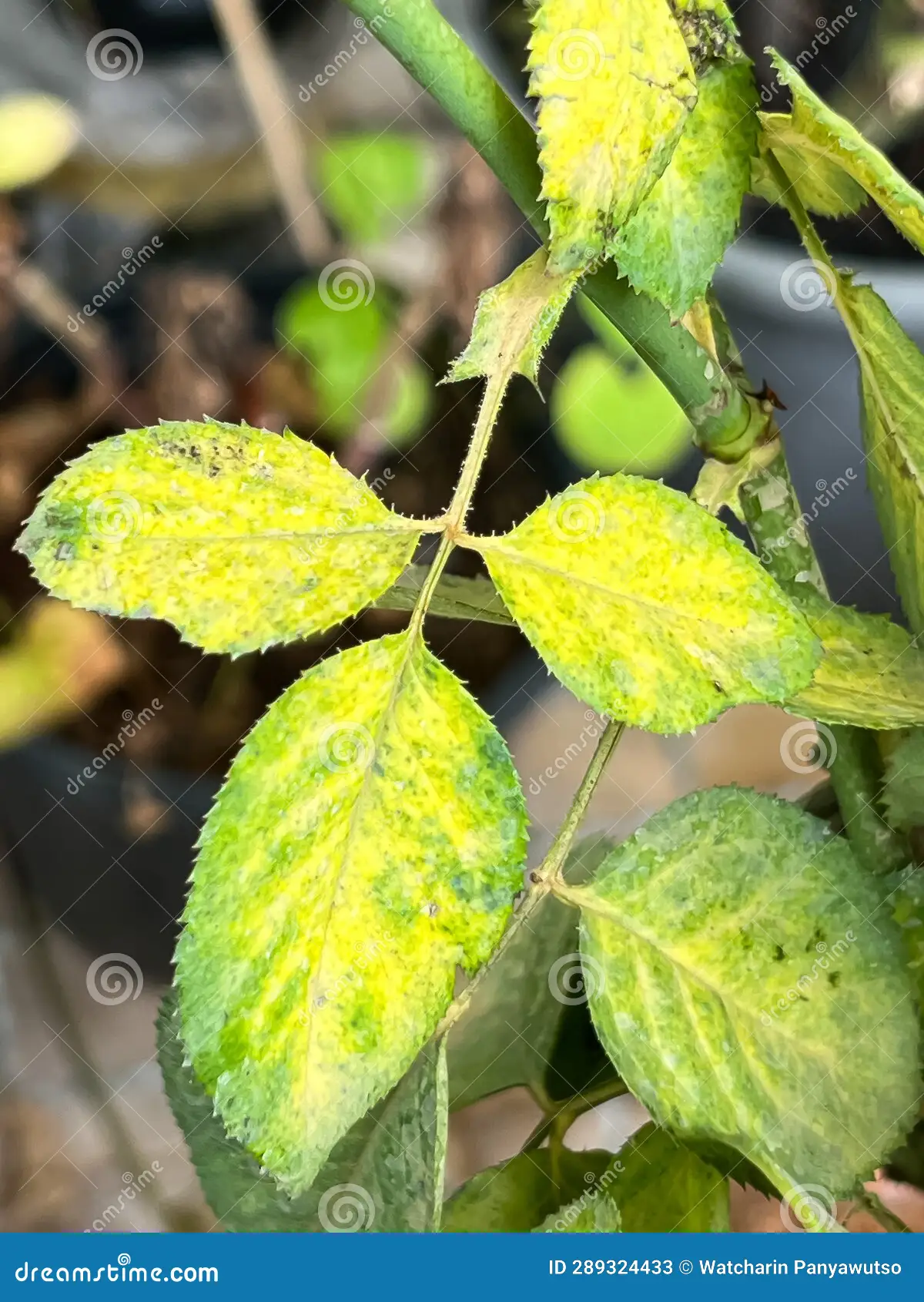
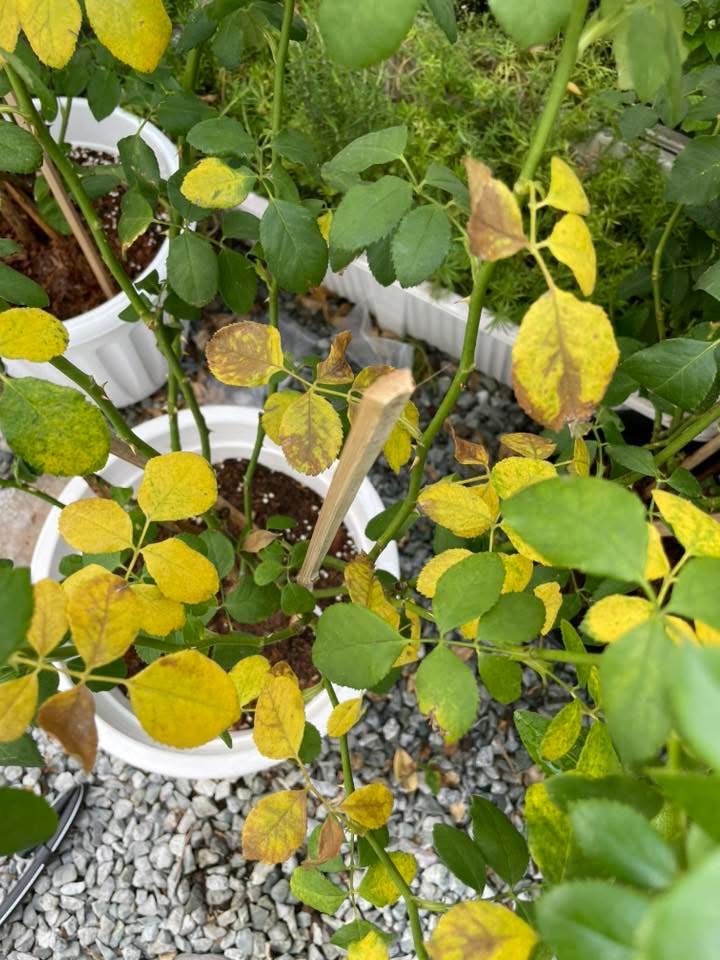
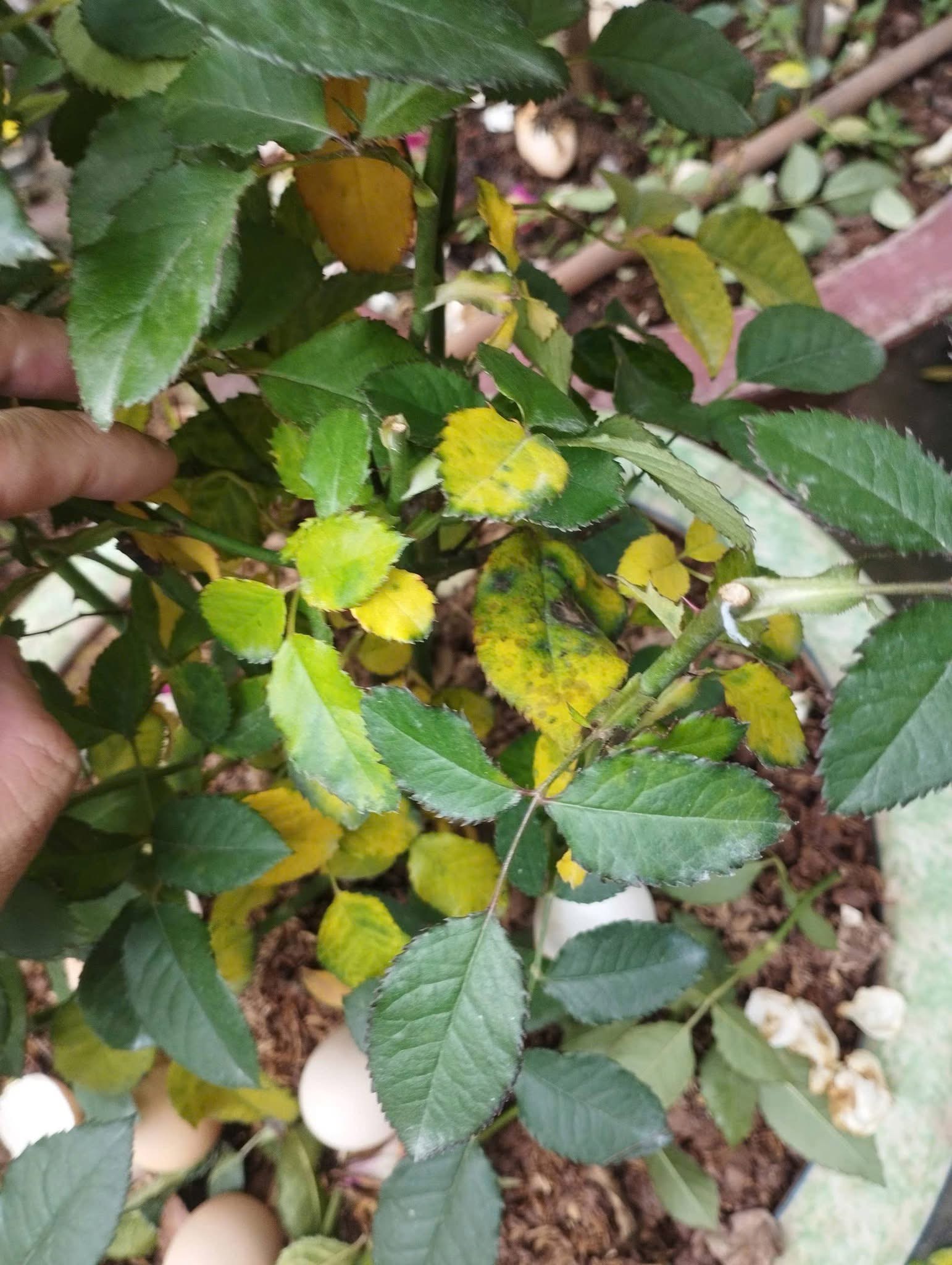
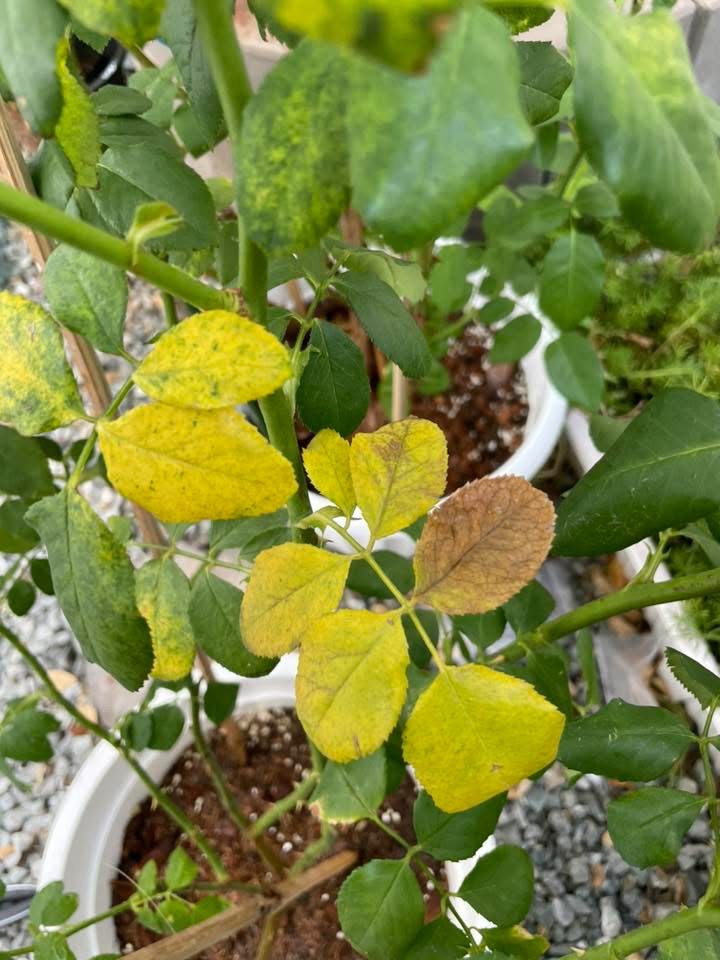
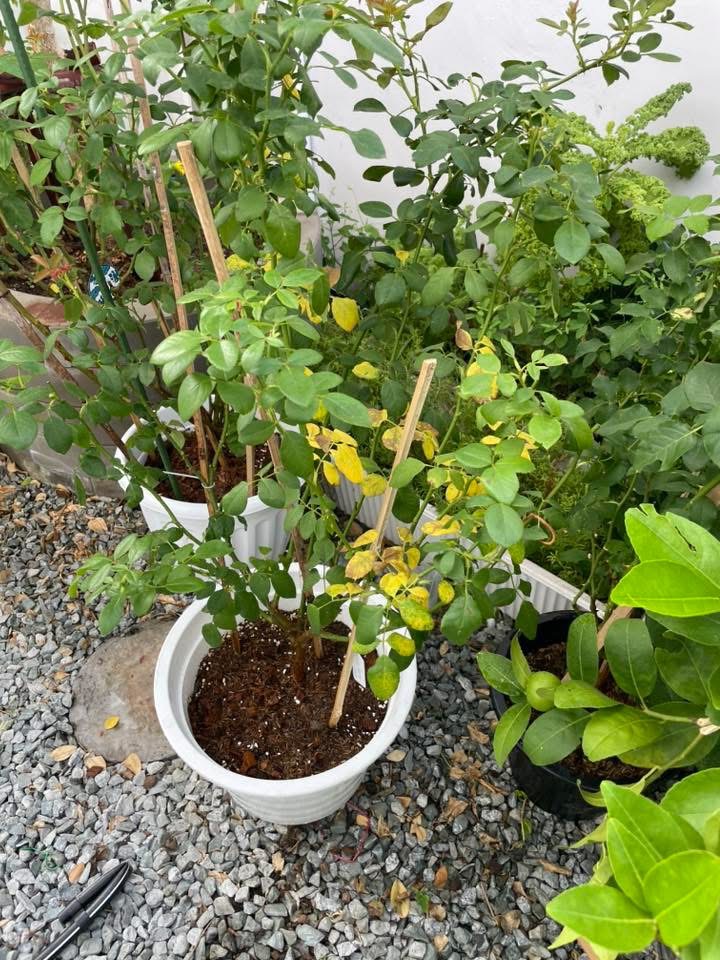
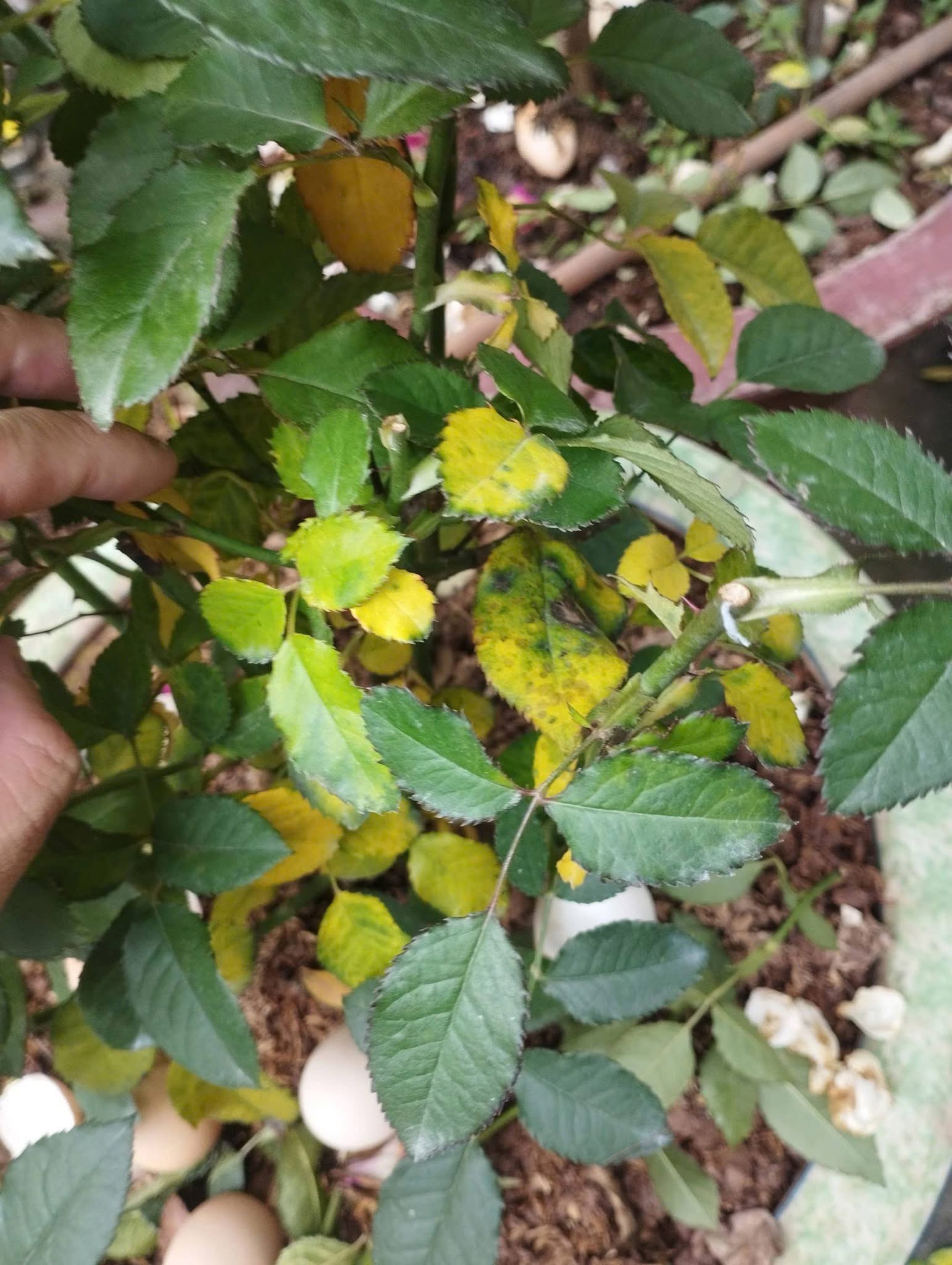
  • Older (lower) leaves uniformly yellow across the whole blade — a flat, even chlorosis, not patterned along the veins
    Older (lower) leaves uniformly yellow across the whole blade — a flat, even chlorosis, not patterned along the veinsOlder (lower) leaves uniformly yellow across the whole blade — a flat, even chlorosis, not patterned along the veinsOlder (lower) leaves uniformly yellow across the whole blade — a flat, even chlorosis, not patterned along the veins
  • Slow growth, smaller-than-normal leaves, and shortened internodes
  • Smaller, paler blooms, because N shortage limits photosynthesis and biosynthesis
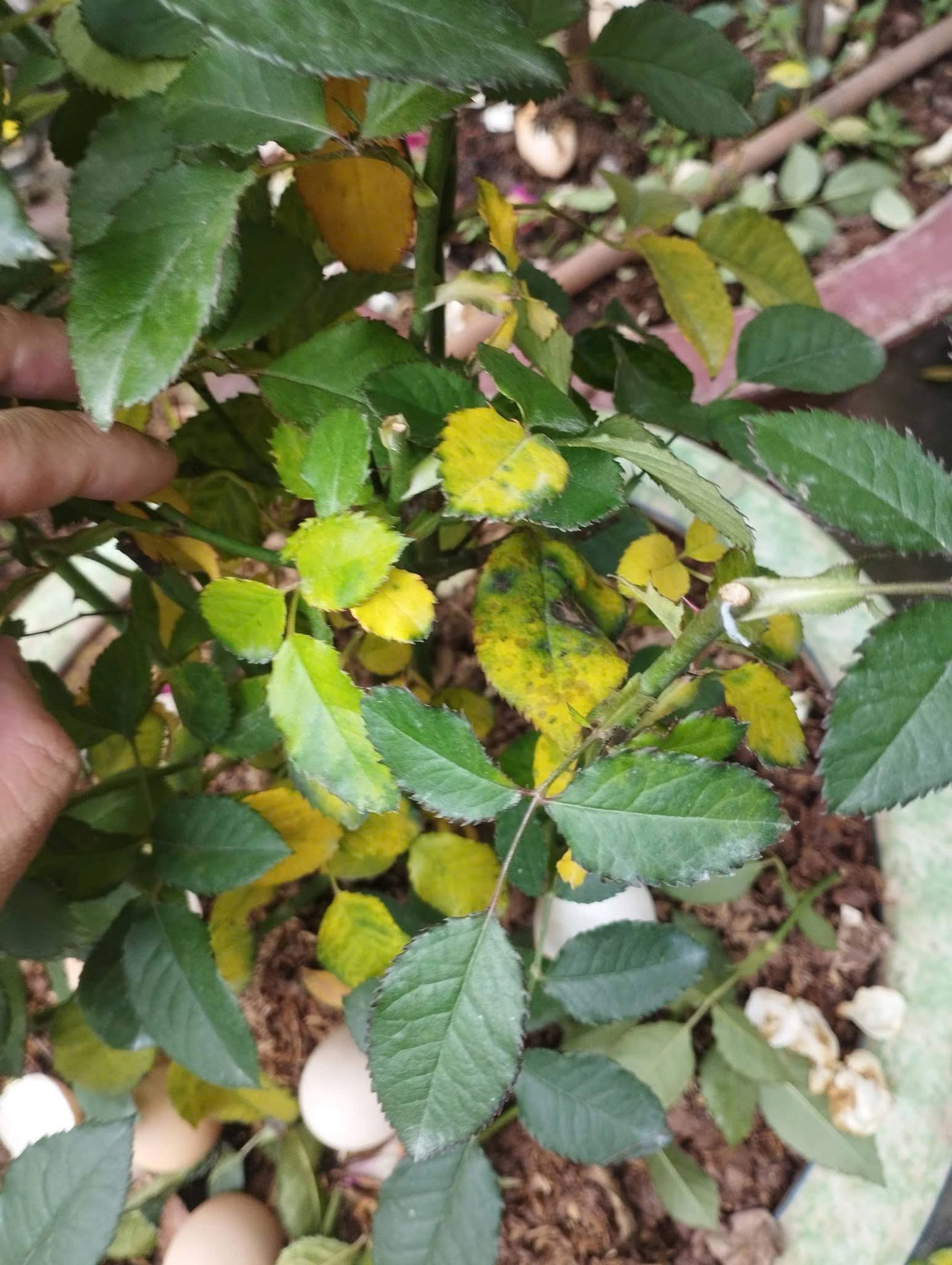
  • Chlorosis advances from the older (lower) leaves upward — the signature pattern of a mobile-nutrient (N) deficiency
    Chlorosis advances from the older (lower) leaves upward — the signature pattern of a mobile-nutrient (N) deficiencyChlorosis advances from the older (lower) leaves upward — the signature pattern of a mobile-nutrient (N) deficiencyChlorosis advances from the older (lower) leaves upward — the signature pattern of a mobile-nutrient (N) deficiency
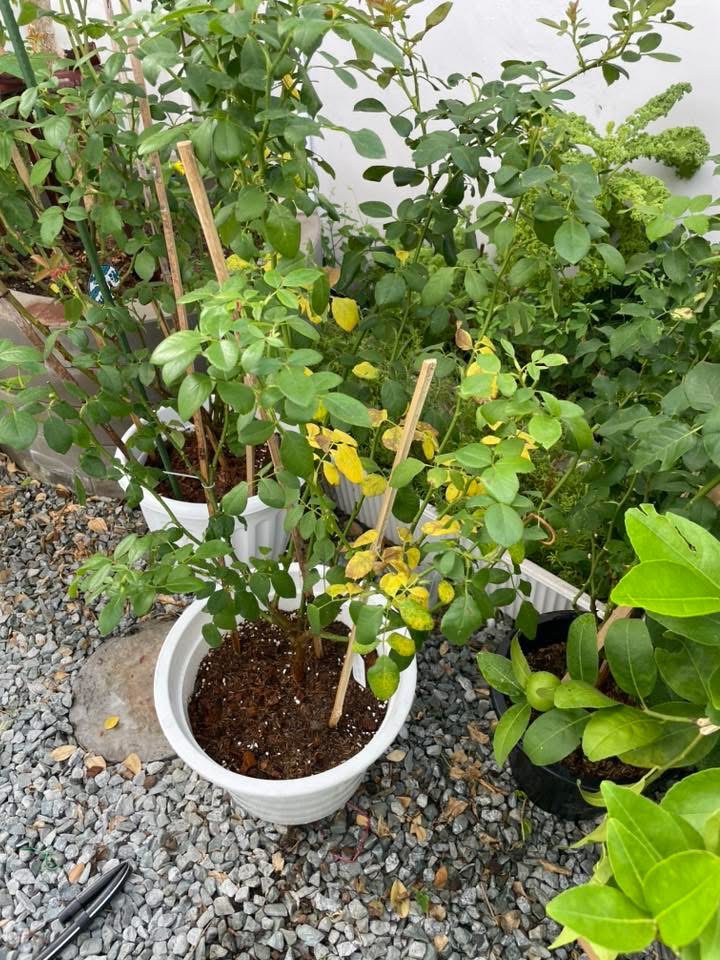
  • Leaf drop progresses from the base of the plant upward (the plant strips N from old leaves to feed the young)
    Leaf drop progresses from the base of the plant upward (the plant strips N from old leaves to feed the young)Leaf drop progresses from the base of the plant upward (the plant strips N from old leaves to feed the young)Leaf drop progresses from the base of the plant upward (the plant strips N from old leaves to feed the young)
  • In severe cases, new leaves emerge pale green and undersized

Treatment plan

The principle for correcting N deficiency is: rapid rescue via foliar feeding + durable recovery via root-zone feeding.

  • Step 1 (rescue): Apply a nitrogen-containing foliar spray (urea at 0.3–0.5%) or a high-nitrogen foliar fertiliser directly to the leaves. Uptake is much faster than waiting for root absorption.
  • Step 2 (recovery): Drench the root zone with a soluble NPK supplement, organic nitrogen, or a slow-release nitrogen fertiliser to maintain steady growth.
  • Note: Never overdose nitrogen during the midday heat — it can scorch the leaves. Always apply in the early morning or late afternoon.

Recommended products

Below are three widely available and effective options:

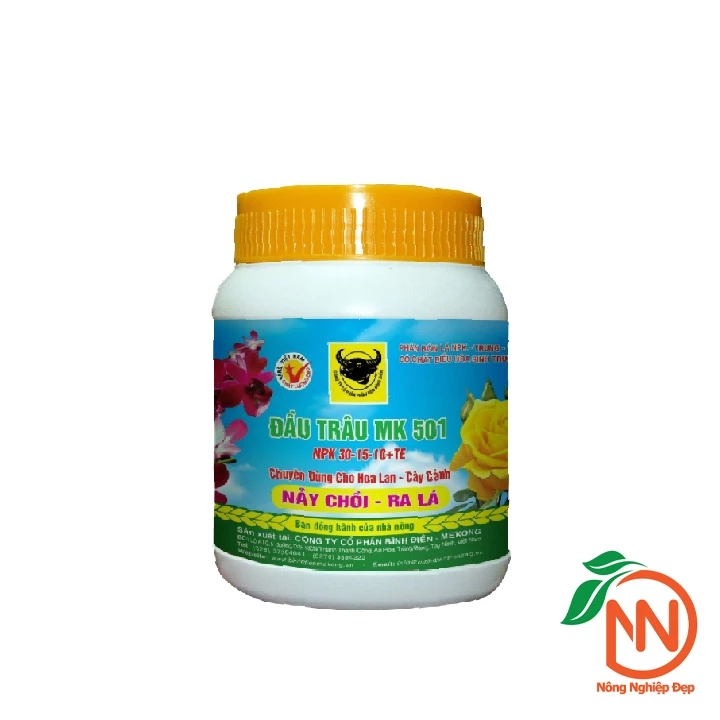
  1. Dau Trau 501 (N-P-K 30-15-10) — for shoot and leaf flushes
  • Description: A classic foliar fertiliser; the high nitrogen content (30%) greens up the foliage quickly and pushes strong new shoots.
  • Dosage: 1–2 g per 1 L of water.
  • Application: Spray evenly over the foliage or drench around the base.
  • Frequency: Every 7–10 days until the canopy returns to a healthy green.
  • Where to buy: Shopee — Dau Trau 501
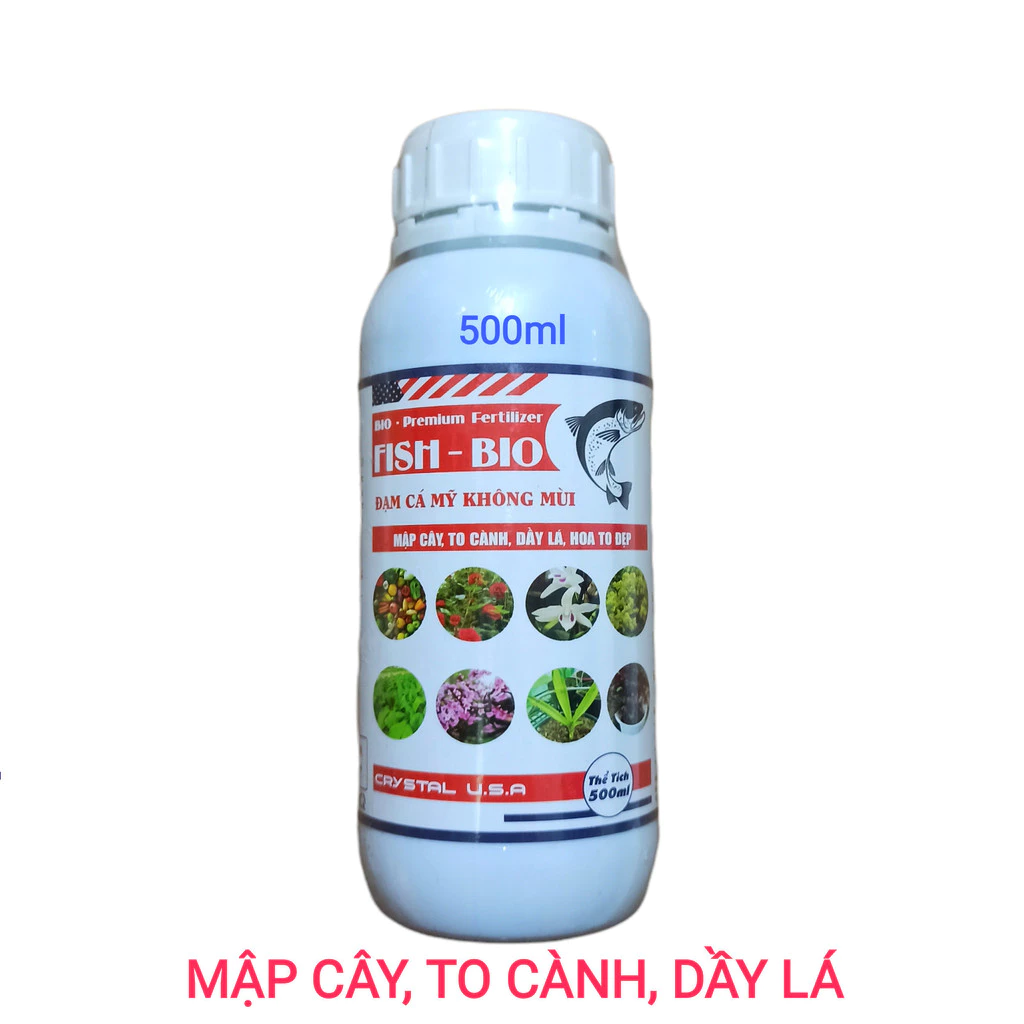
  1. Bio Fish (organic fish-emulsion nitrogen)
  • Description: Fish emulsion is an excellent organic nitrogen source for roses — rich in amino acids that not only green the foliage but also thicken the leaves and improve disease resistance.
  • Dosage: 10 ml per 2 L of water.
  • Application: Water into the root zone or apply as a foliar spray (note: fish emulsion has a distinctive smell).
  • Frequency: Every 10–15 days.
  • Where to buy: Lazada — Bio Fish fish-emulsion fertiliser
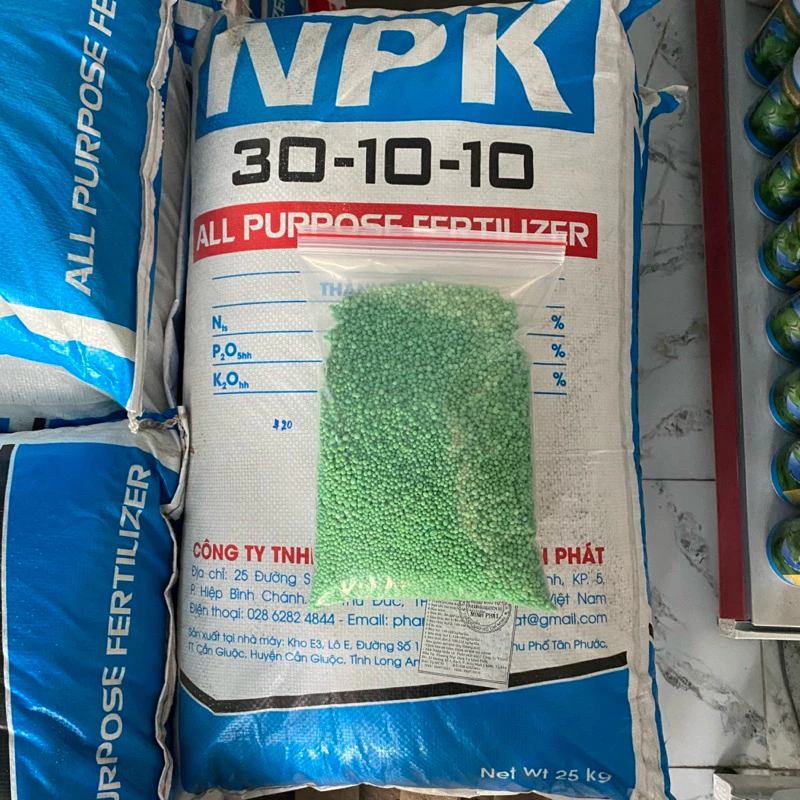
  1. Map Duy 30-10-10 ultra-fast germination foliar fertiliser
  • Description: Fully soluble foliar feed for severely nutrient-starved roses struggling to break new growth.
  • Dosage: 20 g per 16–20 L tank (about 1 g per litre).
  • Application: Spray directly over the whole canopy.
  • Frequency: Every 7 days during the treatment phase.
  • Where to buy: Tiki — 30-10-10 foliar fertiliser

Expert tip: If the leaves are yellow but the veins remain green, the issue is more likely a micronutrient deficiency (iron or magnesium), not nitrogen. Always check the chlorosis pattern carefully before fertilising for best results.

Prevention

  • Establish a regular nitrogen fertilisation schedule.
  • Test the soil before planting.

Recommended products

Dau Trau MK 501 (NPK 30-15-10) foliar fertiliser for shoot and leaf flushes

Dau Trau MK 501 (NPK 30-15-10) foliar fertiliser for shoot and leaf flushes

A classic foliar fertiliser; the high nitrogen content (30%) helps young orchids and other plants push many new shoots, while stems and leaves grow rapidly. Improves shoot break and leaf flush in flowering plants, bonsai, ornamentals, turf and other crops. Particularly suited to seedlings in strong growth and to plants recovering from pruning and shaping. Improves resilience under unfavourable weather. Dose 1–2 g per litre of water, spray evenly over the foliage or drench around the base every 7–10 days until the canopy returns to a healthy green.

Bio Fish American fish-emulsion nitrogen

Bio Fish American fish-emulsion nitrogen

Bio Fish American odourless fish-emulsion nitrogen, 500 ml — produces sturdy plants, thick branches, dense leaves, and large showy blooms. Composition: organic matter 20%, C/N ratio 12, pH 5, density 1.1. An excellent organic nitrogen source rich in amino acids that not only greens the foliage but also thickens leaves and improves disease resistance. Dose 10 ml per 2 L of water, watered into the root zone or applied as a foliar spray every 10–15 days.

NPK 30-10-10 fertiliser

NPK 30-10-10 fertiliser

A fully soluble high-nitrogen foliar feed (NPK 30-10-10) for severely nutrient-starved plants struggling to break new growth. Dose roughly 20 g per 16–20 L spray tank (about 1 g per litre) and spray directly over the whole canopy every 7 days during the treatment phase.

Share this page