

Soil pH Imbalance
PhysiologicalDescription
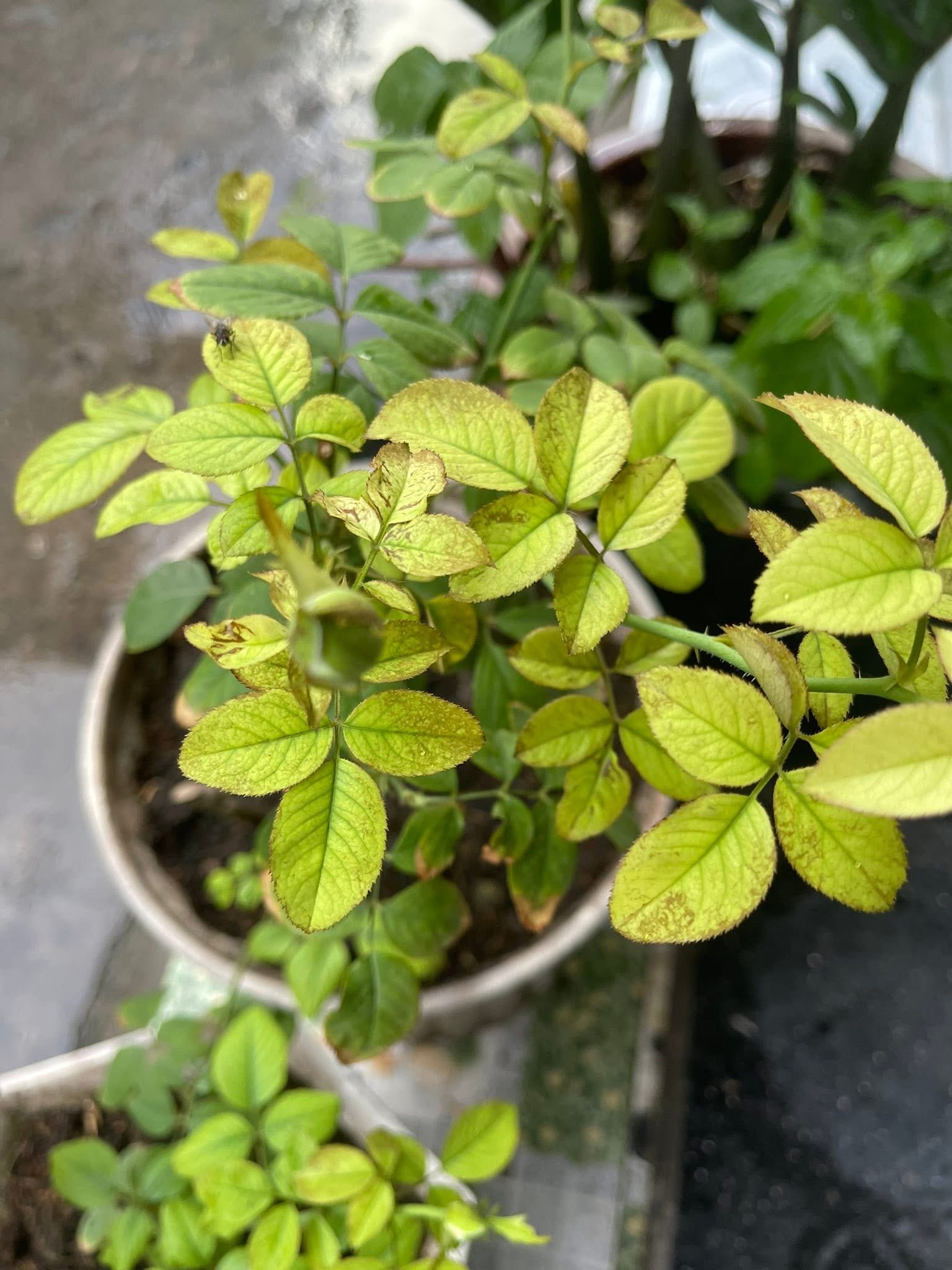
Soil pH imbalance — either too acidic (pH < 5.5) or too alkaline (pH > 7.5) — locks up many nutrients into forms the roots cannot absorb, even when the soil itself contains plenty of nutrients. Roses grow best at a slightly acidic pH of 6.0–6.5. When pH drifts outside that range, the plant typically shows multiple deficiency symptoms at once, despite regular fertilising.
Highly acidic or alkaline soil can stunt root development and lock out essential micronutrients like potassium. A lack of potassium weakens leaf cell walls, making them prone to water loss and subsequent marginal scorch.
Symptoms
- Multiple nutrient-deficiency symptoms occurring simultaneously despite adequate fertilising — Fe, Mn, and Zn lock-up on alkaline soils; Al and Mn toxicity on acidic soils
- Poor growth and unexplained whole-canopy chlorosis
- A white crust or salt deposit on the soil surface (alkaline soil)
- Soil with a sour smell or heavy moss growth on the surface (acidic soil)
Treatment plan
- Measure the soil pH straight away using a pH test kit or a digital pH meter to establish the direction of correction.
- For overly alkaline soil: water in with a dilute vinegar solution for a quick drop, then work in elemental sulphur progressively.
- For overly acidic soil: apply agricultural lime (CaCO₃) or Dolomite to raise the pH.
- Adjust pH toward 6.0–6.5 in stages: Correcting pH should be gradual rather than abrupt — sudden swings stress the roots and the soil biology.
- Re-test every 3–6 months: pH drifts over time, so monitor it on a schedule.
- Use organic matter to buffer pH naturally: Well-rotted compost stabilises pH and improves the soil's ability to resist further drift.
Prevention
- Test soil pH before planting.
- Use irrigation water at pH 6.5–7.0.
- Do not over-apply lime.