RoseDoctor
Mn Deficiency

Mn Deficiency

Physiological

Description

Manganese (Mn) deficiency typically occurs in alkaline soils (pH > 7) or in soils with very high organic-matter content that bind Mn tightly. Manganese is required for photosynthesis and for many plant enzymes. Symptoms resemble iron deficiency but are usually milder — interveinal chlorosis on young leaves, with a characteristic greyish-green cast. Because Mn is an immobile nutrient, symptoms appear first on the young foliage.

Symptoms

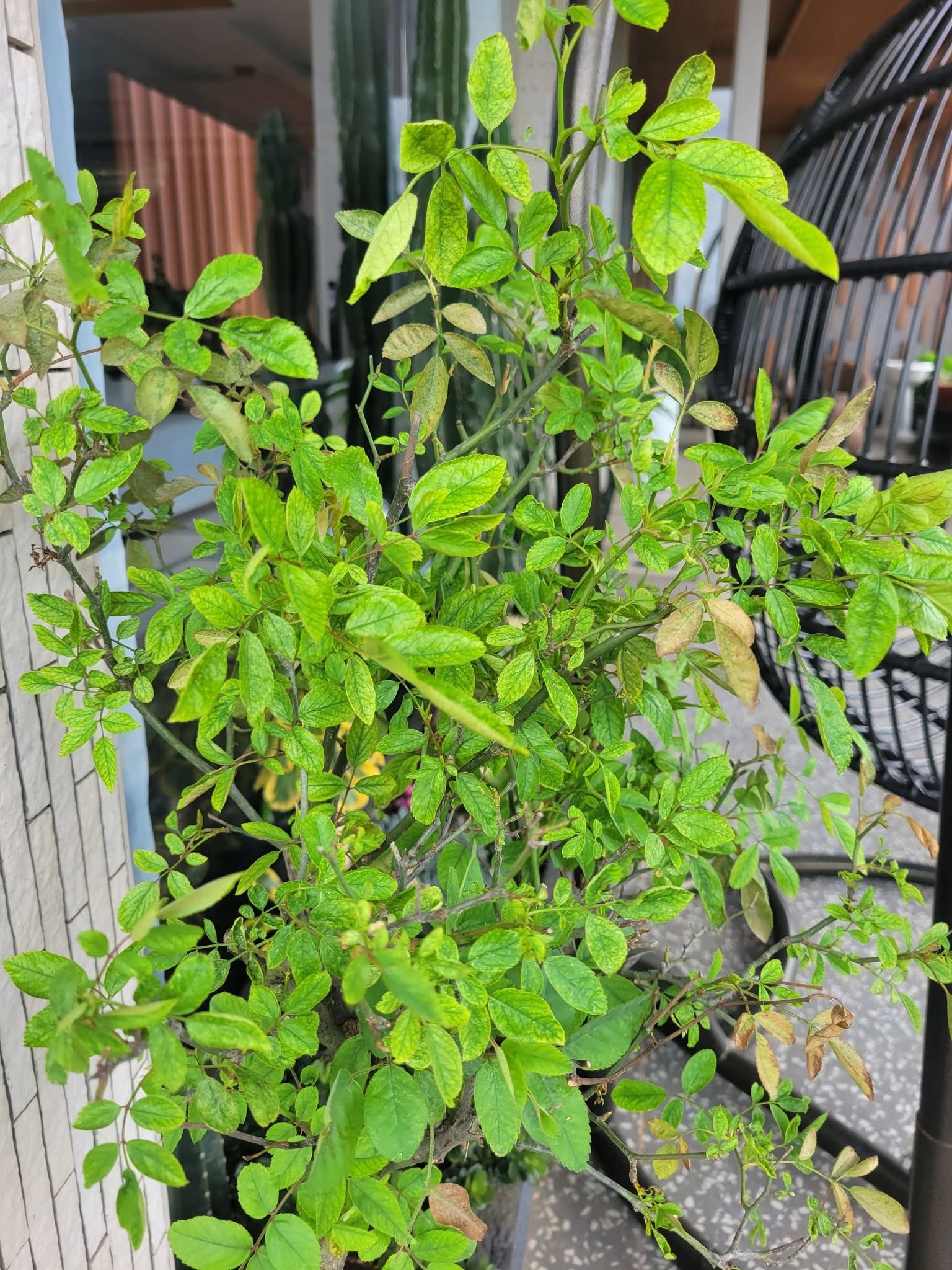
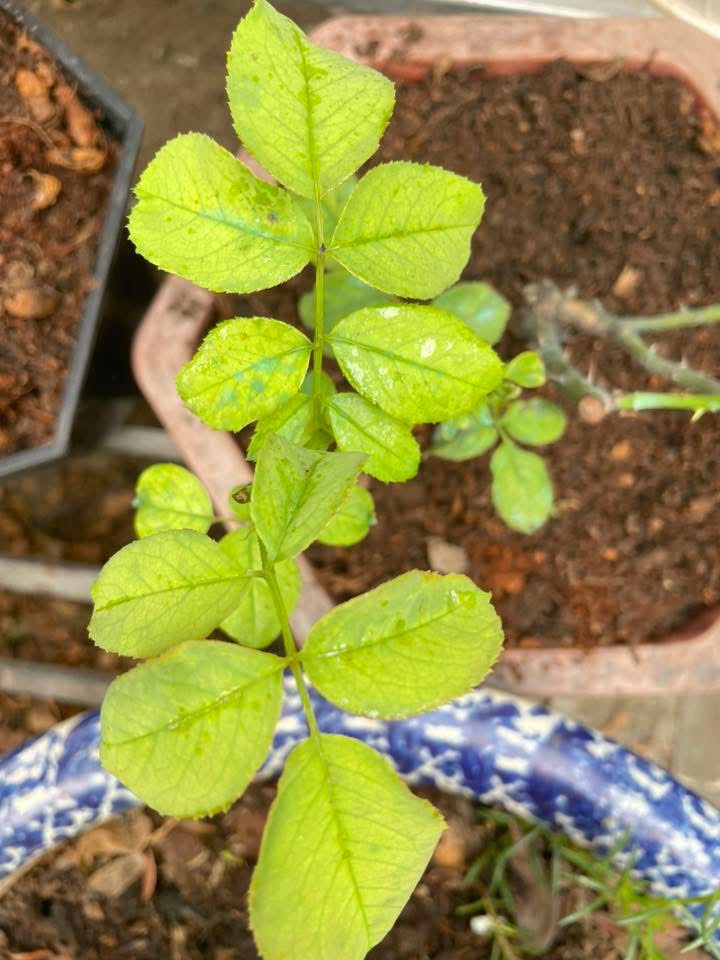
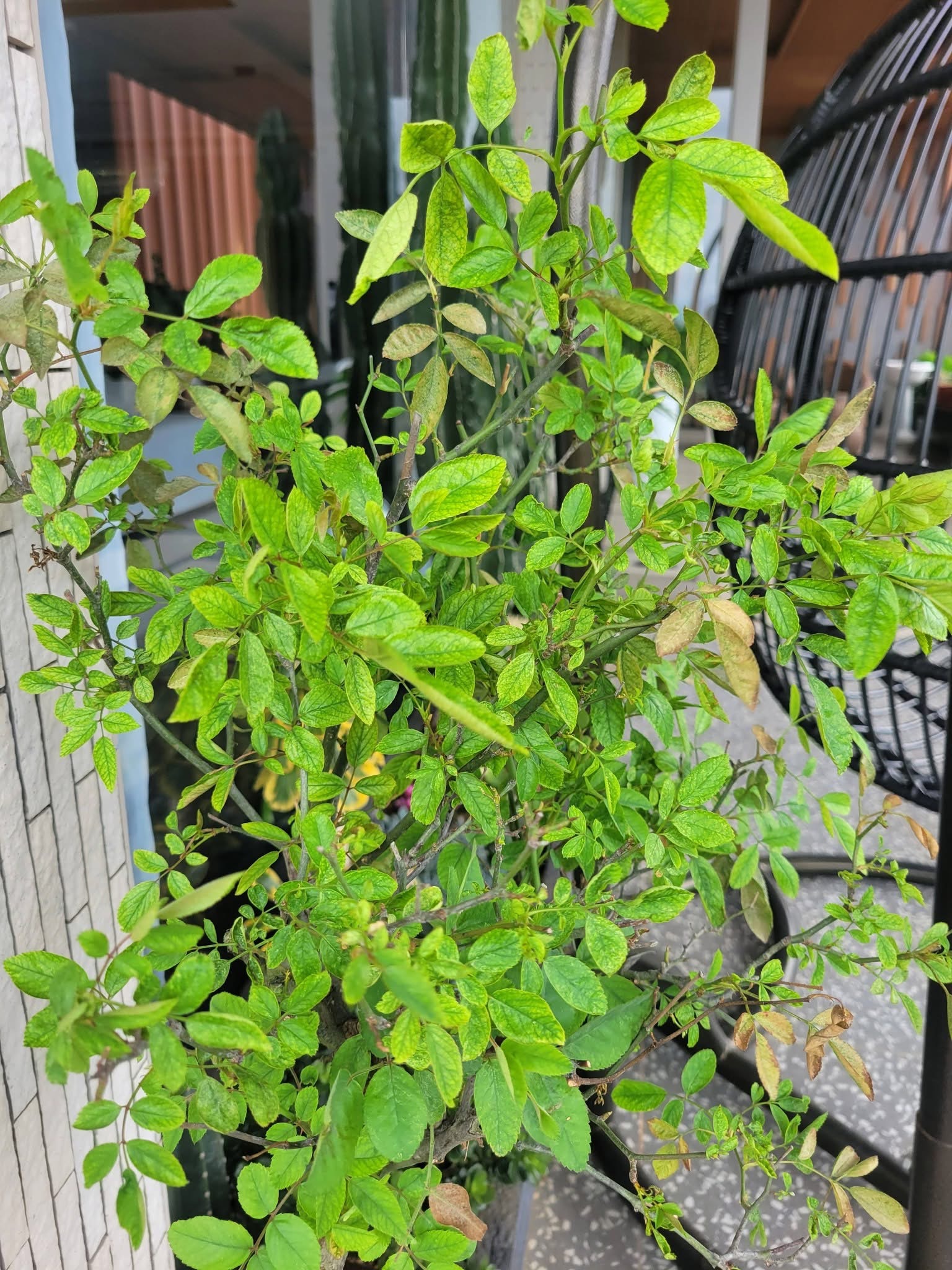
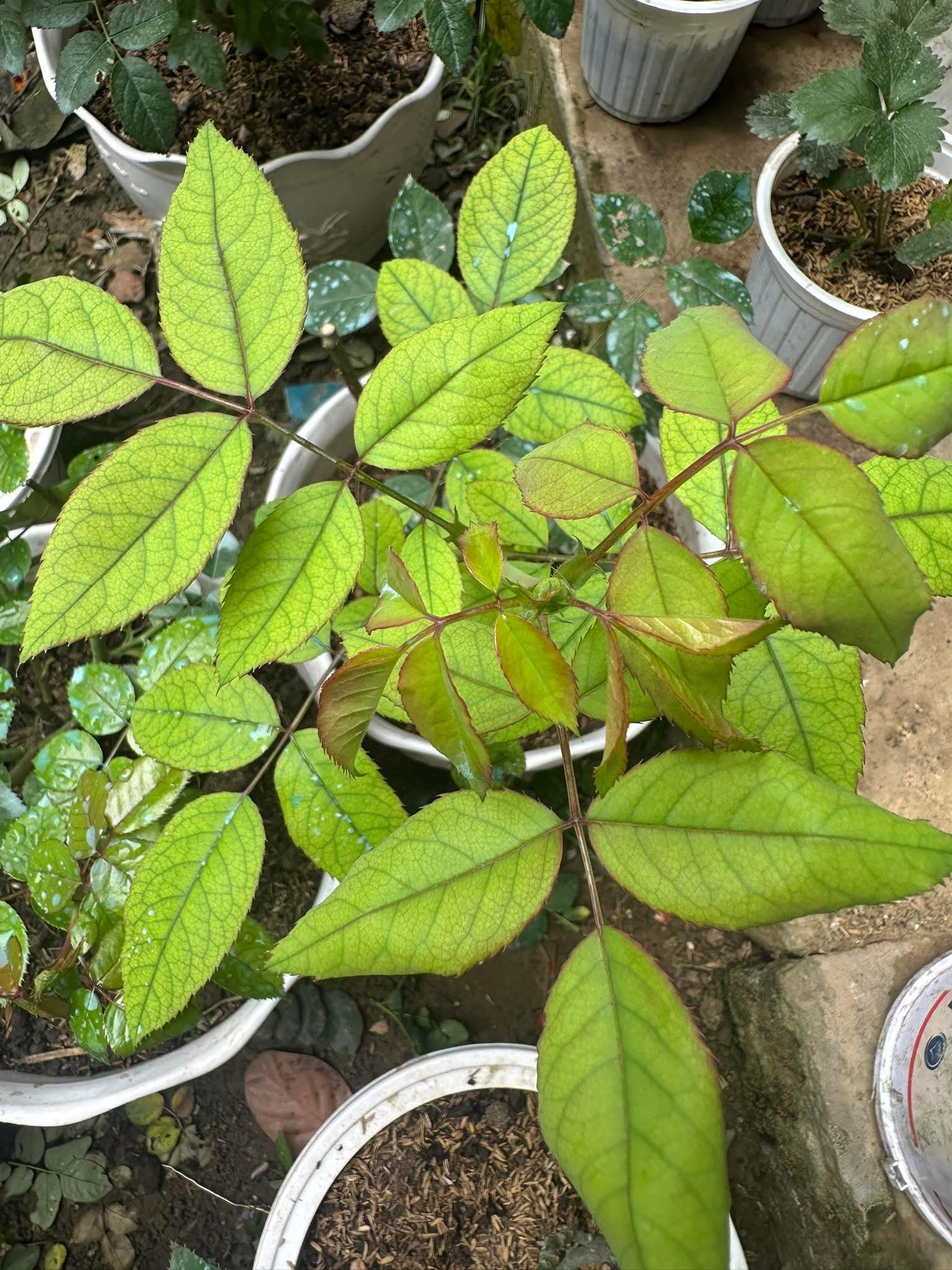
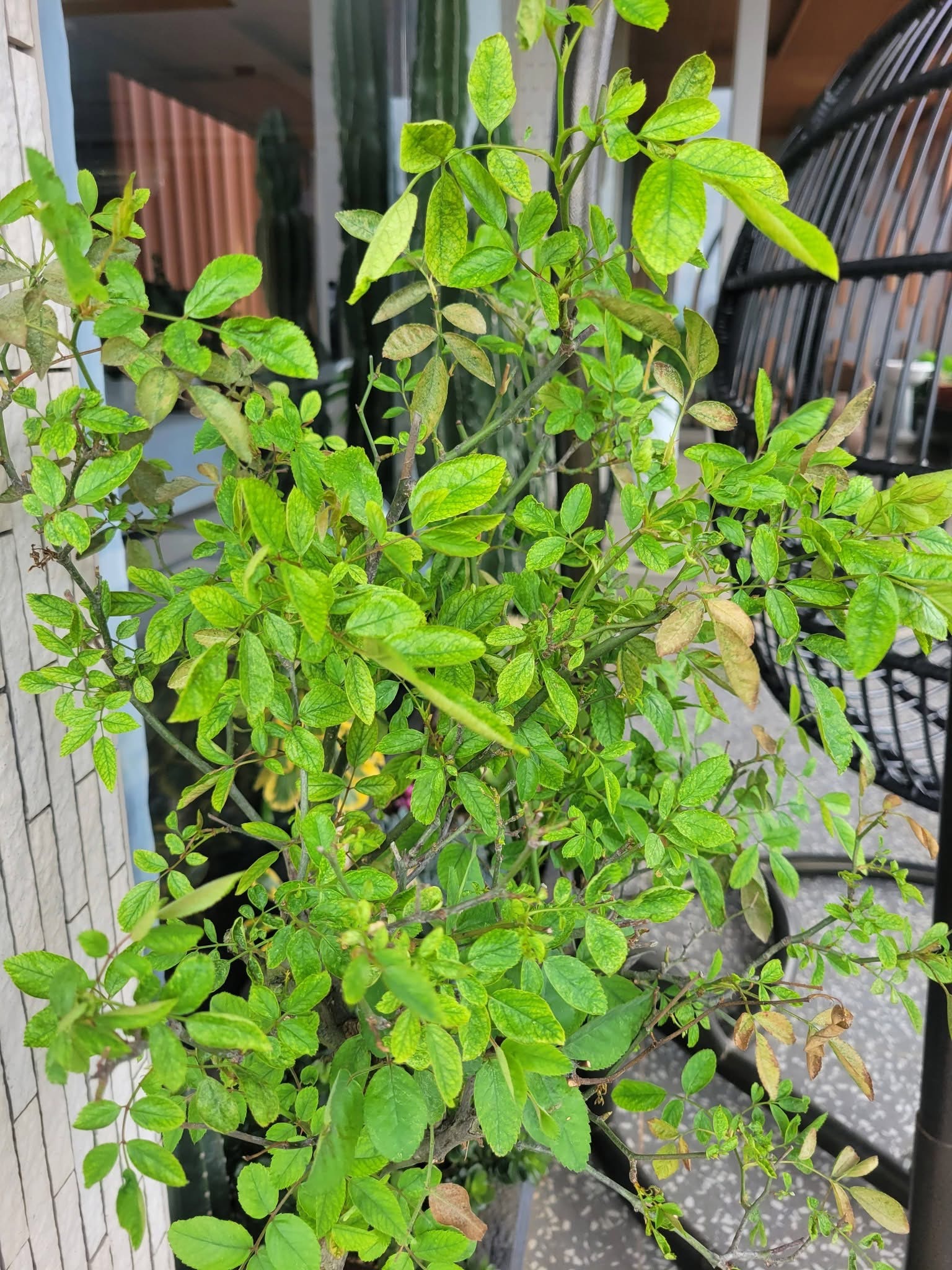
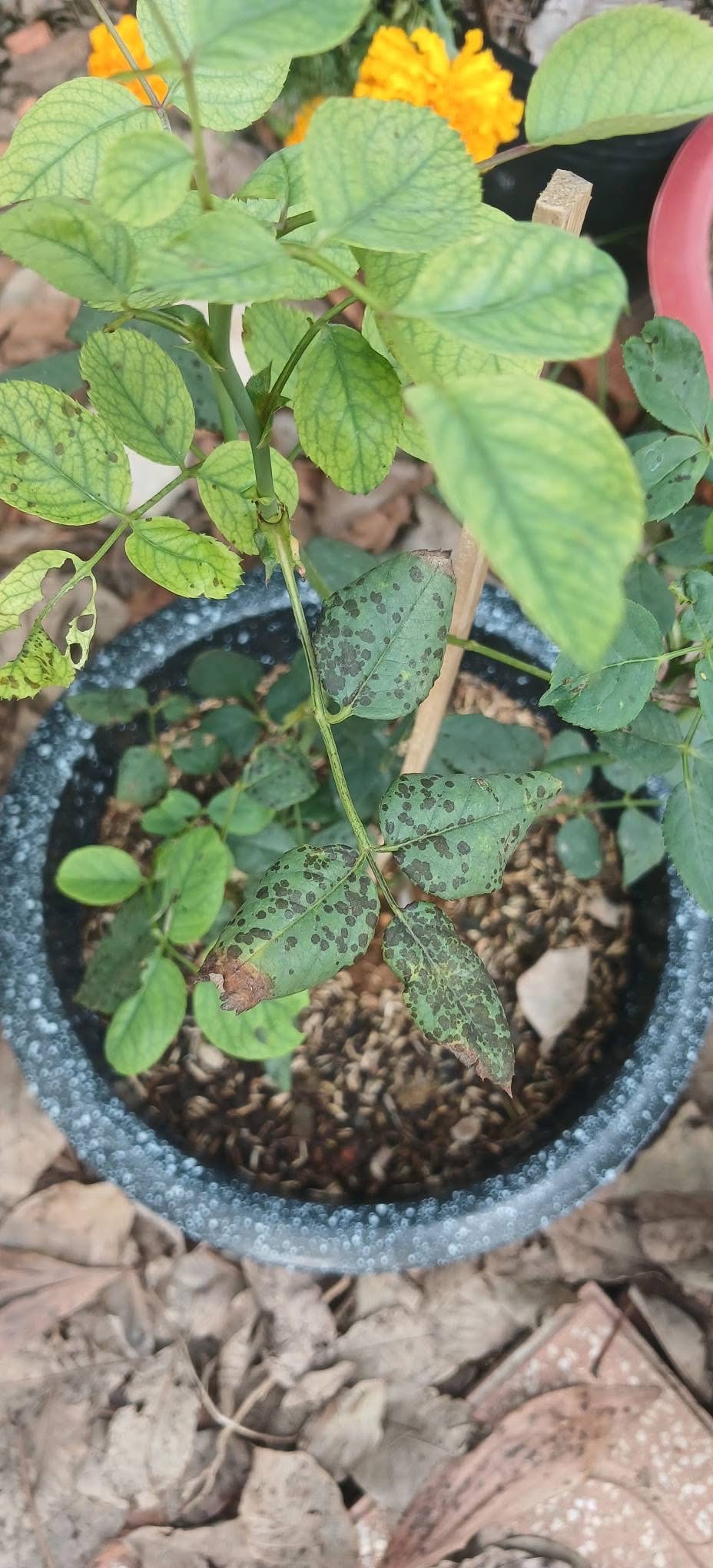
  • Interveinal chlorosis on young and mid-aged leaves — green veins, pale grey-green to yellow lamina
    Interveinal chlorosis on young and mid-aged leaves — green veins, pale grey-green to yellow laminaInterveinal chlorosis on young and mid-aged leaves — green veins, pale grey-green to yellow lamina
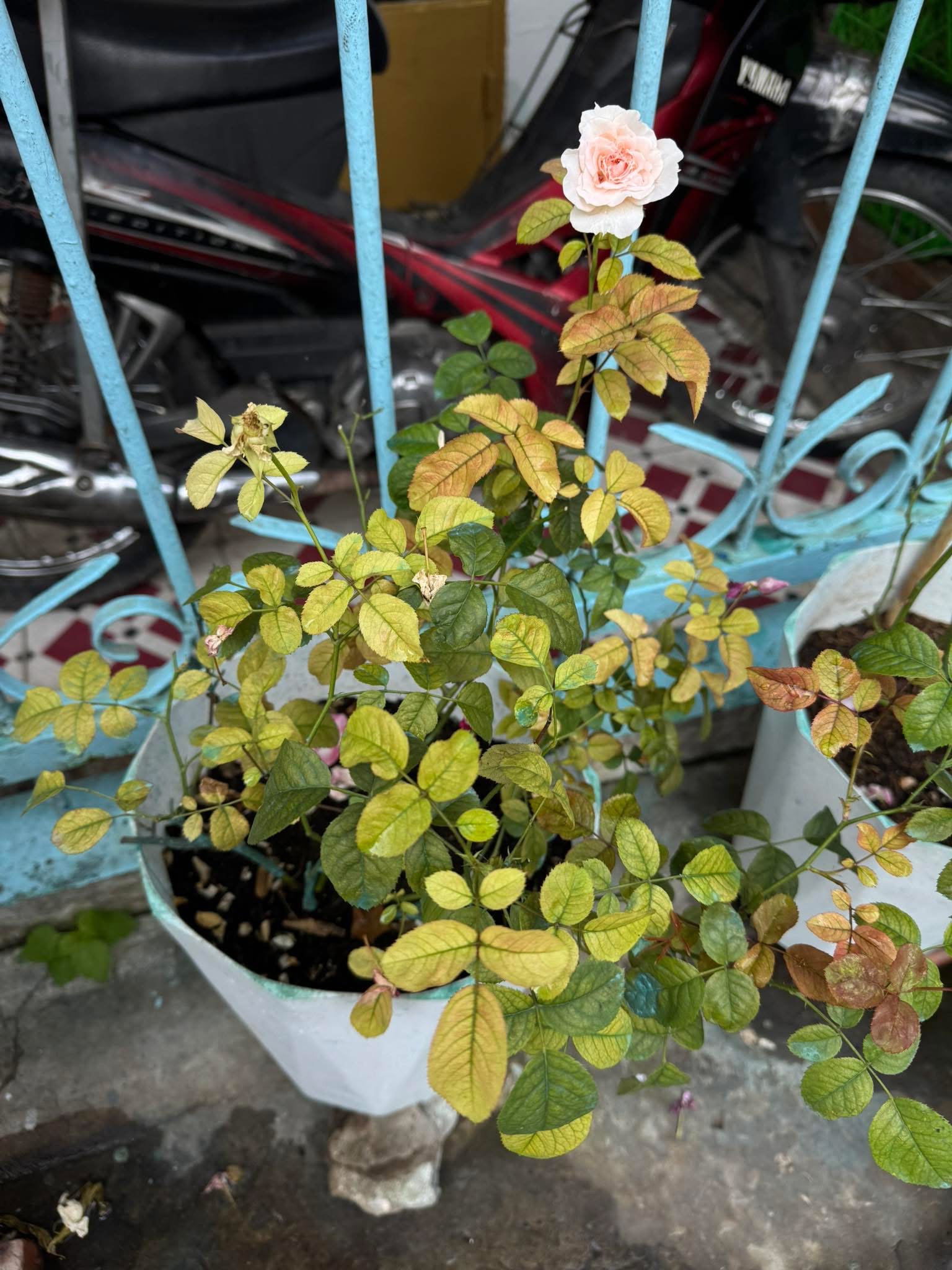
  • Interveinal chlorosis affects young and mature leaves rather than being restricted to older leaves (unlike N or Mg deficiency)
    Interveinal chlorosis affects young and mature leaves rather than being restricted to older leaves (unlike N or Mg deficiency)Interveinal chlorosis affects young and mature leaves rather than being restricted to older leaves (unlike N or Mg deficiency)Interveinal chlorosis affects young and mature leaves rather than being restricted to older leaves (unlike N or Mg deficiency)
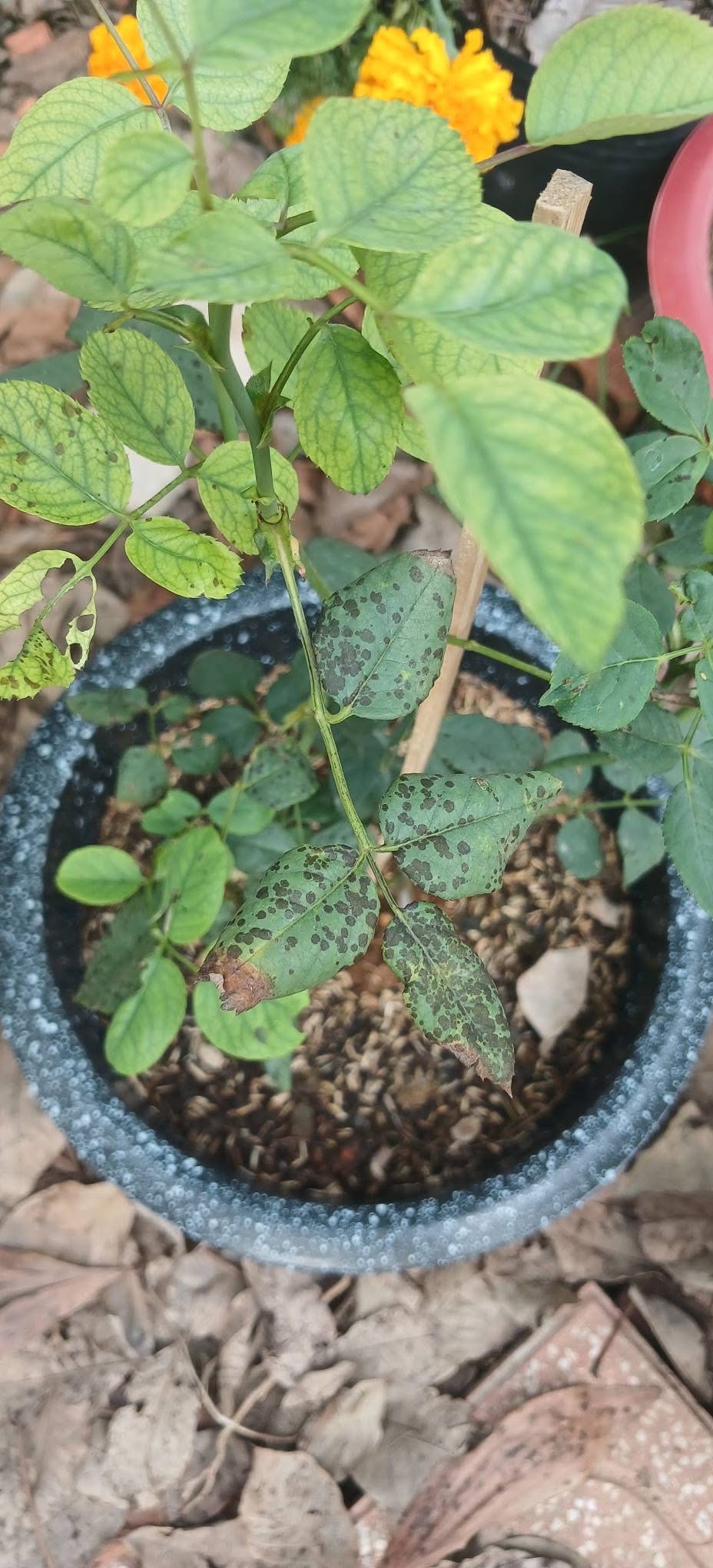
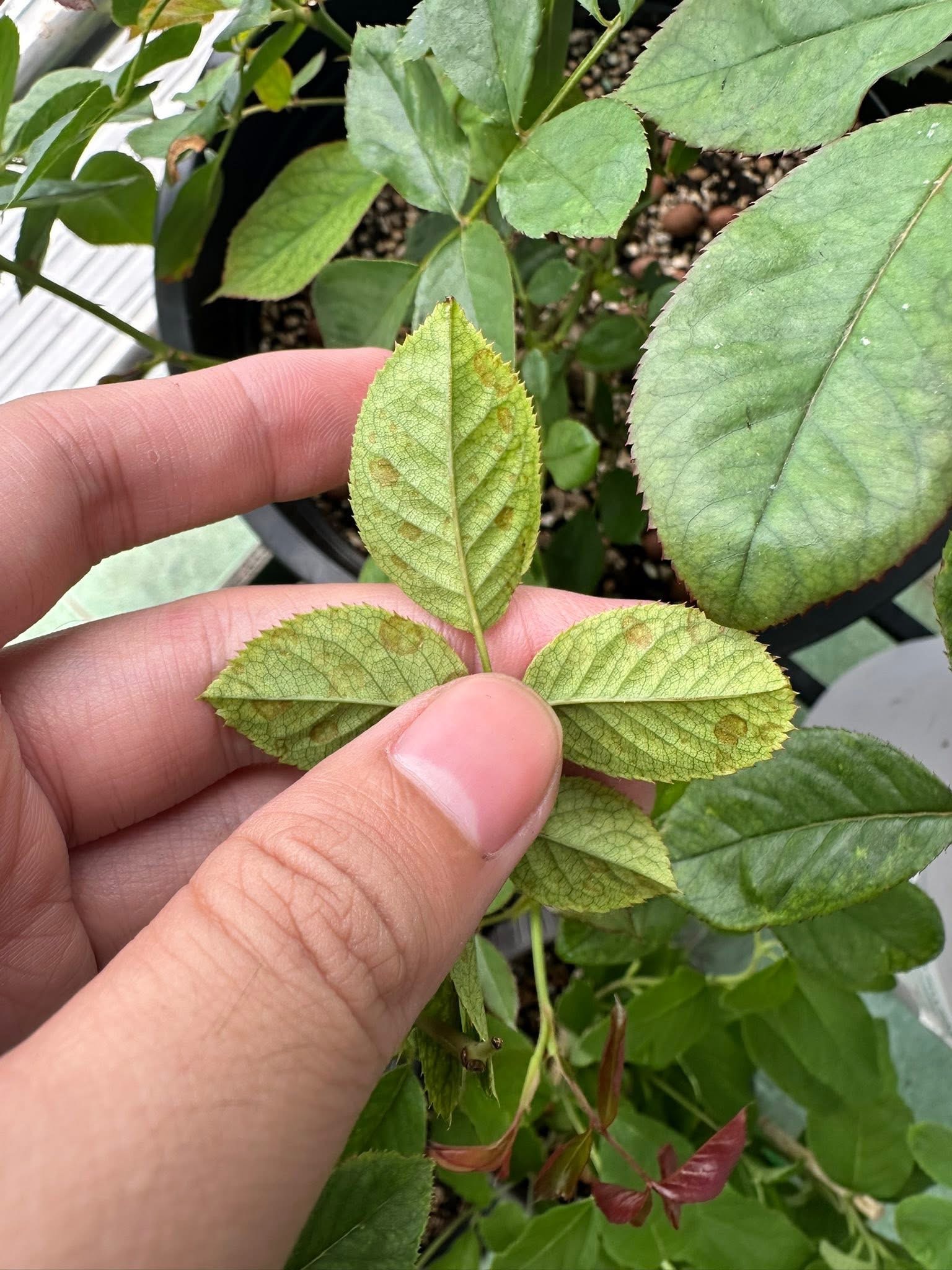
  • Pale grey spots appear on the leaves in severe cases — this spotting is specific to Mn (it does not occur with Fe or Mg)
    Pale grey spots appear on the leaves in severe cases — this spotting is specific to Mn (it does not occur with Fe or Mg)Pale grey spots appear on the leaves in severe cases — this spotting is specific to Mn (it does not occur with Fe or Mg)
  • Slow growth and reduced flowering

Treatment plan

Once chlorosis from Mn deficiency is visible, the fastest remedy is a direct foliar spray for immediate uptake, combined with correction of the soil pH.

  • Step 1 — Adjust soil pH: Manganese is locked up (unavailable to roots) when soil pH > 6.5. If the soil is too alkaline, add elemental sulphur or well-rotted manure to bring the pH down to 6.0–6.5.
  • Step 2 — Foliar spray: Apply MnSO₄ at 0.1–0.2% or a micronutrient foliar fertiliser containing manganese chelate (Mn-EDTA) to both leaf surfaces.
  • Step 3 — Prune: Prune off heavily damaged leaves so the plant can channel resources into new growth.

Recommended products

Below are products supplying pure manganese or readily absorbed micronutrient blends:

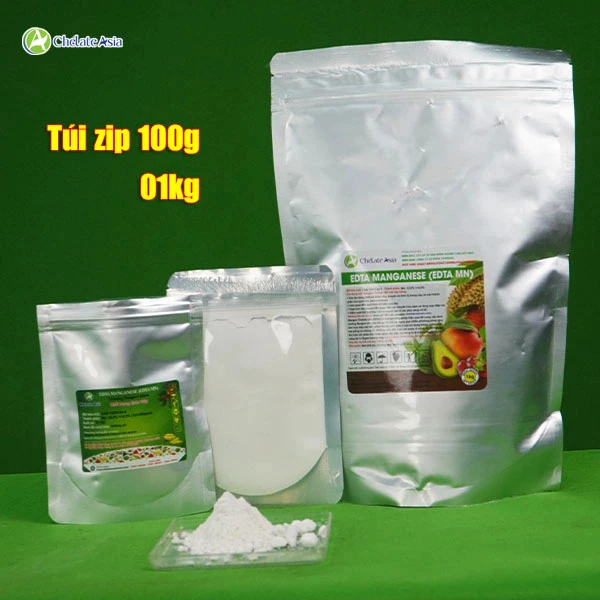
1. Manganese chelate (Mn-EDTA 13%)

  • Description: The premium form of manganese — 100% uptake through leaves and roots, with no precipitation in the soil.
  • Dosage: 1 g per 2 L of water.
  • Application: Spray evenly to both leaf surfaces in the early morning or late afternoon.
  • Frequency: 2–3 applications, 7–10 days apart, until new growth comes in glossy green.
  • Where to buy: Shopee — Manganese chelate

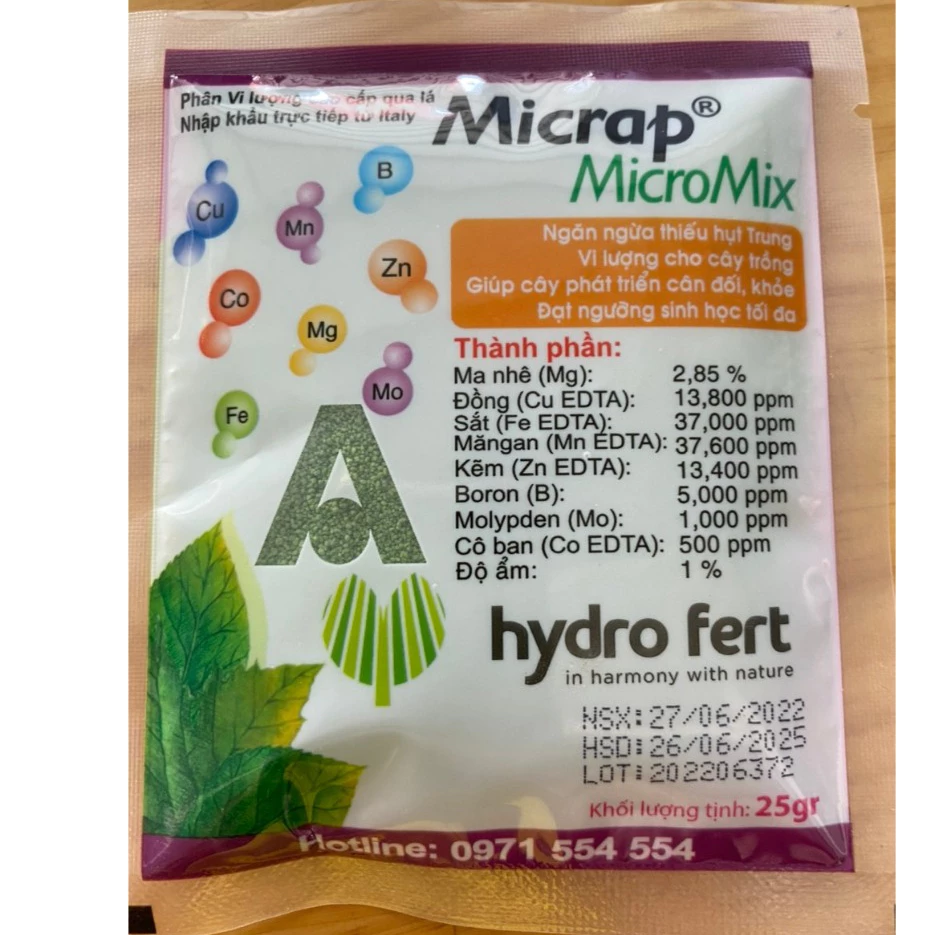
2. Micrap micronutrient combo (Italian)

  • Description: A blended micronutrient product (Mn, Fe, Zn, Cu, etc.) in chelate form for easy uptake. Suitable when the plant shows signs of multiple micronutrient deficiencies.
  • Application: Dilute as directed by the manufacturer and apply as a foliar spray or root-zone drench.
  • Frequency: Apply at the label interval to maintain leaf chlorophyll.
  • Where to buy: Lazada — Micrap micronutrients

Note: Add a wetting agent / sticker to your spray mix to reduce wash-off from dew or rain and improve uptake.

Prevention

  • Test soil pH regularly.
  • Apply a balanced micronutrient fertiliser as part of routine feeding.

Recommended products

Manganese chelate (Mn-EDTA 13%)

Manganese chelate (Mn-EDTA 13%)

Role of manganese in plant development: + Catalyses several enzymatic and physiological reactions in the plant — it is a component of pyruvate carboxylase. + Involved in plant respiration. + Activates the enzymes responsible for nitrogen metabolism and chlorophyll synthesis. + Controls the cellular redox state during both the light and dark phases of photosynthesis. The premium form of manganese — 100% uptake through leaves and roots with no precipitation in the soil. Dose 1 g per 2 L of water; spray evenly to both leaf surfaces in the early morning or late afternoon. Apply 2–3 times, 7–10 days apart, until new growth comes in glossy green.

MICRAP MicroMix micronutrient fertiliser

MICRAP MicroMix micronutrient fertiliser

Prevents deficiencies of mid- and micronutrients (Mn, Fe, Zn, Cu, etc.) in a chelate form for easy uptake. Produces greener plants, thicker leaves, and stronger photosynthesis. Dilute as directed and apply as a foliar spray or root-zone drench at the label interval to maintain leaf chlorophyll.

Share this page