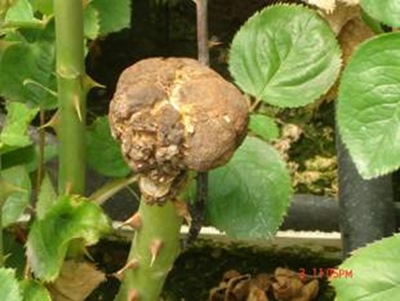
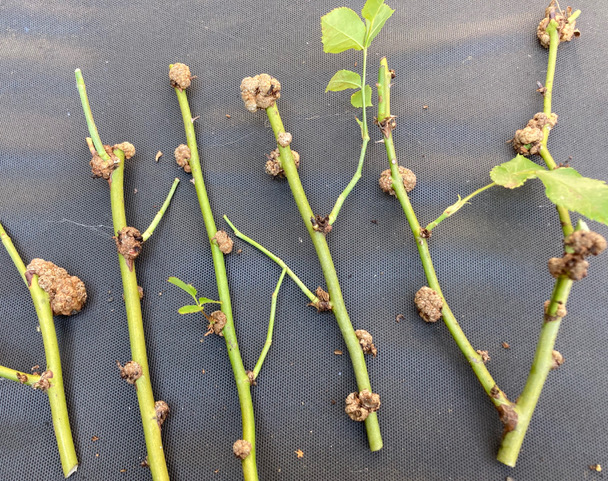
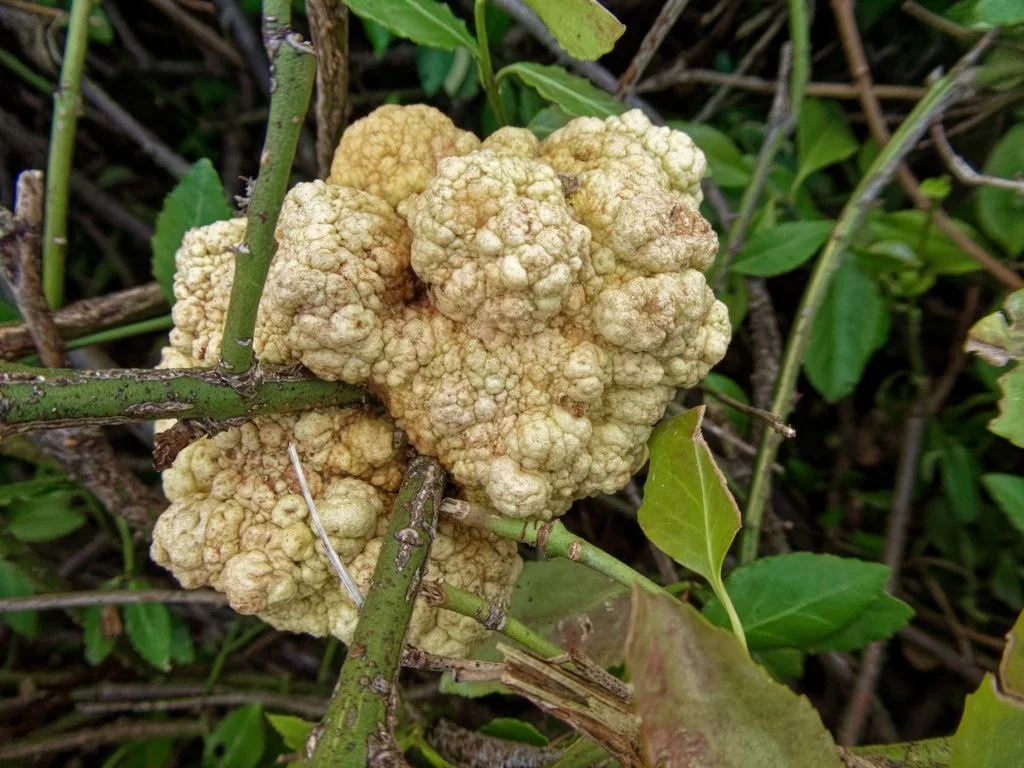
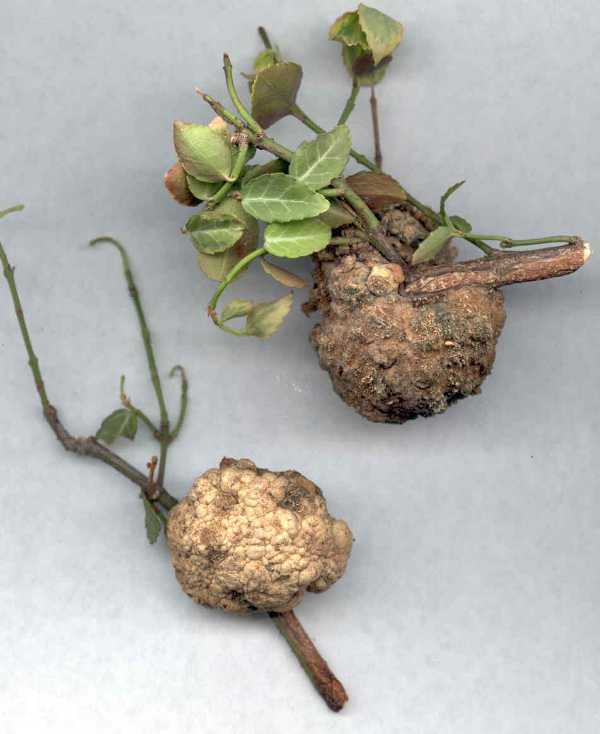
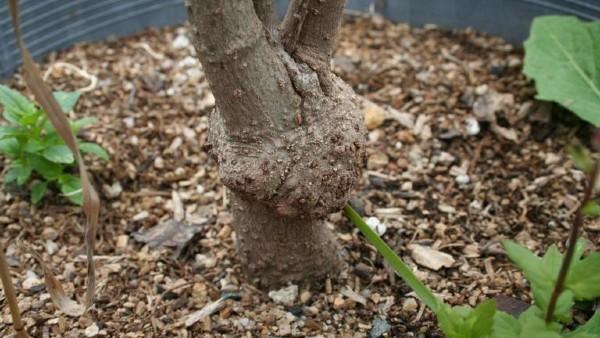
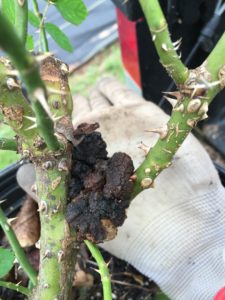
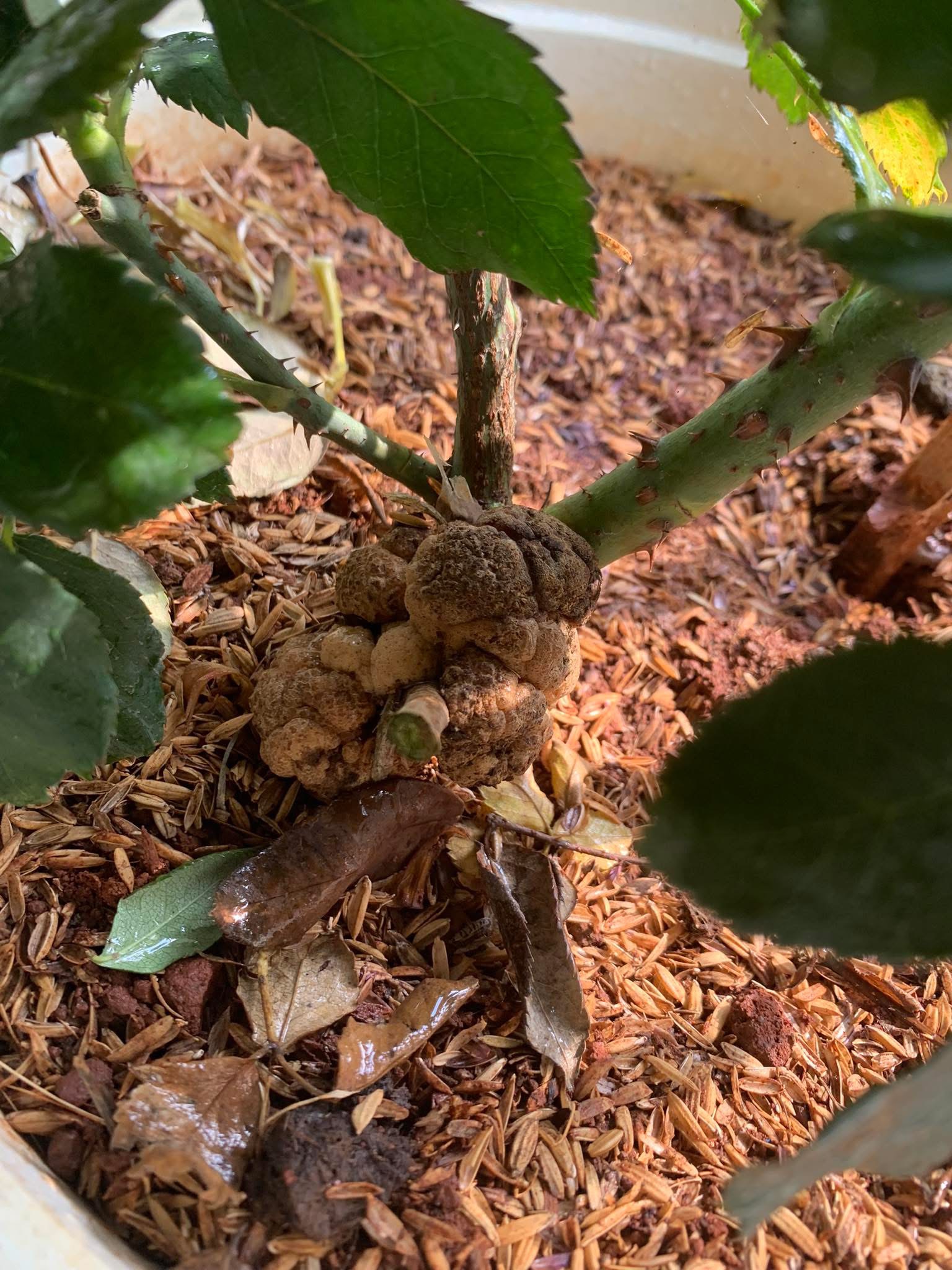
Because the bacterium lives inside the vascular system and the soil, foliar sprays alone have no effect. Treatment must combine surgical removal, wound sterilisation, and soil/tool hygiene:
- Isolate immediately: Move the affected plant away from healthy roses. For container roses, replace all of the old growing medium and sterilise the pot with strong lime wash or alcohol. Never compost the discarded soil.
- Reduce watering: Avoid soil saturation, which favours bacterial spread.
- Do not prune into infected tissue without a sterilised blade — every unsterile cut is a fresh entry point for the bacterium.
- Gall excision: With a sharp blade sterilised in alcohol or flamed, cut away the entire gall and 1–2 cm of surrounding healthy tissue.
- Wound treatment: Apply a concentrated bactericide paste directly to the cut surface.
- Severe cases: For heavily infected plants, the safest course is to rogue out the entire plant (roots included) and destroy it. Never compost infected material.
Recommended products
Products containing copper or antibiotic active ingredients are the most effective:
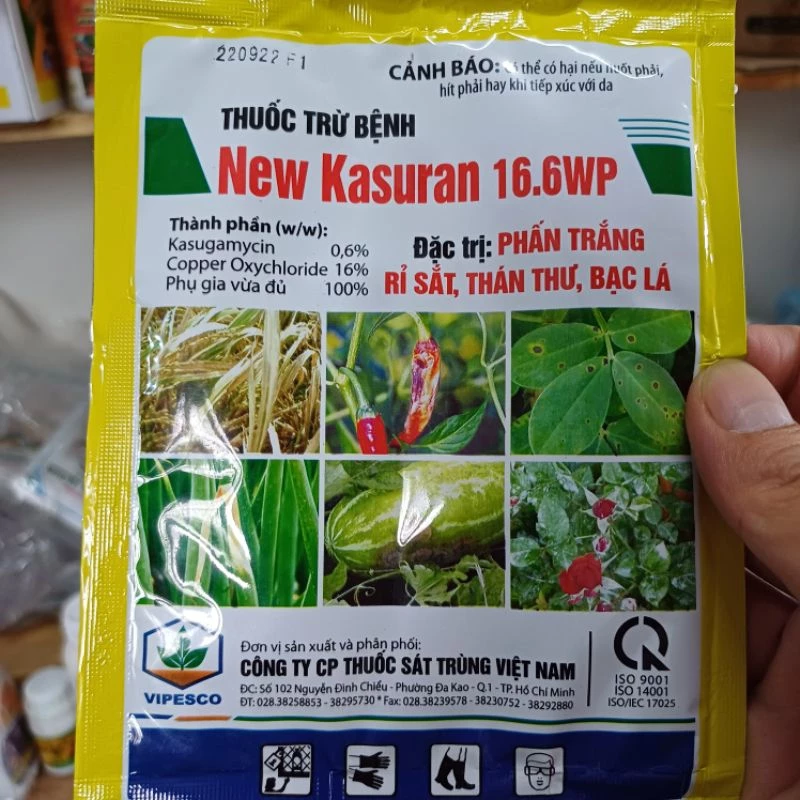
- New Kasuran 20g
A high-strength bactericide for direct application to surgical wounds.
- Description: Combines the antibiotic Kasugamycin with copper oxychloride — specifically formulated against bacterial plant diseases.
- Dosage: One 25 g sachet per 16–20 L of water.
- Application: Mix to a thick paste and apply directly to the excised gall surface. Use the remainder as a soil drench around the crown and as a full-plant spray.
- Frequency: Two to three applications, 7 days apart.
- Where to buy: Refer to the product label.
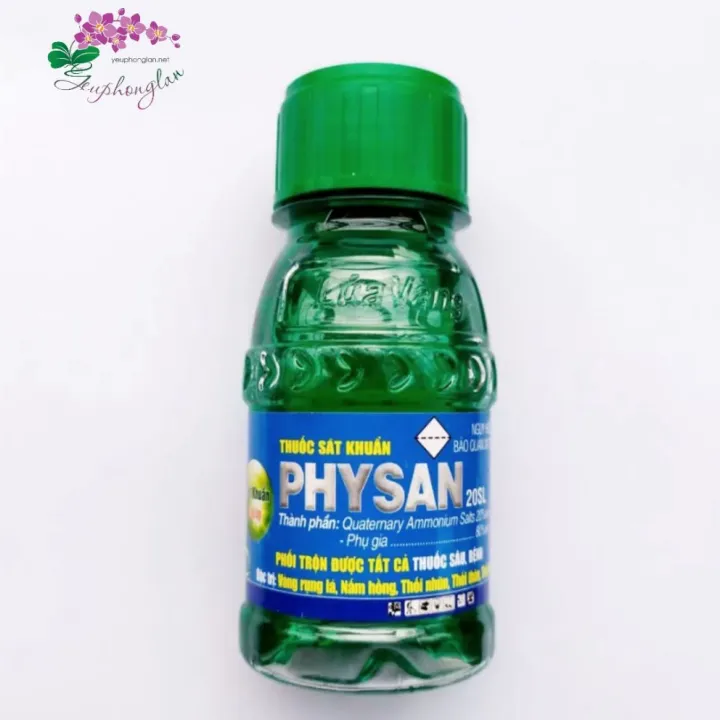
- Physan 20SL
A broad-spectrum disinfectant for tool, root, and substrate sterilisation.
- Description: Powerful quaternary ammonium disinfectant that kills bacteria, fungi, and algae on contact.
- Dosage: 1 ml per 1 L of water.
- Application: Soak the entire excised root system in the solution for 5–10 minutes before replanting. Use the same solution to sterilise pruning shears and the surrounding soil area.
- Frequency: Drench the crown once a month as a preventive measure.
- Where to buy: Refer to the product label.
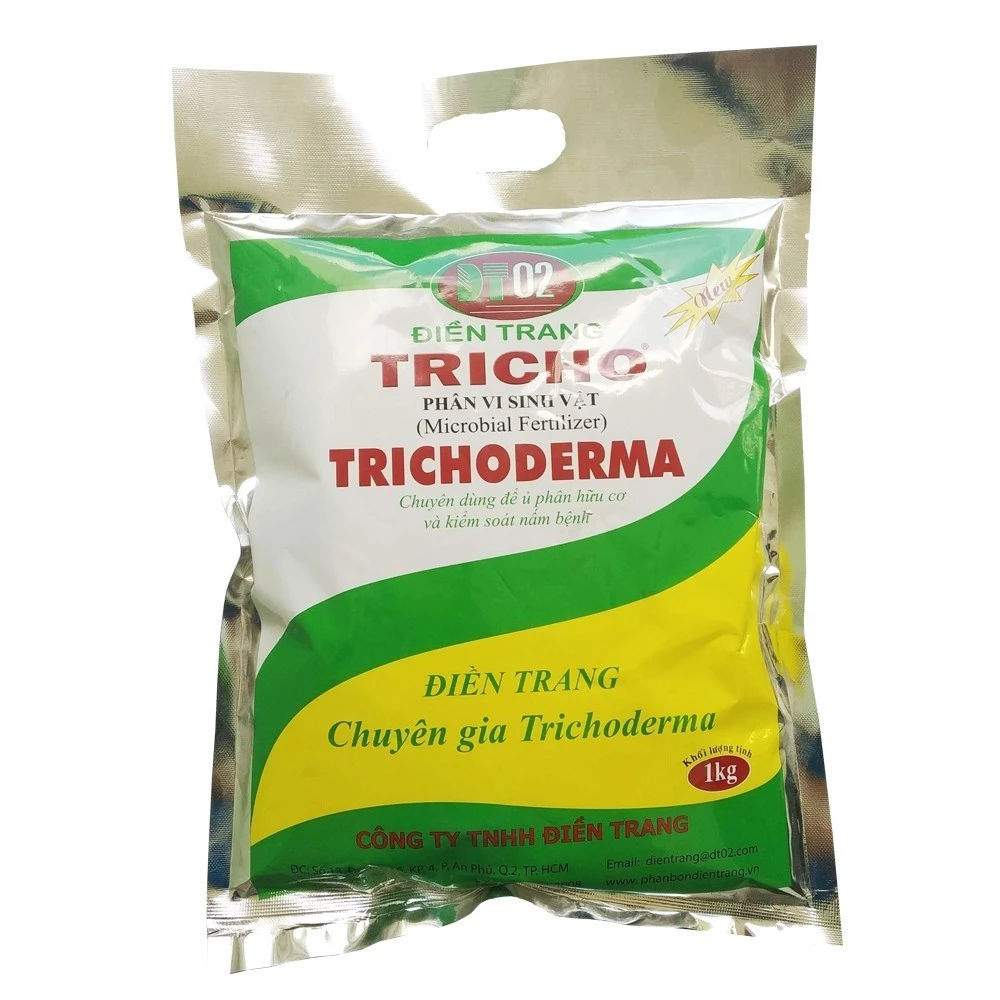
- Trichoderma biological product
A long-term, sustainable preventive treatment.
- Description: Antagonistic fungus that suppresses harmful soil bacteria and stimulates healthy root development.
- Dosage: Mix 100 g with 10 kg of organic compost, or 20 g per 10 L of water.
- Application: Incorporate directly into the planting medium or apply as a soil drench approximately 15 days after any chemical treatment (never tank-mix with chemical bactericides — they will kill the beneficial fungus).
- Frequency: Every two months.
- Where to buy: Refer to the product label.
Expert advice: If your rose is severely affected (galls on more than 50 % of the root system), the best decision is to destroy the plant to prevent garden-wide spread. Agrobacterium tumefaciens persists in soil for many years and is exceptionally difficult to eradicate once established.