
Problems affecting the whole rose plant
Stunted growth, wilting or mass leaf drop usually point to roots, soil, nutrition or a disease that has spread widely.
Not sure what is wrong with your plant?Snap a leaf photo and let the AI diagnose it in minutes. Diagnose nowWhere is the problem?
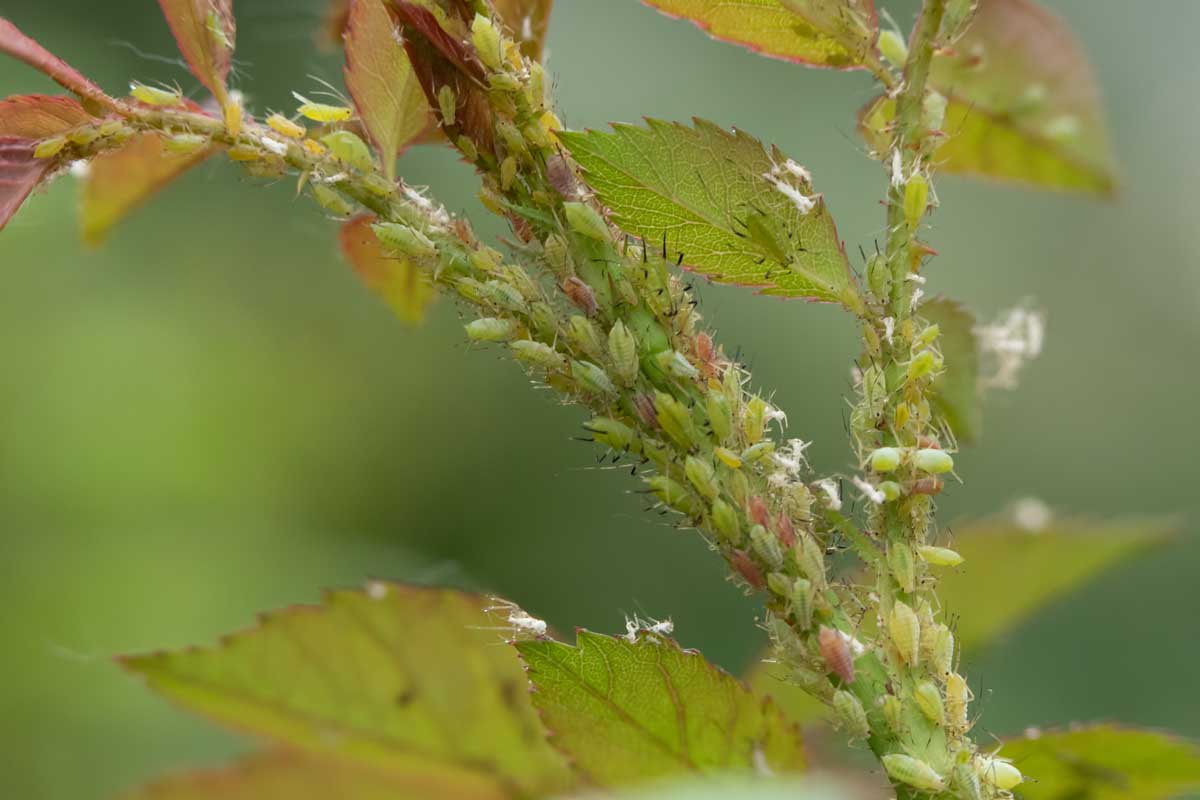
Aphids
Aphids (family Aphididae — the common pest species on roses is Aphis gossypii) are soft-bodied insects, approximately…
Insect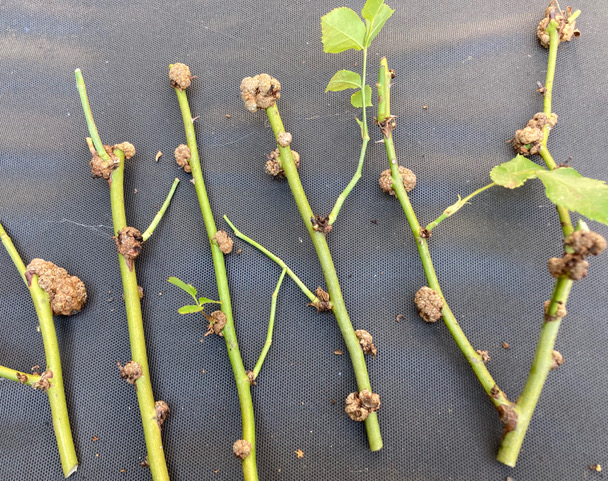
Crown Gall
Crown gall is a bacterial disease caused by Agrobacterium tumefaciens, which forms hard, swollen tumour-like galls at…
Virus & Bacteria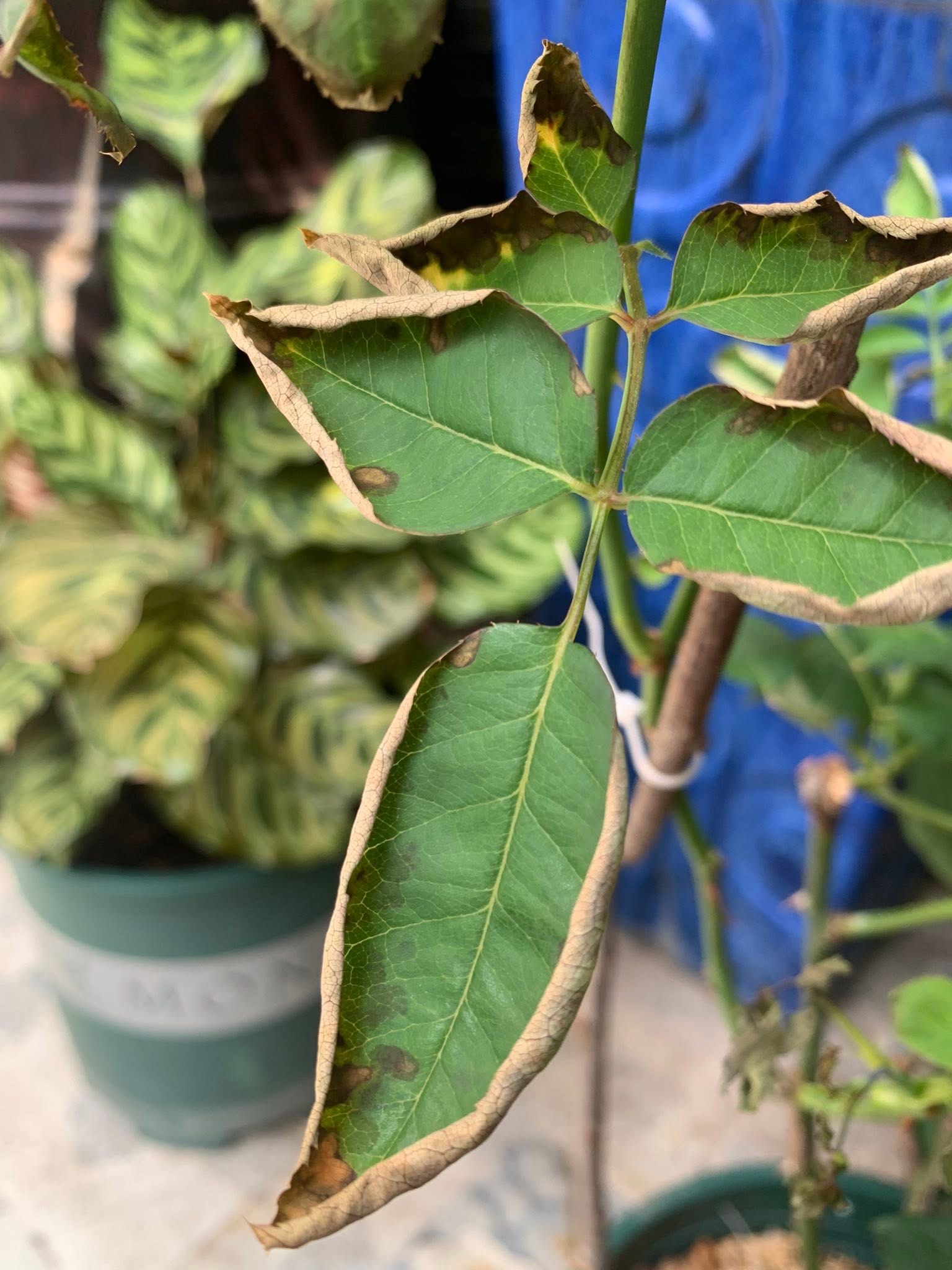
Drought Stress
Drought stress develops when the plant does not receive enough water — through insufficient irrigation, a substrate…
Physiological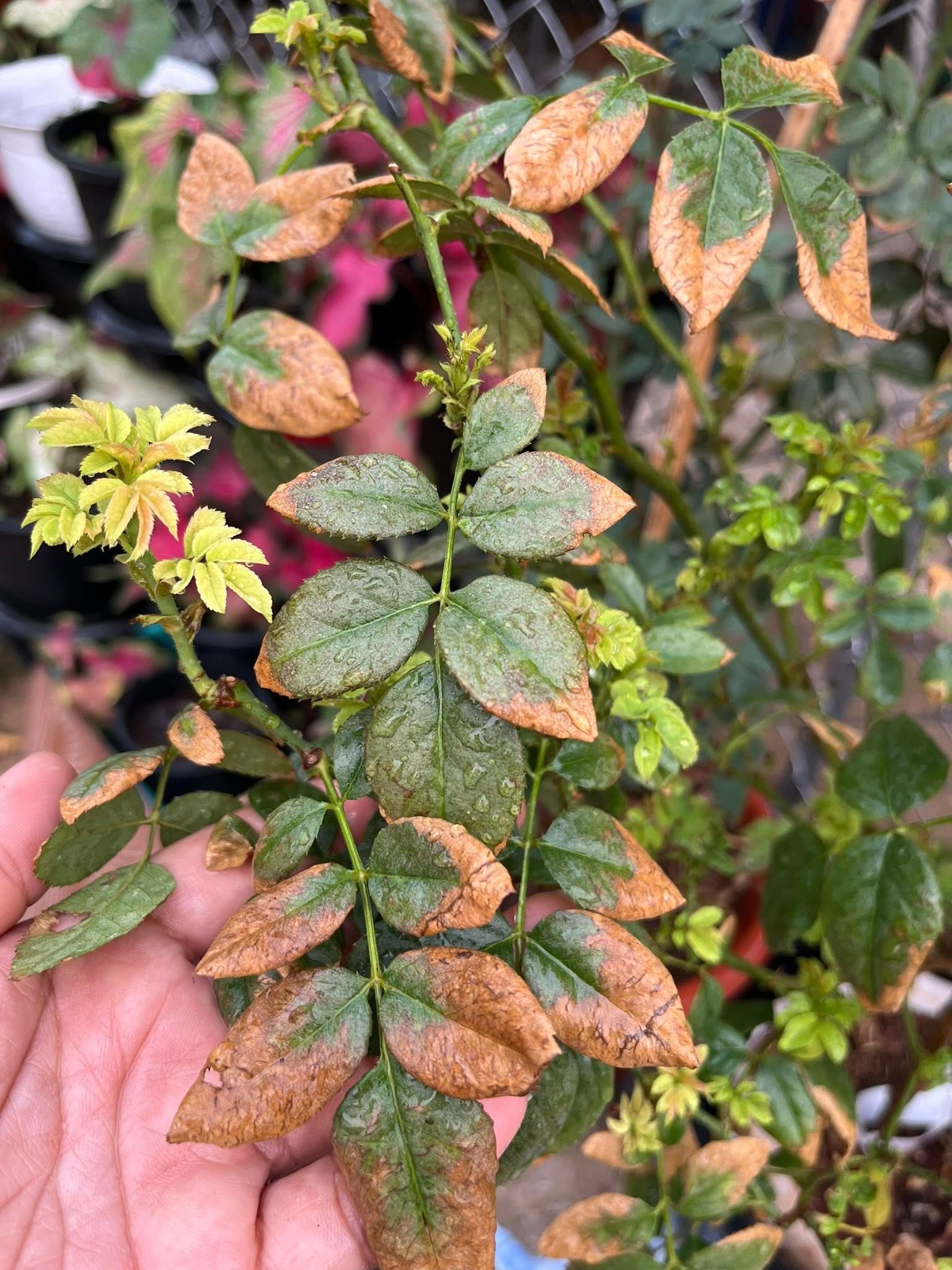
Fertilizer Burn
Fertiliser burn (salt injury) occurs when chemical fertiliser is applied at too high a rate or too high a…
Physiological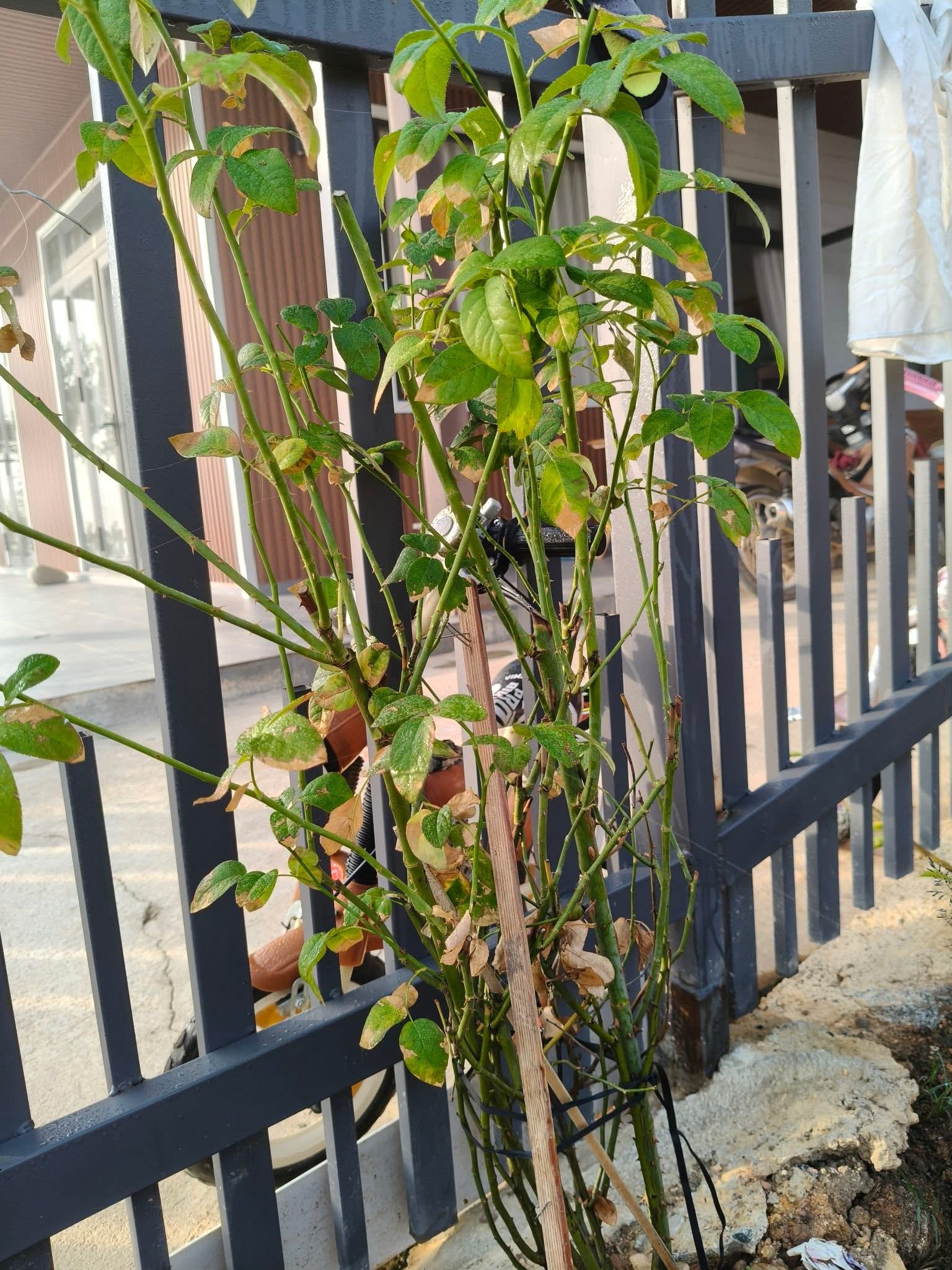
Light Deficiency
Light deficiency occurs when the rose does not receive enough light to photosynthesise efficiently. Roses need at least…
Physiological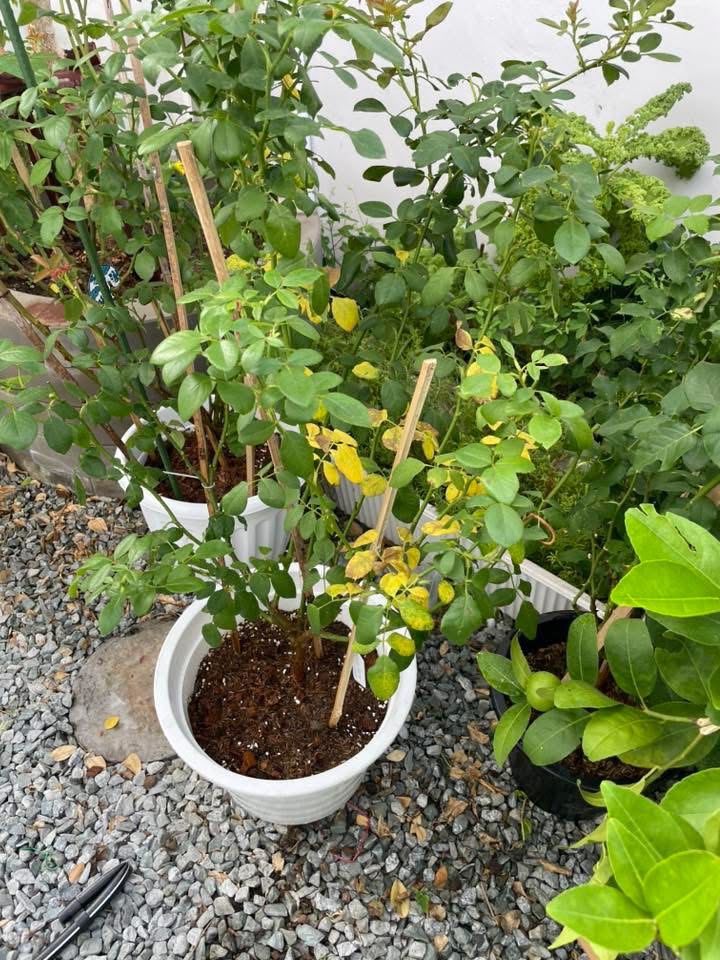
N Deficiency
Nitrogen (N) deficiency occurs when the rose is not supplied with enough nitrogen — typically because the soil is poor,…
Physiological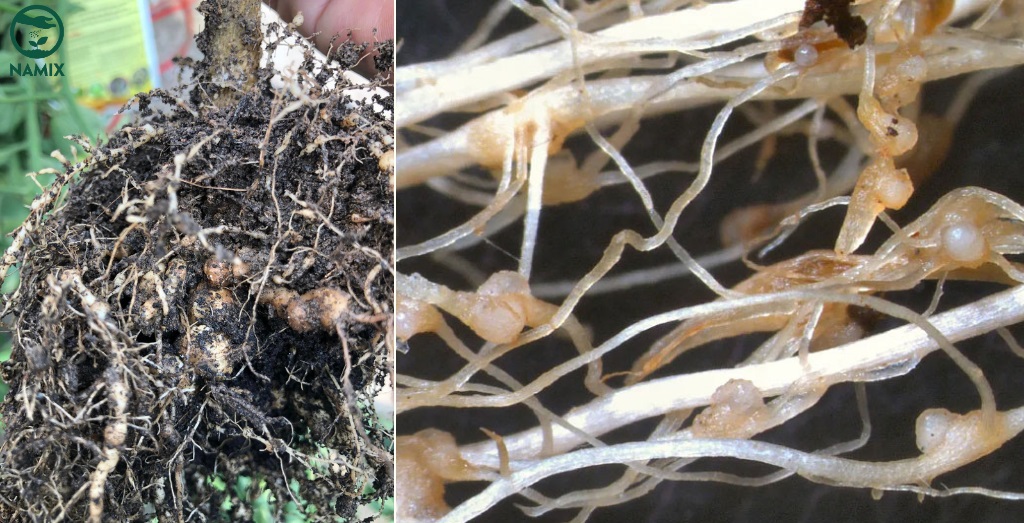
Root-knot Nematode
Root-knot nematodes (Meloidogyne spp.) are microscopic obligate root parasites (0.2–2 mm) of roses. They pierce fine…
Parasitic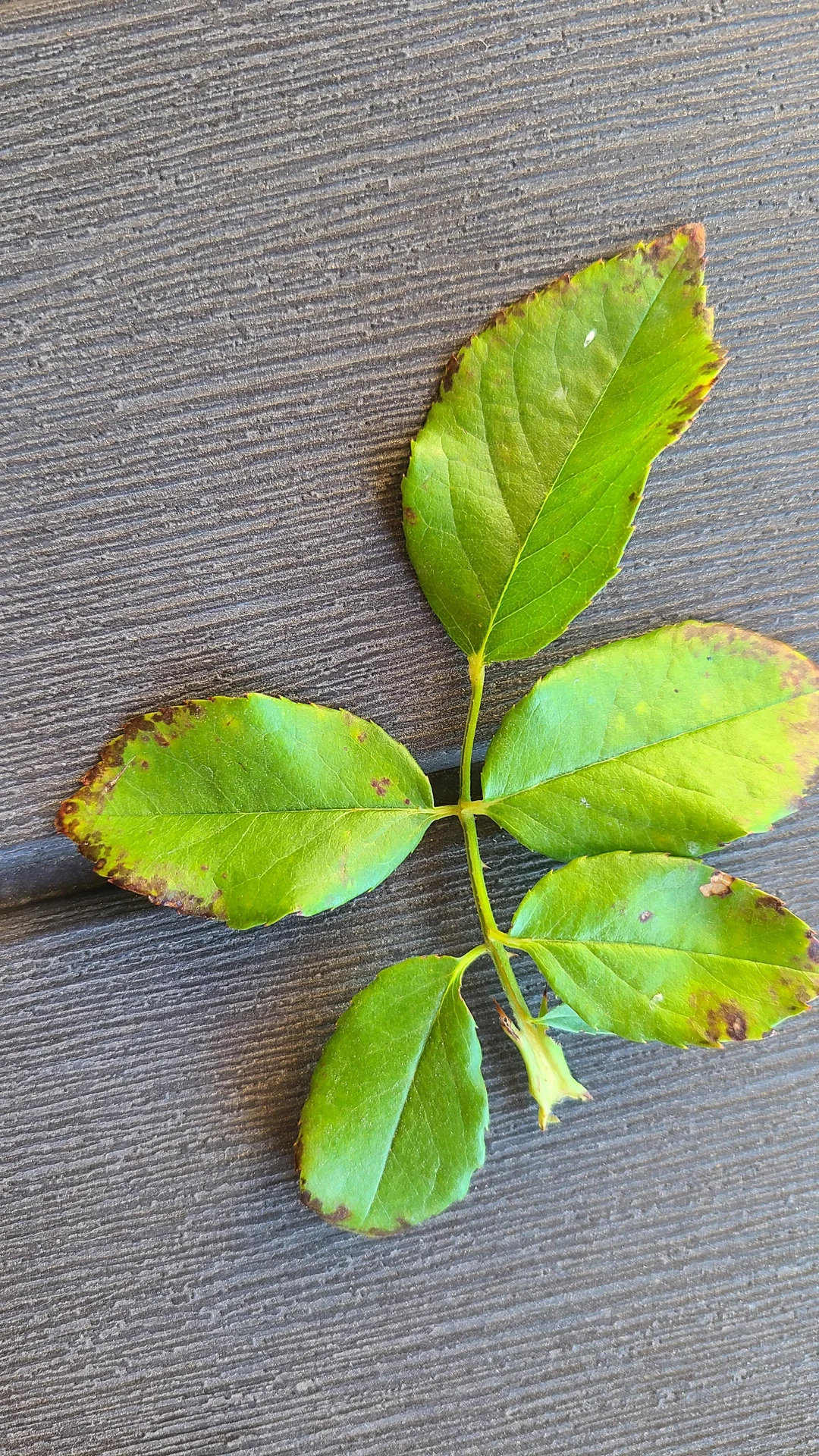
P Deficiency
Phosphorus (P) deficiency occurs when the rose is not supplied with enough phosphorus — one of the three macronutrients…
Physiological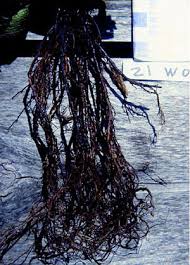
Root Rot
Root rot is caused by soilborne pathogens such as Phytophthora, Pythium, or Rhizoctonia. The fungi blacken and decay…
Fungal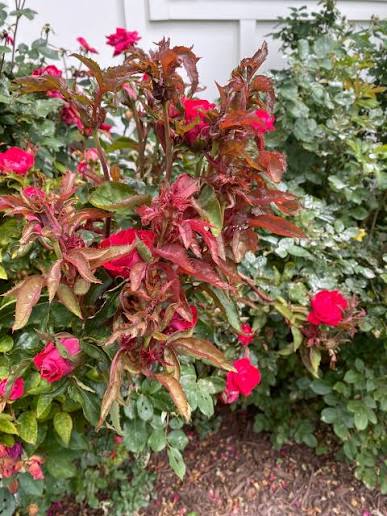
Rose Rosette Disease
Rose Rosette Disease (RRD) is one of the most destructive diseases of roses (Rosa spp.), especially across North…
Virus & Bacteria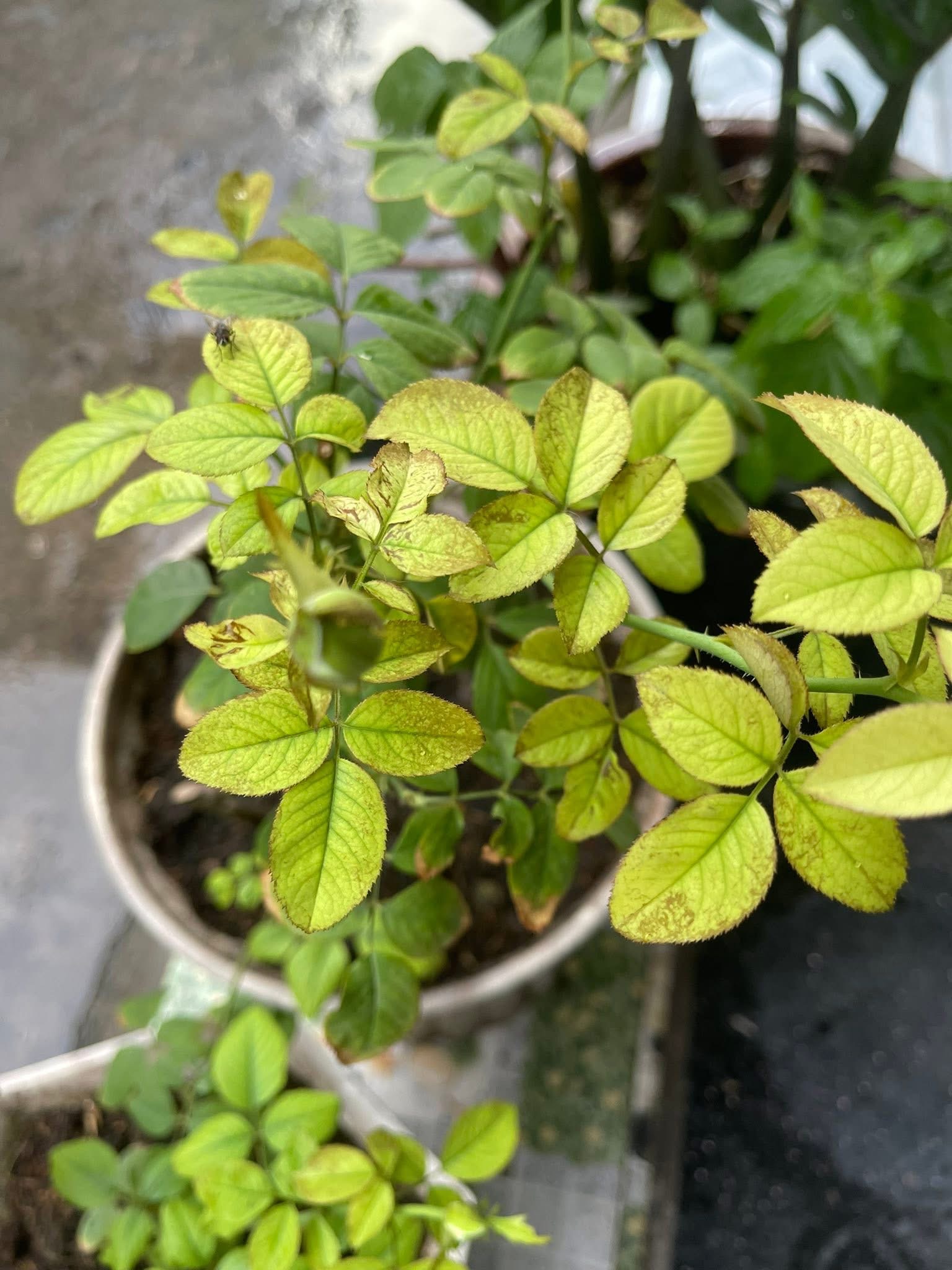
Soil pH Imbalance
Soil pH imbalance — either too acidic (pH < 5.5) or too alkaline (pH > 7.5) — locks up many nutrients into forms the…
Physiological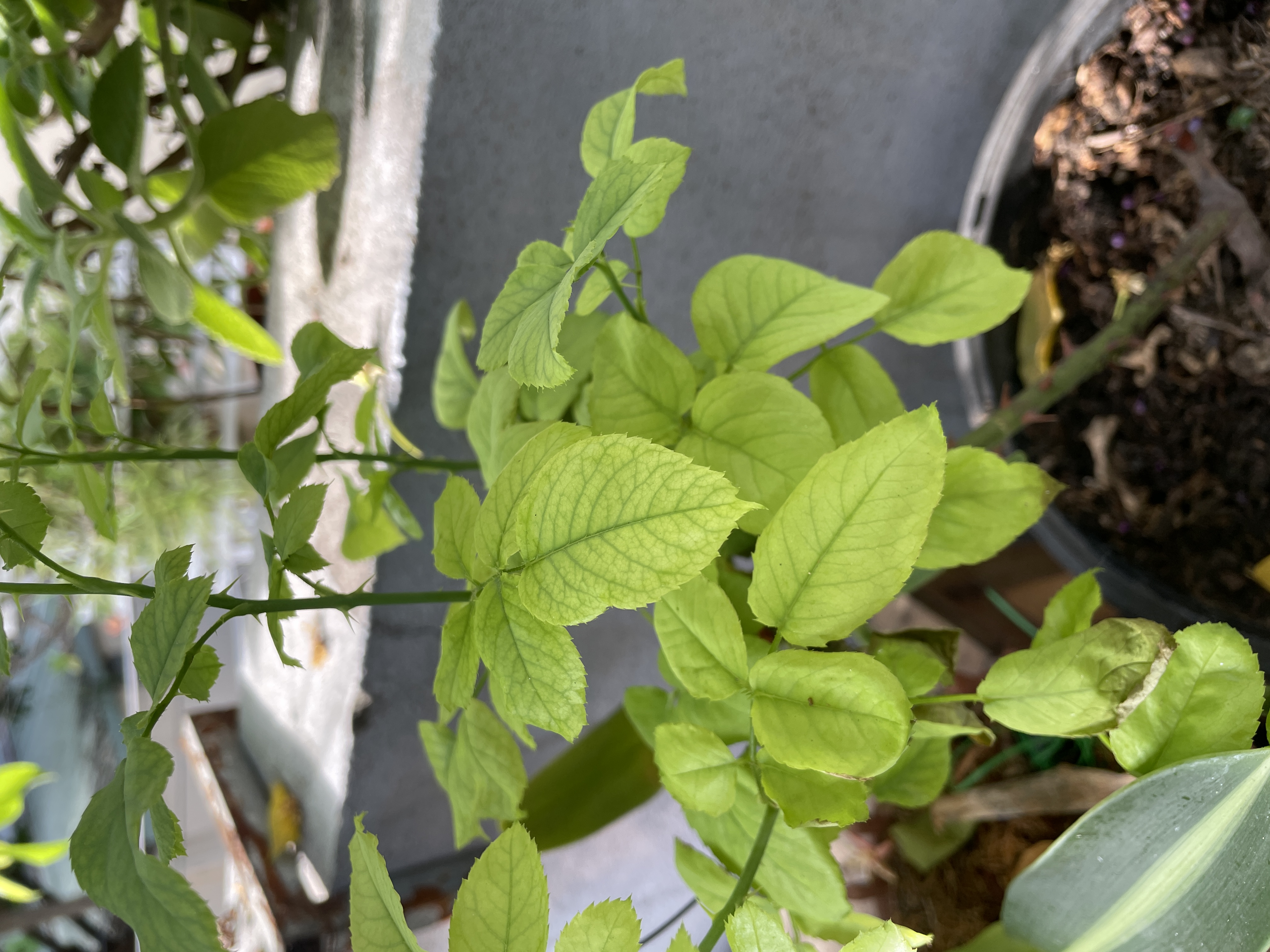
Sulfur Deficiency
Sulfur (S) is often called the fourth major nutrient for roses, after nitrogen, phosphorus and potassium. It is a…
Physiological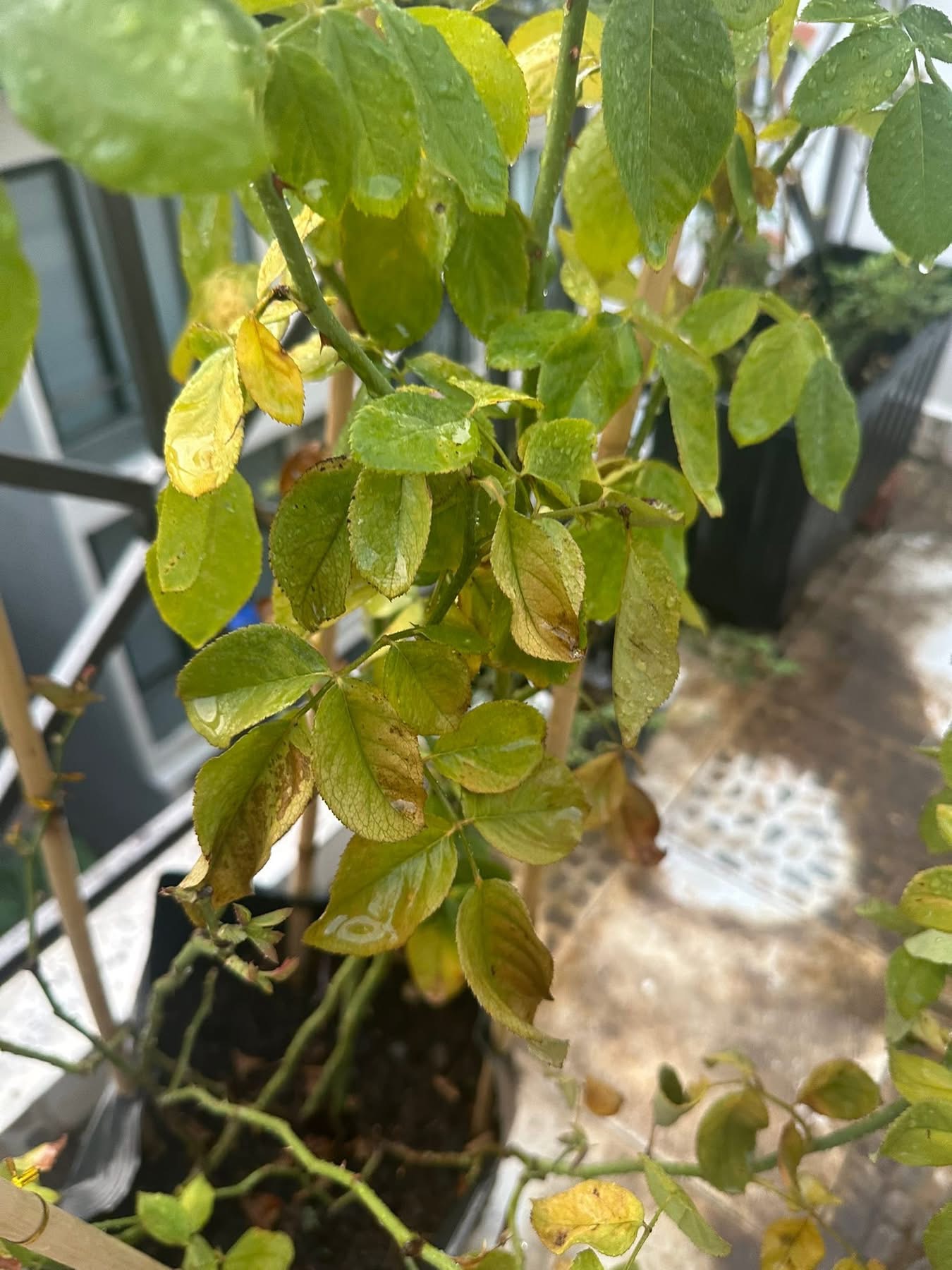
Waterlogging
Waterlogging occurs when the substrate stays saturated for an extended period, depriving the root zone of oxygen. The…
Physiological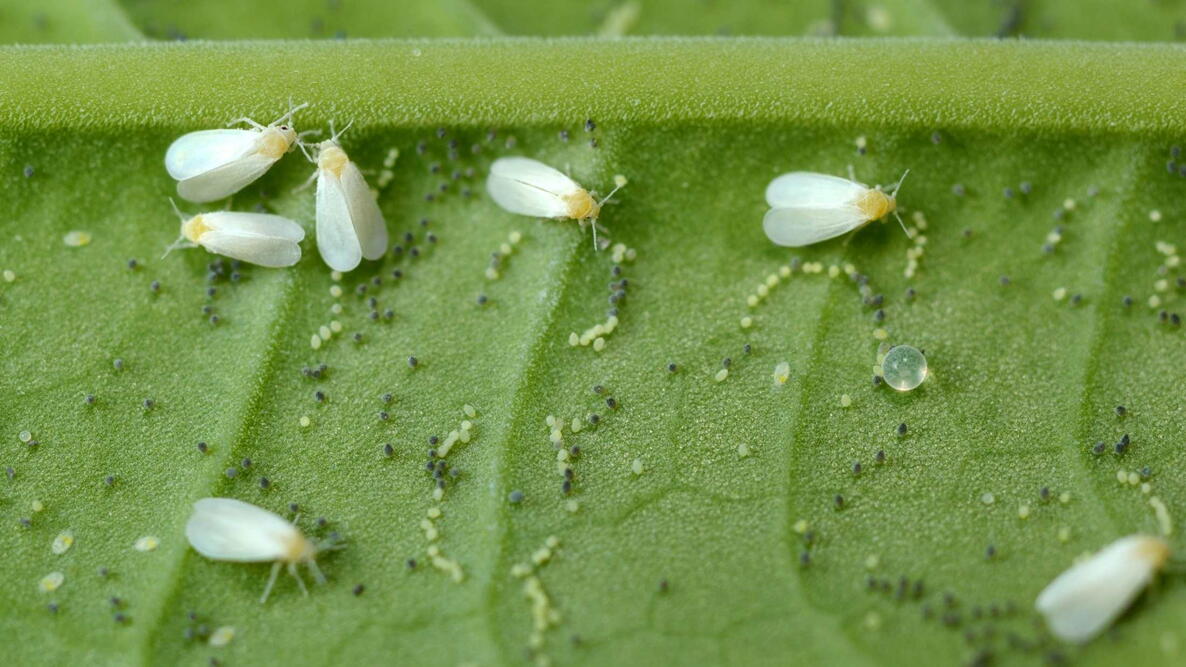
Whitefly
Whiteflies (family Aleyrodidae) are not true flies but close relatives of aphids and mealybugs. They are tiny insects,…
Insect