
Rose stem and cane diseases
Dark lesions, cracks, dieback or galls on canes usually mean a fungus or bacterium entered through pruning wounds.
Not sure what is wrong with your plant?Snap a leaf photo and let the AI diagnose it in minutes. Diagnose nowWhere is the problem?
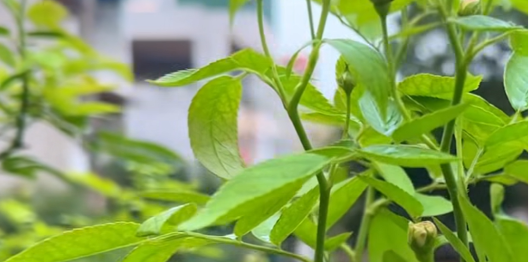
Ca Deficiency
Calcium (Ca) deficiency typically develops in acidic soils, leached substrates, or where irrigation is uneven, because…
Physiological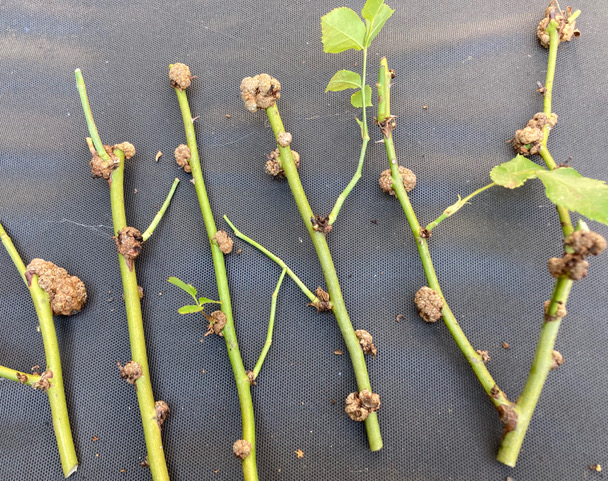
Crown Gall
Crown gall is a bacterial disease caused by Agrobacterium tumefaciens, which forms hard, swollen tumour-like galls at…
Virus & Bacteria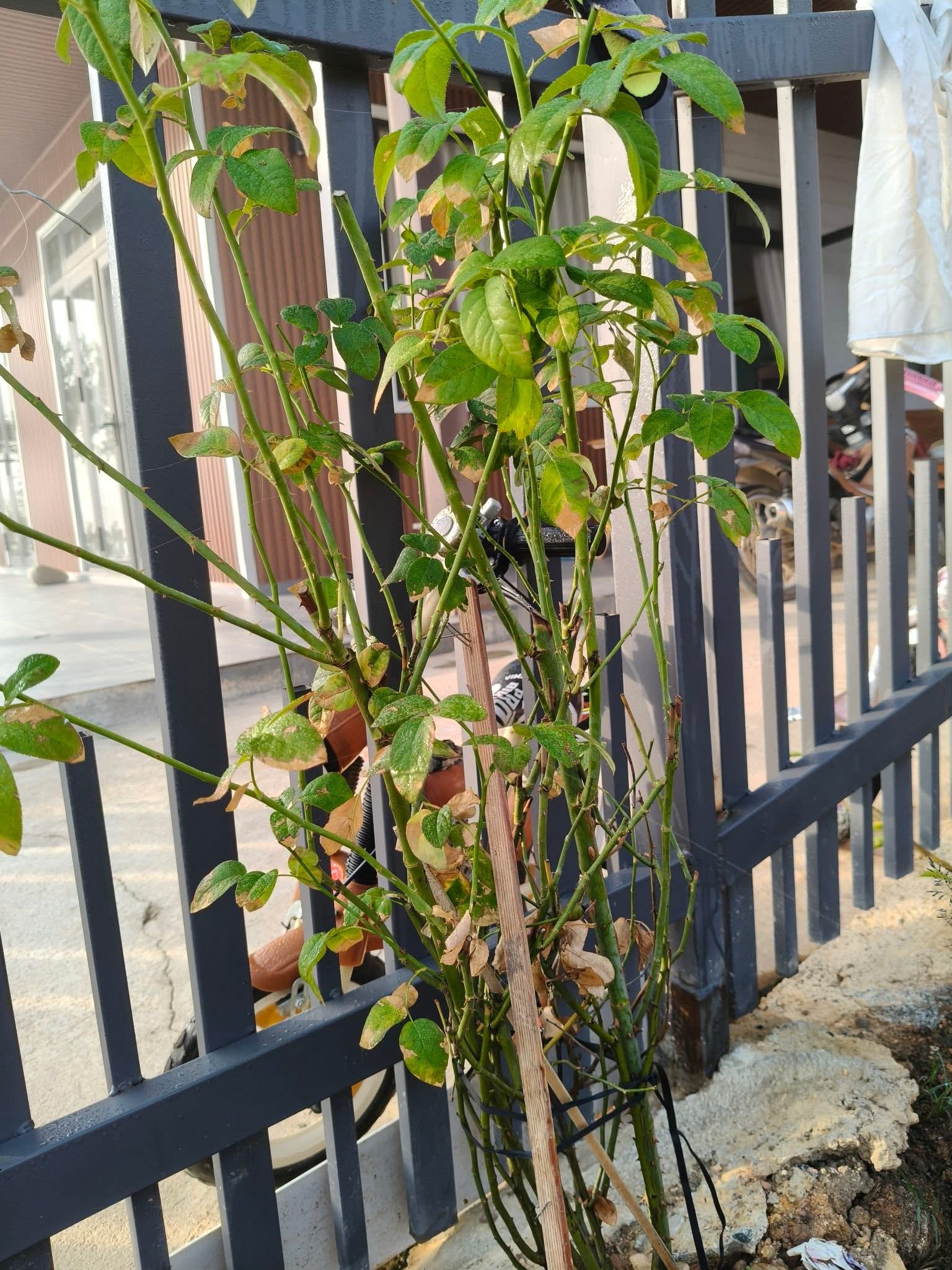
Light Deficiency
Light deficiency occurs when the rose does not receive enough light to photosynthesise efficiently. Roses need at least…
Physiological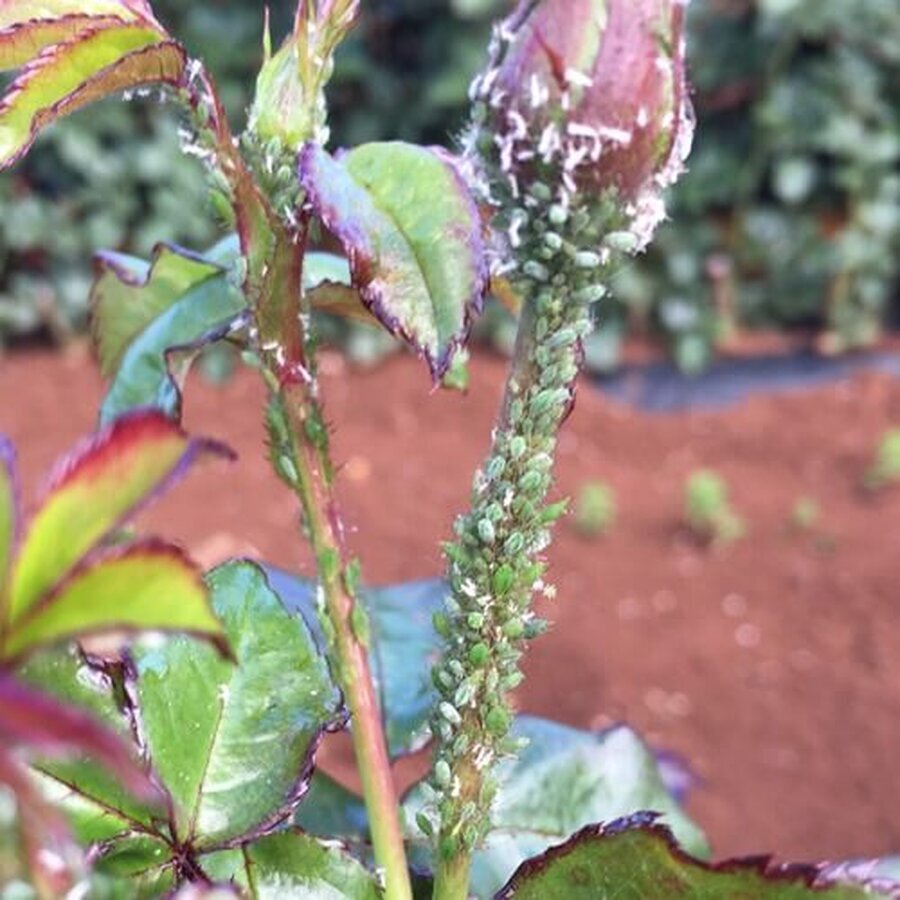
Mealybug
Two closely related piercing-sucking pests commonly attack roses: Mealybugs (Pseudococcidae): soft-bodied insects…
Insect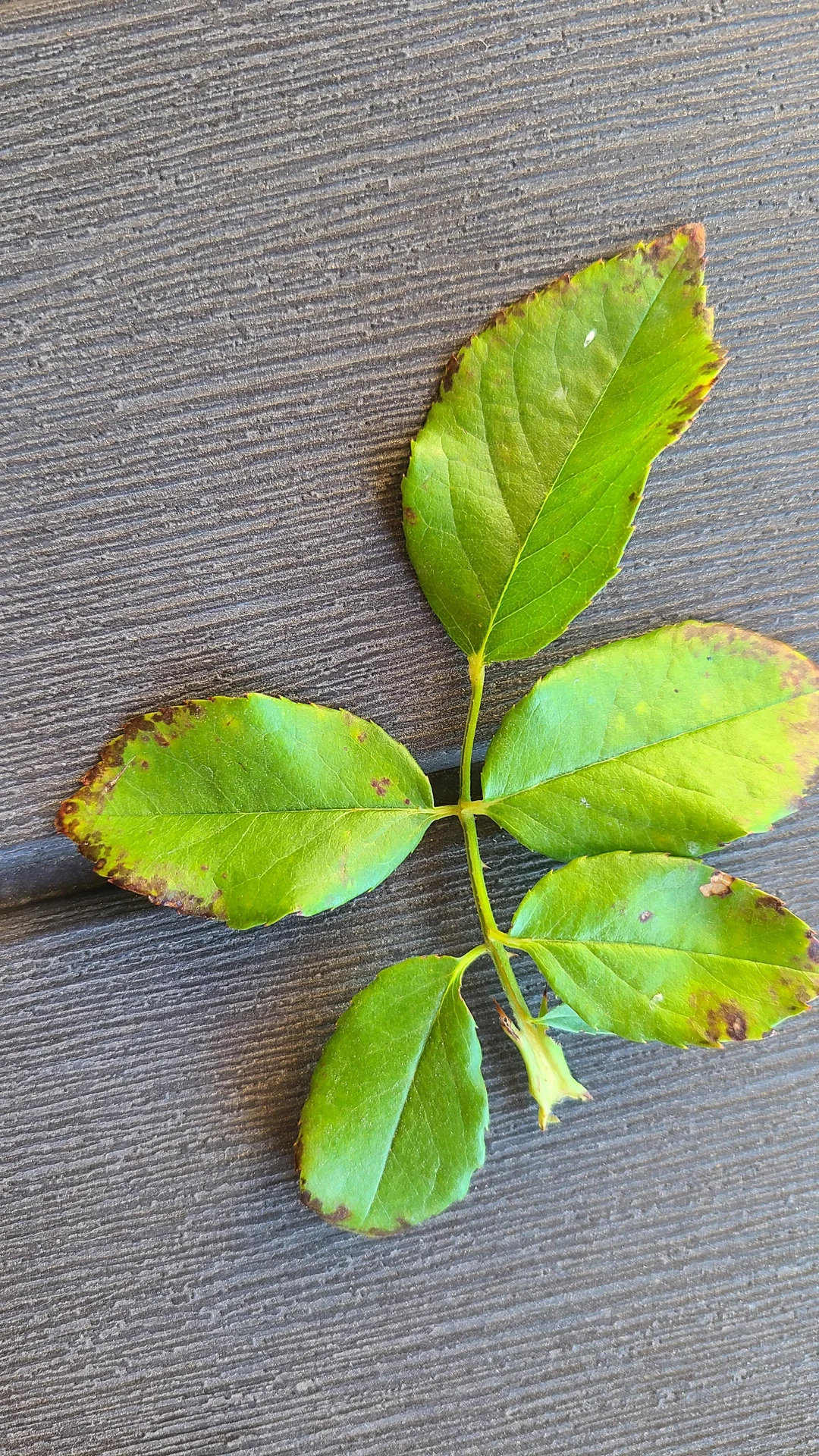
P Deficiency
Phosphorus (P) deficiency occurs when the rose is not supplied with enough phosphorus — one of the three macronutrients…
Physiological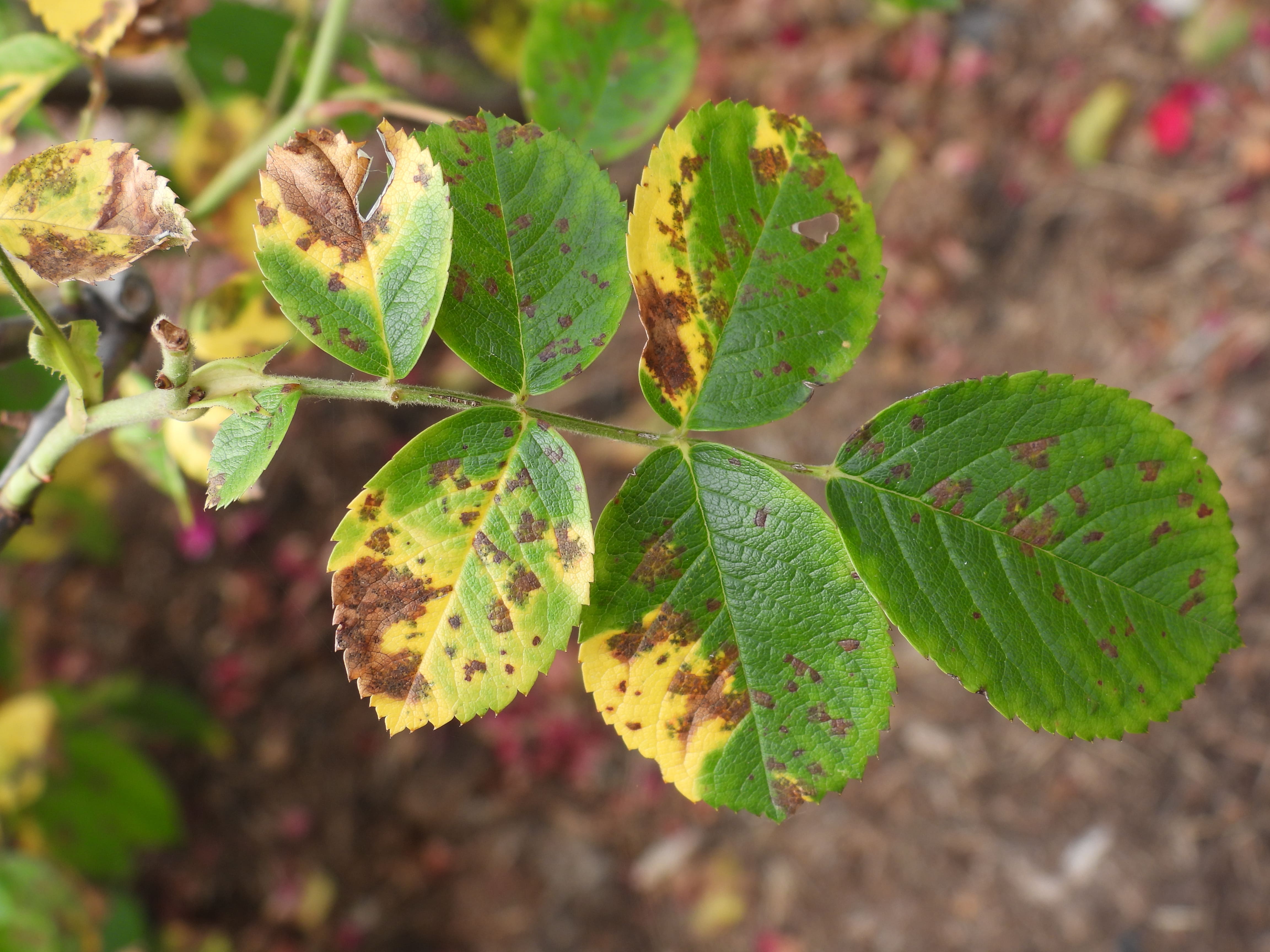
Pestalotiopsis Leaf Spot & Blight
Pestalotiopsis leaf spot and blight is caused by fungi of the family Pestalotiopsidaceae — chiefly Pestalotiopsis and…
Fungal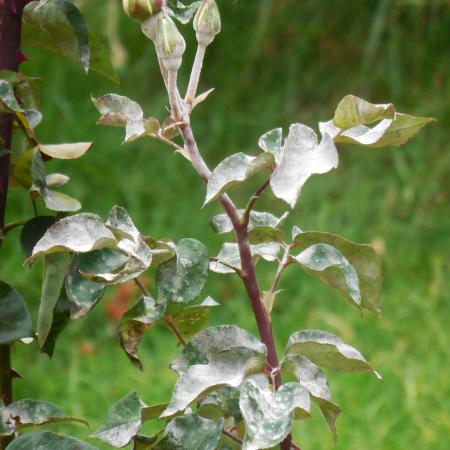
Powdery Mildew
Powdery mildew is caused by the fungus Sphaerotheca pannosa (also classified as Podosphaera pannosa). It is one of the…
Fungal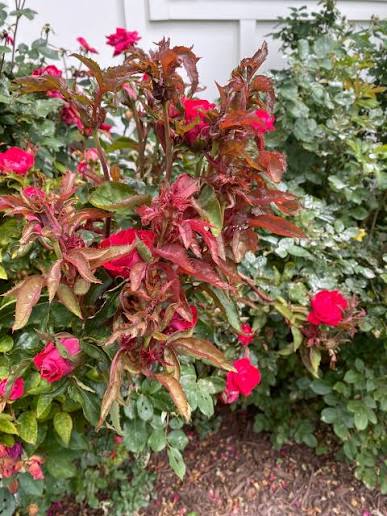
Rose Rosette Disease
Rose Rosette Disease (RRD) is one of the most destructive diseases of roses (Rosa spp.), especially across North…
Virus & Bacteria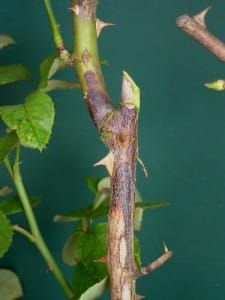
Stem Canker
Stem canker is caused by a complex of fungal pathogens including Botryosphaeria, Leptosphaeria, and Coniothyrium…
Fungal