
Stem Canker
FungalDescription
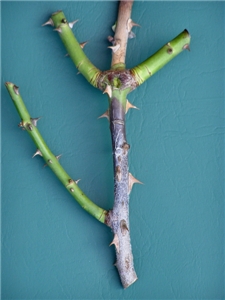
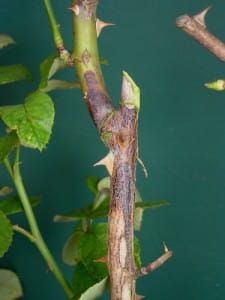
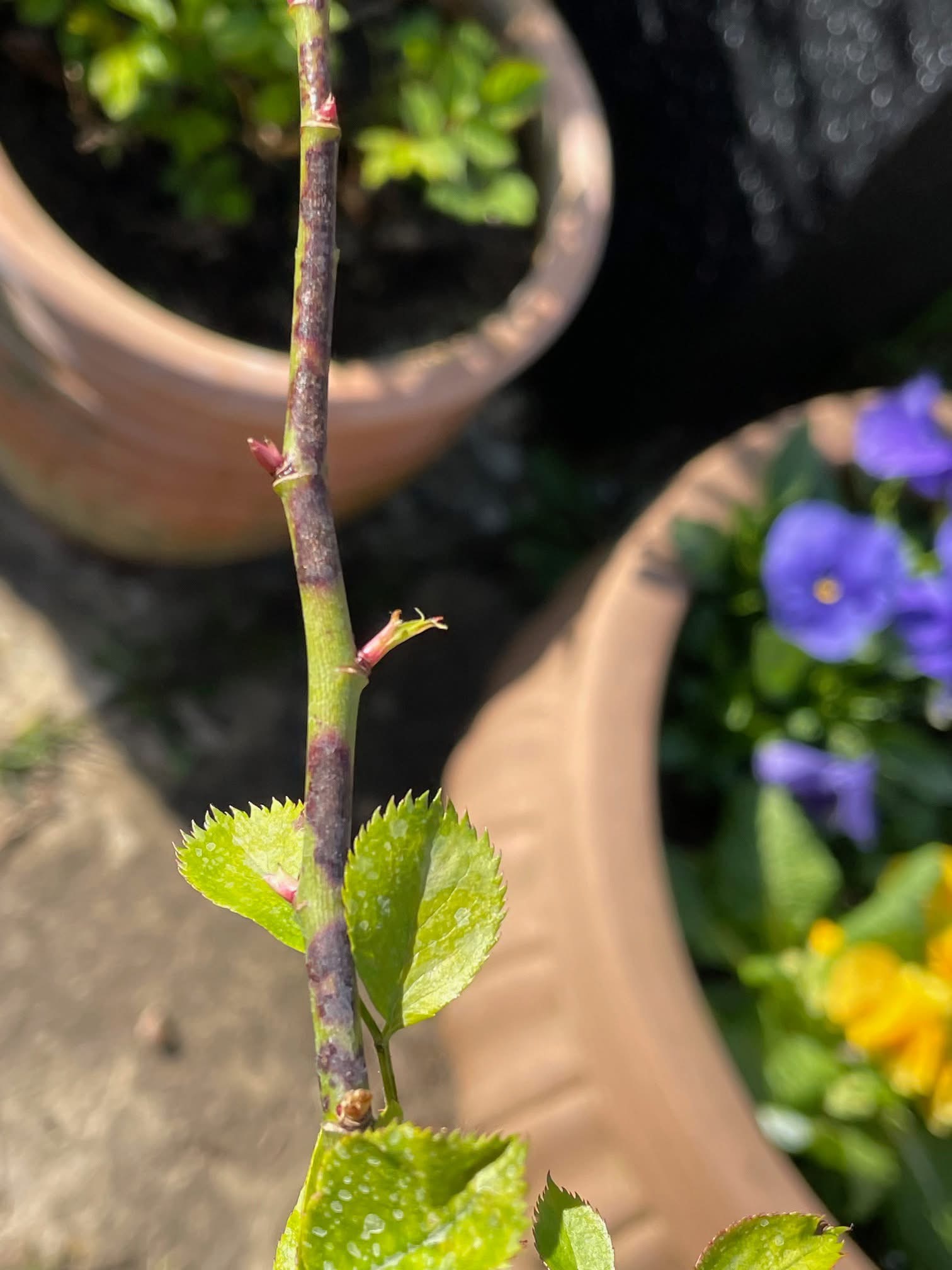
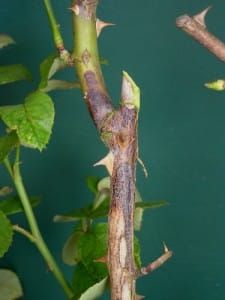
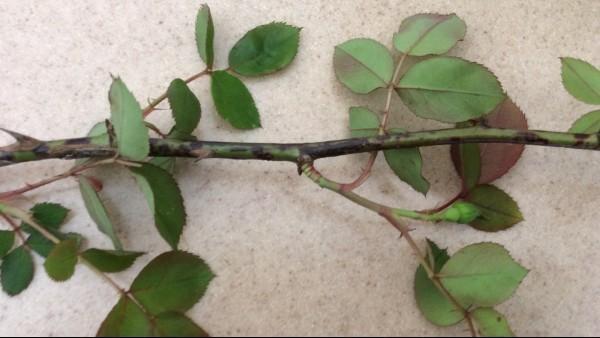
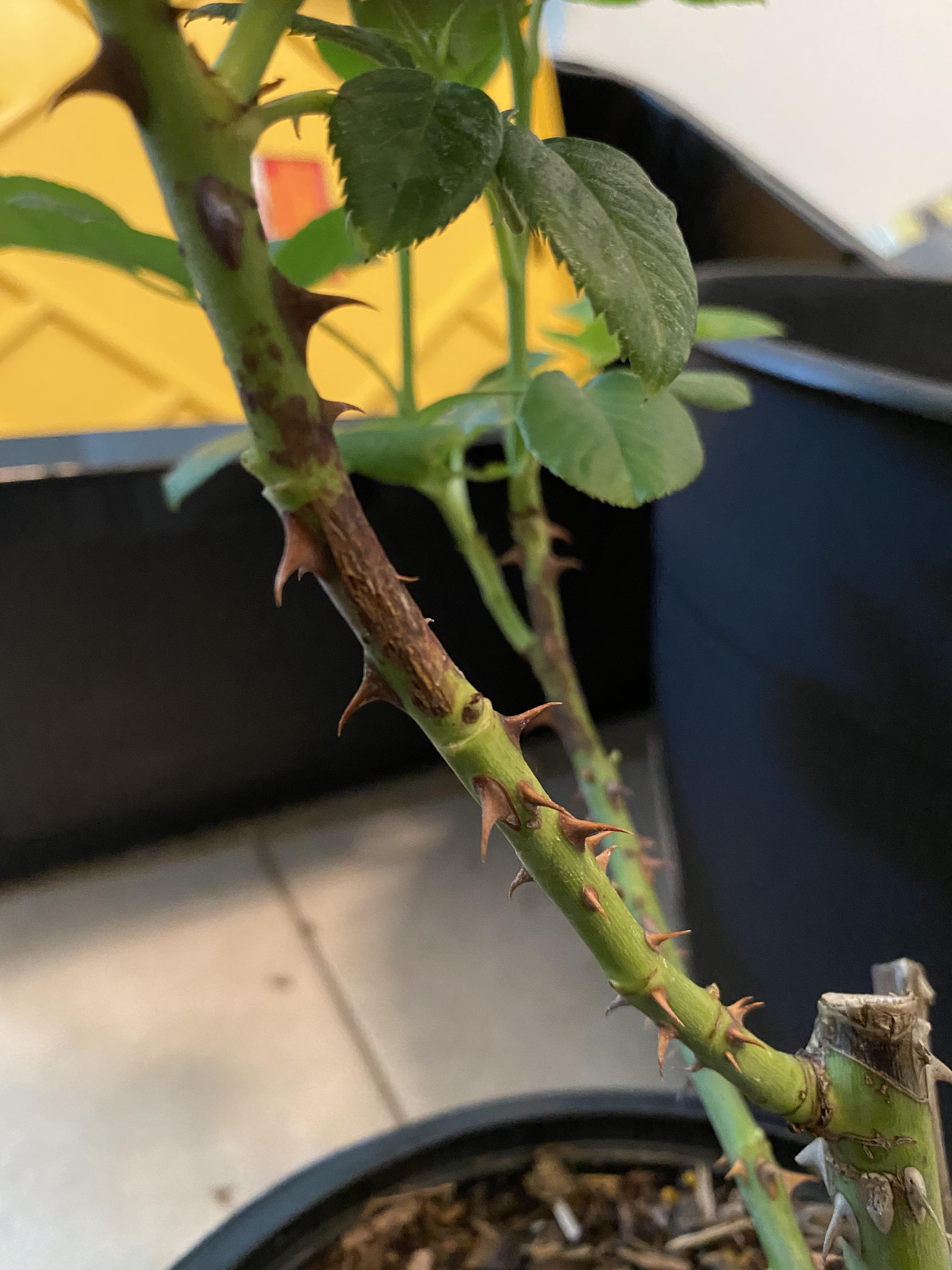
Stem canker is caused by a complex of fungal pathogens including Botryosphaeria, Leptosphaeria, and Coniothyrium species. The disease produces dark brown to black, sunken lesions on the canes that expand progressively and ultimately kill the affected wood. It is most common during the rainy season under high humidity.
Symptoms
- Elongated dark lesions running along the cane, sunken into the bark.
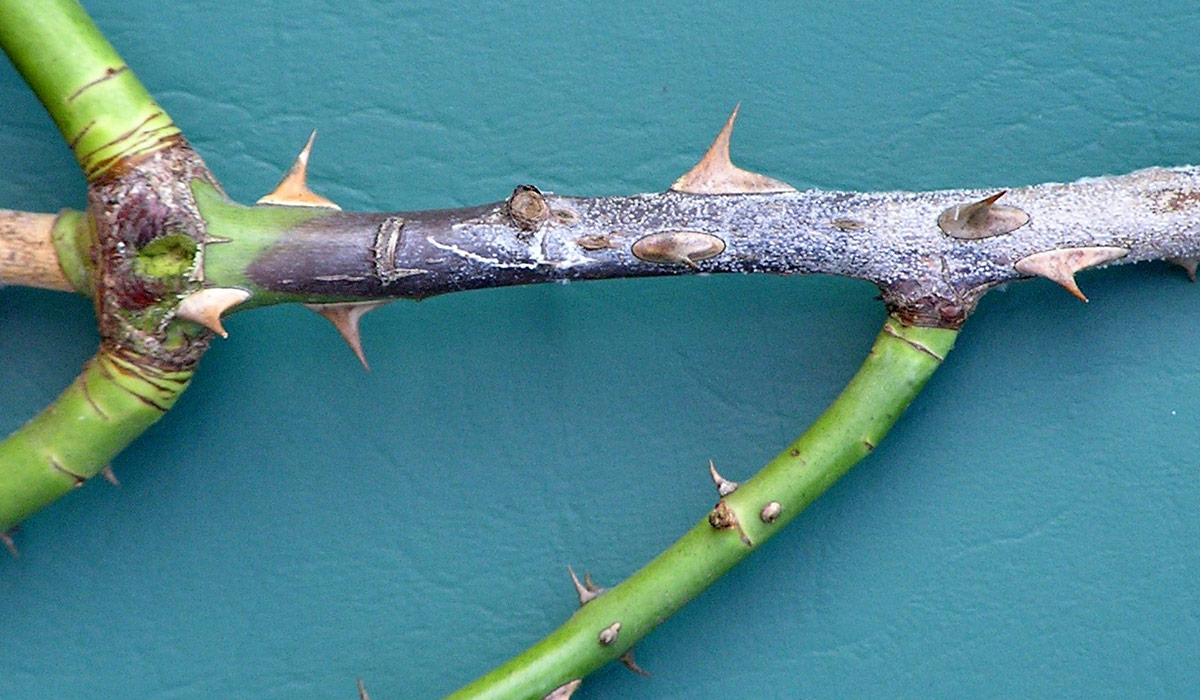
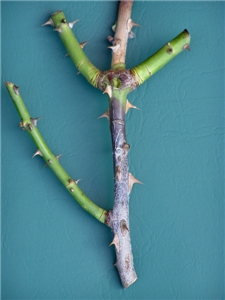
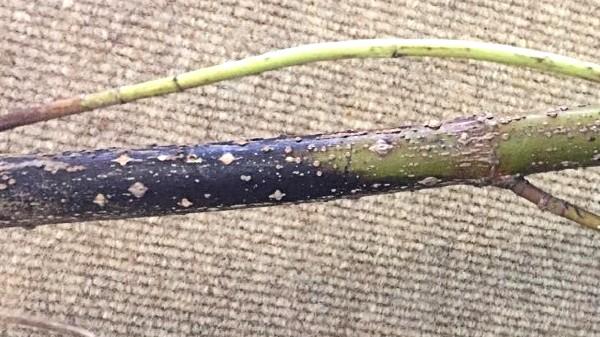
- Bark splitting and drying out over the lesion.
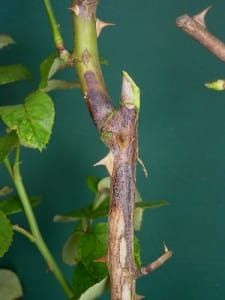
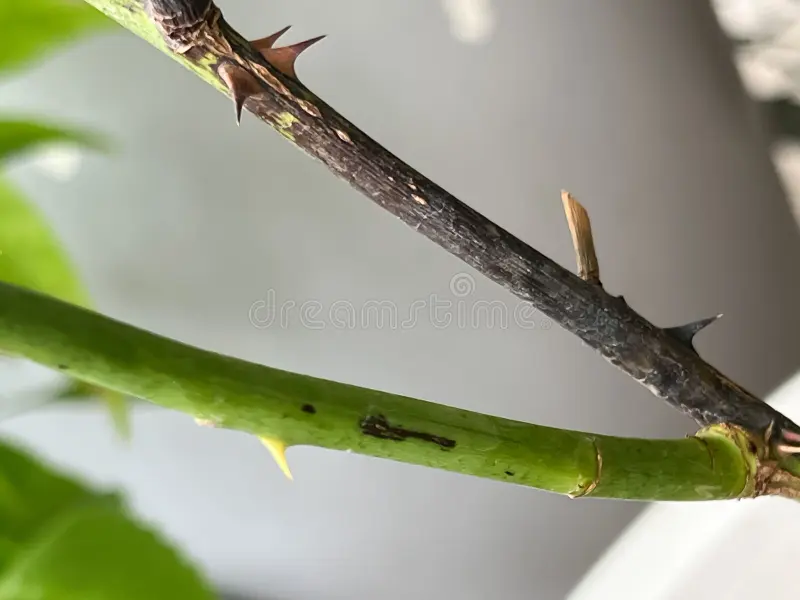
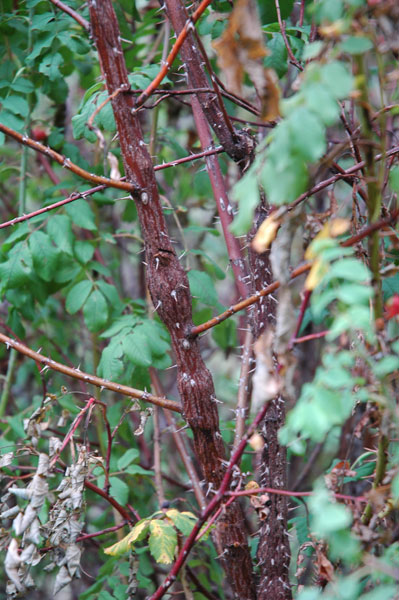
- Dieback of the cane above the canker.
- Young shoots and side branches blacken as the disease advances downwards from the main stem.
Treatment plan
- Cut affected canes at least 5–10 cm below the canker (ideally 10–15 cm of healthy wood) to fully remove infected tissue.
- Disinfect pruning tools between every cut with 70% alcohol to prevent transferring the pathogen to healthy wood.
- Apply a copper- or Mancozeb-based fungicide on the cut site and remaining cane tissue; Thiophanate-methyl is an equally effective alternative.
- Seal large cuts with pruning paste to block fungal spore ingress.
- Improve air circulation throughout the rose bush by selective pruning; never wet the canes when watering.
- [After 21 days] Inspect canes for new cankers; if fresh lesions appear, prune and treat again.
Prevention
- Avoid mechanical damage to the canes.
- Prune to maintain an open canopy.
- Disinfect tools before use.
- Water in the early morning or late afternoon so the plant dries before nightfall. Apply water at the base — never onto leaves or canes — to avoid prolonged wetness. Water only as much as needed, never to the point of waterlogging.