
Rose flower and bud diseases
Rotting buds, brown-spotted petals, deformed blooms or early bud drop can come from fungi, insects or the weather.
Not sure what is wrong with your plant?Snap a leaf photo and let the AI diagnose it in minutes. Diagnose nowWhere is the problem?
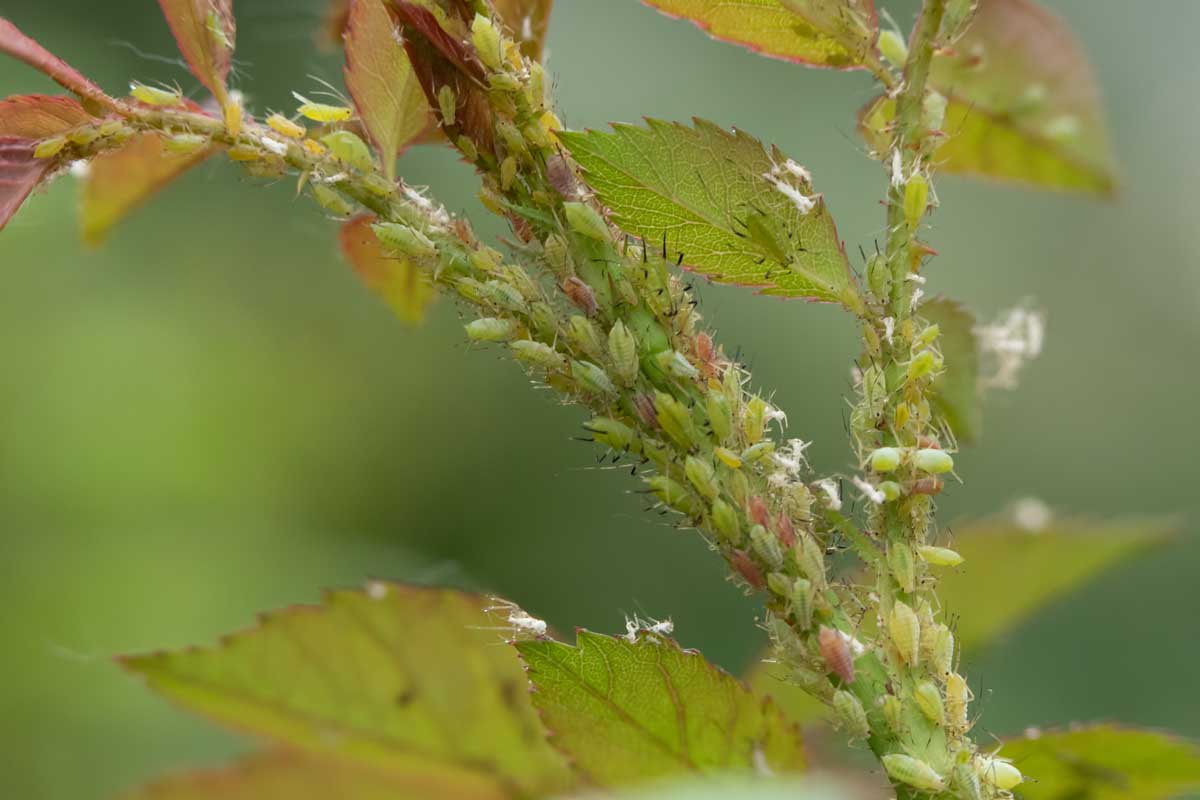
Aphids
Aphids (family Aphididae — the common pest species on roses is Aphis gossypii) are soft-bodied insects, approximately…
Insect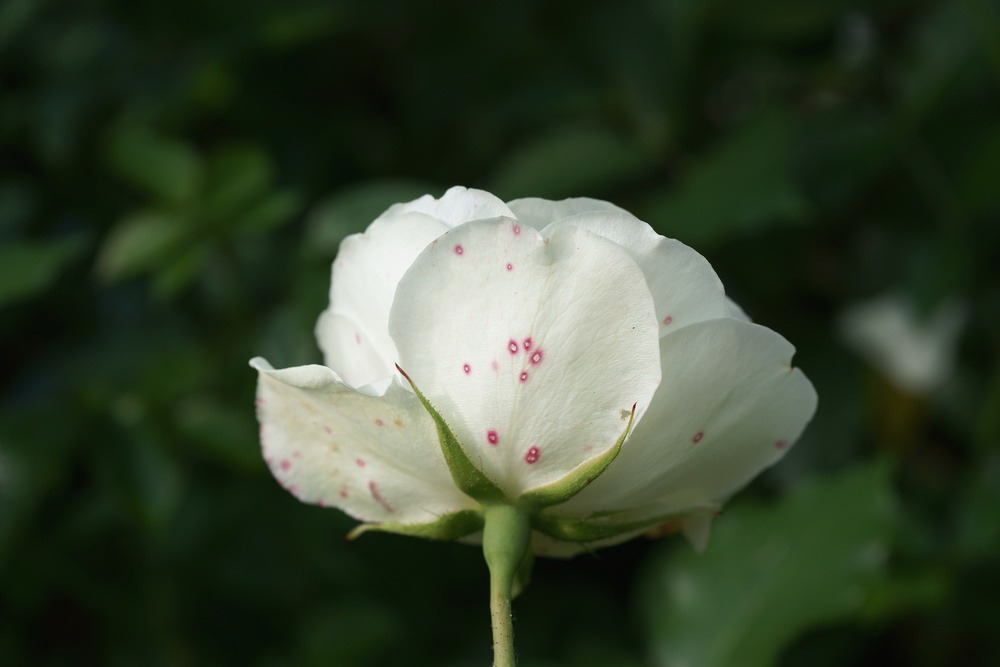
Botrytis Blight
Botrytis blight (grey mould) is caused by the fungus Botrytis cinerea. It attacks flowers, buds, and young shoots most…
Fungal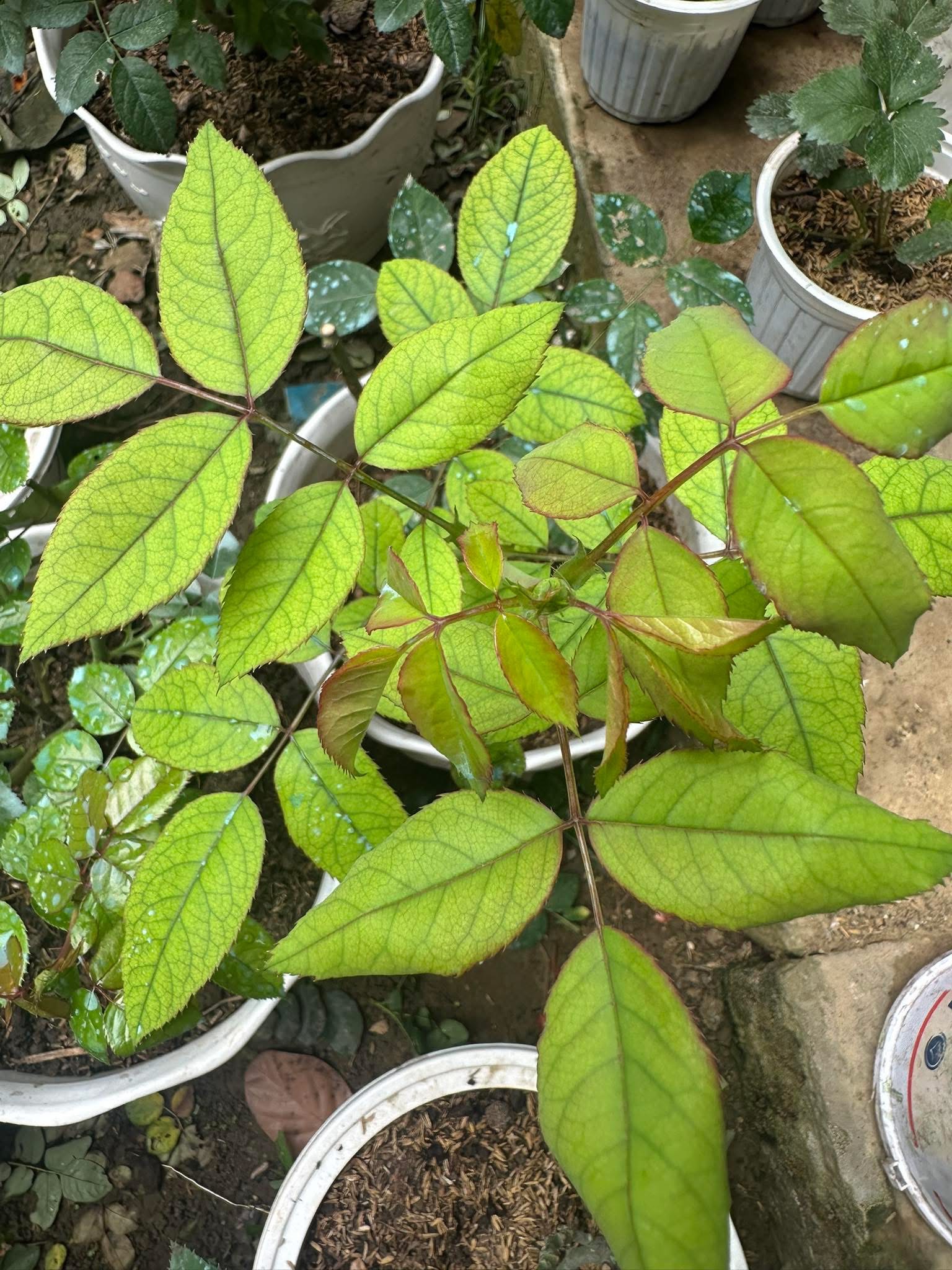
Fe Deficiency
Iron (Fe) deficiency is usually caused by alkaline soil (pH > 7), which precipitates iron into forms the roots cannot…
Physiological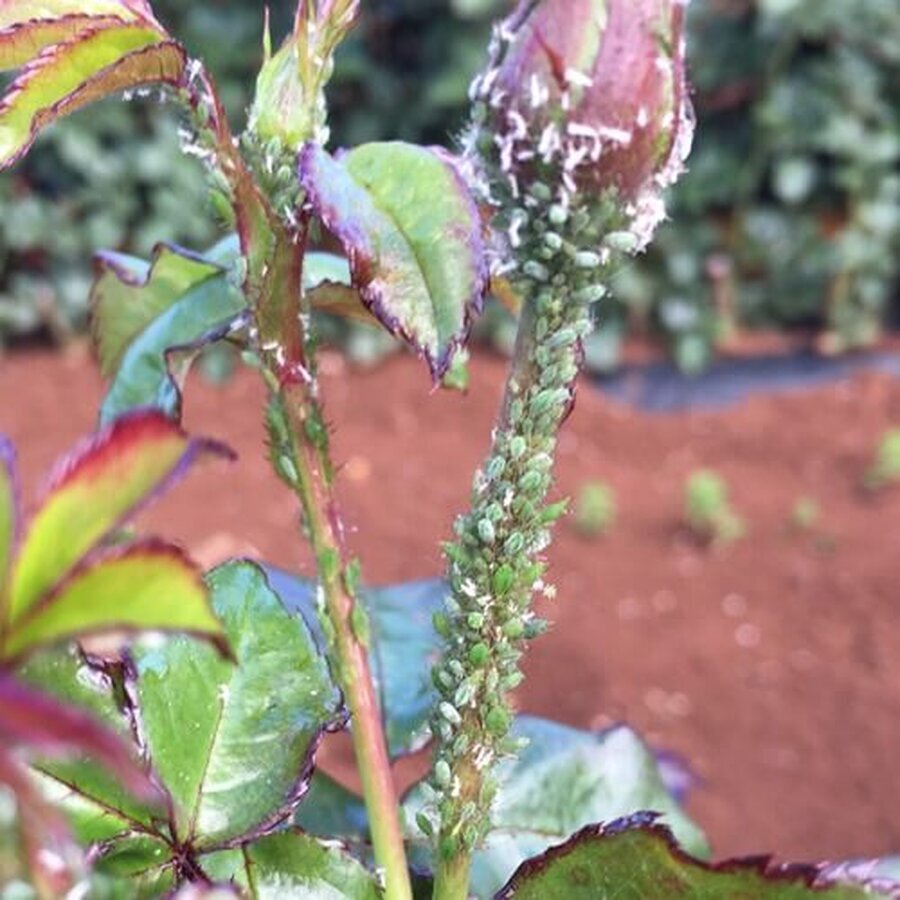
Mealybug
Two closely related piercing-sucking pests commonly attack roses: Mealybugs (Pseudococcidae): soft-bodied insects…
Insect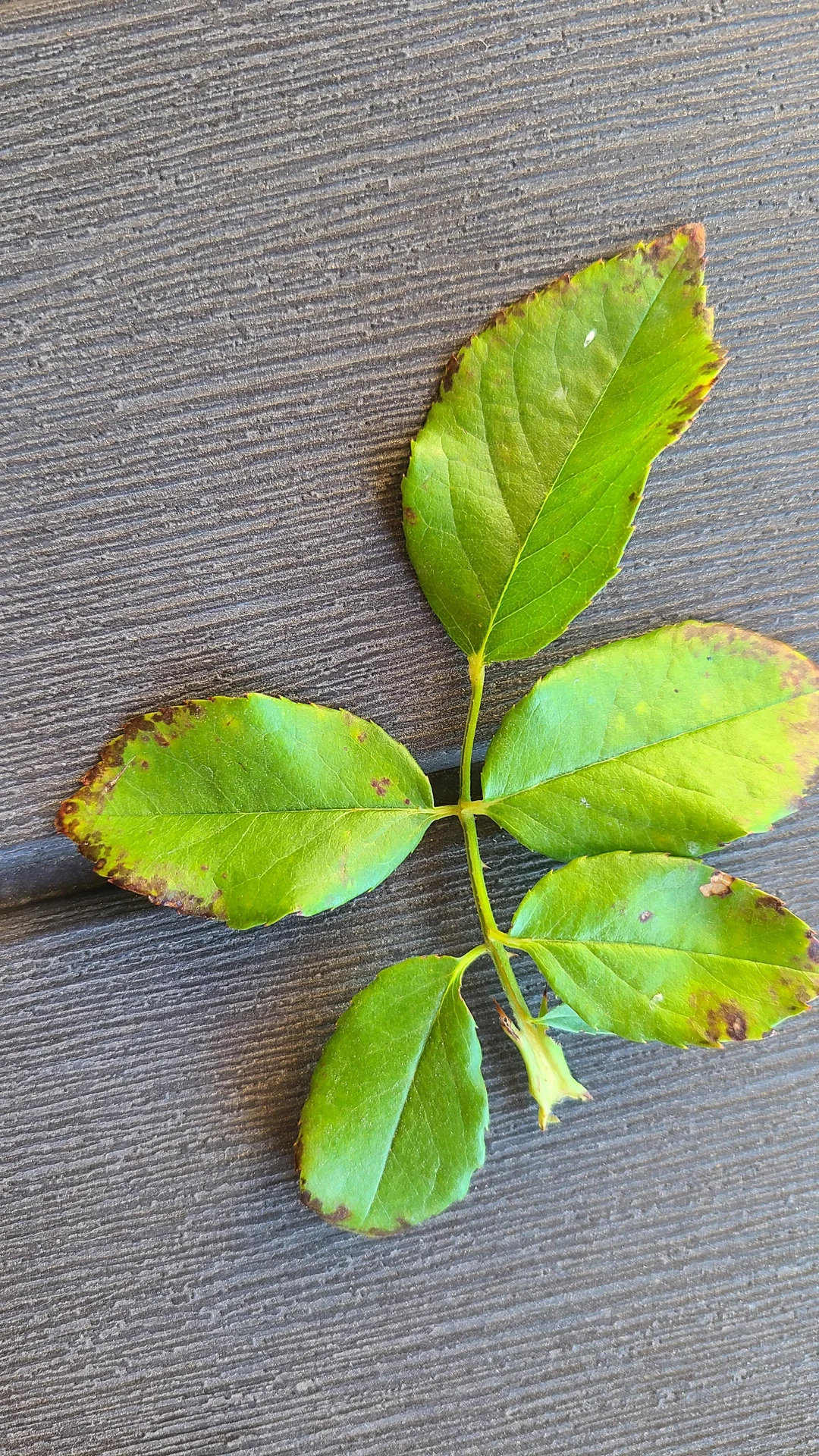
P Deficiency
Phosphorus (P) deficiency occurs when the rose is not supplied with enough phosphorus — one of the three macronutrients…
Physiological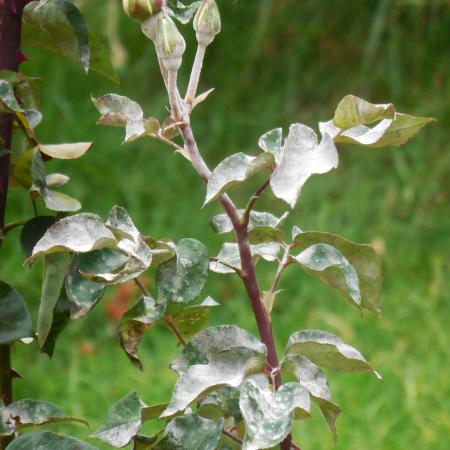
Powdery Mildew
Powdery mildew is caused by the fungus Sphaerotheca pannosa (also classified as Podosphaera pannosa). It is one of the…
Fungal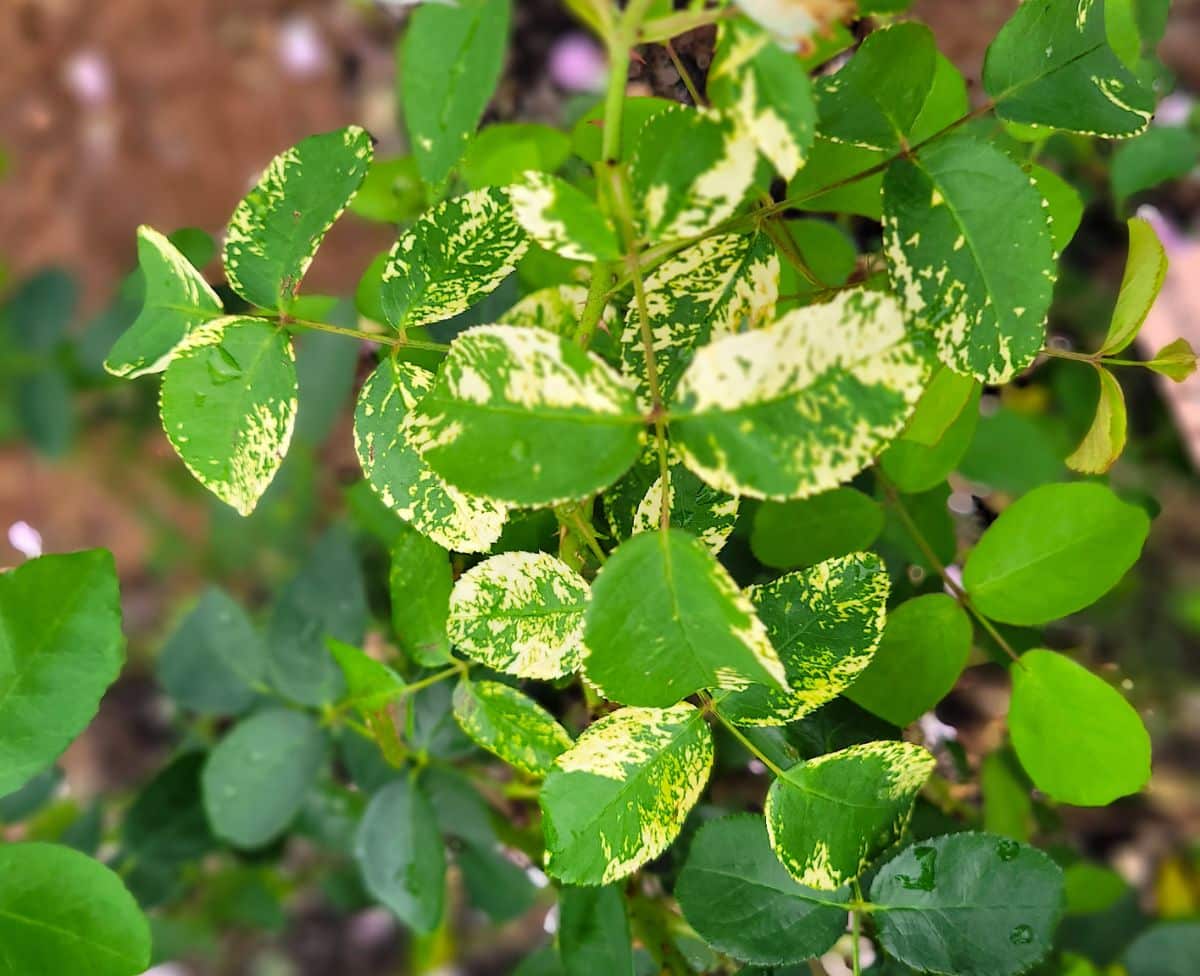
Rose Mosaic Virus
Rose mosaic is caused by a complex of plant viruses, most often Prunus necrotic ringspot virus (PNRSV) and Apple mosaic…
Virus & Bacteria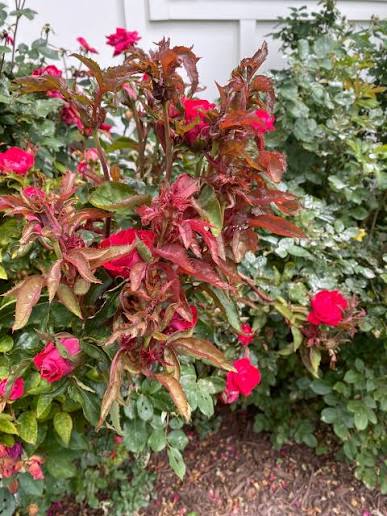
Rose Rosette Disease
Rose Rosette Disease (RRD) is one of the most destructive diseases of roses (Rosa spp.), especially across North…
Virus & Bacteria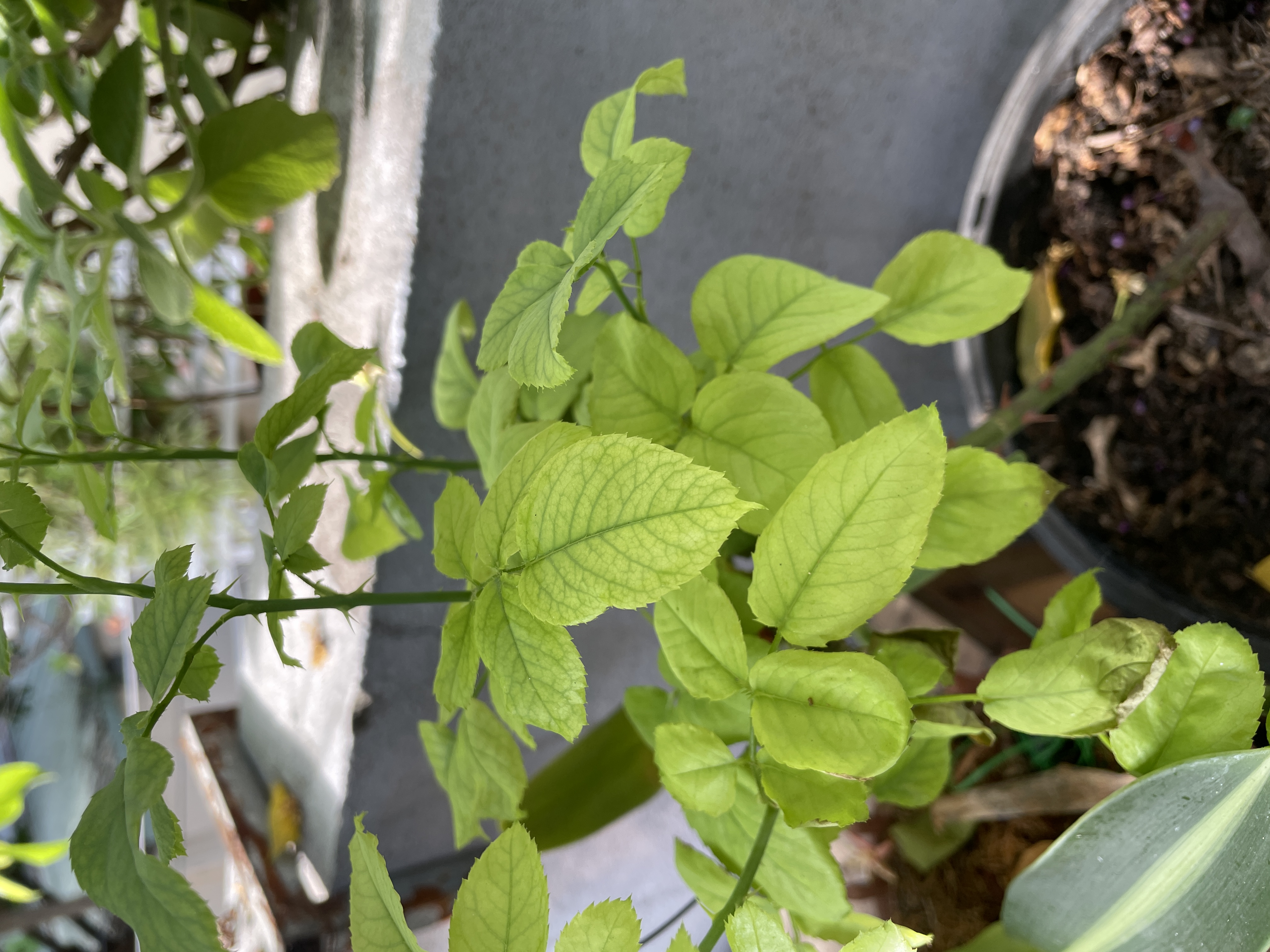
Sulfur Deficiency
Sulfur (S) is often called the fourth major nutrient for roses, after nitrogen, phosphorus and potassium. It is a…
Physiological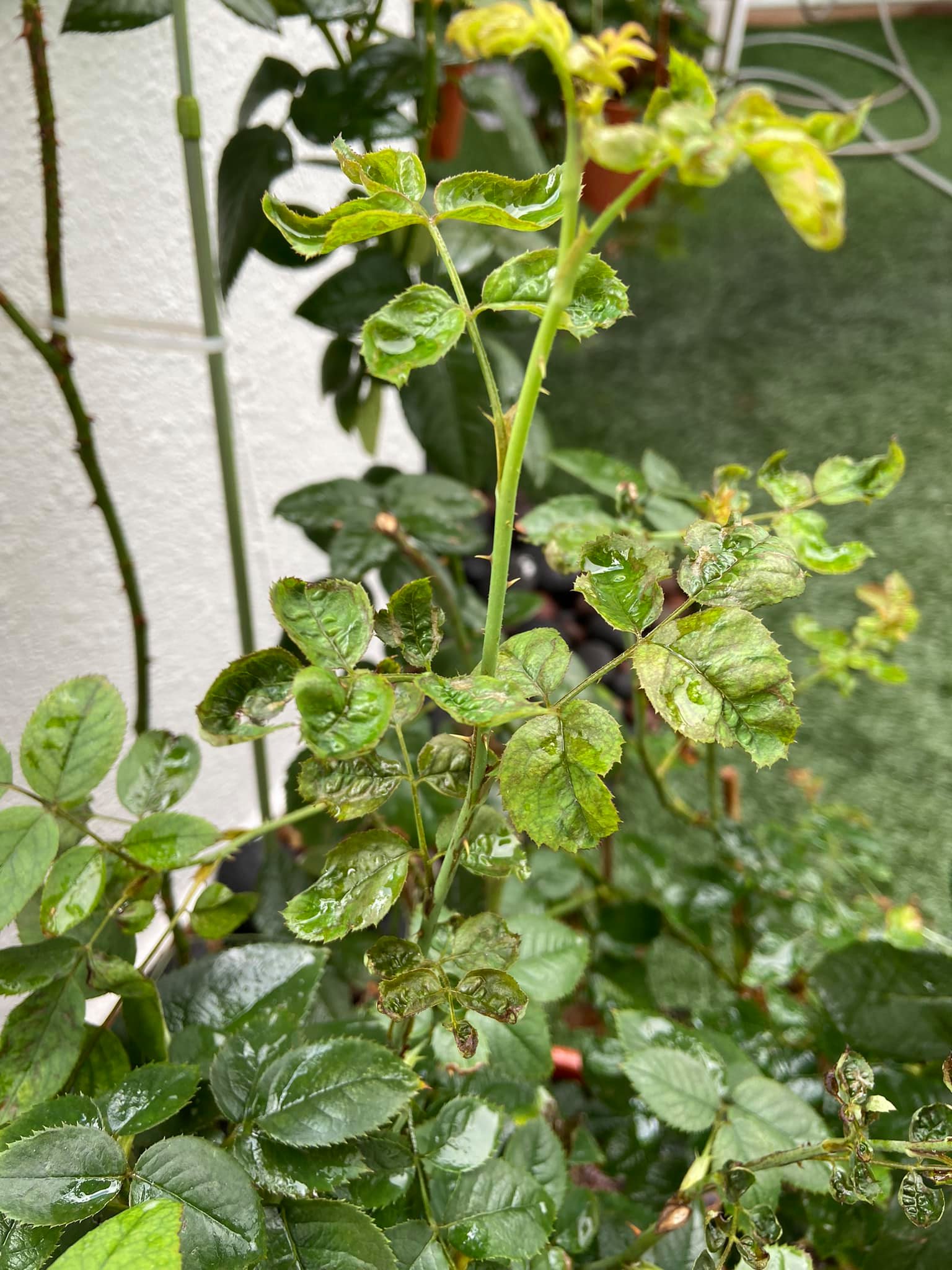
Thrips
Thrips are tiny (1–2 mm) piercing-sucking insects in the order Thysanoptera, most commonly Frankliniella occidentalis…
Insect