
Fungal diseases of roses
Fungi cause most rose diseases, especially in rainy seasons and humid, poorly ventilated gardens. Here are the common fungal diseases, how to recognise and treat them.
Not sure what is wrong with your plant?Snap a leaf photo and let the AI diagnose it in minutes. Diagnose nowWhere is the problem?
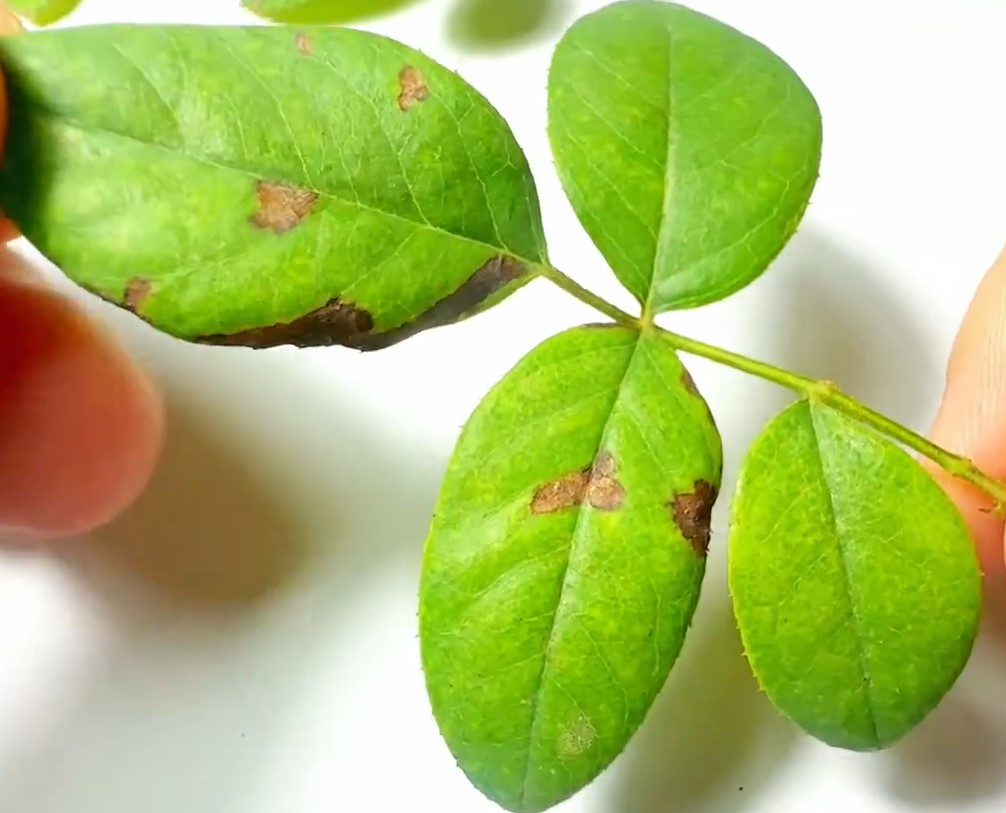
Anthracnose
This entry groups two fungal leaf-spot diseases with identical treatment and prevention: anthracnose (round to…
Fungal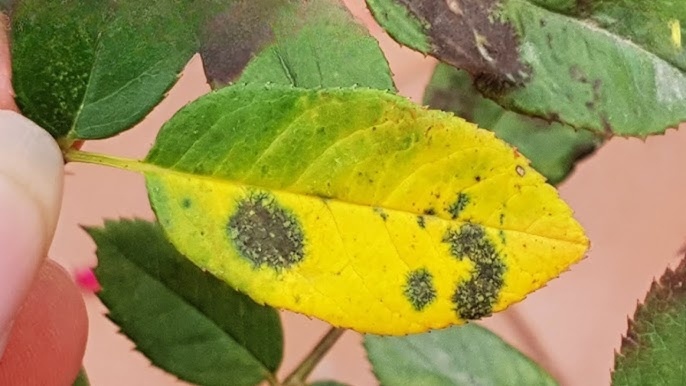
Black Spot
Black spot is caused by the fungus Diplocarpon rosae. It is one of the most prevalent diseases on roses, producing…
Fungal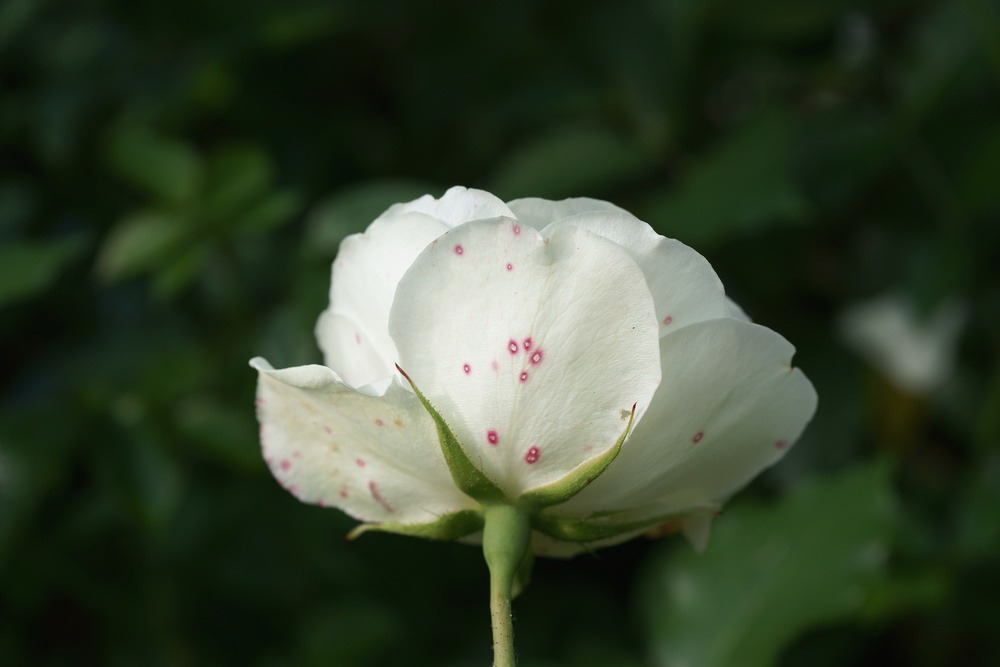
Botrytis Blight
Botrytis blight (grey mould) is caused by the fungus Botrytis cinerea. It attacks flowers, buds, and young shoots most…
Fungal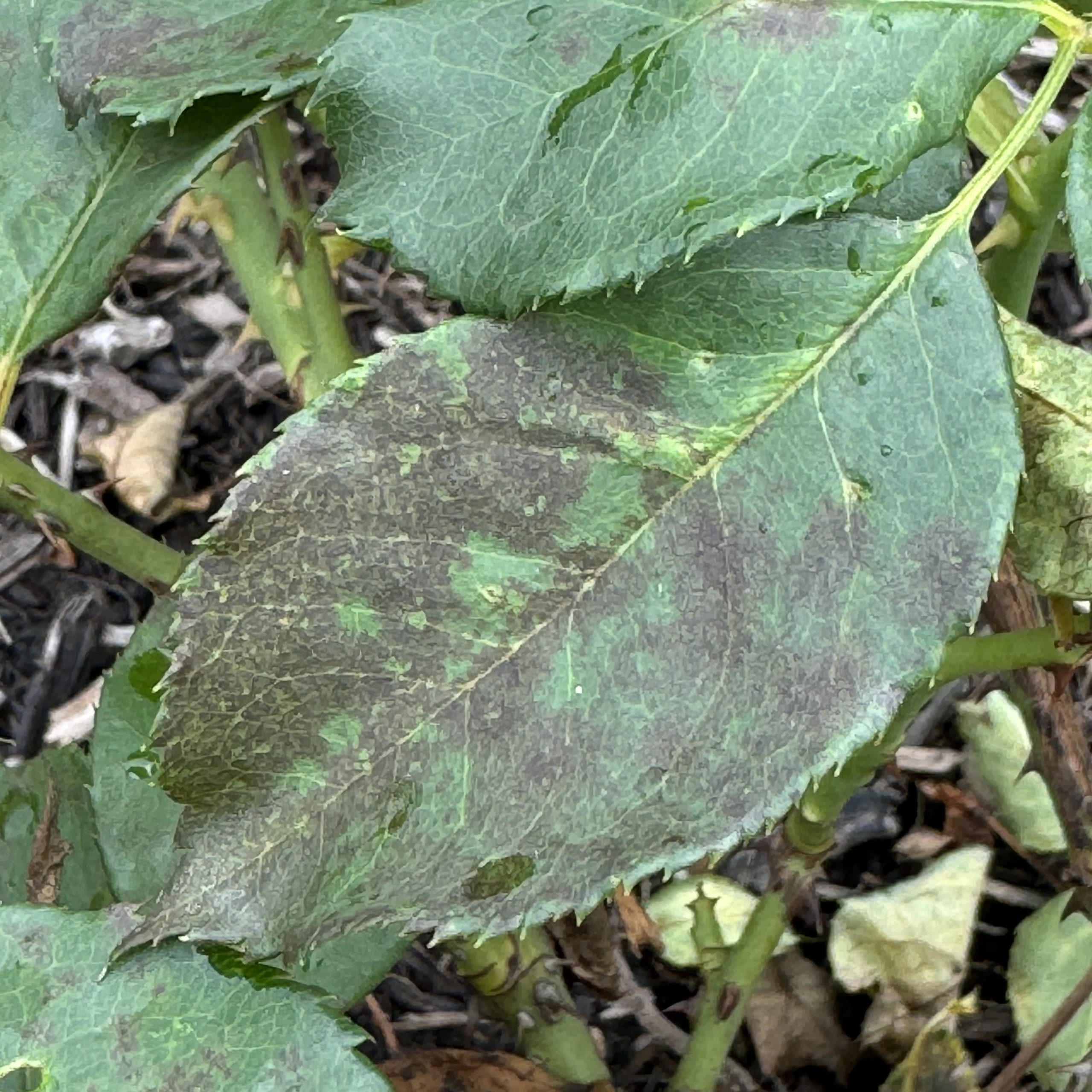
Downy Mildew
Downy mildew is caused by the oomycete Peronospora sparsa. Damp, cool, poorly ventilated conditions allow the disease…
Fungal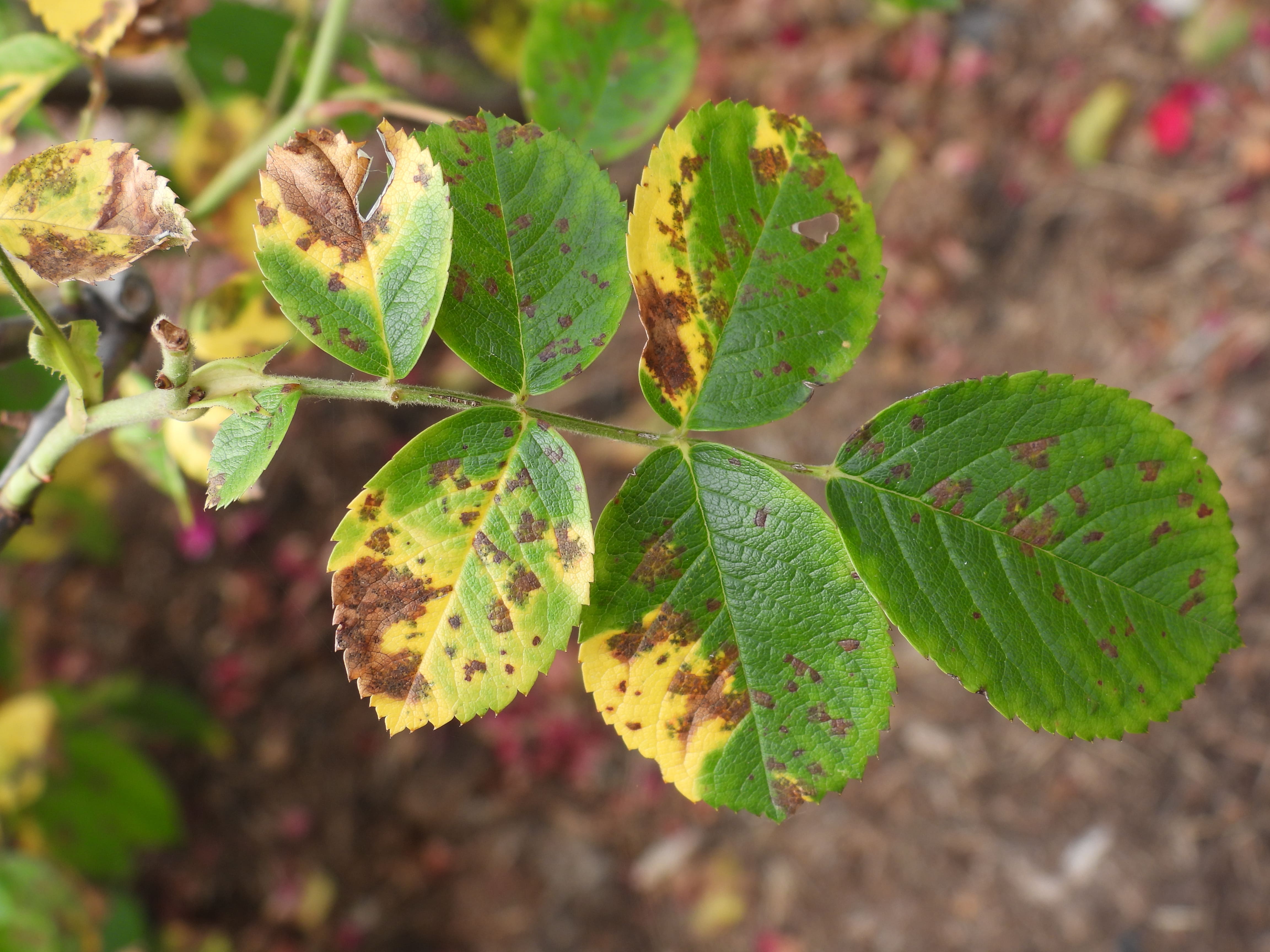
Pestalotiopsis Leaf Spot & Blight
Pestalotiopsis leaf spot and blight is caused by fungi of the family Pestalotiopsidaceae — chiefly Pestalotiopsis and…
Fungal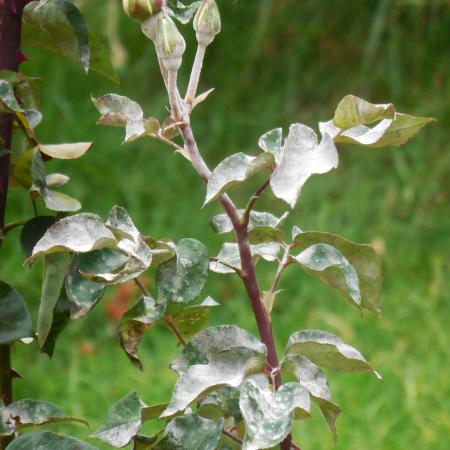
Powdery Mildew
Powdery mildew is caused by the fungus Sphaerotheca pannosa (also classified as Podosphaera pannosa). It is one of the…
Fungal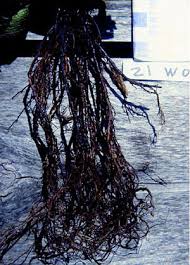
Root Rot
Root rot is caused by soilborne pathogens such as Phytophthora, Pythium, or Rhizoctonia. The fungi blacken and decay…
Fungal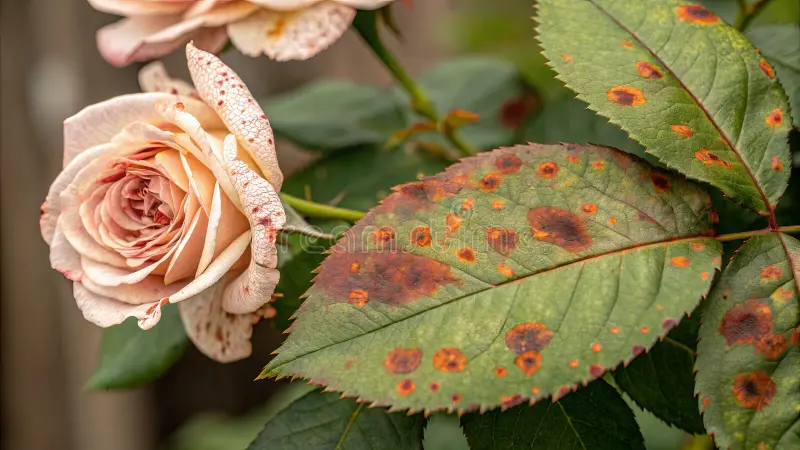
Rust
Rose rust is caused by Phragmidium spp. The disease is recognised by the orange or brown spore pustules that develop on…
Fungal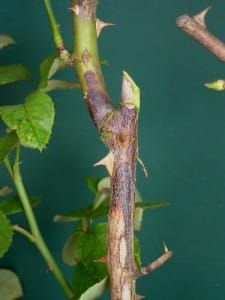
Stem Canker
Stem canker is caused by a complex of fungal pathogens including Botryosphaeria, Leptosphaeria, and Coniothyrium…
Fungal