RoseDoctor
Rust

Rust

Fungal

Description

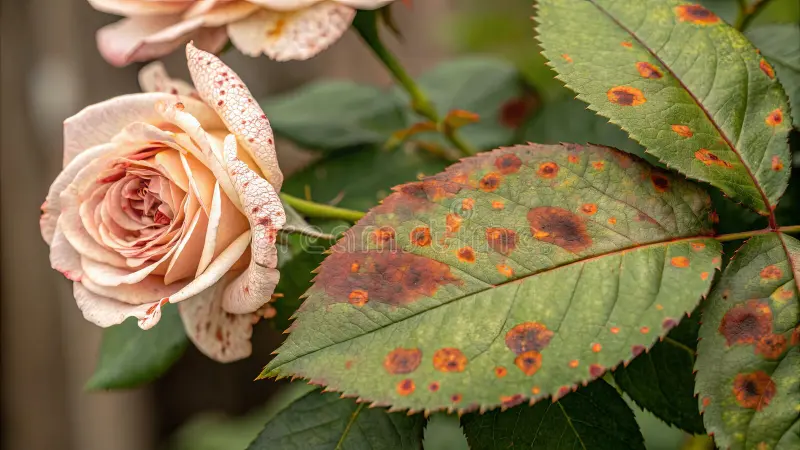
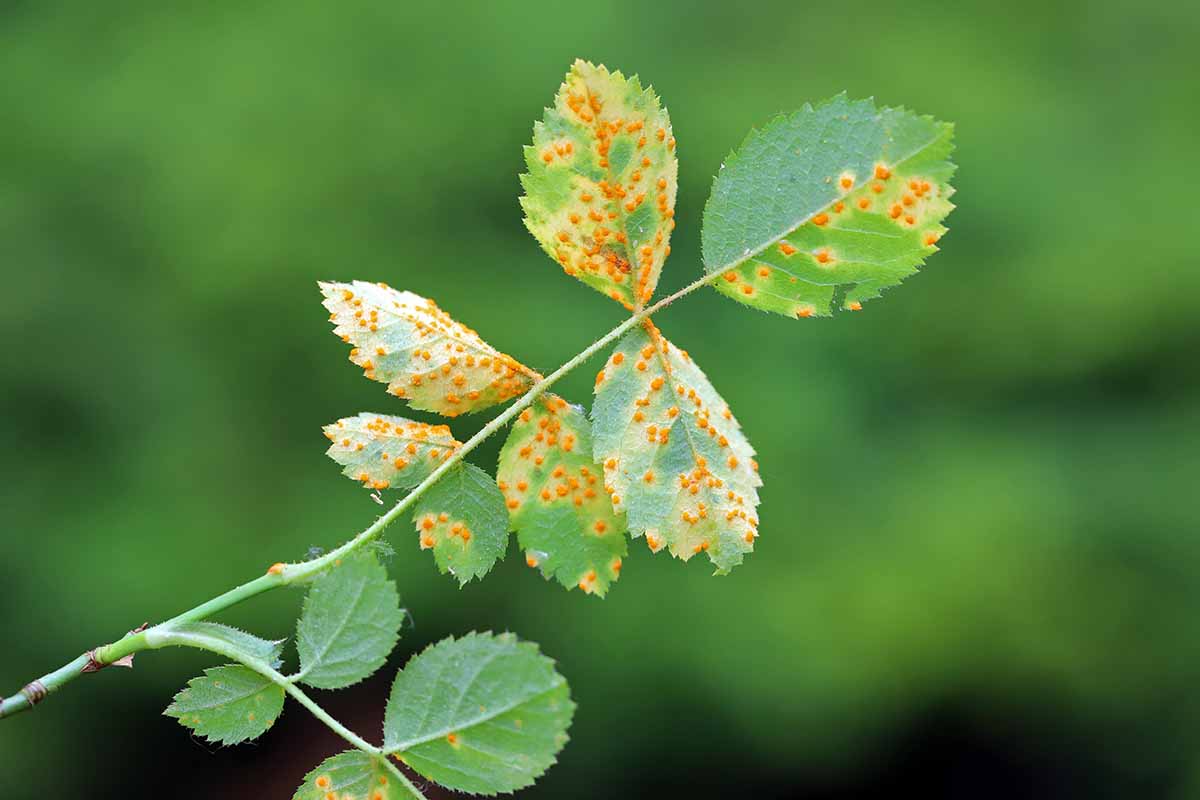
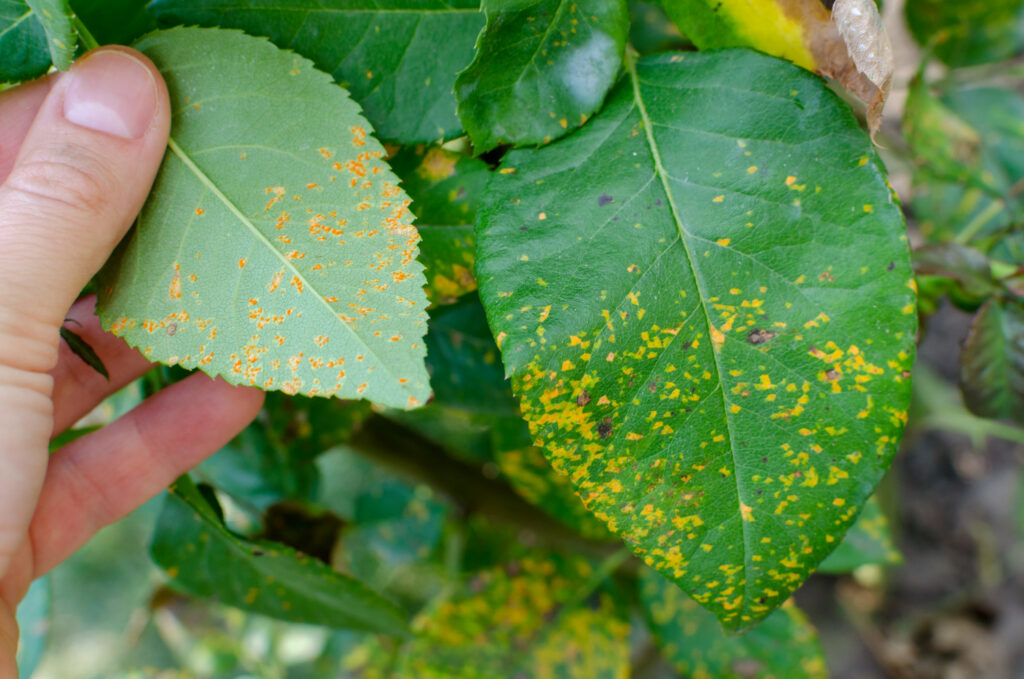
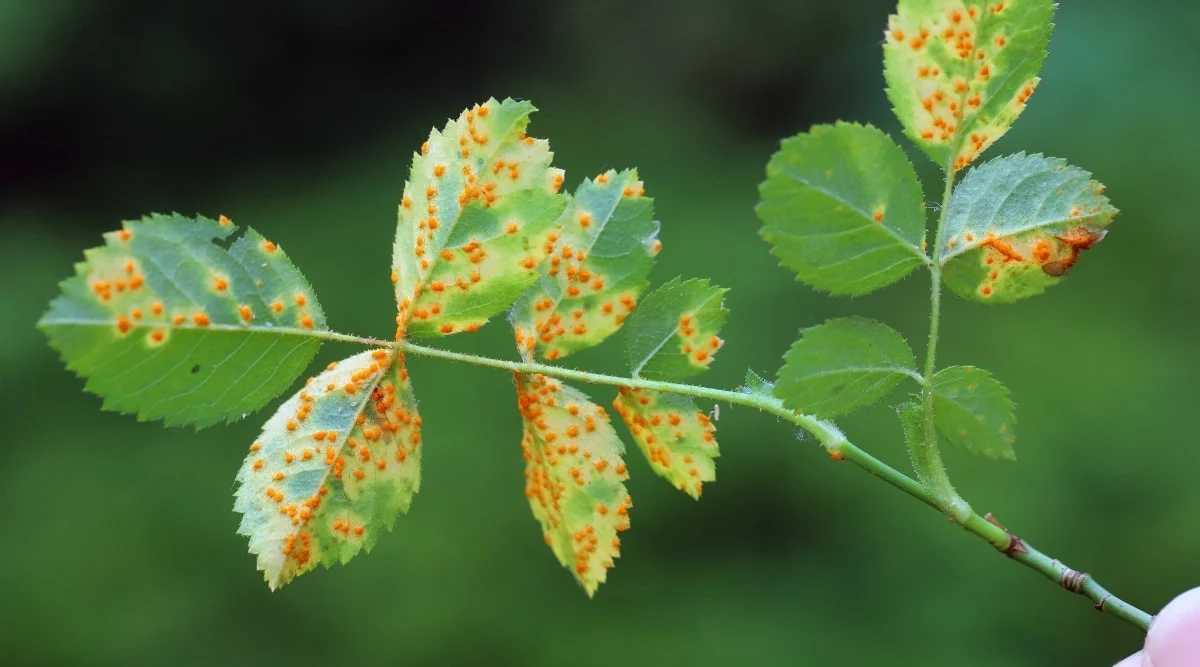
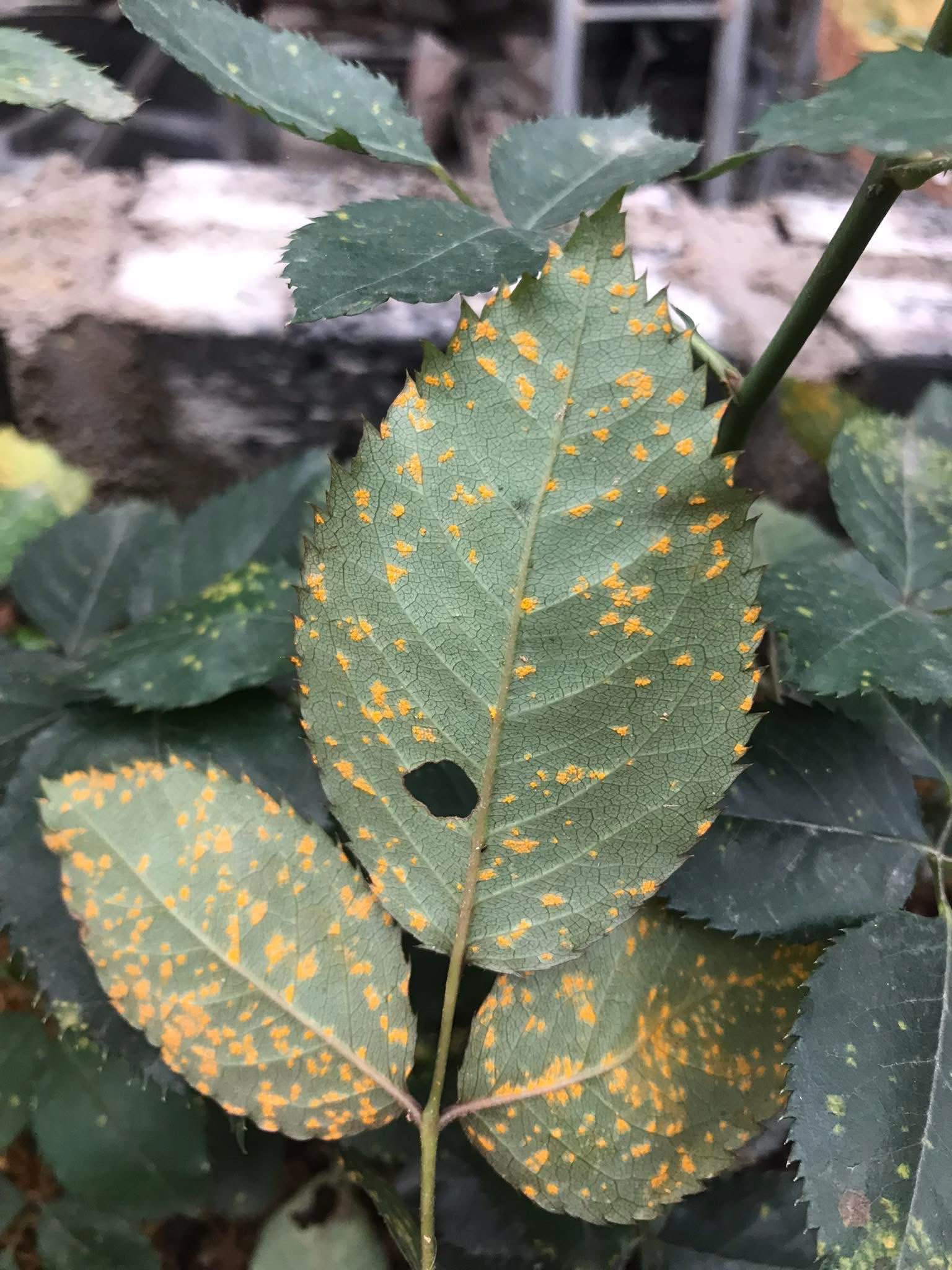
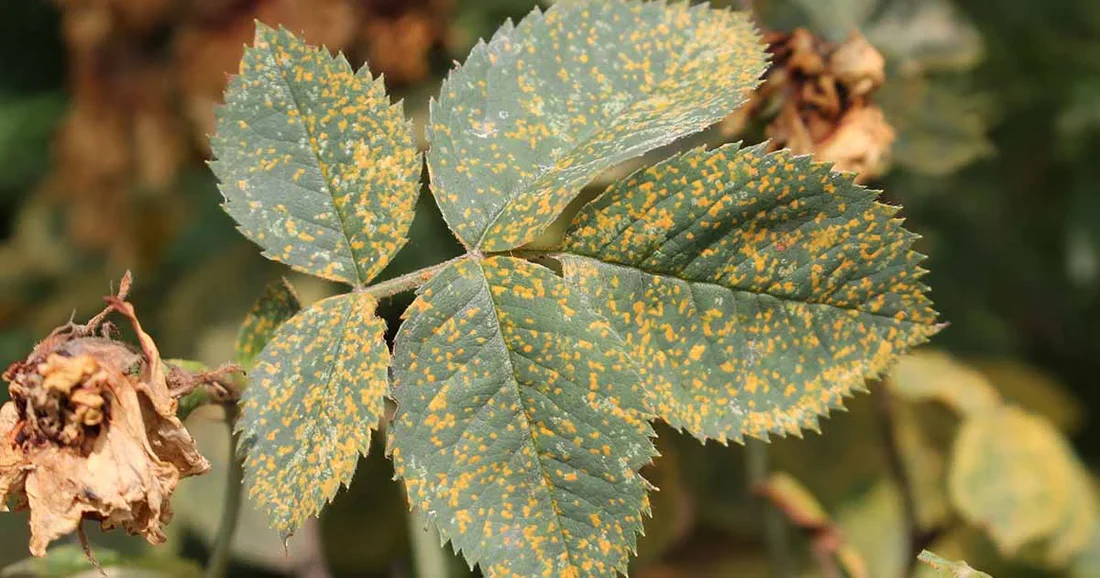
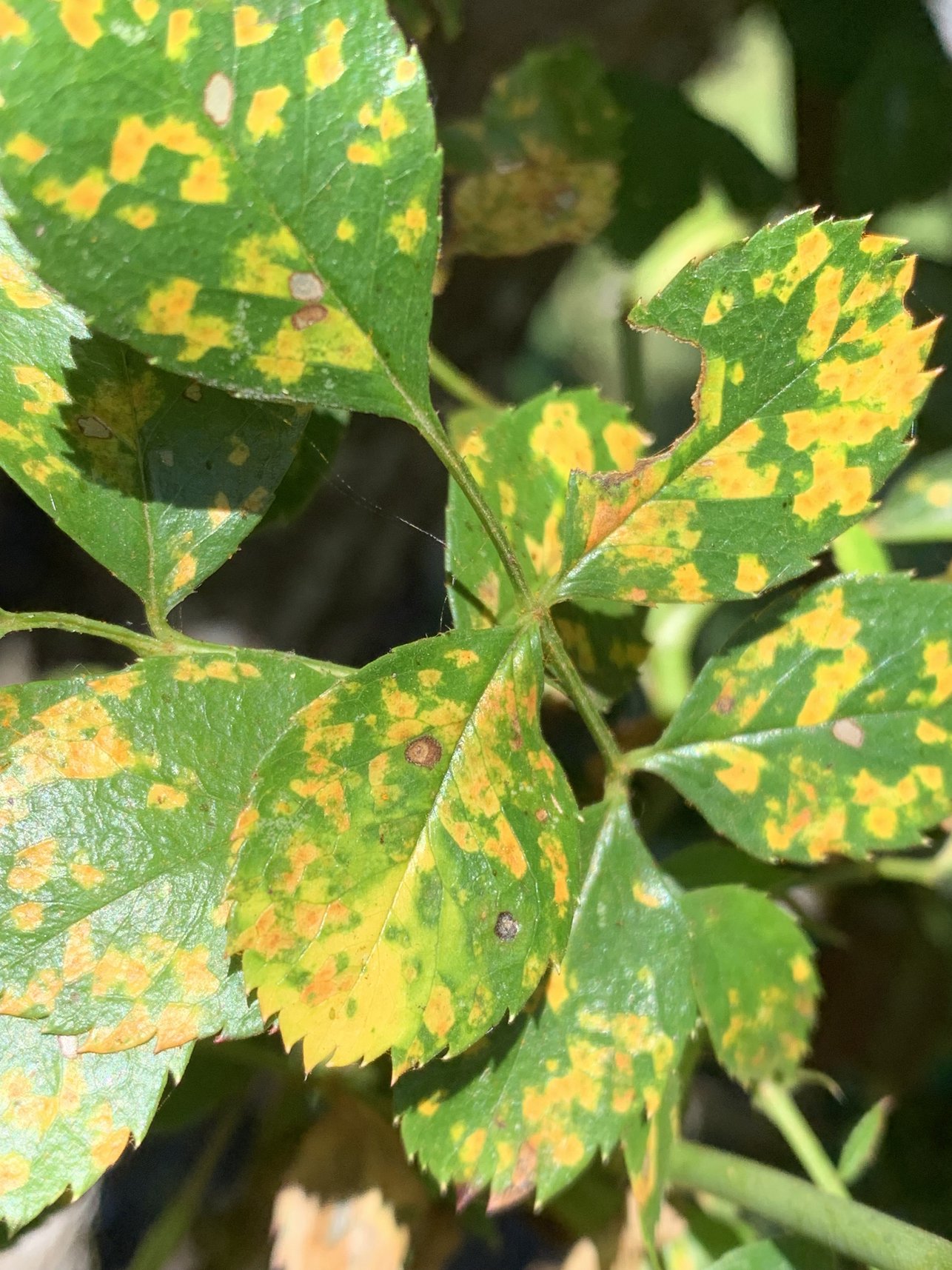
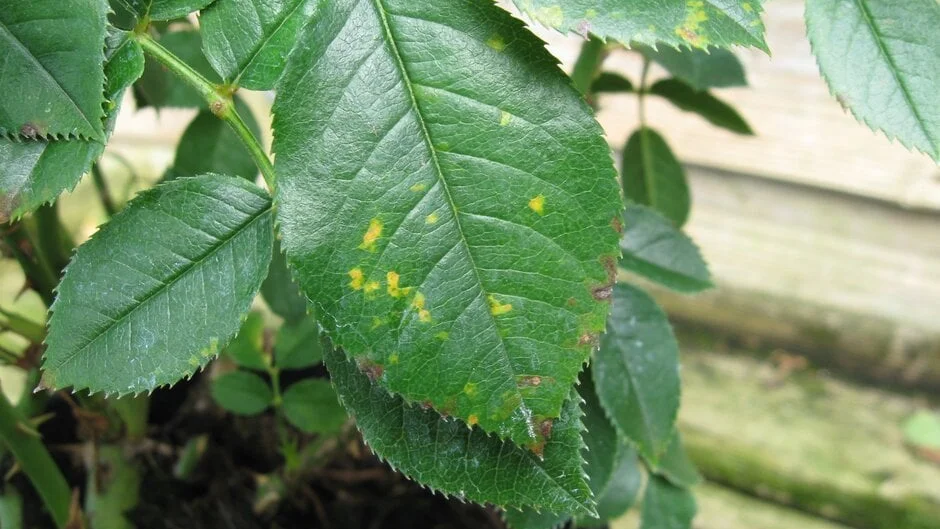
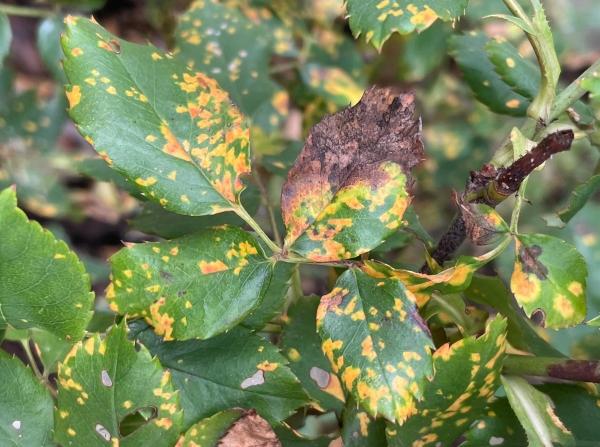
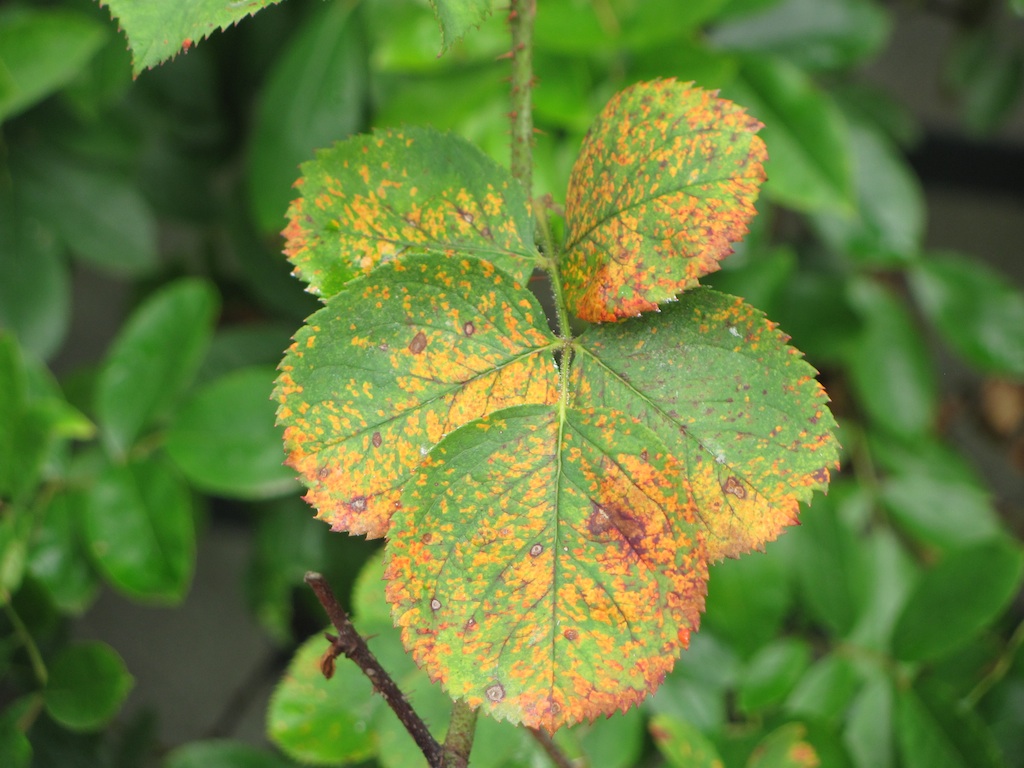
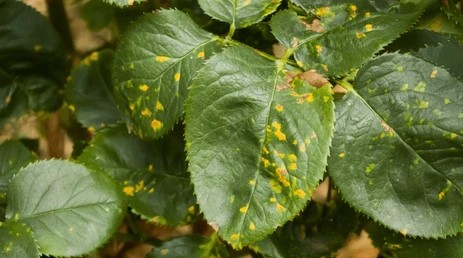
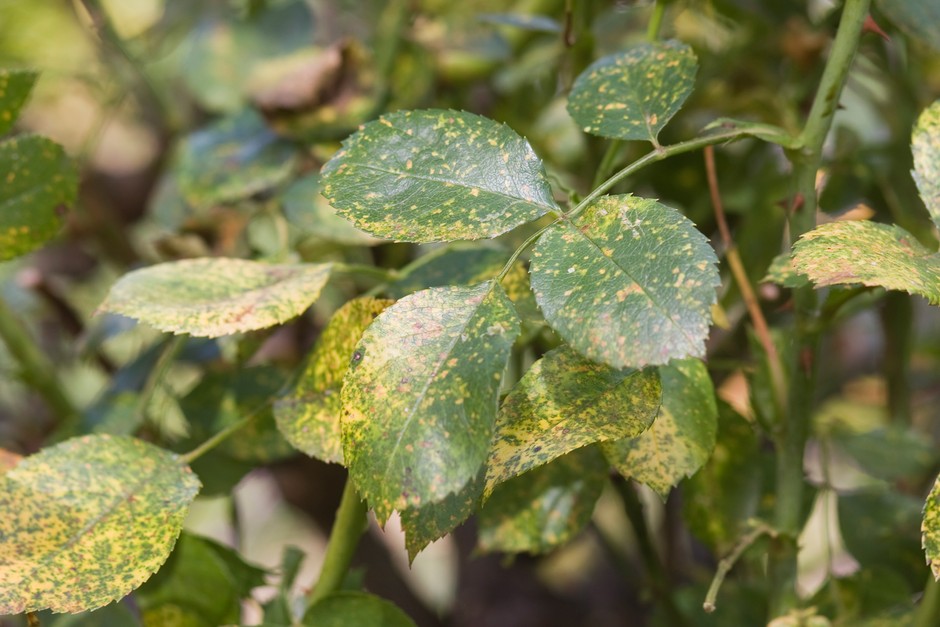
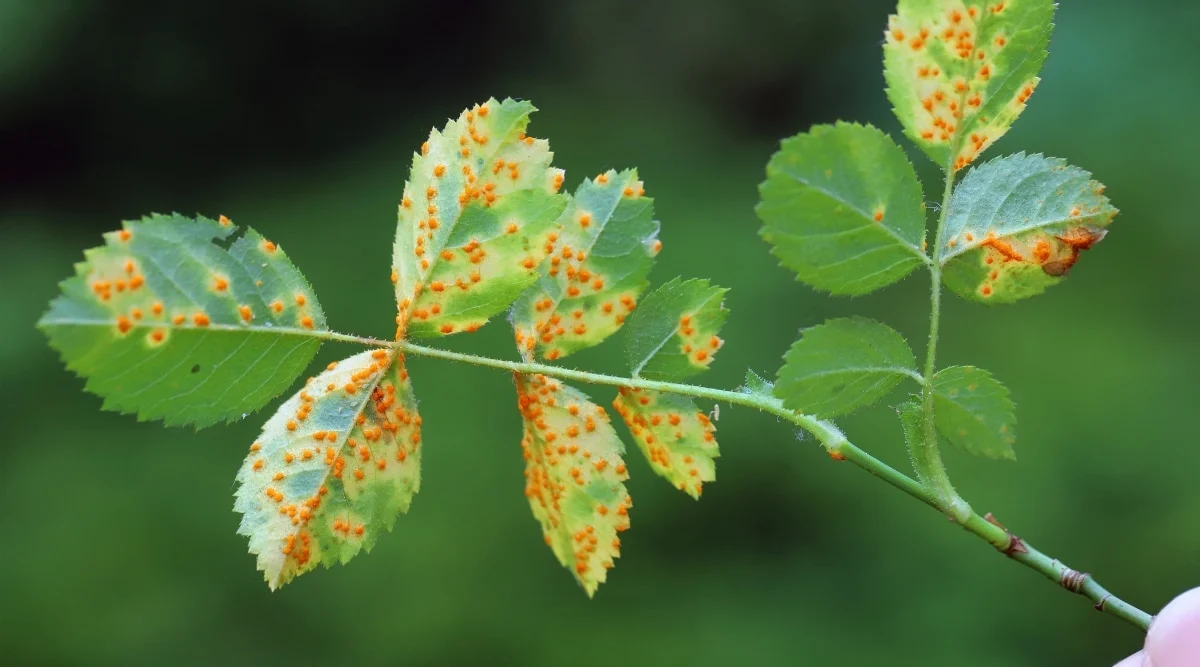
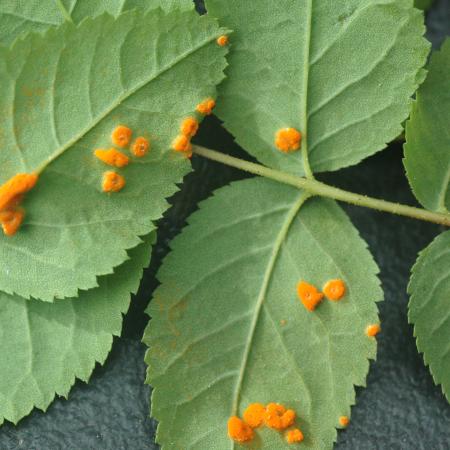
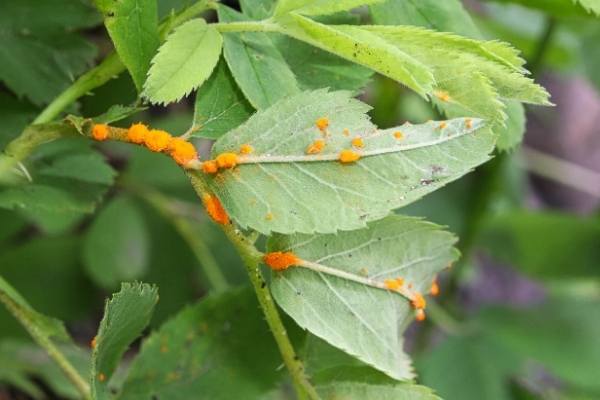
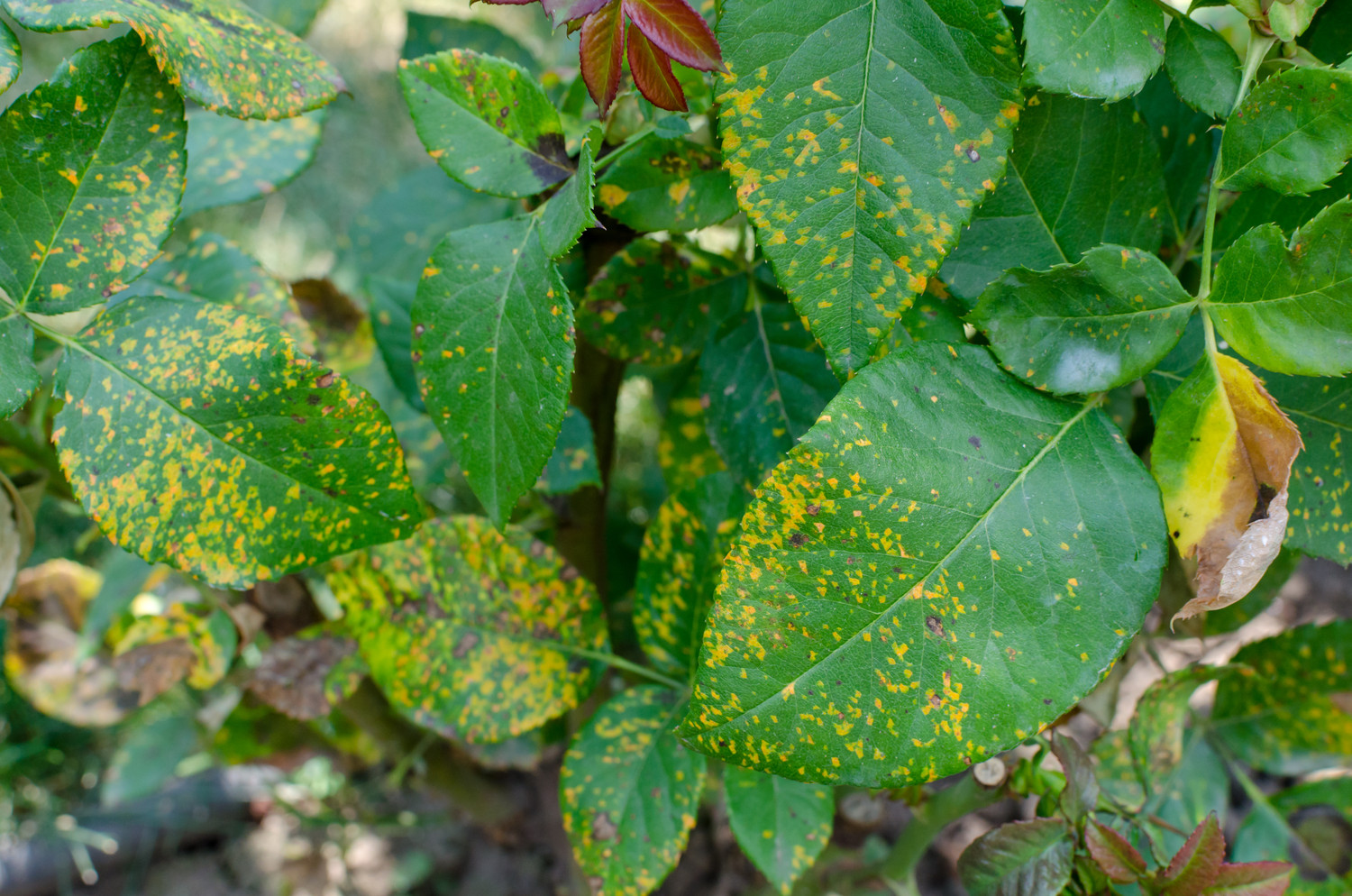
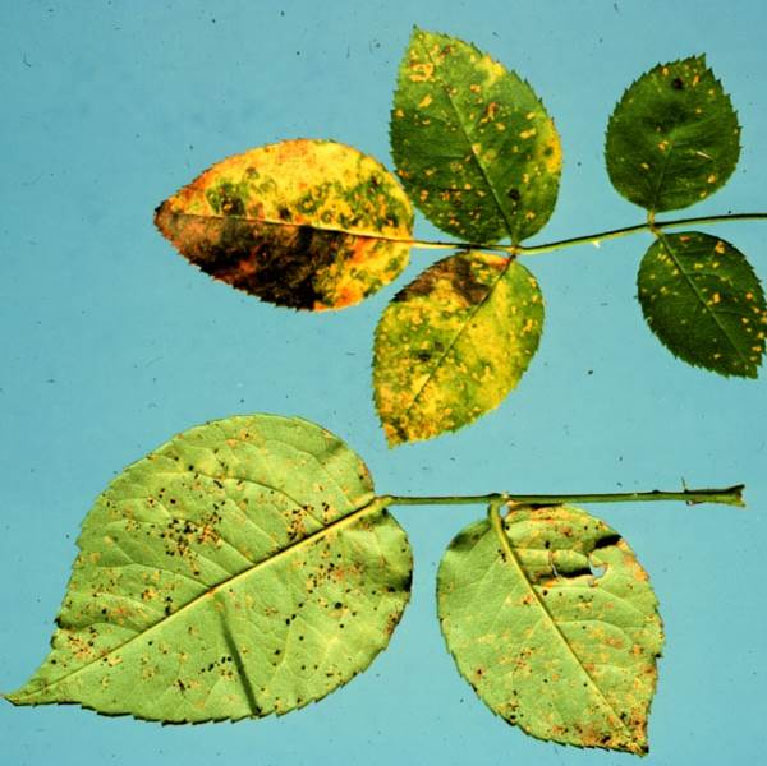
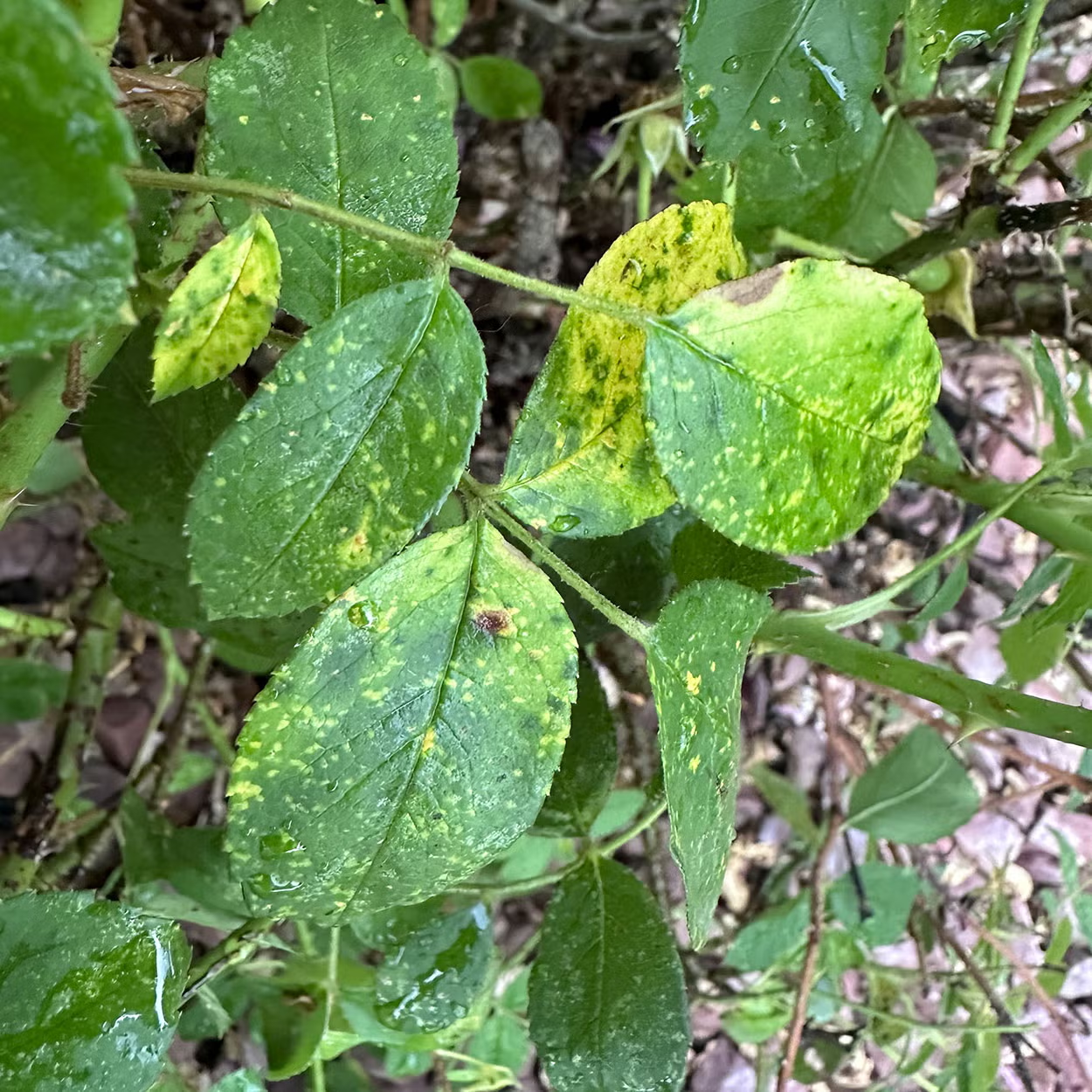
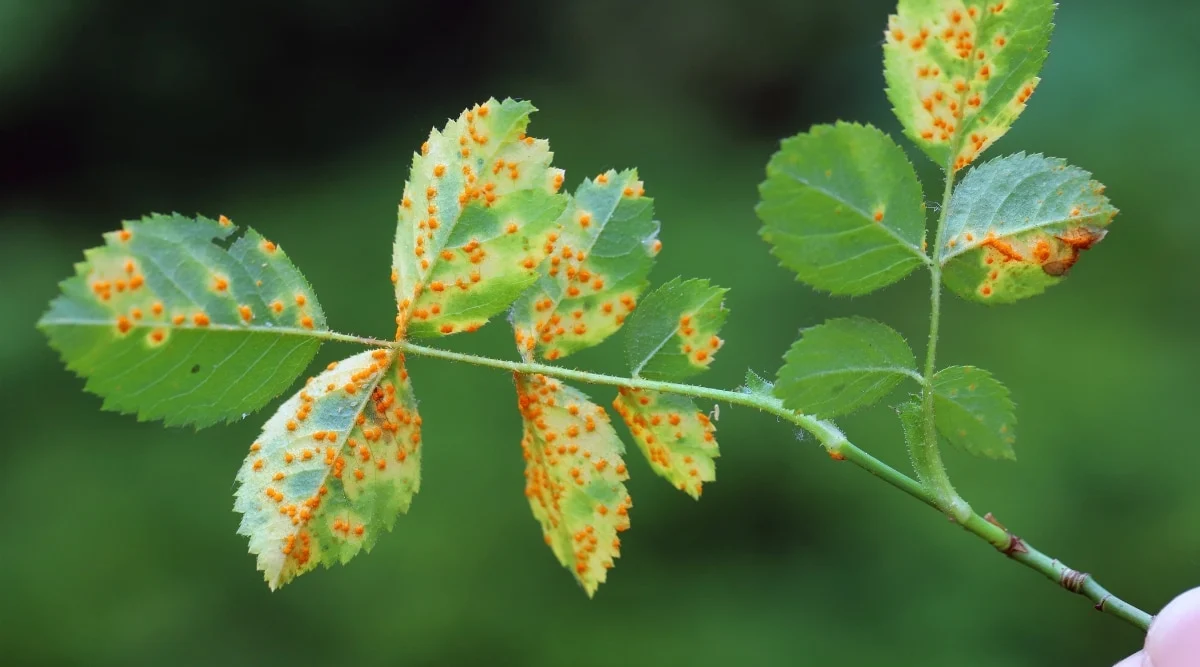
Rose rust is caused by Phragmidium spp. The disease is recognised by the orange or brown spore pustules that develop on the underside of the leaves. It is most severe in warm, wet weather. Young shoots, leaves, and flowers are all susceptible. Early lesions on the foliage appear as yellow specks surrounded by a discoloured halo; each spot carries a fine orange powder — the rust sori — typically 0.5–1.5 mm across. Infected young canes often swell or distort at the lesion.

Symptoms

  • Orange to brown spore pustules (sori) on the underside of the leaf.
    Orange to brown spore pustules (sori) on the underside of the leaf.Orange to brown spore pustules (sori) on the underside of the leaf.Orange to brown spore pustules (sori) on the underside of the leaf.Orange to brown spore pustules (sori) on the underside of the leaf.
  • Corresponding yellow patches on the upper leaf surface, mirroring the rust sori below.
    Corresponding yellow patches on the upper leaf surface, mirroring the rust sori below.Corresponding yellow patches on the upper leaf surface, mirroring the rust sori below.Corresponding yellow patches on the upper leaf surface, mirroring the rust sori below.Corresponding yellow patches on the upper leaf surface, mirroring the rust sori below.Corresponding yellow patches on the upper leaf surface, mirroring the rust sori below.
  • Orange powder that rubs off on contact.
    Orange powder that rubs off on contact.Orange powder that rubs off on contact.Orange powder that rubs off on contact.
  • Yellow spots or halo on the upper leaf surface around lesions (especially early-stage before orange spores form)
    Yellow spots or halo on the upper leaf surface around lesions (especially early-stage before orange spores form)Yellow spots or halo on the upper leaf surface around lesions (especially early-stage before orange spores form)Yellow spots or halo on the upper leaf surface around lesions (especially early-stage before orange spores form)

Treatment plan

At the first sign of orange (rust-coloured) pustules on the underside of the leaves, act decisively:

  • Isolate and destroy: Prune out every infected leaf and collect all fallen leaves from around the base. Seal everything in a plastic bag and dispose of as rubbish (never compost — the fungal spores remain viable).
  • Open the canopy: Prune out spindly inner canes and crossing shoots so light and air penetrate to the centre of the bush; improve air circulation and lower humidity.
  • Avoid wetting the foliage: Water at the base only to reduce spore spread.
  • Fungicide spray: Use sulphur-based products or the targeted active ingredients listed below. Spray in the early morning or late afternoon.

Recommended products

The four most widely used and effective products are:

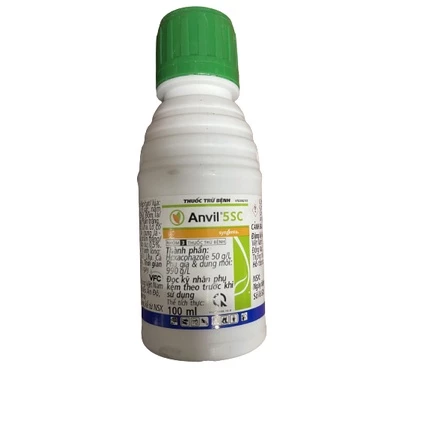
1. Anvil 5SC (Syngenta)

A widely trusted fungicide that is extremely effective against rust and black spot.

  • Description: Active ingredient Hexaconazole — systemic with strong translaminar movement.
  • Dosage: 20 ml per 16 L of water (roughly 1–1.25 ml per 1 L).
  • Frequency: Curative — two applications, 3–5 days apart. Preventive — every 15 days.

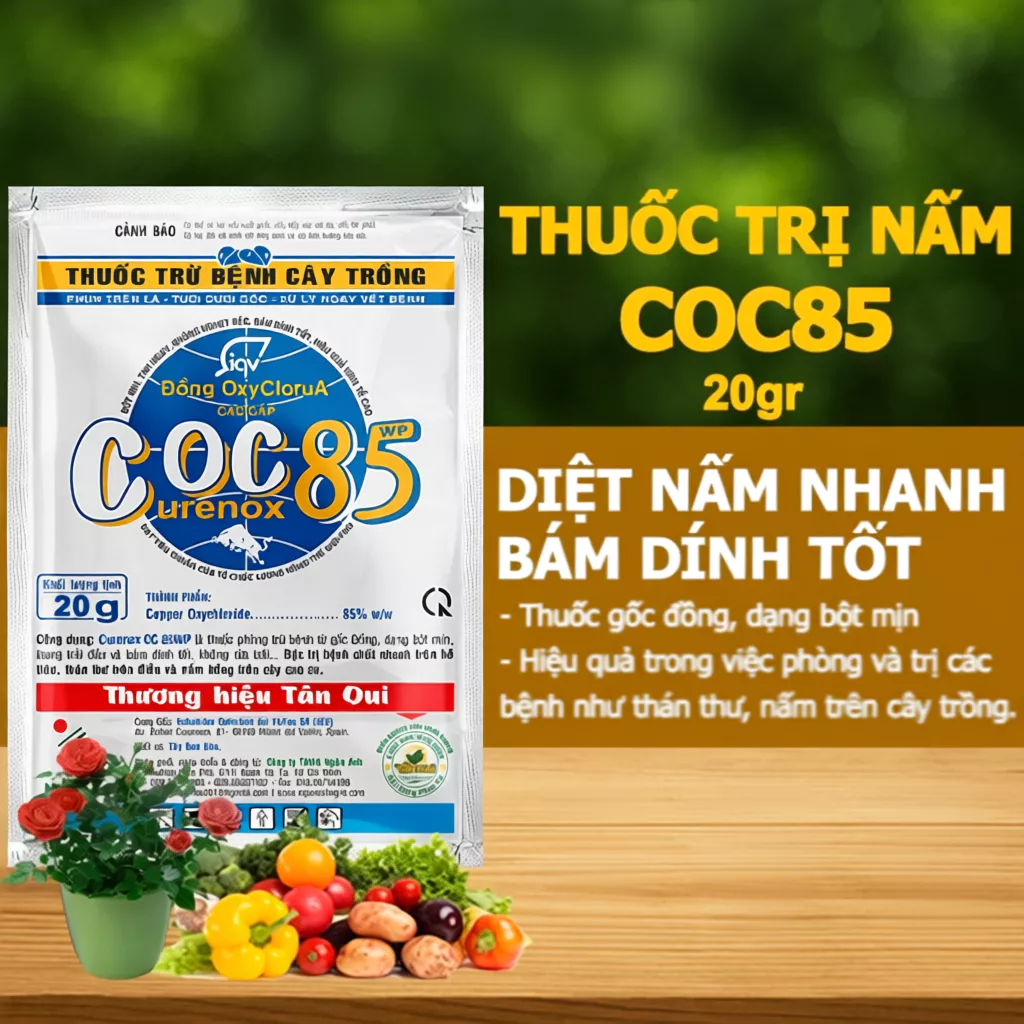
2. Coc 85 (Hợp Trí)

A copper-based fungicide — gentle on the plant and effective as a broad-spectrum bactericide and fungicide.

  • Description: Finely milled powder with good adhesion; resists wash-off.
  • Dosage: 10 g per 8 L of water (roughly 1.2 g per 1 L).
  • Frequency: Apply at the first signs of disease, or as a preventive after extended rainy spells. Repeat after 7 days if pressure is high.

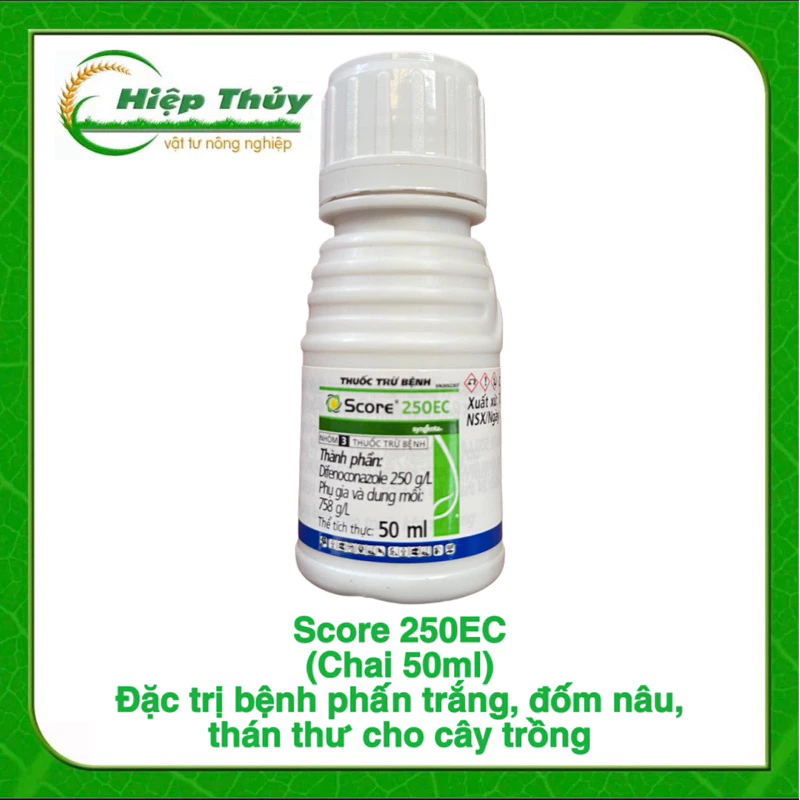
3. Score 250EC (Syngenta)

A premium fungicide regarded as the go-to product for hard-to-control rose diseases such as rust, powdery mildew, and anthracnose.

  • Description: Active ingredient Difenoconazole — rapid penetration and strong systemic movement, eradicating the pathogen from within.
  • Dosage: 10 ml per 16 L of water (roughly 0.6 ml per 1 L).
  • Frequency: Two applications, 7 days apart, to clear the inoculum completely. Best applied at the very first appearance of yellow spots.

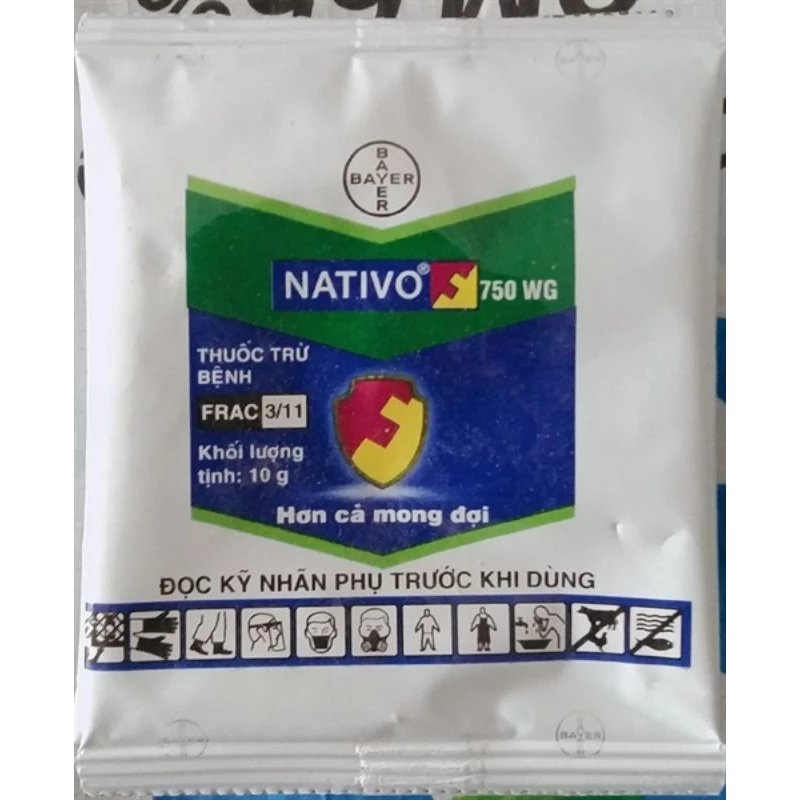
4. Nativo 750WG (Bayer)

A newer-generation product from Germany combining two active ingredients for outstandingly stable preventive and curative performance — even through the rainy season.

  • Description: Combines Tebuconazole and Trifloxystrobin, blocking spore germination and protecting newly emerging foliage.
  • Dosage: 6 g per 16 L of water (roughly 0.4 g per 1 L).
  • Frequency: Repeat after 10–15 days under high disease pressure. Its long residual activity reduces spray frequency.

Prevention

  • Clear weeds and undergrowth from around the base so the plant gets maximum sunlight.
  • Avoid planting too densely so the garden stays open and ambient humidity remains low.
  • Do not allow water to pool in drainage channels or on the foliage.
  • Prune to maintain an open canopy.
  • Apply preventive fungicide sprays on a regular schedule.
  • Avoid watering in the late afternoon.
  • Supplement with phosphorus, potassium, and compound feeds containing Ca, Mg, and similar nutrients to strengthen the plant's resistance and ensure adequate nutrition.

Recommended products

Anvil 5SC

Anvil 5SC

- Effective fungicide: Anvil 5SC is a broad-spectrum fungicide whose active ingredient Hexaconazole kills pathogenic fungi by inhibiting ergosterol biosynthesis. - Fast and effective spray: Plant tissue absorbs the product rapidly with strong translaminar and systemic movement, providing quick and long-lasting control of fungal disease. - Suitable for many crops: Compatible with roses, coffee, mango, longan, rice, maize, peanut, and citrus.

Score 250EC

Score 250EC

A premium fungicide regarded as the go-to product for hard-to-control rose fungal diseases such as rust, powdery mildew, and anthracnose.

Nativo 750WG

Nativo 750WG

A newer-generation product from Germany with dual-active-ingredient technology, delivering outstandingly stable preventive and curative performance even through the rainy season.

Share this page