
Leafhopper
InsectDescription
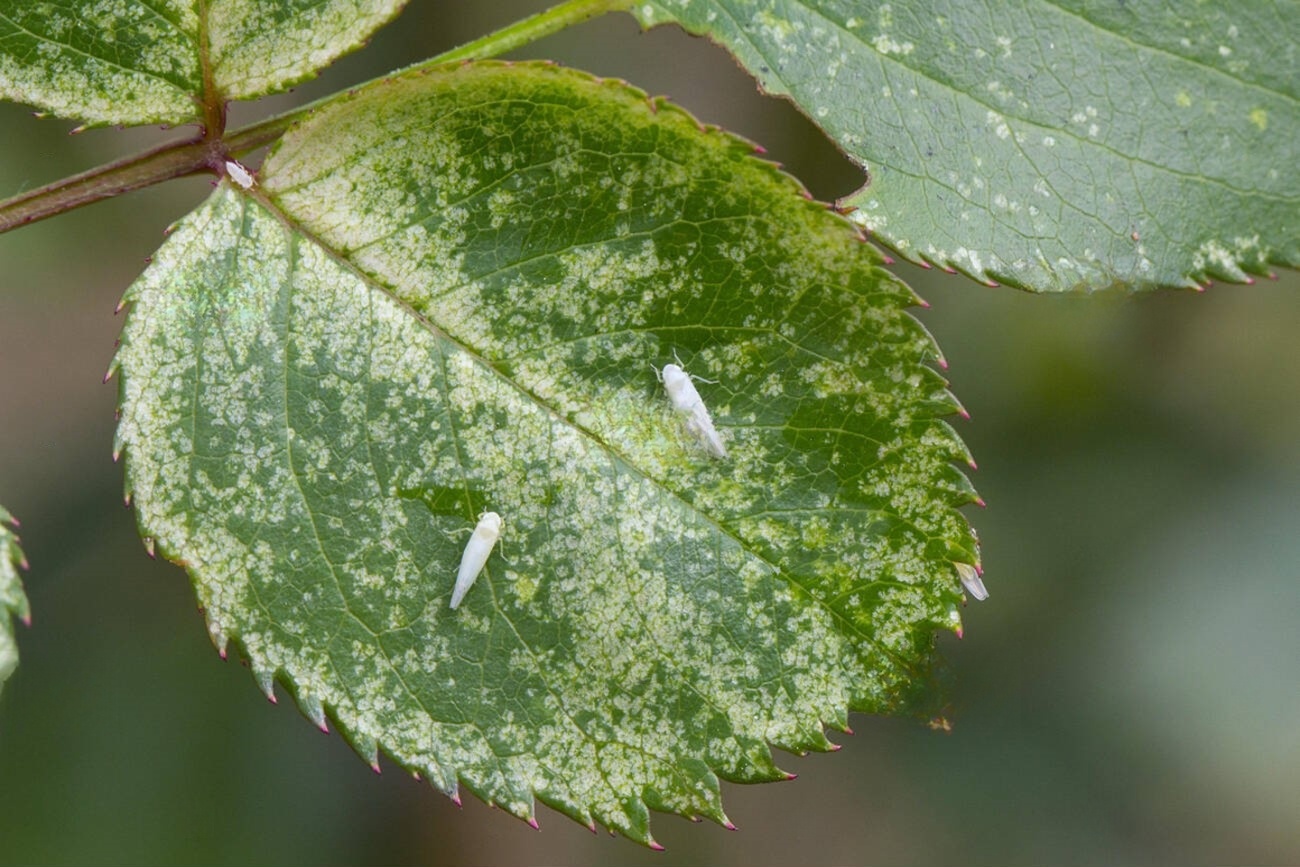
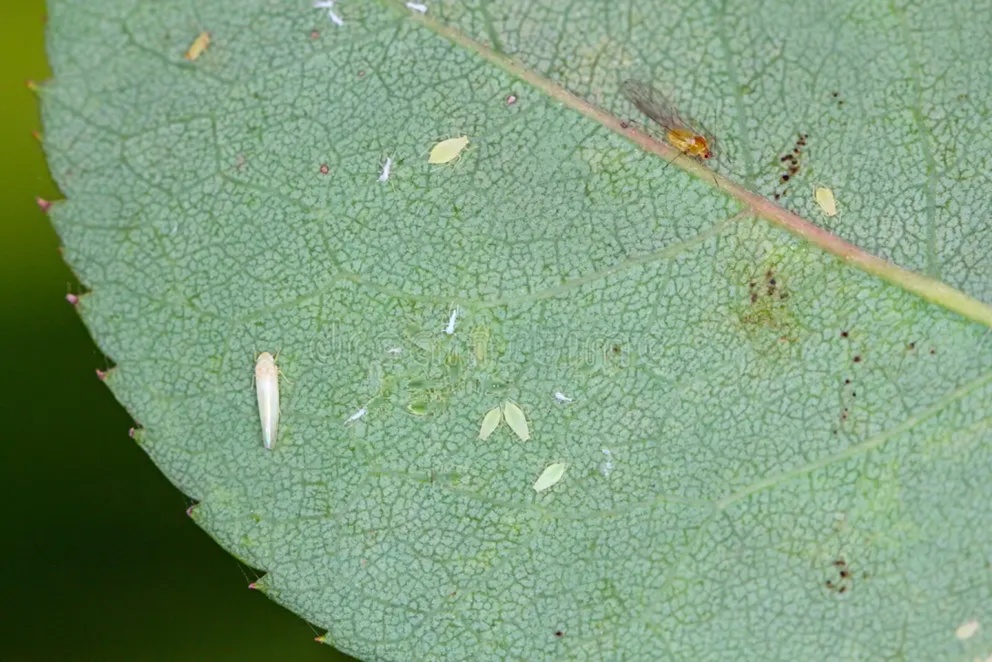
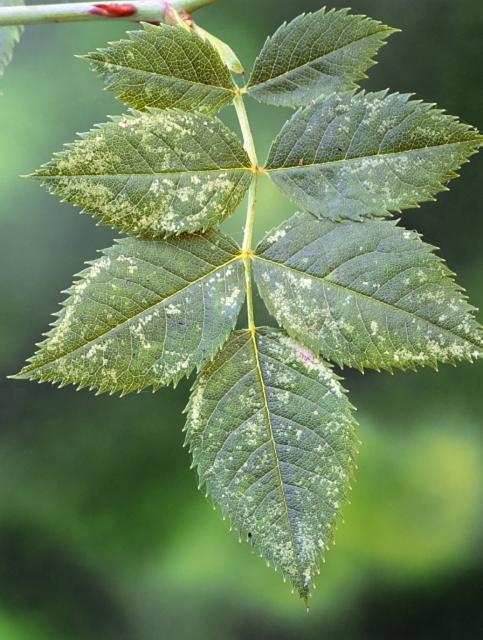
The rose leafhopper (Edwardsiana rosae, family Cicadellidae) is a small, slender insect that hops or flies off short distances when disturbed. Adults are pale yellow, 3.5–4 mm long, with wings folded back over the body; the creamy-white nymphs (red eyes) feed on the underside of leaves. Besides roses, it also colonises other rosaceous trees and shrubs such as hawthorn and rowan. Although it feeds from the leaf underside, the damage shows on the upper surface as pale mottling. It produces several generations per year, thrives in warm weather, and overwinters as eggs inserted into young shoots and cane bark.
Symptoms
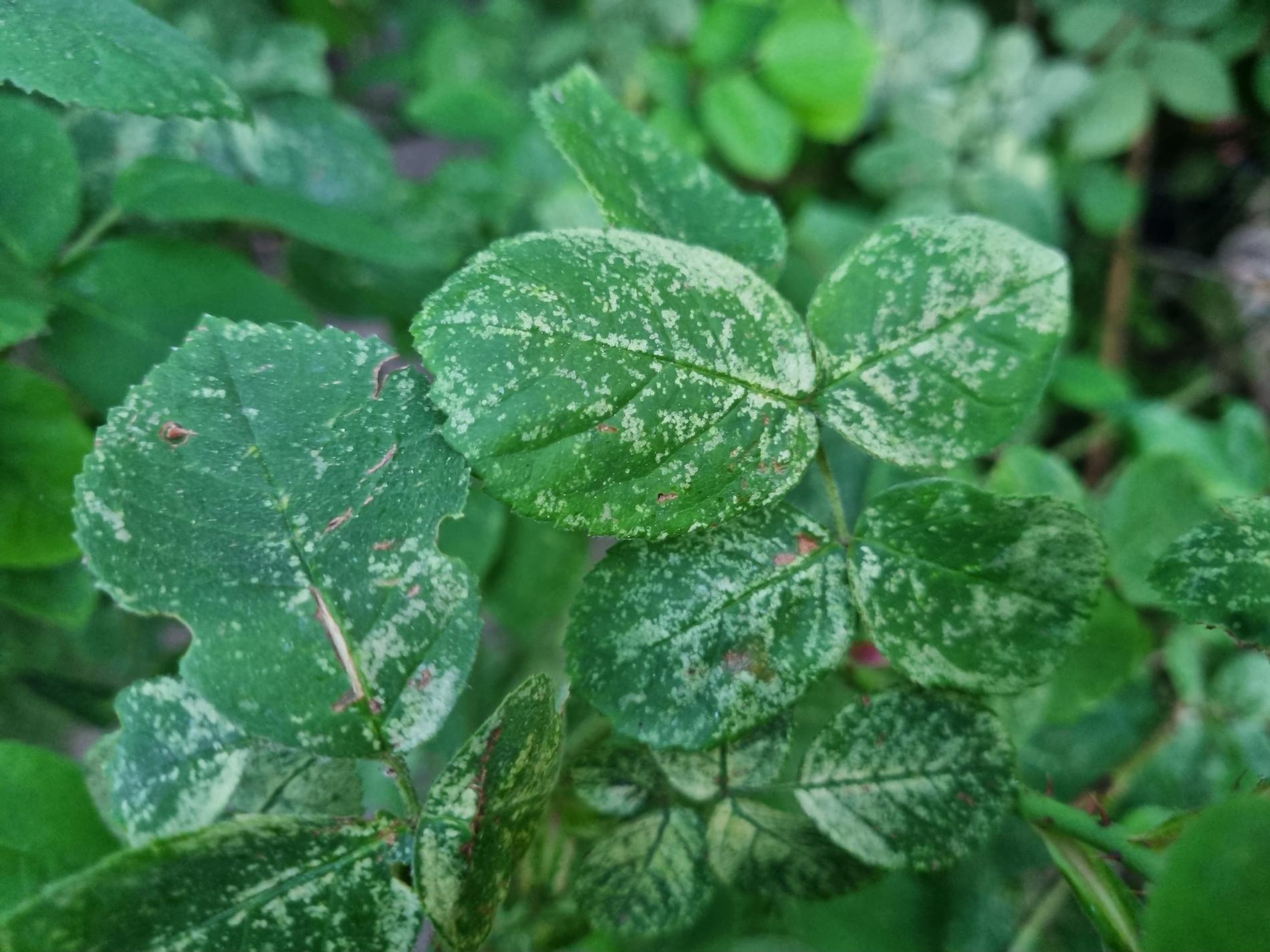
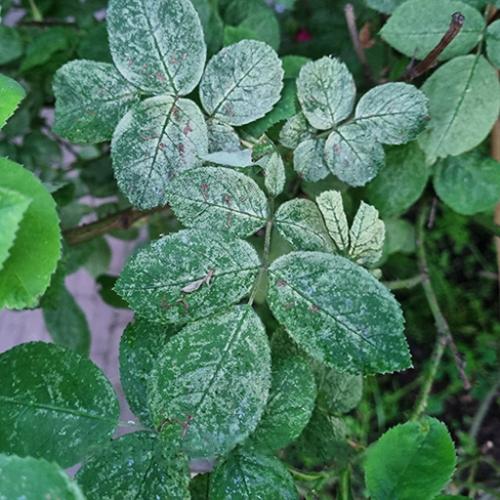
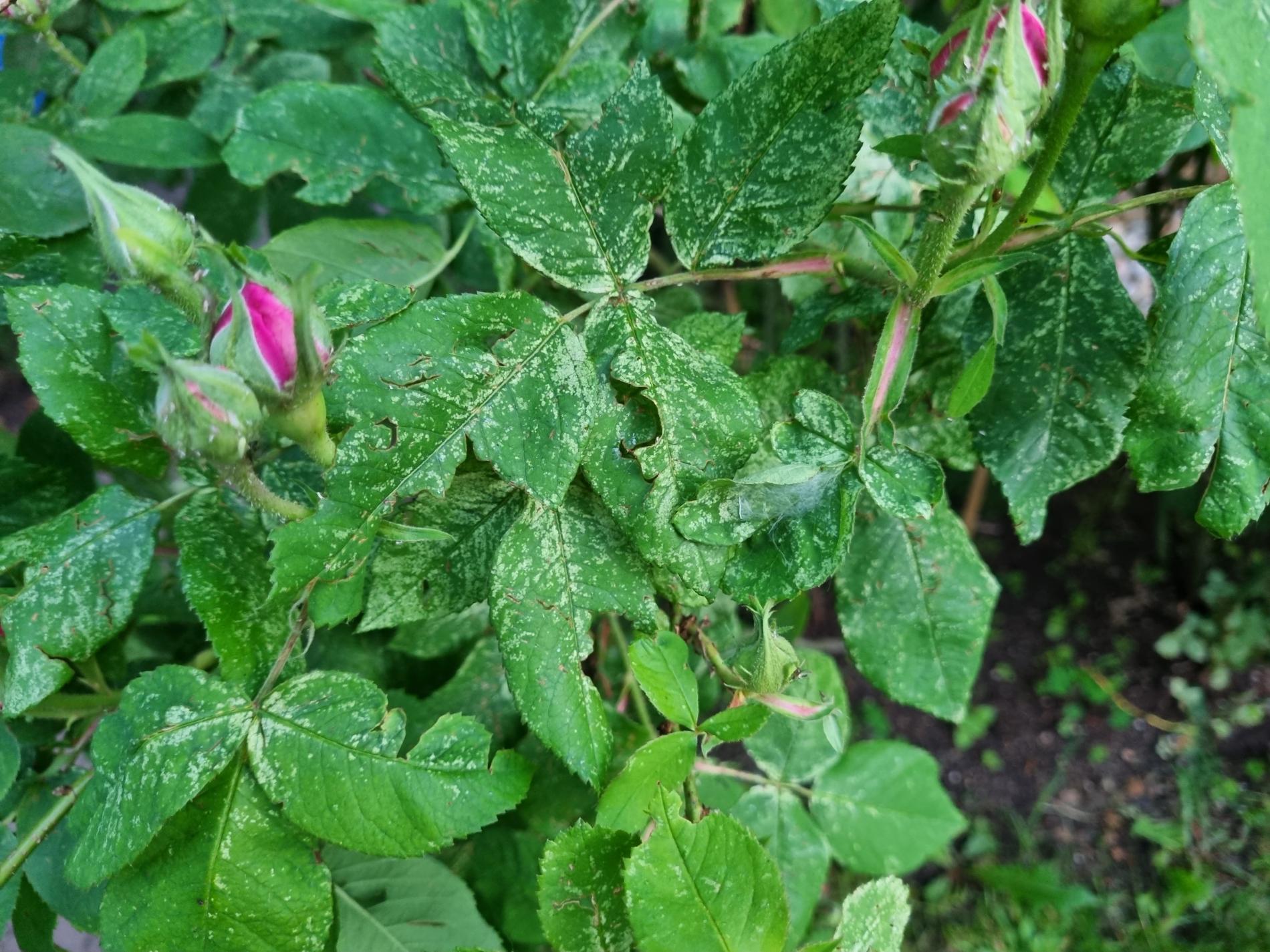
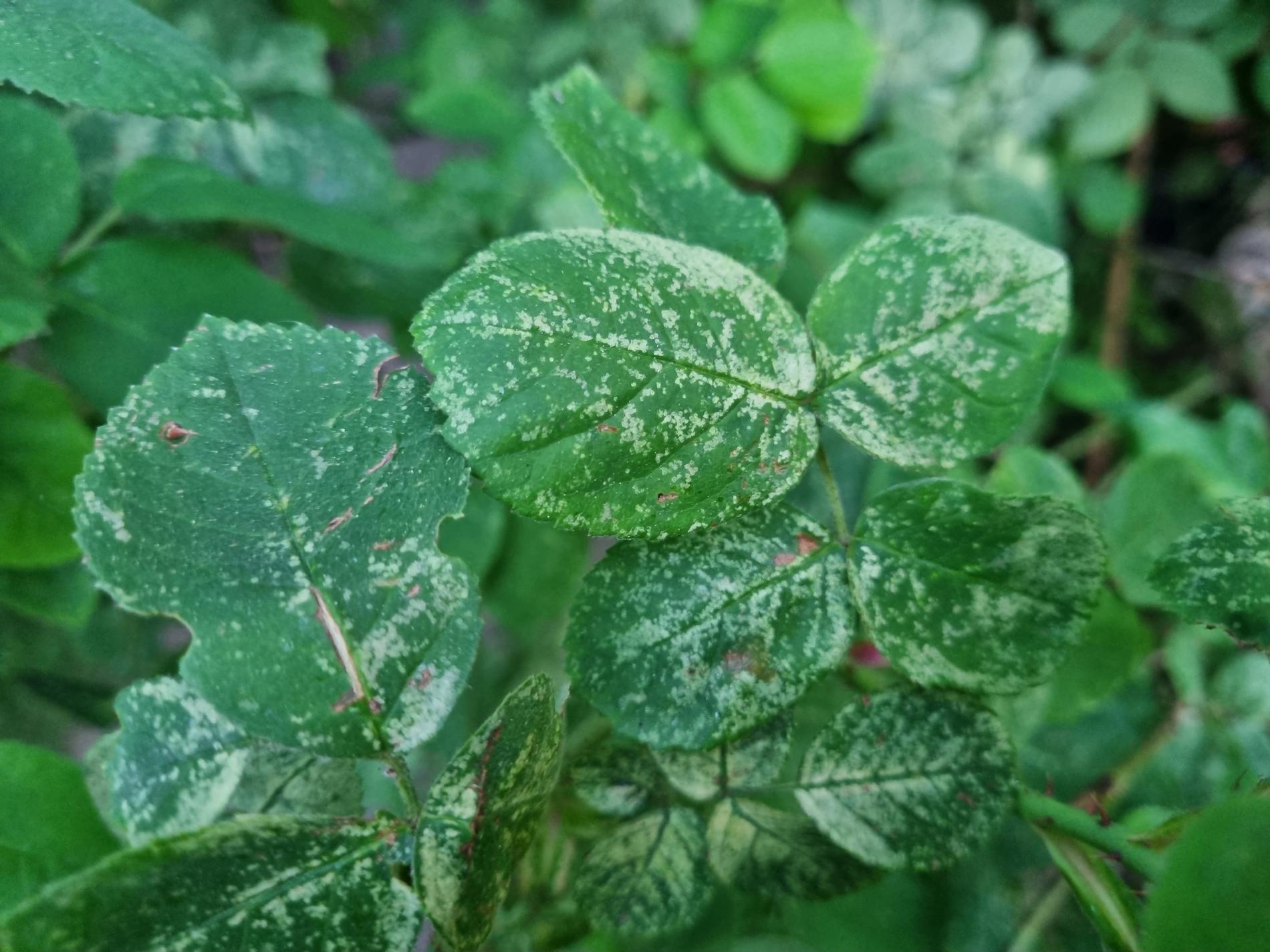
- Upper leaf surface shows pale white-yellow stippling/mottling from hoppers feeding underneath; heavy feeding blanches the whole leaf.
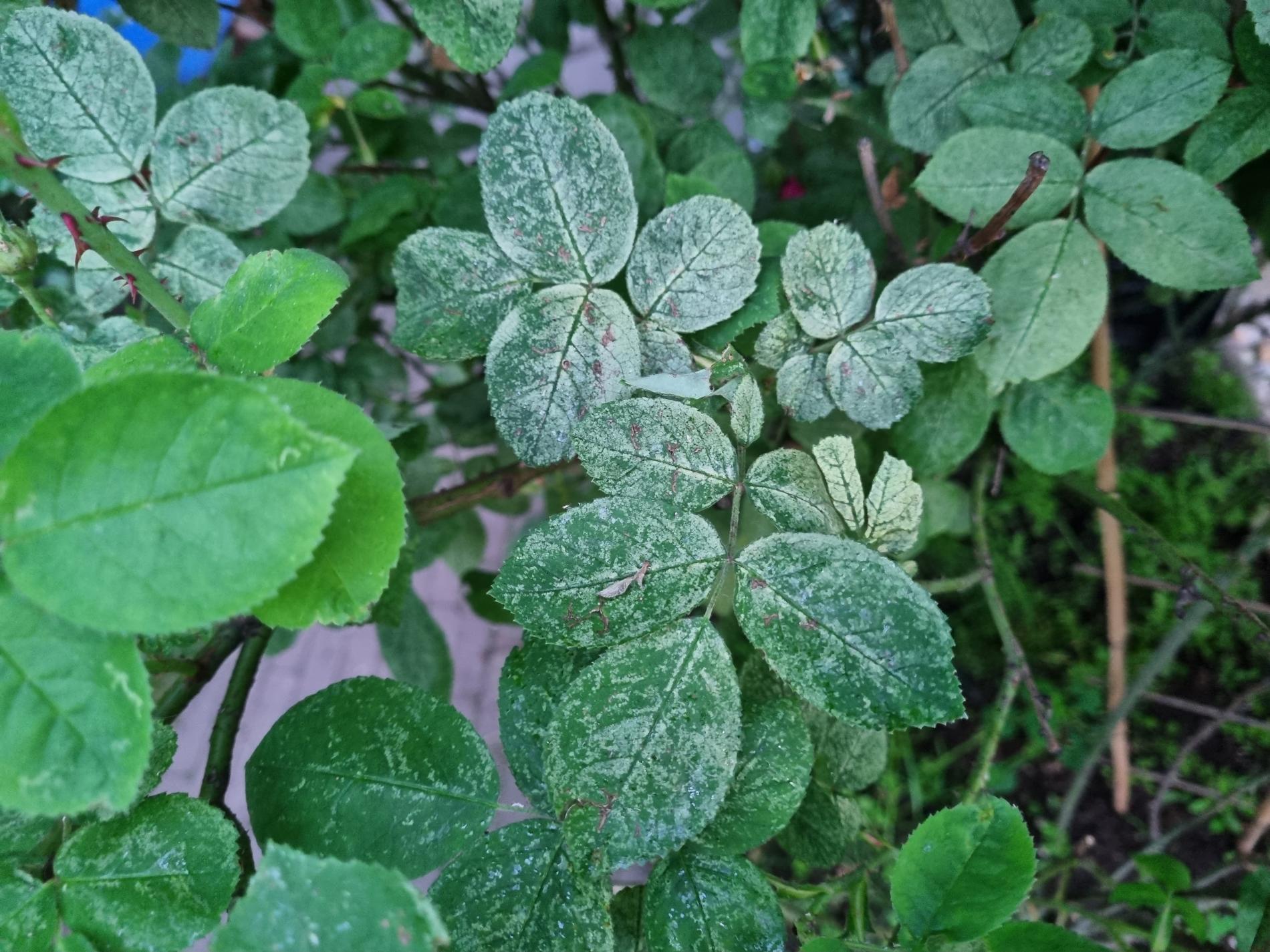
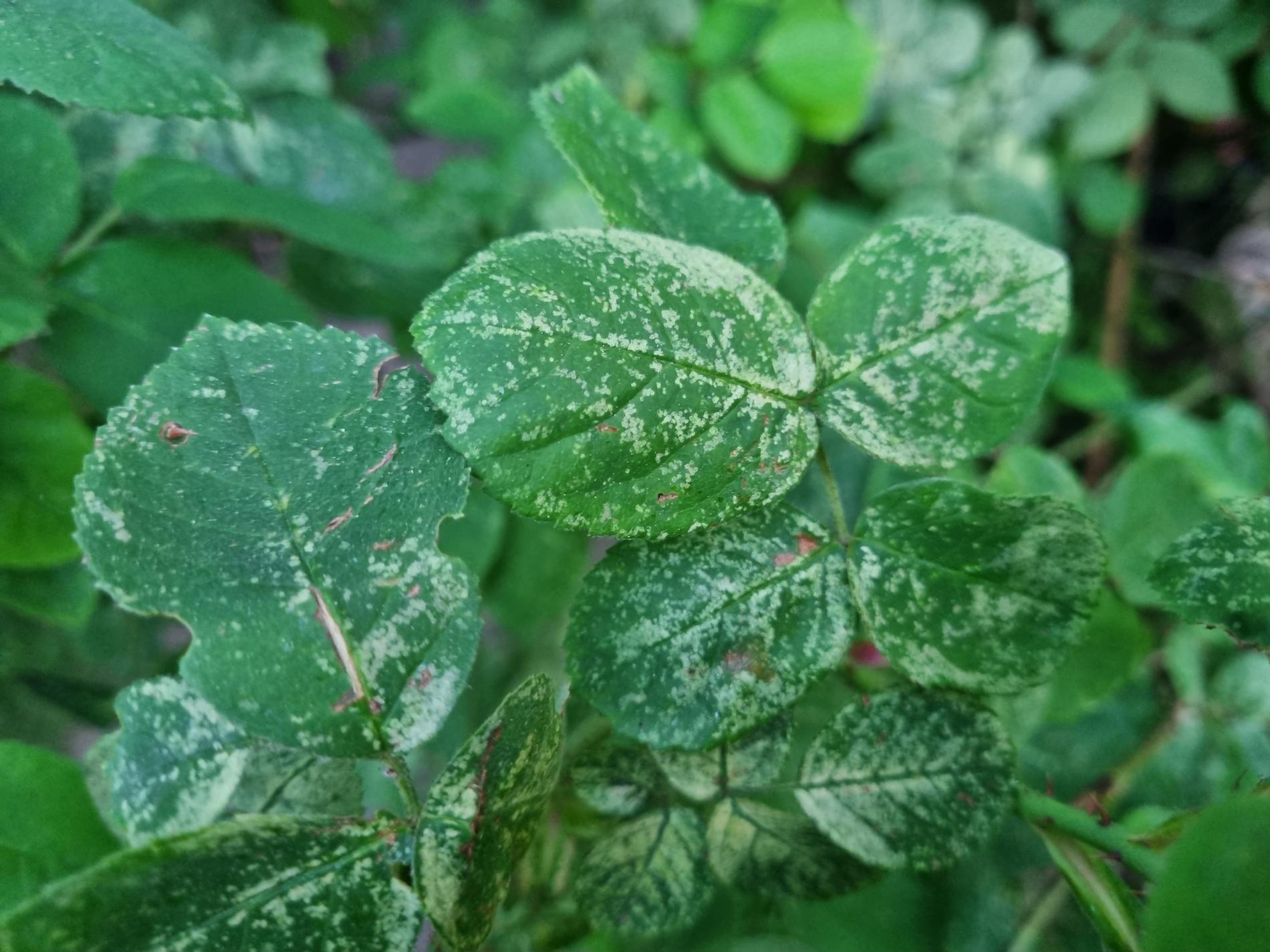
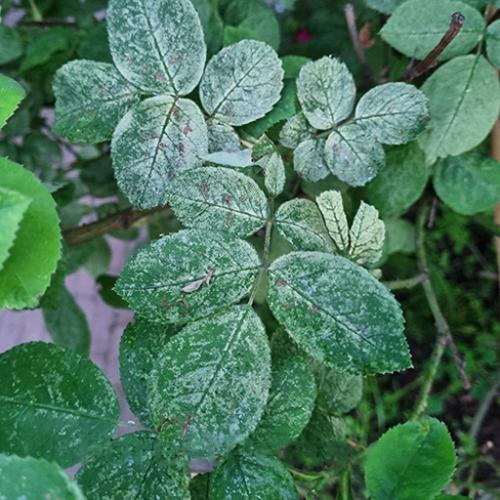
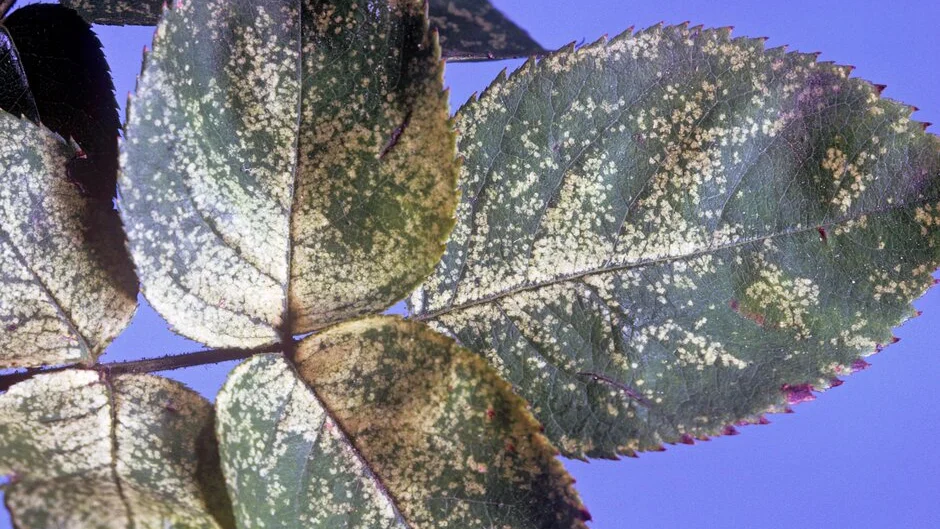
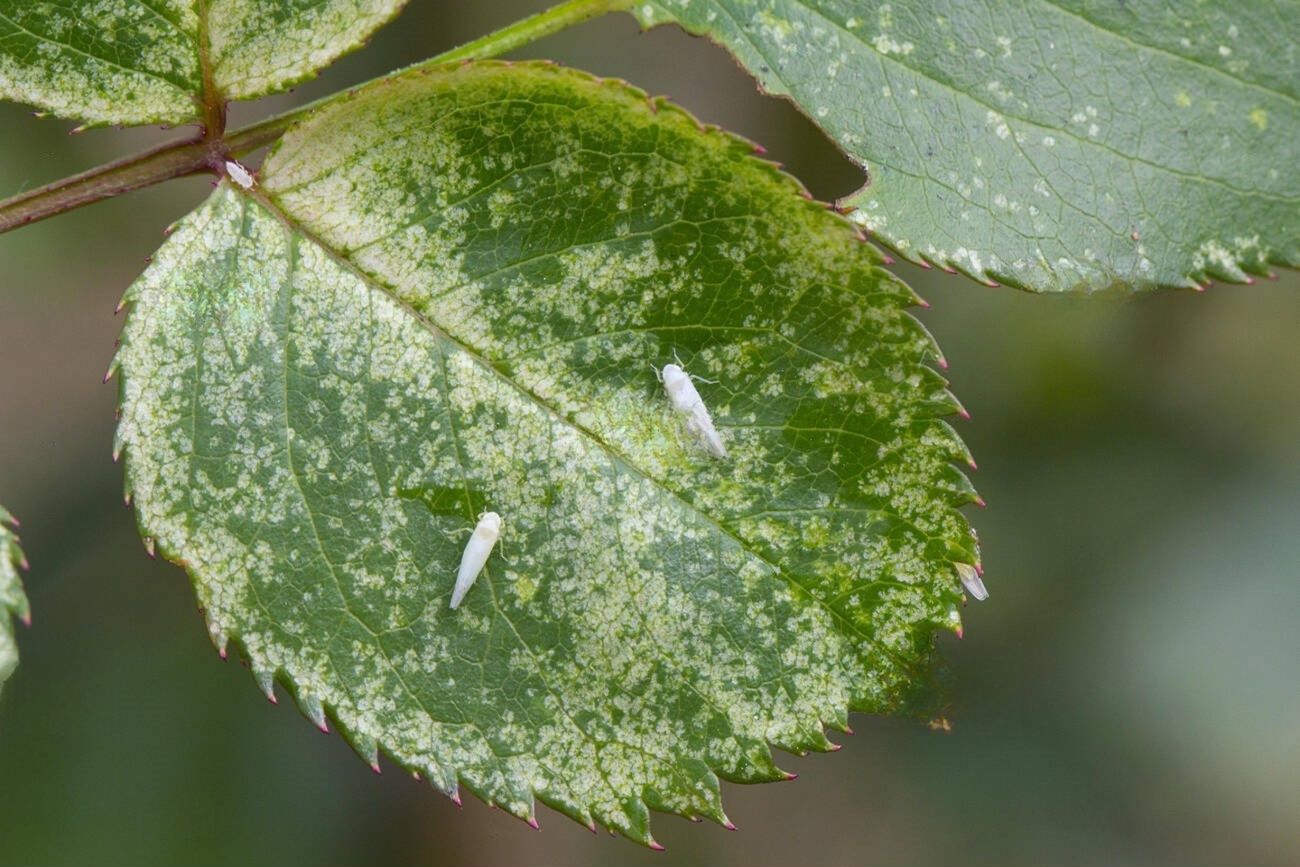
- Scattered small yellow flecks appear across the leaf blade.
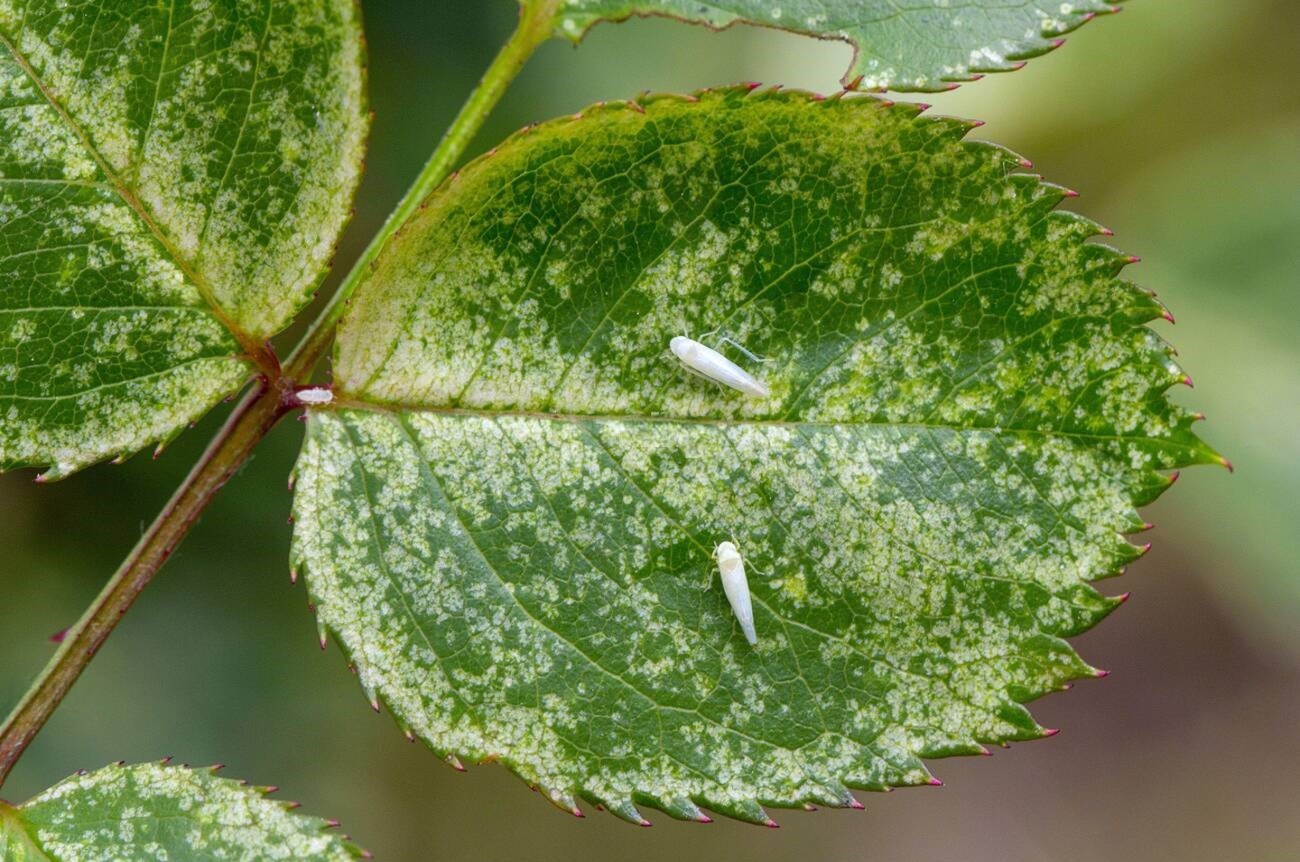
- Small slender insects hop away when disturbed.
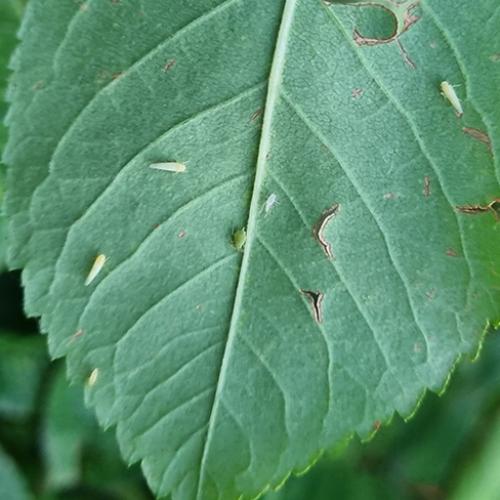
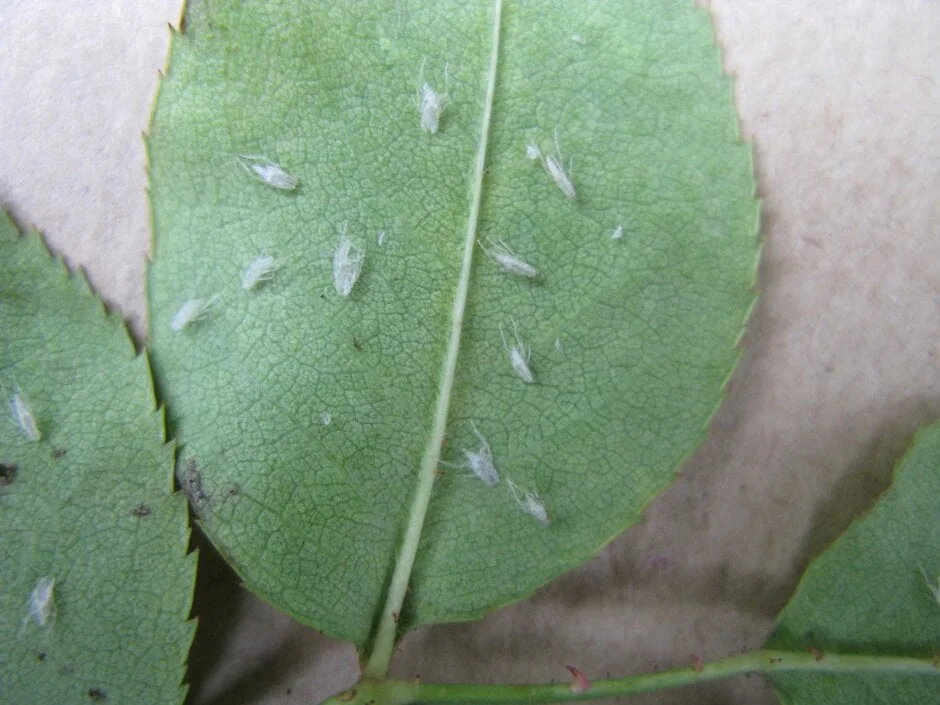
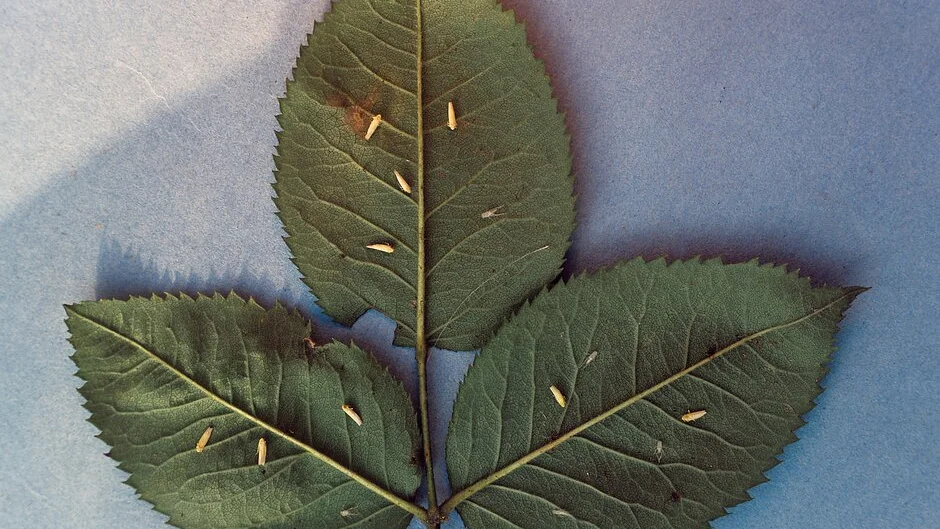
- Feeding damage concentrates on the underside of leaves.
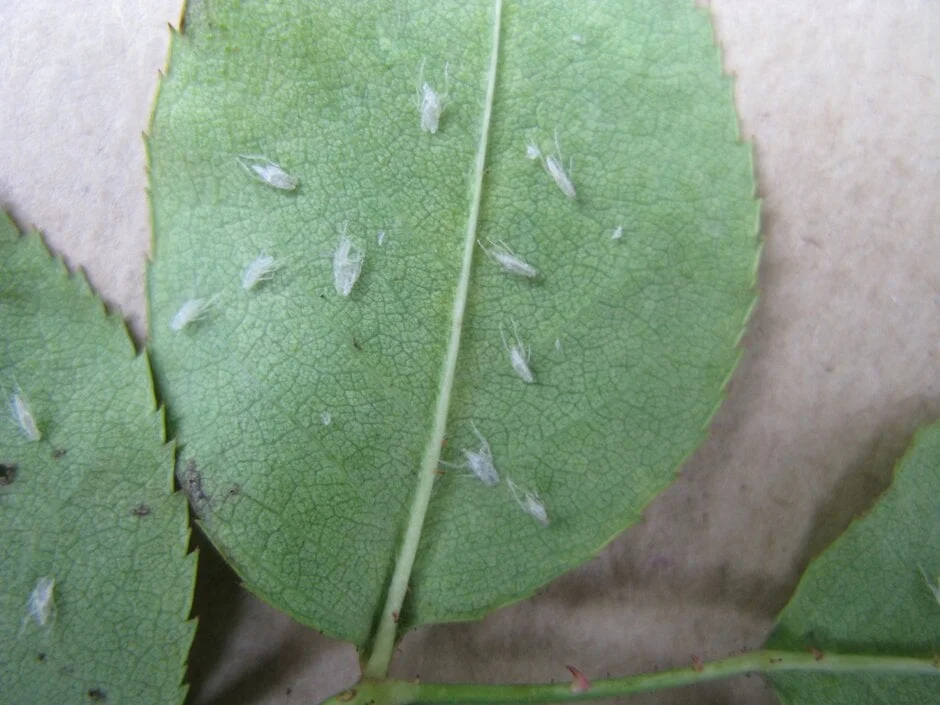
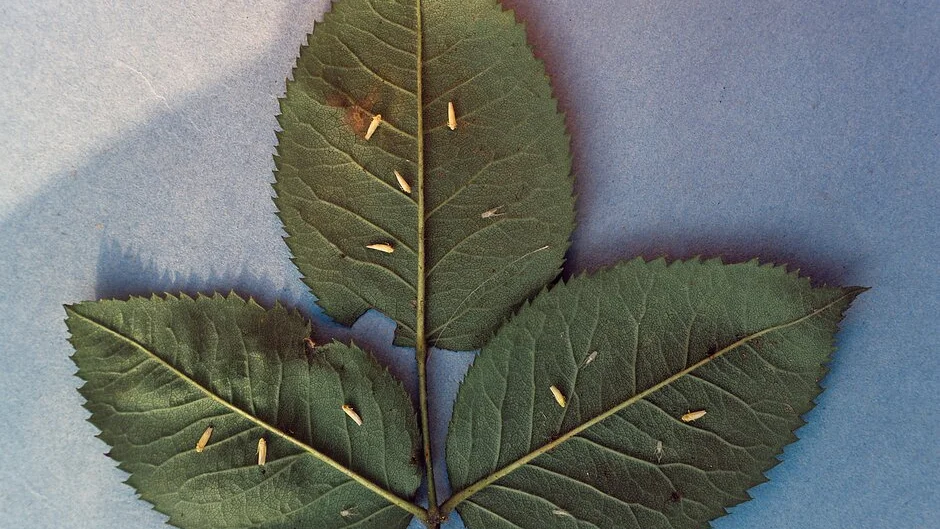
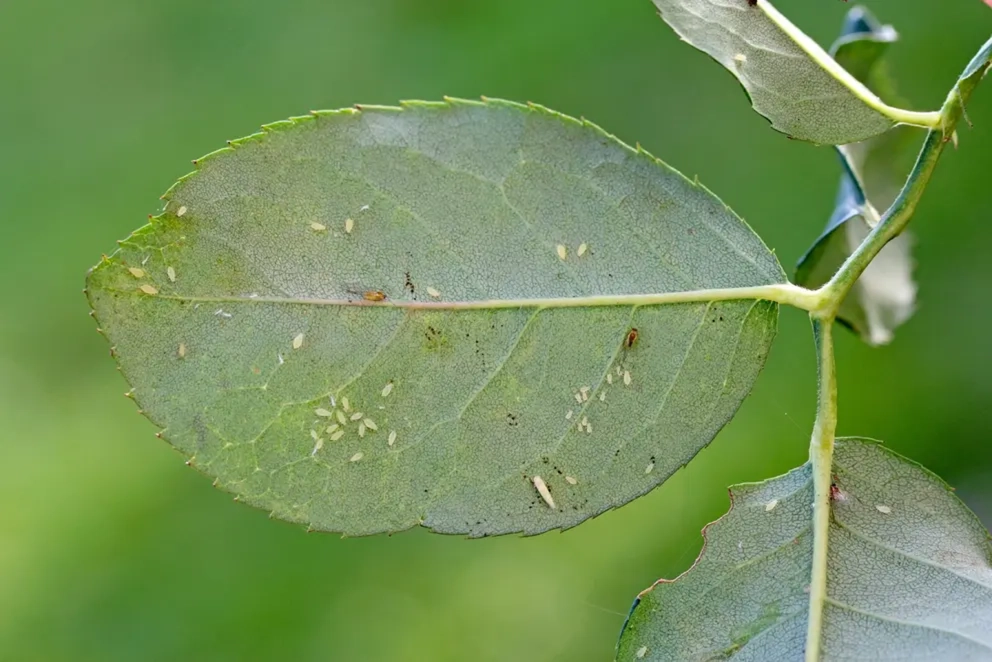
- Growth slows under high leafhopper density.
Treatment plan
- The mottling is largely cosmetic: light infestations usually need no treatment, as plant vigour and flowering are rarely affected — tolerate where possible.
- Encourage natural predators (ladybirds, predatory bugs, parasitic wasps, birds) rather than reaching for chemicals.
- For heavy infestations: spray neem oil or insecticidal soap onto leaf undersides to hit the nymphs; hang yellow sticky traps to reduce density.
- Repeat treatment across successive generations until the population is under control.
Prevention
- Inspect leaf undersides regularly, especially in warm, dry weather.
- Clear weeds and wild rosaceous hosts around pots where leafhoppers shelter and lay eggs.
- Prune out and dispose of egg-laden shoots and canes in winter to reduce overwintering eggs.
- Keep plants healthy and well-watered, and support biodiversity so natural predators thrive.