
Leaf Cutter
InsectDescription
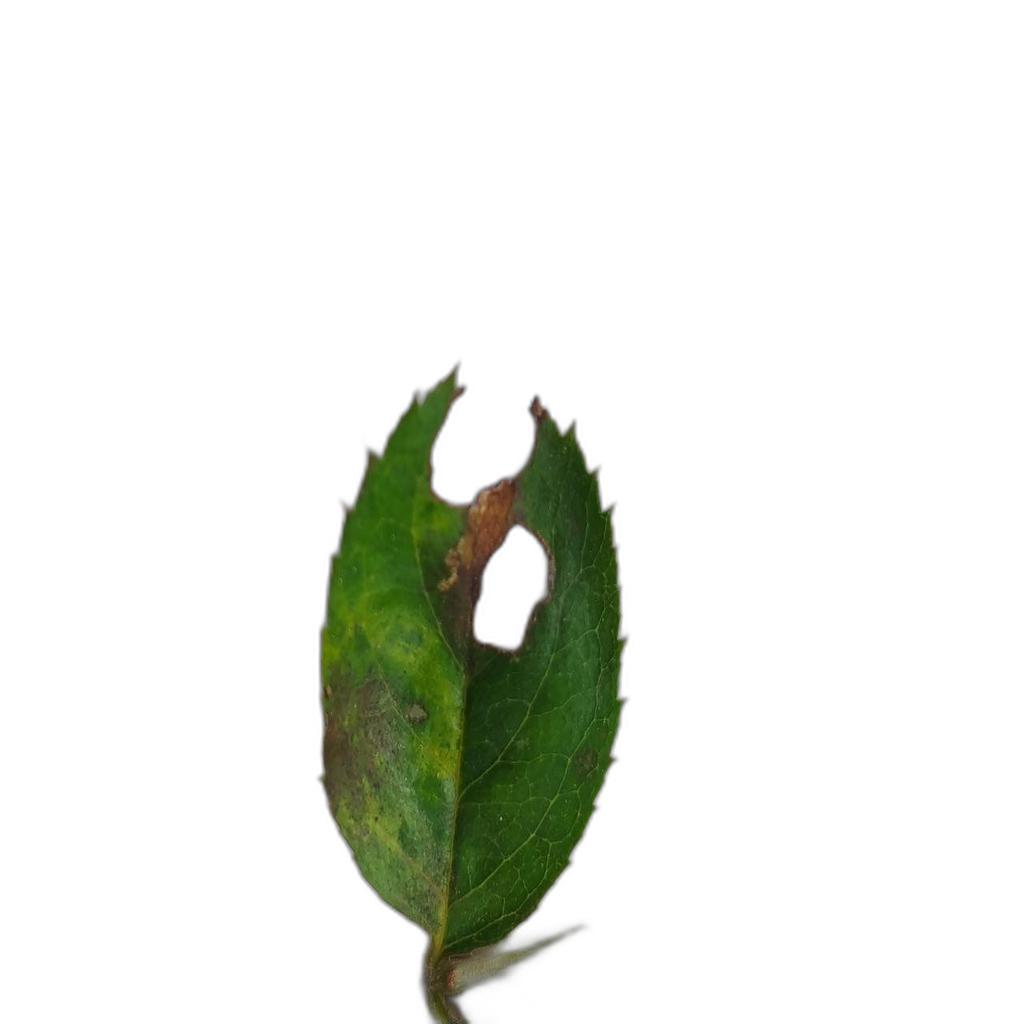
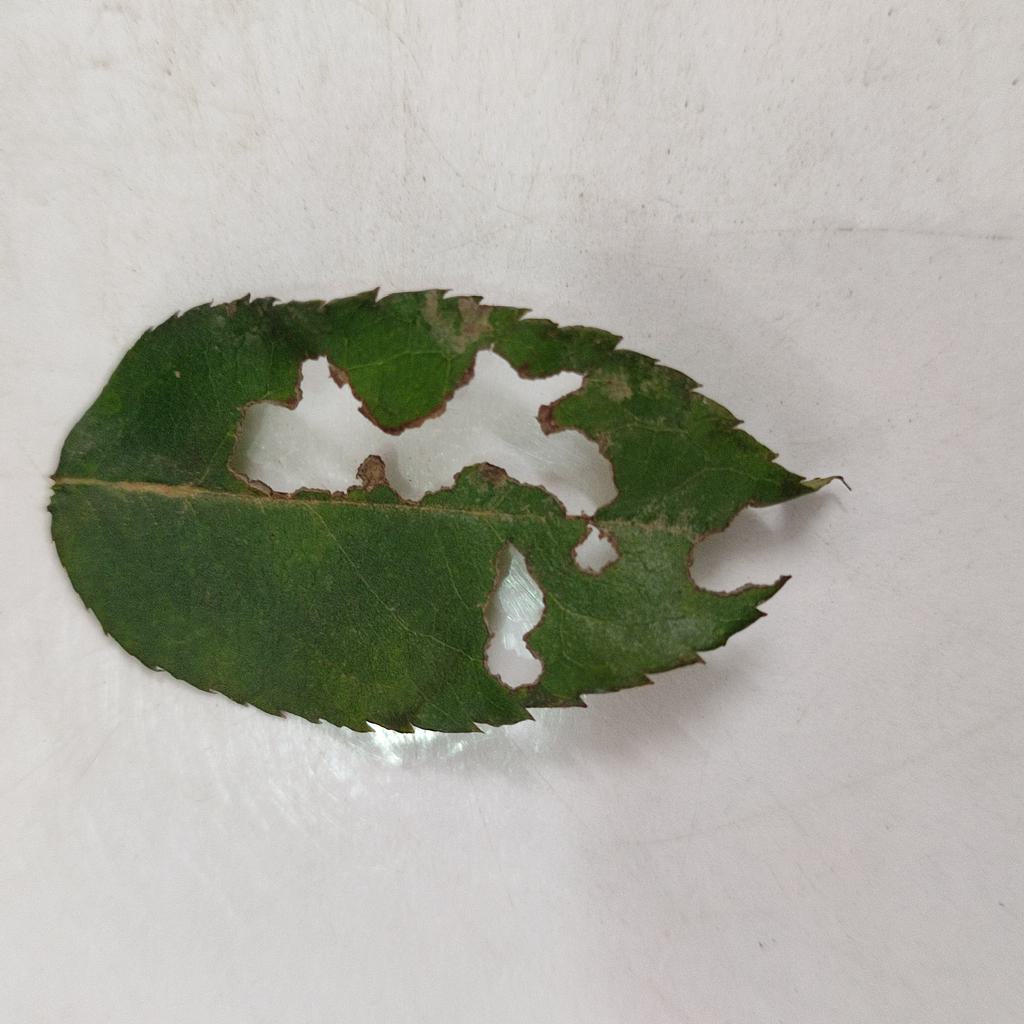
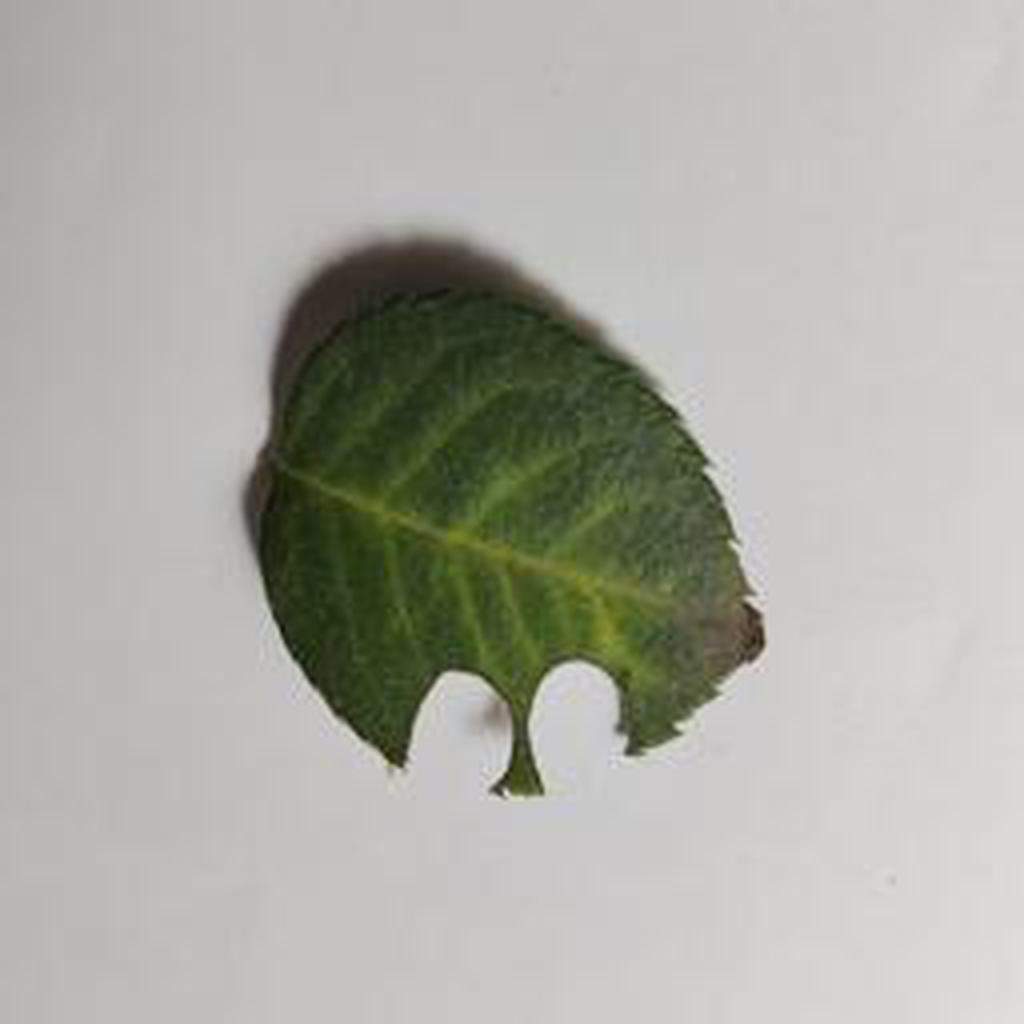
This damage is caused by leaf-cutter bees (Megachile spp.), which excise neat semi-circular pieces from leaf margins to line their nest cells, or by leaf-eating caterpillars (Lepidoptera larvae) that chew irregular holes through the lamina. It is not an infectious disease — the injury is purely mechanical feeding damage. Leaf-cutter bees rarely cause significant harm and are in fact valuable pollinators, but caterpillar populations can defoliate a plant rapidly if left unchecked.
Symptoms
- Tidy semi-circular or arc-shaped notches cut from leaf margins (leaf-cutter bee).
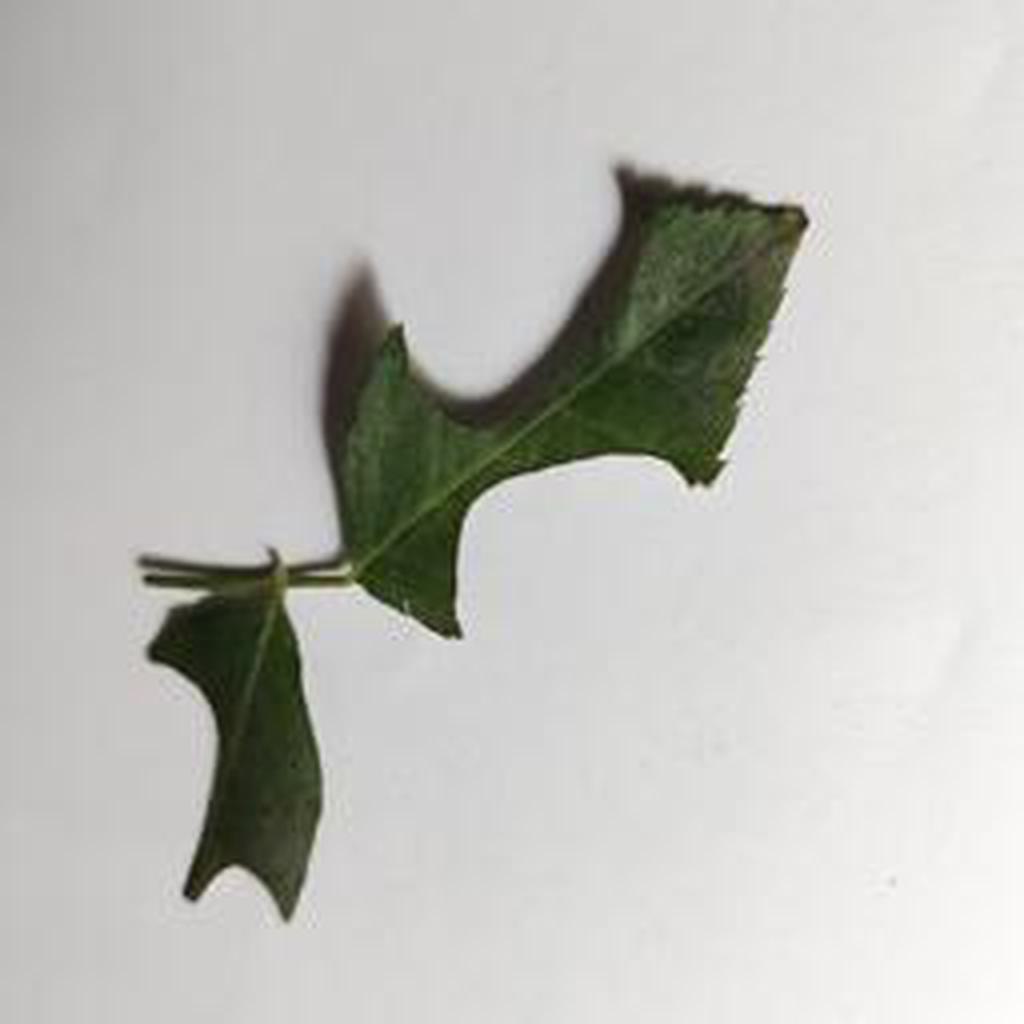
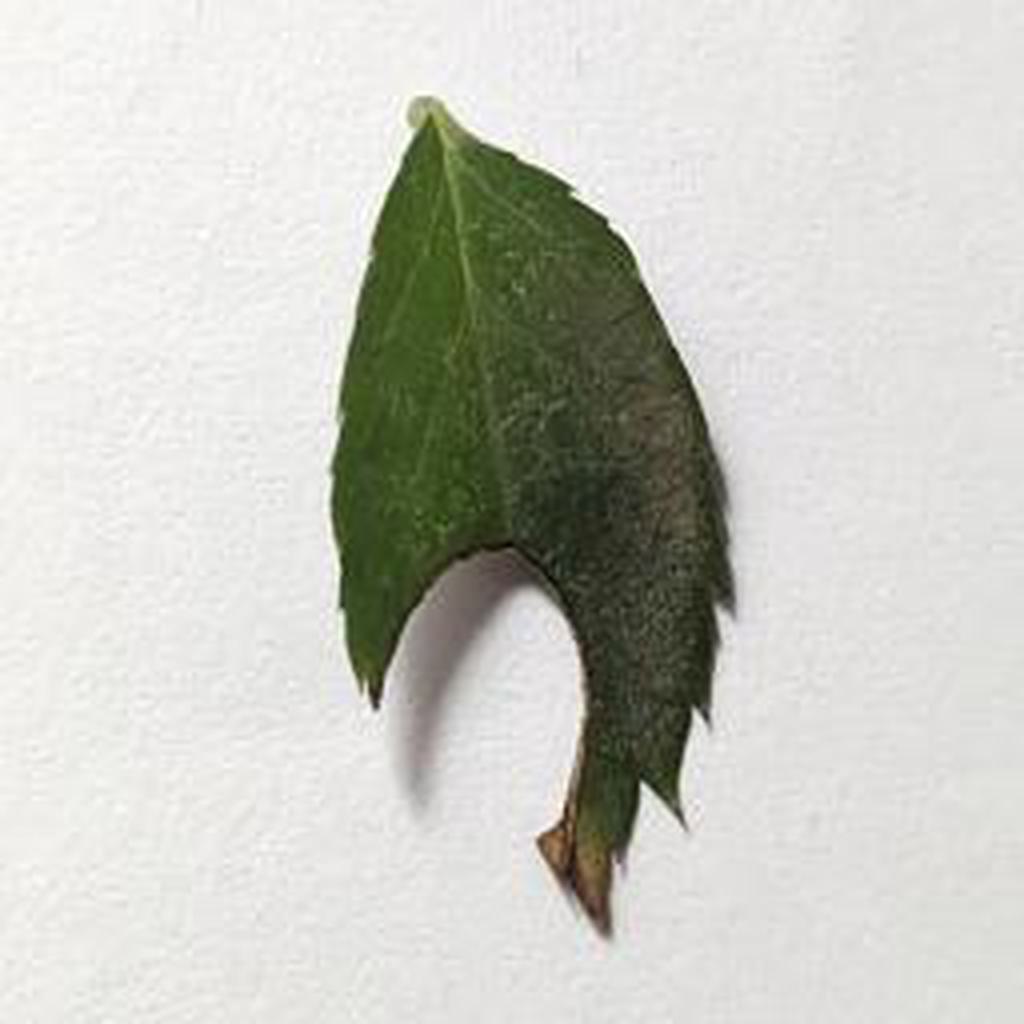
- Irregular holes through the leaf blade with veins often left intact (leaf-eating caterpillars).
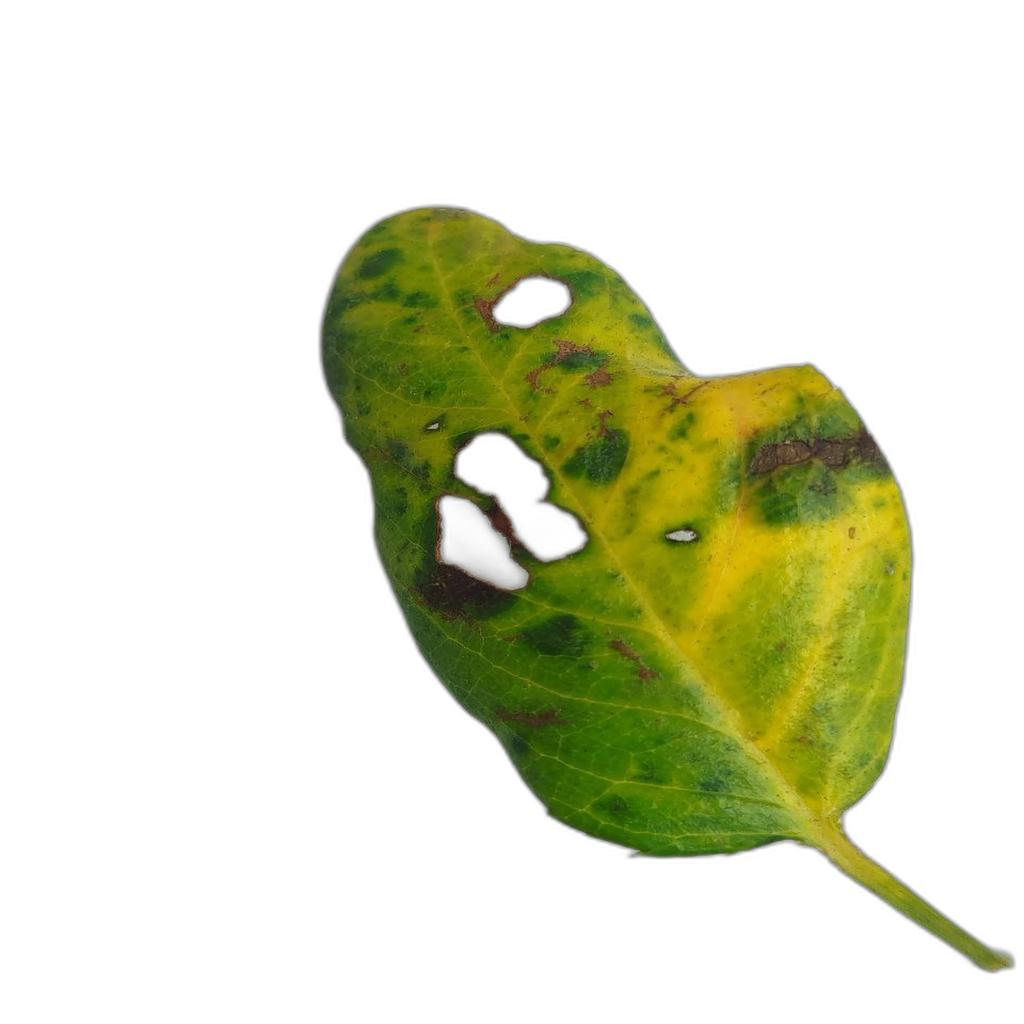
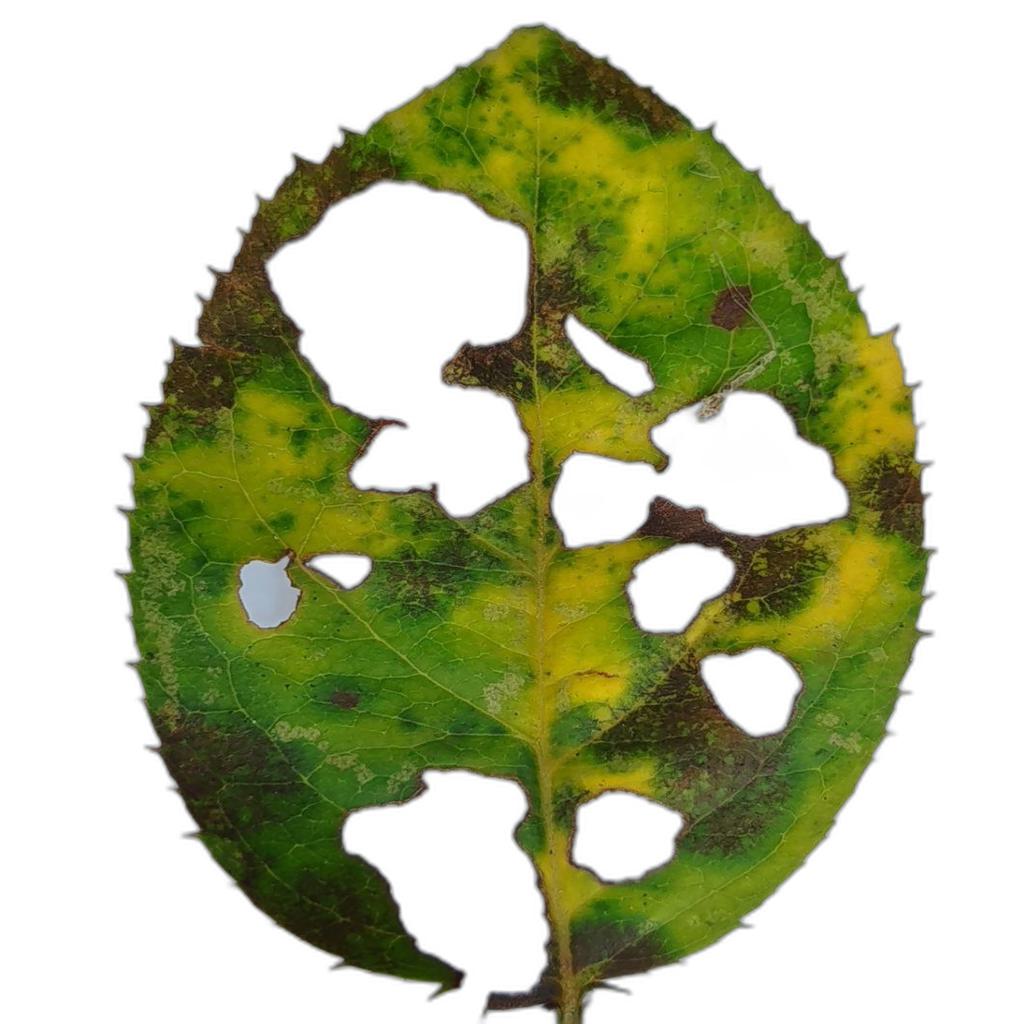
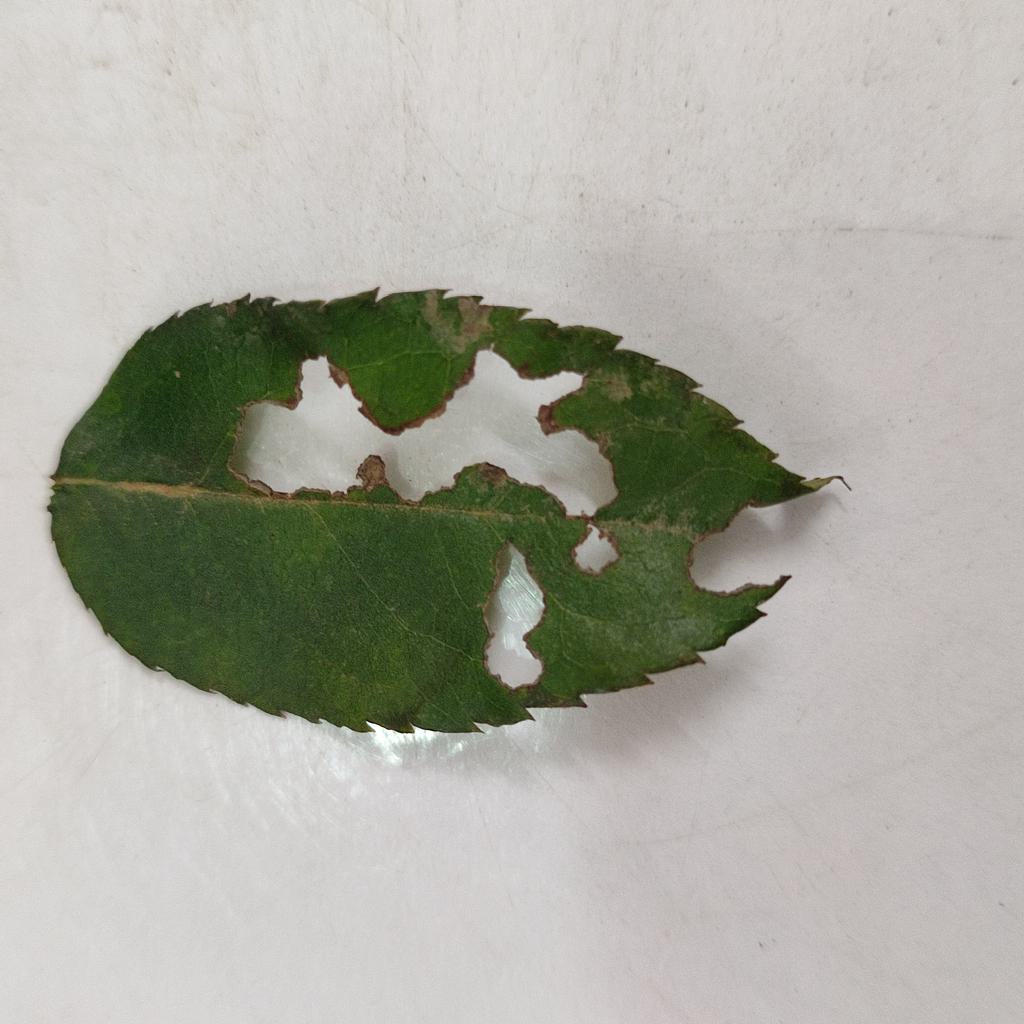
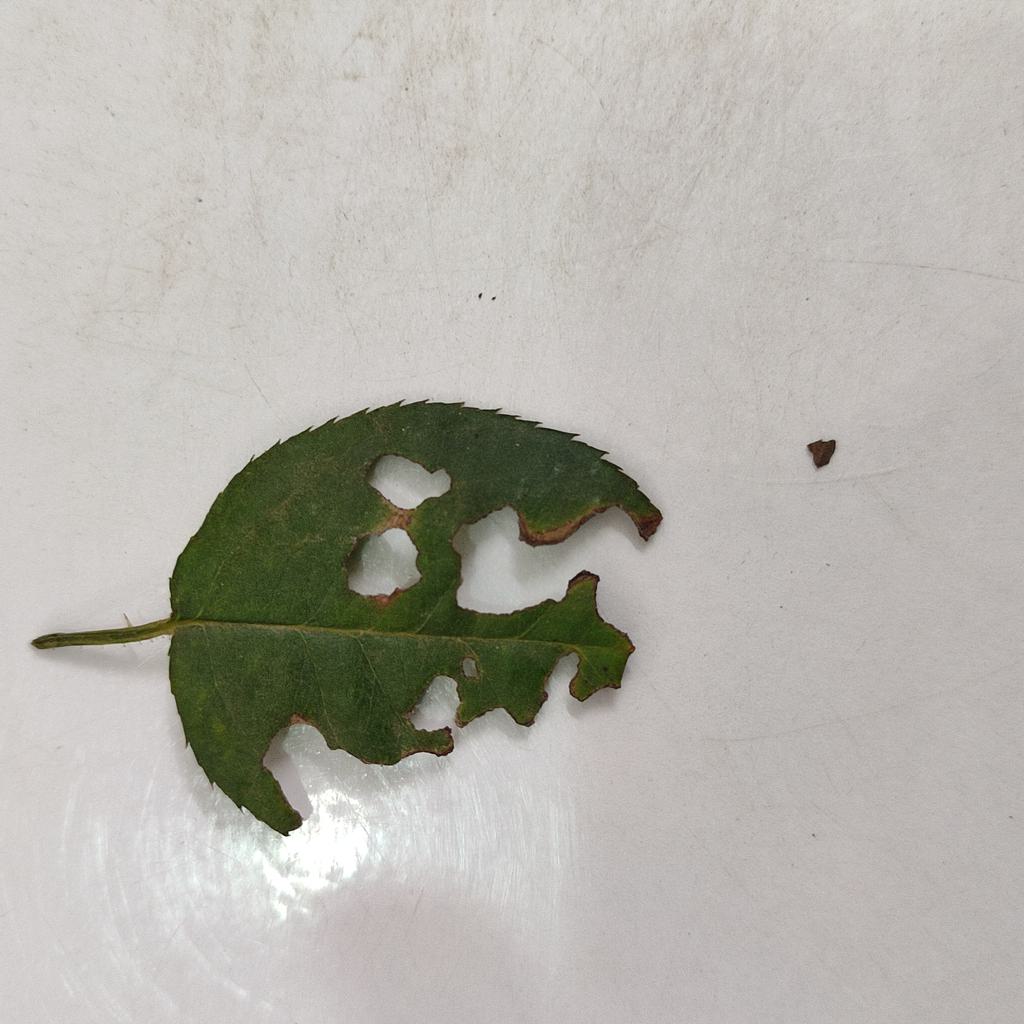
- Small green or brown frass (caterpillar droppings) near the feeding sites.
Treatment plan
Mechanical damage from a few leaf-cutter bees is best tolerated — they are important pollinators. Intervene only when a caterpillar population becomes established:
- Inspect the underside of leaves to locate young larvae.
- Hand-pick caterpillars or remove them with tweezers.
- Prune out and destroy heavily damaged foliage.
- Biological control: Spray Bacillus thuringiensis (Bt) for selective control of lepidopteran larvae without harming beneficial insects.
- Selective insecticides: For heavier infestations, apply Spinosad or Abamectin to knock down resistant populations.
Prevention
- Scout the plant regularly, ideally in the early morning when caterpillars are still feeding openly.
- Drape fine mesh netting over the canopy in small home gardens to exclude both bees and ovipositing moths.