
Rose sawfly (rose slug)
InsectDescription
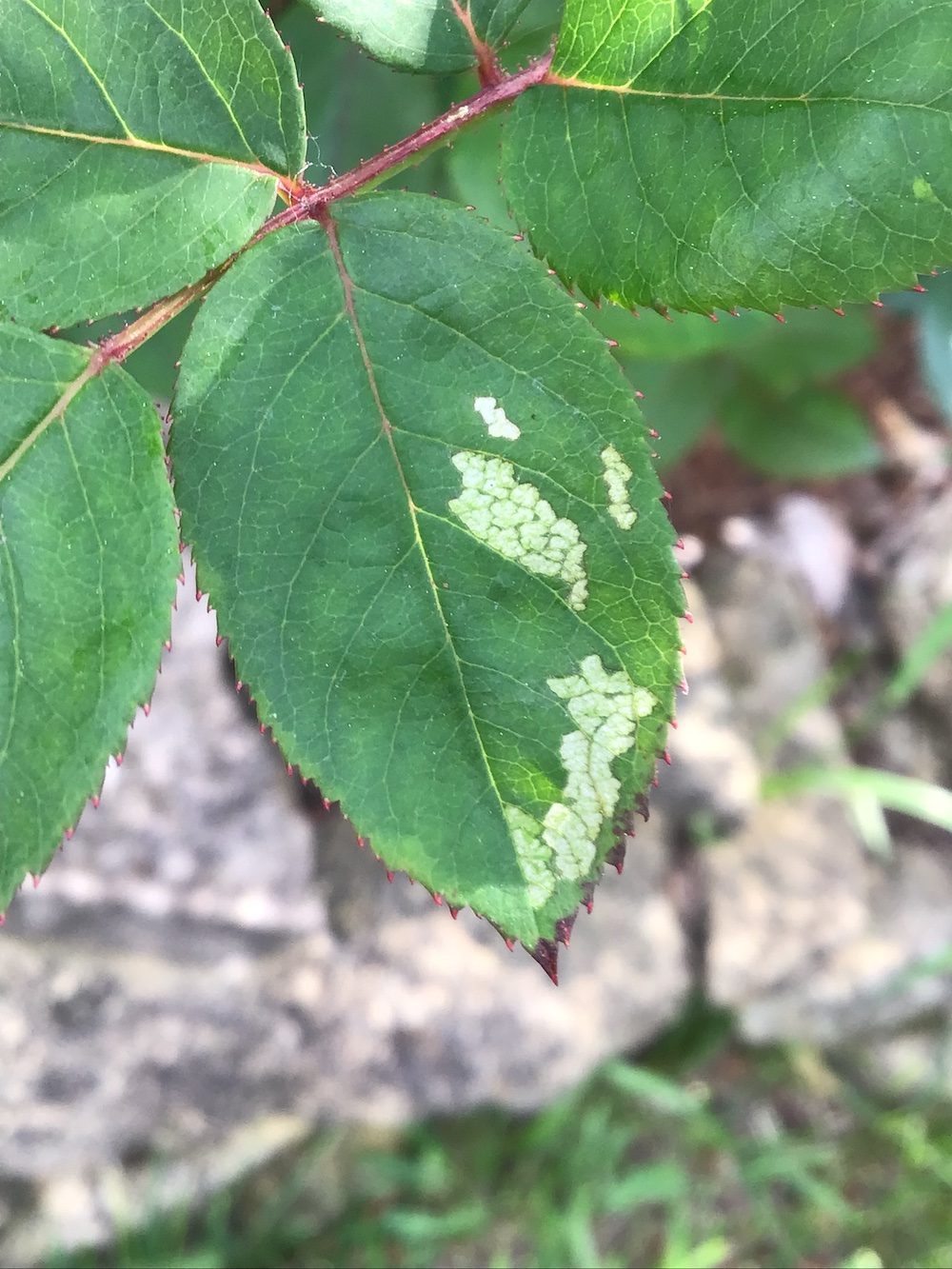
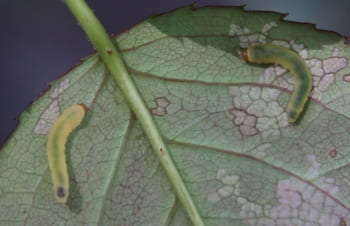
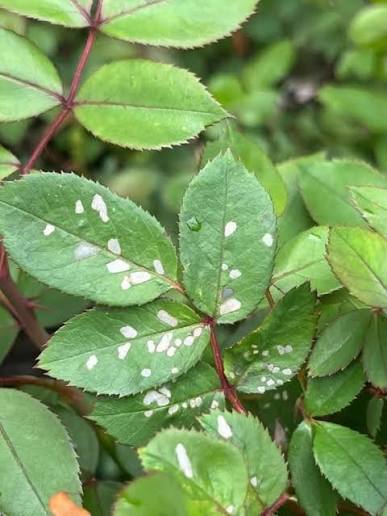
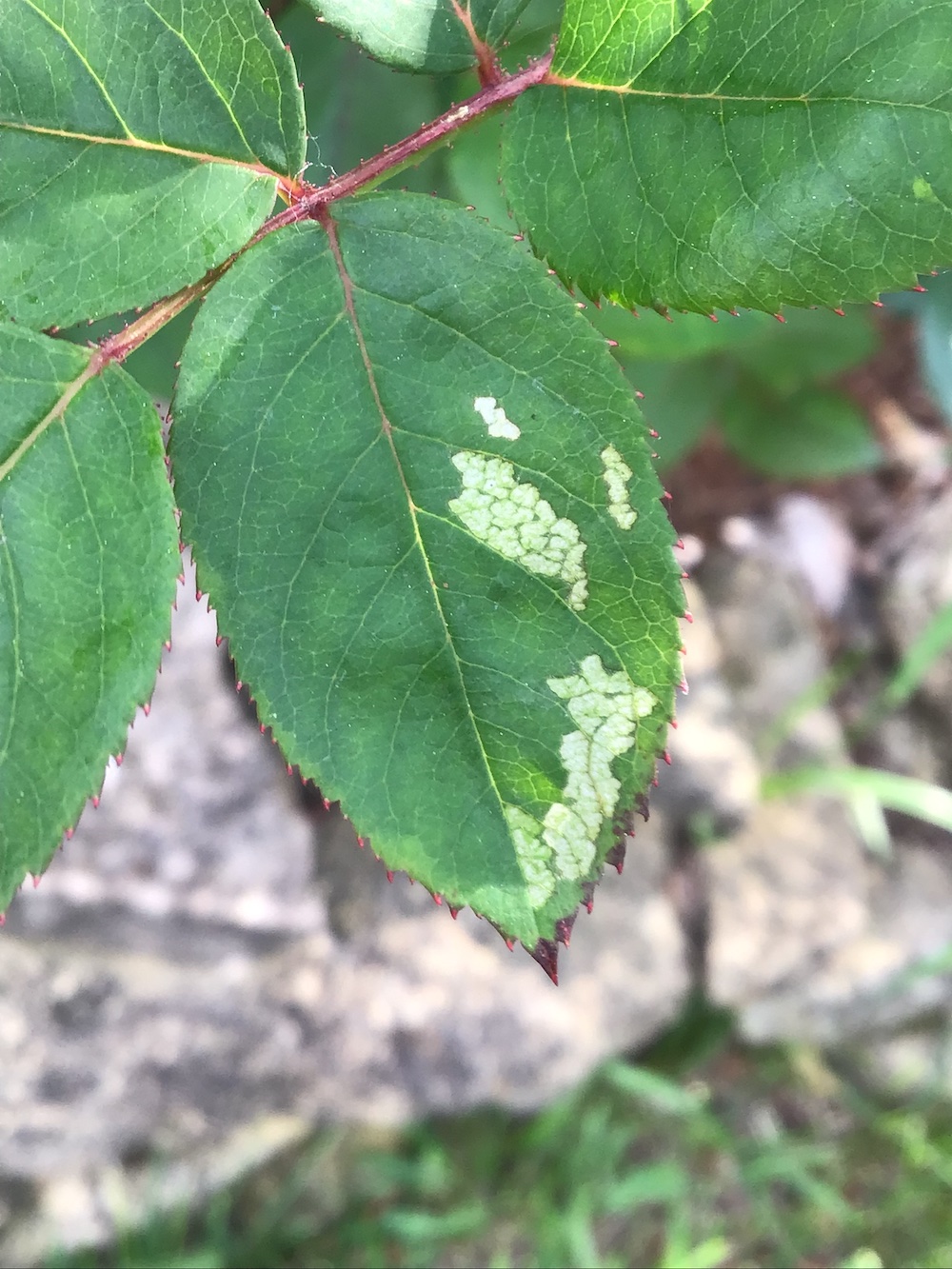
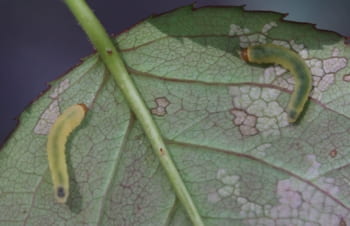
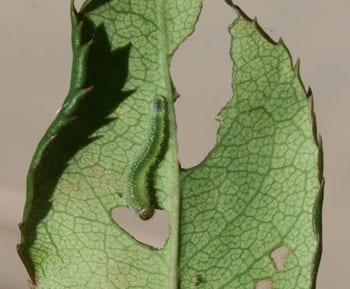
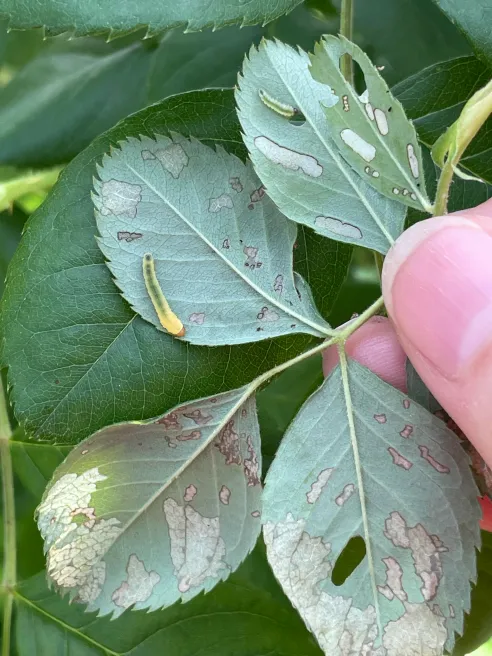
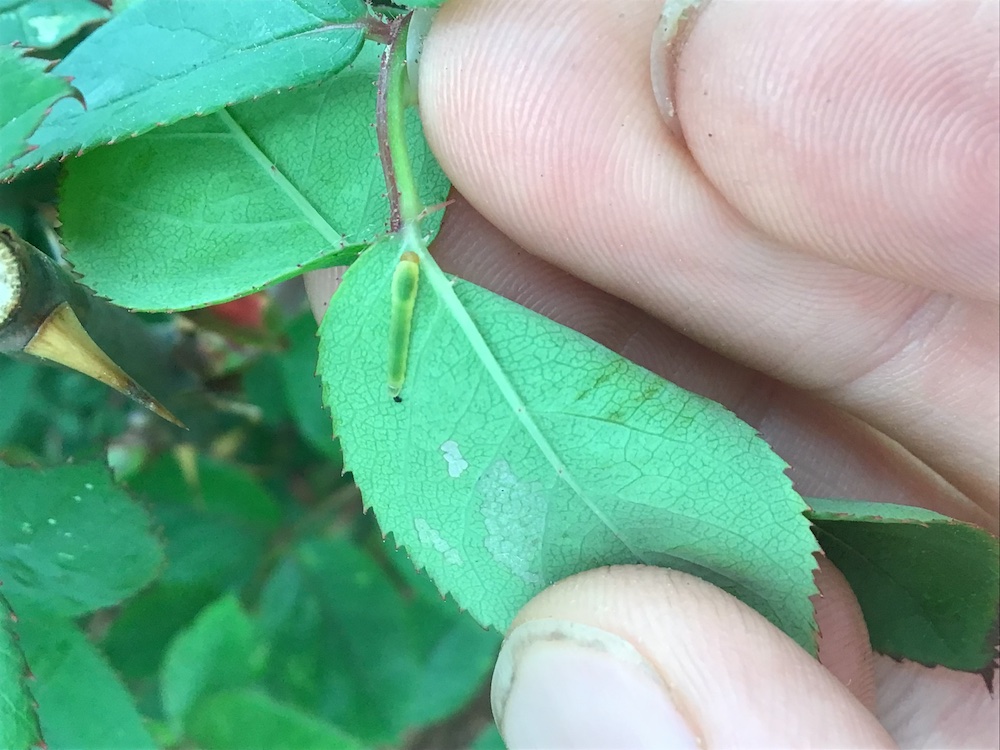
The rose sawfly (rose slug, family Tenthredinidae) is the larva of a leaf-eating sawfly, not a true caterpillar. In early spring the adult emerges from the soil and slits stem tissue or young leaf margins to lay eggs. The eggs hatch into small, slug-like, smooth-bodied green or pale-yellow larvae that rest on leaf undersides and graze the epidermis for 2–4 weeks, leaving translucent "window" patches and sometimes skeletonising the leaf down to its veins. Mature larvae drop to the soil, spin cocoons and overwinter, repeating the cycle the following year.
In hot, humid tropical regions such as most of Vietnam it is uncommon, because its life cycle depends on a cold winter for pupal dormancy and a cool spring emergence. It appears mainly during cool seasonal transitions or in cool year-round highland microclimates (e.g. Da Lat). In hot lowlands, leaf-chewing damage is usually caused by other pests — confirm the culprit before concluding rose sawfly.
Symptoms
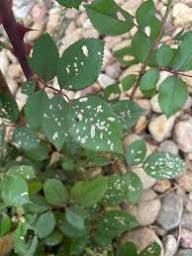
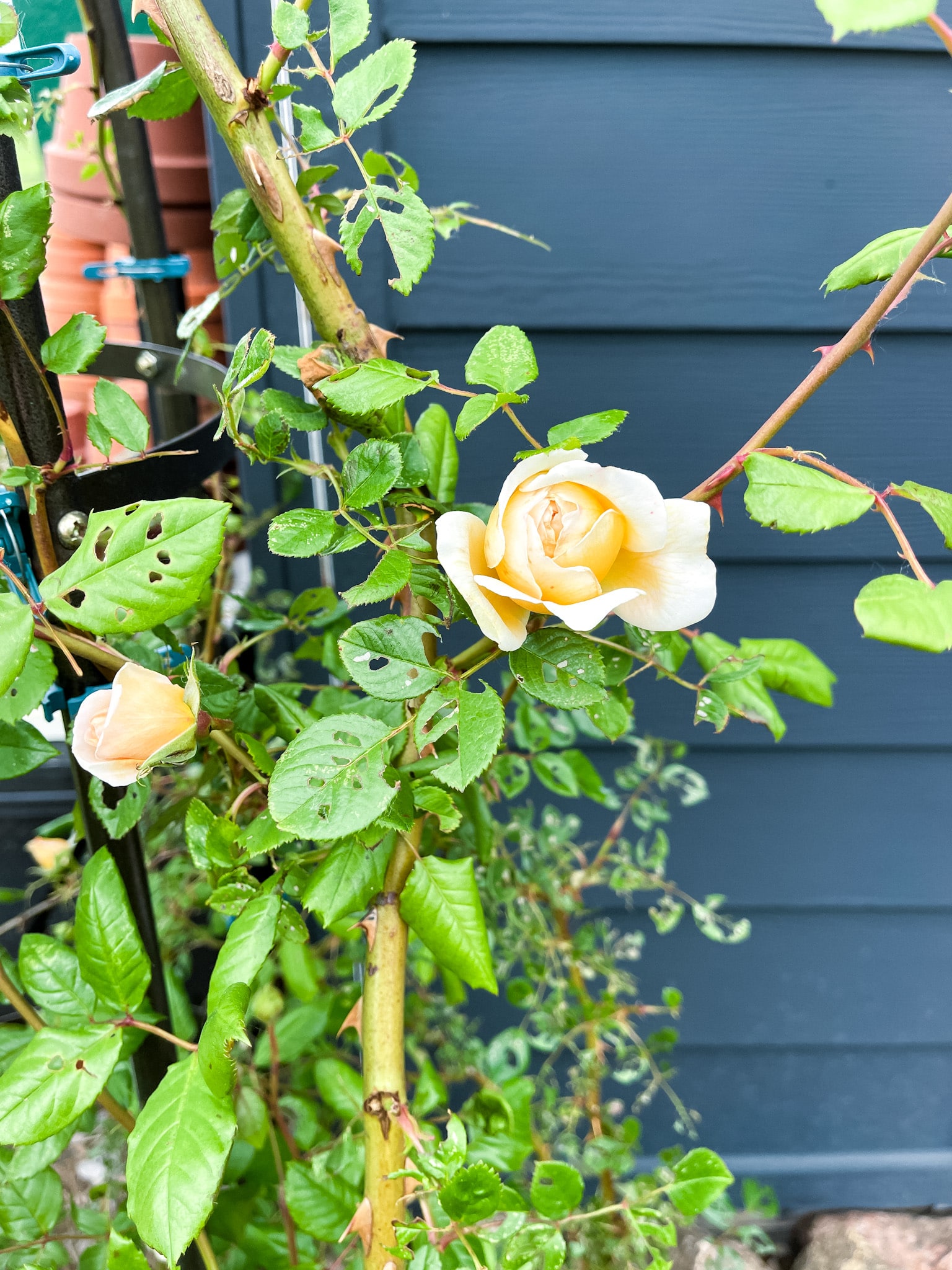
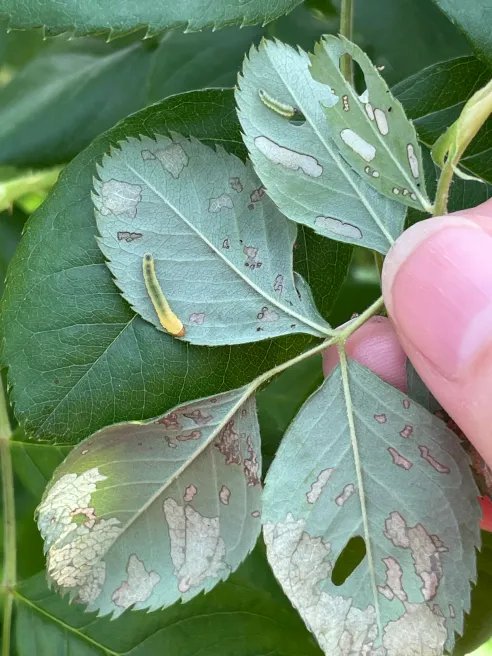
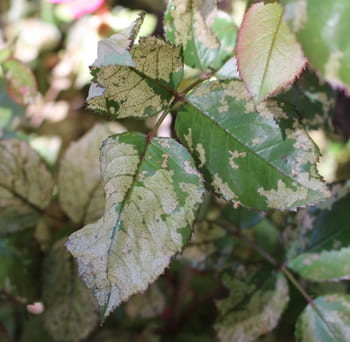
- Leaves grazed into translucent windows, sometimes skeletonised to the veins.
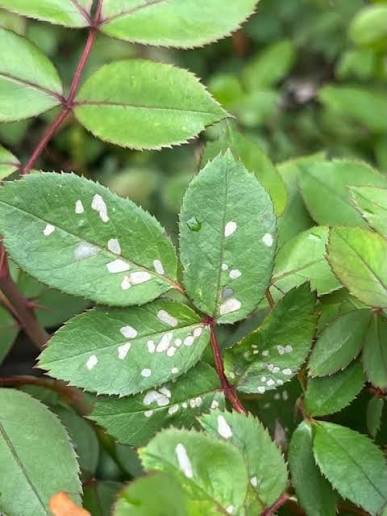
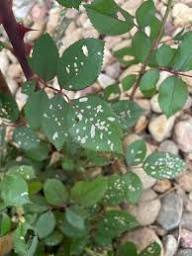
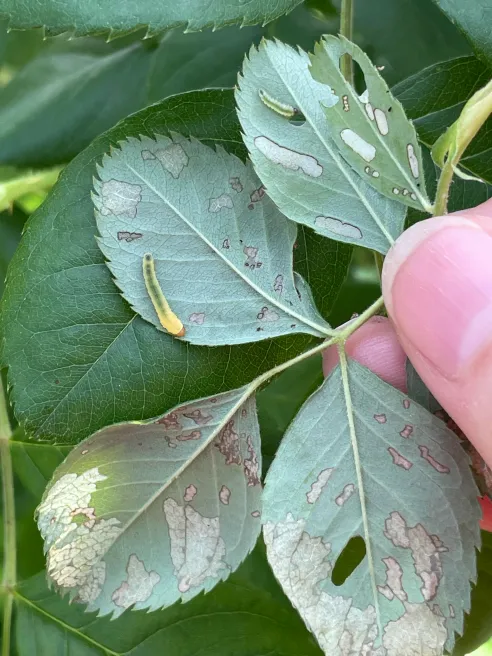
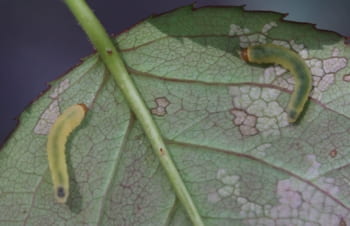
- Small green slug-like larvae rest on the underside of leaves.
- Damaged leaves dry and drop under heavy larval feeding.
- Loss of photosynthetic leaf area slows plant growth.
Treatment plan
- Hand-pick larvae and remove infested leaves when densities are low.
- Spray insecticidal soap or neem oil in the early morning or late afternoon, coating leaf undersides; avoid broad-spectrum insecticides that harm predators.
- For heavy infestations, use a Spinosad- or Pyrethrum-based product, thoroughly covering leaf undersides.
- Inspect and act early, as soon as leaf grazing begins.
Prevention
- Check leaf undersides early in the season (spring to early summer / cool spells) for early detection.
- Lightly cultivate and clear the soil around the base during cold weather to destroy overwintering cocoons/pupae.
- Protect natural enemies (parasitic wasps, birds).