Description
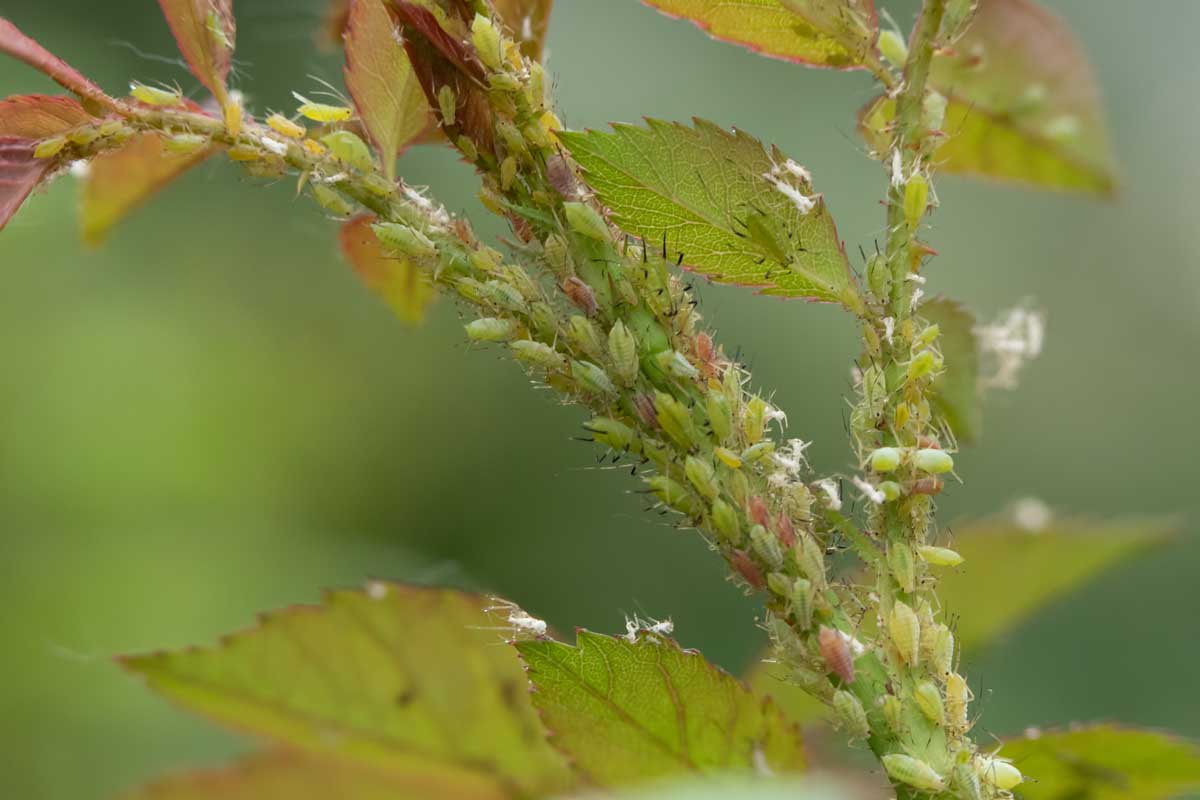
Several small brown or orange scarab beetles (Coleoptera: Scarabaeidae, e.g. Adoretus and Anomala spp. chafers) hide in the soil, leaf litter or around the crown by day, fly up to feed on foliage and petals after dark, and return to the soil before dawn. Growers therefore see fresh holes in the leaves but find no pest during the day. Adult activity typically peaks at the start of the rainy season. The larvae are C-shaped white grubs that live in the soil and feed on organic matter and fine roots.
The species responsible for damage on roses in Vietnam has not been confirmed from published sources; night-feeding chafers of the genera Adoretus and Anomala are the group most often reported on ornamentals.
Distinguish from leaf-eating caterpillars (pelleted frass near the feeding sites; larvae can usually be found) and leafcutter bees (neat arc-shaped cuts at the leaf margin).
Symptoms
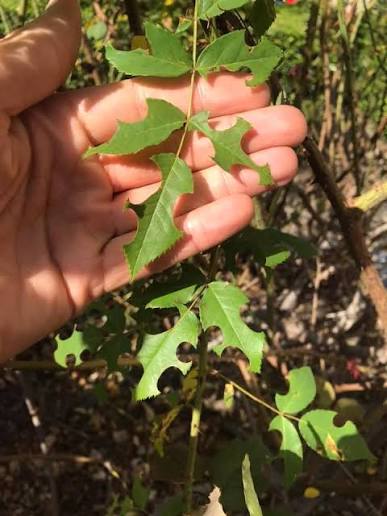
Many small holes chewed between the veins, giving a lace-like look to the leaf.
Leaves are heavily holed, yet a careful daytime search finds no caterpillars and no frass.
By torchlight after dark, brown or orange bean-sized beetles are seen feeding on leaves and petals.
Treatment plan
- Hand-pick at night: inspect the plant with a torch after 19:00–20:00 and remove the beetles by hand.
- Shake into soapy water: hold a container of water with a little soap under the canopy and tap the canes; disturbed beetles drop and drown.
- Search the soil: loosen the top layer around the crown to find resting adults and white grubs and destroy them.
- Bt is ineffective: Bacillus thuringiensis (Bt) products target lepidopteran larvae and do not control beetles — do not rely on Bt here.
- Insecticides only for heavy damage: if hand removal cannot keep up, use a product registered for beetles, follow the label, and spray at dusk when beetles are about to feed and pollinators are inactive.
Prevention
- Remove leaf litter and weeds around the base where beetles shelter by day.
- Avoid outdoor lights near the roses at night, as they attract flying adults.
- When repotting or mixing new soil, check for and remove white grubs.
- At the start of the rainy season, scout by torchlight a few evenings a week for early detection.