From a plant-physiology perspective, fertilizing roses is not simply dumping food into a pot—it is an ongoing dialogue with the plant across each developmental phase. Roses are heavy feeders yet acutely sensitive to nutritional timing. Even the right nutrient applied at the wrong stage (such as high nitrogen during bud set) will sabotage bloom quality.
This comprehensive handbook organizes a full rose flush into a 6-stage, 35–45 day roadmap, detailing physiological state, exact fertilizer choices, and the 8 Golden "DON'T" Rules to prevent fertilizer burn and root shock.
1. Nutritional Foundation & Ideal Soil pH Before Starting a Cycle
Every feeding program begins with well-aerated soil maintained at an optimal pH of 5.6 – 6.5. If your substrate is overly acidic (Soil pH Imbalance), amend with agricultural lime before beginning the cycle.
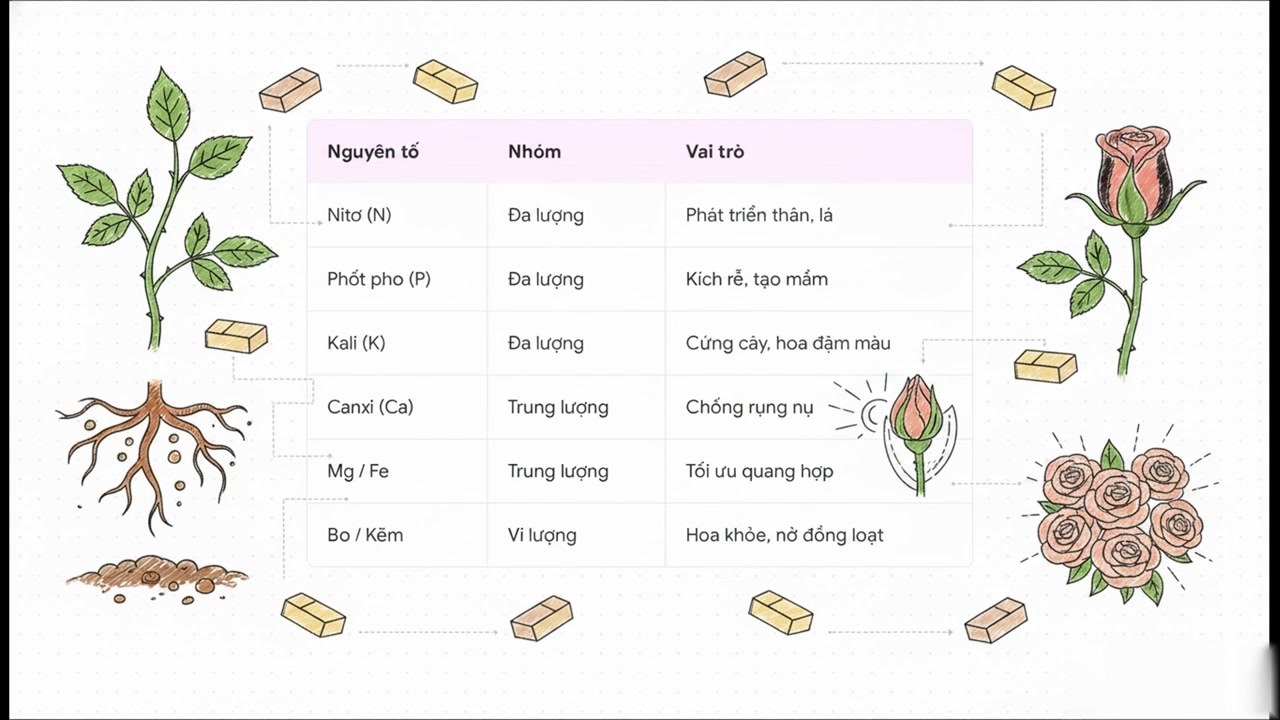
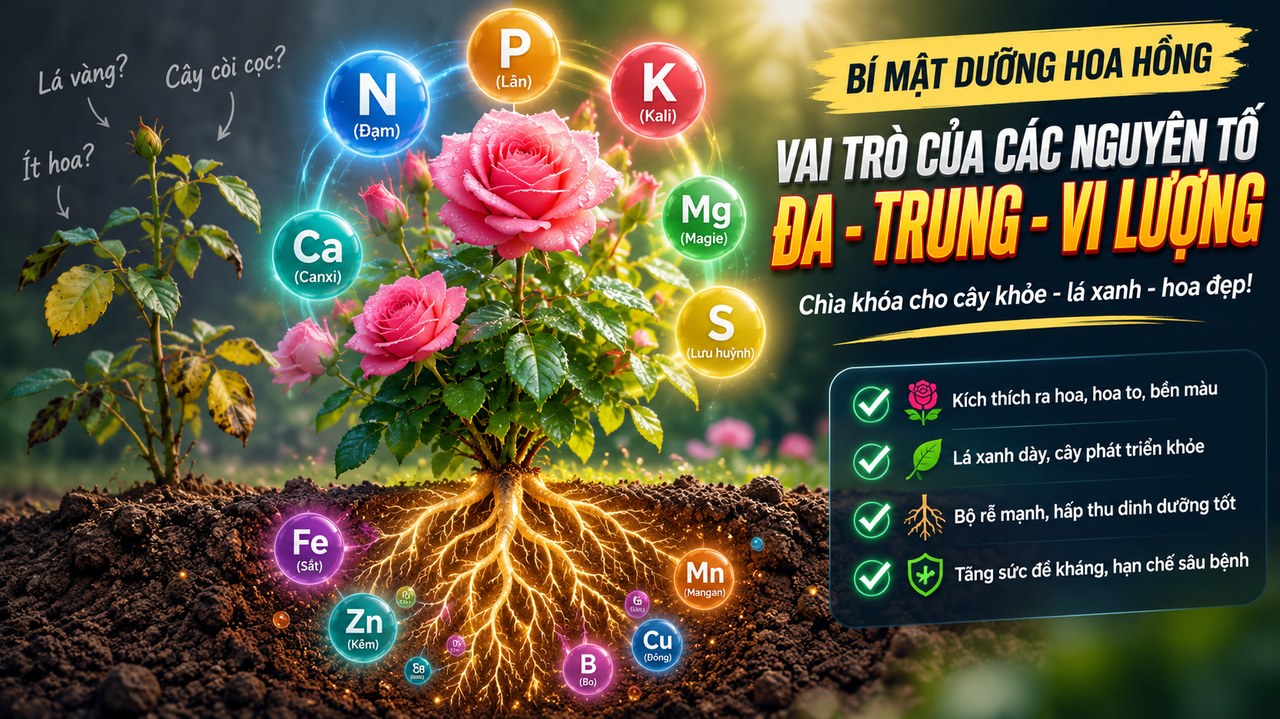
| Element | Group | Primary Physiological Role in Roses |
|---|---|---|
| Nitrogen (N) | Macronutrient | Drives cane and shoot elongation and lush green foliage |
| Phosphorus (P) | Macronutrient | Stimulates vigorous root growth and flower-bud differentiation |
| Potassium (K) | Macronutrient | Strengthens stems, boosts disease resistance, deepens petal color and longevity |
| Calcium (Ca) | Secondary | Builds rigid cell walls, stiffens canes, prevents bud drop |
| Magnesium (Mg) / Iron (Fe) | Secondary / Micro | Essential for chlorophyll synthesis and peak photosynthesis |
| Boron (B) | Micronutrient | Enhances pollen viability and prevents premature bud/flower drop |
| Zinc (Zn) | Micronutrient | Promotes healthy floral primordia and synchronized blooming |
Three severe consequences of chronic nutrient deficiency:
- Stunted canes: Slow vascular regeneration and short, weak new shoots.
- Sparse canopy: Declining chlorophyll causes yellowing and leaf drop, crippling energy production.
- Lackluster, short-lived blooms: Small flowers, thin petals, washed-out color, and shortened bloom cycles.
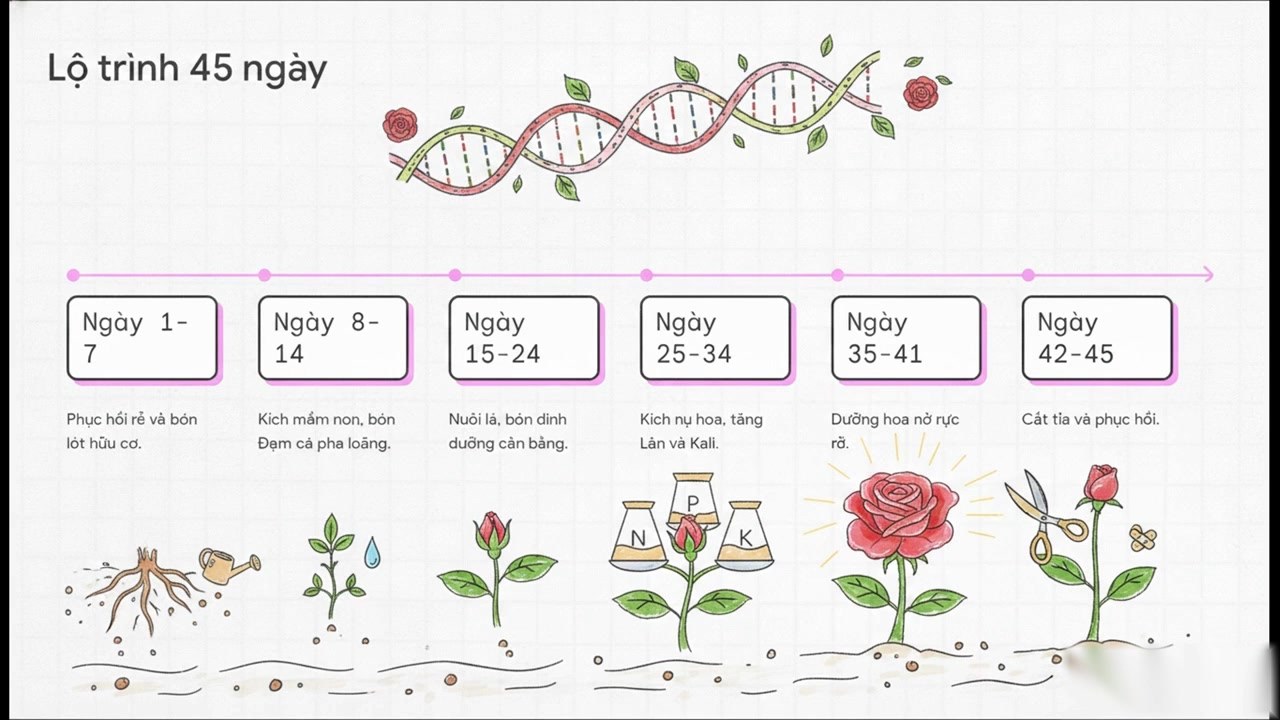
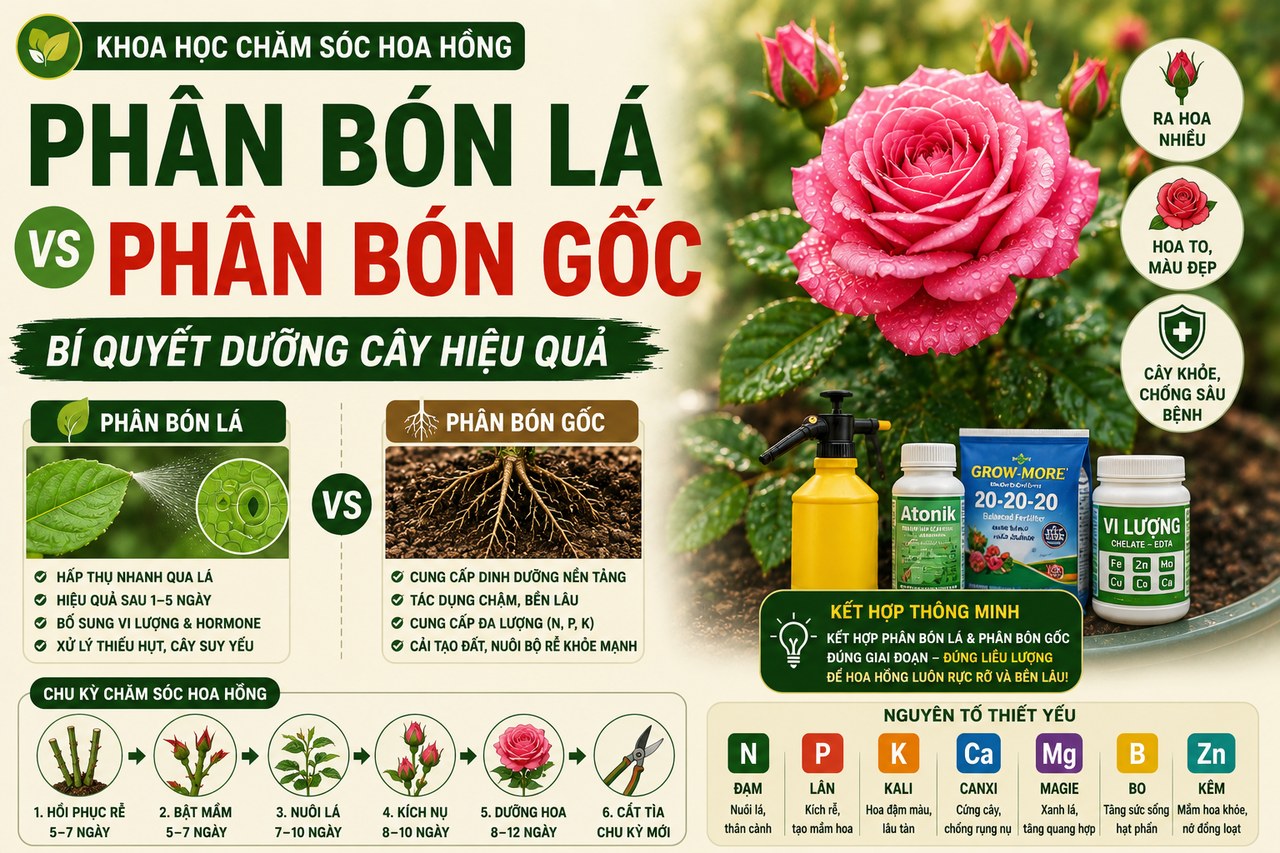
2. Stage 1: Root Recovery & Regeneration (Days 1 – 7)
Immediately after pruning or repotting, a rose enters biological stress. Your top priority is stabilizing soil microbes and healing vascular tissues to prevent desiccation.
- Physiological state: The plant needs calm conditions to callus wounds and regenerate fine root hairs.
- Nutrition strategy: Combine well-aged organic matter (vermicompost, composted manure) with a phosphorus-rich starter (DAP or high-P NPK) to drive root elongation. Inoculate with beneficial Trichoderma fungi to suppress Root Rot.
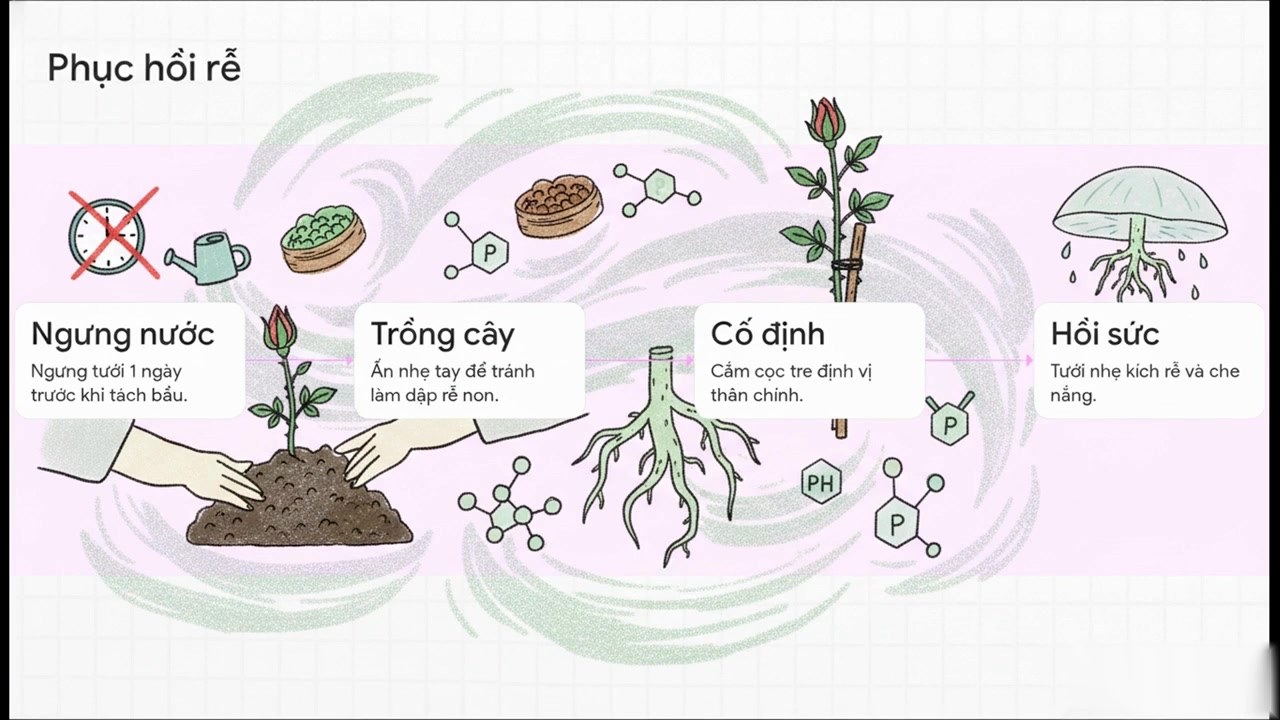
4 Safe Steps for Repotting or Transplanting:
- Preparation: Withhold water for 1 day before unpotting so the root ball stays cohesive and resists crumbling.
- Planting: Position upright, backfill with airy mix, and press gently (never compact tightly, which crushes tender roots).
- Staking: Insert a bamboo stake to anchor the main cane against wind movement while roots establish.
- Recovery: Drench lightly with a gentle rooting biostimulant (Acroots or Org Hum) and keep in bright shade for the first 5–7 days.
3. Stage 2: Bud Break & New Shoot Emergence (Days 8 – 14)
Once feeder roots resume uptake, dormant eyes awaken and Nitrogen demand surges to extend new shoots and frame the bush.
- Physiological state: Growth hormones activate; dormant buds push reddish-purple or glossy light-green shoots.
- Nutrition choices: Apply fish hydrolysate or high-nitrogen soluble formulas such as NPK 30-10-10 or NPK 20-20-15 (e.g., Grow More). Pair with Humic Acid (BS21) to enhance soil structure and nitrogen uptake efficiency.
- Critical dilution rule: Tender shoots burn easily. Always dilute heavily (typically 1:3 to 1:5 for fish emulsion, always verifying label rates) to avoid scorching emerging growth.
4. Stage 3: Cane Elongation & Canopy Building (Days 15 – 24)
The goal here is thickening the leaf canopy and sustaining steady vegetative vigor to maximize photosynthetic sugar production before flowering.
- Nutrient focus: Pair foliage-building Nitrogen with Magnesium and Iron for deep-green, glossy leaves.
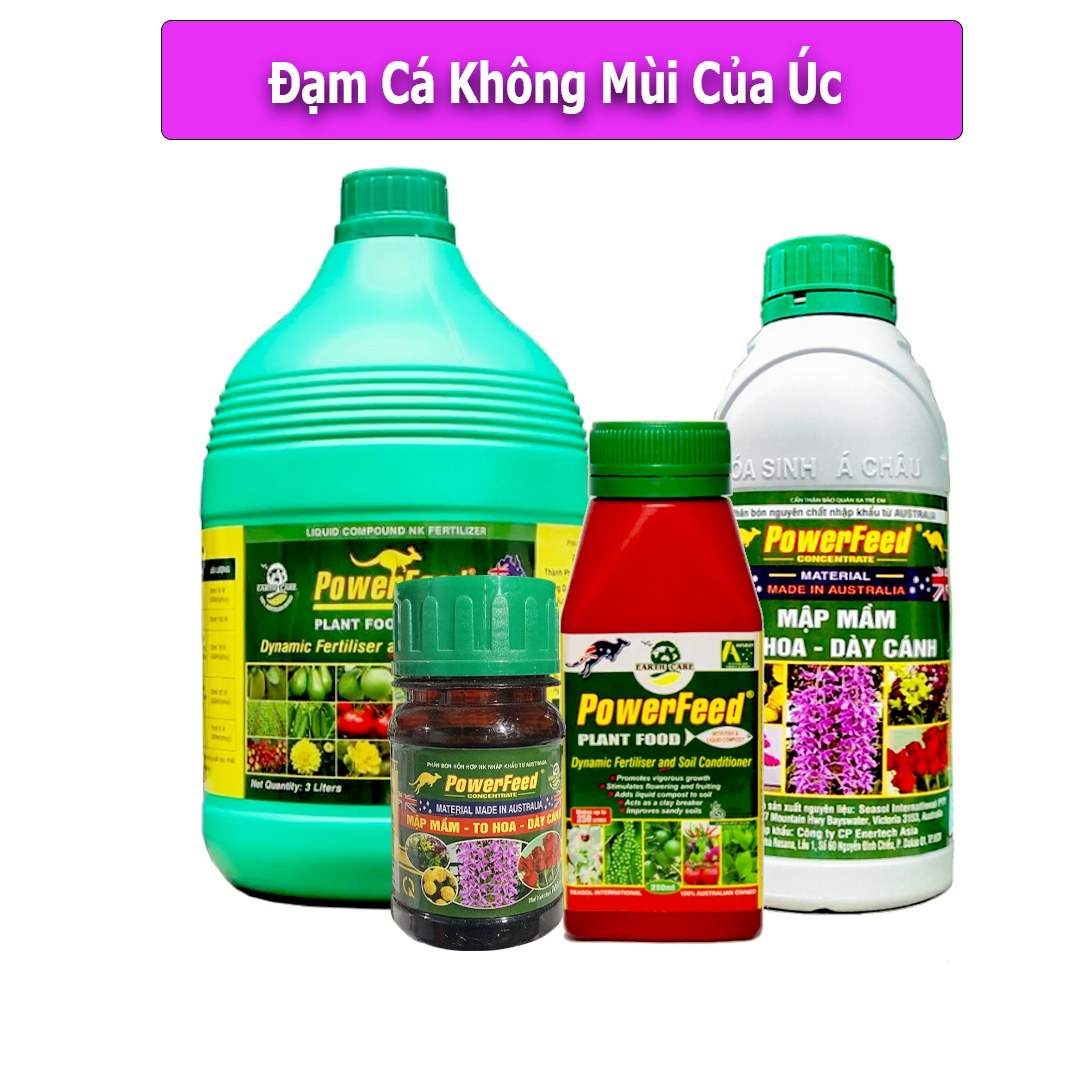
- Practical inputs: Foliar-feed organic biostimulants such as Seasol and Powerfeed alongside pelleted organic base feeds (vermicompost or goat manure). Add Amino Acids (BS14) for rapid leaf thickening.
Early foliar deficiency alerts during Stage 3:
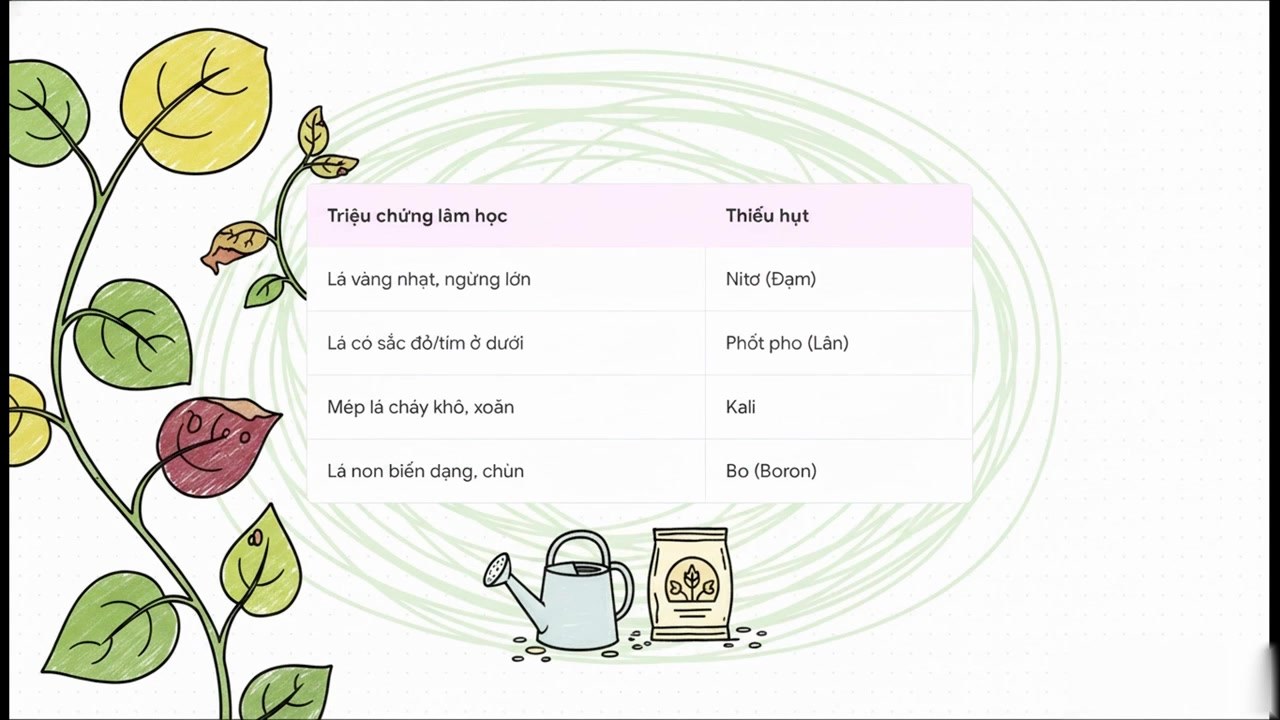
- Uniform pale yellowing, stalled growth: Nitrogen Deficiency.
- Reddish-purple underside tint: Phosphorus Deficiency.
- Dry, scorched, curling leaf margins: Potassium Deficiency.
- Distorted young leaves, stunted tips: Boron deficiency or Calcium Deficiency.
5. Stage 4: Floral Induction & Bud Formation (Days 25 – 34)
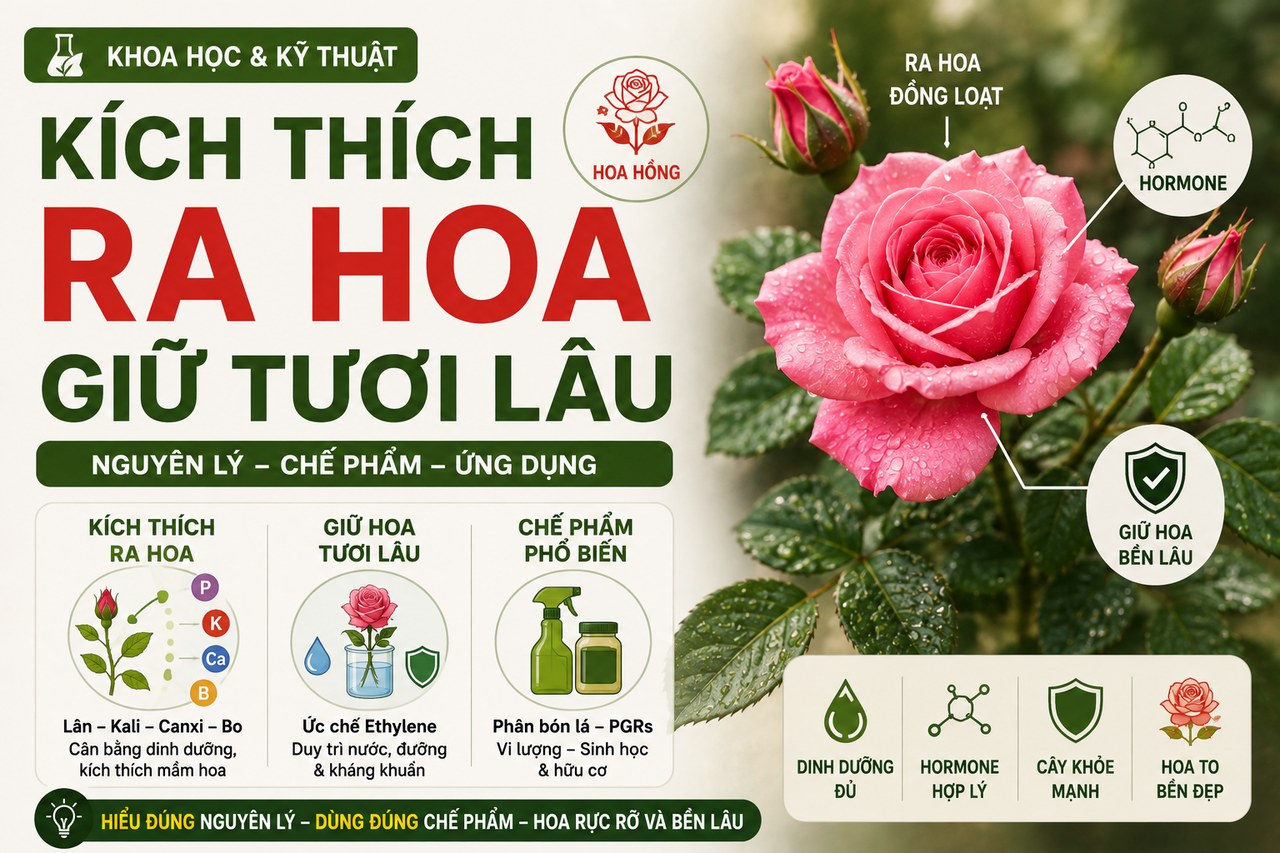
Once leaves reach physiological maturity, the rose pivots from vegetative to reproductive growth. Immediately shift your strategy: cut back Nitrogen and sharply increase Phosphorus and Potassium.

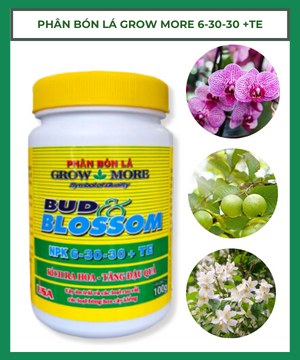
- Nutrition strategy: Switch to NPK 6-30-30, NPK 10-30-10, or BS15 – Nuti. Phosphorus triggers reproductive hormone conversion, while Potassium fuels tissue differentiation into plump buds.
- Supporting pruning: Pinch weak blind or twiggy shoots to channel energy into main flowering canes. On large-flowered hybrid teas, disbud side buds to leave 1 crown bud per stem for maximum bloom size.
- Essential bud-stage micronutrients:
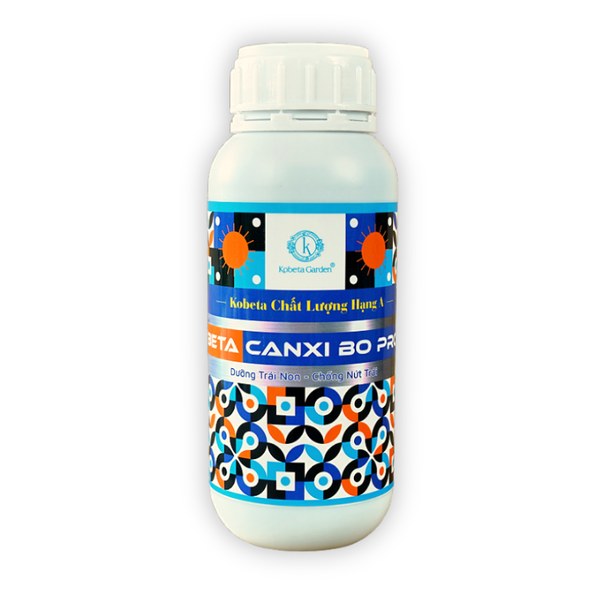
- Boron (B) & Calcium (Ca): Strengthen bud cell walls and pollen viability, preventing weather-induced bud blast (e.g., Beta Canxi Bo Pro).
- Zinc (Zn): Drives auxin synthesis so buds develop evenly and open in a synchronized flush.
6. Stage 5: Blooming & Extending Flower Quality (Days 35 – 41)
As buds crack open to show color, focus on reinforcing petal substance and prolonging display life.
- Prioritize Potassium (K): Feed Potassium Sulfate (SOP) or homemade banana enzyme to produce thick petals, rich color saturation, and classic bloom form.
- Watering discipline: Water at the soil line early in the morning; avoid wetting petals overnight to prevent Black Spot, Powdery Mildew, and Botrytis Blight.
The "3 DON'Ts" During Active Bloom:
- DO NOT spray fertilizers or pesticides directly onto open petals (causes petal burn and browning).
- DO NOT let the plant dry out (Drought Stress), which causes rapid wilting and shatter.
- DO NOT apply high-Nitrogen fertilizers (accelerates petal aging and washes out color).
7. Stage 6: Deadheading, Pruning & Cycle Reset (Days 42 – 45)
Never cling to faded blooms—prune decisively so the rose skips hip formation and channels energy into the next 35–45 day flush.
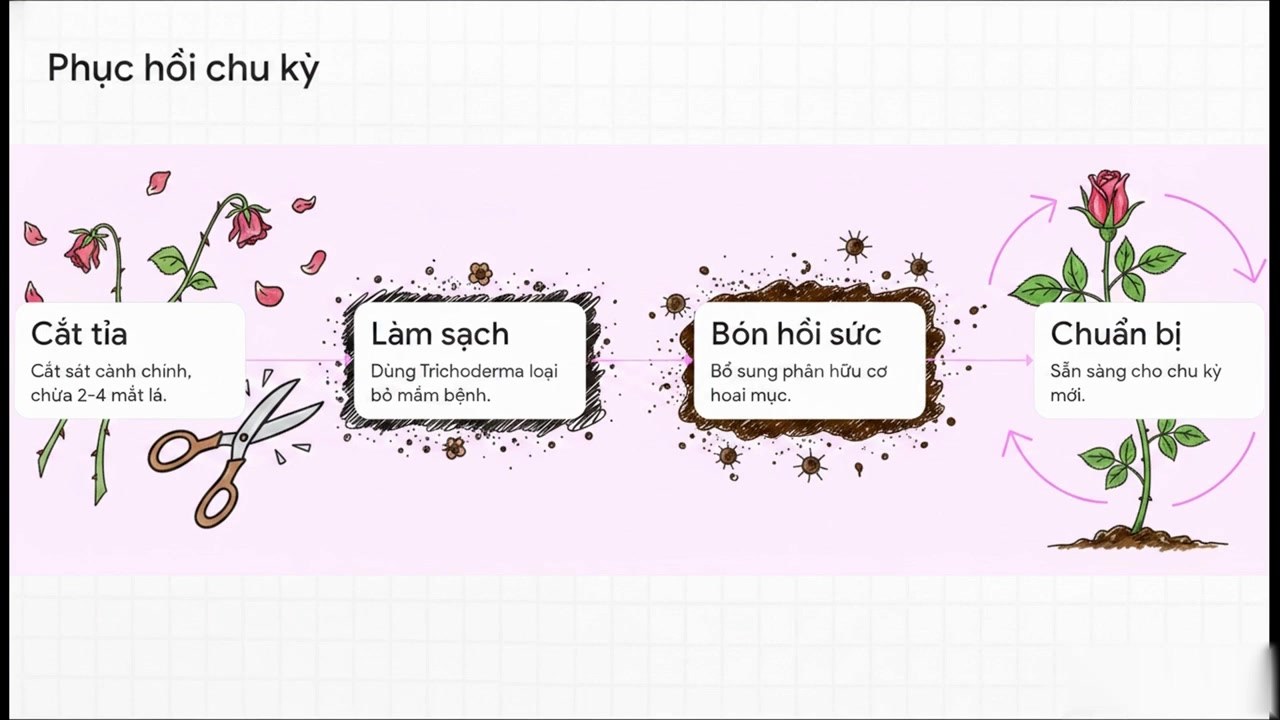
- Pruning technique: Cut cleanly down toward the main cane, leaving 2–4 healthy leaf nodes below (roughly 3 five-leaflet leaves) so the next shoot emerges thick and strong.
- Recovery feed: Top-dress with aged organic fertilizer (Anfa Batorganic or composted Japanese poultry manure) plus Trichoderma to refresh soil biology and restart Stage 1.
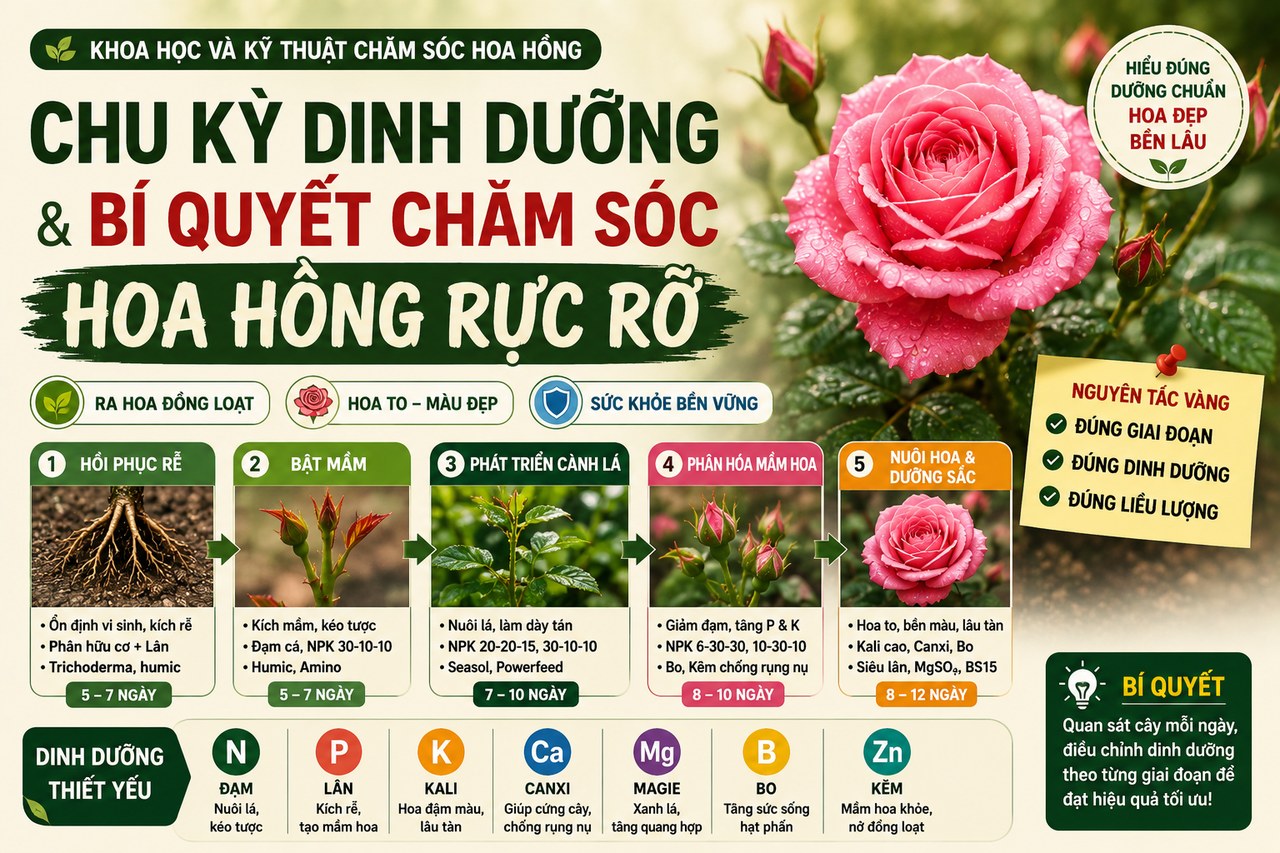
45-Day Summary Schedule
| Timeline | Stage | Core Care & Fertilization Focus |
|---|---|---|
| Days 1–7 | Root Recovery | Aged organics + High-P (DAP) + Trichoderma + Rooting biostimulant |
| Days 8–14 | Shoot Break | Diluted fish emulsion / NPK 30-10-10 + Humic Acid (BS21) |
| Days 15–24 | Canopy Building | Seasol / Powerfeed foliar + Organic pellets + Amino (BS14) + Mg/Fe |
| Days 25–34 | Bud Induction | Lower N, High P & K (6-30-30 / 10-30-10 / BS15) + Boron, Zinc, Calcium |
| Days 35–41 | Peak Bloom | Potassium Sulfate (SOP) / Banana enzyme; follow the "3 DON'Ts" |
| Days 42–45 | Prune & Reset | Prune to 2–4 nodes + Organic recovery dressing + Trichoderma |
8. The "8 DON'T" Golden Rules to Avoid Fertilizer Burn
To protect your rose roots across dozens of bloom cycles without triggering Fertilizer Burn, master these 8 rules:

- DO NOT overfeed weak plants: Struggling roses need micro-doses; heavy feeding shocks and kills them.
- DO NOT apply directly against the crown: Broadcast fertilizer 10–20 cm away from the base (near the pot rim) where active feeder roots live.
- DO NOT fertilize in harsh midday heat: Feed early morning or late afternoon, always pre-watering the soil first.
- DO NOT spray fertilizers on open blooms: Prevents immediate petal scorch.
- DO NOT rely on a single organic fertilizer exclusively: Combine organic, mineral, and microbial inputs for complete nutrition.
- DO NOT fertilize heavily diseased or pest-ridden roses: Resolve pests/pathogens first (e.g., biological treatments BS25, BS01) before resuming feeding.
- DO NOT use unverified, low-grade fertilizers: Poor-quality salts compact soil and burn feeder roots.
- DO NOT apply raw, uncomposted manure: Fresh cow or chicken manure carries pathogens, larvae, and generates root-scorching heat.
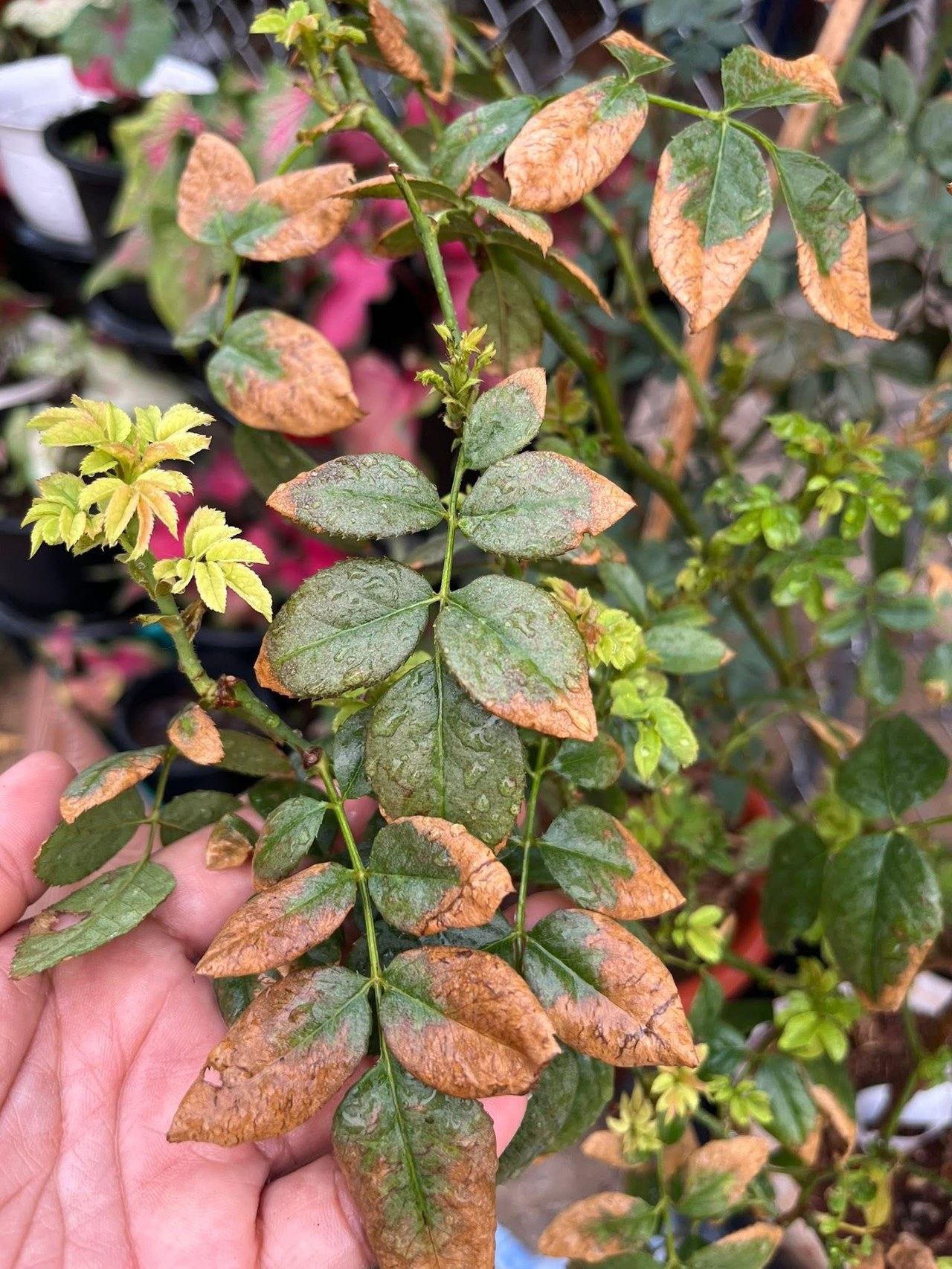
Emergency Overdose Rescue: If leaves suddenly curl and scorch along the margins after feeding, flush the root zone repeatedly with abundant clean water to leach excess salts and withhold all fertilizers for 2–3 weeks. Remember: "Small, consistent doses always outperform heavy, sporadic feedings."