Roses rank among the most physiologically demanding ornamental crops. Achieving synchronized heavy flushes, large classic bloom form, saturated petal color, and double the display longevity—both on the bush and in a vase—requires aligning three scientific pillars: phytohormones, the P–K–Ca–B flowering nutrient network, and ethylene/xylem management.
Part I: The Physiological Science of Flowering Stimulation
Transitioning a rose shoot from vegetative growth (stems and leaves) into reproductive development (floral bud initiation) is orchestrated by molecular signaling pathways and internal hormonal ratios.
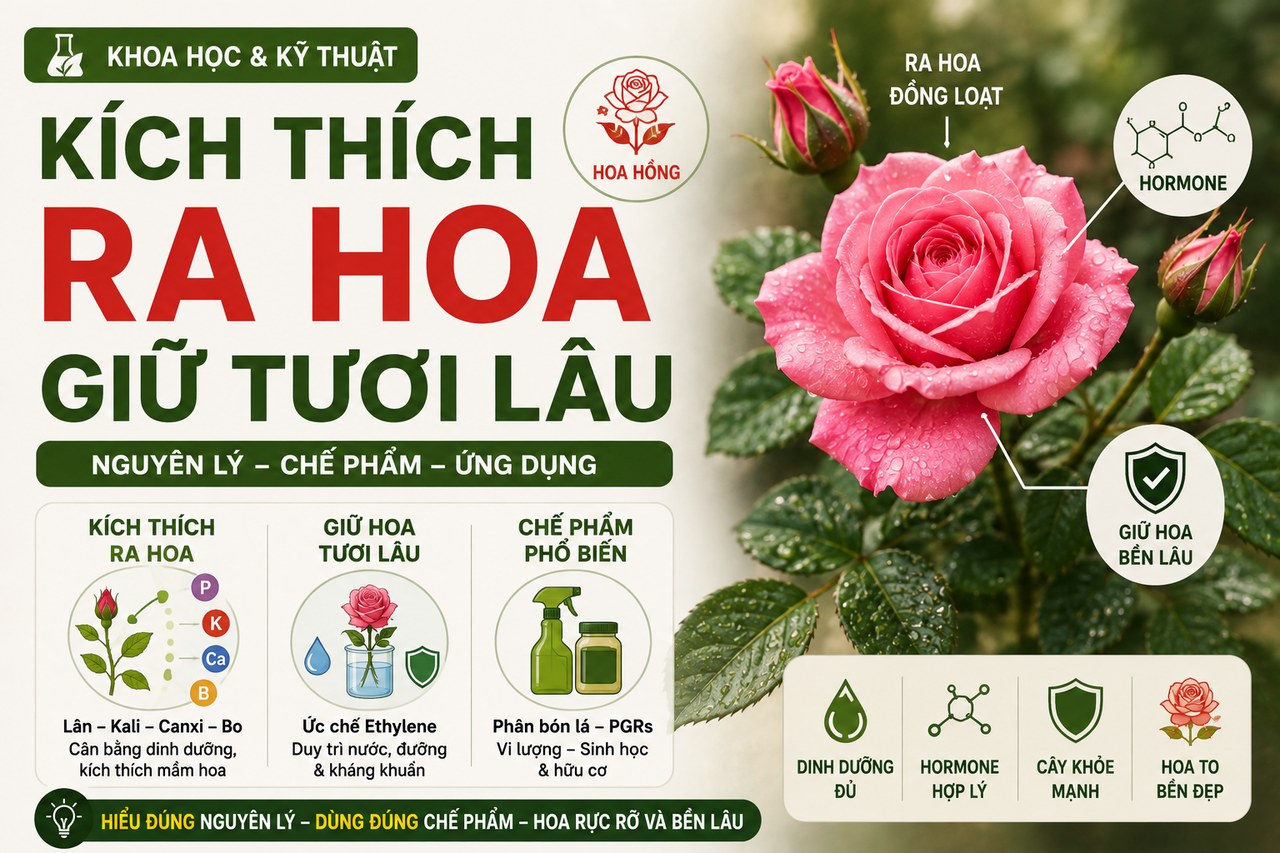
1. The Four Key Phytohormones Regulating Roses
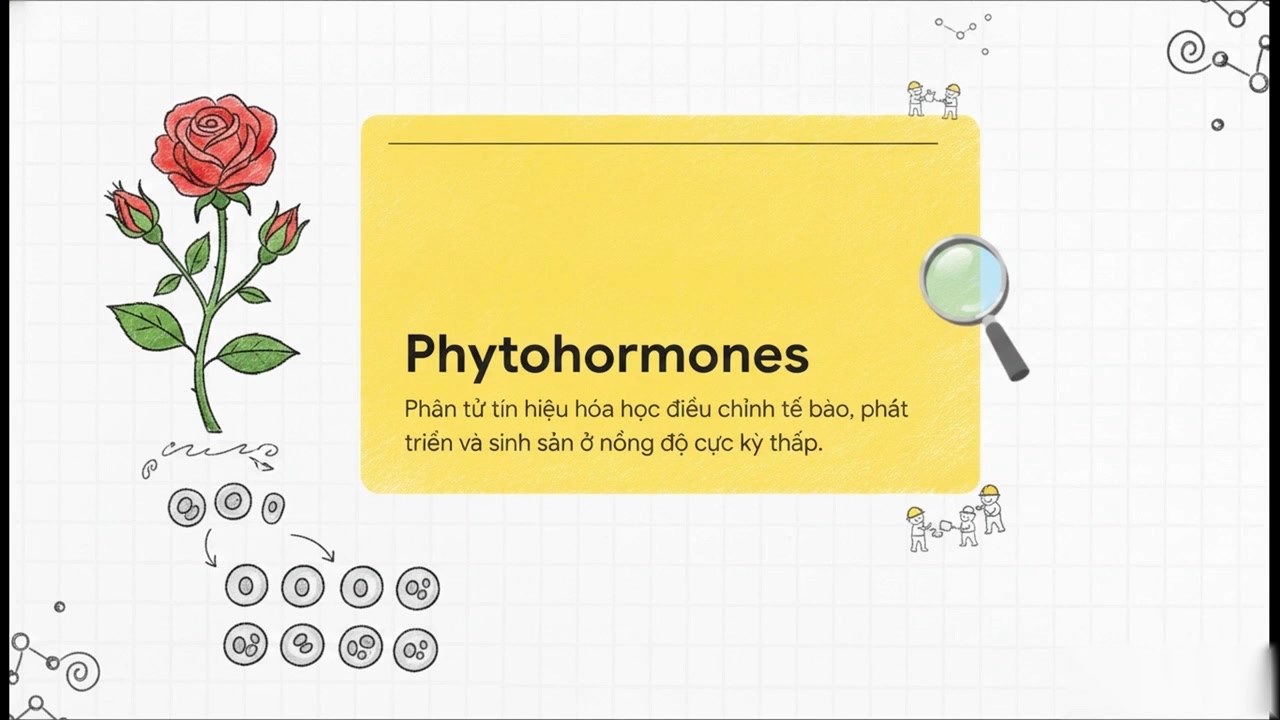
Phytohormones are endogenous chemical messengers that direct cellular division, differentiation, and flowering at minute concentrations.
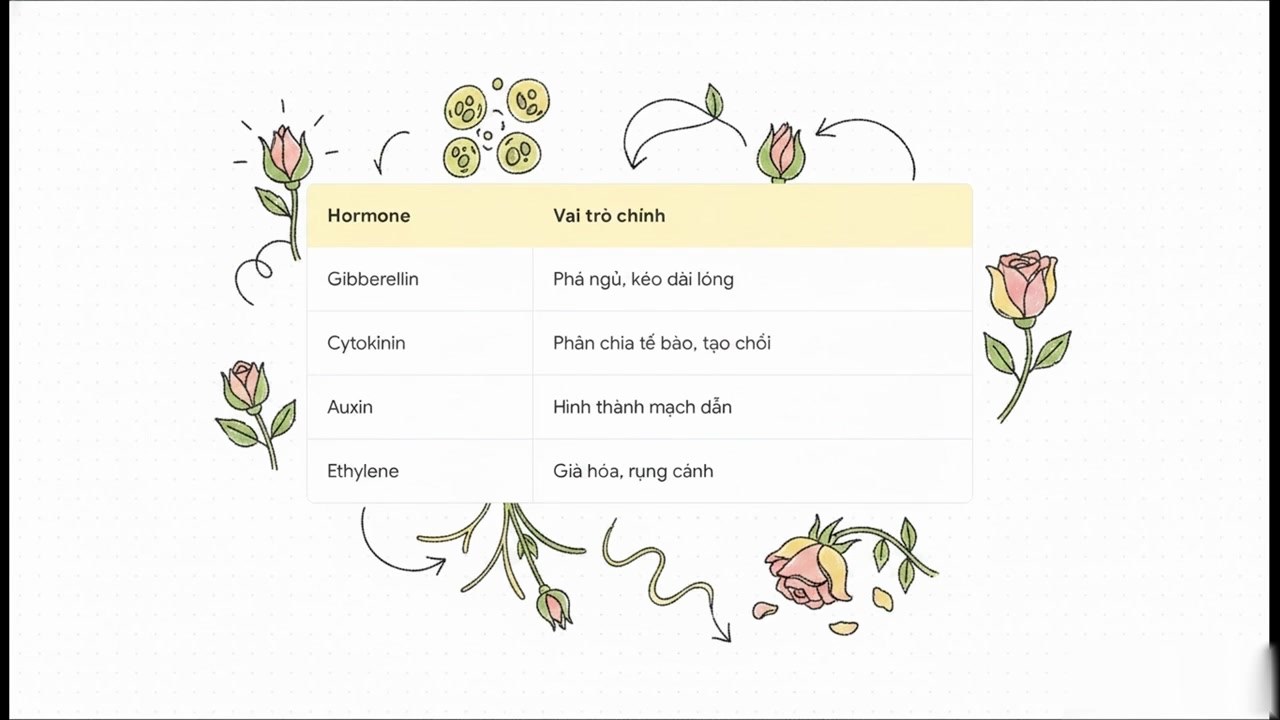
- Gibberellins (GA): Break floral bud dormancy and stimulate vertical cell elongation, lengthening internodes and flower peduncles for earlier, more uniform blooming.
- Cytokinins (CK): Synthesized primarily in active root tips and transported upward, driving vigorous cell division and shoot differentiation. A high Cytokinin-to-Auxin ratio is essential for the plant to prioritize floral shoots over vegetative root growth.
- Auxins (IAA, NAA): Beyond apical dominance and rooting, balanced auxin levels organize vascular bundle formation, improving nutrient flow into developing buds while inhibiting abscission-layer formation to prevent premature bud drop.
- Ethylene: Primarily known as the senescence hormone, though trace endogenous levels also participate in bloom-opening timing.
2. The Nutrient Network Behind Floral Differentiation
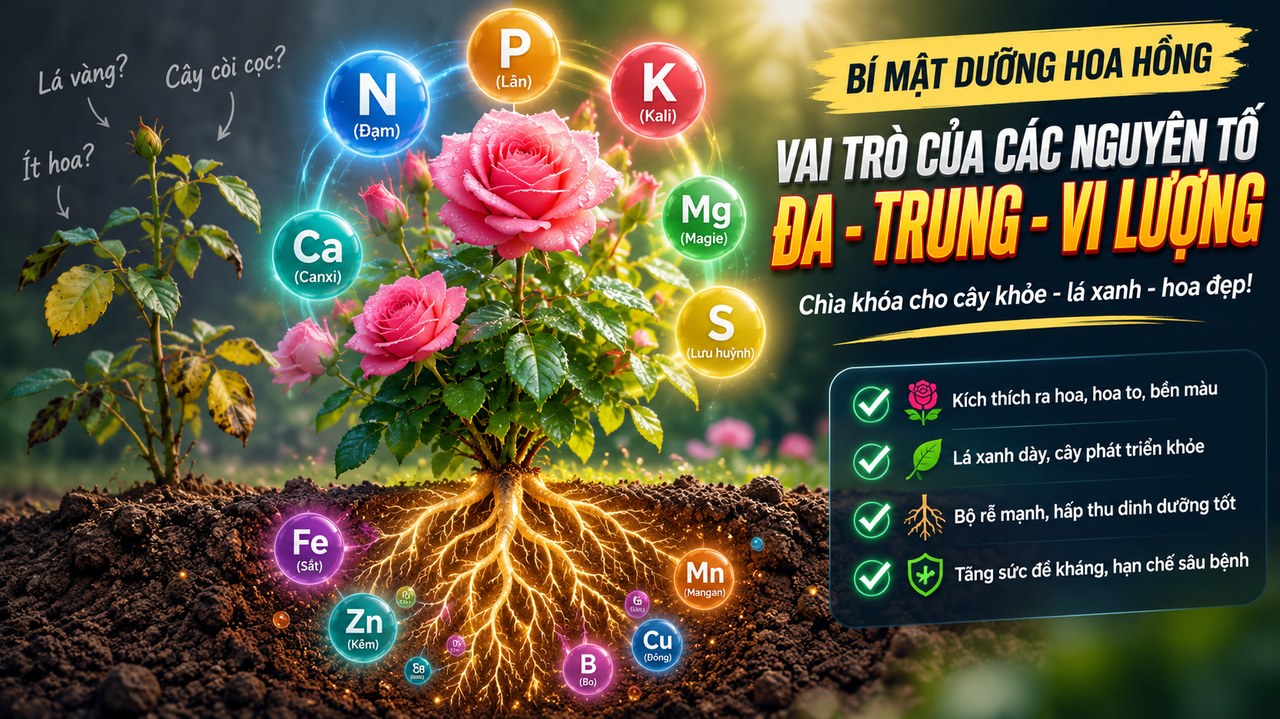
Hormones give the command, while mineral nutrients supply the metabolic energy and structural materials needed to build buds:
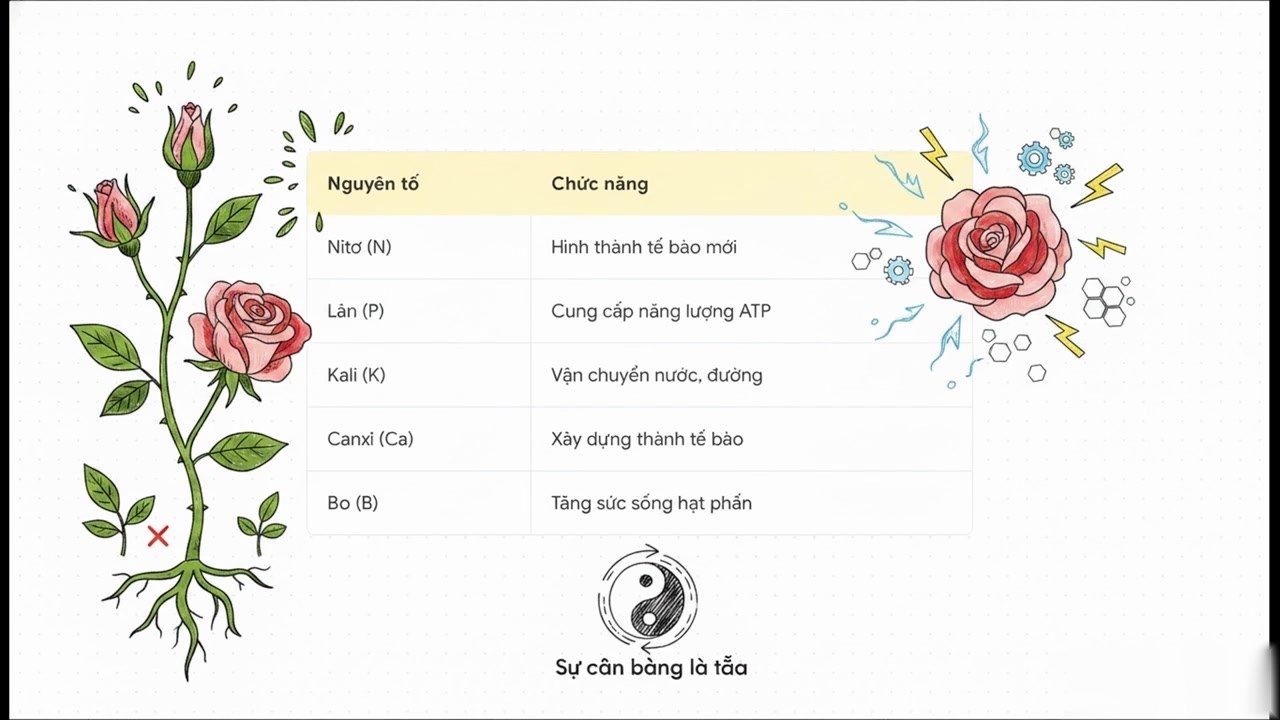
- Nitrogen (N): Needed for new cell formation and waking dormant buds. However, excess nitrogen traps the bush in soft, leafy growth and suppresses floral induction.
- Phosphorus (P): The master switch for flower bud differentiation, powering cellular energy transfer (ATP). Phosphorus Deficiency delays budding and turns foliage dark purple.
- Potassium (K): Drives water and sugar transport into developing petals, dictating petal thickness, color intensity, and cellular turgor (Potassium Deficiency causes thin petals and scorched leaf edges).
- Calcium (Ca) & Boron (B) — The Foundation Pair: Calcium fortifies peduncle cell walls to prevent bent-neck and bud rot. Boron boosts pollen viability and shuttles carbohydrates from leaves into flower buds, preventing early bud drop.
Part II: The Science of Extending Bloom & Cut-Flower Longevity
Whether on the bush or in a vase, rose wilting stems from two primary mechanisms: endogenous ethylene gas and xylem vessel blockage by bacteria or air embolisms.
1. Ethylene Inhibition — Doubling Vase Life
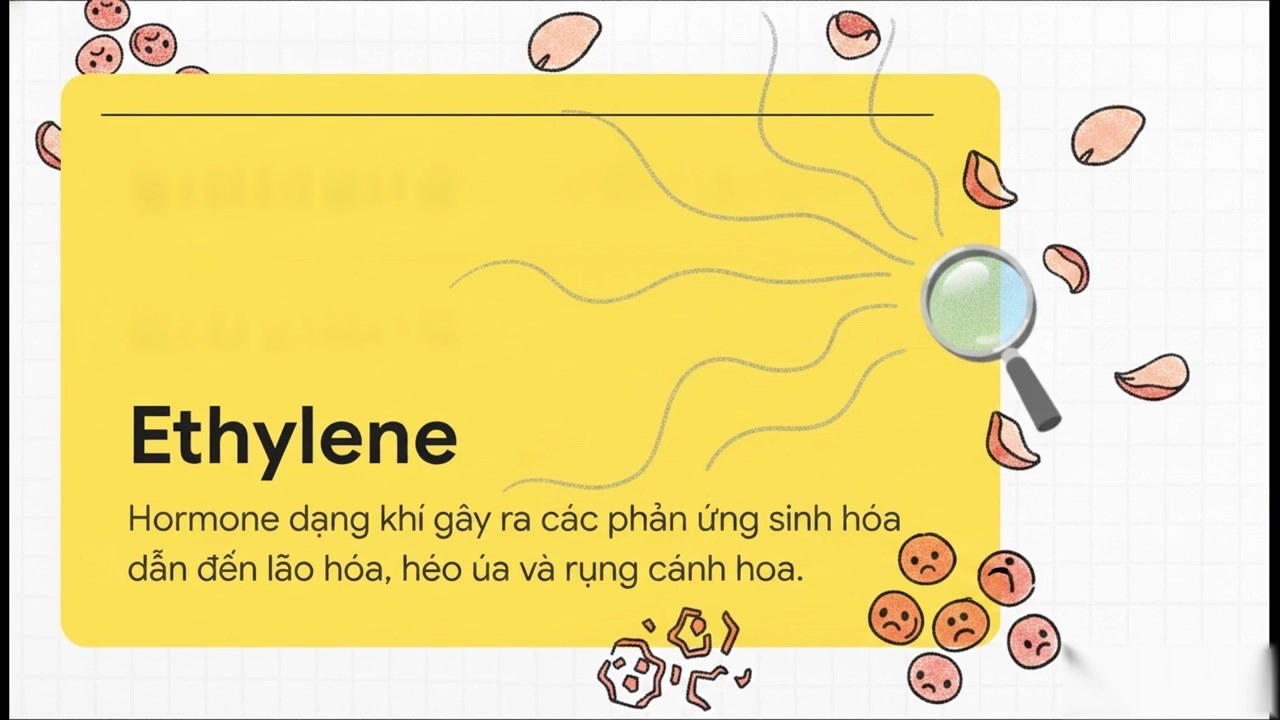
Ethylene is a gaseous hormone that triggers enzymatic breakdown of petal membranes, leading to rapid wilting and petal shatter.
Professional post-harvest conditioning targets ethylene directly:
- Silver Thiosulfate (STS): The most potent ethylene blocker, binding irreversibly to ethylene receptors in petal tissue. Research confirms roses treated with STS plus sucrose can double their vase life compared to untreated stems.
- Silver Nitrate (): Offers dual action—blocking ethylene signaling while acting as a broad-spectrum antimicrobial to keep vase water sterile and prevent xylem rot.

2. Maintaining Water Balance (Hydric Status) & Energy
- Sucrose (Sugar): Fuels ongoing petal respiration after harvest and maintains osmotic turgor so petals stay firm and hydrated.
- Organic Acids (Citric Acid, Ascorbic Acid / Vitamin C): Lower vase-water pH to slightly acidic levels (pH 3.5–4.5), suppressing bacterial proliferation and keeping xylem water channels open to prevent bent-neck.
Part III: Commercial Flowering Stimulants & Biostimulants
Modern rose growers combine three targeted product categories:
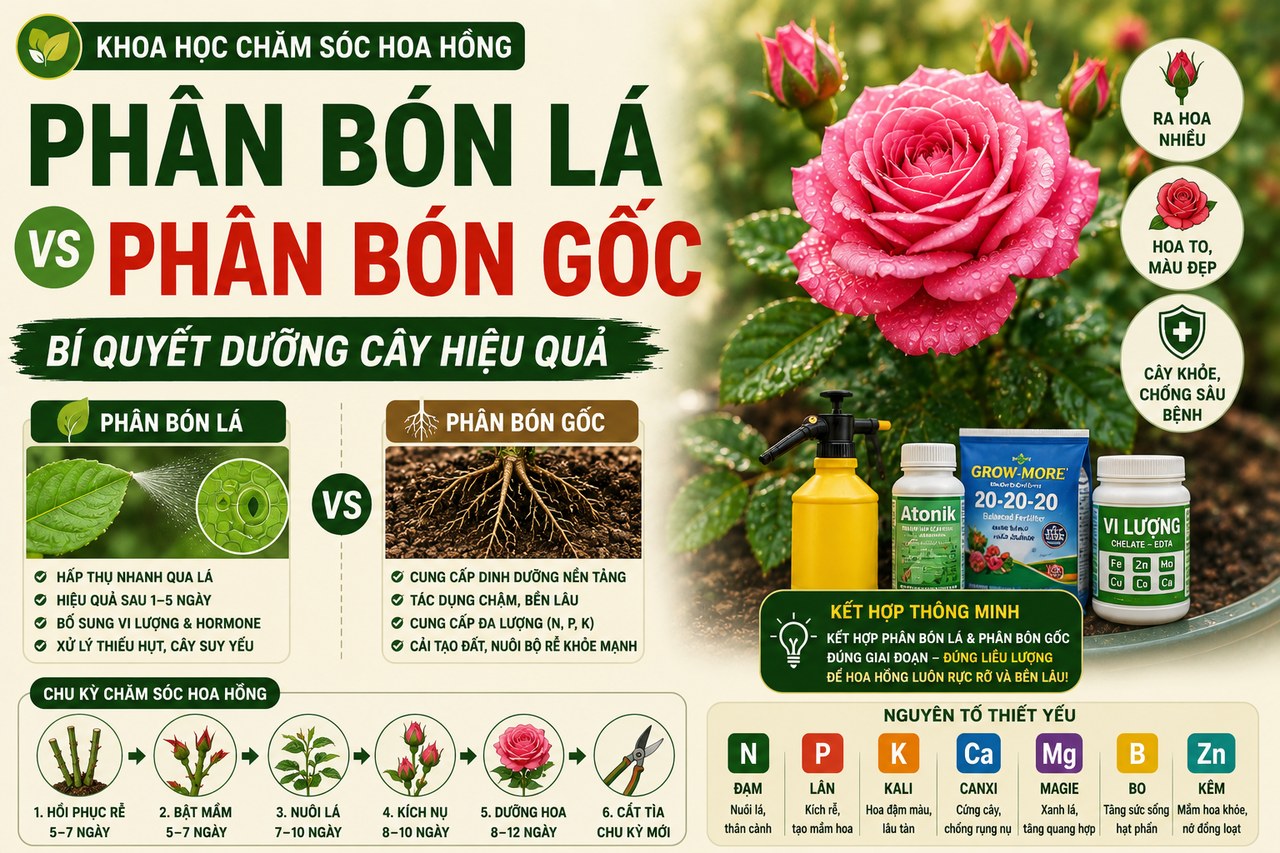
- High-P & High-K Soluble Foliar Fertilizers:
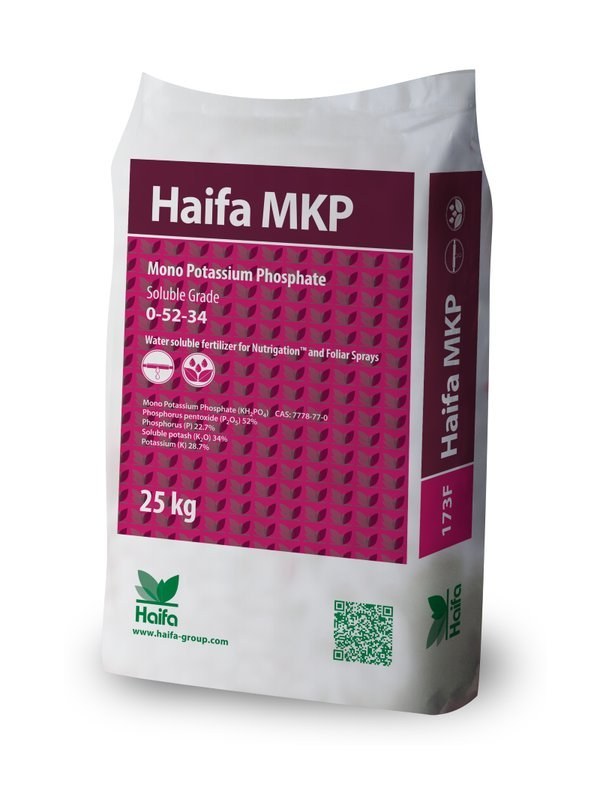
- MKP (, 0-52-34): Monopotassium Phosphate delivers ultra-fast phosphorus and potassium uptake to trigger heavy bud set and vivid color.
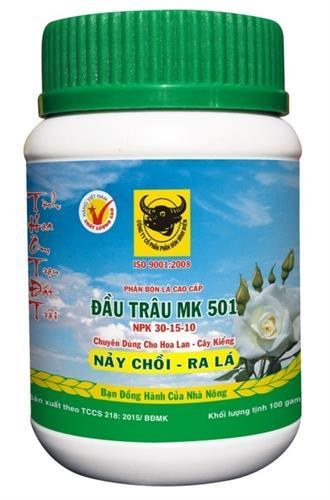
- Grow More 20-20-20 & Đầu Trâu MK 501: Balanced formulas that build sturdy stems and uniform flowering flushes.
- Plant Growth Regulators (PGRs):
- Atonik (Nitrophenolate): Accelerates cellular metabolism for rapid shoot break and even flowering.
- Potassium Nitrate (): Commonly applied as a foliar bloom trigger following controlled water-stress conditioning.
- Chelated Micronutrients & Organic Biostimulants:
- Liquid Calcium-Boron: Sprayed directly onto developing buds to prevent splitting and bud blast.
- Nutrimix (Chelated Trace Elements): Ensures rapid micronutrient assimilation even under stressful weather.
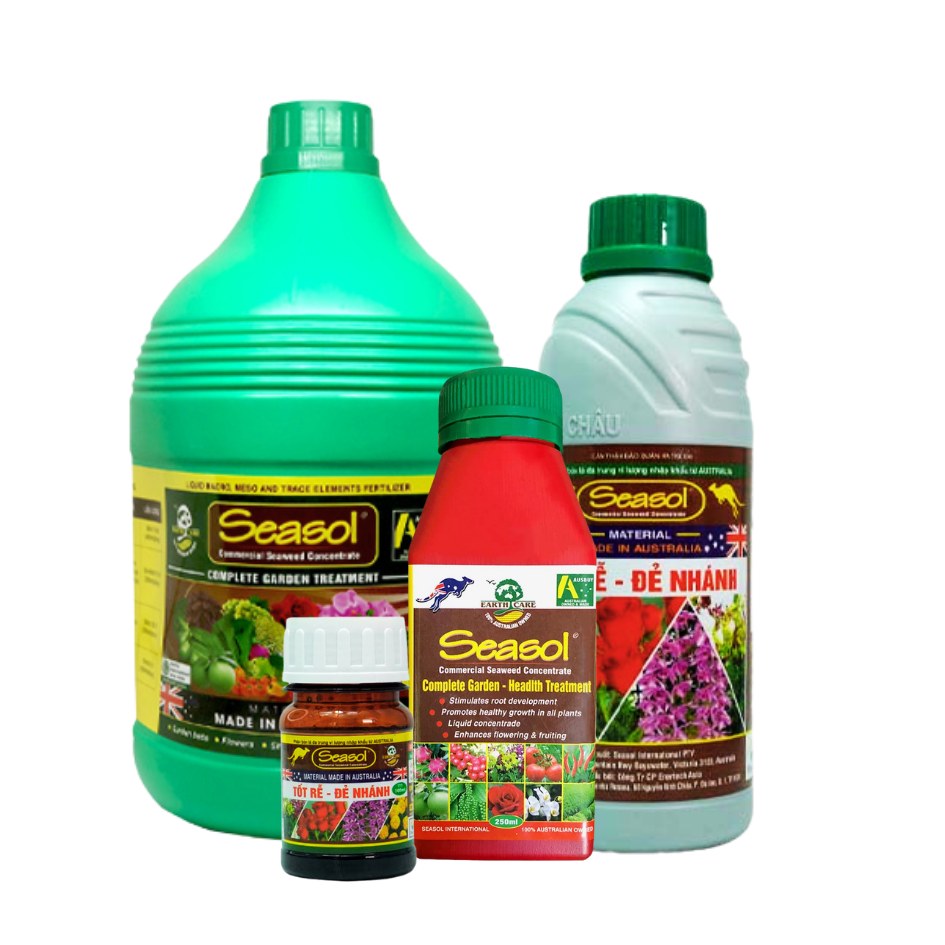
- Seaweed Extracts (Cytogal / Seasol): Rich in safe natural phytohormones that boost root vigor, deepen leaf greenness, and extend bloom longevity.
Part IV: DIY Organic Flowering Boosters at Home
Homemade organic ferments nourish soil biology safely while supplying rich natural potassium and amino acids:
1. Banana Garbage Enzyme (GE Chuối) — Natural Potassium Elixir
Ripe bananas are packed with potassium, B/C vitamins, and natural growth-promoting compounds.
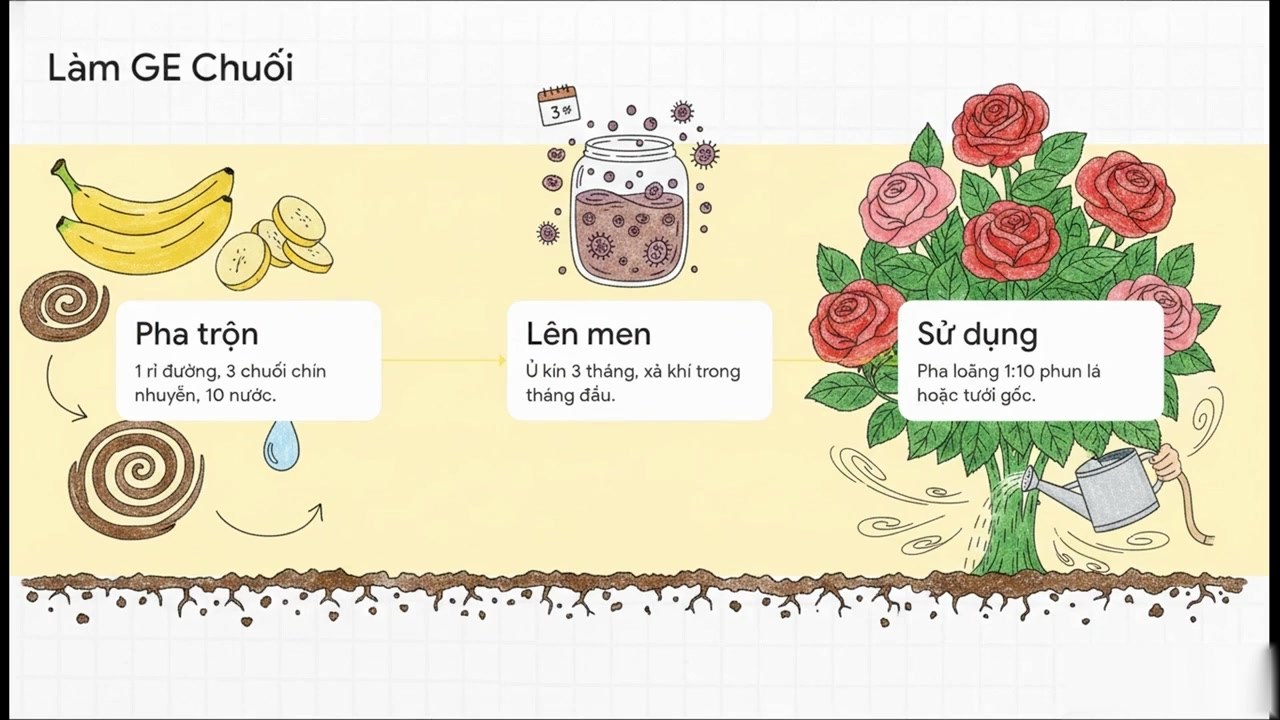
- Standard Ratio: 1 part molasses : 3 parts ripe bananas : 10 parts clean water.
- Preparation: Blend ripe bananas, combine with molasses and water in a sealed plastic container (leaving 20% headspace for gas expansion).
- Fermentation: Burp the lid every 2–3 days during the first month. After 3 months, the amber, pleasantly fermented enzyme is ready.
- Application: Dilute 1:10 with water for foliar spraying or root drenching every 1–2 weeks.
2. Banana–Egg–Milk Amino Ferment
A nutrient-dense organic tonic rich in amino acids, calcium, and potassium for exhibition-sized, deeply colored blooms.
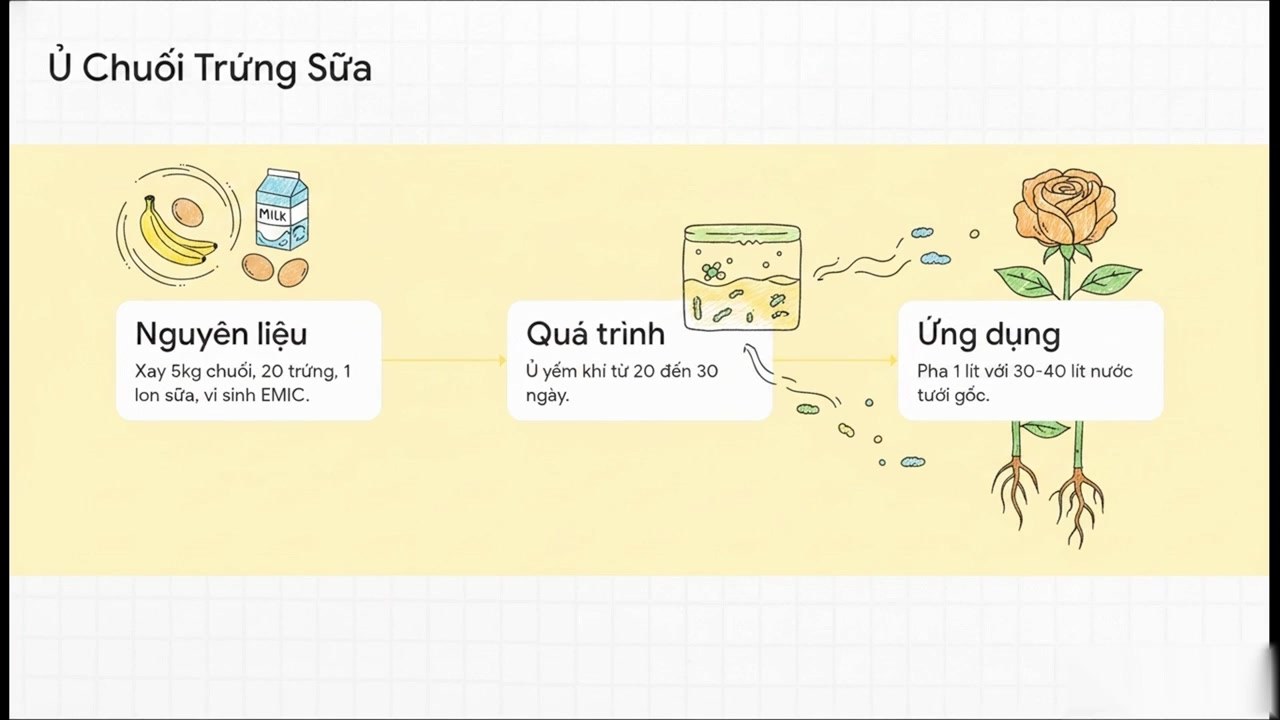
- Recipe (10 L batch): 5 kg very ripe bananas + 20 eggs + 1 can powdered milk (or fresh milk) + 300 ml molasses + 2 tbsp EMIC microbial inoculant.
- Anaerobic Fermentation: Blend thoroughly and ferment in an airtight container for 20–30 days.
- Application: Dilute 1 L of stock into 30–40 L of clean water and drench around the drip line (10–15 cm from the base).
3. Biological Humic Foliar & Soil Tonic
Regular Humic Acid applications detoxify salt buildup, stabilize soil physiology, and speed up post-bloom recovery.
Part V: Stage-Based Application Schedule & 3 Essential Rules
Align stimulants with the rose's natural rhythm to maximize blooms without risking Fertilizer Burn:
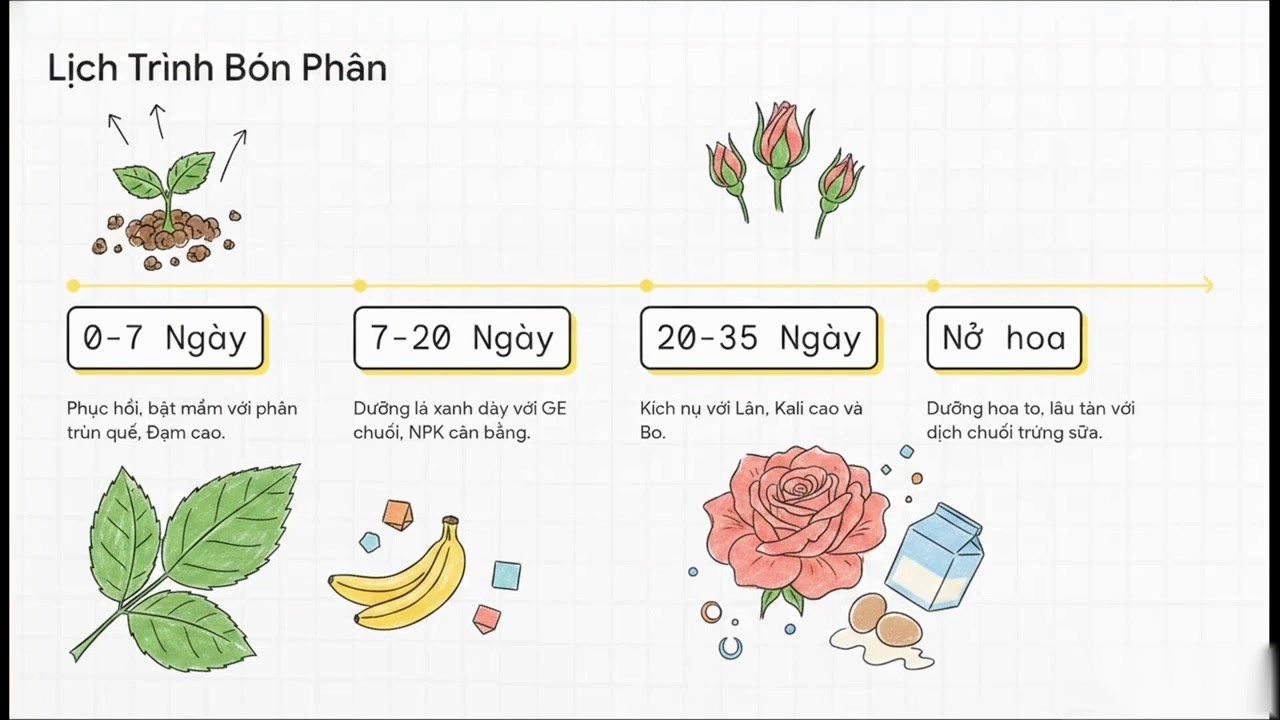
| Stage | Physiological Goal | Recommended Inputs |
|---|---|---|
| Post-Pruning (Days 0–7) | Root recovery & bud wake-up | Vermicompost, Humic Acid, NPK 30-10-10 |
| Shoot & Canopy (Days 7–20) | Thick canes & dense photosynthetic leaves | Banana GE, NPK 20-20-20, Ca–B–Mg |
| Bud Induction (Days 20–35) | Heavy, synchronized bud differentiation | Bat guano (high P), NPK 6-30-30 / MKP, Boron |
| Bloom Maintenance (Bud to Open) | Large blooms, thick petals, long life | Banana–Egg–Milk ferment, High Potassium, Calcium |
Three Non-Negotiable Application Rules:
- Spray Timing: Always apply foliar sprays in the early morning (before 8–9 AM) or late afternoon (after 4–5 PM) when stomata are open and temperatures are mild to prevent leaf scorch.
- Micro-Dose Discipline with PGRs & Micronutrients: Growth regulators and trace elements (especially Boron) have a narrow safety margin. Overdosing flips stimulation into growth inhibition and tip toxicity.
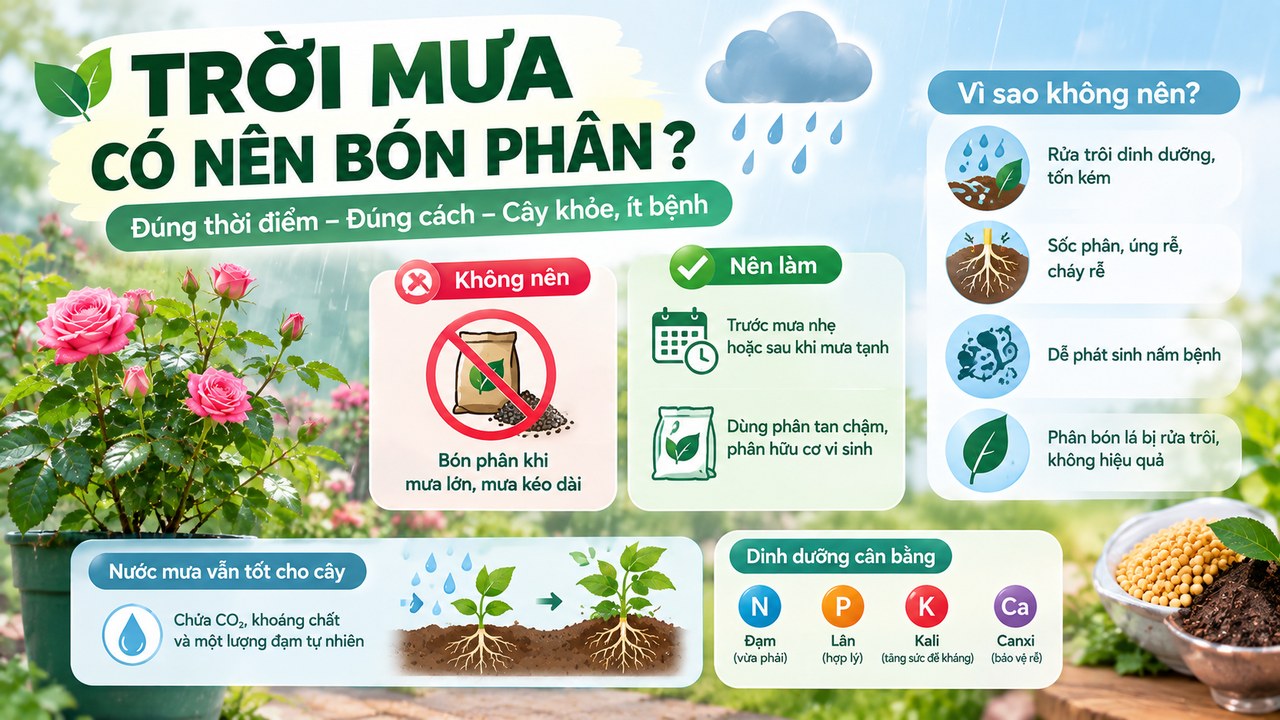
- Healthy Roots Come First: Foliar sprays and flowering boosters are accelerators, not substitutes for soil health. Lasting flower quality always rests on a vigorous root system fed steadily with well-aged organic matter (vermicompost or composted manure).