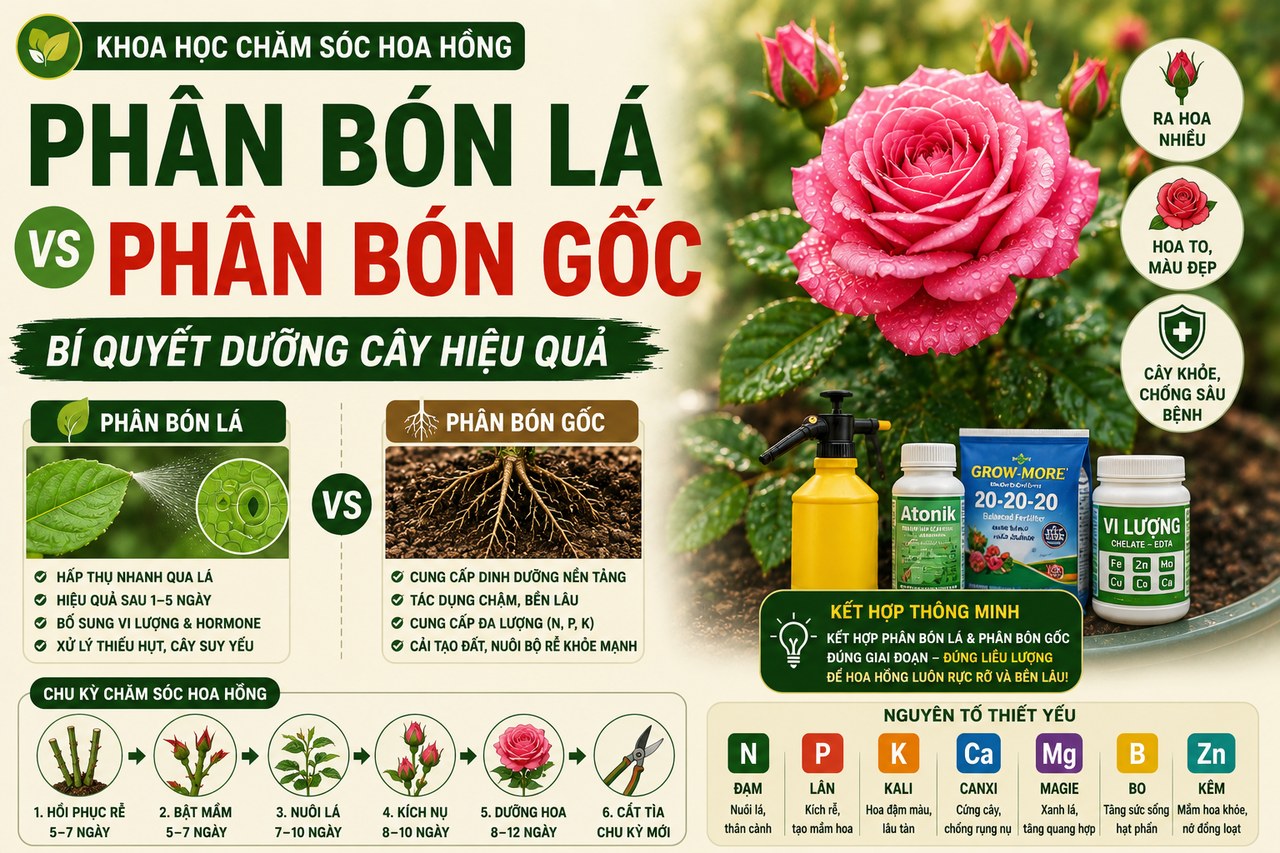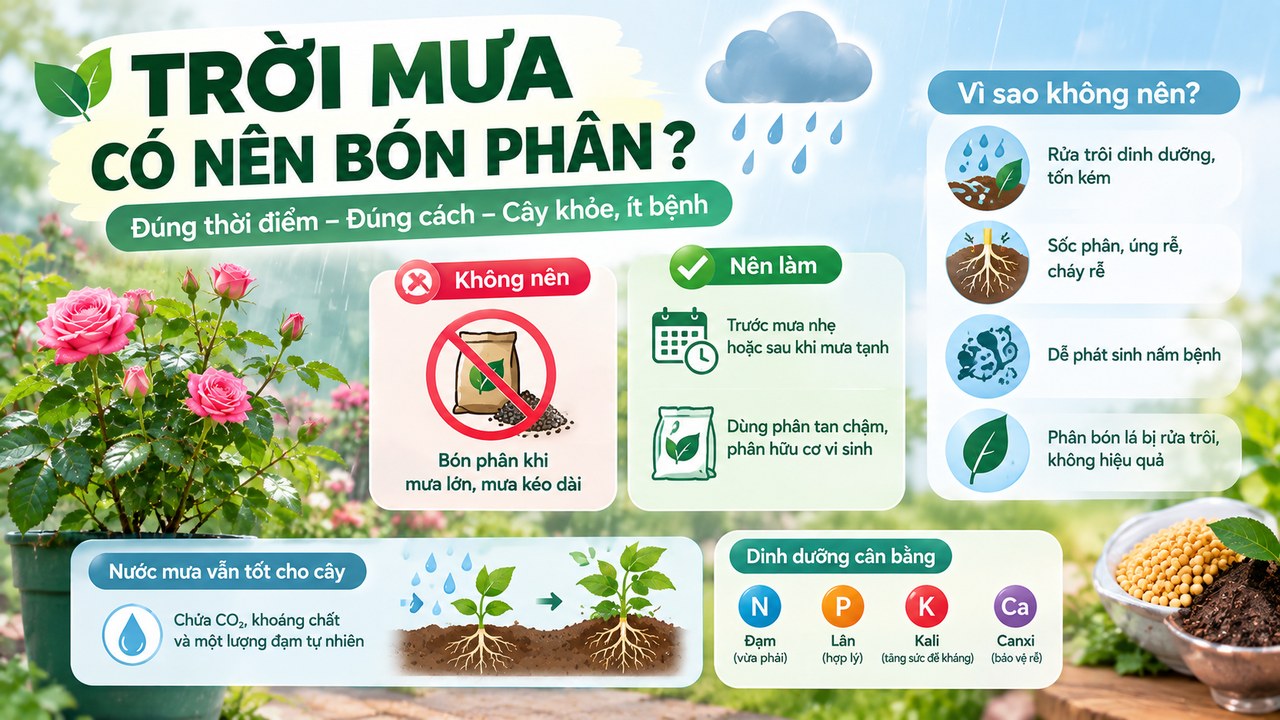
One of the most common questions rose growers ask every rainy season is: "Should you fertilize roses when it is raining?" Answering accurately—and avoiding mistakes that can weaken an entire garden—requires examining plant physiology, rainwater dynamics, and the physicochemical behavior of container substrates.
1. The Direct Answer: Should You Fertilize in the Rain?
Bottom Line: DO NOT fertilize during heavy downpours, thunderstorms, or prolonged multi-day rain. However, feeding roses during the rainy season can still be safe and effective if you choose the right timing window (just before a gentle, light rain or 2–3 days after rain stops completely) and switch to rain-adapted formulations (polymer-coated controlled-release fertilizers and diluted organic bio-fertilizers).
2. Four Major Risks of Fertilizing During Heavy or Prolonged Rain
Scattering fast-release granular fertilizer or drenching concentrated nutrients during stormy weather does not help roses grow—it triggers four severe physiological and economic hazards:
2.1. Nutrient Leaching and Economic Waste
Heavy rainfall surging through pots and garden beds rapidly washes away fertile topsoil and soluble mineral ions—especially Nitrate Nitrogen (), Potassium (), and trace elements. Fertilizer escapes through drainage holes before root hairs can absorb it, wasting money and polluting surrounding runoff water.
2.2. Fertilizer Shock, Reverse Osmosis, and Root Burn
During prolonged rain, water saturates soil air pores, pushing potted roses into waterlogging and severe root hypoxia (oxygen starvation). Deprived of oxygen, delicate root hairs weaken and lose membrane integrity.
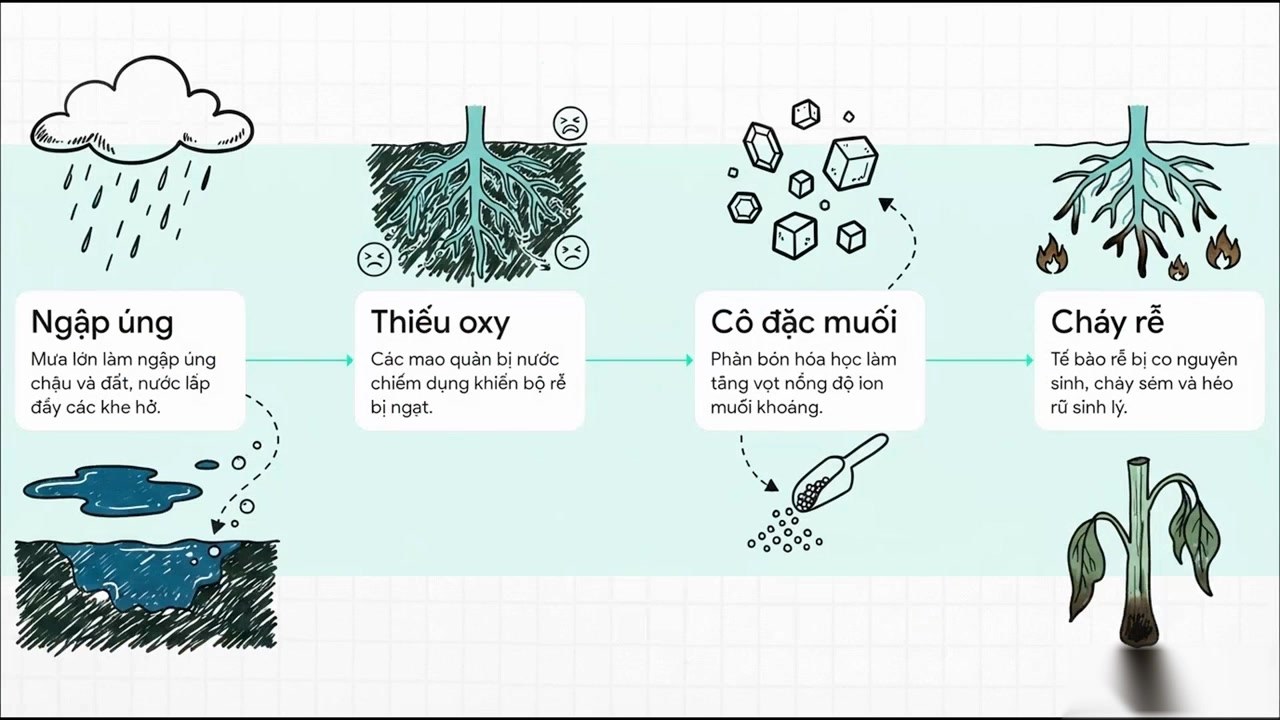
Applying concentrated chemical fertilizer in this state causes a sudden spike in mineral salt concentration around the rhizosphere. This triggers reverse osmosis: instead of roots absorbing water, the hypertonic soil solution pulls water out of root cells, causing plasmolysis, blackened feeder roots (fertilizer burn), and physiological wilting even in soaking-wet soil.

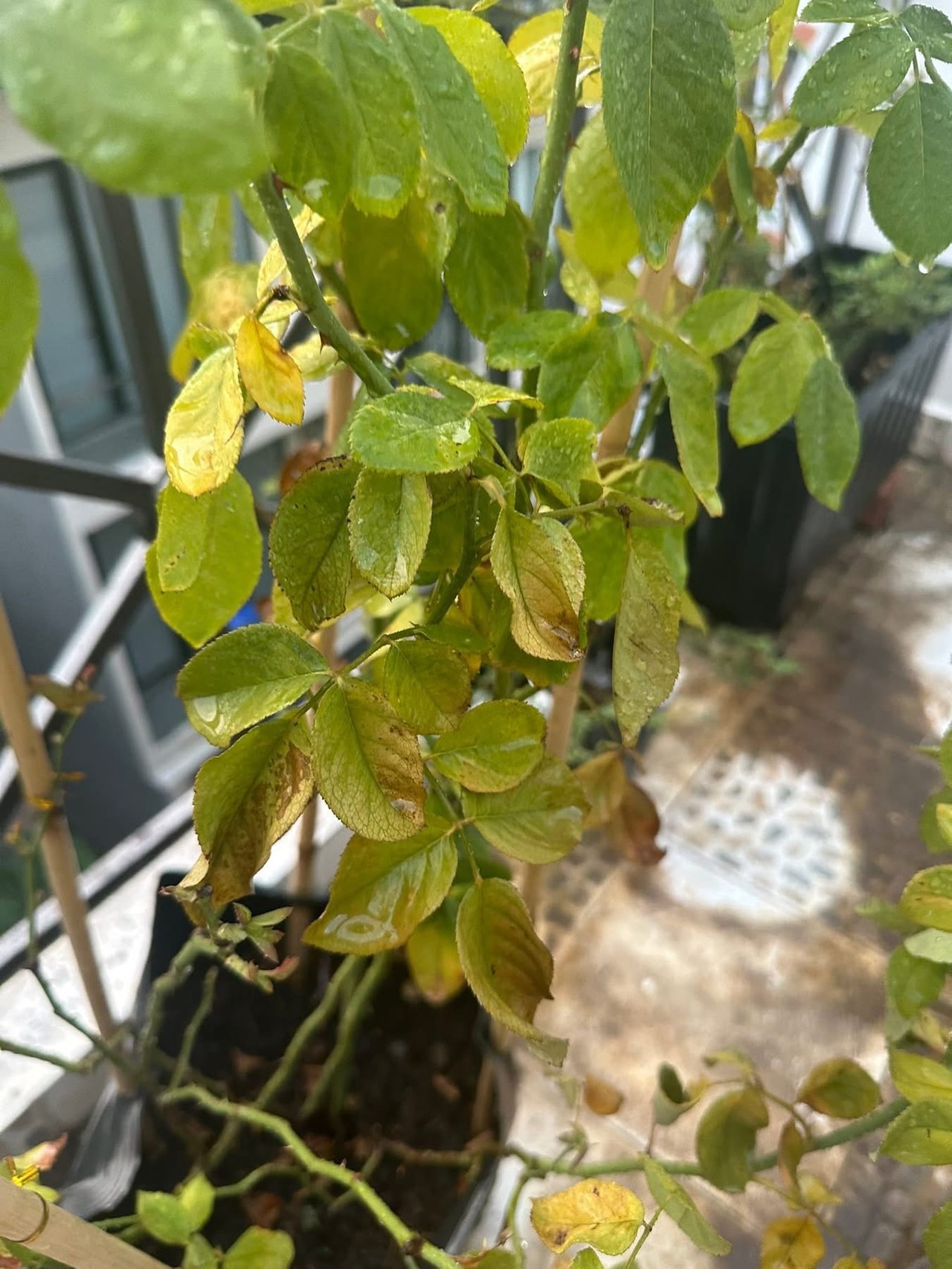
2.3. Explosive Outbreaks of Root, Leaf, and Bud Fungi
Rainy-season relative humidity routinely exceeds 85%. When combined with unabsorbed fertilizer residue sitting on potting mix and foliage, it creates a breeding ground for aggressive fungal pathogens:
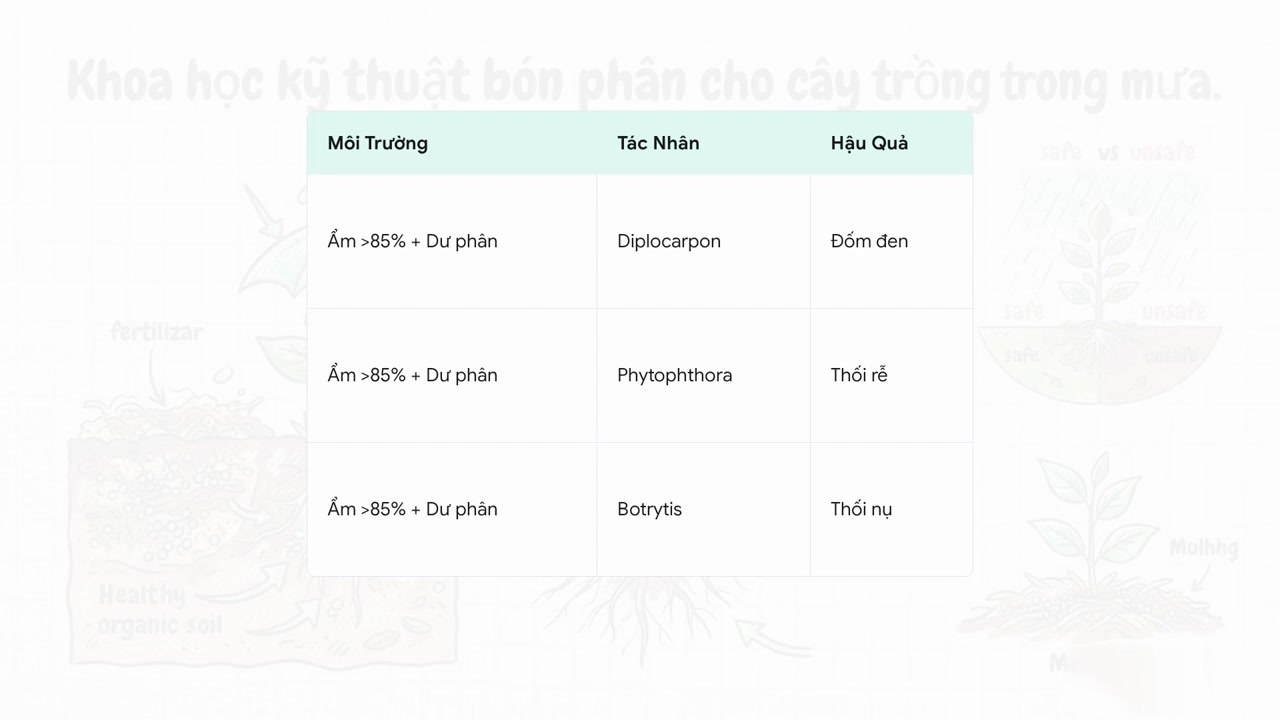
| Environmental Condition | Primary Pathogen | Direct Damage on Roses |
|---|---|---|
| Humidity > 85% + Residual fertilizer | Diplocarpon rosae | Triggers black spot and severe defoliation |
| Humidity > 85% + Persistent leaf wetness | Peronospora sparsa | Causes downy mildew and purplish leaf scorch |
| Humidity > 85% + Saturated, salty substrate | Phytophthora & Pythium | Causes root rot and basal stem blackening |
| Humidity > 85% + Excess nitrogen on buds | Botrytis cinerea | Causes botrytis blight and mushy, rotting buds |
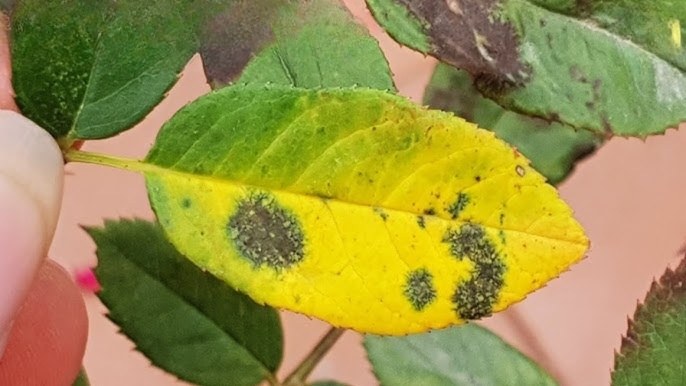
2.4. Complete Wash-Off of Foliar Fertilizers
Spraying foliar fertilizers during rain or right before a storm is a total waste: raindrops wash nutrients cleanly off leaf surfaces before ions have time to penetrate through stomata and the cuticular layer.
3. Why Roses Still Green Up After Rain Without Fertilizing
Many growers worry their roses will "starve" if they pause feeding during extended rainy periods. In reality, natural rainwater already delivers a gentle, bioavailable dose of nutrition:
- Falling raindrops dissolve atmospheric Carbon dioxide () and trace airborne minerals.
- More importantly, lightning during thunderstorms breaks apart stable atmospheric nitrogen () molecules, combining them with oxygen and moisture to form dilute Nitric Acid ()—depositing readily absorbable Nitrate () ions directly into the root zone.

4. Scientifically Proven Rainy-Season Fertilization Techniques
To replenish leached nutrients safely without risking root burn or fungal outbreaks, apply these three coordinated strategies:
4.1. Target the "Golden Timing Window"
- Just before a light, gentle rain: Soft drizzle acts as natural slow irrigation, gradually dissolving granular nutrients and carrying ions gently into the root zone without runoff or osmotic shock.
- After rain stops completely (surface soil slightly dried): The safest feeding window opens 2–3 days after heavy rain ends, when substrate moisture drops back to 60–70%. Air pores reopen, roots resume aerobic respiration, and the plant can safely absorb diluted replenishment nutrients to fuel its next flush.
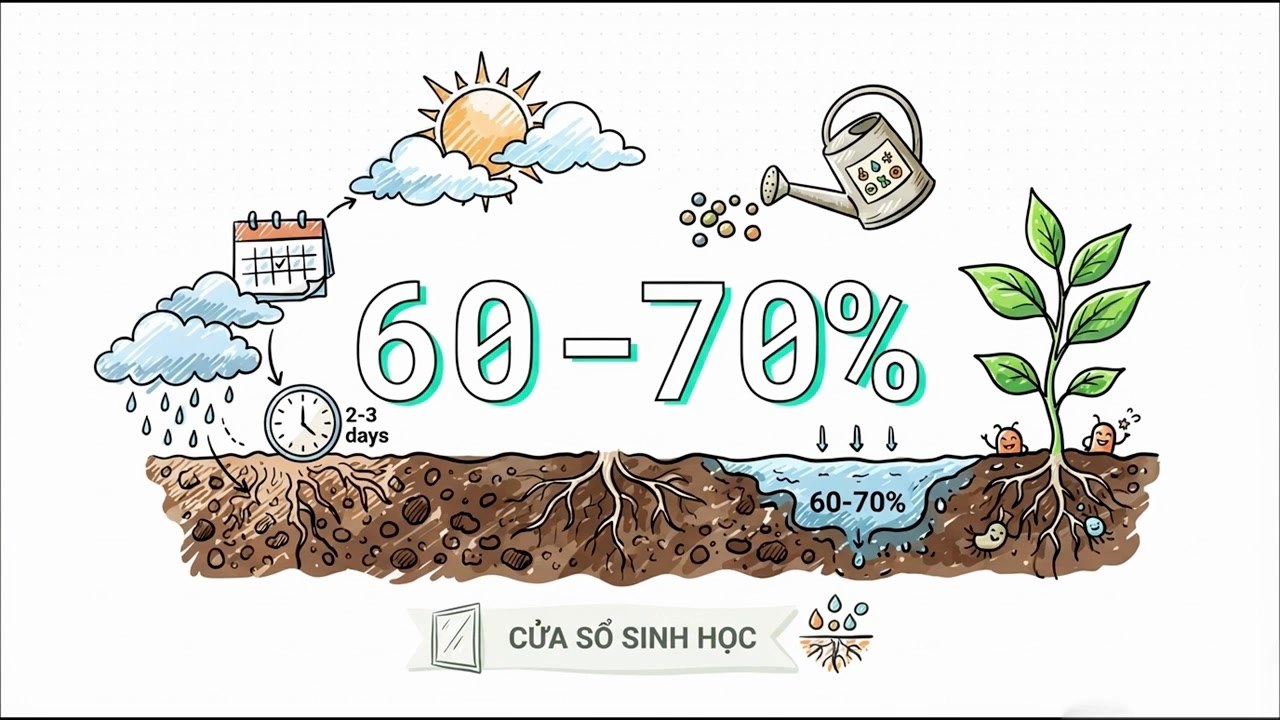
4.2. Reduce Dosages and Switch to Rain-Smart Fertilizers
- Cut dosage by half to two-thirds: During rainy months, reduce regular fertilizer rates to 1/3 to 1/2 of dry-season dosages to avoid salt buildup and overly soft vegetative growth.
- Switch to Controlled-Release Fertilizers (CRF): At the start of the rainy season, top-dress with polymer-coated CRFs (such as RYNAN FLOWERMATE). Their smart polymer membranes release nutrients strictly in response to soil temperature and moisture rather than water volume—eliminating leaching and feeding roses steadily for 90–180 days.
- Favor organic bio-fertilizers & diluted liquids: Once dry weather returns, use pelleted worm castings, Neem seed cake, or heavily diluted fish emulsion / banana-peel liquid. Pair with regular Trichoderma inoculations to parasitize and suppress root-rot fungi (Phytophthora, Pythium).
- Boost Potassium () and Calcium (), restrict Nitrogen (): Potassium thickens cell walls and strengthens resistance against storms and fungi; Calcium reinforces root tips and bud necks. Limit high-nitrogen feeds that produce soft, weak canes prone to snapping and fungal infection.
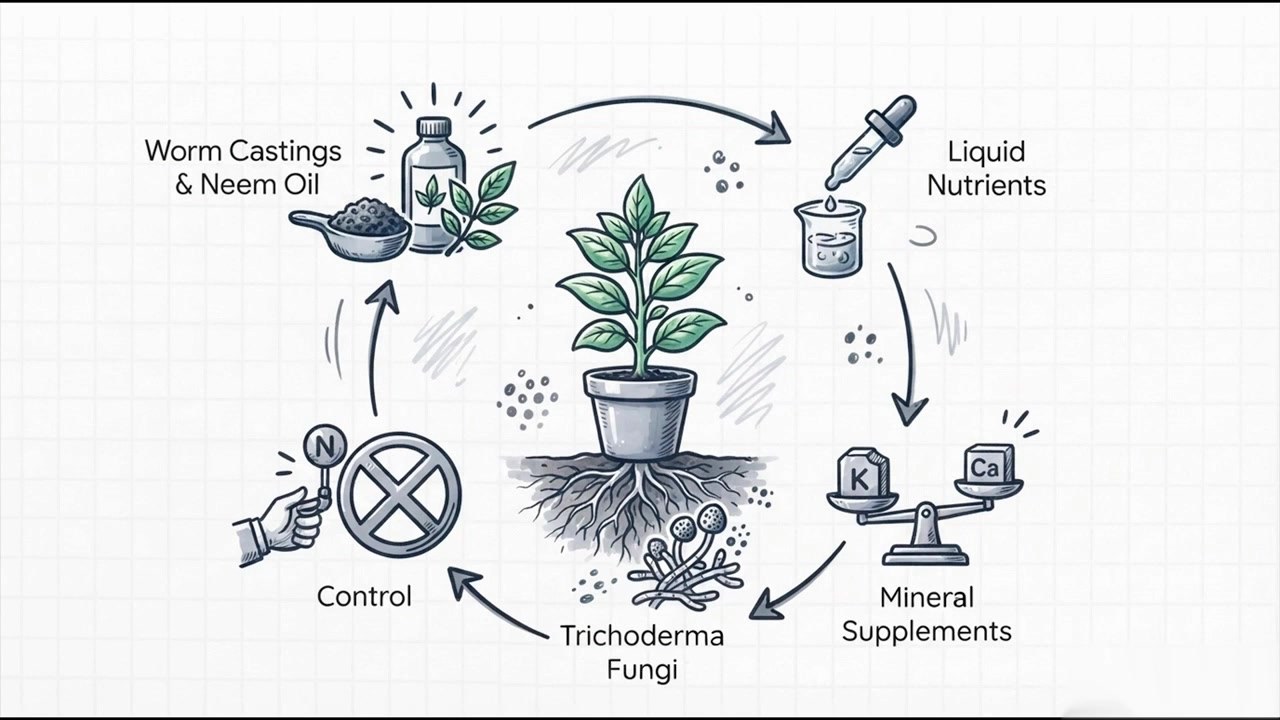
4.3. Drainage Management and Post-Rain Sanitation
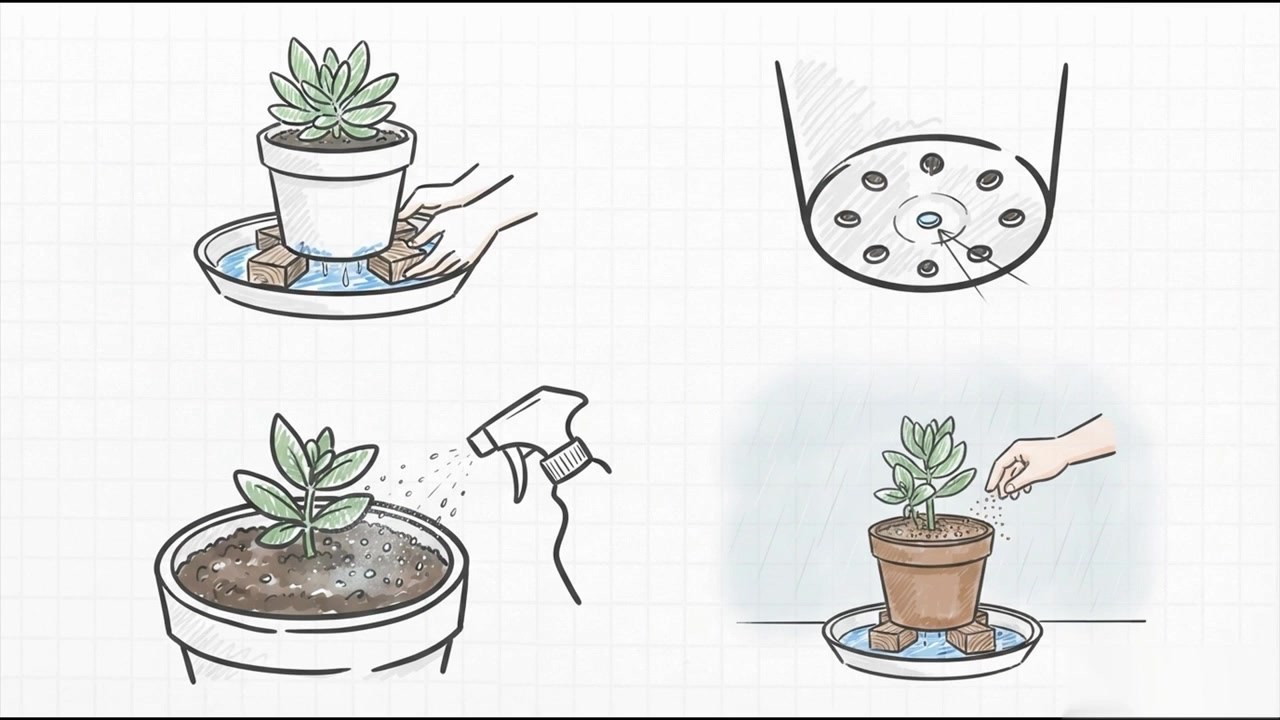
- Maximize pot drainage: Elevate containers 3–5 cm off the ground using bricks or pot feet, and inspect bottom drainage holes regularly to clear compacted silt or overgrown roots.
- Rinse with clean water after intermittent drizzle: If you accidentally fertilized or sprayed foliar feed right before light intermittent rain, rinse the foliage and flush the pot surface lightly with clean water so concentrated residue cannot dry onto leaves and cause scorch or spotting.
5. Quick Rainy-Season Action Checklist
- Never apply fast-dissolving chemical granules or foliar sprays during heavy or continuous rain.
- Elevate pots 3–5 cm and verify clear drainage holes before storms arrive.
- Apply polymer-coated CRF at the beginning of the rainy season for 90–180 days of leach-proof nutrition.
- Wait 2–3 dry days (60–70% moisture) after storms before applying diluted organic feeds at 1/3–1/2 dry-season rates.
- Prioritize Potassium, Calcium, and Trichoderma while strictly limiting excess Nitrogen.