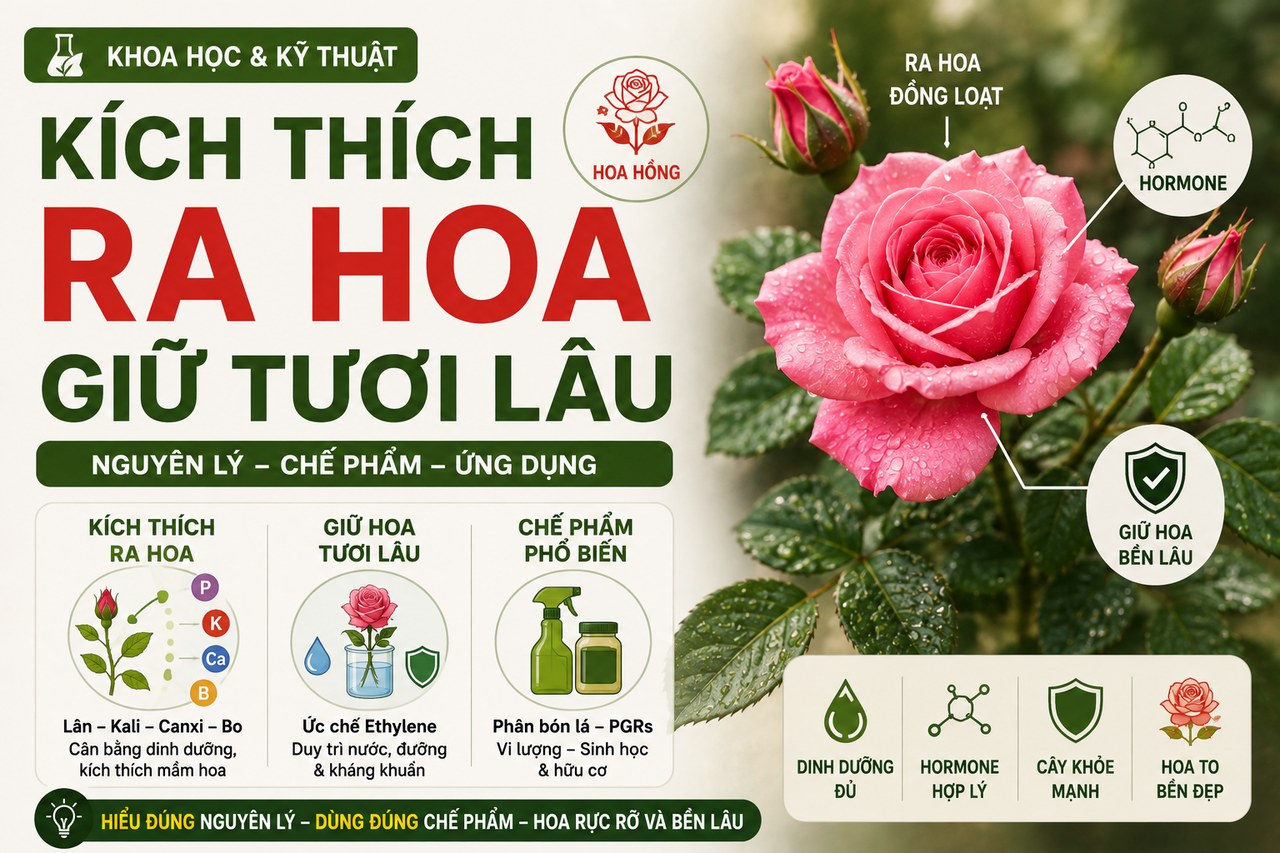
Growing a thriving, heavily blooming rose garden is far more than admiring petals above ground—it is about managing a high-performance biological engine hidden beneath the soil. Because modern roses bloom repeatedly across the season, they are extraordinarily heavy feeders. Continuous shoot breaks, foliage expansion, and flowering rapidly exhaust potting media; without timely replenishment, plants weaken, blooms shrink and fade, and fungal pathogens move in quickly.
Think of rose nutrition like an elite athlete's diet:
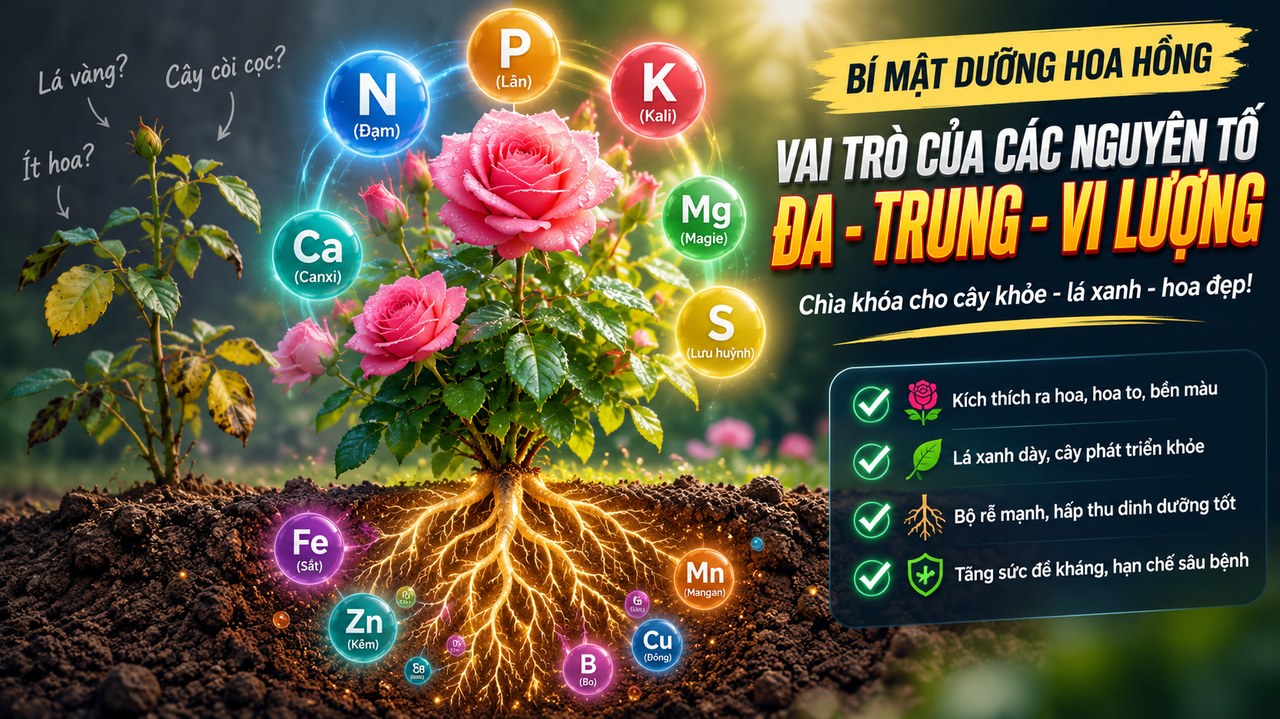
- Macronutrients (NPK): Act like protein and carbohydrates, handling the heavy structural lifting for size, cane growth, and flower production.
- Secondary & Micronutrients (Ca, Mg, S, Fe, B, Zn, Mn, Mo): Needed in small amounts, yet they function as essential vitamins—building immunity, strengthening cell walls, and driving enzymatic reactions that NPK alone can never perform.
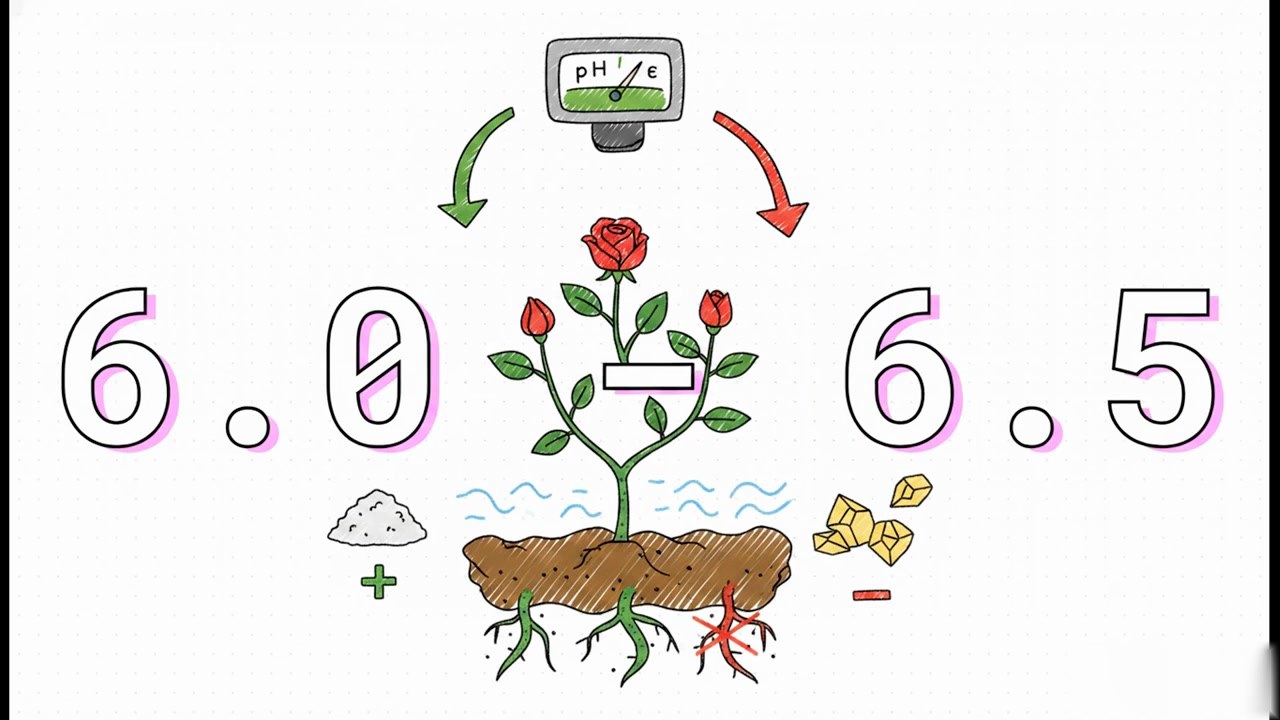
1. The Golden Number Before Fertilizing: Soil pH 6.0 – 6.5
Before applying any premium fertilizer, memorize one non-negotiable threshold: pH 6.0 – 6.5. Roses thrive in slightly acidic soil.
- When substrate pH drifts too acidic (< 5.5)** or **too alkaline (> 7.0), roots enter nutrient lockout (Soil pH Imbalance). Minerals precipitate into unavailable chemical forms, leaving the rose starving even in heavily fertilized pots.
- How to adjust: Apply agricultural lime (dolomite) to raise overly acidic soil, or incorporate elemental sulfur and acidifying organic matter to lower alkaline media back into the 6.0–6.5 sweet spot.
2. Primary Macronutrients (NPK) — The Structural Heavy Lifters
Nitrogen (N), Phosphorus (P), and Potassium (K) form the core biomass engine of every rose bush:

2.1. Nitrogen (N): The Catalyst for Shoots and Lush Foliage
- Function: Core building block of proteins, chlorophyll, and nucleic acids; drives rapid bud break, cane elongation, and dense green foliage.
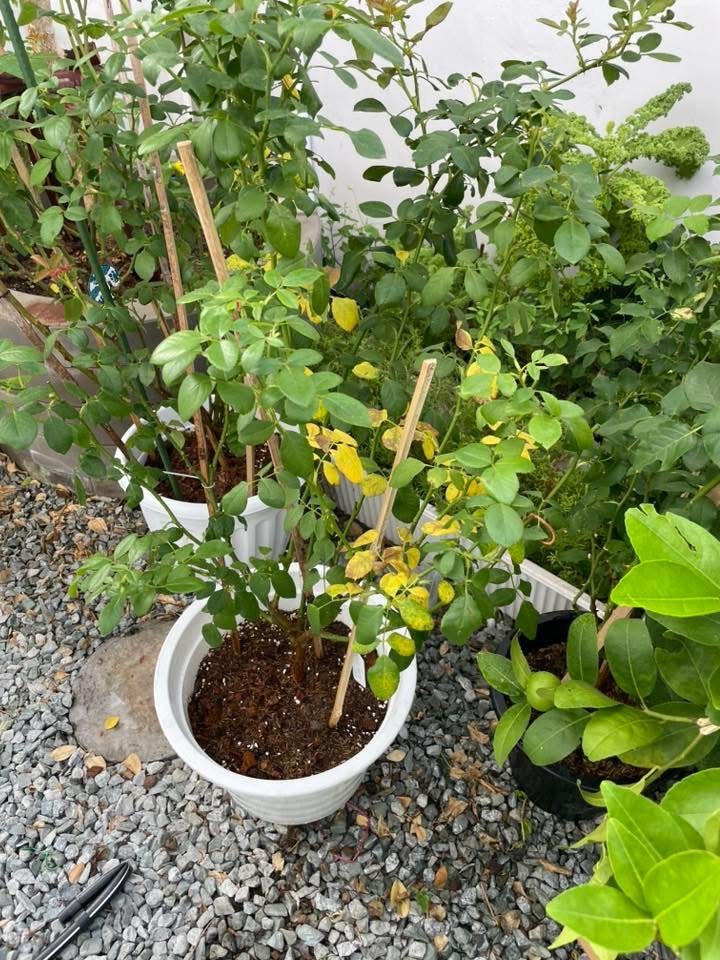
- Deficiency Signs (N Deficiency): Because N is highly mobile, the rose pulls it out of older leaves to feed new tips. Lower mature leaves turn uniformly pale yellow, leaf size shrinks, canes grow spindly, and shoot growth stalls.
2.2. Phosphorus (P): The Engine for Roots and Floral Induction
- Function: Powers cellular energy transfer (ATP), stimulates deep branching feeder roots, and acts as the biochemical switch from vegetative growth to flower bud differentiation.
- Deficiency Signs (P Deficiency): Mature leaves develop abnormal reddish or dark purple tints (especially on undersides), root systems stagnate, and bud initiation slows dramatically.
2.3. Potassium (K): The Architect of Large, Vibrant, Long-Lasting Blooms
- Function: Regulates cellular turgor, transports sugars from leaves into developing buds, builds sturdy disease-resistant canes, and determines petal thickness, color intensity, and bloom longevity.
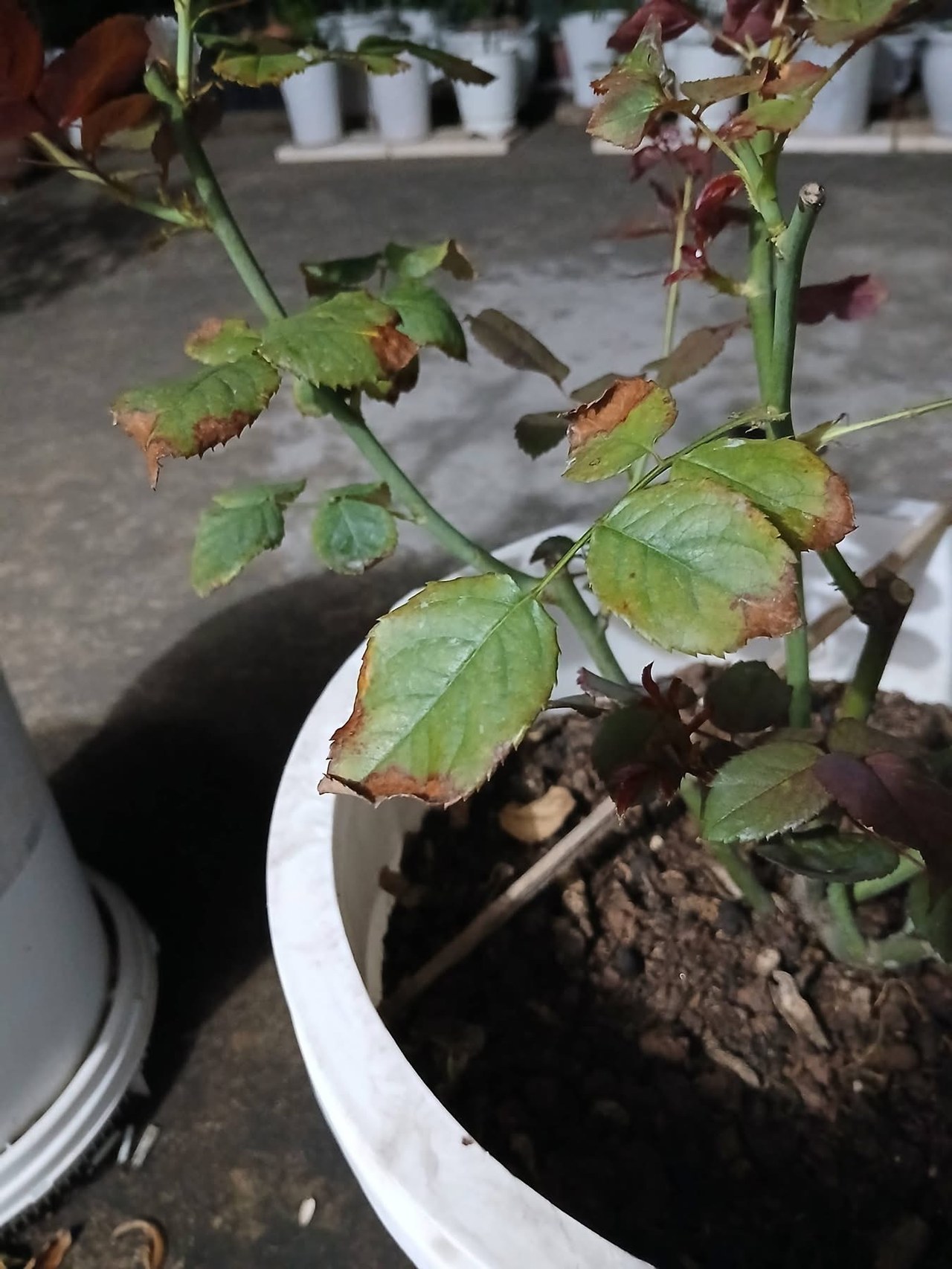
- Deficiency Signs (K Deficiency): Older leaf margins scorch yellow-brown, stems grow weak, and flowers turn small, thin-petaled, and short-lived even when overall foliage still looks green.
3. Secondary & Micronutrients — Small Doses, Massive Impact
You can never achieve exhibition-grade roses on NPK alone. Secondary nutrients (Calcium, Magnesium, Sulfur) and micronutrients (Iron, Boron, Zinc, Manganese, Molybdenum) complete the physiological machinery:
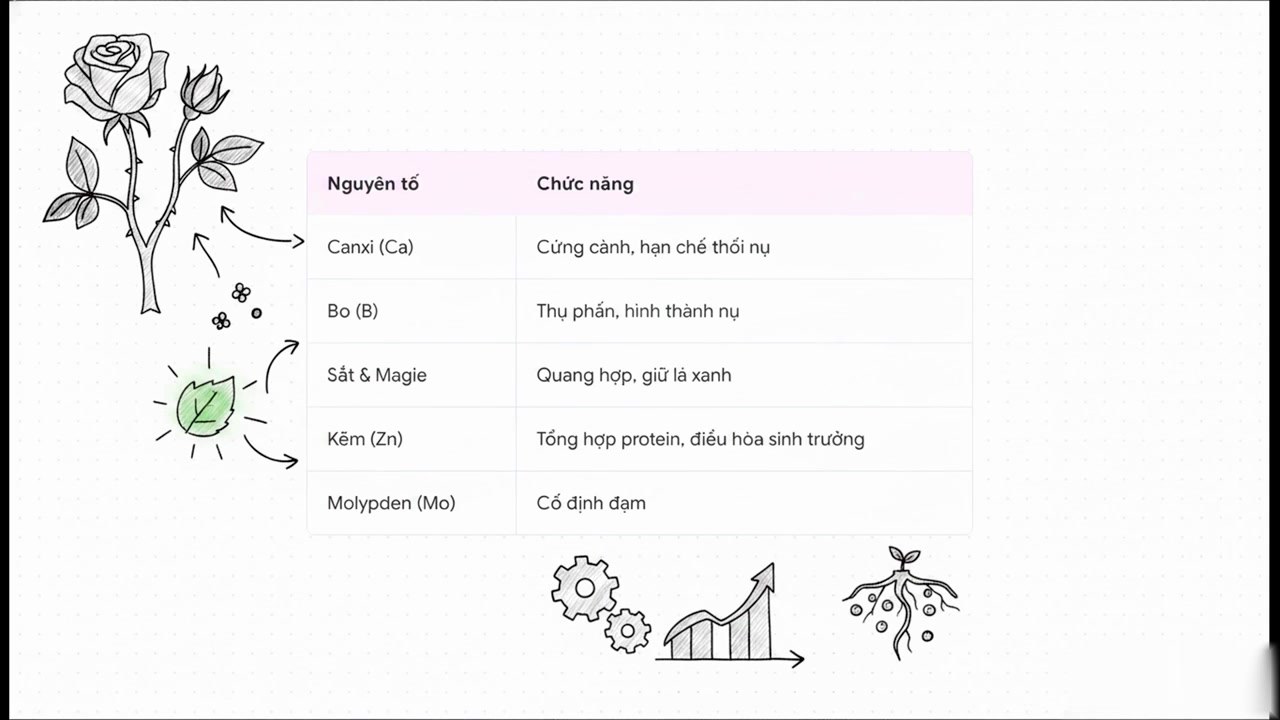
| Element | Group | Core Physiological Function | Classic Deficiency Symptoms |
|---|---|---|---|
| Calcium (Ca) | Secondary | Builds rigid cell walls; acts as armor for stiff canes and prevents bud rot in wet weather | Ca Deficiency: Wavy, hooked, deformed young leaves; weak, drooping flower necks |
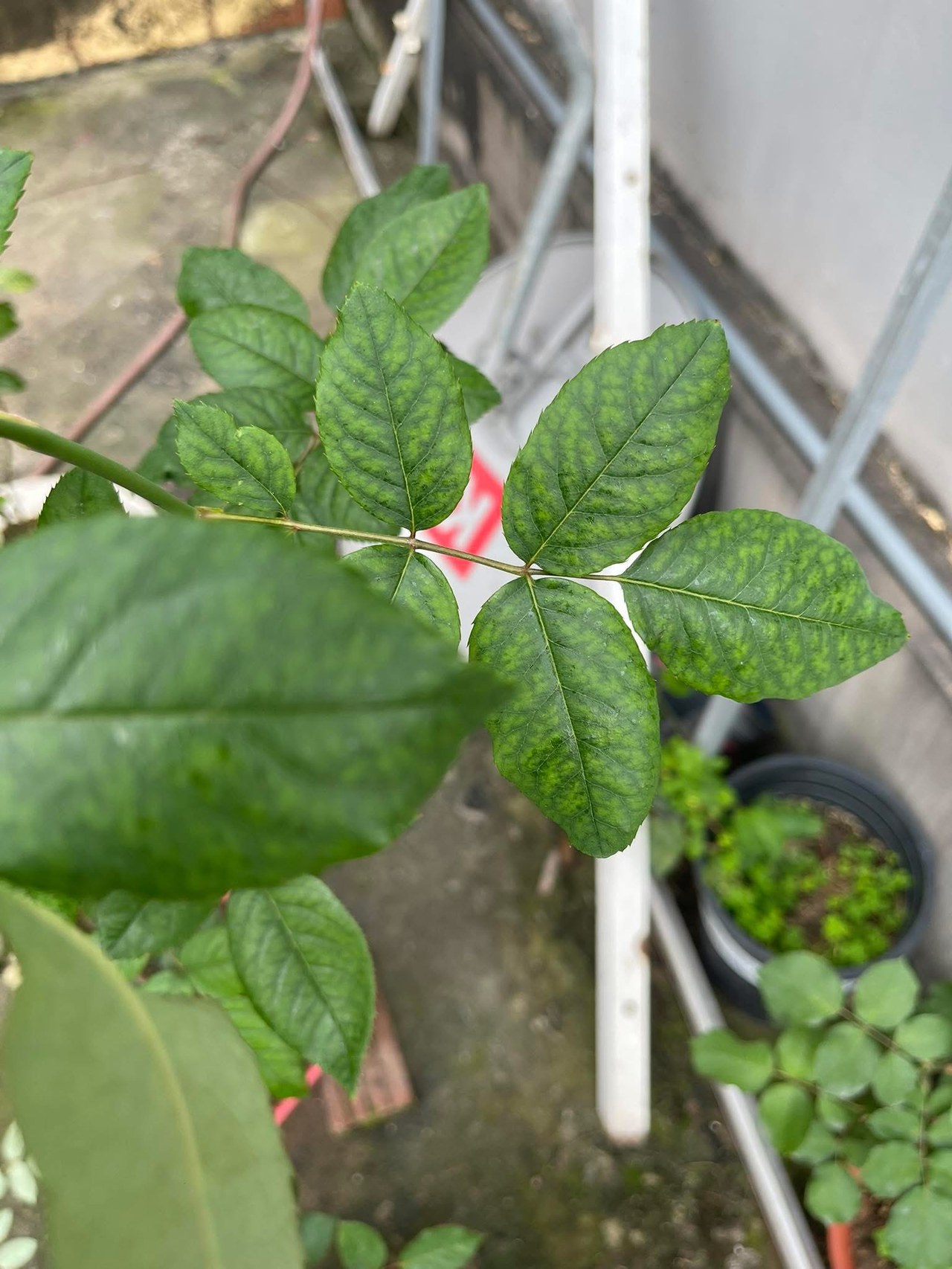
| Magnesium (Mg) | Secondary | Central atom of every chlorophyll molecule; maximizes photosynthesis | Mg Deficiency: Older leaves yellow between veins (inverted-V pattern) while veins stay green |
| Sulfur (S) | Secondary | Synthesizes sulfur amino acids and aromatic compounds behind rose fragrance | Sulfur Deficiency: Young leaves turn uniformly pale yellow (unlike N deficiency on old leaves) |
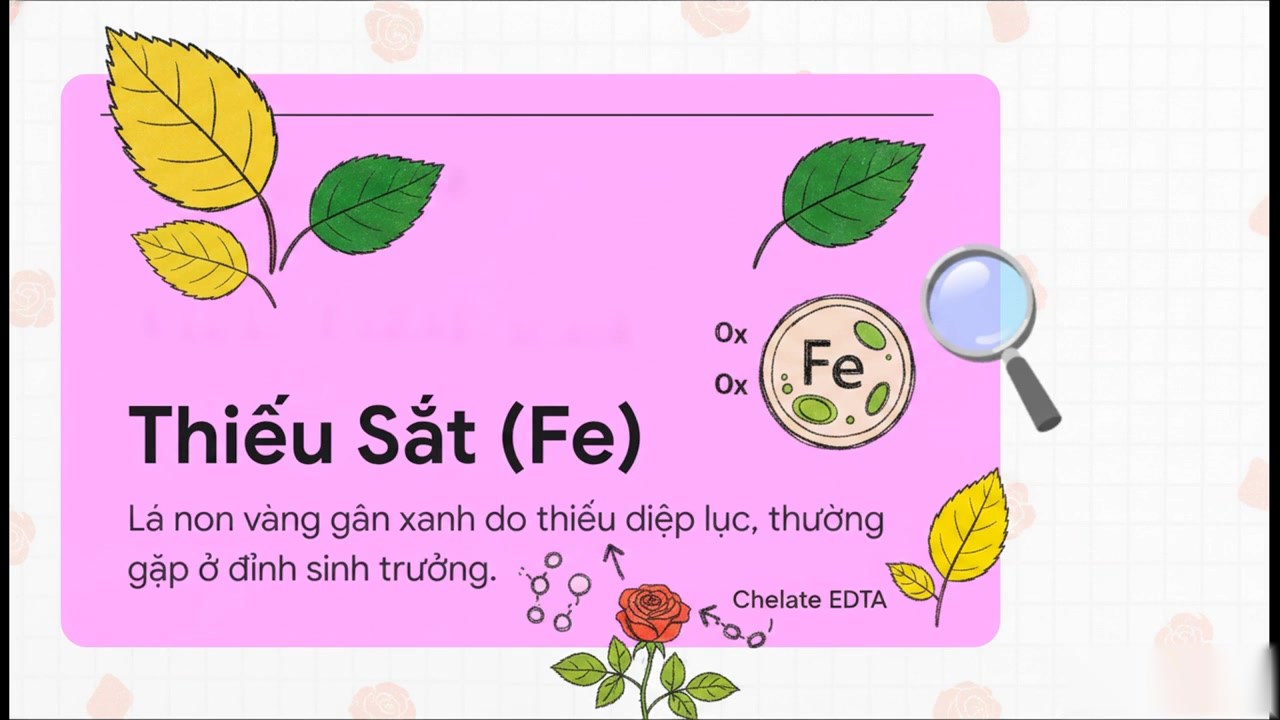
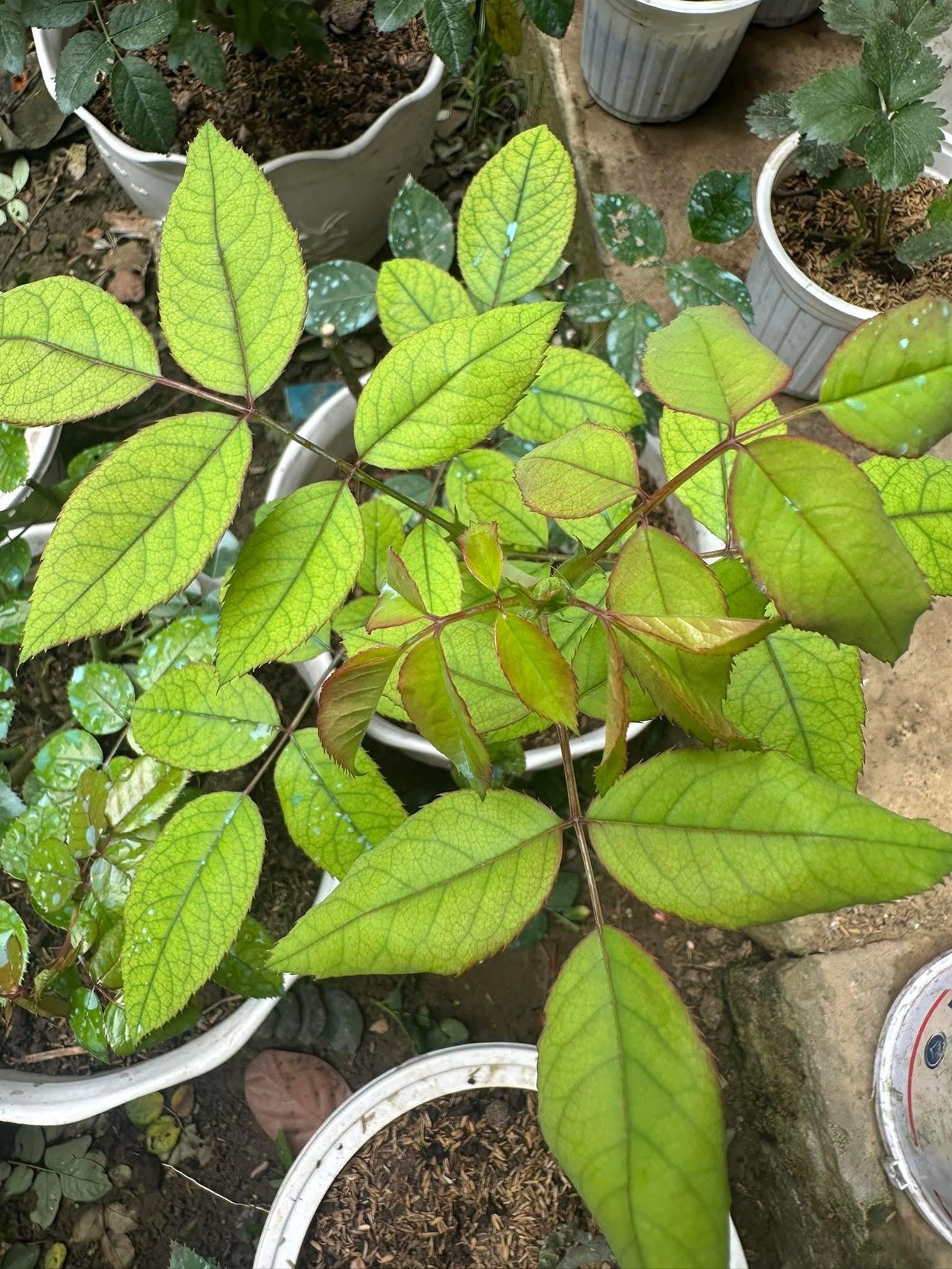
| Iron (Fe) | Micronutrient | Essential catalyst for chlorophyll synthesis and cellular respiration | Fe Deficiency: Young shoot-tip leaves turn pale yellow to nearly white with sharp green veins |
| Boron (B) | Micronutrient | Transports sugars to blooms; vital for pollination and solid bud formation | Heavy bud blast/drop, stunted terminal shoots, malformed blooms |
| Zinc (Zn) | Micronutrient | Synthesizes proteins and Auxin growth hormone for synchronized blooming | Shortened internodes, small narrow clustered leaves |
| Manganese (Mn) | Micronutrient | Supports photosynthetic water splitting and enzyme activation | Mn Deficiency: Interveinal yellowing on young leaves with tiny necrotic specks |
| Molybdenum (Mo) | Micronutrient | Key cofactor for Nitrogen assimilation (nitrate reductase enzyme) | Nitrogen-deficiency lookalike even when N fertilizer is abundant |
3.1. Solving the Classic Puzzle: Why Are Young Leaves Pale Yellow with Green Veins?
One of the most frequent container-rose dilemmas is seeing brand-new leaves at the top of the bush turn lemon-yellow or bleached white while their veins remain vividly green.
- Root Cause: Acute Iron (Fe) deficiency. Unlike mobile Nitrogen or Magnesium, iron ions are largely immobile inside plant tissues, so deficiency strikes the newest growing tips first.
- Definitive Fix: Apply a specialized chelated micronutrient (EDTA-Fe, or EDDHA-Fe in alkaline soils). The chelate shield protects iron ions from oxidation, precipitation, and leaching so roots and foliage can absorb them immediately.
3.2. Humic Acid — Nature's Mineral Delivery Truck
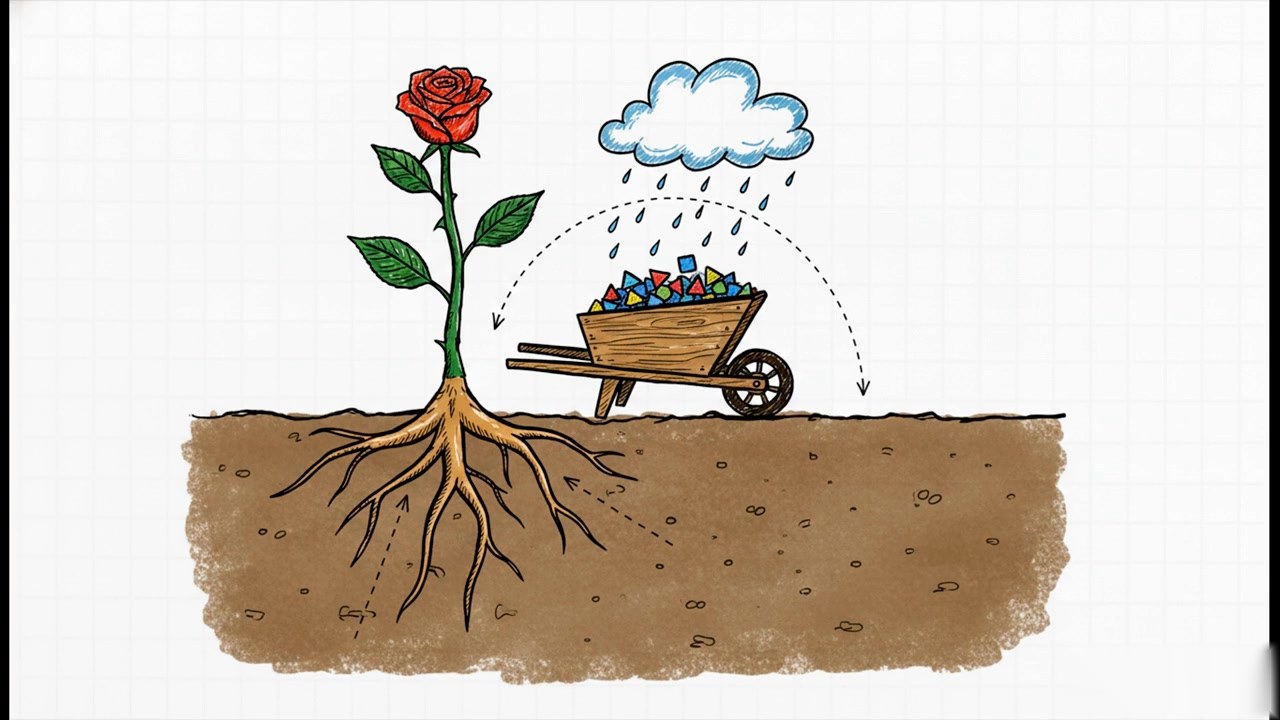
How do you coax rose roots into absorbing finicky trace minerals efficiently? Nature's premier biological carrier is Humic Acid:
- Far more than a simple soil conditioner, humic acid acts like a molecular wheelbarrow: it binds free-floating mineral ions (P, Fe, Zn, Ca, Mg) in the soil solution and delivers them smoothly across root-hair membranes.
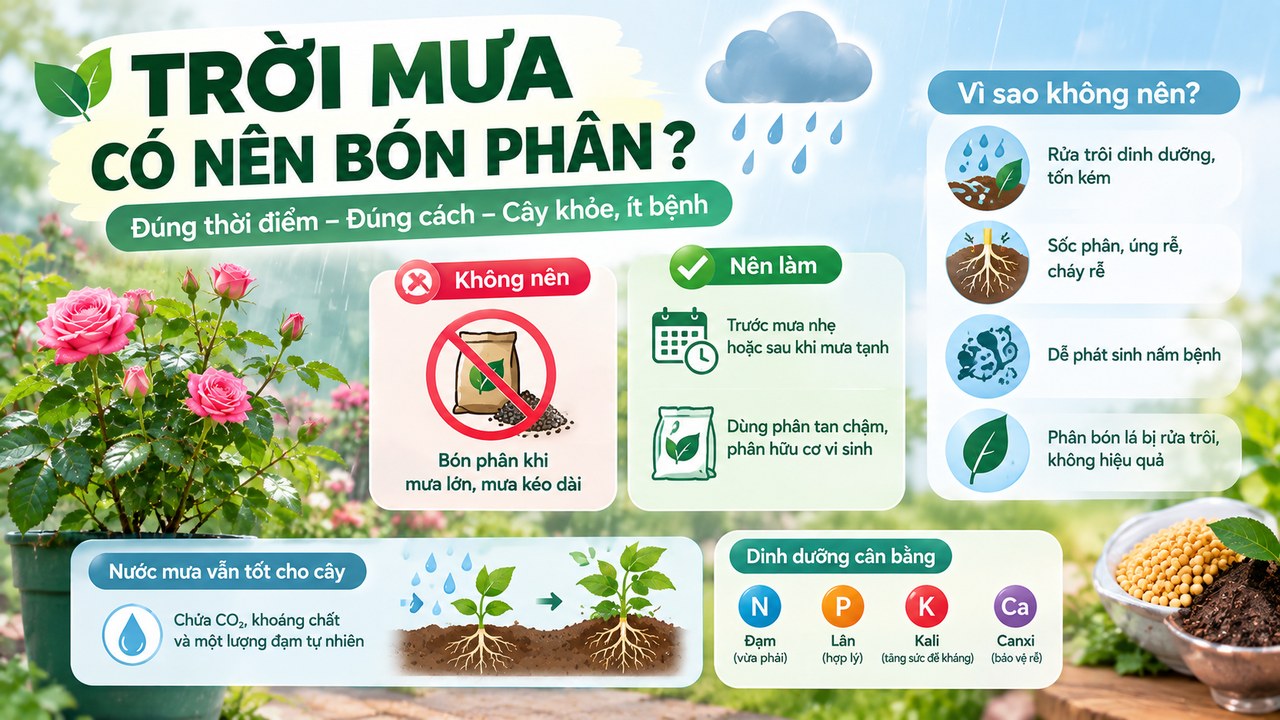
- Simultaneously, it holds nutrients inside the root zone, preventing rain and irrigation from leaching away your fertilizer investment.
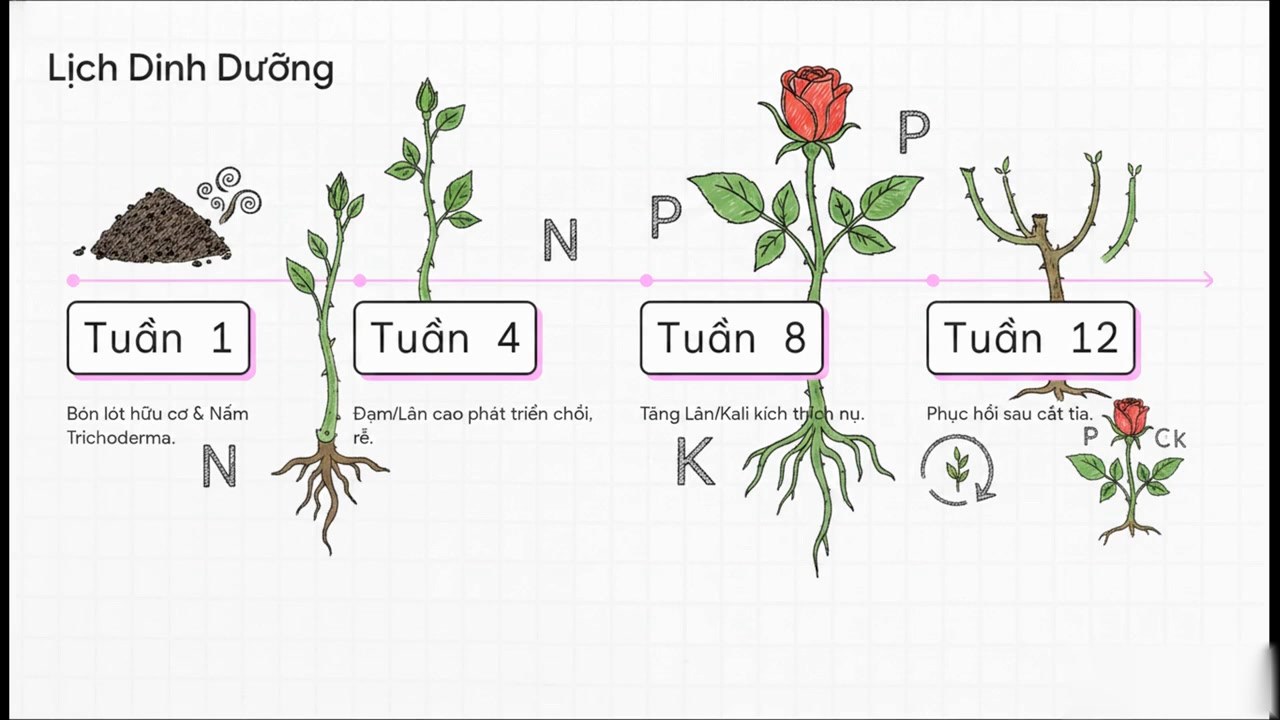
4. Practical Application: The 12-Week Nutrition Timeline
Translating mineral science into garden results means matching the right nutrient profile to each stage of the rose cycle:
4.1. Vegetative & Canopy-Building Phase (Weeks 1 – 4)
The primary objective is waking the plant and building a vigorous leaf canopy:
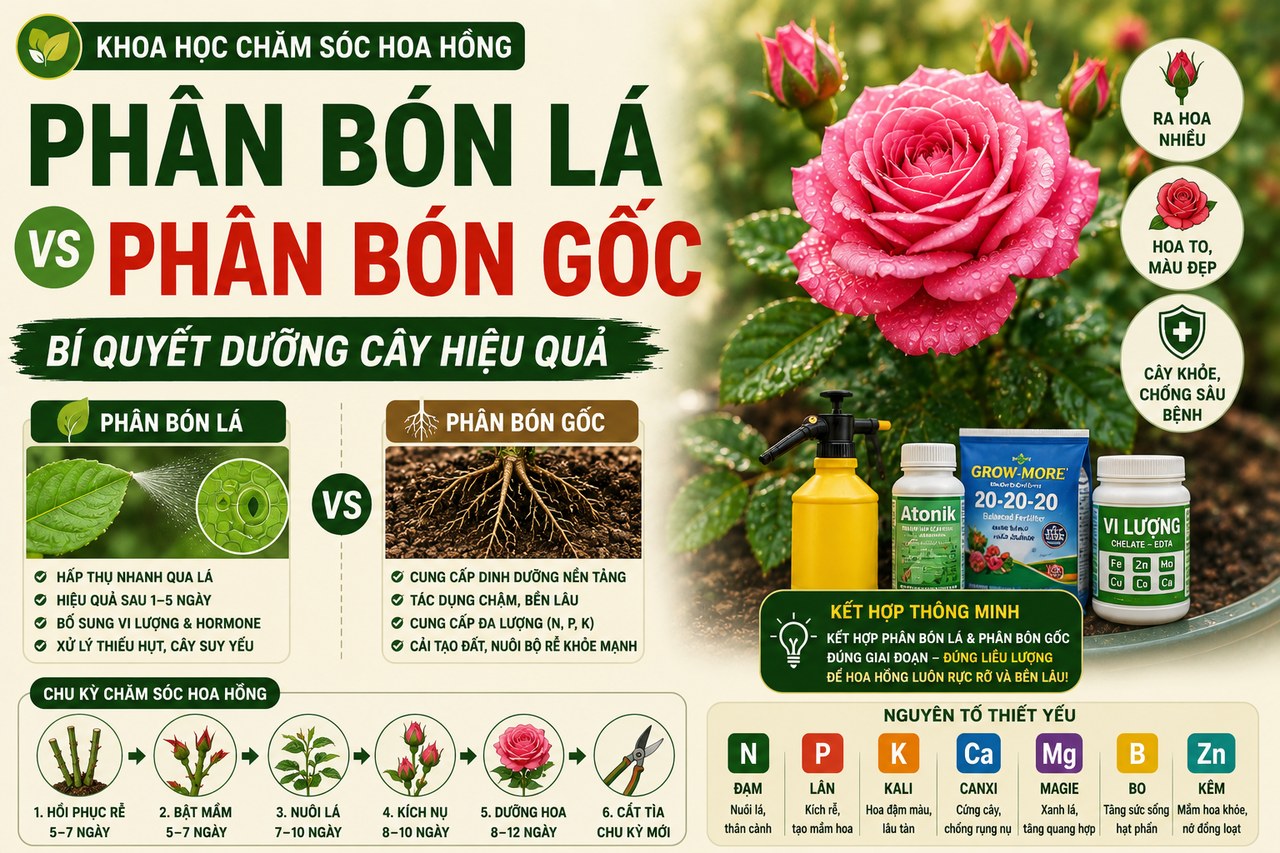
- Week 1 (Base Dressing): Incorporate slow-release organic matter such as vermicompost paired with beneficial Trichoderma fungi to build root health and suppress soilborne pathogens.
- Week 4 (Shoot & Root Push): Drive vigorous cane growth using high-nitrogen formulas such as NPK 30-10-10, complemented by root drenches of Humic Acid and organic soybean or fish hydrolysate to stimulate dense white feeder roots.
4.2. Budding & Flowering Phase (Week 8)
Once the leafy framework is established, the rose burns tremendous energy to set buds and open blooms:
- Switch to Liquid Feeds: Because floral development happens rapidly, shift from slow-release granules to fast-acting liquid fertilizers absorbed immediately by roots and foliage. For container roses with restricted soil volume, liquid feeding every 2–3 weeks in the early morning or late afternoon is essential.
- Dial Back Nitrogen — Boost Phosphorus & Potassium: Overfeeding N during bud set causes soft, floppy stems, disease susceptibility, and small, washed-out flowers. Switch to bloom formulas such as NPK 15-30-15 or NPK 6-30-30 alongside Calcium and Boron to produce synchronized buds, thick petals, rich saturation, and longer bloom life.

4.3. Post-Pruning Recovery Phase (Week 12)
Every pruning cut after a flush is an unavoidable physiological shock. Use this 3-step recovery protocol to trigger strong new basal breaks instead of dieback:
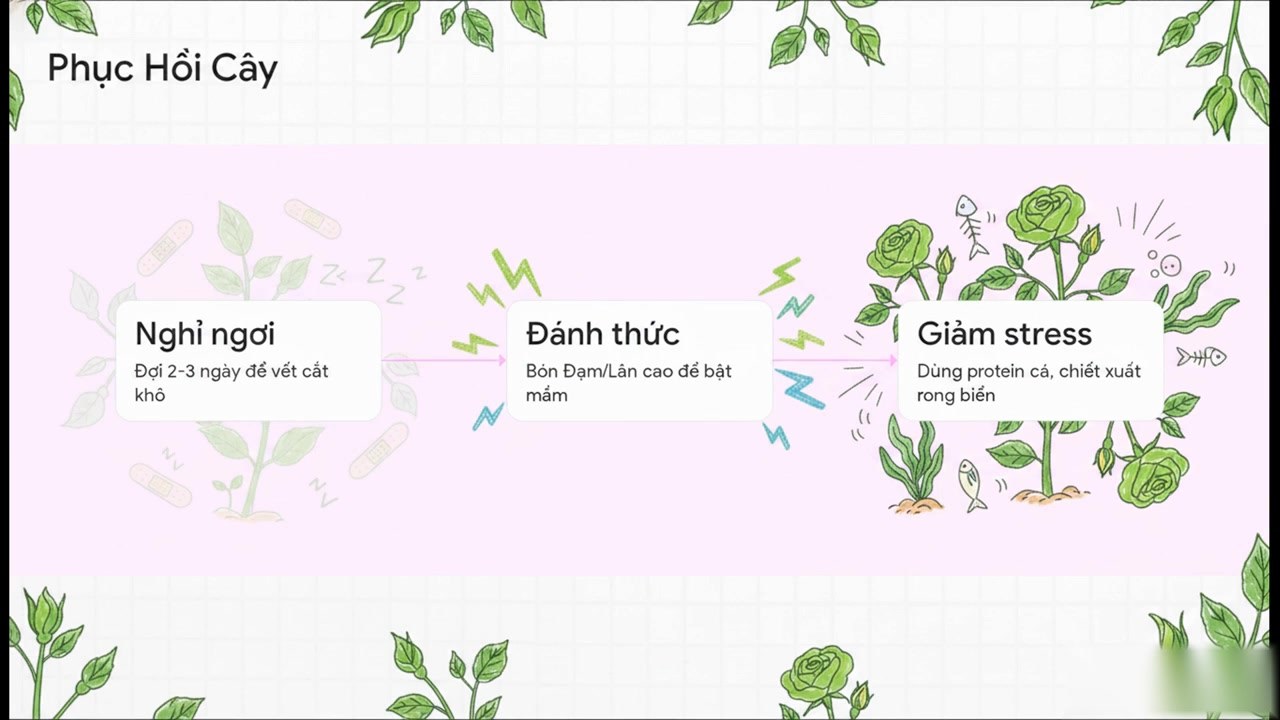
- Rest (Days 1–3): Allow the plant 2–3 quiet days for pruning wounds to dry and seal cleanly.
- Wake Up Dormant Buds: Apply a balanced high-N/P dose (such as NPK 16-16-8) to signal dormant eyes to break.
- Relieve Stress Biologically: Drench with fish protein hydrolysate or seaweed extract. Their natural amino acids soothe stressed plant cells and launch the next cycle of vigorous shoots.
Conclusion
A breathtaking, long-lasting rose bloom is not crafted in the petals—it is engineered beneath the soil through the harmony of Macronutrient power (NPK), Secondary and Micronutrient precision, pH 6.0–6.5, and Humic Acid delivery. Next time a rose stem droops, pause and look deeper: is it merely thirsty, or is it calling out for a forgotten trace mineral underground?