Nutrition is a decisive factor that determines up to 45% of plant yield, bloom size, and petal color quality in roses. Over evolutionary time, higher plants developed two parallel mineral-absorption pathways: belowground root uptake (root fertilization) and aboveground surface uptake, primarily through foliage (foliar feeding).
For potted roses—where substrate volume is limited and soluble nutrients leach rapidly with frequent watering—understanding the physiological differences between these two pathways is the key to optimizing growth, rescuing stressed plants, and sustaining vibrant bloom cycles year-round.
1. Physiological Mechanisms of Nutrient Absorption
1.1. Nutrient Absorption via the Root System (Root Fertilization)
The root system is the foundational feeding organ of the rose plant. Minerals applied to the soil dissolve into the soil solution as free ions and enter the plant through root hairs densely concentrated near young root tips via three coordinated mechanisms:
- Passive Uptake: Mineral ions naturally diffuse down a concentration gradient from higher concentration (soil solution) to lower concentration (root cell interior) without consuming metabolic energy.
- Active Uptake: This is the most critical mechanism, allowing roots to pump essential ions against their concentration gradient into root cells. Because it moves ions uphill, active uptake requires cellular energy (ATP) generated by aerobic root respiration.
- Physicochemical Ion Exchange: Nutrient cations adsorbed onto negatively charged clay and humus colloids are exchanged directly for ions (such as ) actively secreted by root hairs into the rhizosphere.

Critical Physiological Note: Root fertilization efficiency depends heavily on soil physicochemical properties, including pH, moisture, and aeration. When potting mix becomes overly acidic, excessively alkaline (soil pH imbalance), saline, or bone-dry, ion dissolution and transport stall—leaving the rose starving for nutrients even when plenty of fertilizer remains in the pot.
1.2. Nutrient Absorption via the Leaf Surface (Foliar Feeding)
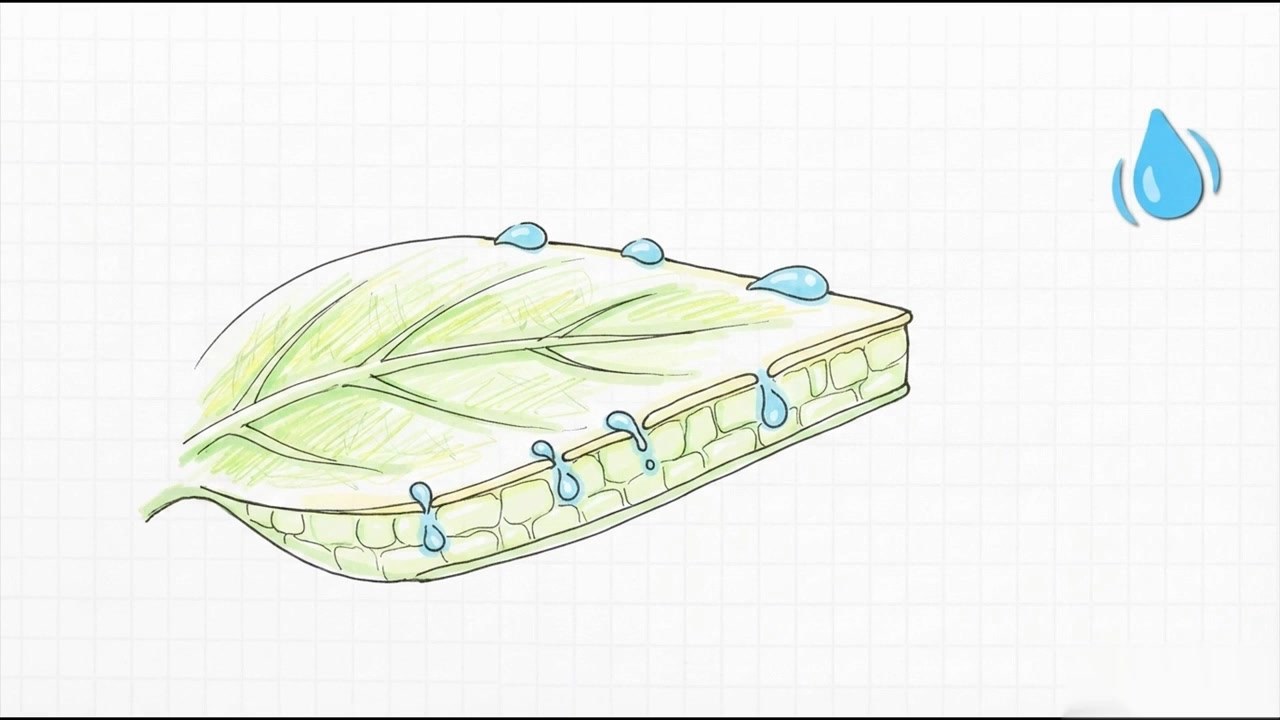
Foliar fertilizers are fully water-soluble nutrient formulations sprayed directly onto leaves and young shoots. Because leaves are protected by anti-transpiration barriers, foliar absorption occurs through three distinct pathways:
- Stomata: These microscopic pores are the primary gateway for liquid nutrients. When stomata open wide for gas exchange (, ) and transpiration, dissolved mineral molecules enter the substomatal cavity and move rapidly into leaf mesophyll tissue.

- Epidermis and Cutin Layer: Nutrients can also diffuse directly across the waxy cutin layer and leaf epidermis through microscopic hydrophilic pores. Penetration speed depends on cuticle thickness: young, newly expanded leaves have thinner cutin layers and absorb foliar sprays far more efficiently than mature, hardened foliage.
- Concentration-Gradient Diffusion: Foliar uptake is primarily driven by the concentration differential between the spray film on the leaf exterior and the internal concentration inside mesophyll cells. As long as the external spray concentration is higher (within safe, non-burning limits), ions diffuse rapidly inward.
2. Strategic Comparison: Root Fertilization vs. Foliar Feeding
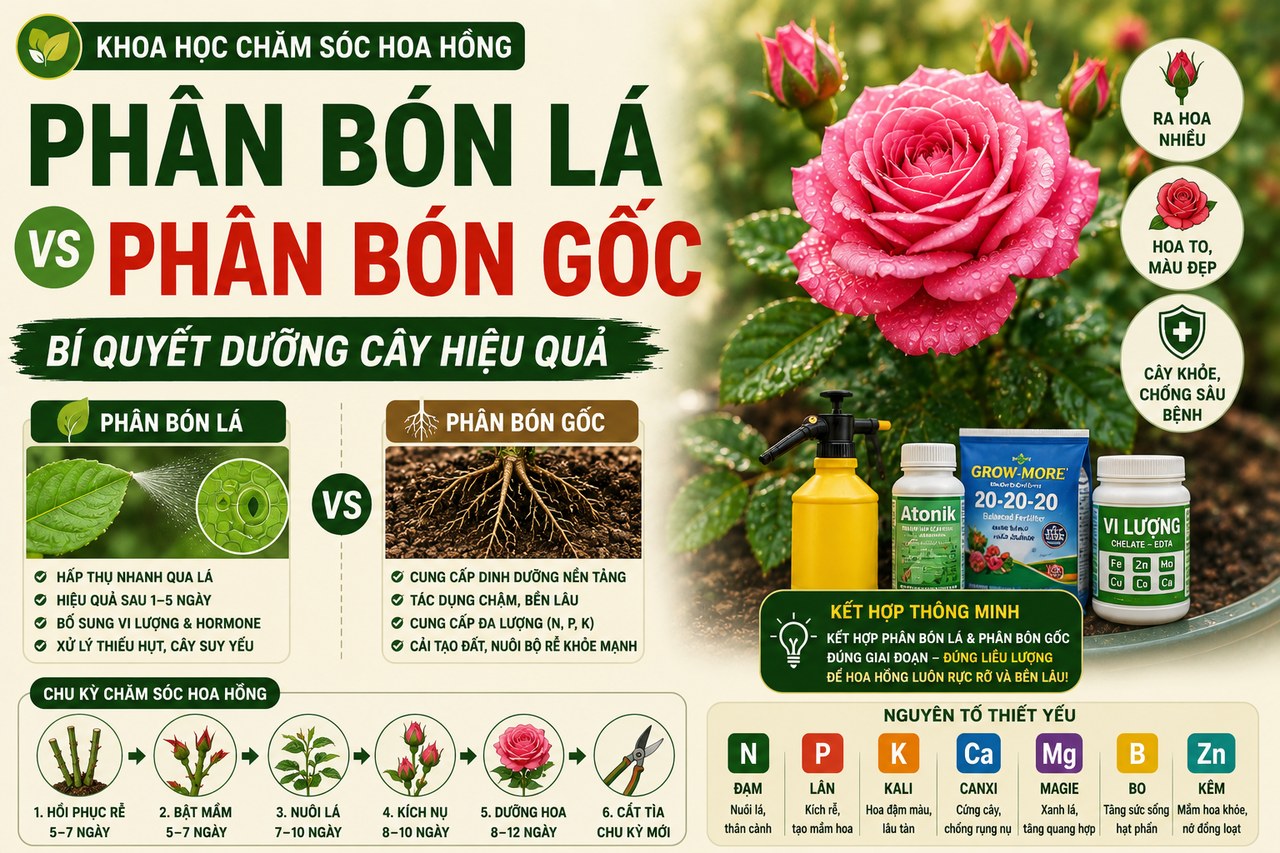
To use both methods accurately without confusing their roles, think of root fertilization as the "main meal" that sustains long-term growth, and foliar feeding as an "emergency tonic / IV drip" that delivers fast, targeted relief.
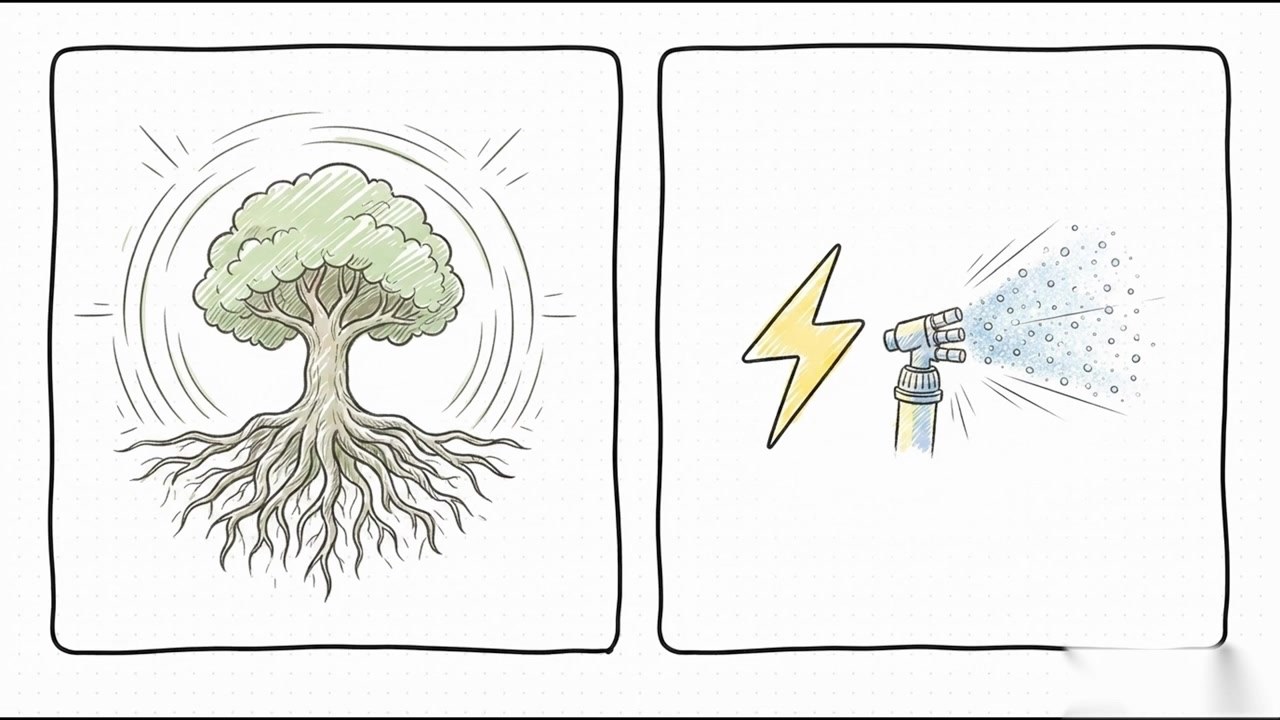
| Feature | Root Fertilization ("Main Meal") | Foliar Feeding ("Tonic / Emergency Rescue") |
|---|---|---|
| Primary Role | Supplies bulk foundational nutrition for the entire growth cycle | Provides rapid supplementation and corrects localized deficiencies |
| Speed of Action | Slow; requires dissolution, diffusion, and vascular transport (days to weeks) | Very fast; visible physiological recovery within 1–5 days |
| Absorption Efficiency | Lower (~40%) due to leaching and chemical fixation in soil | Very high (up to 95%) via direct contact across wide leaf surface area |
| Duration of Effect | Long-lasting, sustaining a stable nutrient buffer over time | Short-term and temporary; cannot replace bulk root feeding |
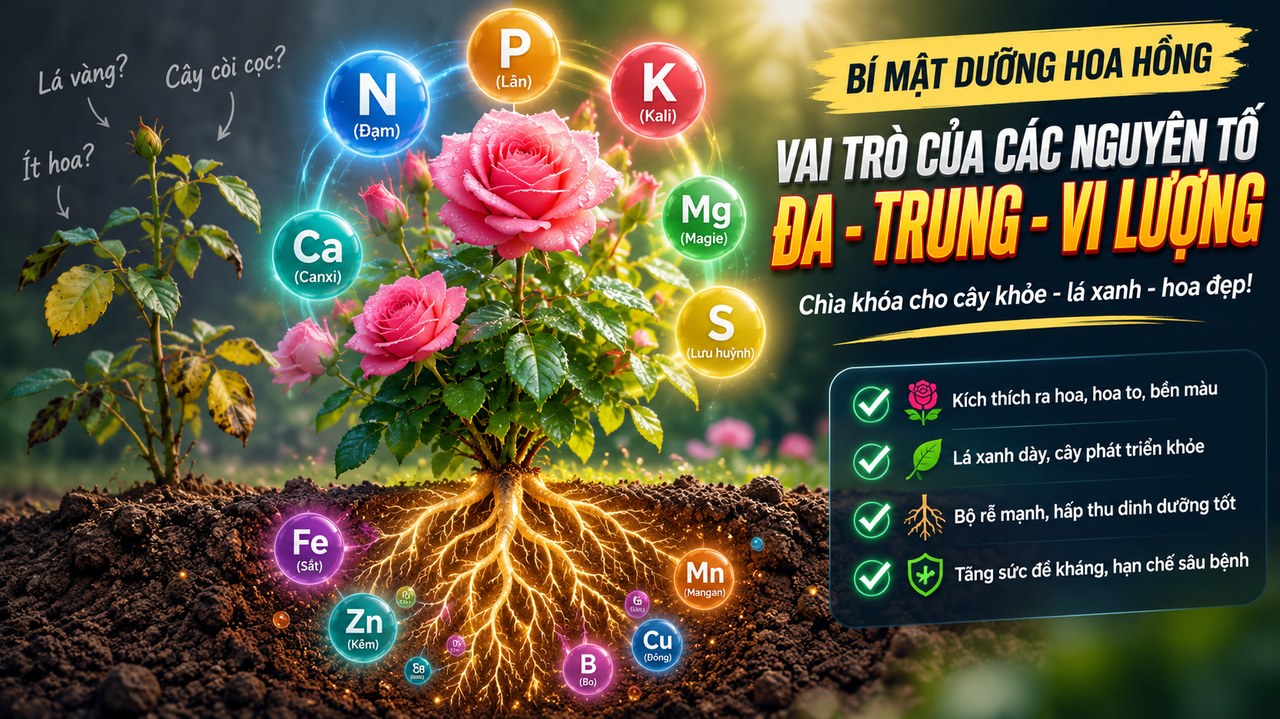
| Core Nutrients | Macronutrients (N, P, K), organic matter, microbes, and soil conditioners | Secondary & micronutrients (Fe, Zn, Mn, B, Cu, Ca, Mg) and biostimulants |
3. Integrated Feeding Strategy: When to Use Each Method
3.1. When to Prioritize Root Fertilization
- Structural Establishment Phase: Immediately after planting, repotting, or hard pruning to build a vigorous feeder-root network and strong cane framework.
- Bulk Macronutrient Demand (N, P, K): Roses require large quantities of nitrogen, phosphorus, and potassium to sustain continuous foliage and bloom production—volumes that foliar sprays can never supply alone.
- Soil Conditioning: Incorporating well-composted organics, worm castings, and beneficial microbes to maintain substrate aeration, nutrient-buffering capacity, and rhizosphere health.
3.2. Four Situations Where Foliar Feeding Is Mandatory
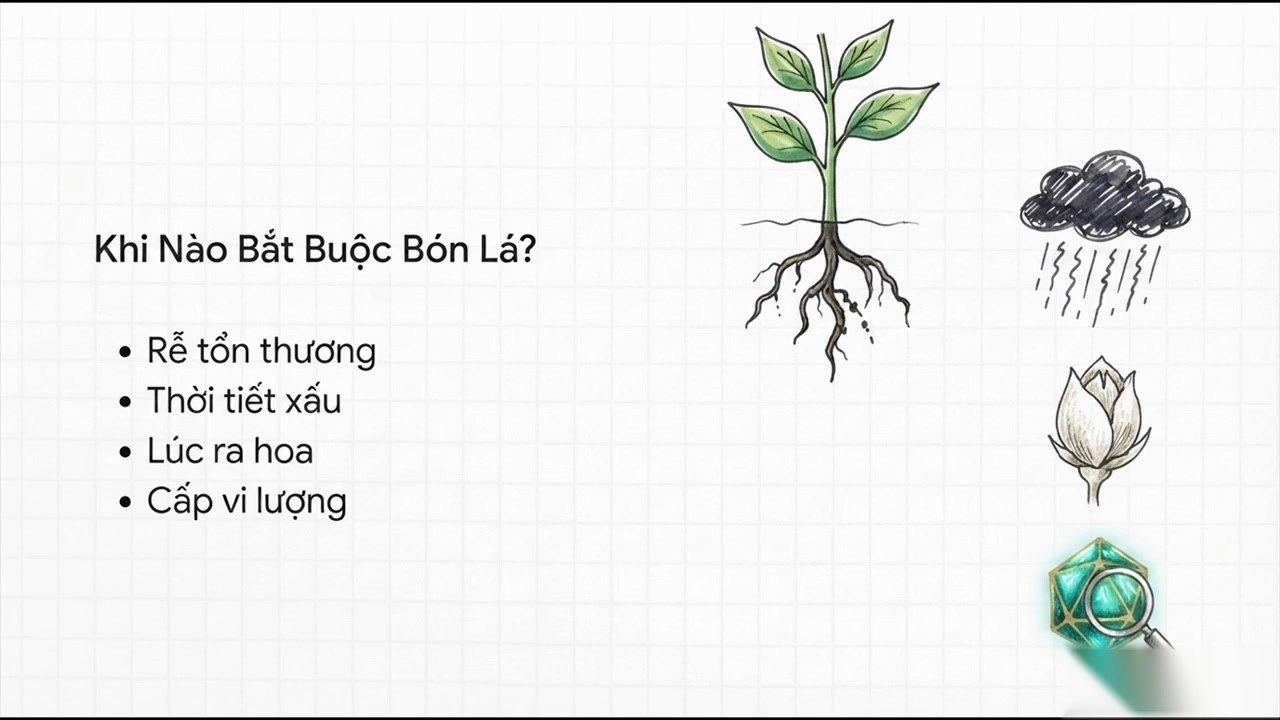
- Compromised Root Systems: When roses suffer fungal root rot, oxygen-starved waterlogging, or mechanical root damage from digging or repotting, roots temporarily lose uptake capacity. Foliar feeding keeps the canopy nourished while new feeder roots regenerate.
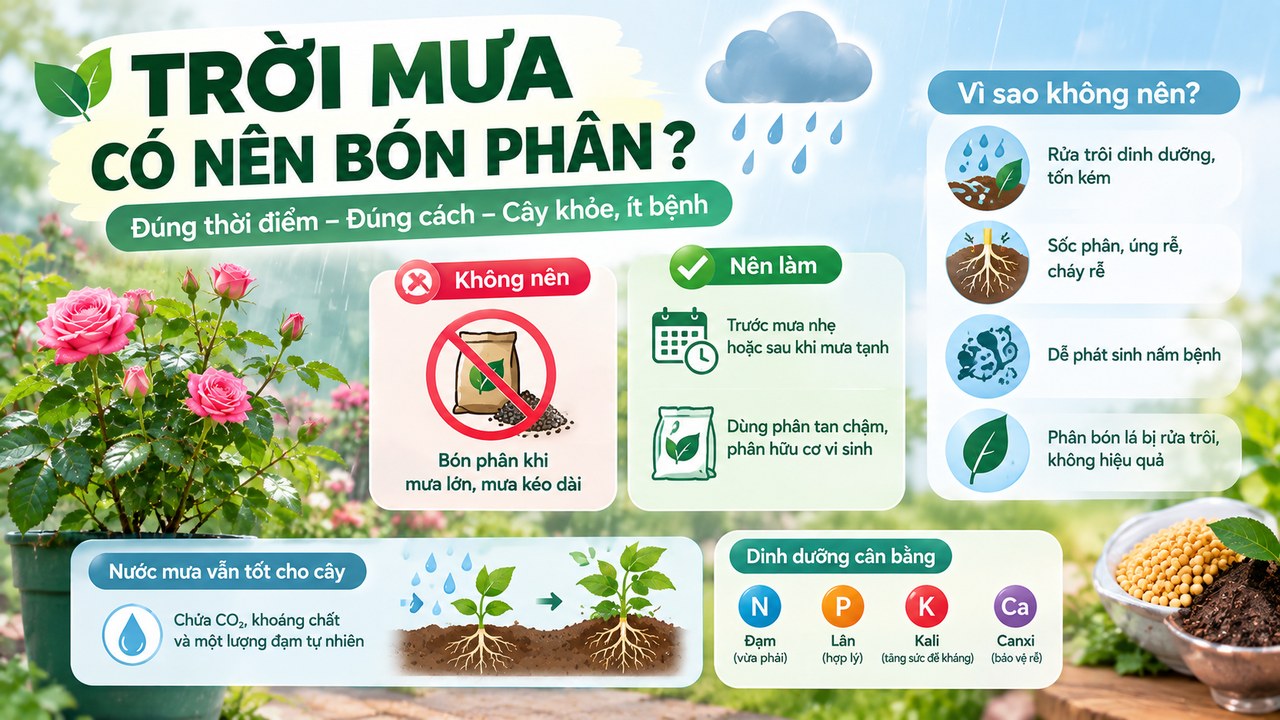
- Adverse Weather Conditions: During severe dryness (drought stress) when granular root fertilizers cannot dissolve, or during prolonged rainy spells when soil nutrients constantly leach out.
- Peak Reproductive Demand: During bud initiation, heavy budding, and bloom expansion—when nutrient consumption outpaces maximum root-transport speed.
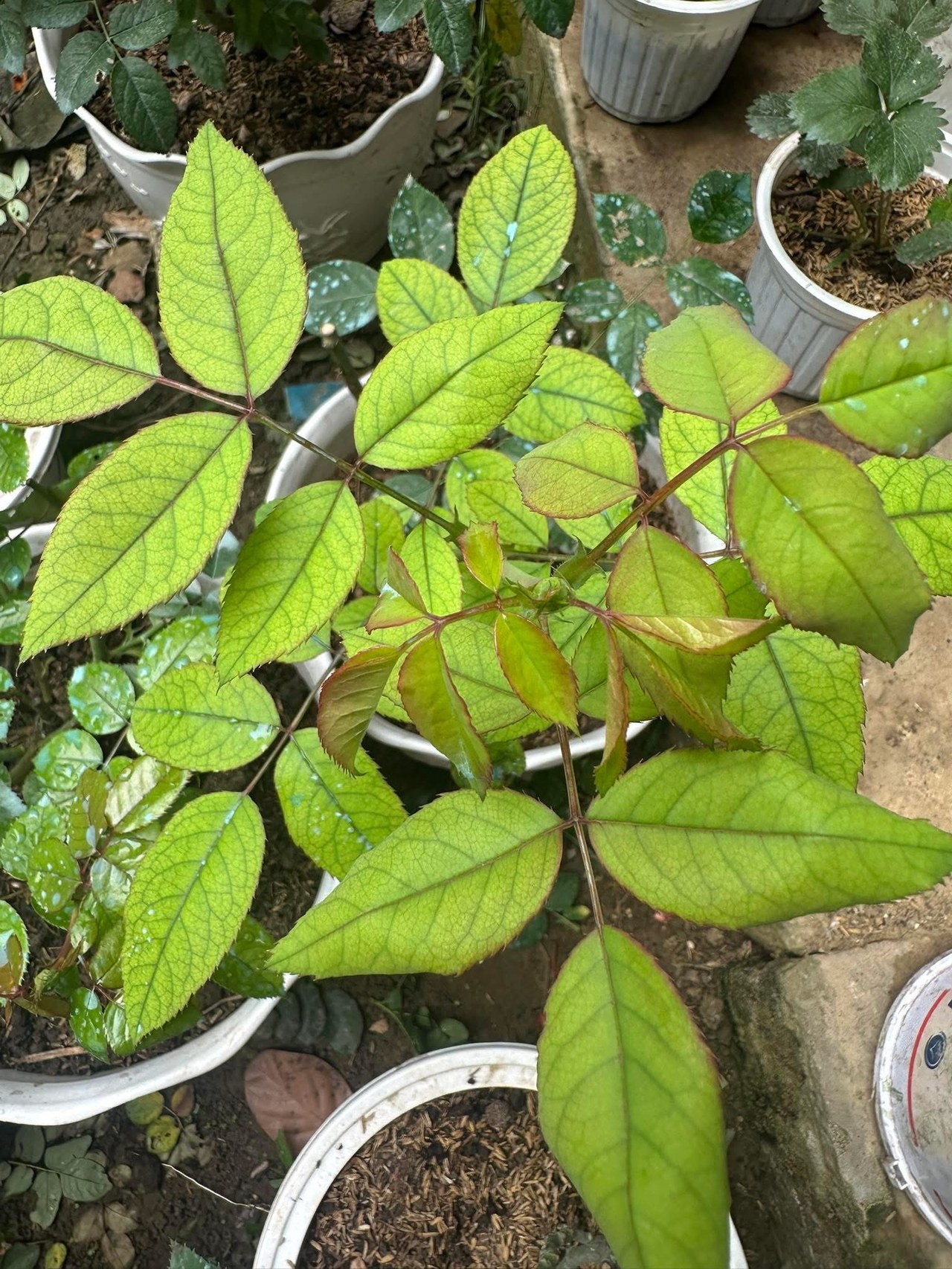
- Correcting Micronutrient Lockout: Trace elements such as Iron (Fe), Zinc (Zn), Manganese (Mn), Copper (Cu), and Boron (B) are easily chemically locked in alkaline or overly acidic soils. When roses display interveinal chlorosis (iron deficiency) or distorted new tips, spraying chelated micronutrients directly onto the foliage bypasses soil lockup completely.
4. Recommended Foliar Formulations and Dosages for Potted Roses
Because container roses have restricted root volumes and lose dissolved minerals quickly through frequent irrigation, integrating targeted foliar products is the secret to glossy foliage, large blooms, and rich petal color:
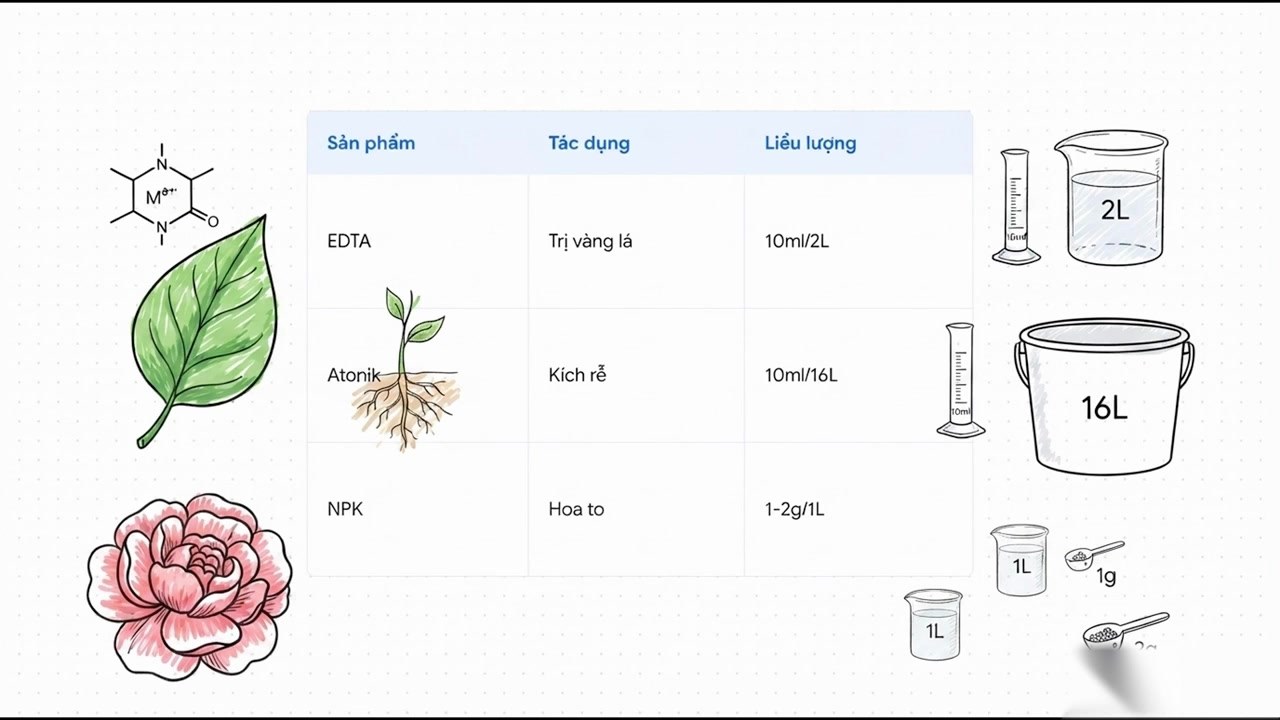
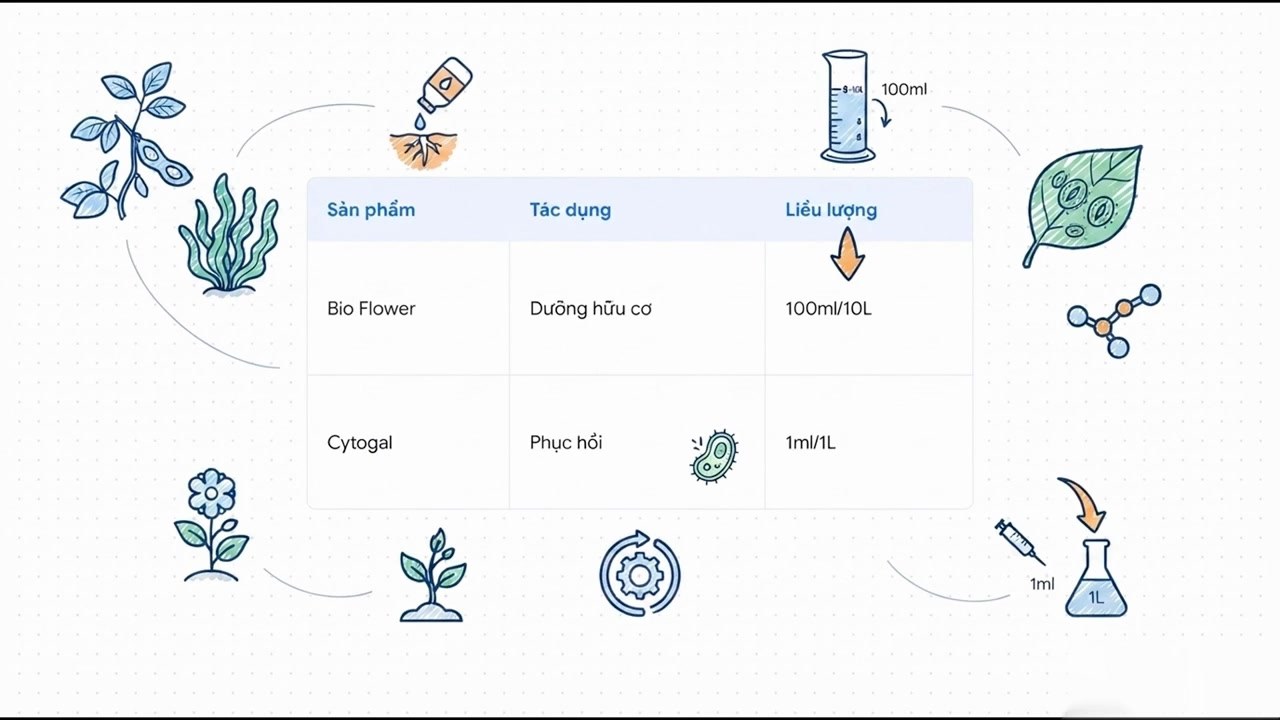
| Product | Active Ingredients / Primary Benefit | Standard Dosage | Application Interval |
|---|---|---|---|
| Chelated EDTA Micronutrients | Chelated Fe, Zn, Mn, Ca, Cu, Mg; treats interveinal chlorosis | 10 mL per 2 L water | Spray/drench every 7 days for 1 month when deficient; maintain every 30 days once recovered |
| Atonik | Plant growth regulator stimulating bud break, rooting, and stress resistance | 1 sachet (10 mL) per 16 L water (~0.6 mL/L) | Spray every 7–10 days |
| NPK Grow More 20-20-20 | Balanced macronutrients for thick petals, larger flowers, and vibrant color | 1–2 g per 1 L water | Spray every 7–10 days on mature rose plants |
| Bio Flower | Organic soy extract, seaweed, and humic acid blend | 100 mL per 8–10 L water | Spray during shoot elongation or early budding (2 applications, 3–5 days apart) |
| Cytogal | Concentrated seaweed extract for glossy foliage and post-bloom recovery | 1 mL per 1 L water | Apply after each bloom flush ends or following weather stress |
5. Technical "4 Rights" Protocol and Overdose Detoxification
To maximize foliar uptake while preventing leaf scorch, follow the "4 Rights" principle (right product, right dose, right time, right method):
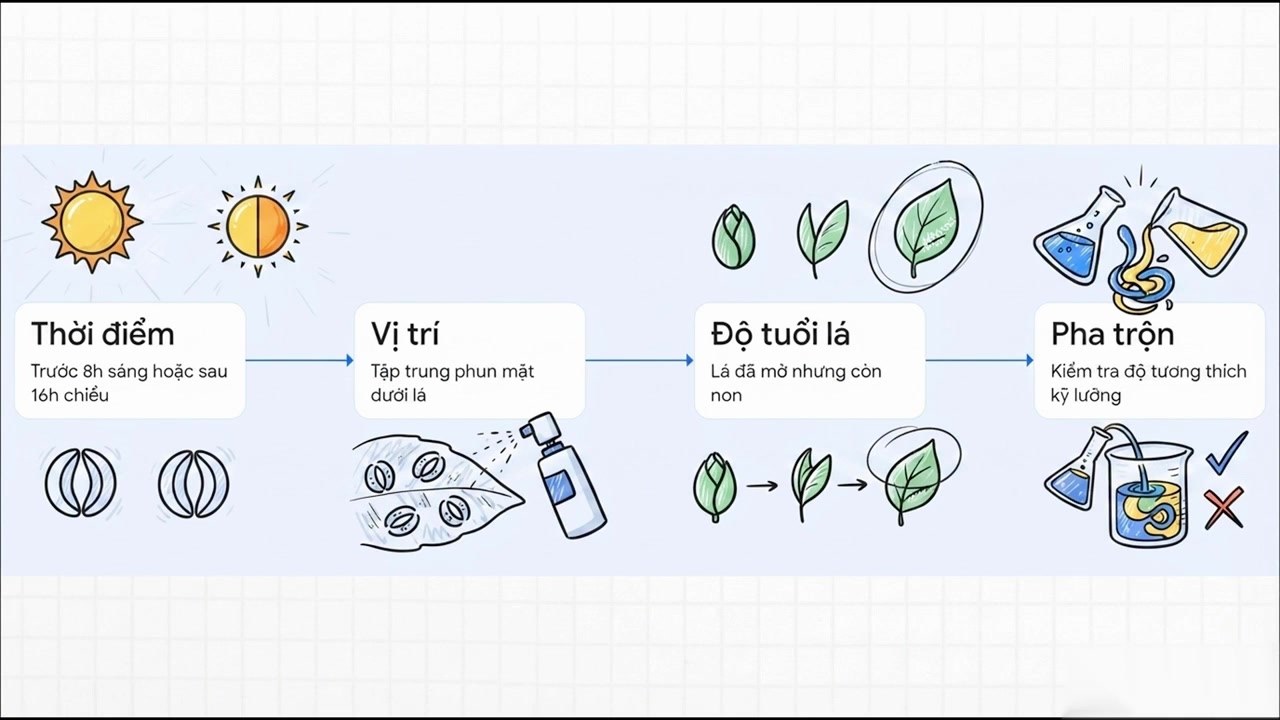
- Golden Timing Window: Spray strictly in the early morning (before 8:00 AM) or late afternoon (after 4:00 PM). During these cool hours (10–30°C), stomata open widest and droplets stay moist long enough to absorb without evaporating rapidly into caustic salt crystals.
- Target the Underside of Leaves: Direct a fine mist upward onto the abaxial (underside) leaf surface. In woody ornamentals like roses, stomatal density is highest underneath the leaf, multiplying absorption rates compared to top-only spraying.
- Optimal Leaf Age & Flower Protection: Focus on newly expanded, young-mature leaves where cutin is thin and metabolic uptake peaks. Never spray directly onto open rose blooms, as mineral salts can spot and ruin delicate petals.
- Tank-Mix Compatibility (Jar Test): Foliar fertilizers may be tank-mixed with pesticides to save labor, but always test a small sample first. If precipitation, clumping, separation, or abnormal color change occurs, do not mix them.
Emergency Detoxification After Fertilizer Overdose
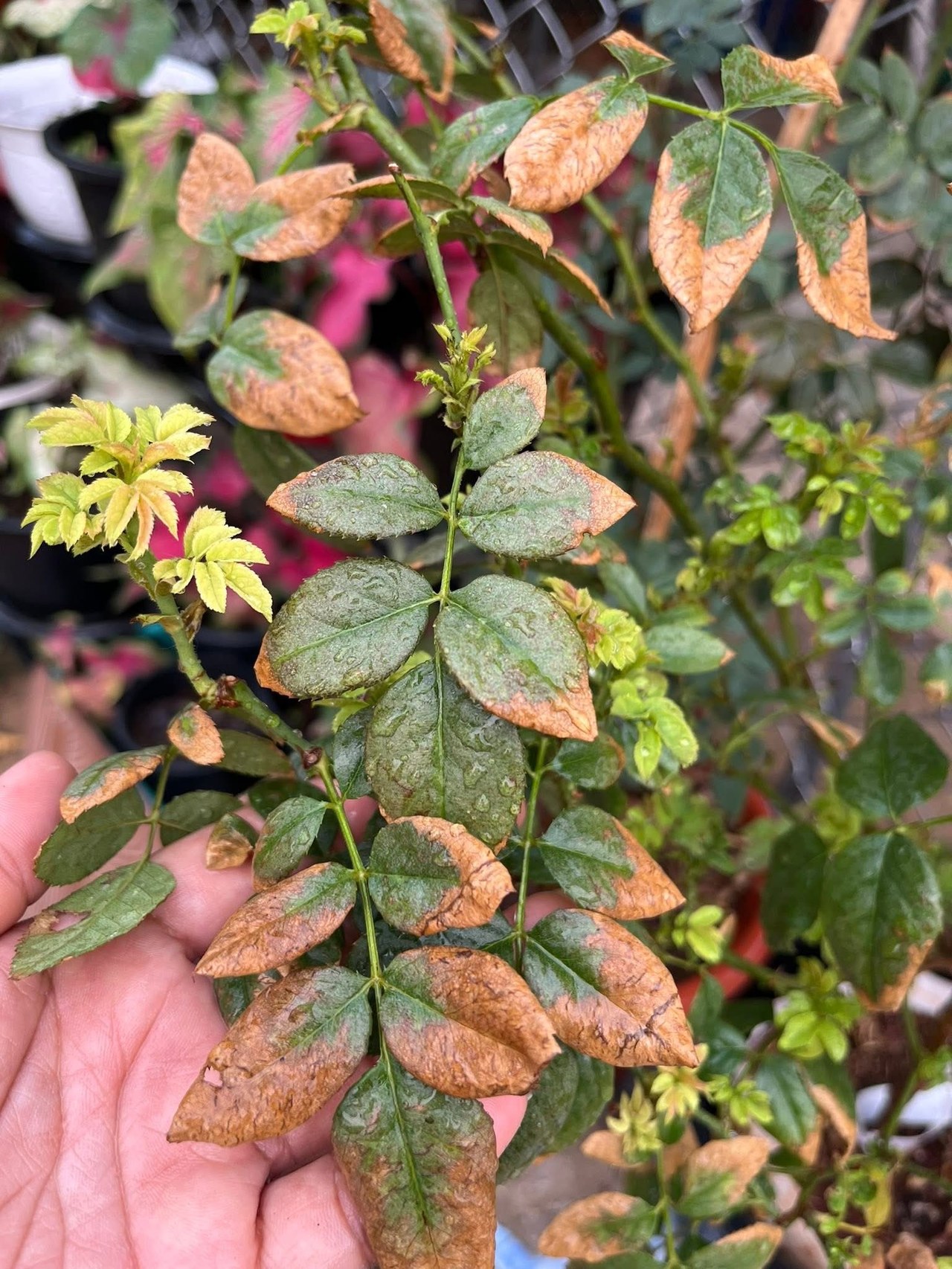
If roses show sudden wilting, scorched leaf margins, or burnt shoot tips (fertilizer burn) after excessive feeding, intervene immediately with a two-step rescue:
- Step 1 — Deep Water Flushing: Drench the potting mix thoroughly multiple times with clean water (and gently rinse the canopy if caused by foliar overdose) to dilute excess mineral salts and flush them out the drainage holes.
- Step 2 — Cellular Detoxification & Recovery: Apply Cytokinin DA6 (5–20 mg/L) or Vitamin B1 as a supportive spray or drench to accelerate metabolic detoxification and stimulate fresh shoot regeneration.
6. Conclusion
Root fertilization is the "main meal" that builds structural resilience, while foliar feeding is the "targeted tonic" that rescues and boosts roses at critical moments. By coordinating both pathways according to your rose's real-time physiological state, you ensure healthier foliage, stronger disease resistance, and abundant, long-lasting blooms.