Growing roses in containers on balconies, rooftops, or patio gardens is deeply rewarding, yet many home growers struggle when plants suddenly wilt, develop blackened stems, or stop blooming. In modern rose horticulture, the root cause rarely lies in the cultivar or sunlight hours—it comes down to potting substrate quality.
Inside the confined volume of a container, a substrate is far more than mechanical anchorage. It functions simultaneously as a reservoir and a conduit for water, mineral nutrients, and above all oxygen. The maxim "care for the plant from the roots up" is a strict law of soil physics and plant physiology: an aerated, well-structured root zone directly governs shoot vigor, flower bud differentiation, and petal longevity.
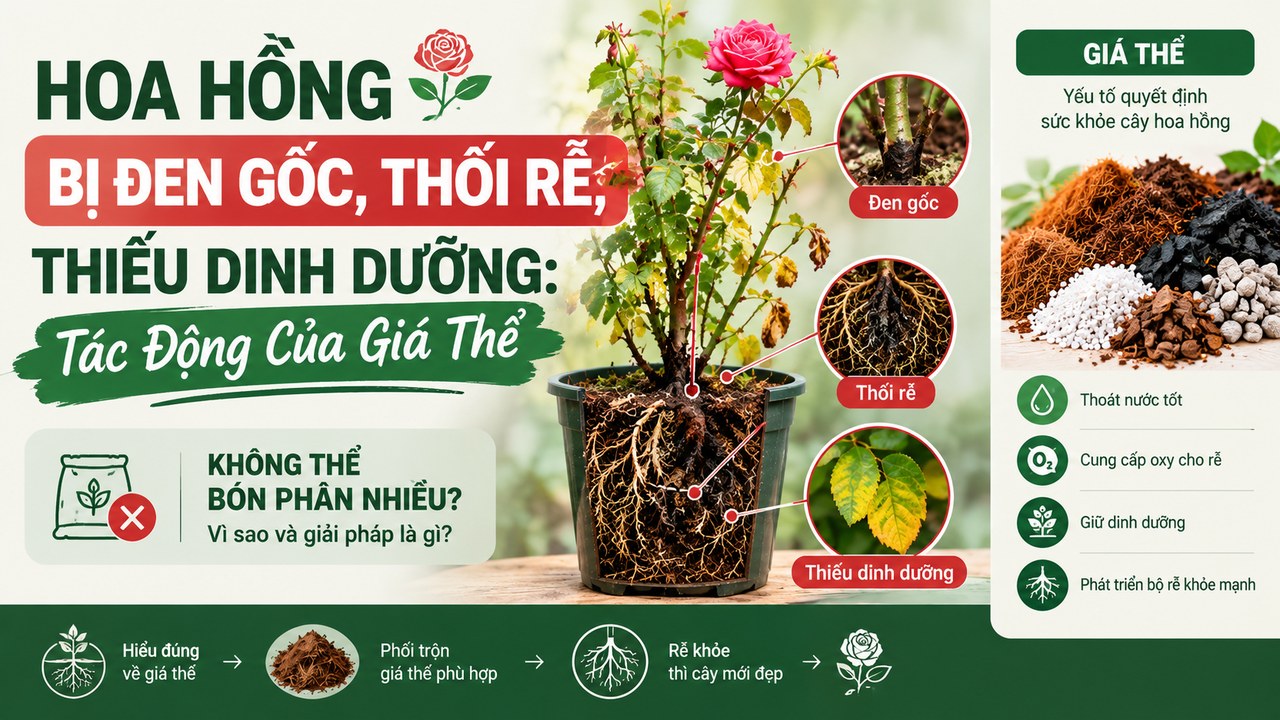
1. The "Root Suffocation" Disaster: Why Poor Drainage Is a Silent Killer
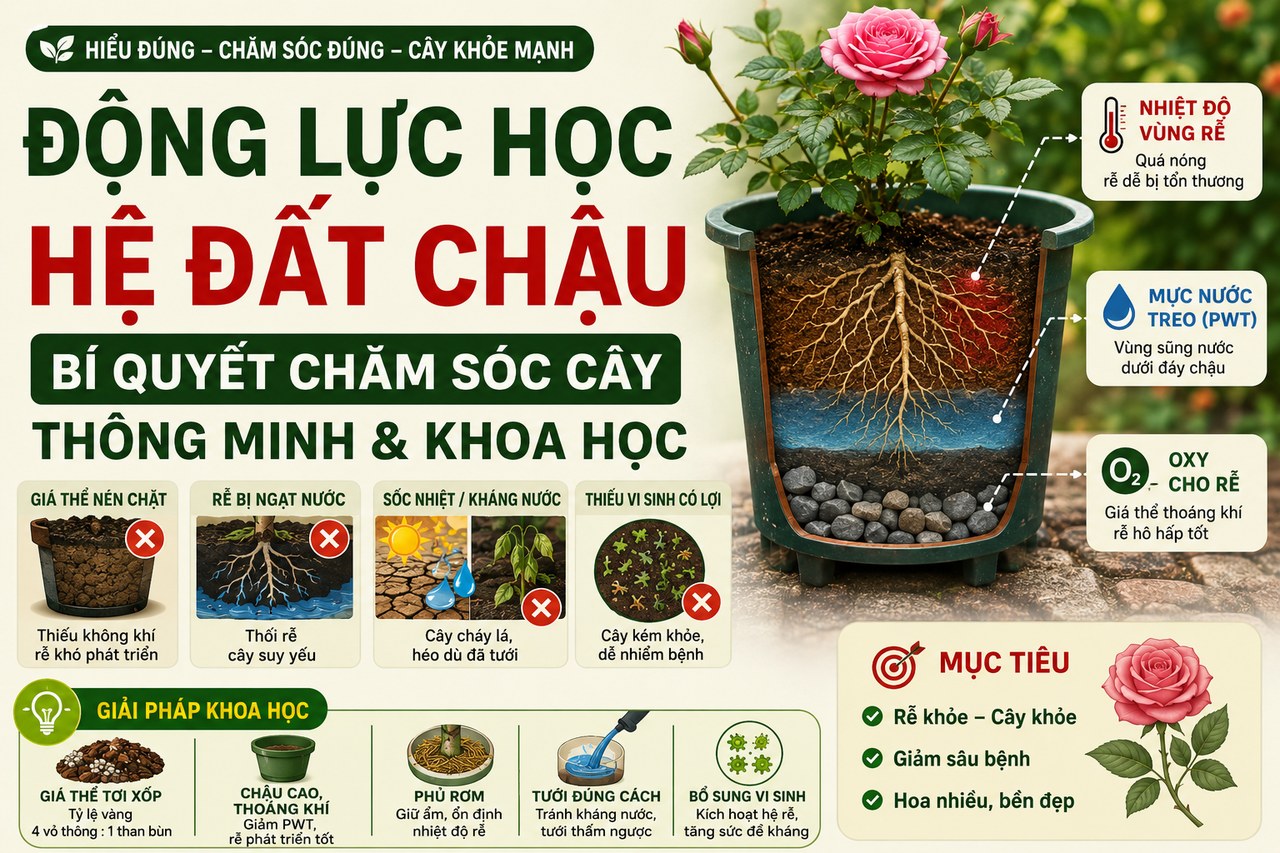
Rose roots rely on continuous aerobic respiration to generate the energy needed to pump water and minerals up to the canopy. When potted in heavy clay garden soil or dense, poorly draining mixes, water fills every pore space, expels air, and pushes the root zone into hypoxia (oxygen deficiency) or anoxia (complete oxygen depletion).
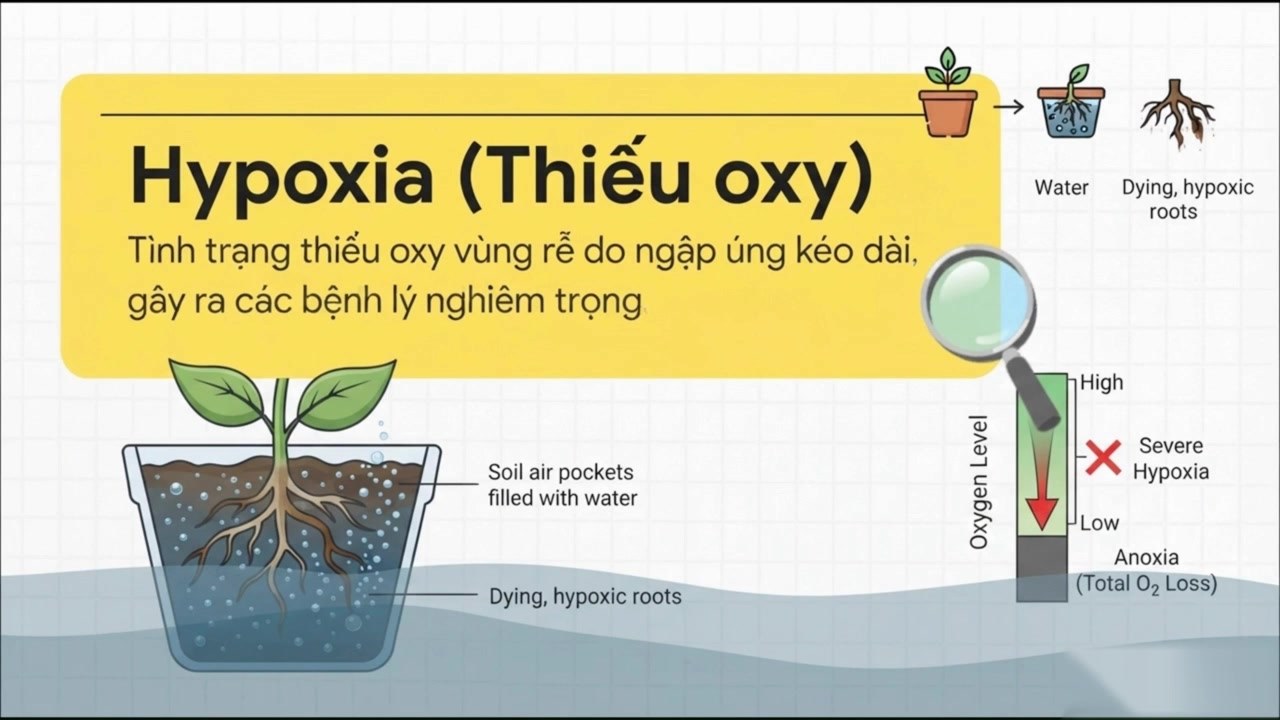
Pathophysiology and Scientific Thresholds
Prolonged waterlogging triggers a rapid physiological collapse that is especially severe in warm tropical and subtropical climates:
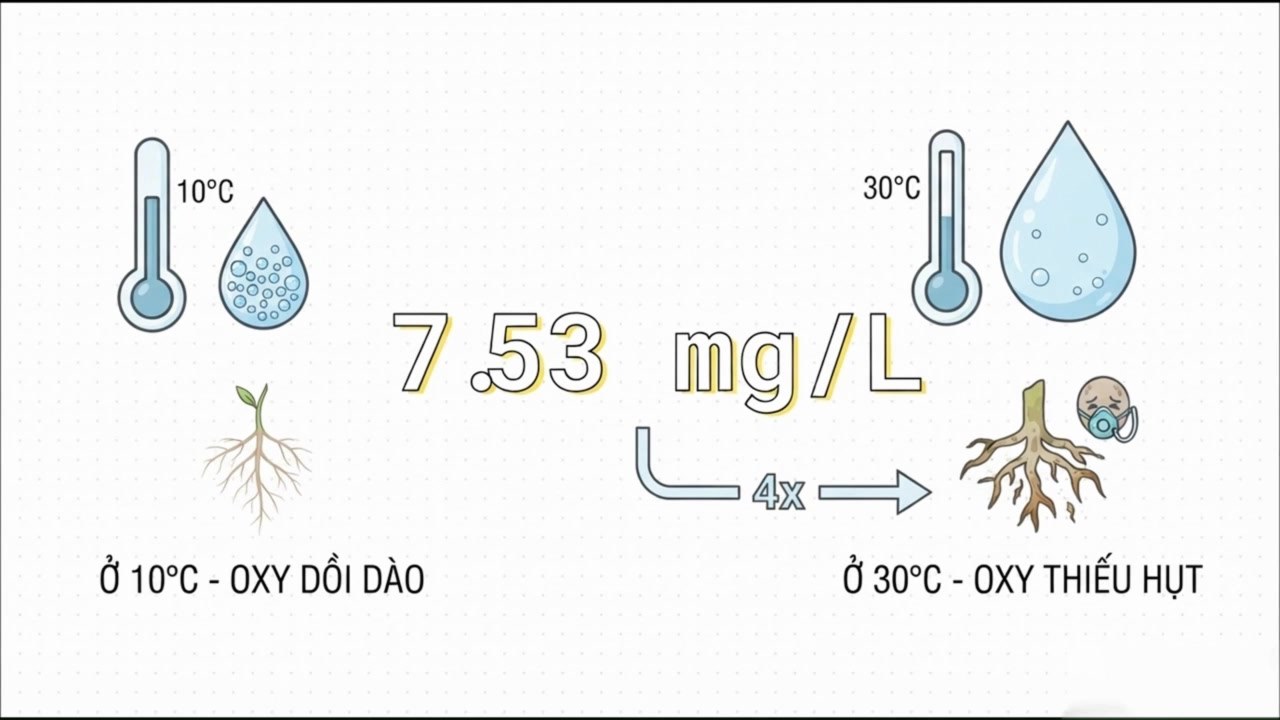
- The temperature–oxygen trap: Dissolved oxygen (DO) in water is inversely proportional to temperature. At 10°C, dissolved oxygen reaches 10.93 mg/L, but when container temperatures climb to 30°C (routine on sunny balconies and rooftops), DO drops to just 7.53 mg/L. Simultaneously, root respiration demand quadruples (4×) between 10°C and 30°C, creating a lethal oxygen deficit inside the pot.
- Lethal root thresholds: Once dissolved oxygen falls below 60% saturation, rose growth is immediately inhibited. If oxygen drops below 2.5%, tender root tips and root hairs die completely, turning dark brown and progressing into root rot.
- Active nutrient uptake shuts down: Oxygen starvation paralyzes active ion transport across root cell membranes—particularly Nitrogen (N), Potassium (K), and Calcium (Ca). Plants lose osmotic balance, cell walls weaken, and foliage begins displaying symptoms of nitrogen deficiency, potassium deficiency, or calcium deficiency even when fertilized regularly.
Progression from Root Rot to Stem Canker and Dieback
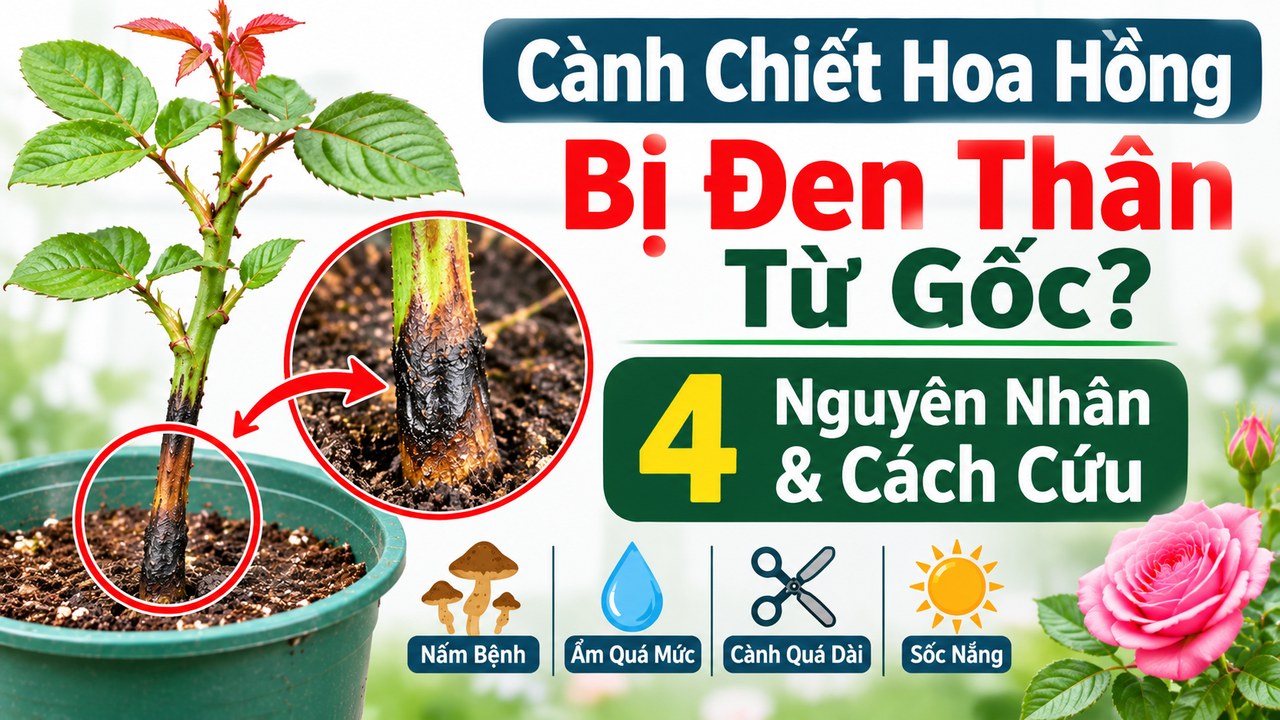
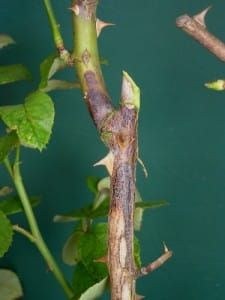
Once root hairs collapse and anaerobic toxins accumulate, opportunistic saprophytic fungi, water molds (notably Phytophthora), and bacteria in the soggy medium invade through damaged roots and pruning wounds, triggering stem canker and dieback:
- Tissue discoloration: Around the crown or pruning cuts, stem tissue shifts from healthy green to dark yellow, develops reddish spots, and turns brown before blackening in expanding patches.
- Vascular blockage: Fungal hyphae and bacteria colonize oxygen-weakened xylem vessels, cutting off water and nutrient transport. Canes shrivel from the tips downward or blacken from the base upward, often killing the bush rapidly.

2. The Nutrient–Drainage Paradox: Heavy Feeders Trapped in Soggy Pots
Roses are famously heavy feeders. Producing continuous basal breaks, thick flowering canes, and large, saturated blooms requires regular root-zone fertilization (hydrolyzed fish fertilizer, worm castings, organic liquid feeds). Poorly draining media creates an unsolvable dilemma:
- Soggy pots block feeding schedules: If a container takes 3 to 5 days—or even a full week—for the surface to dry, you cannot safely apply liquid root fertilizers. Pouring more nutrient solution onto saturated media only compounds overwatering, accelerating root rot and stunting growth.
- Anaerobic toxin accumulation: Applying organic fertilizers into oxygen-starved media drives incomplete anaerobic decomposition, generating organic acids and toxic gases (ethylene and elevated CO₂) that directly poison root tissues.
- The role of CEC (Cation Exchange Capacity): In a well-aerated soilless substrate containing buffered organic fiber (coco coir or peat moss), natural CEC gently buffers nutrient ions and releases them steadily to roots. Excess water drains out immediately, the surface dries quickly for timely feeding, and plants absorb nutrients efficiently without EC salt shock or fertilizer burn.
3. The Optimal Solution: 100% Soilless Substrates
To permanently eliminate compaction, poor aeration, heavy pots, and soil-borne grubs or pathogens from garden soil, modern container rose cultivation relies on 100% soilless substrates blended from clean, airy materials.
Four Core Ingredients and Their Physical Properties
| Component | Primary Role | Key Physical & Chemical Traits | Essential Technical Notes |
|---|---|---|---|
| Buffered Coco Coir | Moisture retention & nutrient buffering | Fibrous, airy matrix with high WHC (Water Holding Capacity) and natural CEC without compacting. | Must be thoroughly flushed/buffered to remove tannins and lignin until runoff runs clear—otherwise it stunts root tips and causes soil pH imbalance. |
| Burnt Rice Husk (Carbonized) | Macro-porosity & structural stability | Prevents coir particles from clumping, speeds drainage, and supplies natural silicon and trace minerals. | Choose evenly carbonized, intact hulls rather than fine powdery ash that can silt up drainage holes. |
| Perlite | Aeration & rapid drainage | Ultra-lightweight volcanic glass full of micro-pores that dramatically boost AFP (Air-Filled Porosity); chemically inert and non-degrading. | Acts like tiny "lungs" inside the pot; lightly dampen before mixing to suppress dust. |
| Pumice | Drainage & anti-compaction | Rigid volcanic stone that increases macro-pore volume and resists settling or compaction under daily watering pressure. | 3–6 mm grade provides ideal root anchorage and permanent drainage channels. |
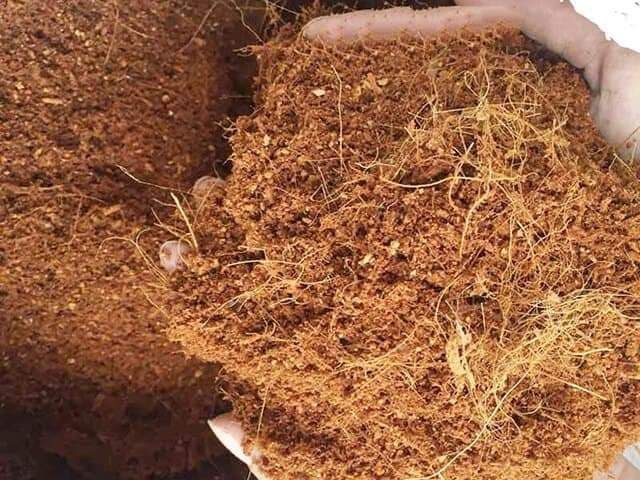
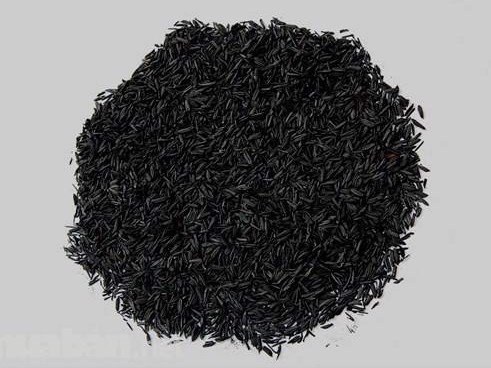
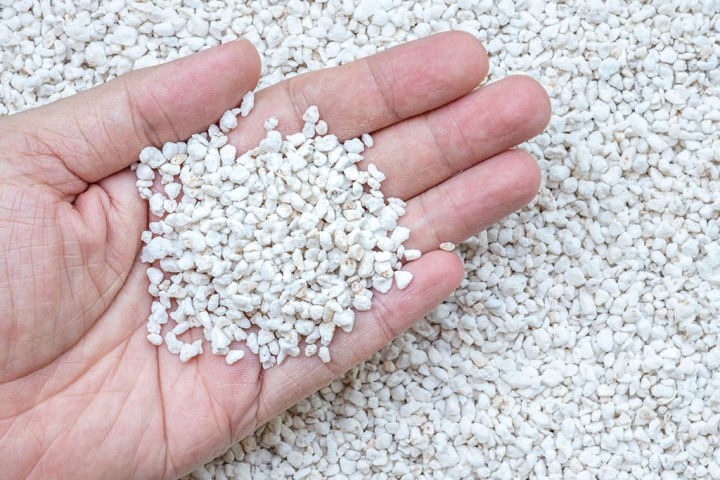
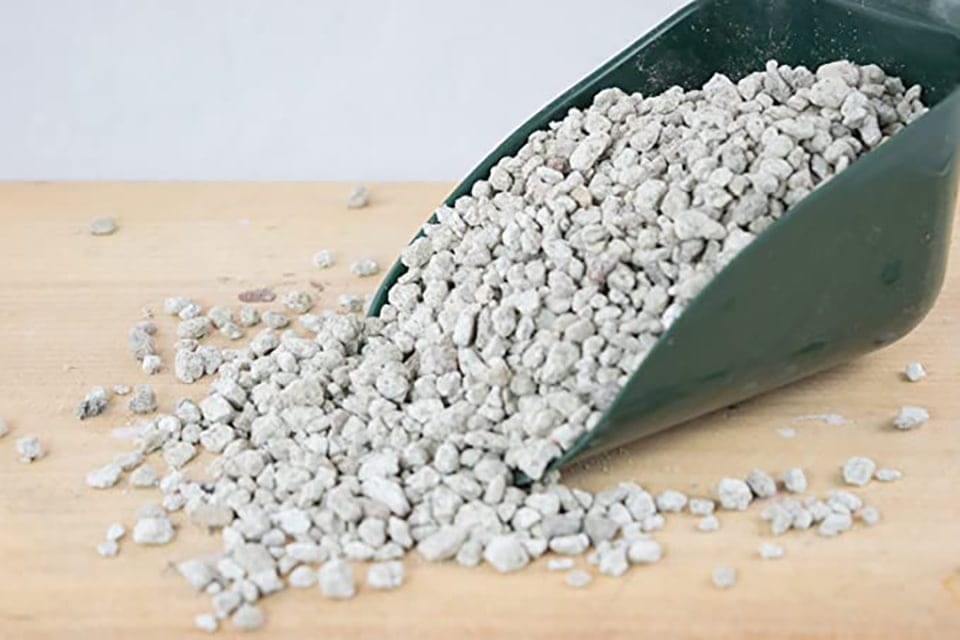
Expert Physical Target: An ideal rose substrate balances air and water—roughly 40% air to 60% water in home-growing terms, or 20–25% Air-Filled Porosity (AFP) paired with stable Water Holding Capacity (WHC) in technical cultivation. A 1:1 pairing of Perlite and Coco Coir has been shown to deliver the highest long-term physical stability for container roses.
4. Two Practical Mixing Formulas (Home vs. Expert)
Measure all components by volume (using a bucket or scoop) and blend thoroughly. Never add red clay or mineral garden soil if you want to preserve true soilless aeration.
Formula 1: Simple Home Balcony Mix (3 Ingredients — 2 : 2 : 1 Ratio)
Ideal for home growers looking for a lightweight, clean, easy-to-source blend:
- 2 parts Buffered Coco Coir (thoroughly flushed).
- 2 parts Burnt Rice Husk (intact carbonized hulls).
- 1 part Perlite or Pumice.
Result: An ultra-light, pathogen-free mix where excess water drains straight through the bottom holes while leaving gentle, even moisture around fine root hairs.
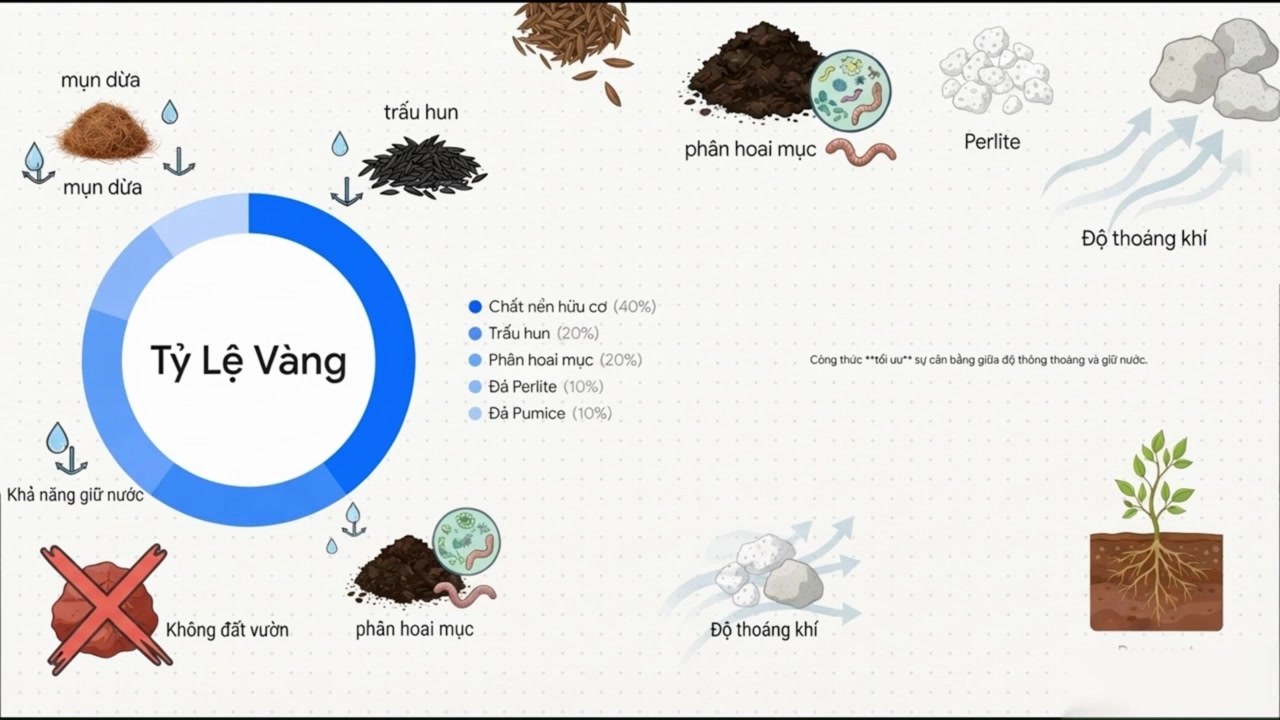
Formula 2: Expert Pro Mix (5 Ingredients — 4 : 2 : 2 : 1 : 1 Ratio)
Designed for advanced growers aiming to optimize both physical porosity and beneficial soil microbiology from day one:
- 4 parts Organic Base (Peat moss or thoroughly buffered Coco Coir).
- 2 parts Burnt Rice Husk.
- 2 parts Mature Composted Organic Fertilizer (earthworm castings or fully composted manure) to inoculate beneficial microbes right at potting.
- 1 part Perlite.
- 1 part Pumice.
Two-Step Physical Quality Check Before Potting
Always verify your batch before planting:
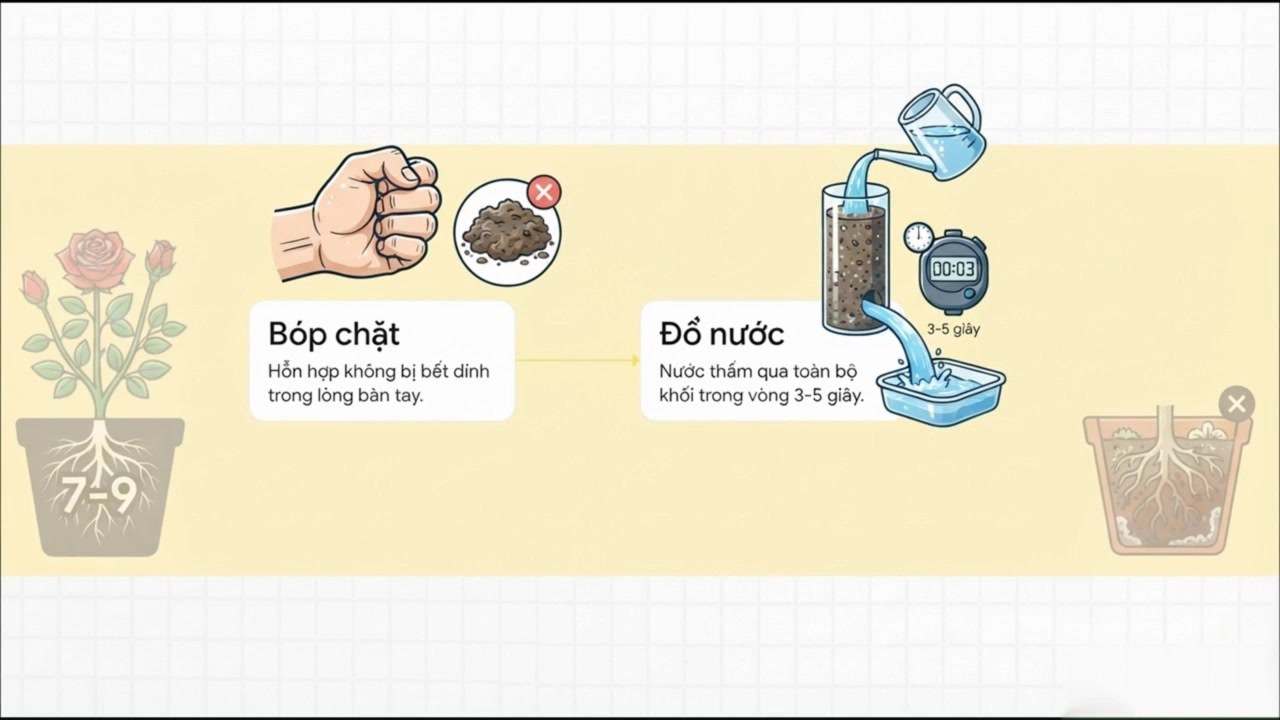
- The Hand-Squeeze Test: Lightly moisten the mix and squeeze a handful firmly. When you open your palm, the mix should crumble loosely—never clump or stick together like paste.
- The 3–5 Second Drainage Test: Pour water evenly over a test pot; water must percolate through the entire substrate column and exit the drainage holes within 3–5 seconds without pooling on top.
5. Watering, Feeding, and the 12–18 Month Lifecycle
Switching to a soilless medium requires matching your care routine to its fast-draining nature:
- Feed proactively: Because a pure soilless mix (especially Formula 1) is nutritionally inert, start applying mature organic fertilizers (worm castings, fish hydrolysate, banana fertilizer) or slow-release pellets 7–10 days after transplanting once roots settle. High aeration lets roses absorb nutrients cleanly without salt stress.
- Smart watering routine: Thanks to the superior drainage of perlite, pumice, and burnt rice husks, you can water thoroughly every morning (flushing excess salts and drawing fresh oxygen-rich air down into the root zone) without risking waterlogging. As soon as the top layer feels slightly dry, you can safely apply liquid root fertilizer. During intense heatwaves or windy spells, monitor moisture closely to avoid drought stress.
- Managing substrate aging (12–18 months): Over 12 to 18 months, organic fractions (coco coir, rice husks, compost) naturally decompose into finer particles. Bulk density rises while total porosity and AFP fall below safe limits. When drainage noticeably slows or pots stay heavy, refresh or repot with fresh soilless media before root suffocation sets in.
6. Conclusion
Adopting a soilless substrate is not just a potting tip—it is precision root-zone management. By locking in optimal physical parameters (AFP, WHC) and chemical buffering (CEC, pH), you proactively cut off the root cause of root rot and stem canker, unlocking vigorous shoots and continuous blooms from your potted roses year-round.