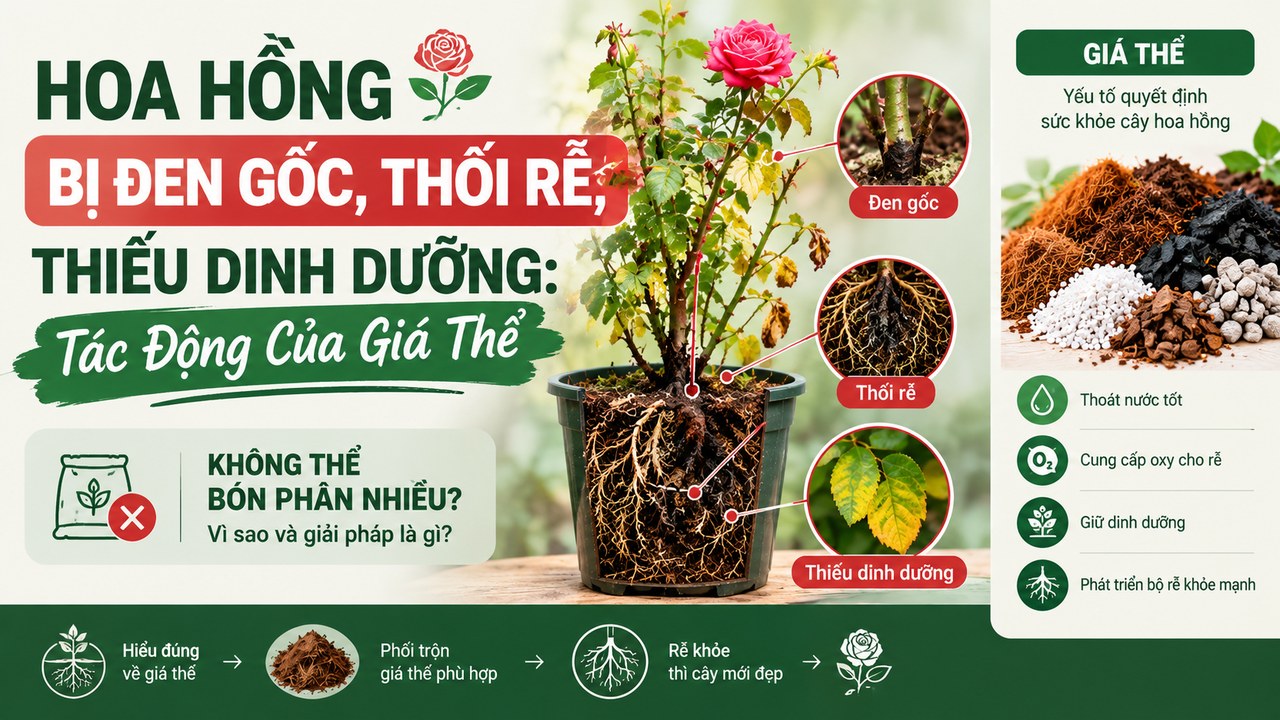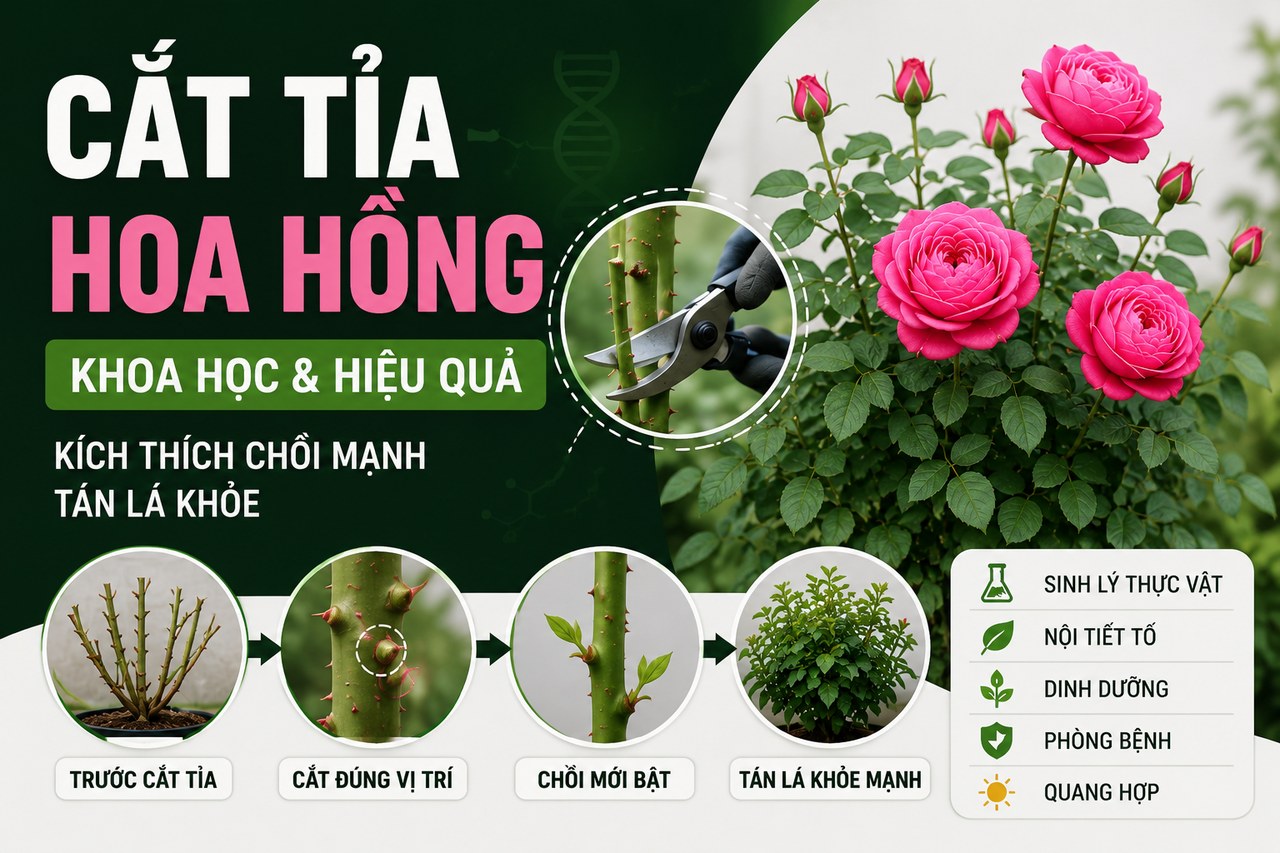
In modern botany and horticulture, driving a rose bush (Rosa hybrida) to produce thick canes, a balanced canopy, and vigorous foliage is not merely an intuitive art—it is a calculated intervention into the plant's biological signaling network.
Every pruning cut acts as a physiological reset button that redirects hormone flows and carbohydrate allocation throughout the plant. This guide examines rose pruning through the lens of a plant physiologist, breaking down hormonal mechanisms, canopy architecture, nutrition, and post-pruning recovery so you can transform a spindly rose into a lush, resilient, floriferous shrub.
1. Apical Dominance and the "Sugar Demand Theory" of Bud Break
To understand why cutting a rose cane triggers a flush of new shoots rather than weakening the plant, we must look closely at Apical Dominance.
1.1. The Inhibitory Role of Auxin and Strigolactones (SLs)
Under the classical physiological model, an actively growing shoot tip produces Auxin (predominantly Indole-3-acetic acid — IAA). This hormone moves downward through the stem via polar auxin transport and indirectly suppresses the outgrowth of axillary (lateral) buds below.
Specifically, elevated Auxin levels in the stem stimulate the synthesis of Strigolactones (SLs)—a class of inhibitory hormones that act as "gatekeepers," keeping lateral buds locked in dormancy and preventing them from exporting their own Auxin into the main stem. As long as the apical tip remains intact, the plant channels its energy upward to the tallest cane while lower buds stay dormant.
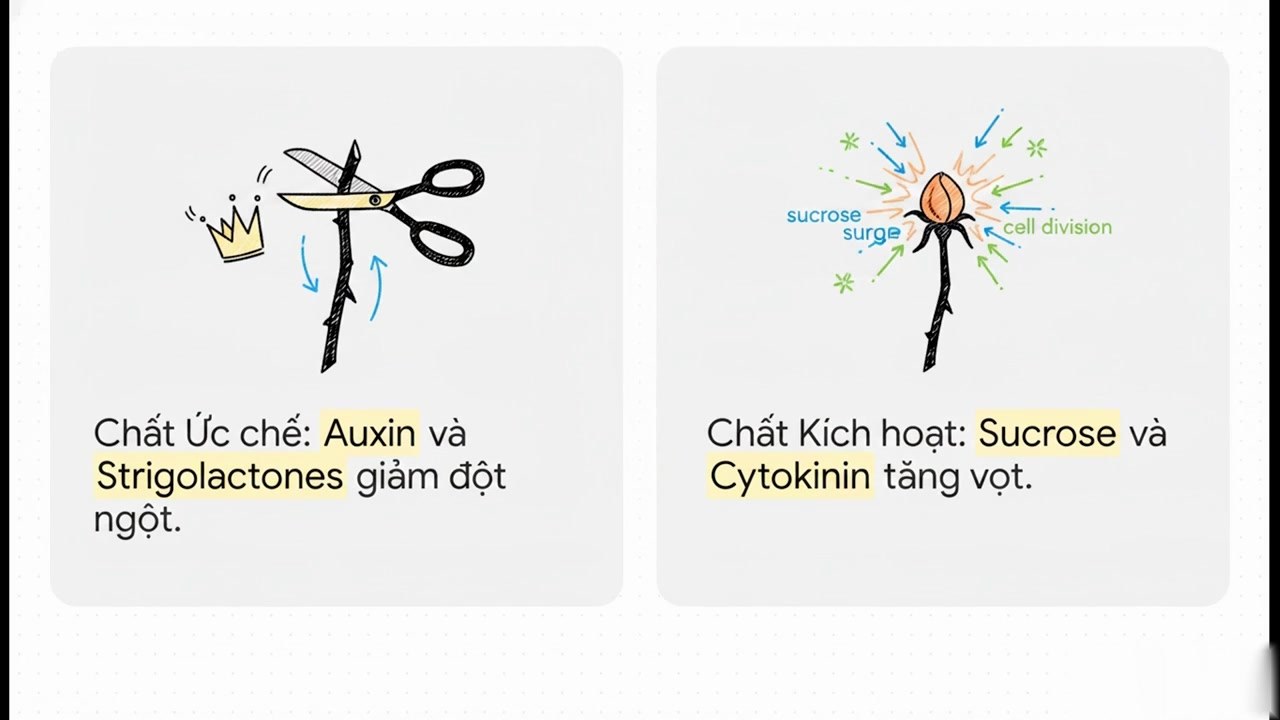
When we remove the shoot apex (decapitation), the downward Auxin stream stops abruptly. Stem levels of Auxin and Strigolactones drop rapidly, releasing axillary buds from hormonal suppression.

1.2. Resource Reallocation: Sucrose and Cytokinin as the "Golden Key"
Modern plant physiology has added a crucial driver to this model: the Sugar Demand Theory. Researchers discovered that bud release begins even faster than Auxin depletion alone can explain. The true first trigger is Sucrose (transported photosynthetic sugar).
Because the growing shoot tip is the plant's strongest sugar sink, removing it causes a sudden surge of Sucrose into the dormant axillary buds below. Here, Sucrose plays a dual role:
- Direct metabolic fuel powering rapid cell division and new tissue synthesis.
- Signaling molecule that suppresses dormancy-maintenance genes and triggers a surge in Cytokinin (CK)—the primary cell-division hormone transported upward from the roots and synthesized locally.
This simultaneous drop in inhibitors (Auxin/SLs) and spike in activators (Sucrose/Cytokinin) is the biological "golden key" that awakens dormant rose eyes into vigorous new shoots.
Practical takeaway: Because Sucrose is the primary ignition signal, a rose weakened by poor nutrition, light deficiency, or severe defoliation holds very little stored sugar. Hard-pruning an exhausted plant leads to sluggish bud break or blind shoots.
2. Scientific Pruning Techniques: Re-Engineering Canopy Architecture
Scientific pruning goes far beyond tidying up stray branches; it reshapes the rose's light-harvesting network and vascular distribution system.
2.1. Eliminating Apical Dominance Completely (Flat-Top Canopy Pruning)
A common mistake among rose growers is leaving canes at widely uneven heights. Botanically, whichever cane stands tallest immediately assumes the role of "King," producing the strongest Auxin stream and suppressing all lower buds around it.
- Scientific practice: When performing a full seasonal or post-flush prune, cut all cane tips to a uniform height across the canopy (flat or gently domed). When no single shoot towers above the rest, every top bud gains equal status, prompting simultaneous bud break and a synchronized flush of blooms.
2.2. Bud Selection: The "Open-Petiole" vs. "Closed-Sheath" Theory
Plant physiologists and experienced rosarians read the vitality of a dormant eye by examining the angle and posture of its leaf petiole:
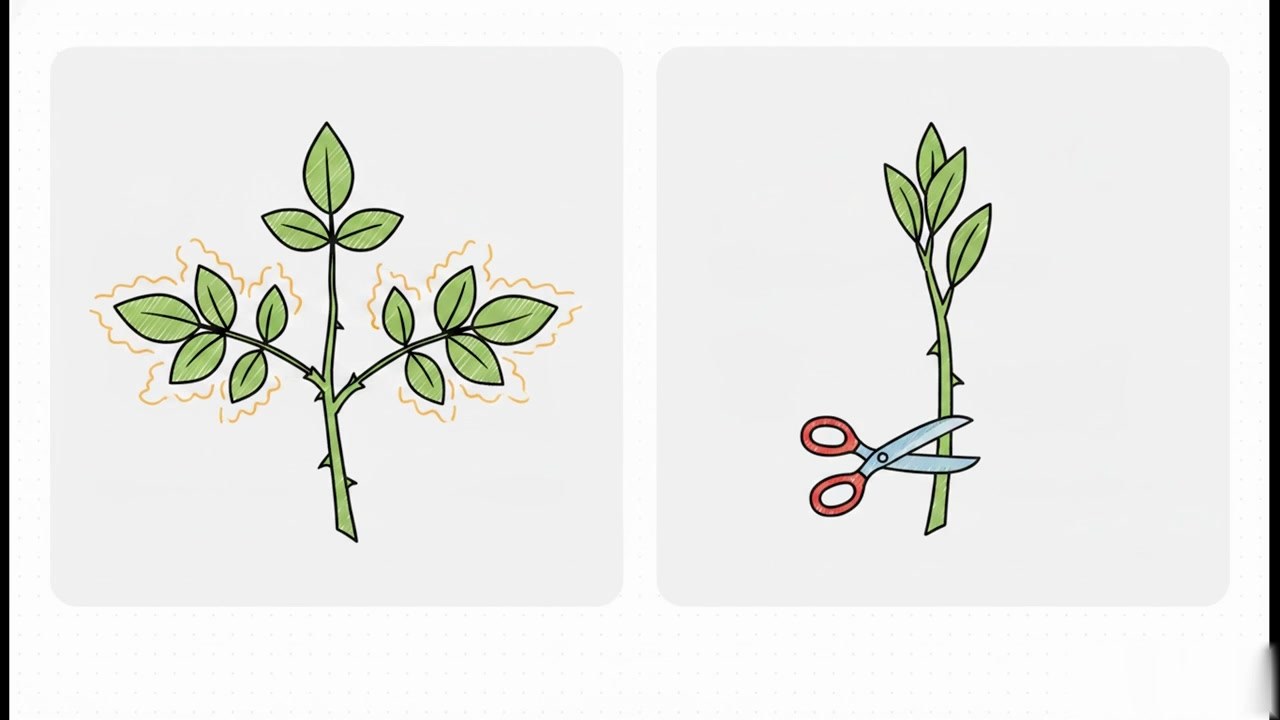
- High-potential bud ("Open-petiole"): Found at nodes where the leaf petiole extends horizontally at a wide angle and slightly separates from the cane. The meristematic cells inside these buds are mature, well-nourished, and poised for immediate, vigorous division. Cutting just above an outward-facing open-petiole bud produces strong, fast-growing flowering canes.
- Suppressed bud ("Closed-sheath"): Found where the leaf grows upright, pressing tightly against the stem. These nodes typically shelter immature or deeply inhibited buds.
- Strategic application: For routine canopy expansion, always cut above an open-petiole bud facing outward. Conversely, if you want to force the plant to push energy lower down the cane or stimulate basal growth, intentionally cutting at an upper "closed-sheath" node slows top-bud activation and redirects sap downward into stronger lower eyes.
2.3. Cut Depth and the 2/3 Cane-Thickness Rule
To grow thick, sturdy flowering stems, your pruning shears must cut deep enough to reach wood of substantial diameter.
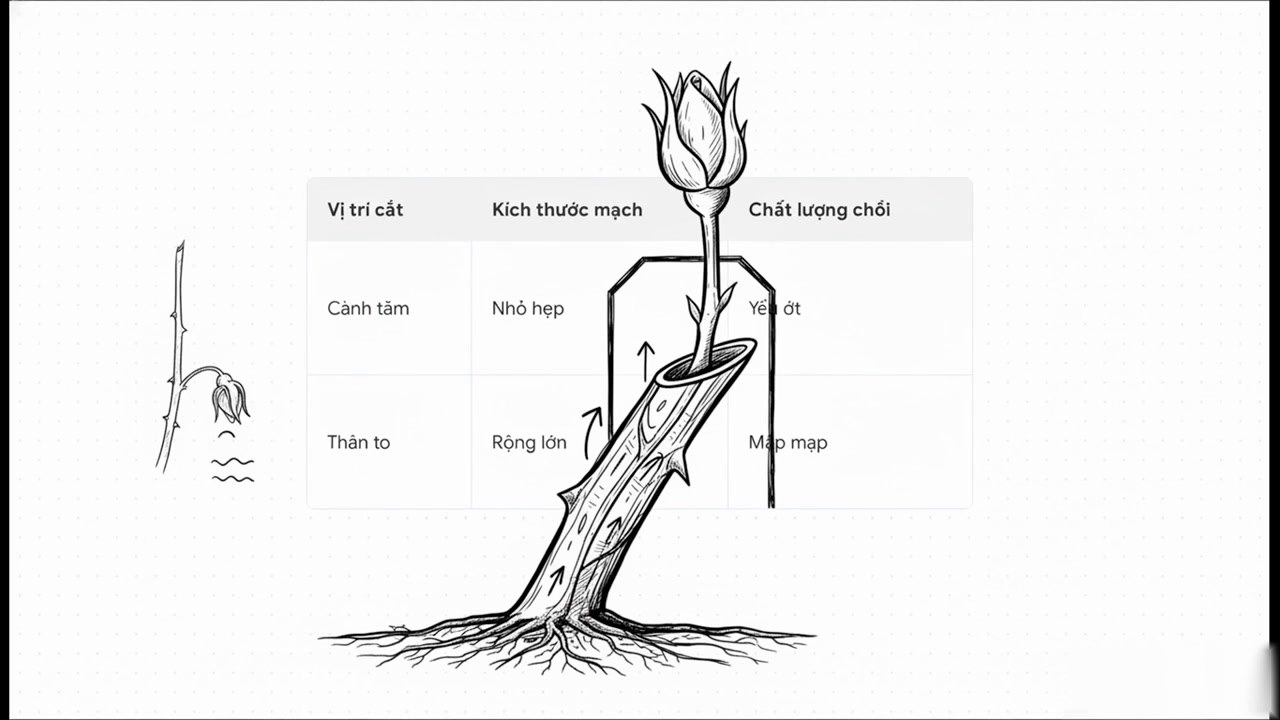
- Physiological basis: A reliable empirical rule in rose cultivation is that a new shoot typically reaches only about 2/3 the diameter of the parent cane at the point of the cut. If you trim lightly into toothpick-thin twigs, the narrow vascular bundles restrict sap flow, yielding weak, spindly shoots prone to blind growth.
- Why cutting into thick canes works: Cutting back into mature, sturdy canes (ideally pencil-thick or wider on established bushes) connects the awakening bud directly to wide Xylem and Phloem vascular conduits. Maximum water, mineral, and carbohydrate flux flows straight into the emerging bud, producing thick, crimson-red basal and lateral shoots.
| Pruning Cut Location | Vascular Bundle Capacity (Xylem / Phloem) | Expected New Shoot Diameter (2/3 Rule) | Resulting Cane & Flower Quality |
|---|---|---|---|
| Thin twigs (< 3 mm) | Narrow conduits, low sap flux | Very thin (< 2 mm) | Weak, drooping stems; high rate of blind shoots; small blooms |
| Medium semi-hardwood (4–6 mm) | Moderately developed vascular network | Sturdy (3–4 mm) | Healthy shoots, thick foliage, standard bloom size |
| Thick primary canes (> 7 mm) | Wide vascular conduits, rich sugar reserves | Thick & vigorous (5–6+ mm) | Explosive crimson shoots, long flower stems, large long-lasting blooms |
3. Targeted Nutrition for the Vegetative Growth Phase
Immediately after pruning, the rose's metabolism shifts from maintenance to rapid biomass reconstruction. Supplying the right nutrients and growth regulators at this window determines the vigor of the entire upcoming flush.
3.1. Nitrogen (N) and Chlorophyll Synthesis
Nitrogen is the structural backbone of amino acids, proteins, growth enzymes, and—crucially—the Chlorophyll molecule.
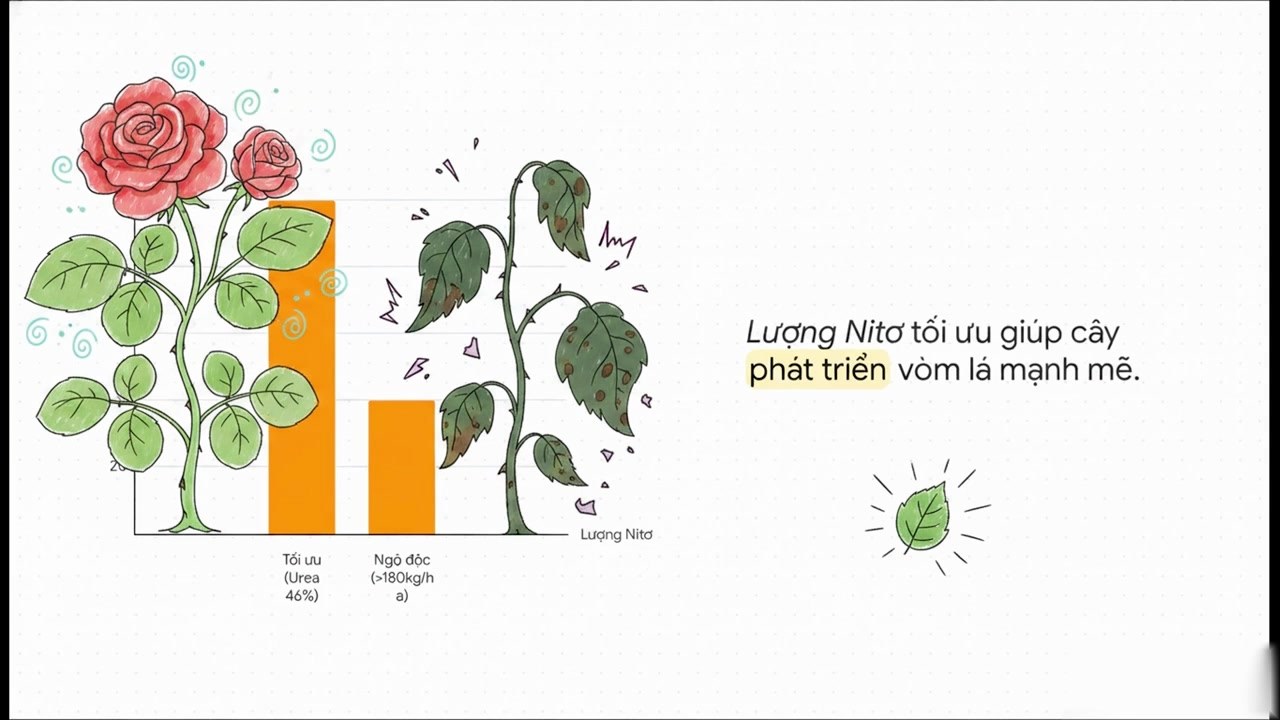
- Physiological impact: Adequate Nitrogen post-pruning rapidly expands the Leaf Area Index (LAI), maximizing photosynthetic capacity so the bush manufactures more Sucrose for sustained cane and root growth. Insufficient Nitrogen leads to pale yellowing leaves and stunted stems (see nitrogen deficiency in roses).
- Dosage threshold warning: Ornamental crop studies confirm that optimal Nitrogen supply (e.g., properly diluted Urea 46% or high-N NPK) dramatically increases plant height and leaf count. However, excess Nitrogen (above 180 kg/ha in field cultivation, or overly concentrated feeding in pots) triggers salt toxicity and fertilizer burn, producing soft, sappy, structurally weak foliage that attracts aphids, thrips, and fungal pathogens.
3.2. Supporting Shoot Elongation with Gibberellins (GA)
While Cytokinin initiates cell division to break bud dormancy, Gibberellins (GA, commonly GA3) govern cell elongation and internode stretching.
- Practical use: Once buds have visibly swollen and broken dormancy, light supplemental GA (via specialized foliar formulations) helps elongate internodes, creating a wider, better-aerated canopy framework. Always adhere strictly to micro-doses to avoid leggy, weak stems.
4. Canopy Management and Photosynthetic Efficiency
Canopy architecture directly governs a rose's self-sustaining energy budget and natural disease resistance.
4.1. Leaf Area Index (LAI) and Self-Shading
More foliage is not always better. When a rose canopy becomes overly dense, lower and interior leaves fall into permanent shadow cast by upper layers (self-shading).
Deprived of light, these shaded leaves can no longer photosynthesize enough sugar to pay their own metabolic costs, yet they continue respiring. They convert from "sources" (energy producers) into "sinks" (energy drains), sapping resources from productive stems.
- Action: During every pruning cycle, remove all spindly twigs, blind shoots, dead wood, and inward-crossing branches. Aim for an open vase-shaped center so sunlight and airflow penetrate deep into the bush.

4.2. Sanitation and Preventive Disease Control Through Pruning
Aging lower foliage and spotted leaves serve as primary reservoirs for destructive fungal spores, especially black spot and powdery mildew.
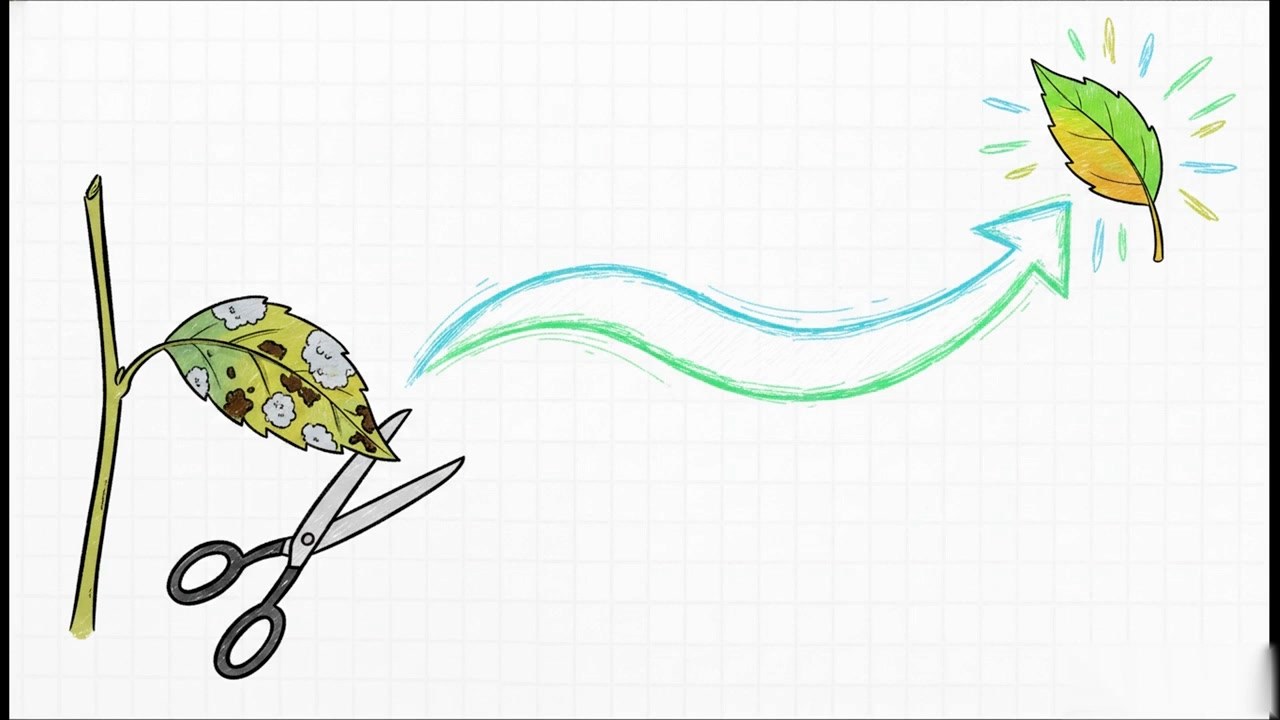
- Scientific rationale: Stripping away senescent, yellowing, and early-infected leaves during pruning (and disposing of them away from the pot—never leaving debris on the soil surface) achieves a dual benefit: it breaks the fungal infection cycle before tender new shoots emerge, and it forces the plant to invest in a fresh, disease-free canopy with peak photosynthetic efficiency.
- Always sanitize pruning shears with 70% alcohol between plants and seal large cane cuts to block pathogens that cause stem canker and dieback.
5. Post-Pruning Care Protocol: Recovery and Explosive Regrowth
A freshly pruned rose is physiologically comparable to a post-surgical patient—its water transport and nutrient balance have been abruptly altered, requiring careful management to prevent shock.
5.1. Adjusting Irrigation — Preventing Root Hypoxia
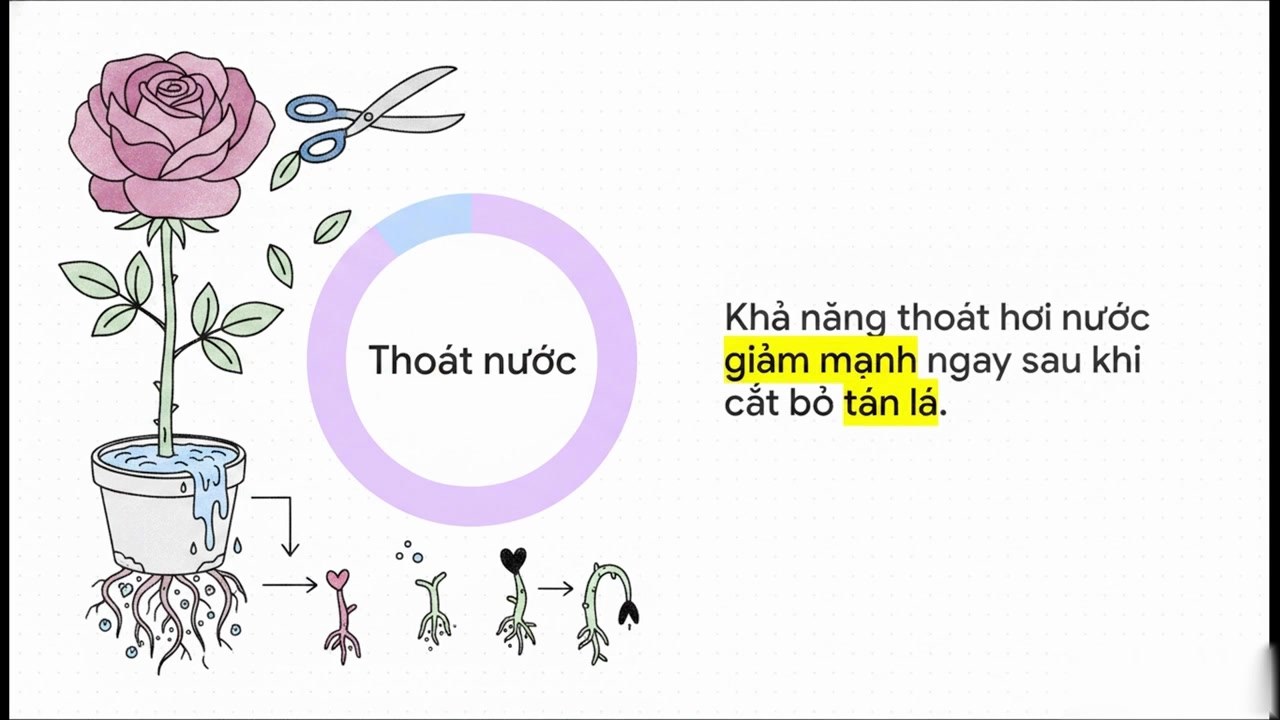
Leaves drive transpiration through their stomata, pulling water upward from the roots. The moment you remove the majority of the canopy, transpiration capacity drops by up to 90%.
- Physiological risk: Continuing heavy daily watering after hard pruning leaves the potting mix perpetually saturated. Excess water displaces oxygen from soil pores, causing root hypoxia, waterlogging, and root rot. Above ground, the classic warning signs are emerging shoots that blacken at the tips or unfold with a pale, washed-out green hue instead of vigorous crimson-red.
- Action: Cut back sharply on watering volume and frequency right after pruning. Water only when the top 3–5 cm of substrate feels dry to the touch, ensuring oxygen remains abundant around active roots.
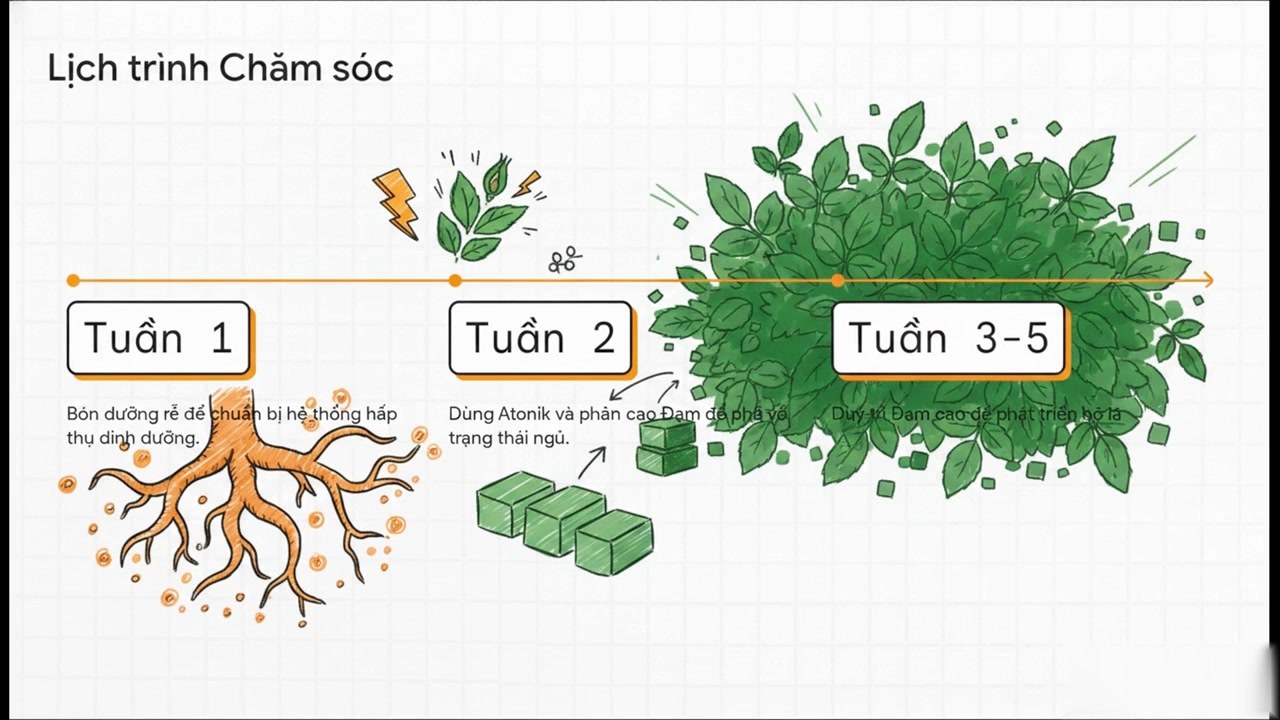
5.2. The 5-Week "Bud-Awakening" Fertilization Schedule
To synchronize root readiness with explosive canopy regrowth without risking fertilizer burn, follow this phased post-pruning schedule:
- Week 1 (Root Conditioning & Base Nutrition): Apply gentle root-supporting nutrition—such as well-composted organic pellets (e.g., chicken manure) paired with Superphosphate—to prime root hair absorption before buds break. Avoid strong synthetic nitrogen while the plant lacks foliage.
- Week 2 (Breaking Dormancy & Driving Shoot Flush): Once pruning wounds have sealed and roots are active, apply a plant biostimulant such as Atonik (properly diluted) alongside a high-Nitrogen foliar fertilizer (e.g., NPK 30-10-10 or Dau Trau 501). Atonik provides the cellular wake-up signal, while abundant Nitrogen supplies the building blocks for rapid shoot extension.
- Weeks 3–5 (Building Thick Foliage & Pre-Budding): Maintain elevated Nitrogen supplemented with secondary and trace elements (Magnesium, Iron, Zinc) to build thick, glossy dark-green leaves and sturdy canes. Once tiny terminal flower buds appear, transition gradually toward balanced NPK with higher Phosphorus and Potassium to maximize bloom size and color.
6. Summary: The 4 Pillars of Scientific Rose Pruning
To channel a rose bush's full biological potential into strong canes, dense foliage, and synchronized blooms, combine these four principles simultaneously:
- Break apical dominance completely with flat-top canopy pruning so all buds awaken together.
- Cut deep into healthy, thick canes (following the 2/3 diameter rule) above outward-facing "open-petiole" buds to tap into maximum vascular flow.
- Deliver targeted Nitrogen nutrition paired with timely biostimulants and growth regulators (Atonik, Cytokinin, GA) without crossing toxicity thresholds.
- Tightly regulate substrate moisture and canopy airflow during recovery—slash watering after defoliation and clear out blind twigs and diseased leaves to maximize photosynthesis.
When physical intervention (precision pruning) works in harmony with physiological management (hormones, nutrition, and irrigation), your roses will build a robust permanent framework and reward you with abundant, healthy flushes season after season.