In modern horticulture and rose cultivation, one foundational truth is often overlooked: the ultimate secret to a vigorous, disease-resistant, heavy-blooming rose lies not in the canopy above ground, but hidden beneath the surface—in the living soil ecosystem.
Conventional thinking often treats soil as an inert mechanical anchor that merely holds roots upright. Reality is the exact opposite: beneath that quiet surface thrives a bustling underground city where physical flows, chemical exchanges, intricate symbioses, and fierce microscopic battles unfold every second. Mastering this subterranean ecosystem requires understanding five interconnected layers: soil physics, chemical dynamics, biological networks, stress physiology, and sustainable rhizosphere management.
1. Layer 1 — Soil Physical Structure and the Rhizosphere
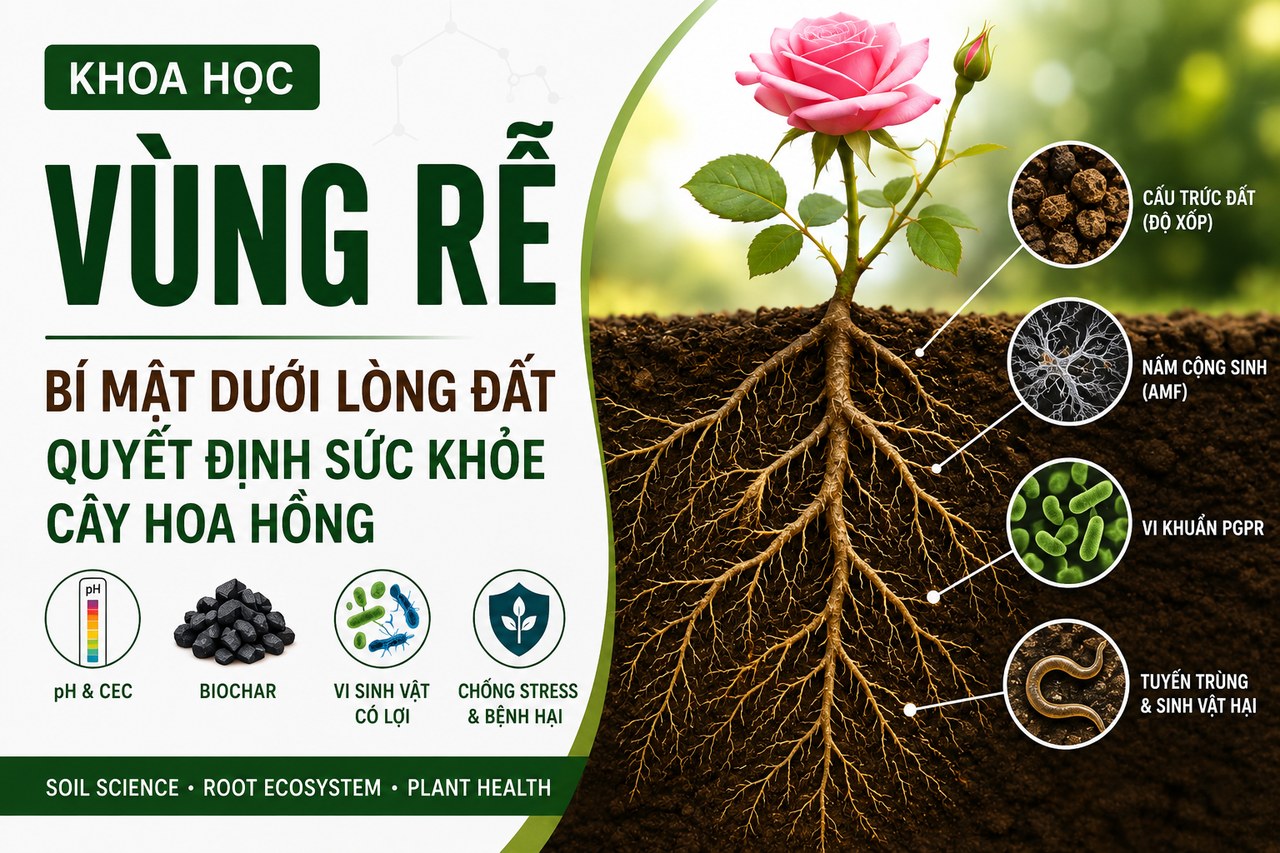
The central concept is the Rhizosphere—not merely the boundary where roots touch dirt, but a hyper-active transit hub where solid mineral particles, water films, dissolved ions, and microbial communities continuously interact.
The mineral skeleton of soil consists of three particle classes: Sand, Silt, and Clay. Their ratio governs both water-holding capacity and aeration throughout the root zone.
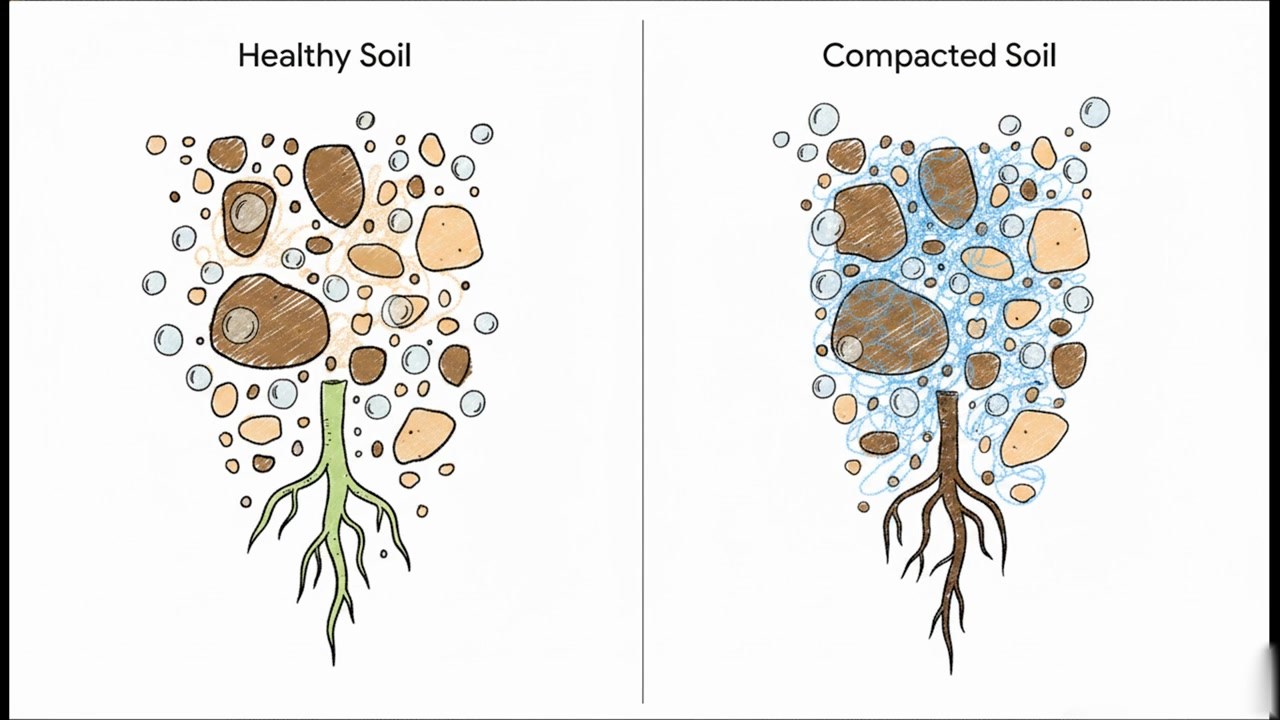
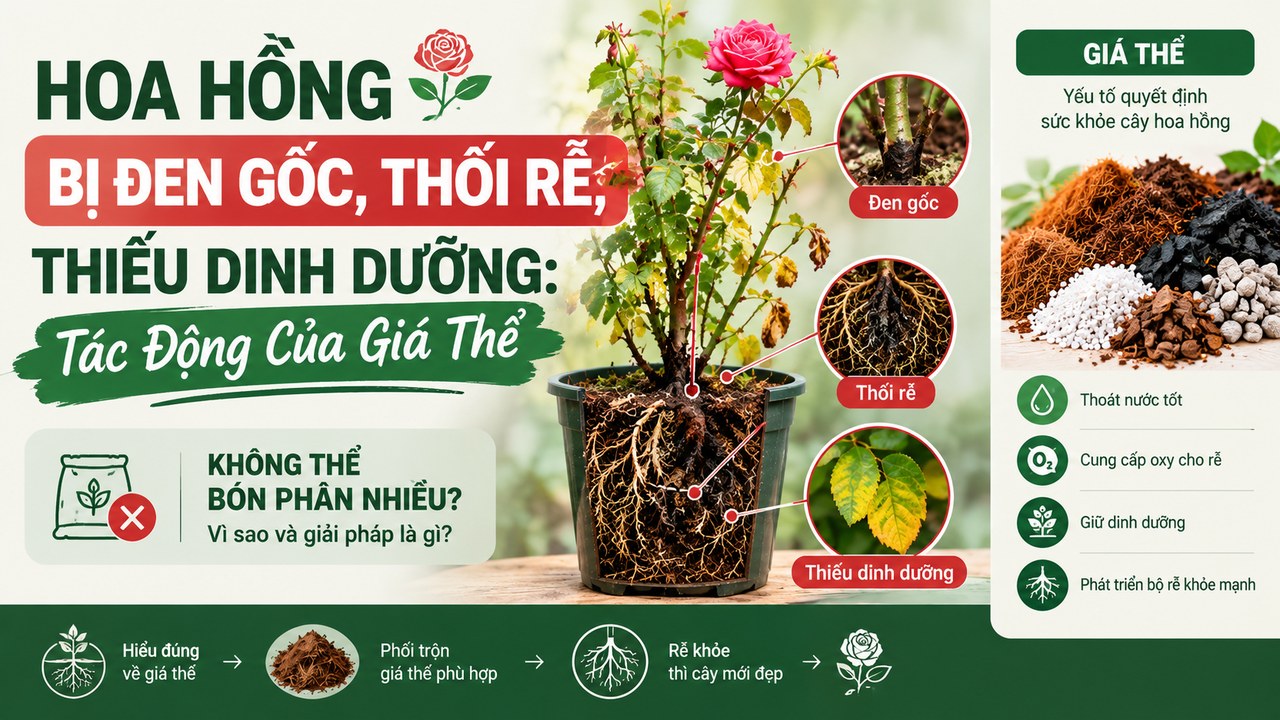
The Lethal Threat — Soil Compaction: When bulk density rises and soil compacts (compacted soil / root restriction), water fills all pore spaces and expels air. Crucially, oxygen diffuses over 10,000 times slower through water than through air—meaning rose roots can literally suffocate inside their own pot.
2. Layer 2 — The Chemical Economy: CEC and the Decisive Power of pH
Built atop a porous physical structure is a sophisticated chemical economy governed by two pillars: Cation Exchange Capacity (CEC) and Soil pH.
2.1. CEC — The Soil's Giant "Nutrient Battery"
CEC (Cation Exchange Capacity) functions like a massive rechargeable nutrient battery. The surfaces of clay particles and organic humus carry negative electrical charges (), while essential plant nutrients such as Potassium (), Calcium (), and Magnesium () carry positive charges ().
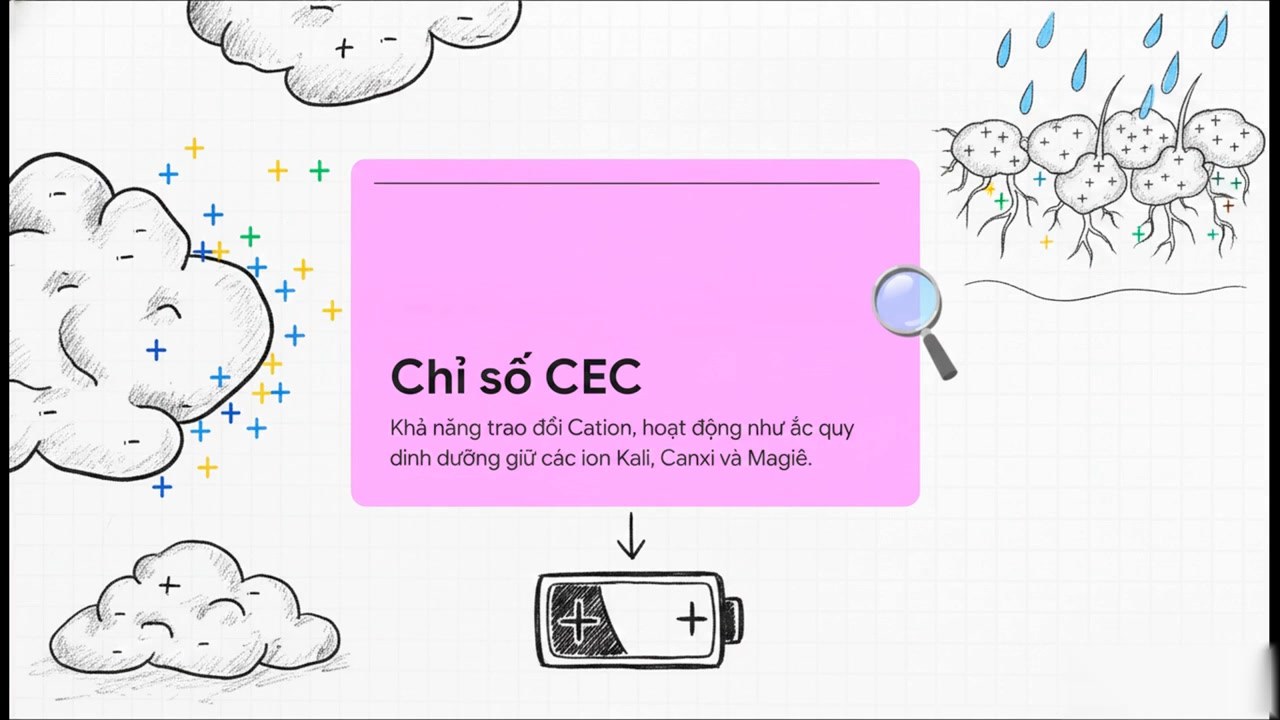
Because opposite charges attract, soils rich in clay and humus grip fertilizer ions tightly instead of letting them wash away during heavy rainfall or frequent container watering. The higher the organic humus content, the stronger the soil's CEC battery.
2.2. Soil pH — The Master Switch of Nutrient Availability
Even the strongest CEC battery becomes useless if surrounding pH drifts outside safe boundaries (soil pH imbalance):
- Overly Acidic Soil (pH < 5.7): Acts like a corrosive acid, dissolving toxic heavy metals such as Aluminum () and Manganese () that directly burn and stunt delicate root tips.
- Overly Alkaline Soil (pH > 7.2): Locks up vital nutrients including Phosphorus (), Iron (), and Zinc () into insoluble mineral compounds. Roots suffer the tragedy of "starving in the middle of a feast," quickly showing interveinal yellowing (iron deficiency).
- Optimal pH Window: Maximum solubility and bioavailability occur in a mildly acidic environment between pH 6.0 and 6.5.
3. Layer 3 — The Biological Network: Workforce and Bodyguards of the Root Zone
Who actually performs the heavy lifting underground? Three specialized guilds of beneficial microbes collaborate directly with rose roots:
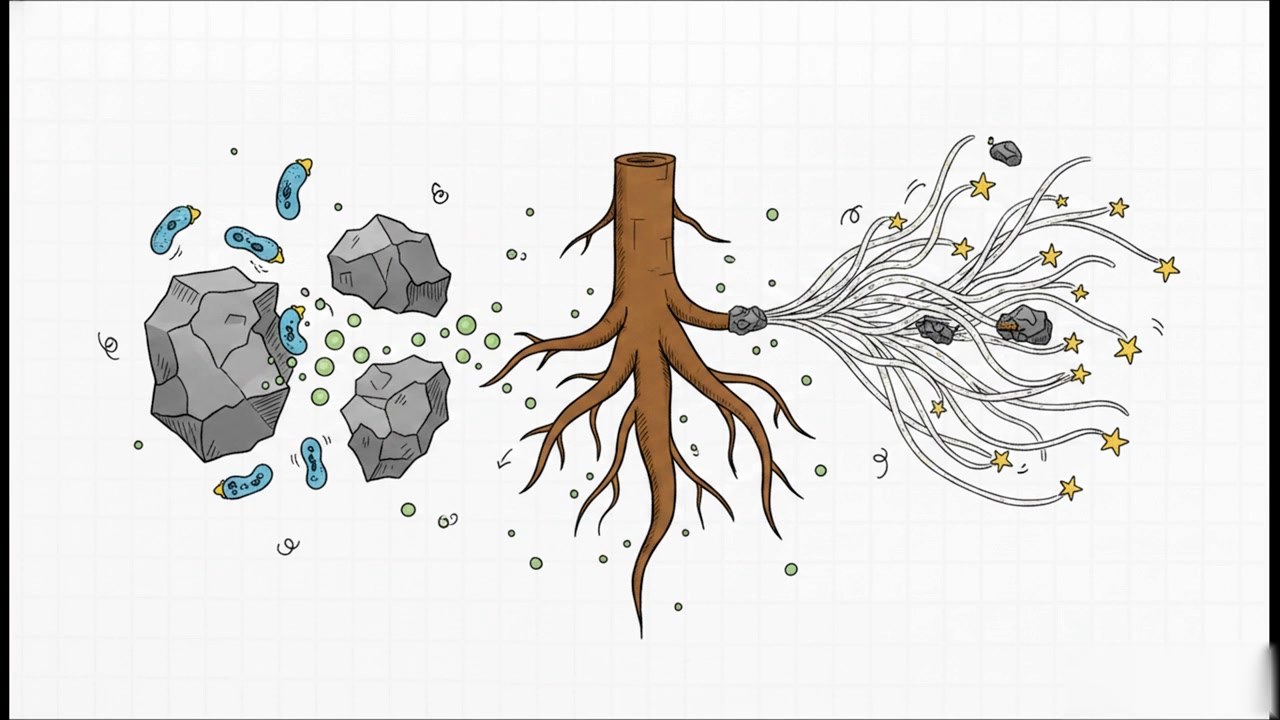
- Plant Growth-Promoting Rhizobacteria (PGPR — notably Bacillus and Pseudomonas): Microscopic "bio-fertilizer factories" that fix atmospheric nitrogen, solubilize bound minerals, and synthesize growth hormones such as Auxin to stimulate dense feeder-root branching.
- Arbuscular Mycorrhizal Fungi (AMF): Symbiotic fungi that extend hair-thin hyphae far beyond the root zone like giant extension cables, penetrating ultra-fine soil pores unreachable by root hairs to mine Phosphorus and water. This partnership boosts plant biomass while activating systemic resilience against both drought and heavy-metal toxicity.
- Biological Bodyguards (Trichoderma and Clonostachys rosea): Far from passive defenders, these aggressive biocontrol fungi actively hunt, coil around pathogenic fungi, and secrete powerful Chitinase enzymes that dissolve enemy cell walls—eliminating root pathogens before they reach the plant.
4. Layer 4 — How Roots Respond to Two Underground Survival Crises
4.1. Hypoxia and the ROS Oxidative Burst During Waterlogging
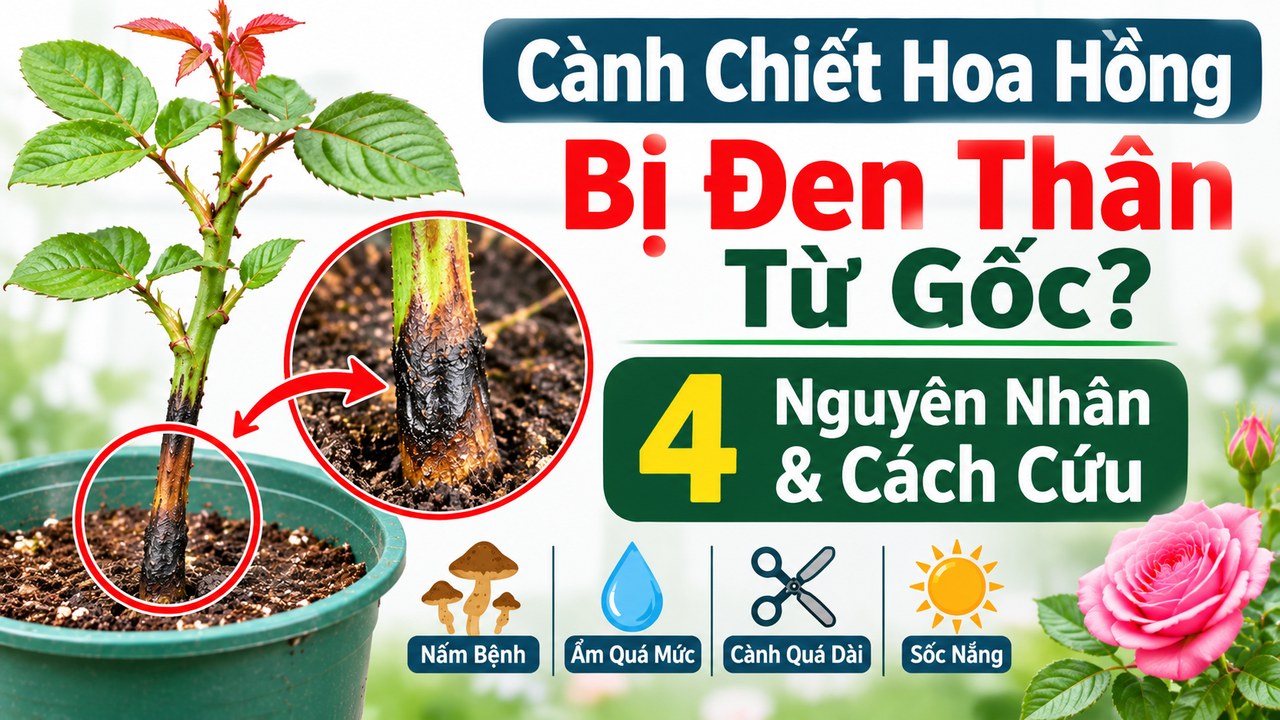
When soil compacts and floods (waterlogging), rose roots undergo a brutal three-stage physiological collapse:
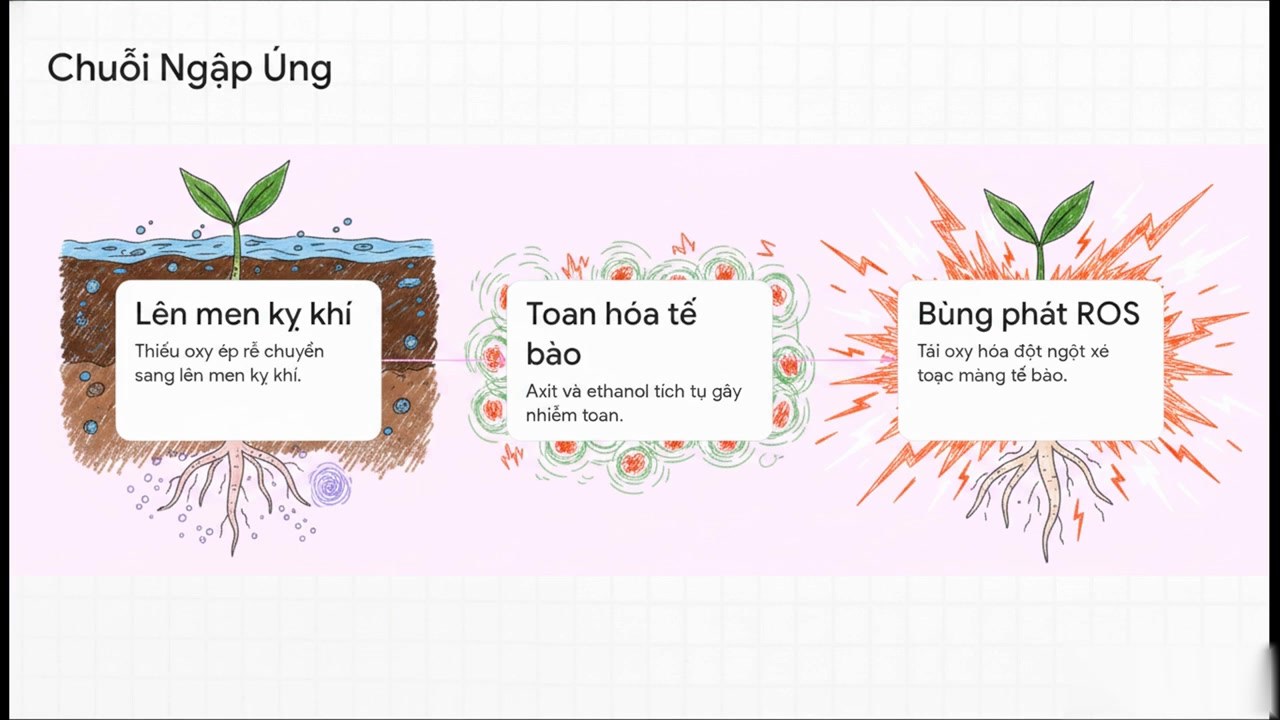
- Stage 1 — Anaerobic Fermentation: Oxygen deprivation forces root cells to switch from aerobic respiration to low-energy anaerobic fermentation just to survive.
- Stage 2 — Cellular Acidosis: Fermentation accumulates Lactic Acid and Ethanol inside root cells, acidifying and poisoning cellular cytoplasm from within.
- Stage 3 — Re-oxygenation ROS Burst: Surprisingly, the deadliest blow strikes when the soil finally drains. A sudden rush of oxygen into weakened tissue triggers an explosive wave of Reactive Oxygen Species (ROS) that ruptures cell membranes and invites opportunistic root rot. Rescuing a waterlogged rose therefore requires gentle, gradual recovery.
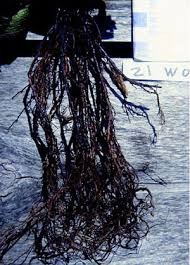
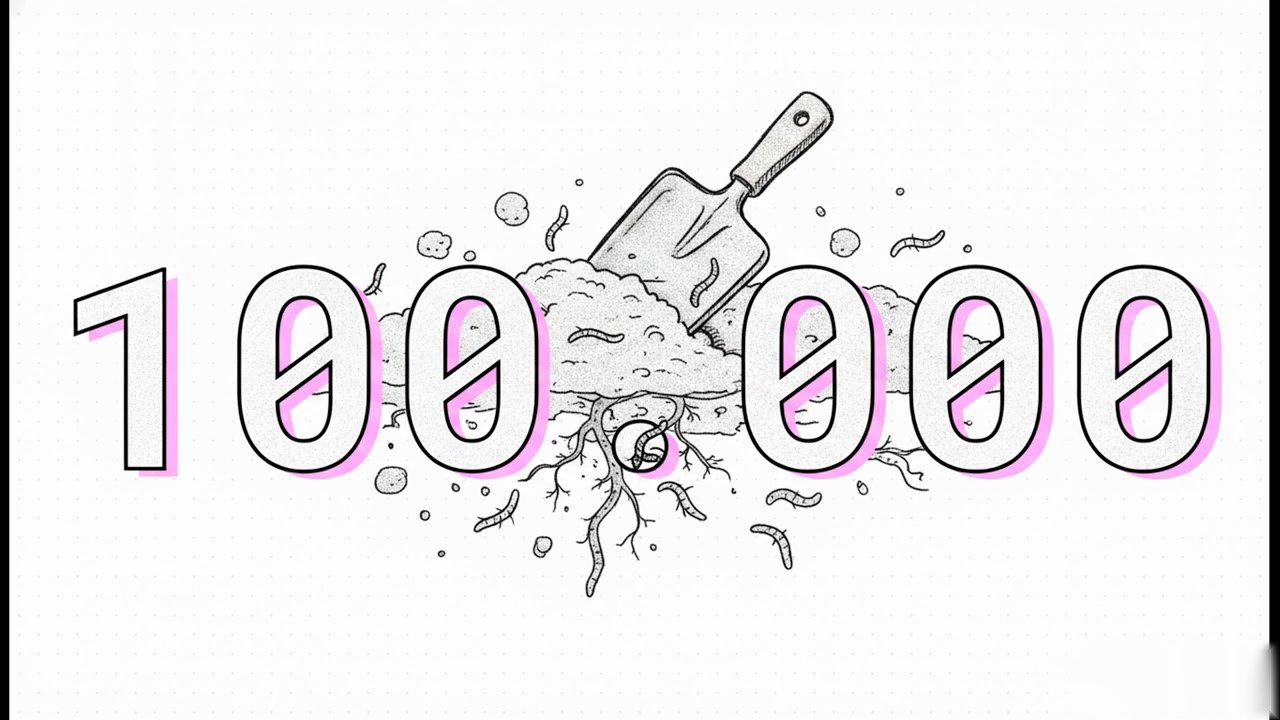
4.2. The Silent Threat: 100,000 Parasitic Nematodes in a Single Shovel of Soil
Beyond abiotic stress, a single shovelful of ordinary garden soil can harbor up to 100,000 parasitic nematodes waiting to attack roots—most destructively root-knot nematodes (nematodes).
Though soil-dwelling, nematodes behave as microscopic aquatic animals, swimming through thin water films coating soil particles. Upon locating rose roots, they inject specialized signaling compounds that force root cells to divide uncontrollably into swollen galls. These galls choke vascular vessels completely, halting nutrient flow so the rose slowly starves regardless of how much fertilizer you apply.
5. Layer 5 — Sustainable Rhizosphere Management Strategies
Transform your rose pot into a resilient biological fortress by combining four science-backed interventions:
5.1. Multiply Soil CEC 2–5× with Biochar
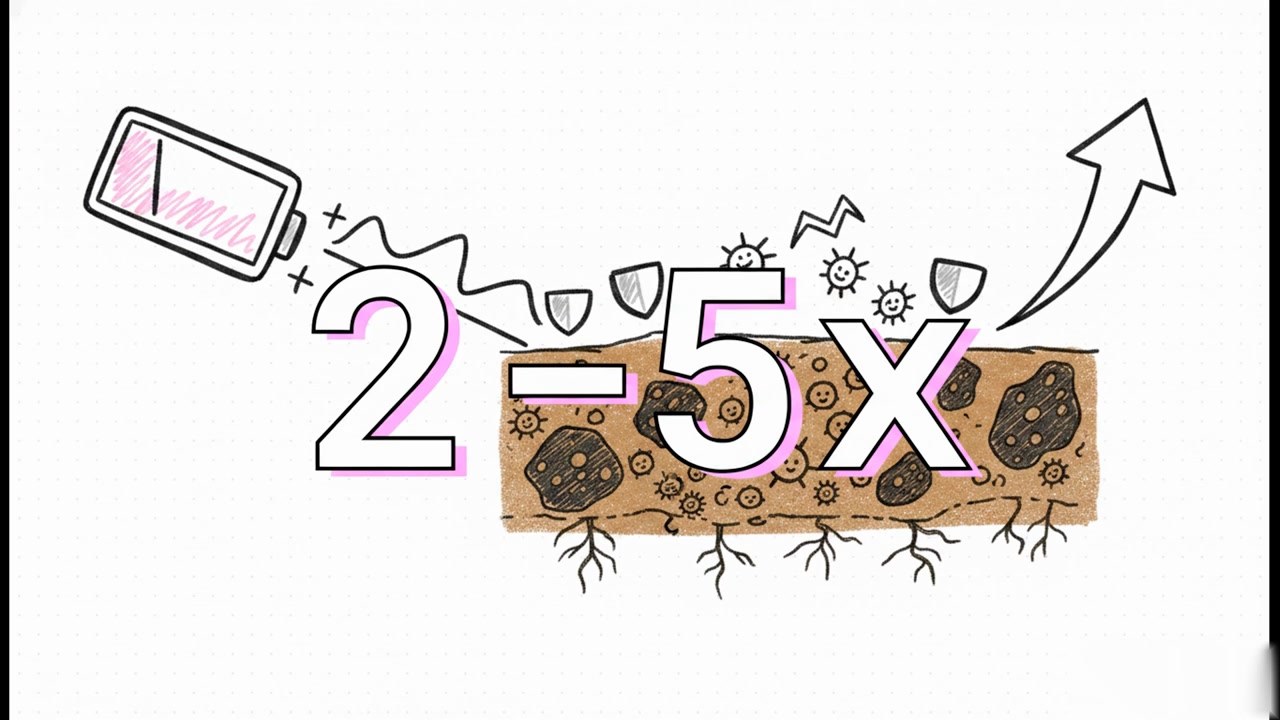
Blending Biochar into potting media raises CEC by 2 to 5 times, permanently upgrading nutrient retention. Simultaneously, its honeycomb network of microscopic pores provides millions of protected micro-habitats shielding PGPR, AMF, and Trichoderma from predators and environmental shocks.
5.2. Targeted Biological Warfare Against Soil Pests
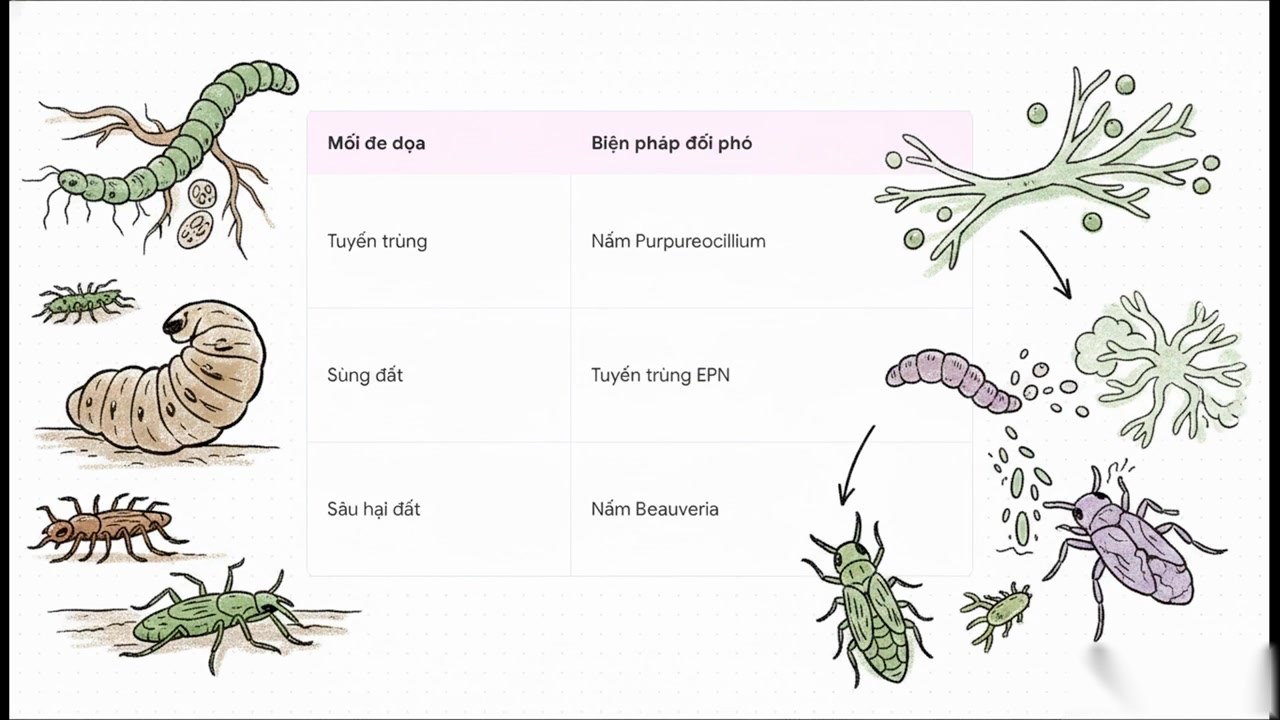
| Underground Threat | Targeted Biological Agent | Natural Mode of Action |
|---|---|---|
| Root-knot Nematodes | Fungus Purpureocillium lilacinum | Directly parasitizes and drains nematode eggs before hatching |
| White Grubs (Beetle Larvae) | Entomopathogenic Nematodes (EPN) | Swim to grubs, enter their bodies, and release Xenorhabdus bacteria that rapidly kill the host |
| Soil-Dwelling Insect Pests | Fungus Beauveria bassiana | Attaches to insect cuticles and enzymatically digests through their exoskeleton |
5.3. Earthworms and the Systemic Armor of Worm Castings
Never underestimate soil's tireless tillers: earthworms. Beyond tunneling aeration channels, worm castings are an elite organic fertilizer rich in balanced NPK and abundant Chitinase enzymes. When rose roots absorb chitinase and translocate it up through vascular tissues into new shoots, the plant builds a systemic organic defense shield that naturally repels sap-sucking pests like thrips and mealybugs.
5.4. The 4-Step Integrated Rhizosphere Management (IRM) Plan & Ideal Potted Mix
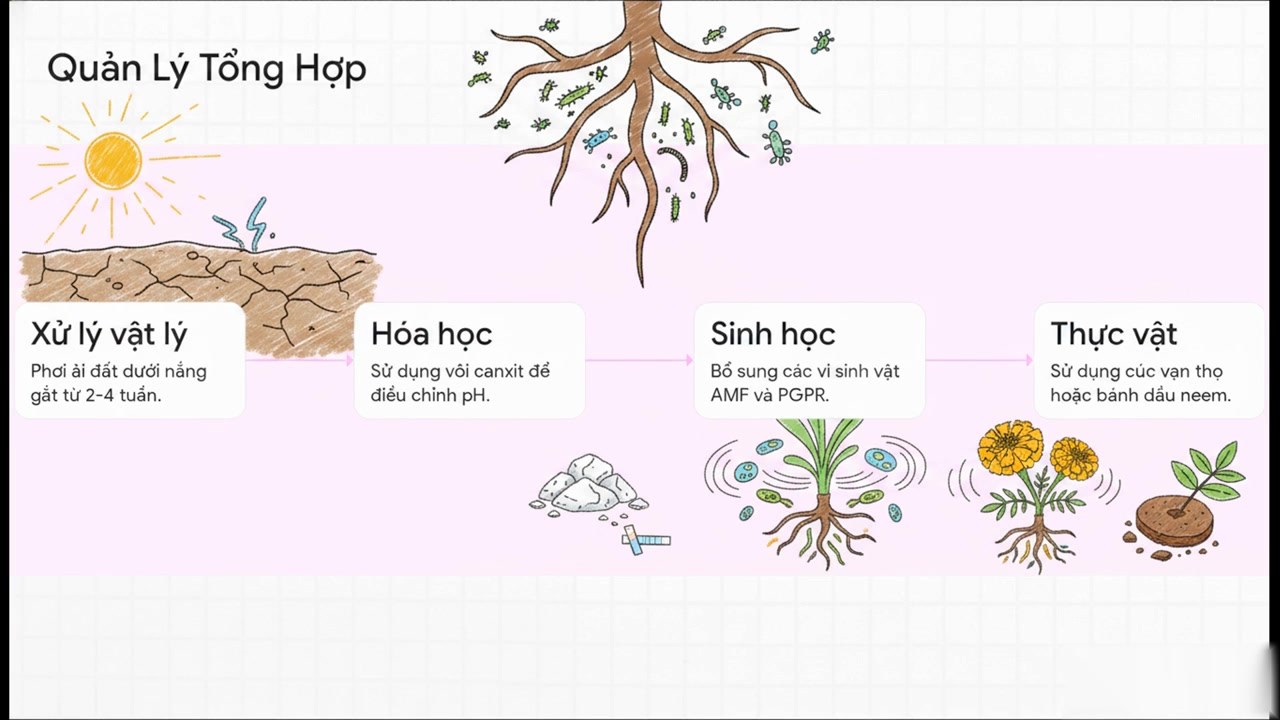
- Step 1 — Physical Solarization: Sun-bake soil for 2–4 weeks to eliminate fungal spores and pest eggs thermally.
- Step 2 — Chemical Balancing: Adjust soil pH to 6.0–6.5 using calcitic lime (or dolomite when acidic).
- Step 3 — Biological Inoculation: Seed fresh media generously with AMF mycorrhizae and PGPR bacteria.
- Step 4 — Botanical Barriers: Interplant marigolds (which exude natural nematicidal root compounds) and incorporate Neem seed cake to disrupt soil-pest molting cycles.
Recreating this living ecosystem inside a rose container:
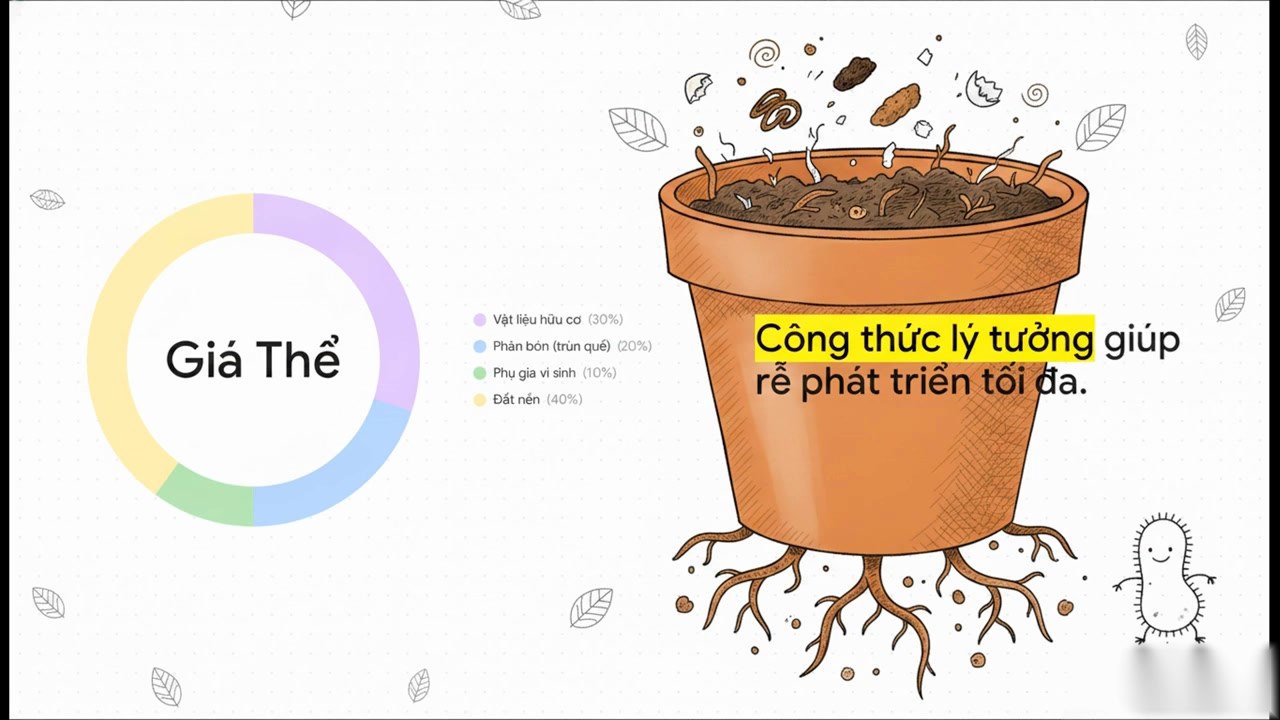
- 40% Clean Base Soil (solarized alluvial loam).
- 30% Airy Organic Structure (rinsed coco coir, carbonized rice hulls) to guarantee pore space and prevent Hypoxia.
- 20% Worm Castings or Well-Composted Manure for sustained nutrition and natural Chitinase defense.
- 10% Bio-Mineral Additives (Trichoderma inoculant, crushed eggshells for Calcium, Biochar, and a light pinch of natural wood ash).
6. Conclusion
Soil is far more than an inert anchor for rose roots—it is a living organism and a complex underground metropolis. Great rose care is fundamentally about governing this invisible ecosystem: preserving pore oxygen, charging the CEC battery, holding pH at 6.0–6.5, and empowering beneficial microbes. When the underground city flourishes, breathtaking roses above ground follow naturally.