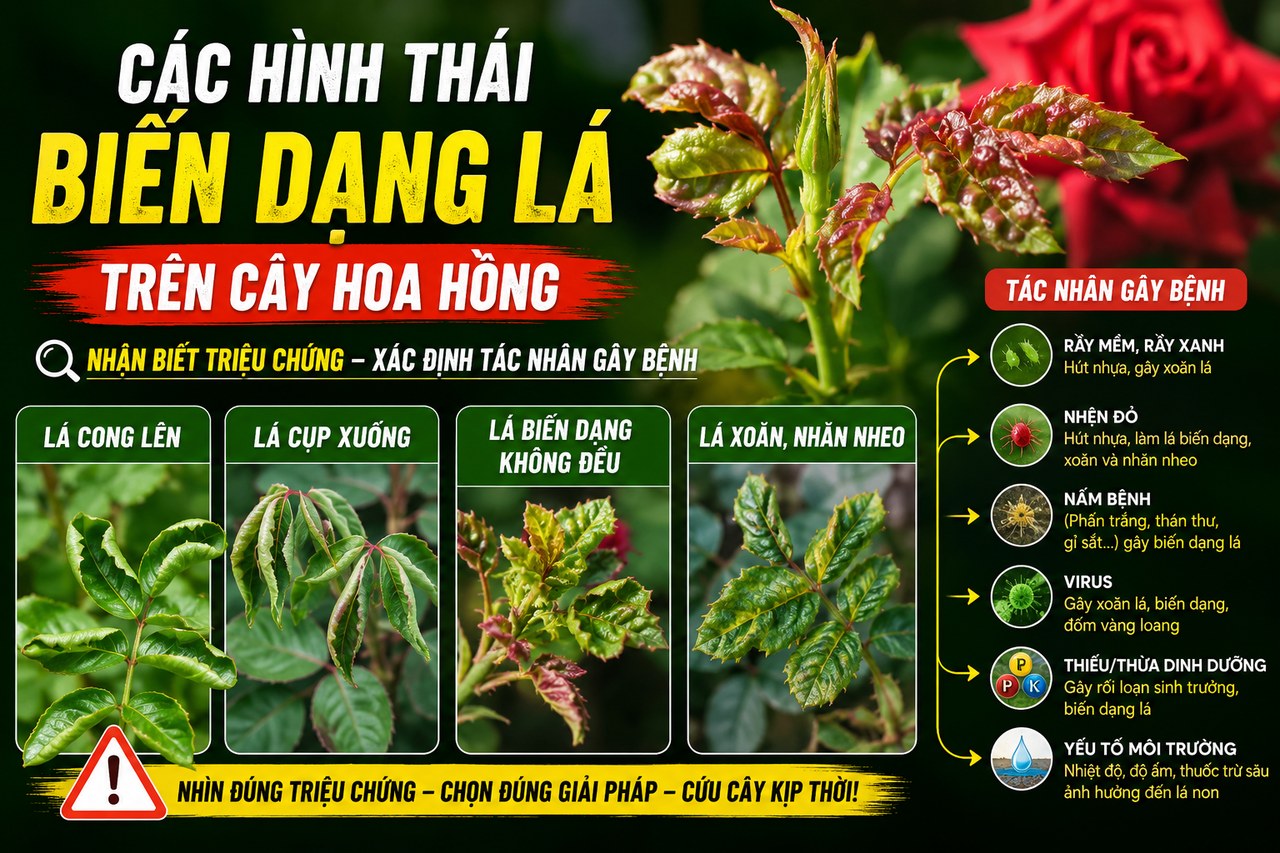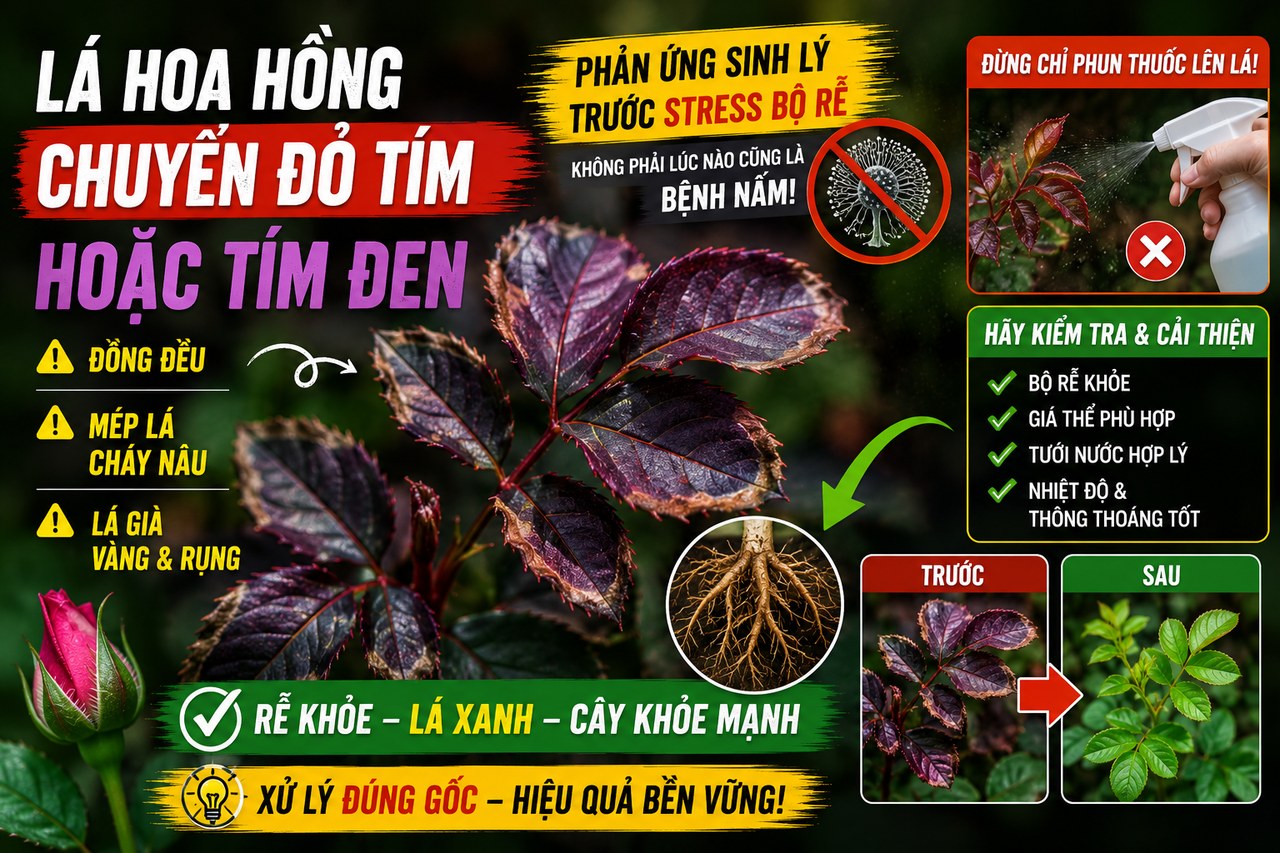
When rose foliage suddenly turns reddish-purple or purple-black, develops yellow-brown scorched margins, and begins dropping heavily, the most common instinct is to reach immediately for a fungicide spray. Clinically, however, this is not a contagious foliar fungal disease. It is a classic root-stress survival cascade triggered when the root system below the soil line is damaged, suffocated, or experiencing acute physiological shock.
Recognizing this cascade prevents unnecessary chemical sprays—which only add further phytotoxic stress to an already struggling plant—and directs your recovery effort straight to the root zone where the real problem lives.
1. Physiological Stress Response vs. Fungal Infection
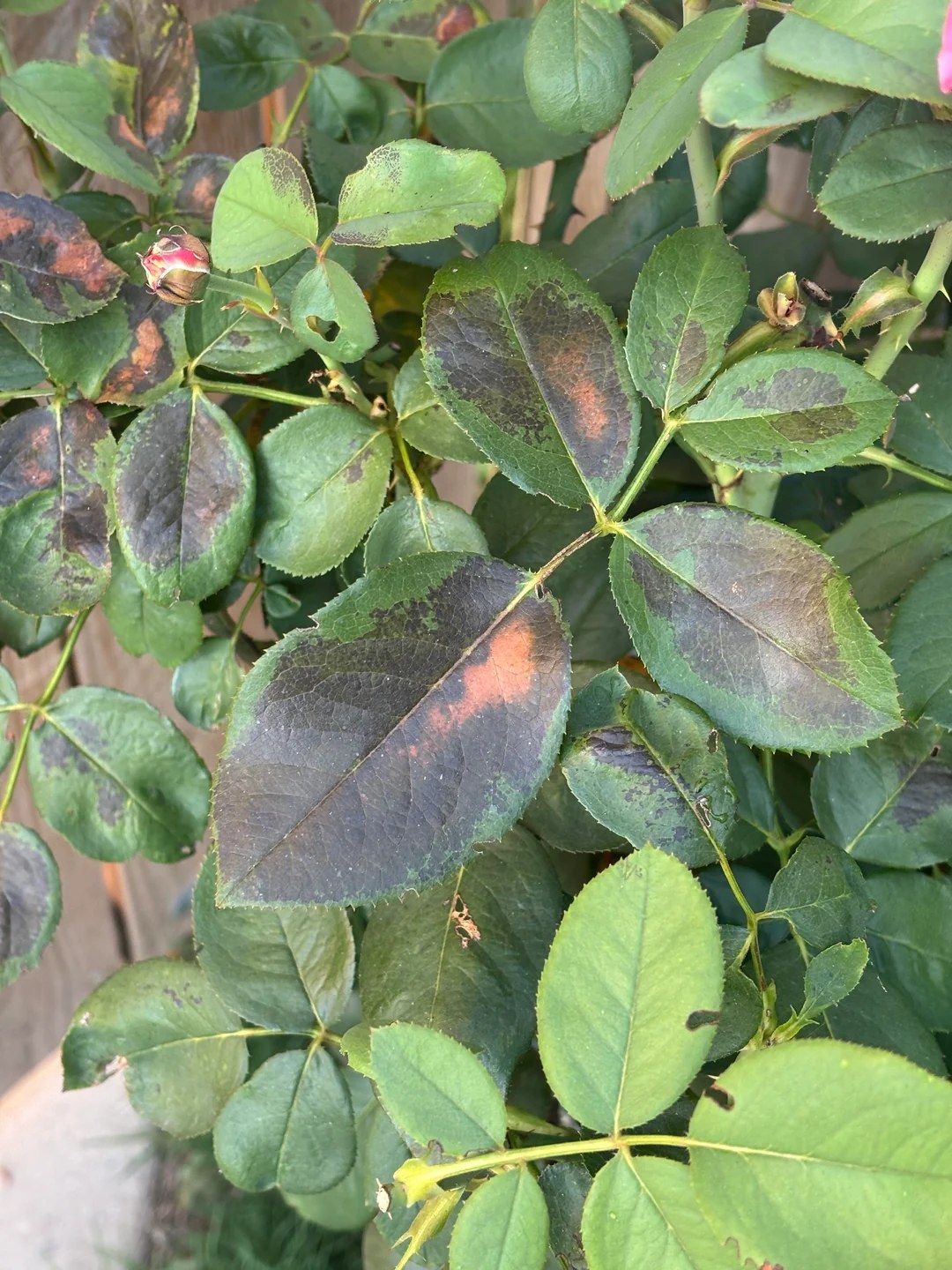
Growers frequently mistake uniform purple-black discoloration and marginal scorch for fungal infections such as Black Spot or Downy Mildew. The decisive diagnostic difference lies in uniformity and systemic onset:
- Root stress: Purple-red or purple-black pigmentation spreads uniformly across large areas of multiple leaves at the same time, without discrete circular spots, followed by dry yellow-brown scorching starting from the leaf margins inward.
- Foliar fungi: Appear as localized lesions (round black spots with yellow halos in black spot, or angular purplish blotches bounded by veins with grayish downy growth underneath in downy mildew), typically progressing upward from lower, humid canopy layers.
Spraying harsh chemical fungicides onto a root-stressed rose strips away its remaining resilience and accelerates defoliation.
2. The 4-Stage Symptom Progression
A root-stress episode on roses unfolds in a predictable four-step biological sequence:
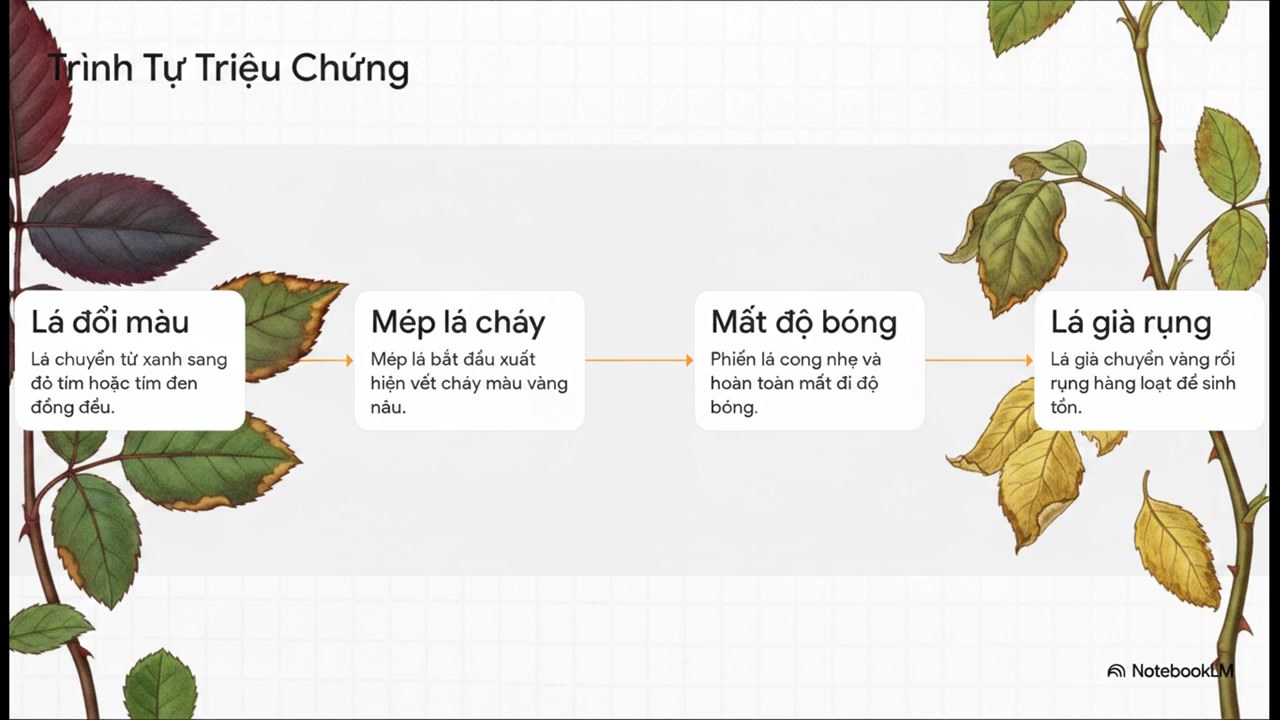
Stage 1: Uniform Reddish-Purple or Purple-Black Discoloration
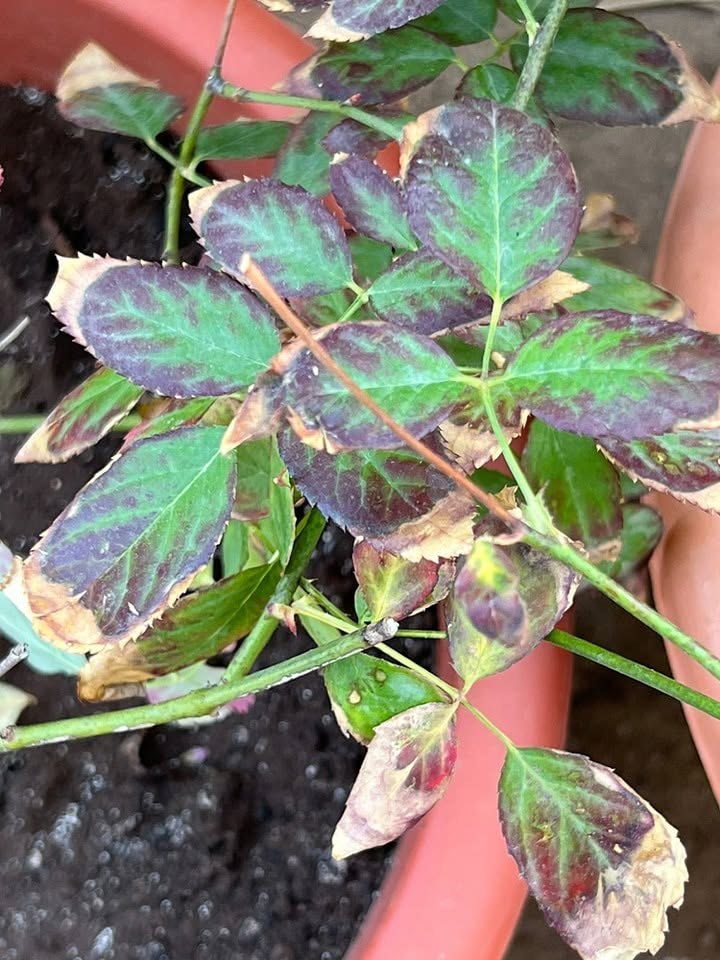
Mature and mid-canopy leaves shift gradually from healthy chlorophyll green to reddish-purple, deep violet, or purple-black. The coloration covers broad sections of the blade evenly rather than forming isolated necrotic dots.
Stage 2: Yellow-Brown Marginal Scorch
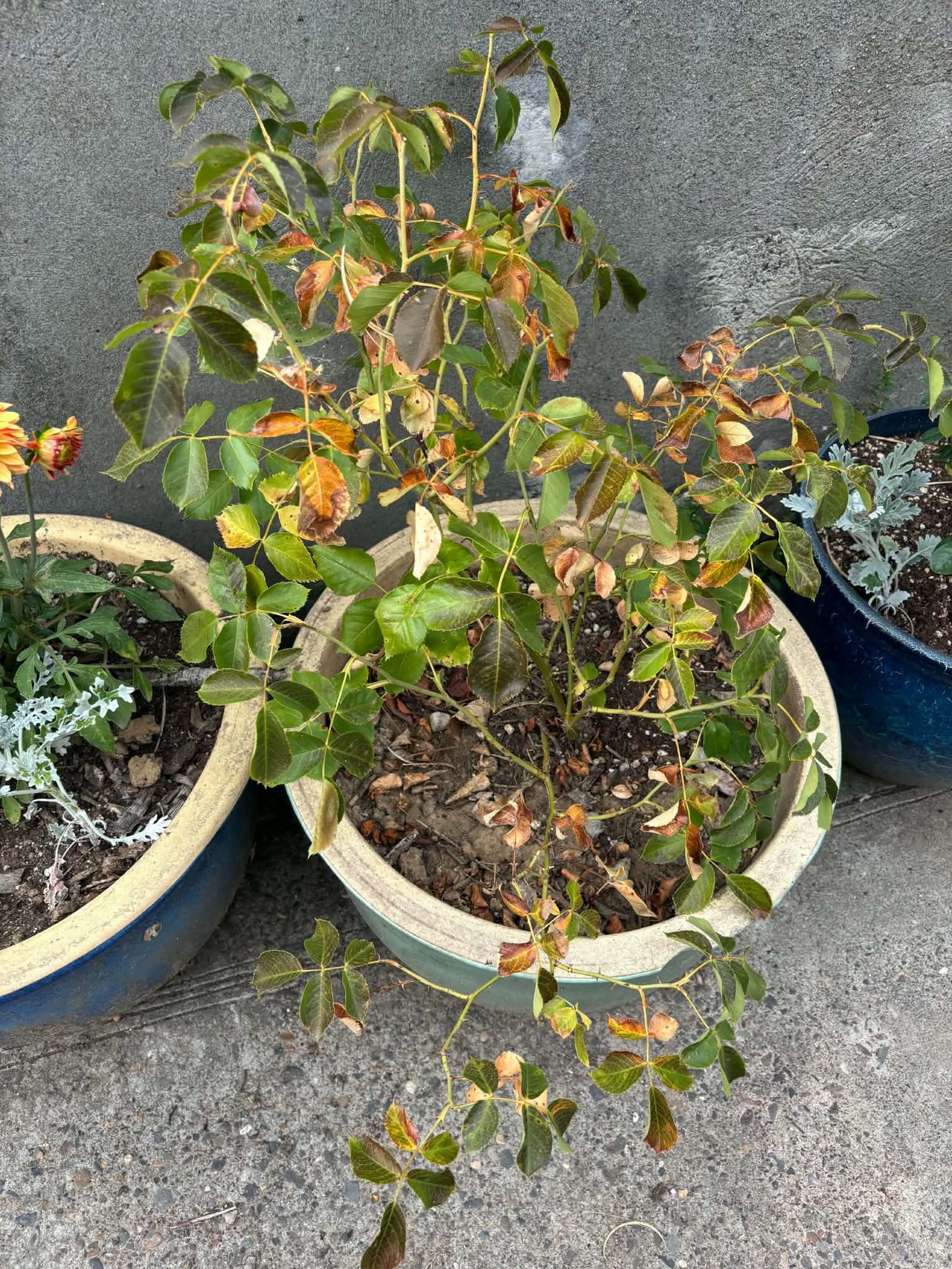
Starting along the outer serrated edges and leaf tips, tissue dehydrates, turns pale yellow, and crisps into dry yellow-brown scorched bands. A clear boundary often separates the dry necrotic rim from the purple interior tissue.
Stage 3: Loss of Gloss, Rough Texture, and Mild Curling
As root stress persists, the waxy cuticle loses its healthy sheen. To the touch, the leaf blade feels dry, papery, and rough, with slight upward or marginal curling caused by declining cellular turgor pressure.
Stage 4: Mass Yellowing and Defoliation of Older Leaves
Once the impaired root system can no longer supply sufficient water and minerals to support the full canopy, the plant triggers an emergency shedding mechanism: it remobilizes stored nutrients from older leaves back into the canes and roots, causing older foliage to yellow rapidly and drop en masse to preserve core survival.
3. Inside the Plant: Why Roots Cause Purple Leaves and Burned Edges
Understanding the underlying physiology explains why underground root damage produces two such distinctive foliar signals.
3.1. Why Do Leaf Margins Always Scorch First?
When root hairs are damaged or suffocated, xylem water flow upward drops sharply. The rose prioritizes maintaining hydration in the main canes, petioles, and central midribs. Leaf margins and tips lie farthest from the vascular supply, so water potential collapses there first—resulting in localized desiccation and crisp marginal burn.

3.2. Anthocyanin Defense and Physiological Phosphorus Lockout
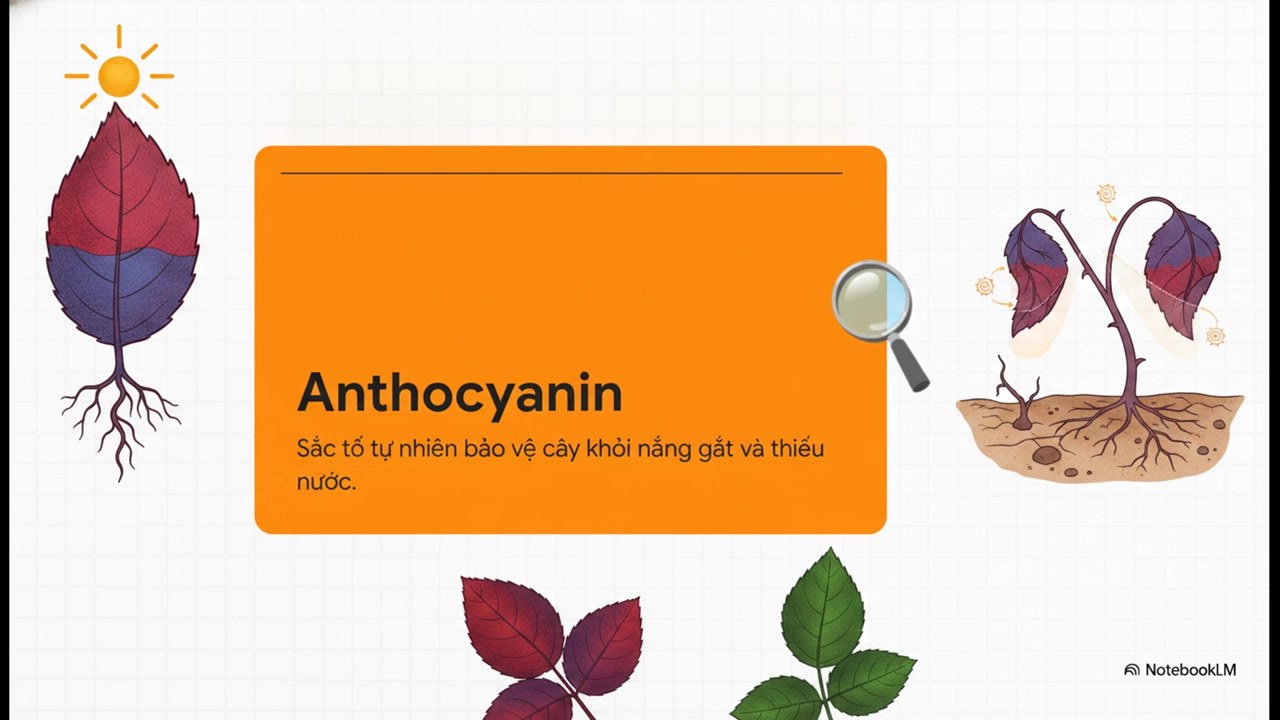
The dramatic purple-black hue comes from rapid accumulation of anthocyanin pigments, which serve as the plant's natural sunscreen and antioxidant shield:
- When water uptake falters under strong sunlight, the photosynthetic machinery absorbs excess light energy, generating reactive oxygen species that damage chloroplasts. The rose synthesizes anthocyanins to filter excess UV radiation and protect leaf tissues from photo-oxidative injury.
- Simultaneously, cold, waterlogged, compacted, or pH-imbalanced roots cannot absorb Phosphorus (P) effectively. Photosynthetic sugars back up in the leaves and are shunted into anthocyanin production, deepening the purple-black tint.
4. Five Hidden Triggers of Root Stress
Lasting recovery requires identifying which of the five primary root-zone stressors is affecting your rose:
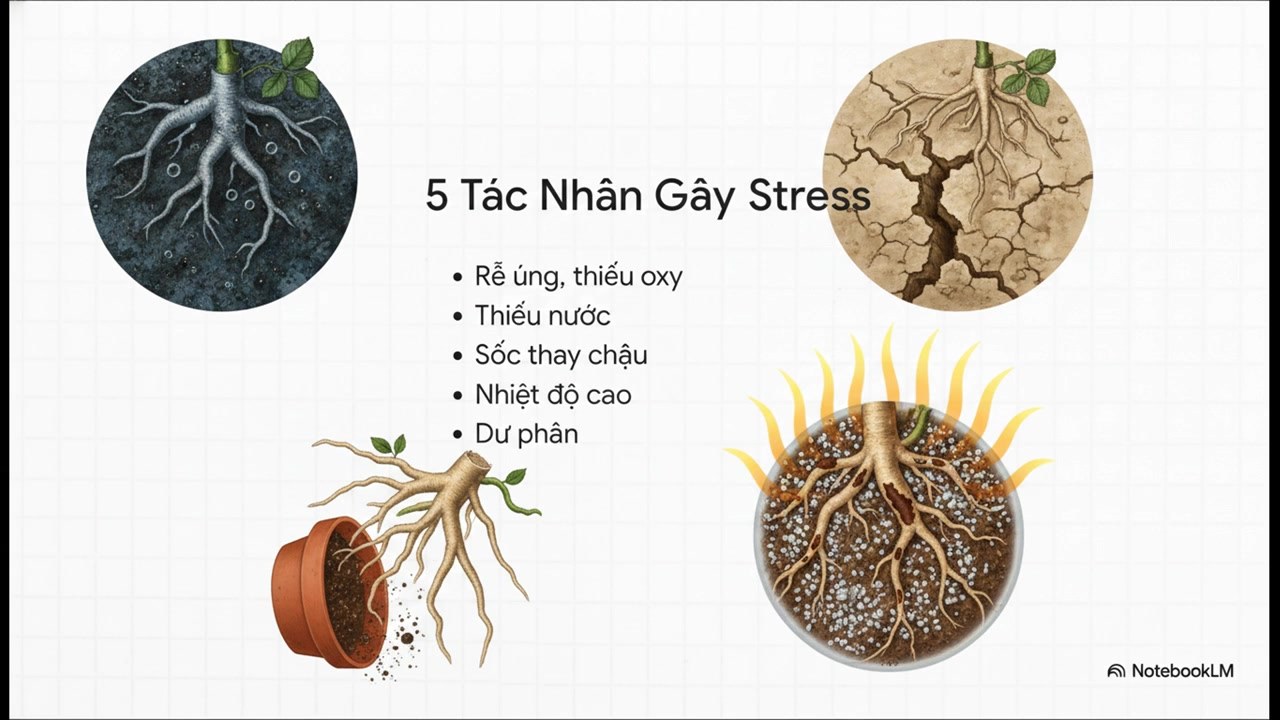
- Waterlogging & Root Hypoxia (Waterlogging & Root Rot): Dense, poorly aerated potting mix or blocked drainage holes displace oxygen from soil pores. Roots suffocate, switch to anaerobic respiration, accumulate toxins, and lose functional root hairs.
- Prolonged Water Deficit (Drought Stress): Missed waterings or hydrophobic potting mix cause the root ball to shrink and fine feeder roots to desiccate. Even after re-watering, damaged feeder roots cannot immediately restore full uptake.
- Transplant Shock: Rough root-ball handling, broken feeder roots, excessive root pruning, or exposing a freshly repotted rose to direct midday sun breaks the balance between root uptake and canopy transpiration.
- Excessive Root-Zone Heat: Dark plastic pots or containers sitting directly on sun-baked concrete can push substrate temperatures above 35–40°C (95–104°F), literally cooking delicate feeder roots and halting enzymatic uptake.
- Fertilizer Overdose & Salt Burn (Fertilizer Burn): Heavy synthetic fertilizer doses—especially applied to dry soil or too close to the crown—spike soil-solution salinity. Reverse osmosis pulls water out of root cells into the salty soil, burning roots within 24–72 hours. In parallel, Soil pH Imbalance (below 5.5 or above 7.0) locks out phosphorus and micronutrients, intensifying purple foliage.
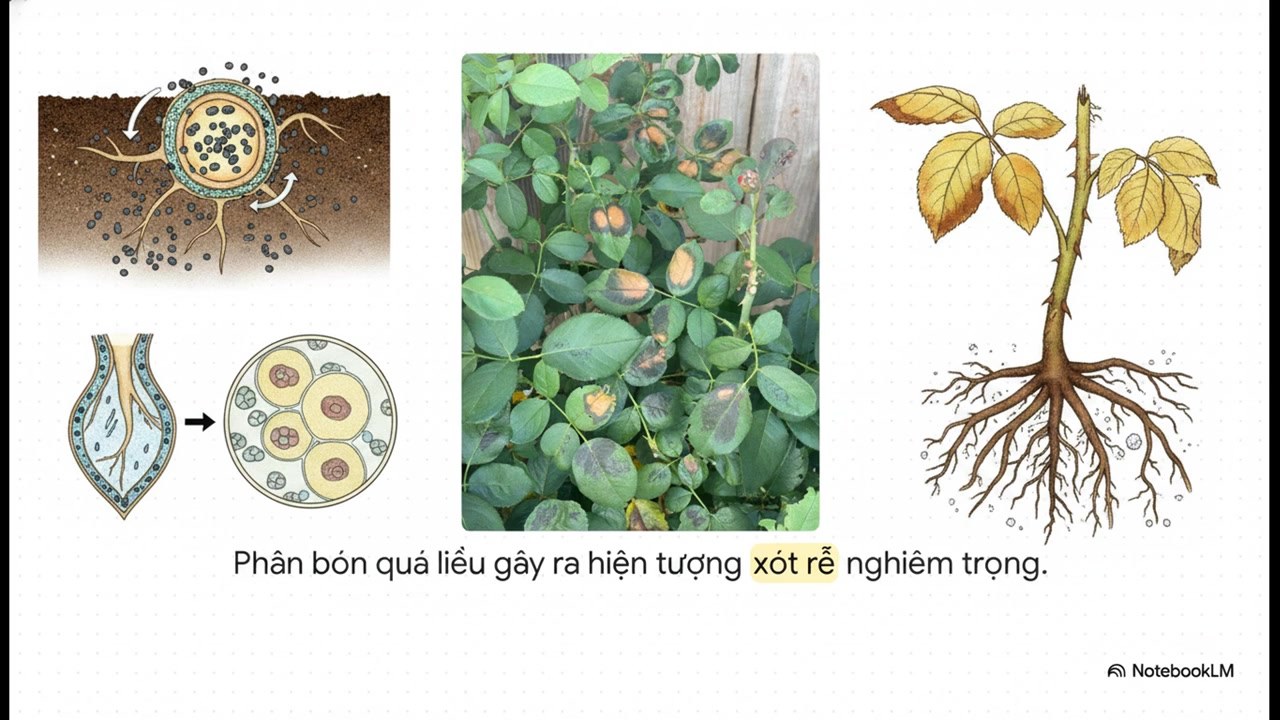
5. Quick Differential Table: Root Stress vs. Black Spot & Downy Mildew
Use this side-by-side reference before choosing between root-zone remediation and fungicide treatment:
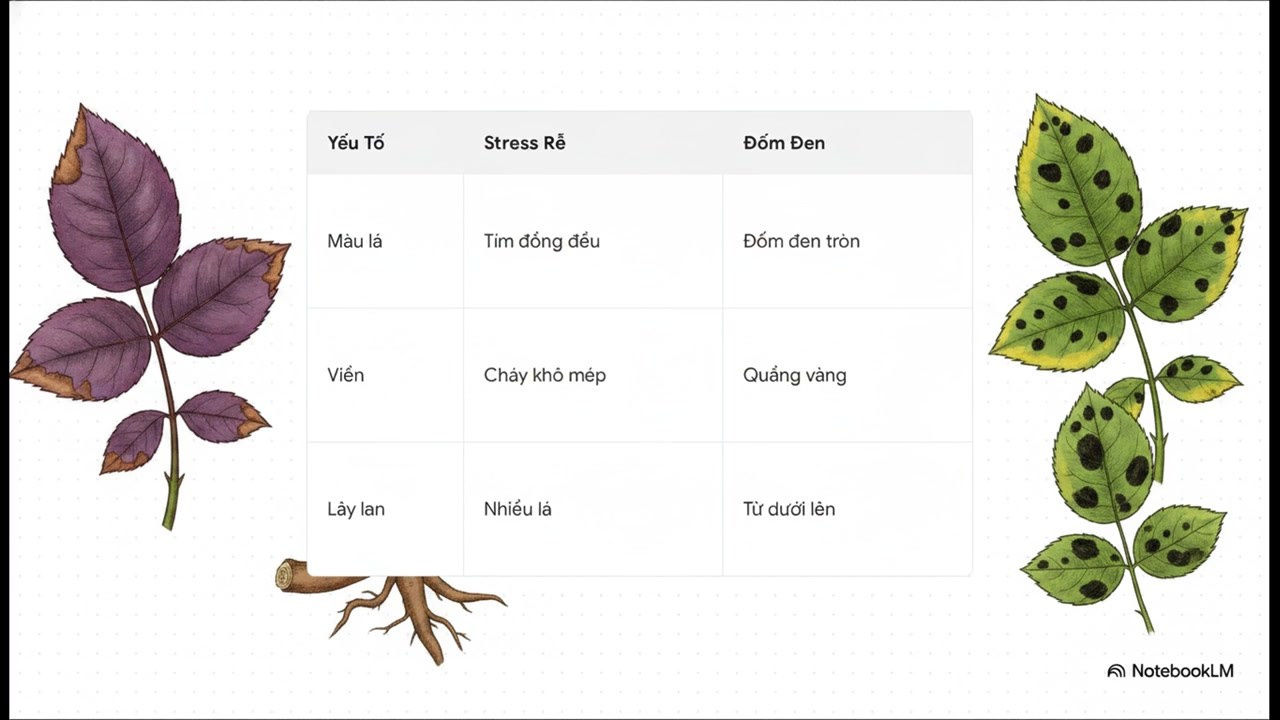
| Diagnostic Feature | Root Stress (Abiotic) | Black Spot (Diplocarpon rosae) | Downy Mildew (Peronospora sparsa) |
|---|---|---|---|
| Color Pattern | Uniform reddish-purple / purple-black across broad leaf areas | Discrete circular black spots with feathery/fringed margins | Angular purplish-black or brown blotches bounded by leaf veins |
| Leaf Margin / Halo | Dry yellow-brown marginal scorch moving inward | Yellow halo surrounding individual black spots | Irregular blotching across blades and young stems rather than even rim scorch |
| Underside of Leaf | No fungal spores; rough, dull surface | No powdery growth; lesions show through tissue | Fine grayish-purple downy mycelium under cool, humid conditions |
| Spread Pattern | Appears simultaneously on many leaves after a root shock | Progresses from lower leaves upward via water splash | Erupts rapidly in cool, wet mornings, causing sudden green leaf drop |
| Core Treatment | Root recovery, watering correction, flushing salts, shade | Remove infected leaves + apply fungicides (Difenoconazole, Mancozeb) | Improve airflow + apply oomycete-specific fungicides (Metalaxyl, Fosetyl-Al) |
6. Five-Step Science-Based Root Recovery Protocol
Once root stress is confirmed, follow this 5-step sequence calmly and methodically:
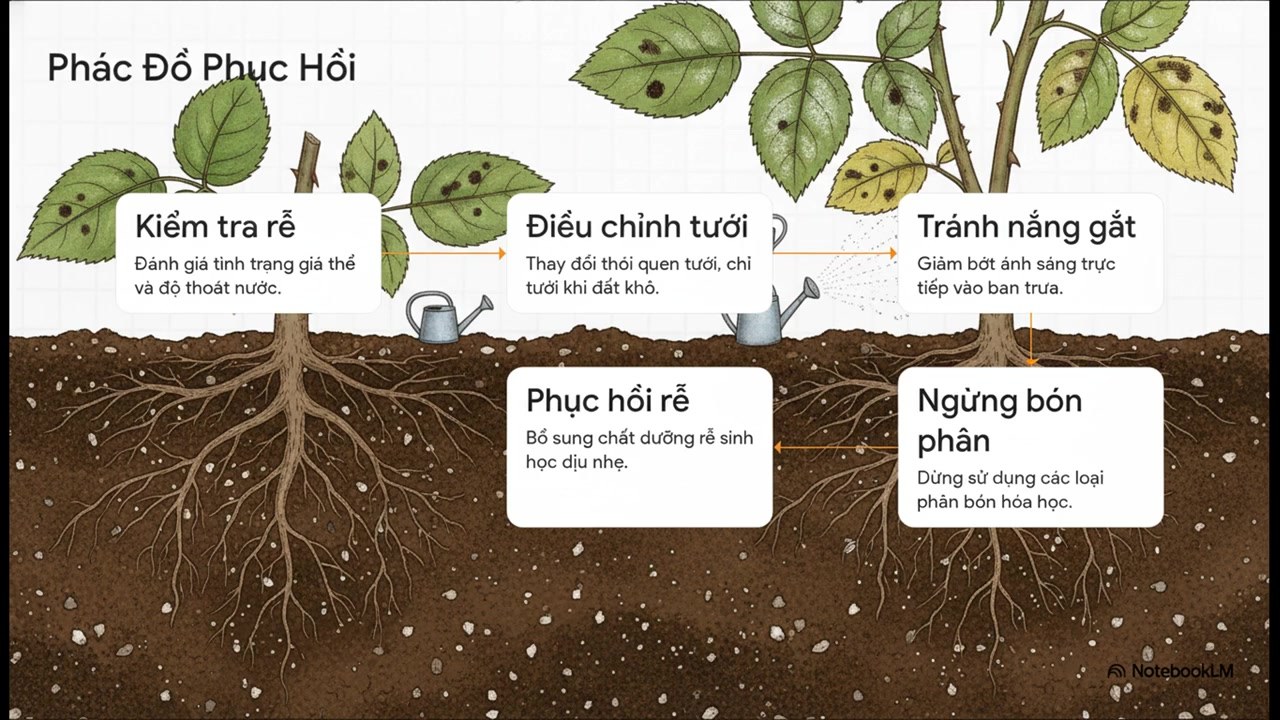
Step 1: Inspect the Root Zone and Substrate
- Check pot drainage holes and substrate aeration.
- If the mix is soggy, sour-smelling, or roots are dark brown and mushy, elevate the pot for drainage, gently aerate the top layer, or repot into a well-draining blend (rice hull ash, perlite, buffered coco coir, vermicompost).
- If fertilizer burn is suspected, flush the pot thoroughly with clean water 2–3 times consecutively to leach excess salts out of the root zone.
Step 2: Correct Watering with the 2 cm Rule
Follow one strict rule: Water only when the top 2 cm (nearly 1 inch) of soil feels genuinely dry to the touch. Test with your finger instead of watering on a rigid daily habit. Water slowly and evenly in the early morning, avoiding late-night saturation.
Step 3: Shield from Harsh Midday Sun
Move the container to bright, filtered light or erect a 40–50% shade cloth during peak midday heat (11:00 AM – 3:00 PM). Lowering canopy and pot temperatures reduces transpiration demand while damaged roots heal.
Step 4: Stop All Synthetic Fertilizers Immediately
Suspend all NPK, DAP, and chemical fertilizers the moment purple-black leaves and scorched margins appear. Force-feeding a root-stressed rose worsens osmotic burn and accelerates decline. Withhold synthetic fertilizers for at least 2–3 weeks until healthy new shoots emerge.
Step 5: Apply Gentle Biological Root Support
Once moisture levels stabilize and excess salts are flushed (after 2–3 days), apply gentle biostimulants every 5–7 days:
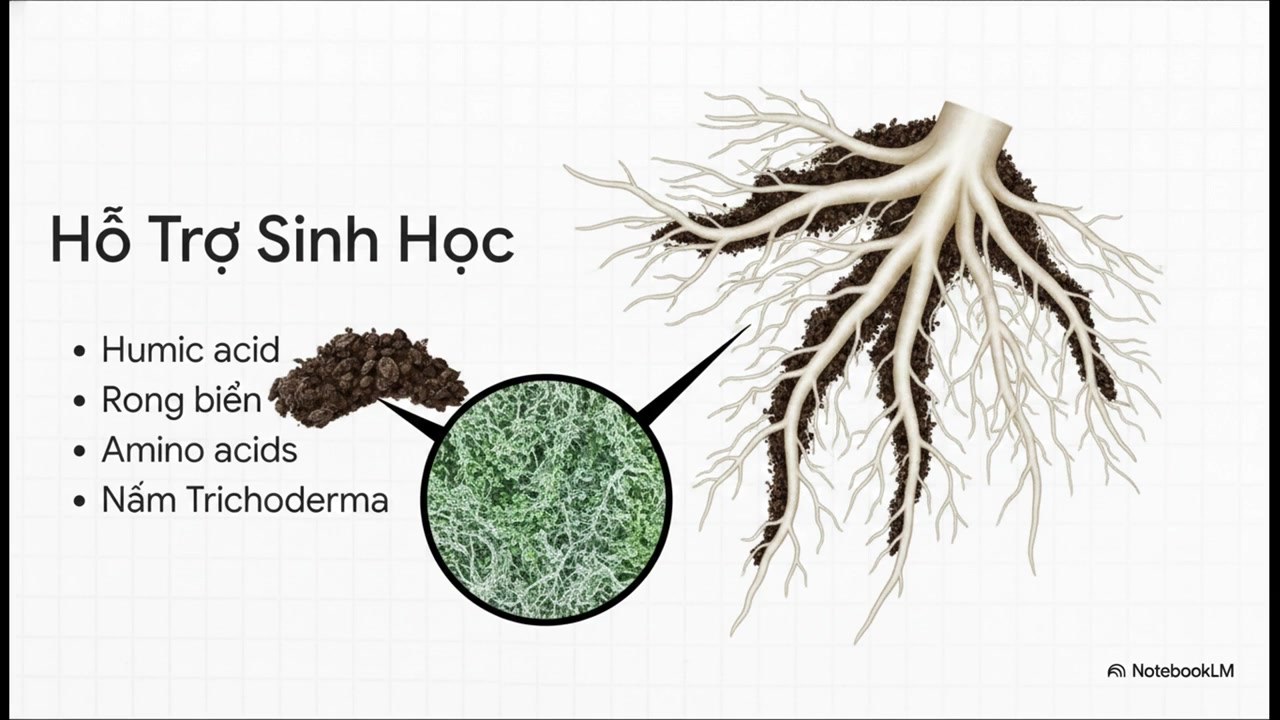
- Humic acid: Improves soil structure, chelates excess salts, and stimulates new root-hair formation.
- Seaweed extract: Supplies trace natural phytohormones (cytokinins and auxins) that buffer abiotic stress.
- Amino acids: Deliver ready-to-use building blocks without taxing the plant's impaired photosynthetic system.
- Trichoderma beneficial fungi: Colonizes the rhizosphere to crowd out opportunistic root-rot pathogens while roots are vulnerable.
7. Recovery Timeline & When to Prune Purple Leaves
Do not expect already purple-black or scorched leaves to turn green again—cellular damage on existing blades is permanent. True recovery is measured by new shoot growth:
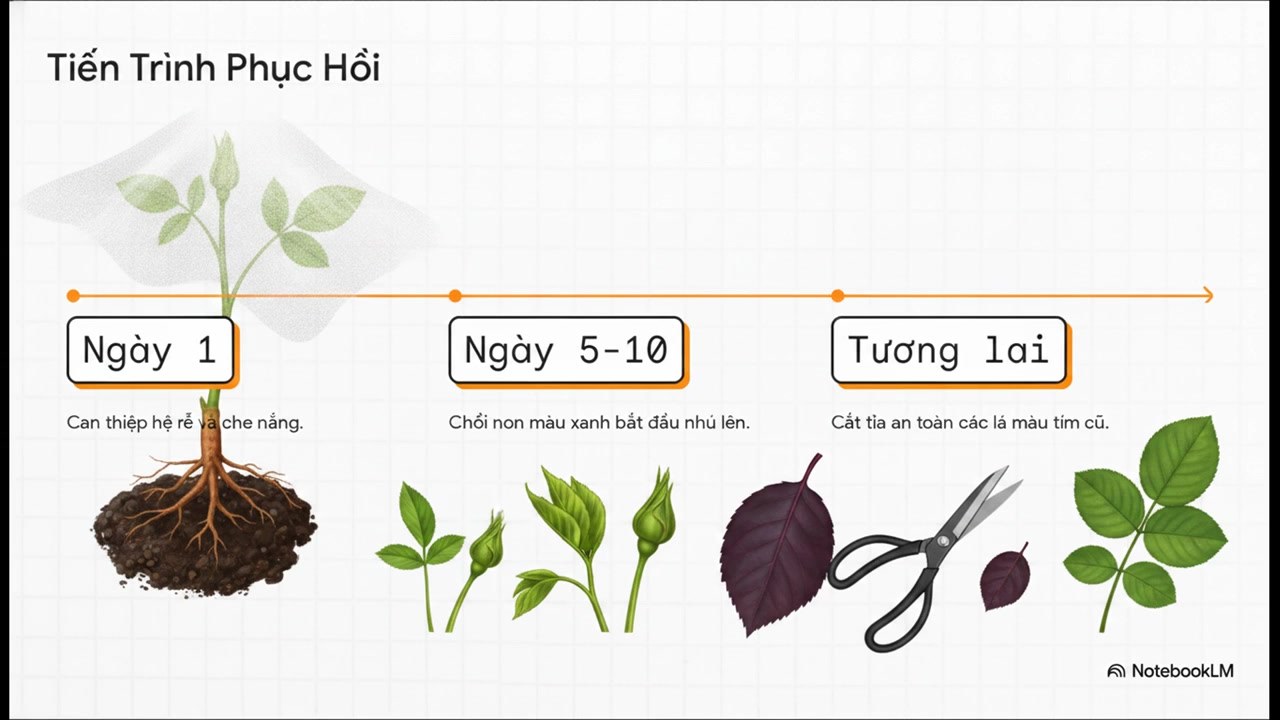
- Day 1: Complete root-zone intervention (drainage fix or salt flush), move into filtered shade, and halt all chemical fertilizers.
- Days 5–10: As new white feeder roots regenerate, dormant buds swell and fresh green (or healthy glossy new-growth) shoots begin emerging.
- Stabilization (Weeks 2–3+): Only after the new canopy has expanded and taken over photosynthesis should you gradually prune away the old purple and scorched leaves. Avoid stripping all affected leaves on Day 1, since their remaining green tissue still supplies baseline energy during recovery.
Conclusion
Whenever your rose foliage turns uniformly purple-black, scorches along the margins, and begins shedding, pause before spraying and ask: "Does the root system below actually have the foundational environment it needs to live?" Accurate root-zone diagnosis, clear differentiation from fungal leaf spots, and patient biological rehabilitation are the fastest path to bringing a stressed rose back to vigorous health.