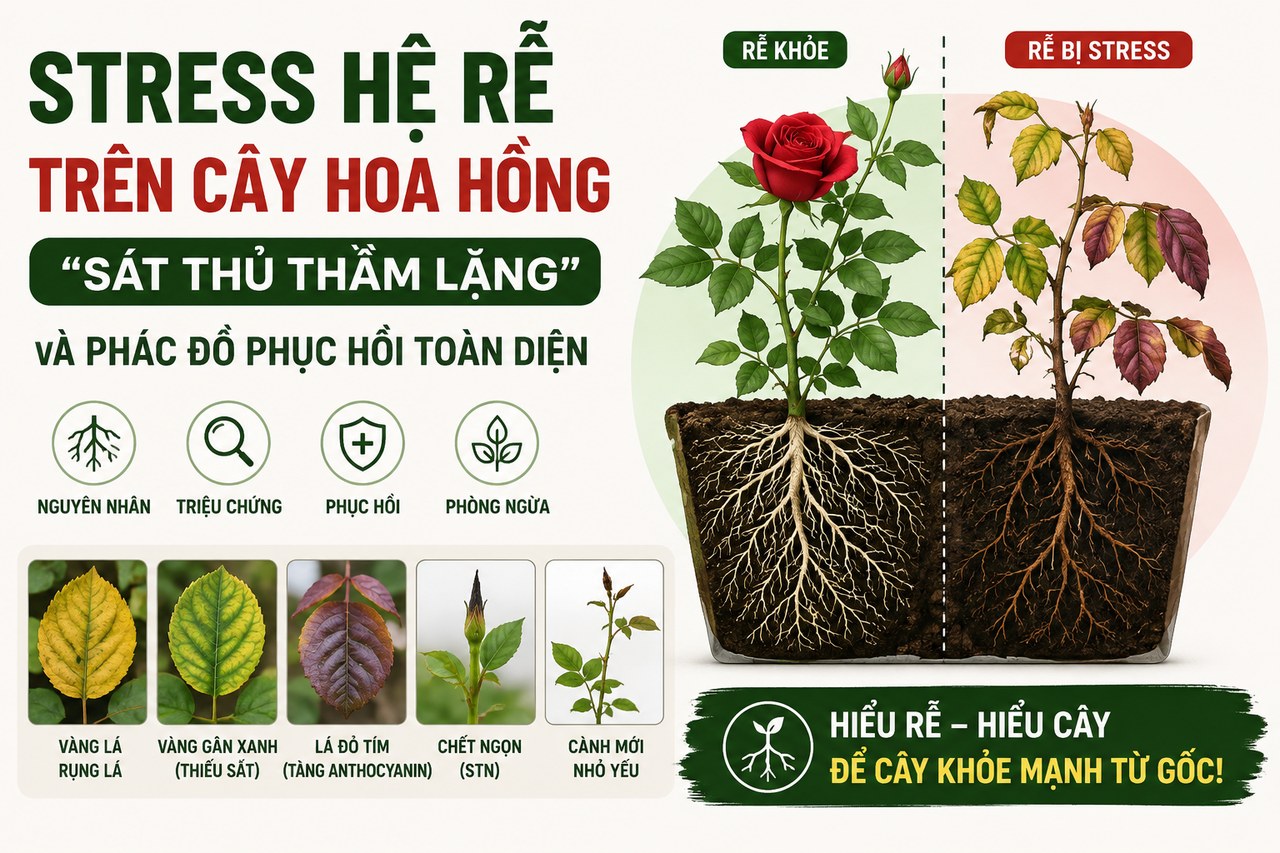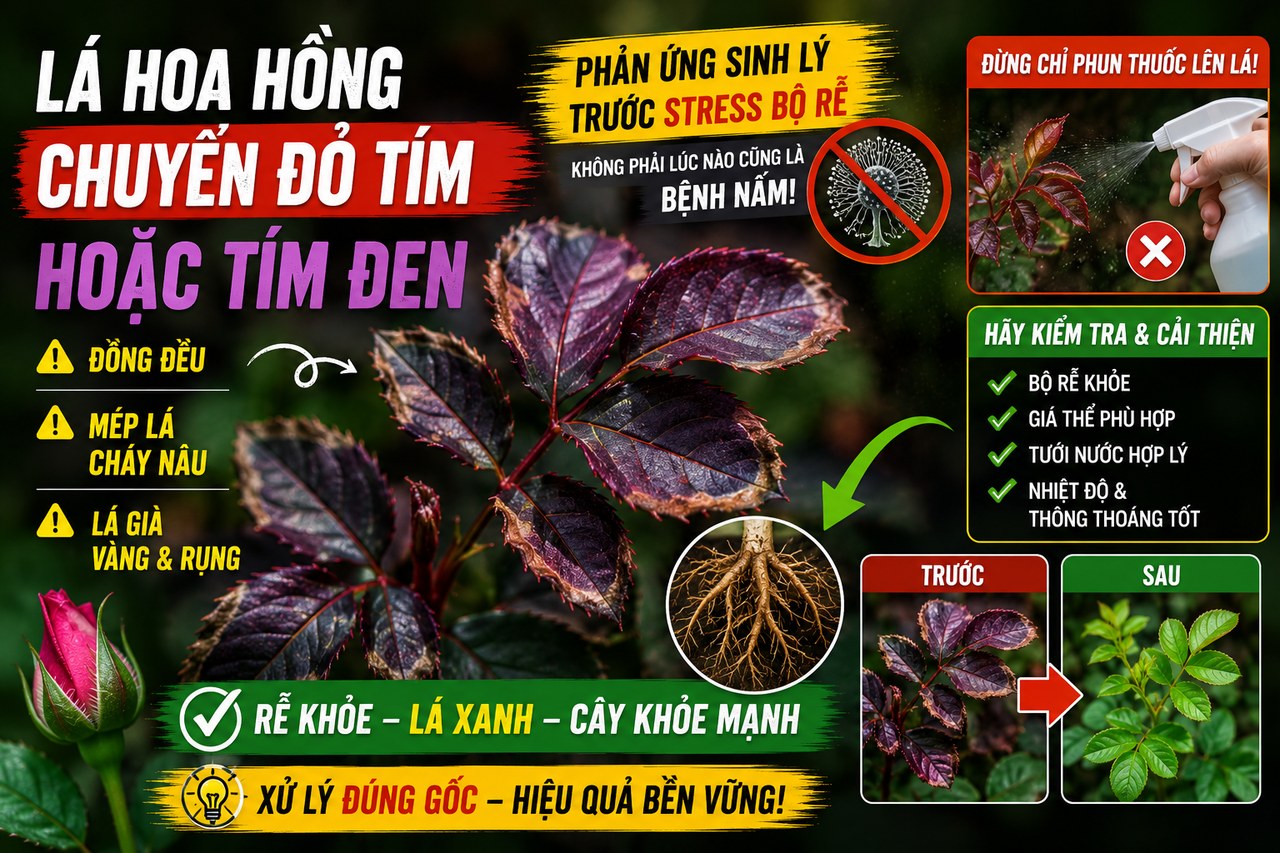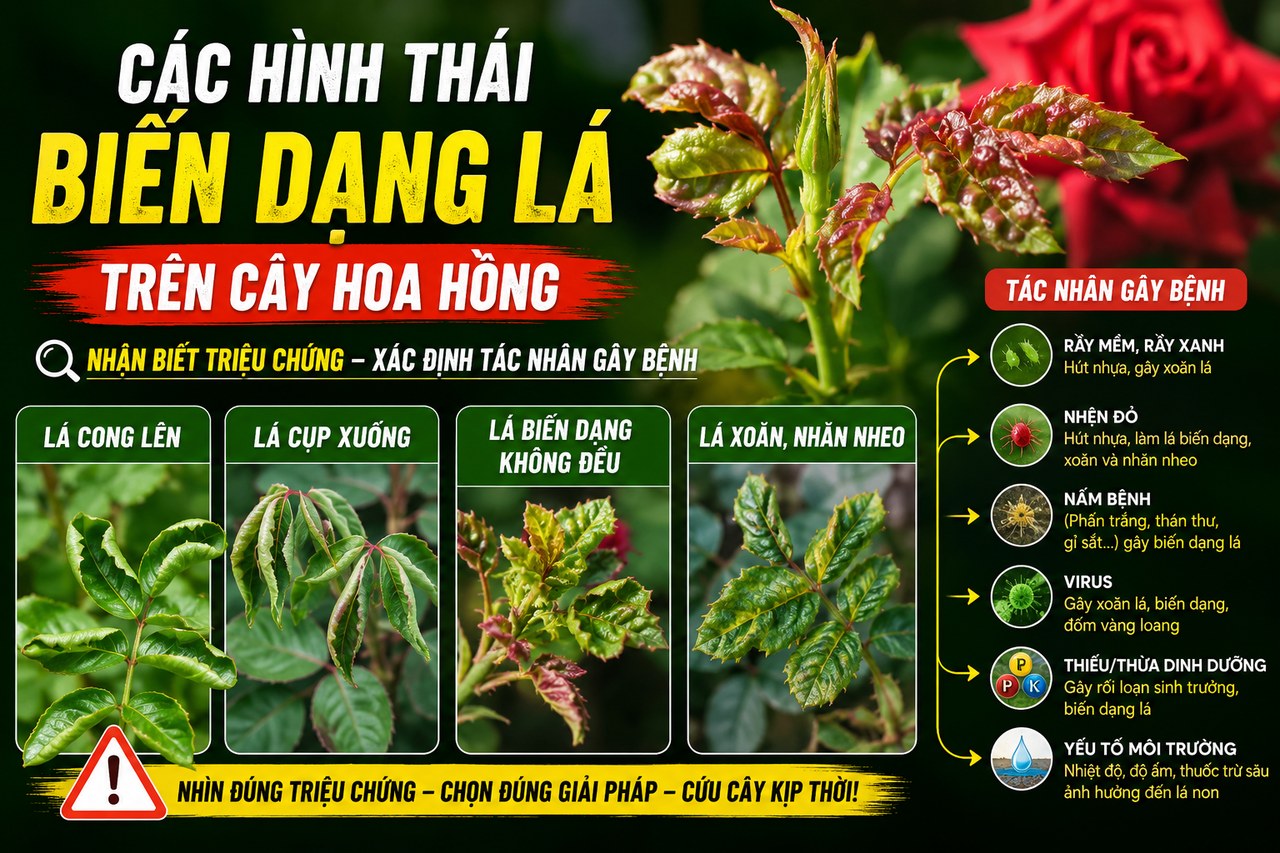
Every rose grower has encountered this baffling paradox at least once: the potting mix feels thoroughly moist—perhaps right after heavy rain or a deep watering—yet the entire bush droops and wilts as if dying of thirst in a desert. The instinctive reaction is to add even more water, which only accelerates the wilting and pushes the plant closer to collapse.
In plant physiology, this condition is known as physiological drought. Water uptake by roots is not passive wicking; it is a complex, energy-dependent physiological process directly governed by environmental conditions in the root zone. Understanding how physiological drought occurs is the key to rescuing stressed roses and avoiding fatal watering mistakes.
1. What Is Drought? Distinguishing the Three Types in Plant Physiology
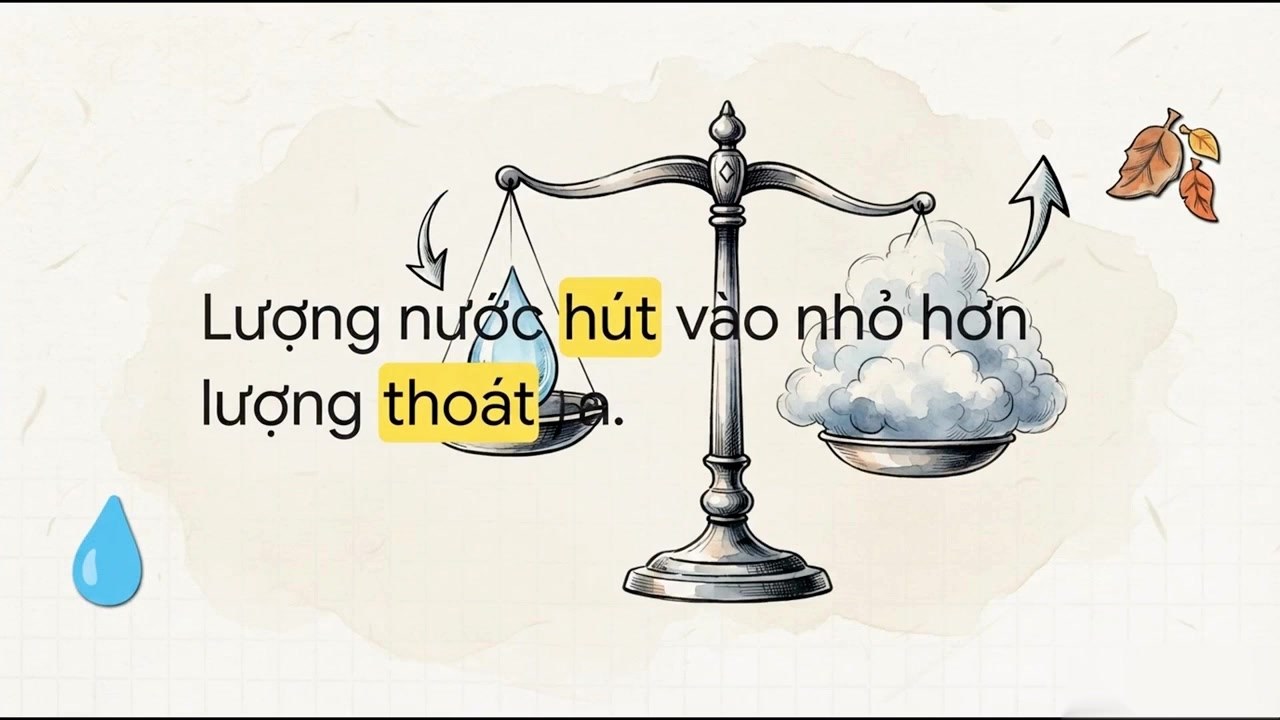
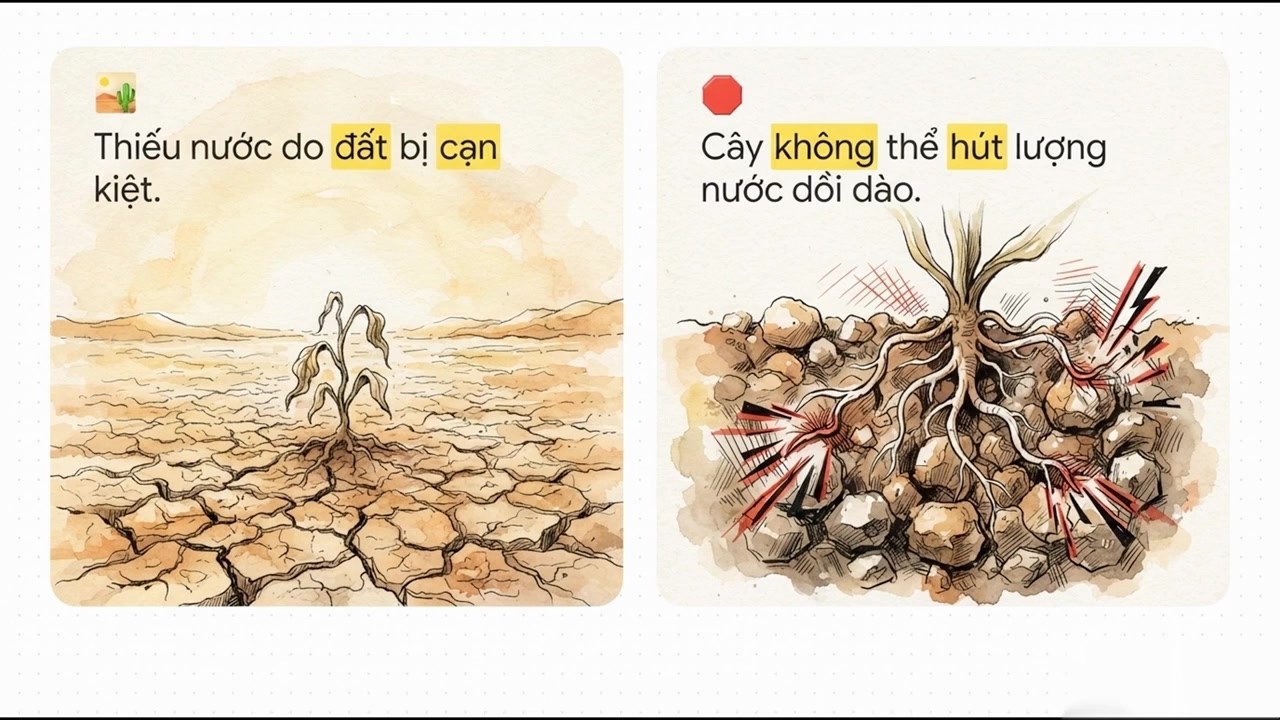
Drought occurs whenever a plant suffers a severe water imbalance, specifically when root water absorption falls below foliar transpiration:
When this balance breaks, plant cells lose turgor pressure, causing leaves and tender stems to collapse and wilt.
Plant physiology classifies drought into three distinct categories:
| Drought Type | Direct Cause | Key Field Indicators | Direct Remedy |
|---|---|---|---|
| Soil Drought | The soil is genuinely depleted of available moisture (drought stress) | Dry, cracked substrate; pot feels very light | Deep watering quickly restores turgor |
| Atmospheric Drought | Excessively low air humidity and hot dry winds drive transpiration beyond normal uptake | Typically appears on scorching, arid afternoons even with functional roots | Increase ambient humidity, provide temporary shade |
| Physiological Drought | The plant's own physiological state prevents roots from absorbing water, even though ample usable water is present in the soil | Soil is moist, waterlogged, or heavily fertilized, yet the plant wilts severely | Adding more water is completely ineffective; must fix the underlying physical or chemical root-zone barrier |
2. Three Environmental Factors Governing Root Water Absorption
Root water uptake is controlled by three critical soil environmental factors: soil temperature, soil solution concentration, and soil oxygen concentration.

2.1. Soil Temperature
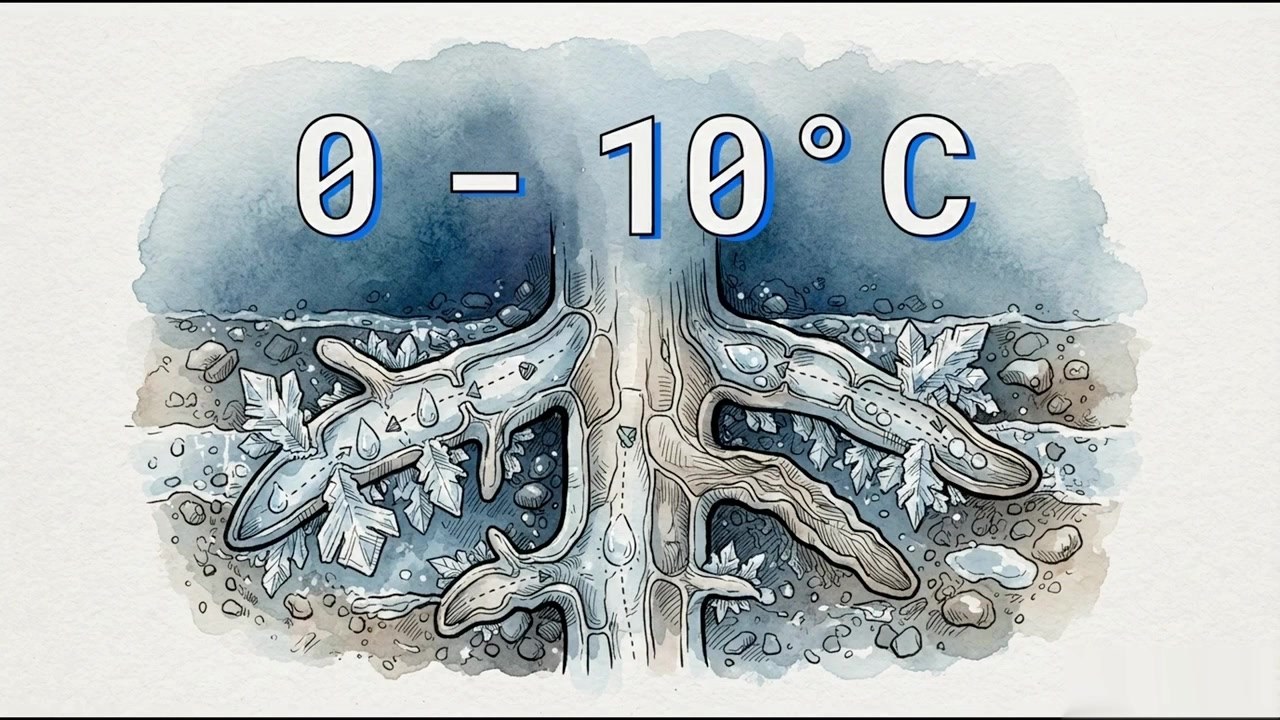
Soil temperature exerts a dual effect on both the physiological activity of root cells and the physical movement rate of water into the root. As soil cools, absorption slows dramatically. When soil temperatures drop too low—typically into the 0–10°C range—roots lose nearly all capacity to take up water. Meanwhile, above-ground shoots and leaves continue transpiring into the atmosphere, shattering water balance and triggering wilting.
2.2. Soil Solution Concentration
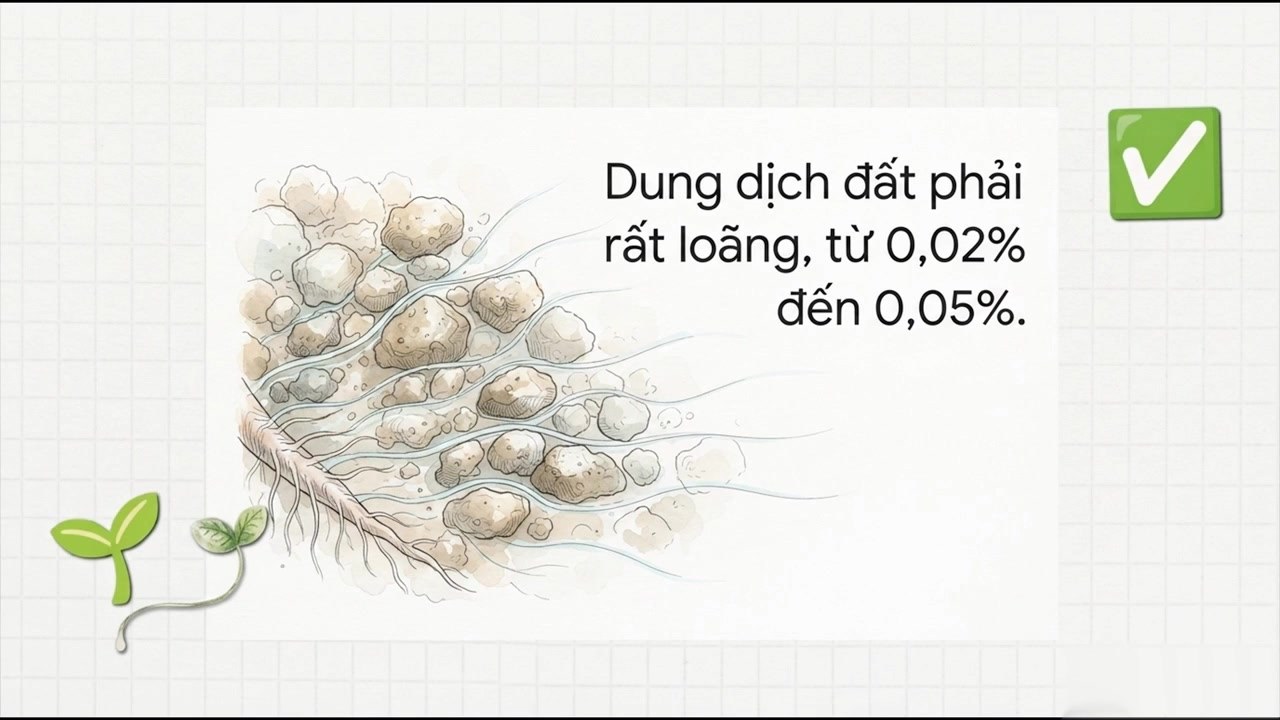
Fundamentally, root water uptake is a biological osmotic process: water moves from a region of higher water potential (dilute soil solution) into a region of lower water potential (root cell sap with higher solute concentration).
- For smooth water absorption, the soil solution must remain dilute, ideally in the range of 0.02% – 0.05%.
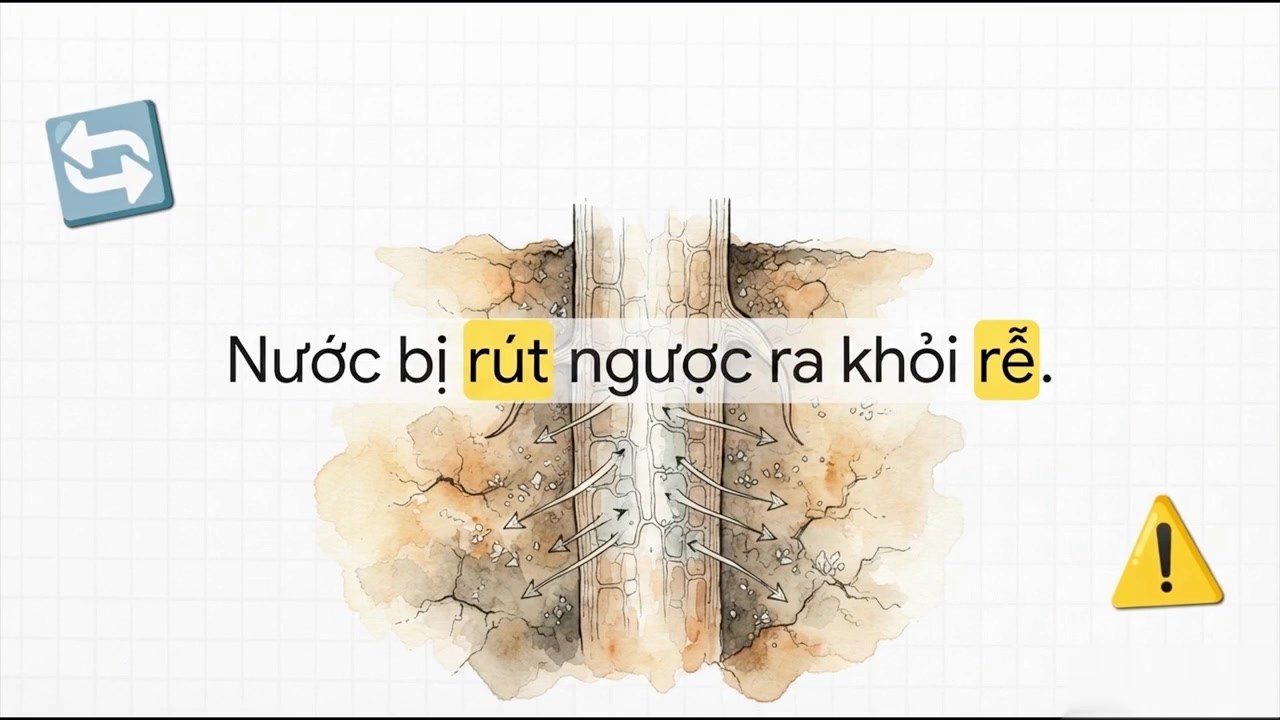
- If soil solution concentration rises too high (causing soil osmotic pressure to exceed root cell osmotic pressure), not only can the root fail to absorb water, but water is actively drawn out of root cells back into the soil, triggering acute physiological drought.
2.3. Soil Oxygen Concentration
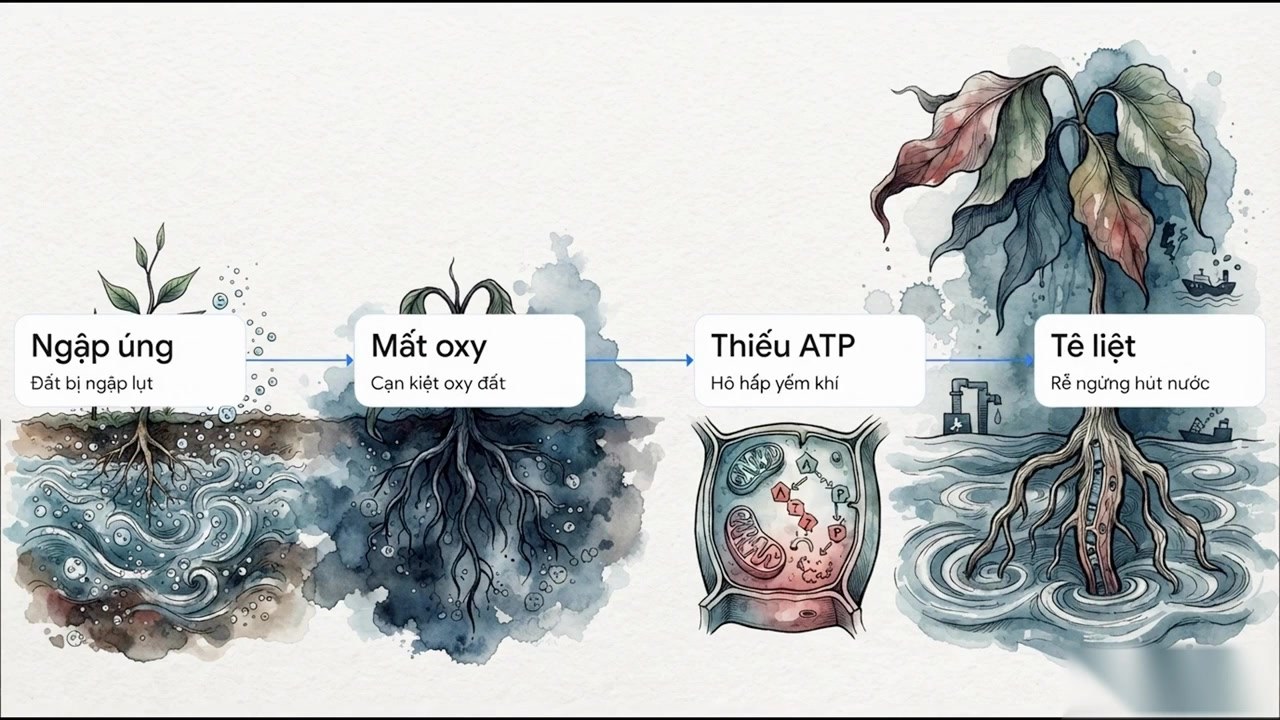
Active water absorption requires metabolic energy (ATP) generated through aerobic respiration in root cells. When soil oxygen drops too low, roots become hypoxic and are forced into anaerobic respiration. Anaerobic metabolism produces far too little ATP to sustain active water transport, leaving the root system unable to supply the canopy.
3. The Three Primary Causes of Physiological Drought
Physiological drought develops whenever root absorption is impaired or paralyzed by one of three adverse soil conditions:
3.1. Excessively Low Soil Temperature (Severe Cold Snaps)
During winter freezes or prolonged cold snaps, soil temperatures of 0–10°C paralyze roots through two simultaneous mechanisms:
- Increased physical resistance: Both water viscosity and the viscosity of root-cell protoplasm spike sharply, creating massive physical drag against water movement across cell membranes.
- Suppressed root respiration: Cold strongly inhibits respiratory enzymes inside root cells, starving the root of the ATP required for active water uptake.
Real-world example: Spring rice seedlings in northern Vietnam frequently wilt and die during severe cold spells despite standing in flooded fields—a textbook case of cold-induced physiological drought. Outdoor potted roses suffer similar shoot wilting and stalled growth during deep winter cold fronts paired with dry winds.
3.2. Severely Low Soil Oxygen (Waterlogging)
When soil suffers prolonged waterlogging—especially destructive for aeration-loving terrestrial plants like roses—standing water displaces all air and oxygen out of soil pores.
- Roots enter an anaerobic state, lose aerobic ATP production, and become unable to take up water, leading to wilting and secondary root rot.
- The deadliest scenario: If intense sunlight breaks out immediately after heavy rain or flooding, leaf transpiration skyrockets while roots remain suffocated and paralyzed. This extreme mismatch makes physiological drought catastrophic and can kill a plant within a single hot afternoon.
3.3. Excessively High Soil Solution Concentration (Salinity and Over-Fertilization)
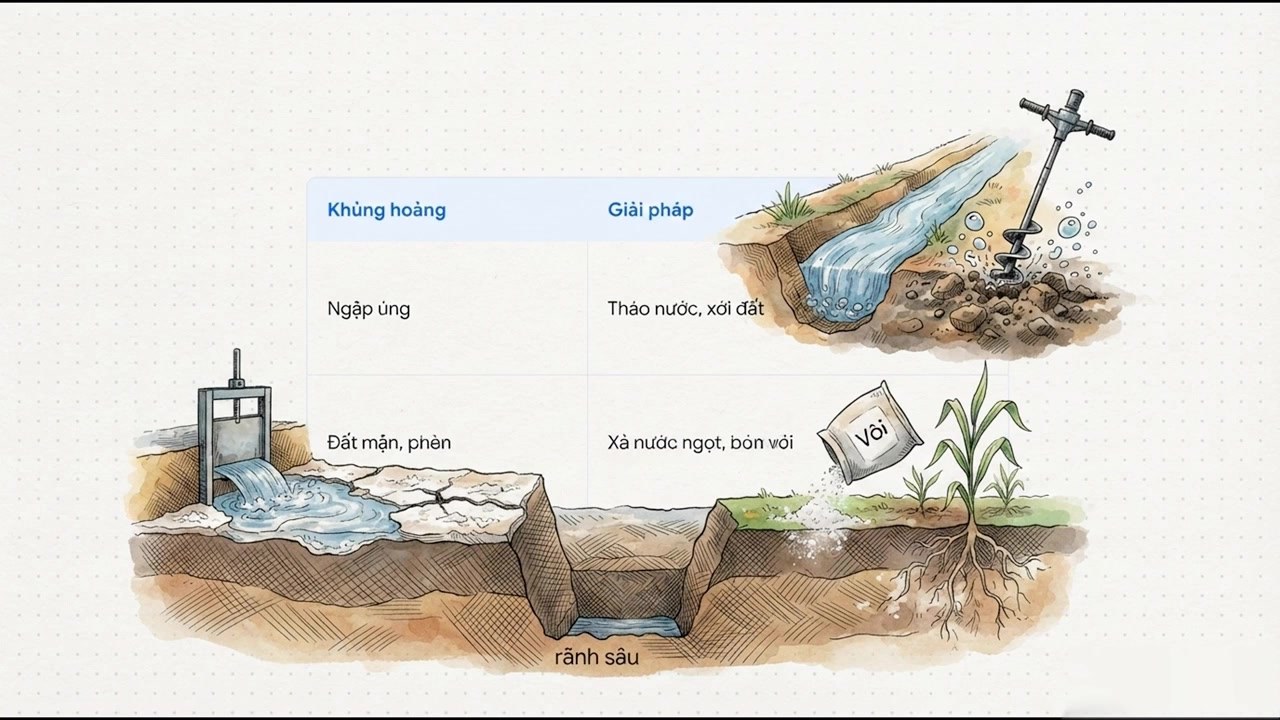
When dissolved salts or fertilizers push soil solution concentration above root cell sap concentration, soil water potential drops below root water potential. Water flows in reverse—out of the roots into the soil, causing plasmolysis and root cell death.
Two classic real-world scenarios:
- Saltwater intrusion: Saline water entering fields or salty irrigation sources causes crops to wilt and desiccate rapidly even in wet ground.
- Heavy chemical fertilizer dumped near the root crown: Concentrated chemical fertilizer applied too close to the base triggers acute fertilizer burn. At seeding, excess fertilizer concentration even prevents seeds from imbibing water to germinate.
4. Technical Solutions to Resolve Physiological Drought
First and foremost: unlike soil drought or atmospheric drought (fixed by watering or misting), simply watering more has zero benefit in physiological drought—and makes hypoxic root damage far worse when waterlogging is the culprit.
True recovery requires directly eliminating the physical or chemical barrier blocking root uptake:
4.1. Resolving Low Soil Oxygen (Waterlogging)
- Drain immediately: Clear blocked drainage holes, raise pot bottoms off wet ground, or open drainage channels in garden beds and fields.
- Restore soil aeration and oxygen: Prepare friable soil thoroughly before planting; cultivate and break surface crusts after heavy rains to let air re-enter the root zone; aerate compacted beds; or run continuous aeration in hydroponic systems.
- For potted roses: Repot into airy, fast-draining media (rice hull charcoal, perlite/pumice, buffered coco coir) and provide light shade after heavy rainstorms so sun-driven transpiration does not overwhelm recovering roots.
4.2. Resolving High Soil Solution Concentration (Salinity, Acid Sulfate, Fertilizer Shock)
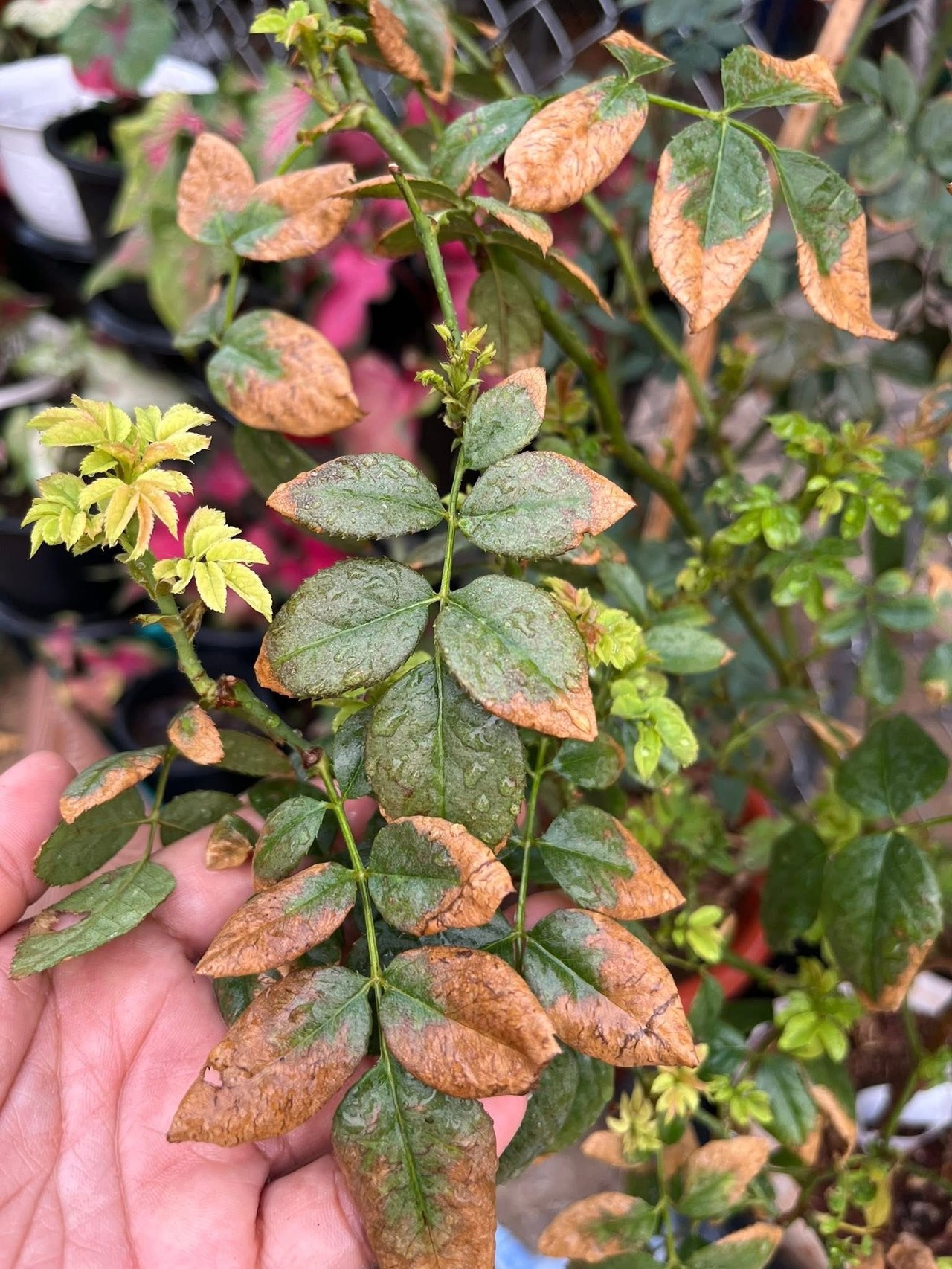
- Flush with fresh water to dilute salts: Flood fields with fresh water to leach salts and acidity—or flush potted roses thoroughly with clean water until runoff clears—rapidly lowering soil osmotic pressure.
- Install deep drainage trenches: Use deep leaching ditches in saline or acid-sulfate soils to wash toxic ions down out of the upper root zone.
- Apply agricultural lime and phosphorus appropriately: Neutralize soil acidity, correct soil pH imbalance, and restore favorable conditions for root nutrient and water uptake.
4.3. Resolving Low Soil Temperature (Severe Cold)
- Time planting and pruning wisely: Schedule sensitive growth stages outside peak winter freeze windows.
- Use physical cold protection: Install plastic tunnels or frost covers (as used for spring seedlings) and mulch potted rose crowns to insulate roots from freezing night winds.
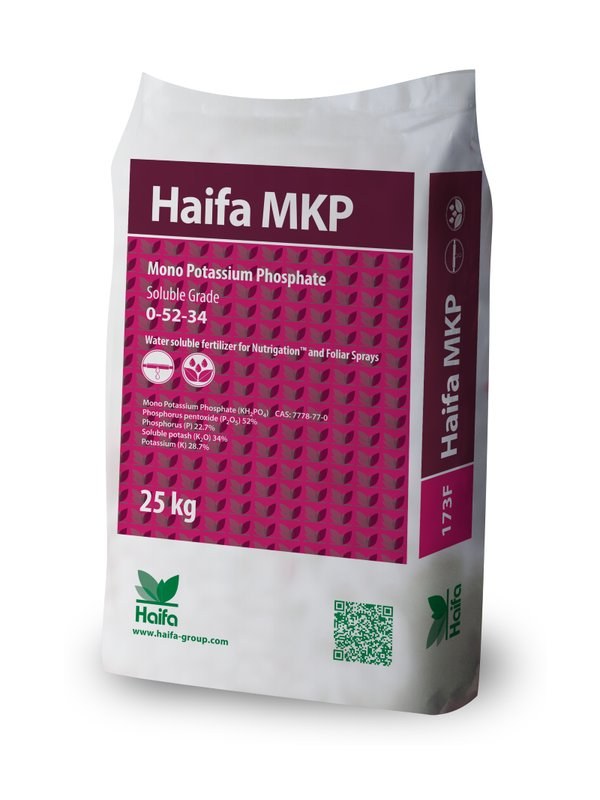
- Supplement wood ash or potassium dihydrogen phosphate (): Applying potassium-rich wood ash or spraying dilute (such as MKP 0-52-34 at labeled rates) helps lower the viscosity of root-cell protoplasm, sustaining cellular metabolism and improving cold tolerance.
4.4. Long-Term Genetic Selection and Breeding
As a durable long-term strategy, selecting and breeding resilient cultivars and rootstocks adapted to physiological drought stressors—such as cold-tolerant, salt-tolerant, or hypoxia-tolerant root systems—remains the most sustainable defense against increasingly extreme weather events.