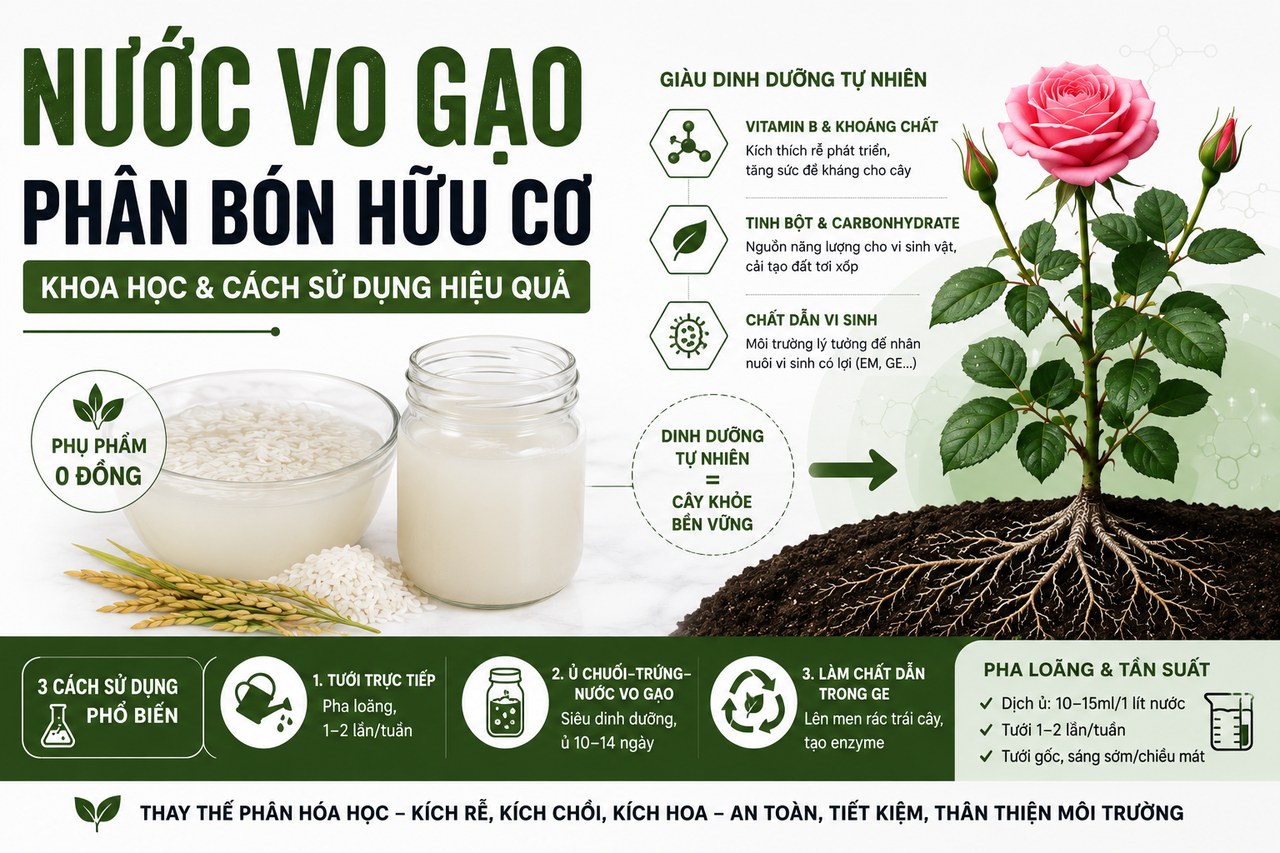
Used coffee grounds are far more than morning kitchen waste—organic gardeners prize them as abundant, low-cost "green gold" packed with plant-available nutrition. When properly composted or fermented, coffee grounds supply steady organic nitrogen for roses while improving soil tilth and nourishing beneficial soil life.
This guide explores the nutrient profile of coffee grounds, why roses thrive on them, 3 safe processing and application methods, exact dosing ratios, and critical precautions to prevent crusting and root-damaging mold.
1. Nutrients and Soil Benefits of Coffee Grounds
Coffee grounds deliver a well-rounded blend of macronutrients, trace minerals, and organic matter ideal for container-grown ornamentals:
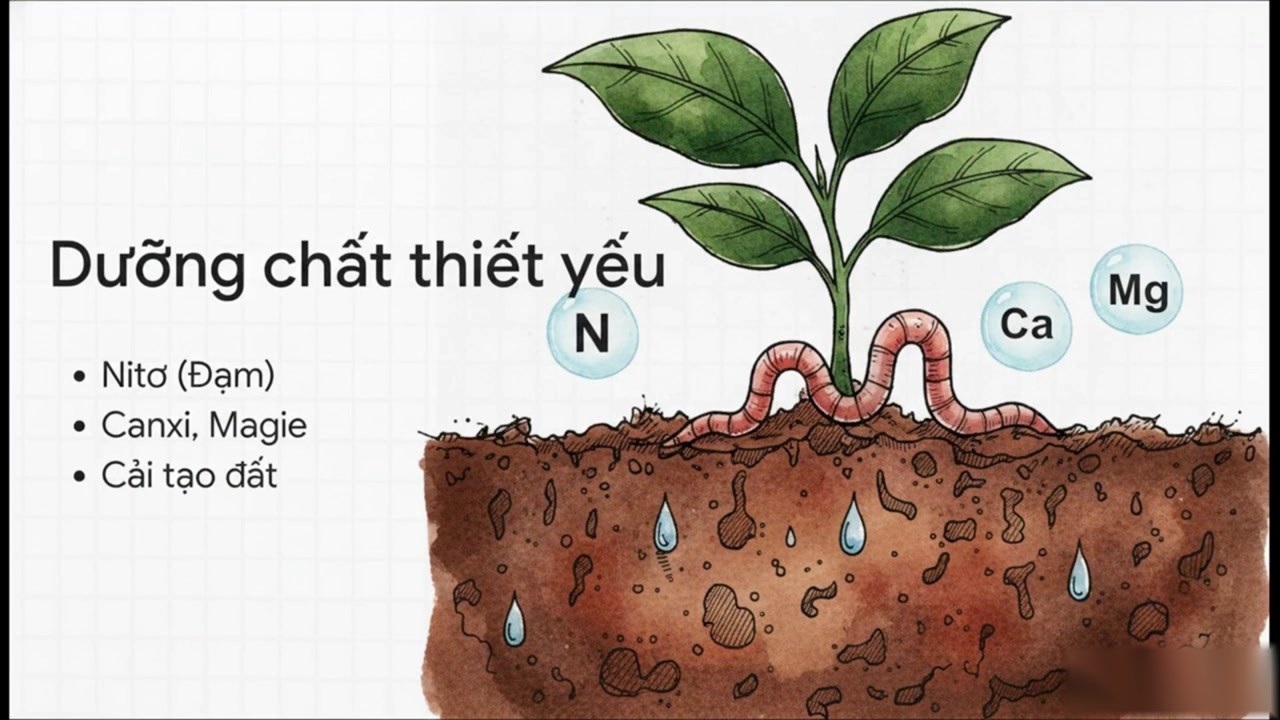
- Nitrogen (N) – The headline nutrient: Coffee grounds contain a high concentration of organic nitrogen, which drives vigorous stem, leaf, and shoot growth—helping roses build a full canopy and sturdy structural canes. Regular composted applications help prevent nitrogen deficiency (pale yellowing older leaves and stunted shoots).
- Bioavailable Secondary & Trace Minerals: Supplies Calcium (Ca), Magnesium (Mg), Potassium (K), Iron (Fe), and Copper (Cu) in accessible forms. These elements fuel photosynthesis, cellular respiration, and chlorophyll synthesis—keeping foliage lush and helping guard against calcium deficiency, magnesium deficiency, and iron deficiency.
- Soil Structure Improvement: Once fully composted, coffee humus loosens dense potting mixes, balances water retention, and creates a thriving habitat for earthworms and beneficial native microorganisms.
2. Ideal Growth Stages and Why Roses Love Coffee Grounds
Coffee grounds are most impactful when matched to the right growth phase and plant preference:
- Vegetative leaf- and shoot-building stage: Because of their high nitrogen content, composted coffee grounds shine while roses are actively growing new foliage, rebuilding after pruning, or pushing fresh basal canes.
- Natural synergy with roses: Roses thrive in mildly acidic soil. Coffee grounds support a gently acidic root-zone environment, maximizing iron and micronutrient availability and helping prevent soil pH imbalance.

3. Three Safe Methods to Turn Coffee Grounds into Rose Fertilizer
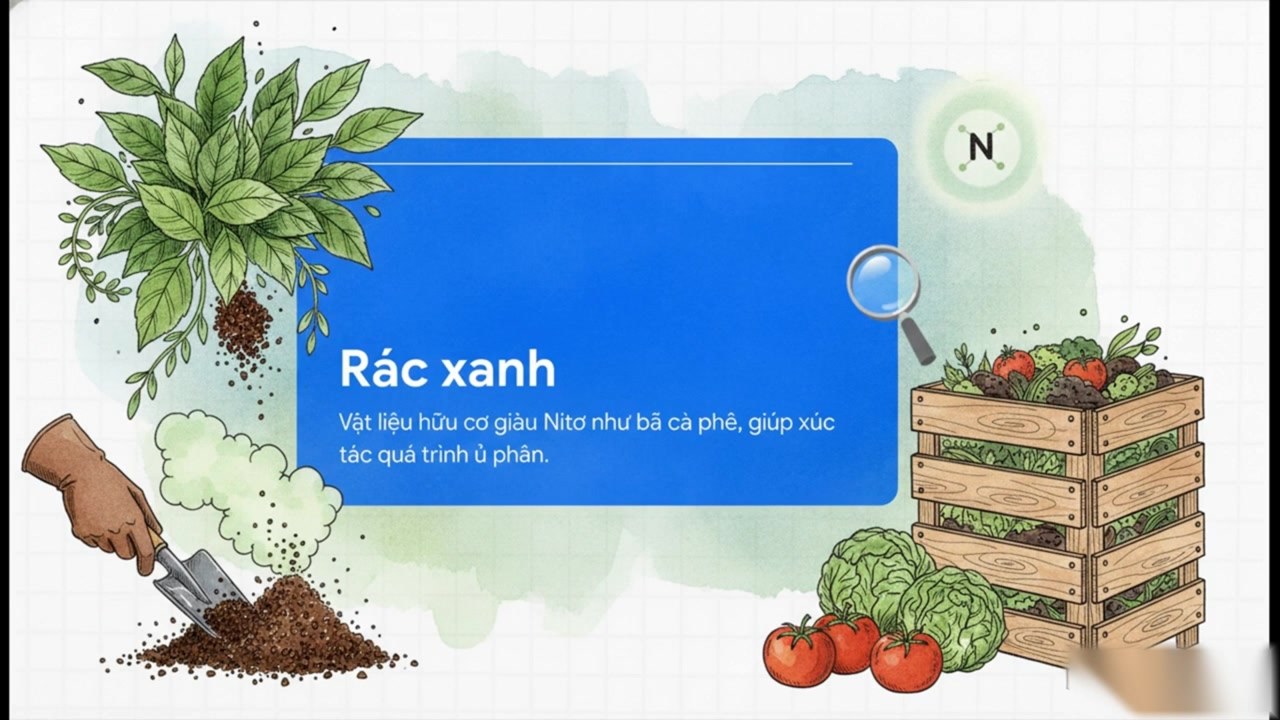
In composting science, coffee grounds are classified as "Green Waste" (nitrogen-rich)—acting as a biological accelerator in compost piles. Used carelessly, however, they can mat down and grow mold. Follow one of these 3 proven methods:
Method 1: Aerobic Composting – Most Popular and Safest
- Mixing ratio: 1 part coffee grounds (green waste) : 2–3 parts brown waste (dry leaves, shredded unprinted cardboard, or untreated sawdust).
- Process: Alternate layers of green and brown materials in an aerated compost bin, keeping moisture like a wrung-out sponge. Adding 2–3× carbon-rich brown waste keeps the pile airy, prevents clumping, and eliminates sour anaerobic odors.
- Composting time: 1–2 months (with periodic turning) until the finished compost turns dark brown, crumbly, and smells like fresh forest earth.

Method 2: Liquid Nutrient Brew (Fermented Coffee Ground Tea)
Ideal for container rose growers who want a fast-acting liquid organic nitrogen feed:
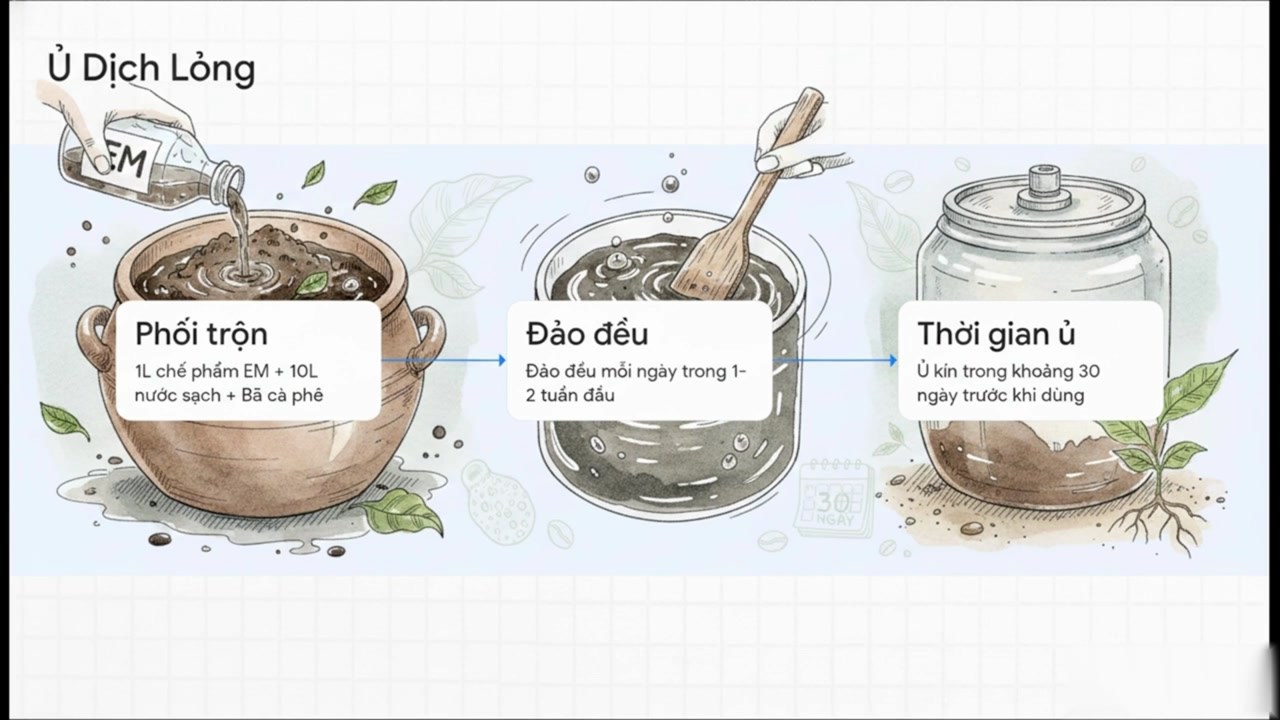
- Formula: 1 liter EM microbial inoculant (or molasses) + 10 liters clean water + Coffee grounds (optionally add a handful of rice bran to boost microbial activity and micronutrients).
- Process: Combine in a covered drum (leaving a loose seal for gas venting) and stir daily during the first 1–2 weeks.
- Fermentation time: Ready to strain and dilute after approximately 30 days.
Method 3: Direct Surface Dressing (Use with Caution)
- Spread only a very thin layer of air-dried coffee grounds across the soil surface, then lightly scratch and blend it into the topsoil.
- Warning: Never pile thick layers of fresh, wet grounds around the rose crown. Fine particles fuse into a water-repellent crust that blocks oxygen, breeds surface mold, and increases the risk of root rot.

4. Dosage, Frequency, and Application Guide
Follow these proven dilution and blending rates for healthy, steady rose growth:
| Fertilizer Form | Standard Ratio / Dose | Application Method |
|---|---|---|
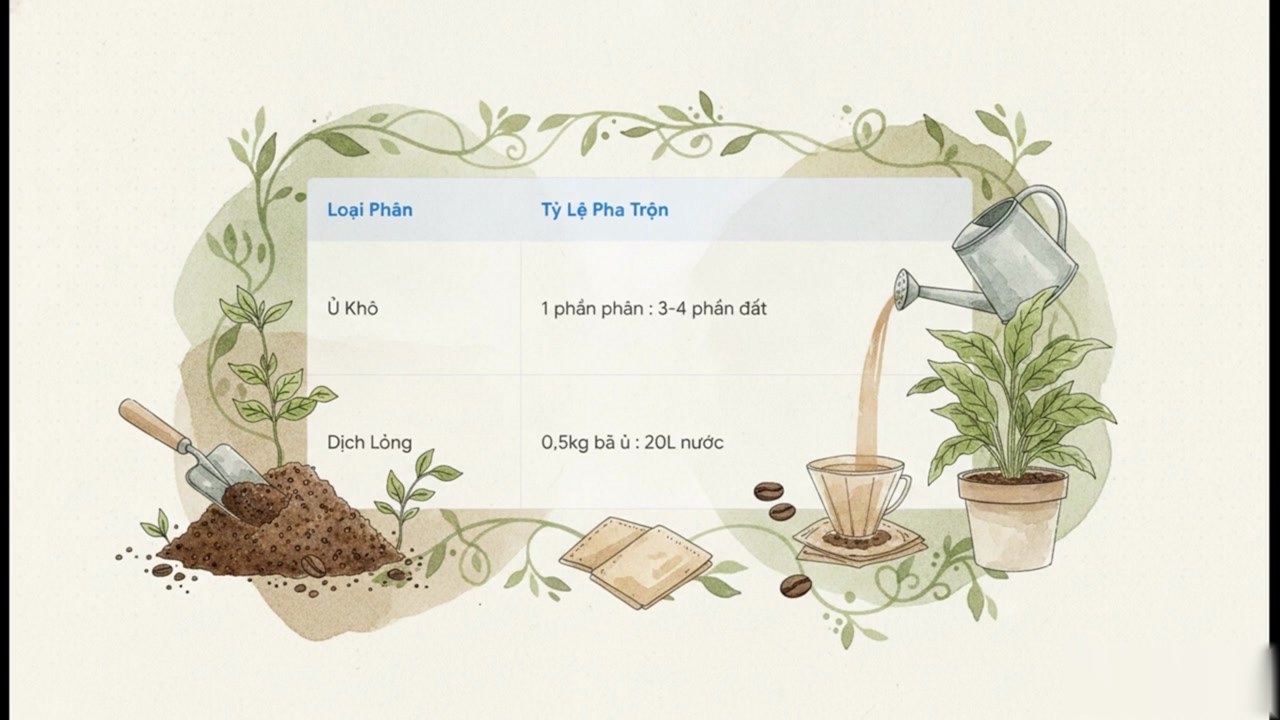
| Dry Composted Grounds | 1 part compost : 3–4 parts soil (base mix) | Blend when potting, or top-dress a 2–3 cm layer around the root zone for maintenance feeding. |
| Fermented Liquid Tea | 0.5 kg fermented grounds diluted in 20 liters water | Drench the root zone in early morning or cool late afternoon. |
| Frequency | 1–2 times per week | Adjust based on shoot vigor and seasonal growth rate. |
5. Replacing Synthetic Fertilizers and Key Precautions
Properly processed coffee grounds can effectively replace two common chemical inputs:
- Synthetic Nitrogen Fertilizers (such as Urea): Releases gentle, sustained nitrogen without salt buildup, avoiding fertilizer burn and preventing soil hardening.
- Synthetic Foliage Boosters: Natural nitrogen paired with Ca, Mg, Fe, and Cu supports balanced chlorophyll production without forcing weak, pest-prone soft growth.

Critical Storage & Composting Note: Never use soggy, stagnant coffee grounds that have sat in standing water—they quickly turn sour and attract flies and fungus gnats. Always balance coffee grounds with sufficient carbon-rich brown materials to produce clean, odor-free, high-grade organic fertilizer.