Roses are stunning garden centerpieces, yet they frequently attract sap-sucking pests (aphids, mealybugs, spider mites) and stubborn foliar fungi. Instead of spraying harsh synthetic pesticides on balconies and home patios, you can transform everyday orange, lemon, and pomelo peels into potent, eco-friendly organic biopesticides.
This guide explains the science behind citrus-peel bioactives, details 4 proven homemade recipes, outlines their effectiveness against specific rose pests and diseases, and highlights 5 critical safety rules to prevent leaf scorch and soil pH crashes.
1. The Science Behind Citrus-Peel Bioactivity
Citrus peels are packed with secondary plant metabolites that deliver strong insecticidal, repellent, and antifungal action:
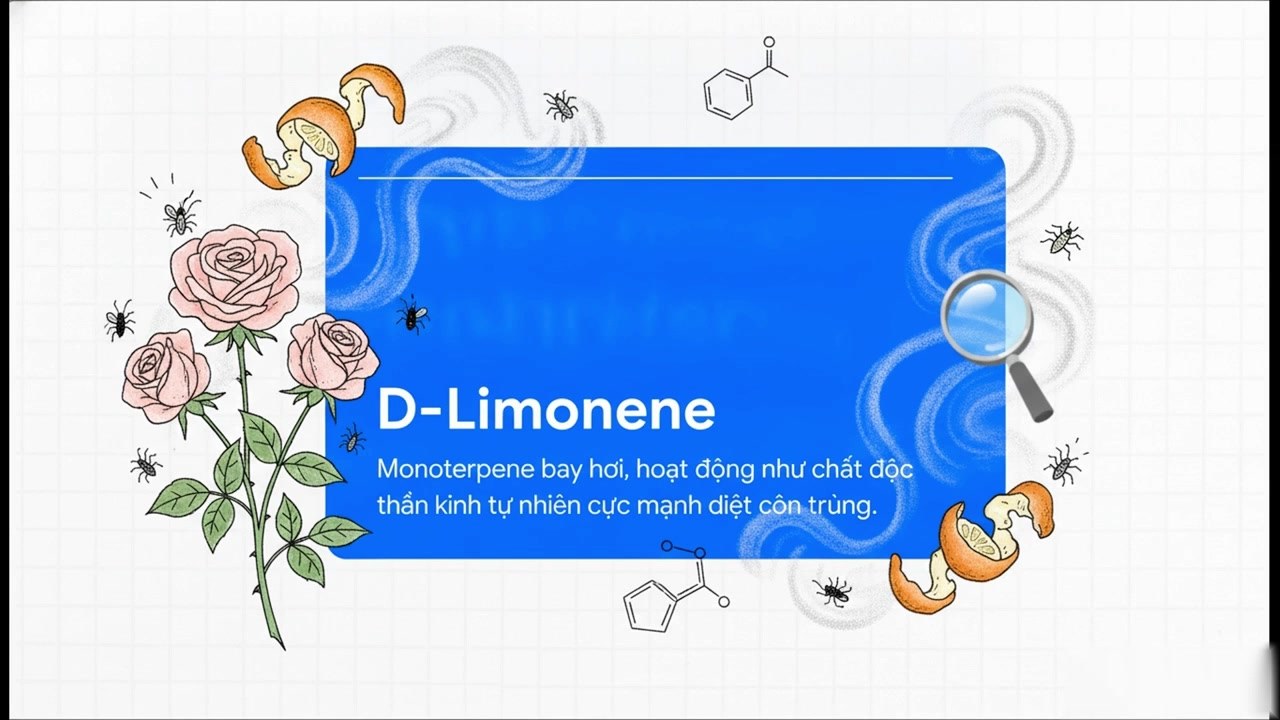
D-Limonene (Monoterpene)
The primary active compound in citrus peel essential oil attacks garden pests through two complementary pathways:
- Contact insecticidal action: D-Limonene acts as a natural neurotoxin to insects. On direct contact, it dissolves and strips away the protective waxy cuticle of soft-bodied pests, causing rapid dehydration, suffocation, and death.
- Repellent action (pheromone disruption): Highly volatile with a sharp citrus aroma, D-Limonene disrupts pheromone trail detection in ants and scouting insects, stopping ants from climbing canes and farming aphids on tender rosebuds.
Polyphenols and Flavonoids (Hesperidin, Narirutin)
- Natural antifungal defense: Citrus peels are rich in flavonoids such as hesperidin and narirutin, which inhibit fungal mycelial growth and block spore germination by altering fungal cell wall structure.
- This makes citrus preparations valuable preventive aids against two of the most common rose fungal diseases: black spot and powdery mildew.
2. Four Homemade Citrus-Peel Biopesticide Recipes
Choose the formulation that best fits your garden setup and pest pressure:
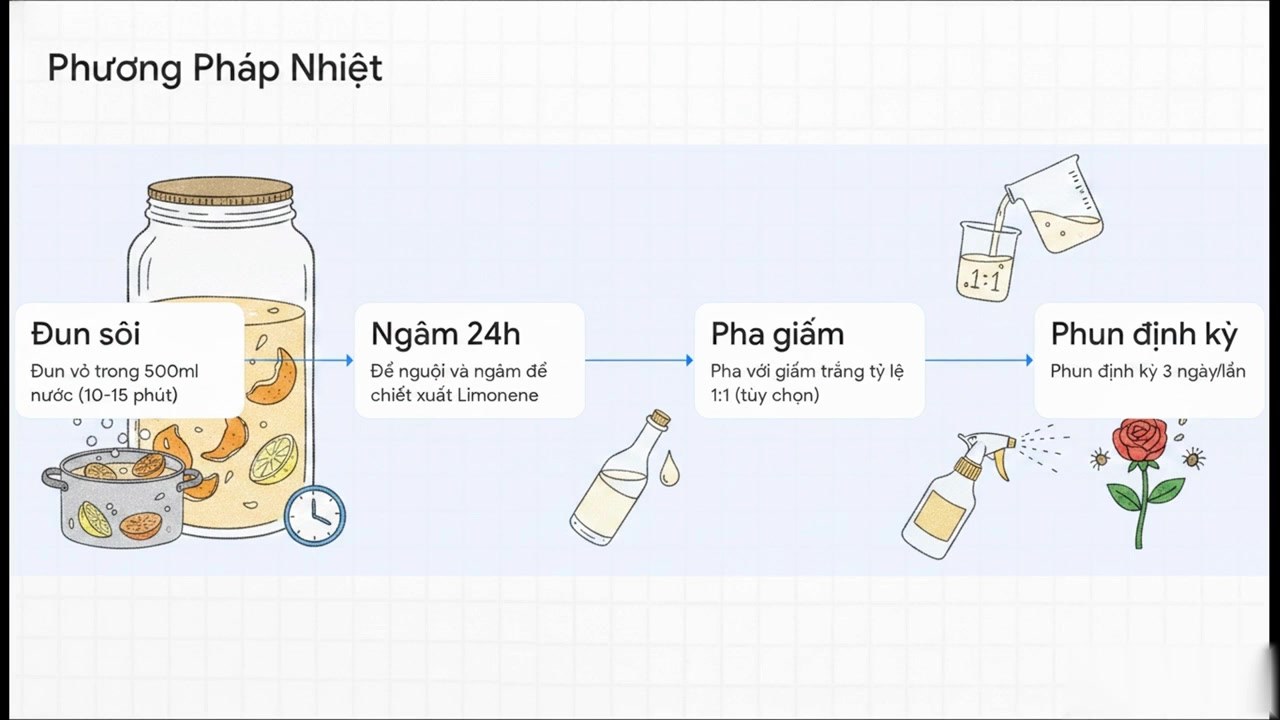
Formula 1: Citrus Peel Decoction (Heat Extraction – Fast & Easy)
- Ingredients: Peels from 2–3 large oranges, lemons, or pomelos + 500 mL clean water.
- Preparation:
- Boil the peels in 500 mL water for 10–15 minutes to release essential oils.
- Remove from heat, let cool, and steep for at least 24 hours for maximum D-Limonene extraction.
- Strain out solids. To boost knockdown power, you may mix the strained extract 1:1 with white vinegar.
- Application & frequency: Spray directly onto colonies of aphids, mealybugs, red spider mites, or ants. Repeat every 3 days until pests are completely gone.
Formula 2: Dried Citrus Peel Powder Spray (Consistent Potency)
- Ingredients: Lemon or orange peels completely sun-dried or dehydrated, then ground into a fine powder.
- Preparation: Mix 1 tablespoon of dried peel powder into 500 mL clean water and shake the spray bottle vigorously to disperse evenly.
- Application: Spray directly onto infested foliage or around the garden perimeter as a preventive barrier.
- Advantage: Dried powder preserves active compounds far longer and guarantees consistent concentration every batch.
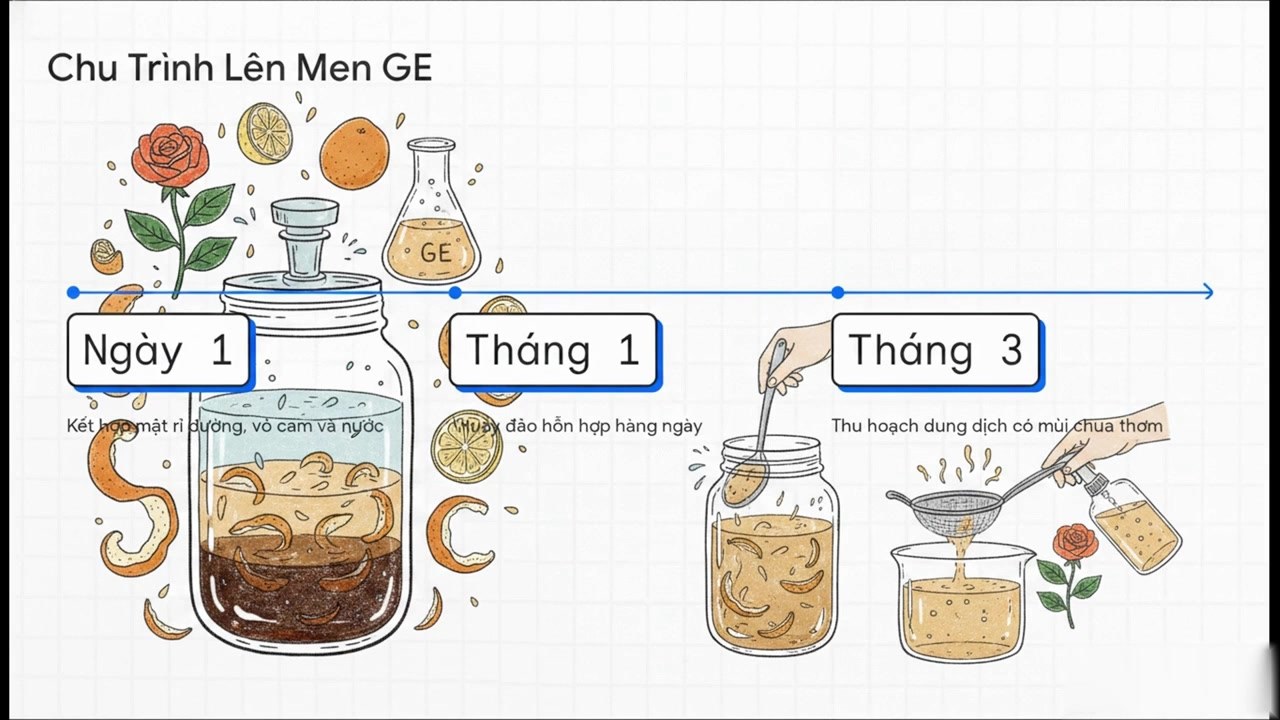
Formula 3: Citrus Garbage Enzyme (GE – 3-Month Bio-Ferment)
- Ingredients (1 : 3 : 10 Golden Ratio): 1 part sugar (or molasses) + 3 parts citrus peels + 10 parts clean water.
- Fermentation process:
- Combine in a wide-mouth sealed plastic container, leaving at least 1/4 headspace for fermentation gas.
- Stir daily during the first month to vent gas and accelerate clean fermentation.
- Harvest after 3 months, once the clear liquid develops a pleasant sweet-tangy aroma.
- Application: Dilute GE with clean water at 1:500 to 1:1000 for foliar spraying or root drenching.
- Dual benefit: Repels insect pests while enriching potting soil with beneficial microbes and nutrients (Nitrogen, Potassium, Magnesium).
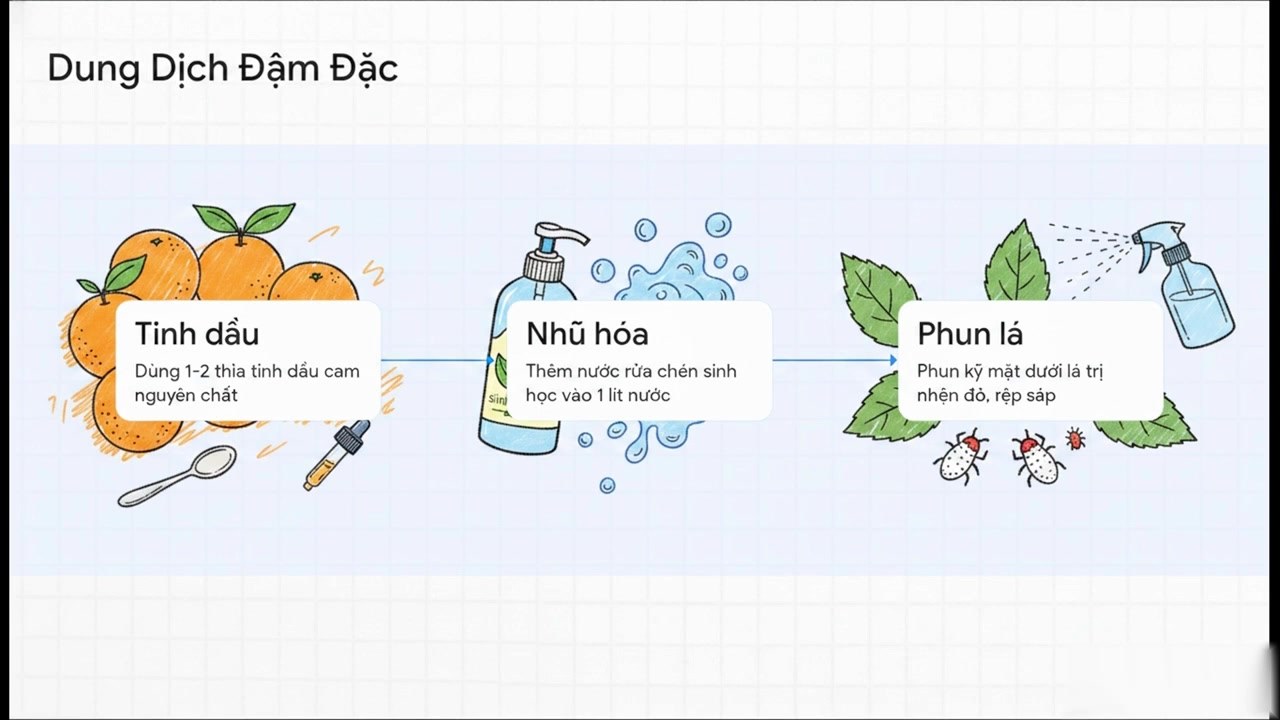
Formula 4: Emulsified Citrus Oil Concentrate (Targeted Mite & Mealybug Control)
- Ingredients: Pure orange essential oil (high D-Limonene concentration) + emulsifier (biodegradable dish soap).
- Preparation: Mix 1–2 teaspoons of orange oil into 1 liter of clean water, add a few drops of biodegradable dish soap, and shake thoroughly so the oil emulsifies completely (preventing oil slicks that burn leaves).
- Application: Spray thoroughly across leaf undersides, where red spider mites and mealybugs congregate.
3. Target Pest and Disease Effectiveness
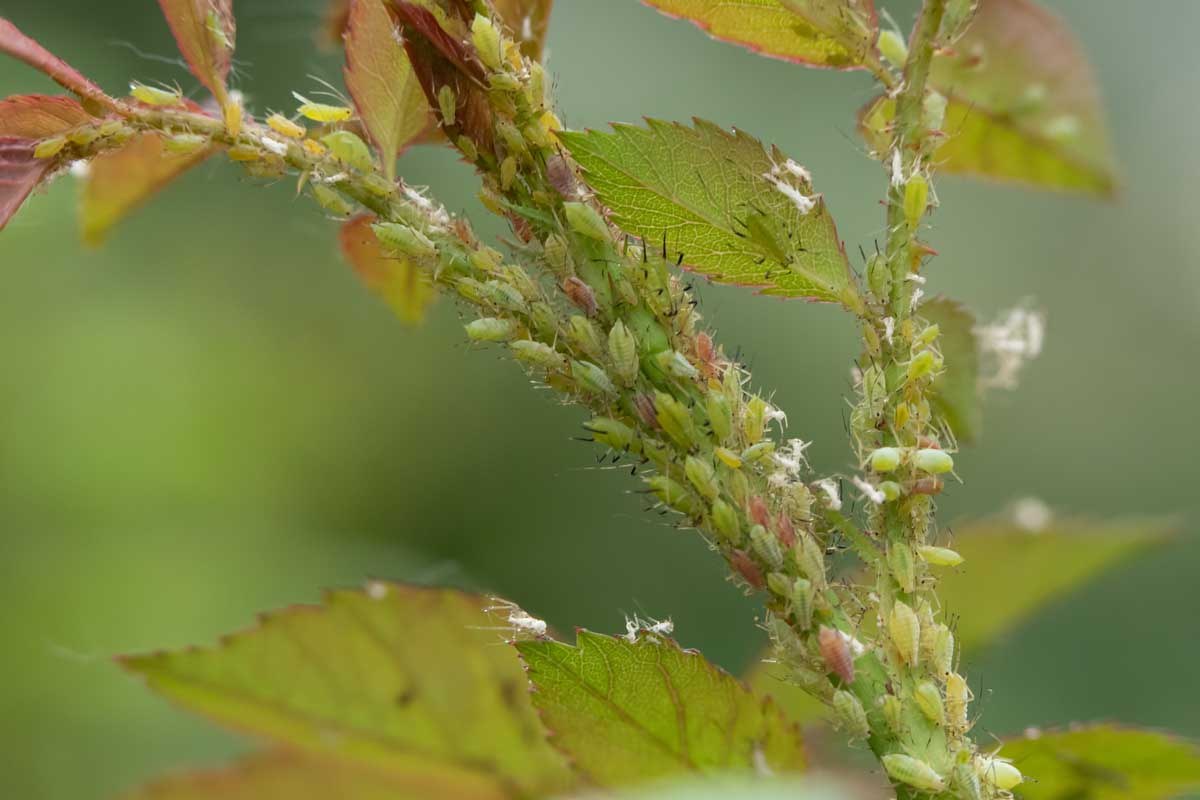
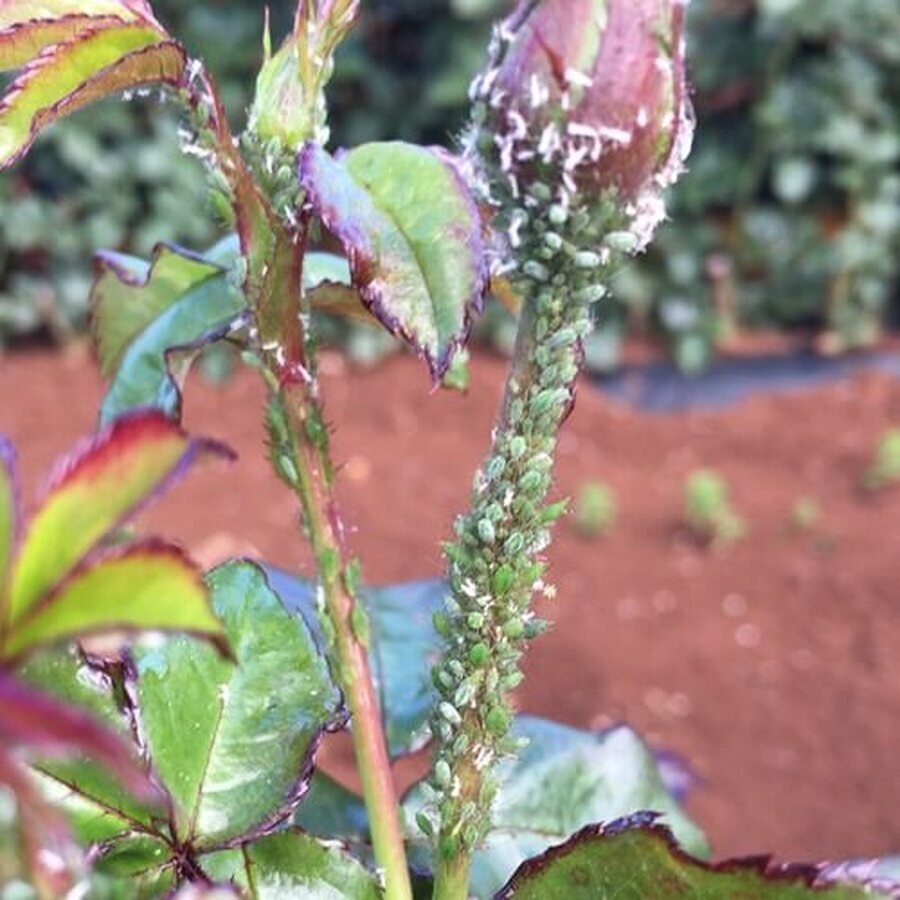
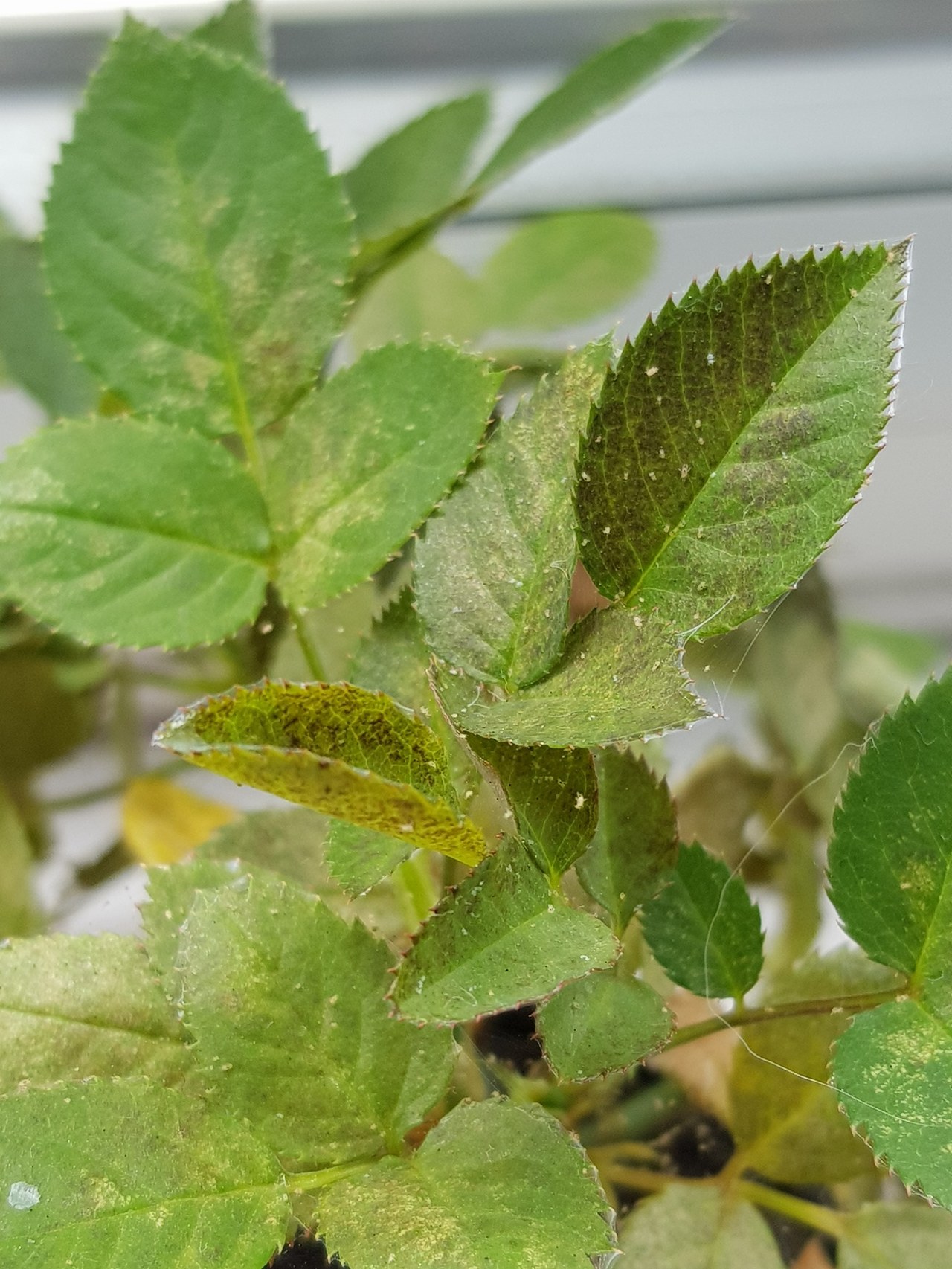
- Aphids (Aphids), Mealybugs (Mealybug), and Spider Mites (Red Spider Mite): D-Limonene dissolves waxy protective coatings on contact, causing rapid suffocation and dehydration.
- Ants: Spraying pot rims, stands, and trails erases pheromone paths, stopping ants from farming aphids onto rosebuds.
- Snails and Slugs: Invert hollowed-out orange or pomelo peel halves on the soil at dusk as natural traps. Attracted by the fermenting citrus scent, slugs and snails crawl inside for shelter and can be collected easily the next morning.
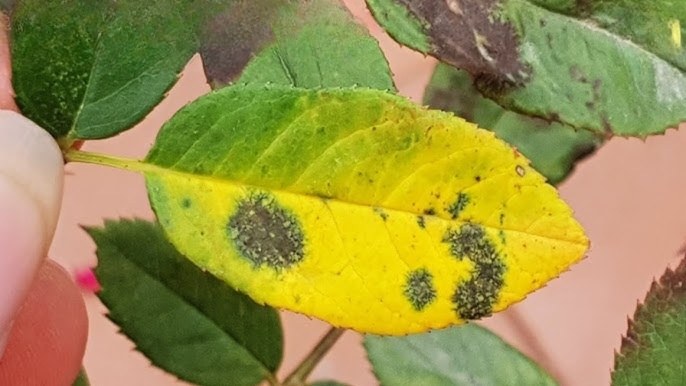
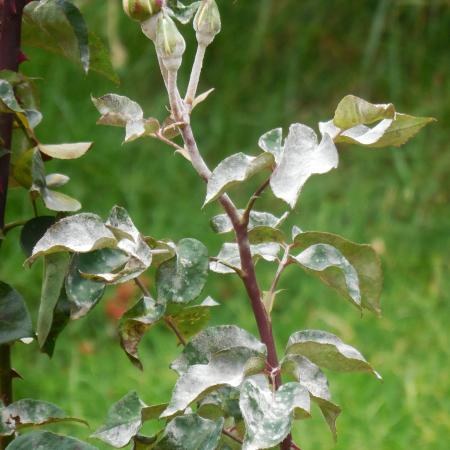
- Foliar Fungi: Citrus polyphenols and flavonoids inhibit spore germination, helping suppress black spot and powdery mildew during humid weather.
4. Five Critical Safety Rules to Prevent Phytotoxicity and Soil Acidification
Natural does not mean risk-free—citrus essential oils are biologically intense. Strictly follow these 5 safety precautions:
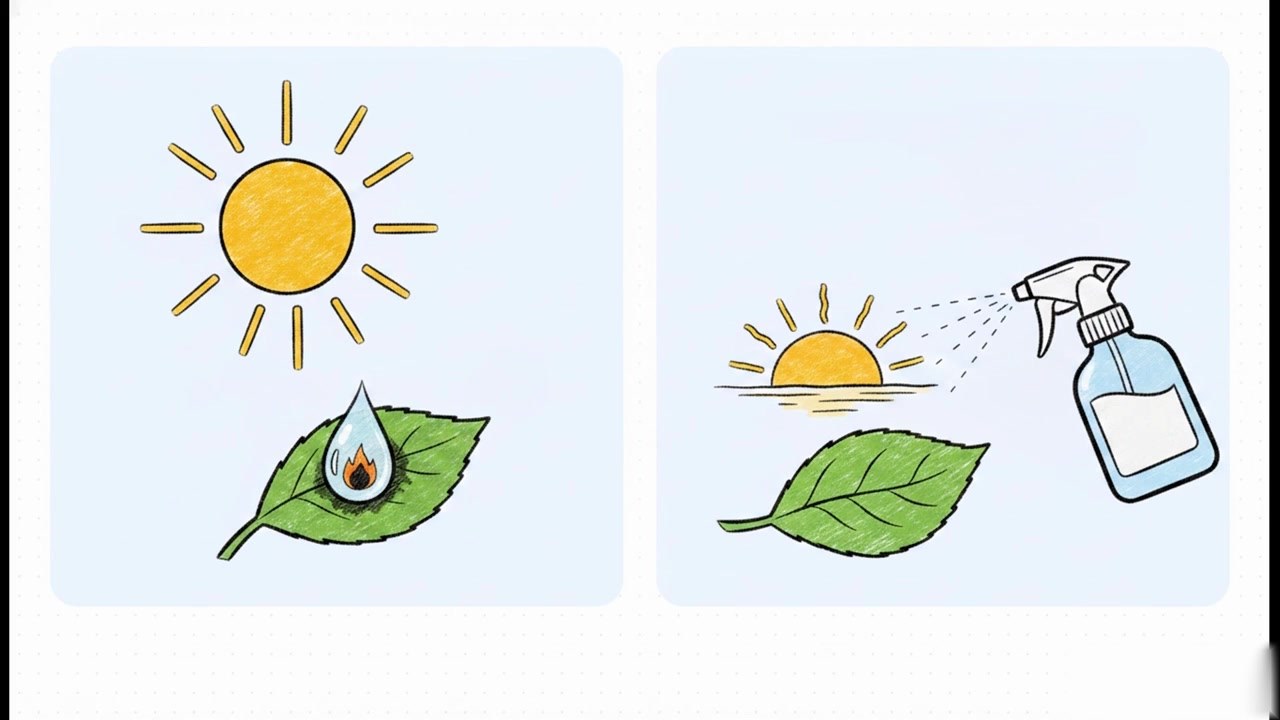
- Avoid direct harsh sunlight: Spray only in the early morning or cool late afternoon. Under bright midday sun, oil droplets act like tiny magnifying lenses that cook leaf cells, triggering severe phytotoxicity similar to sunburn.
- Patch-test for 24 hours first: Always test-spray 1–2 leaves and observe for 24 hours before treating your entire rose collection.
- Respect plant age and hydration: Never spray young seedlings under 15 cm tall or bushes wilting from drought stress—tender cuticles and dehydrated cells burn easily.
- Never bury large quantities of fresh peels at the roots: Decomposing fresh citrus peels can crash soil pH from neutral to strongly acidic in just 72 hours, causing soil pH imbalance, root shock, or root death. Always chop and compost peels or ferment them into GE before applying to soil.
- Rinse foliage afterward: Roughly 6–8 hours after spraying (or the following morning), lightly mist leaves with plain water to wash off residual oil film and keep leaf stomata breathing freely.