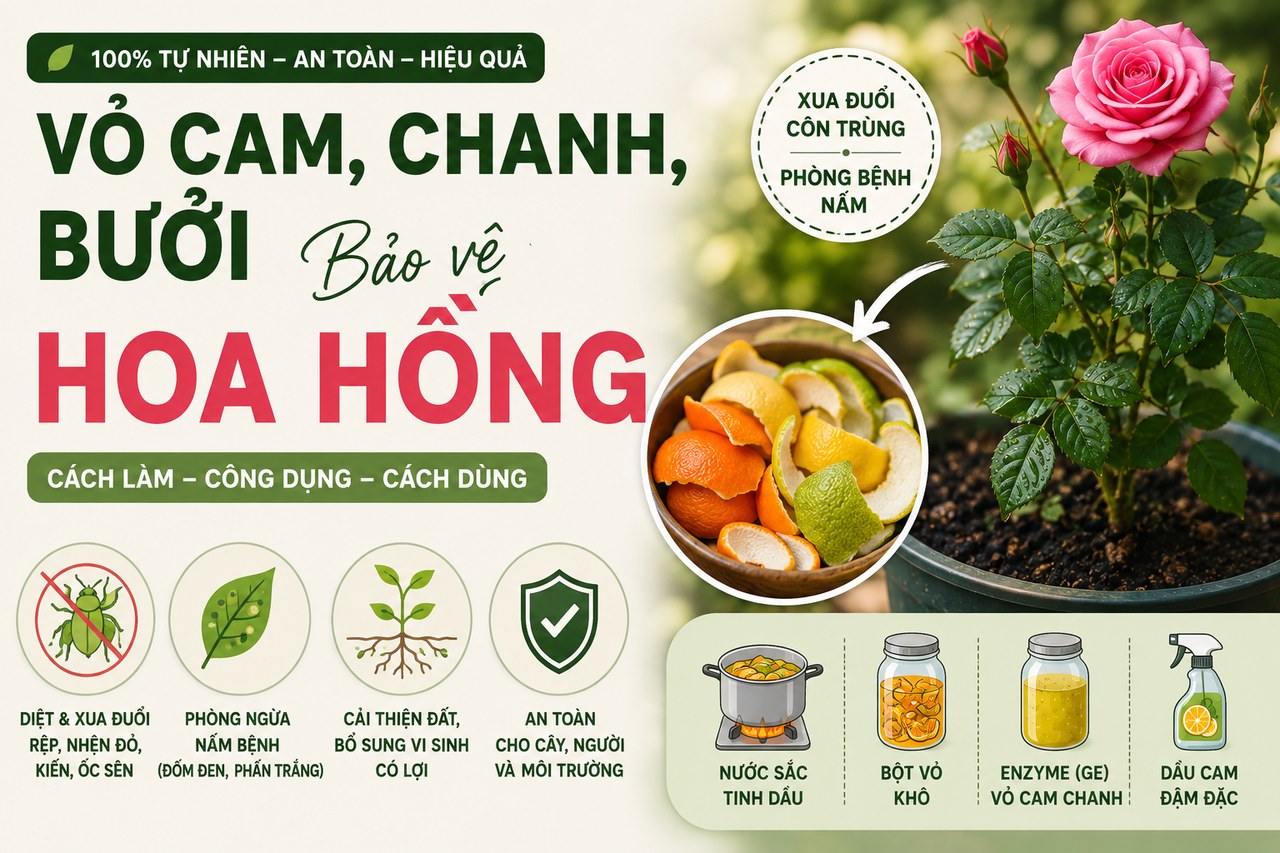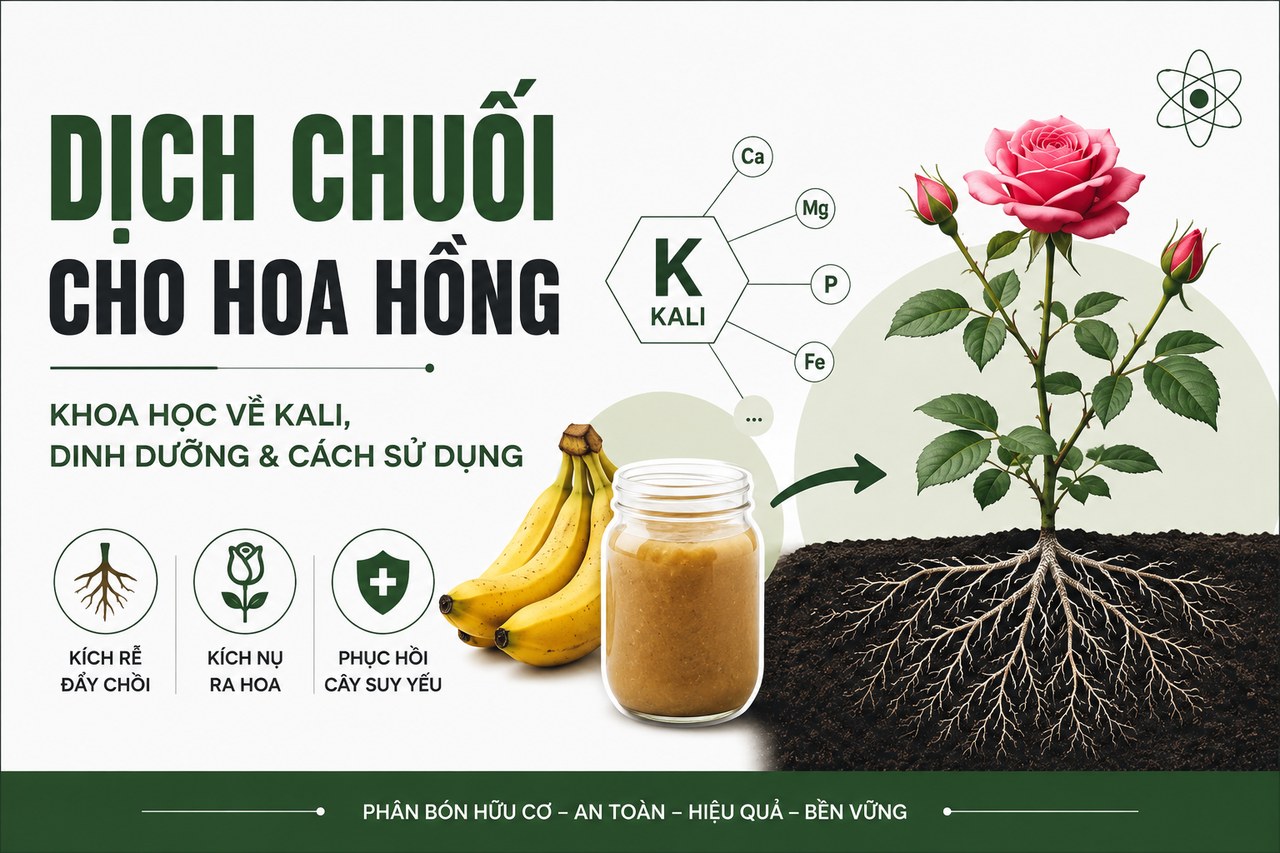
Every day in home kitchens, liters of rice water are poured straight down the drain—yet this "zero-cost" kitchen byproduct holds a remarkable reservoir of natural nutrition for roses and garden plants. Properly collected and fermented, rice water loosens potting soil, stimulates vigorous white root growth, and serves as an ideal biological carrier for beneficial microbes.
This guide examines the nutritional profile of rice water, the best plant growth stages to apply it, 3 practical preparation methods (including the beloved banana–egg–rice water super-brew for roses), and exact dilution rules for safe feeding.
1. Nutrients and Biological Functions of Rice Water
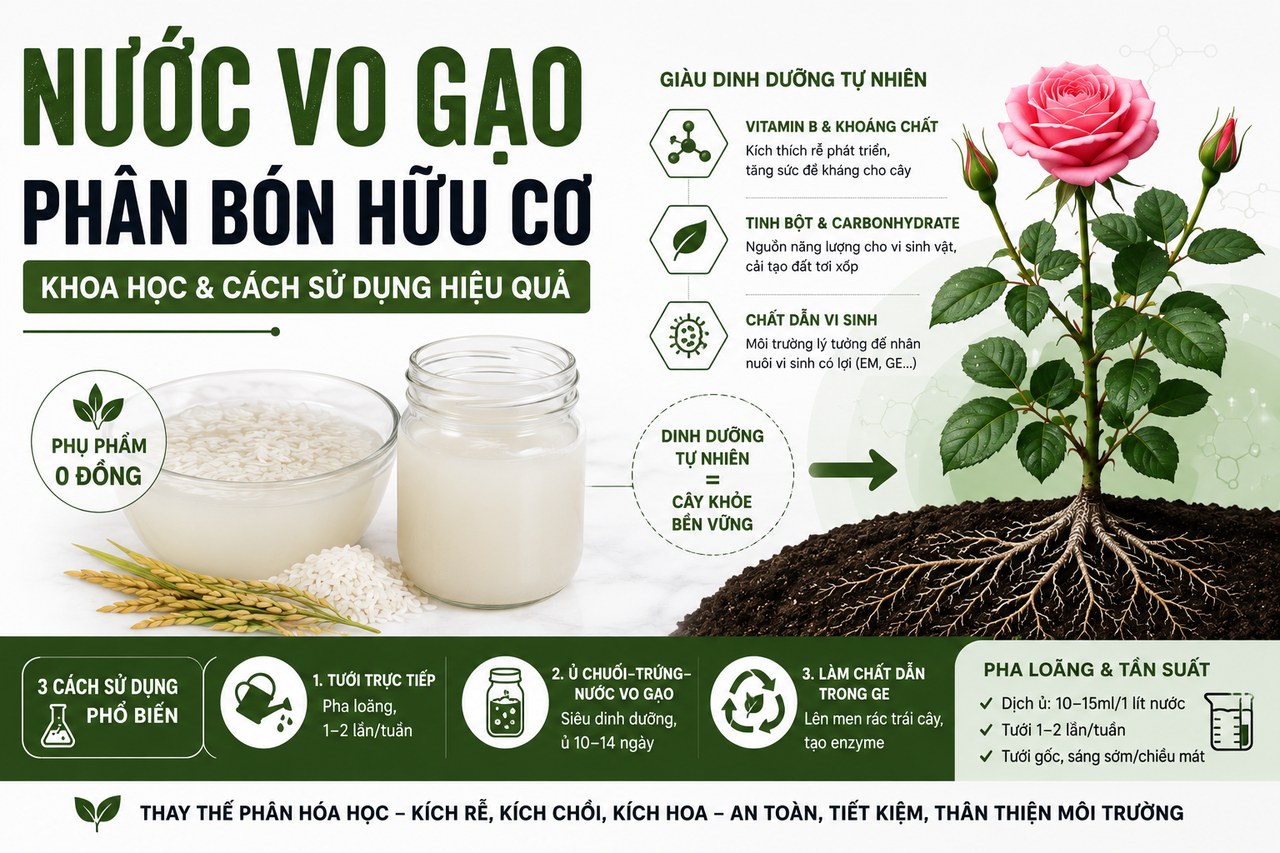
Rinsing rice washes nutrient-dense bran compounds into the water, creating a gentle, bioactive solution:
- B-Complex Vitamins and Soluble Minerals: Rich in B vitamins (especially B1) and dissolved trace minerals from the rice bran layer, stimulating rapid root elongation and nutrient uptake.
- Starch and Carbohydrates: Dissolved starches provide abundant energy for beneficial soil microorganisms, accelerating organic matter breakdown and keeping container substrates airy and crumbly.
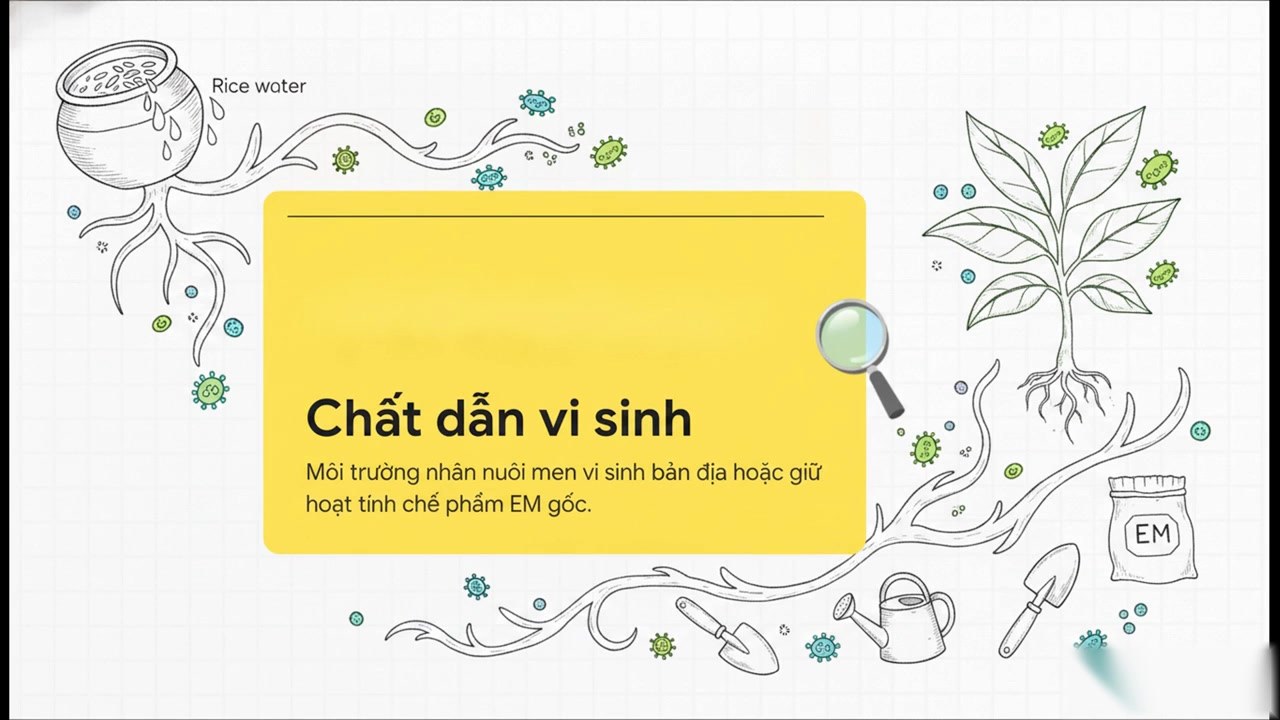
- Microbial Carrier Medium: Beyond direct watering, rice water is an ideal nutrient broth for culturing indigenous microorganisms or maintaining the vitality of EM stock inoculants during home composting and liquid fermentation.

2. Best Growth Stages for Rice Water Fertilizer
Gentle enough for year-round use, rice water shines brightest during 2 key phases:
- Seedlings, transplanting, and root stimulation: Natural B vitamins encourage dense, long white roots, helping newly potted roses establish quickly and push strong basal shoots.
- Fruiting and bloom development: On fruiting crops (tomatoes, strawberries, cucumbers), rice water noticeably improves fruit sweetness compared with plain water. On roses, fermenting rice water with bananas and eggs creates a balanced tonic that builds thick stems and vibrant blooms.

3. Three Ways to Prepare Rice Water Fertilizer at Home
Select the approach that best matches your garden routine:
Method 1: Direct Diluted Watering (Fast-Track)
- Collection: Gather daily rice rinse water (ideally the 1st and 2nd rinses) in a clean bucket or jar and seal the lid to keep out flies and gnats.
- Application: Dilute with clean water (adjusting to the thickness of the rinse water) and drench the root zone 1–2 times per week. Avoid leaving fresh rice water sitting in hot sun, where starches quickly sour.

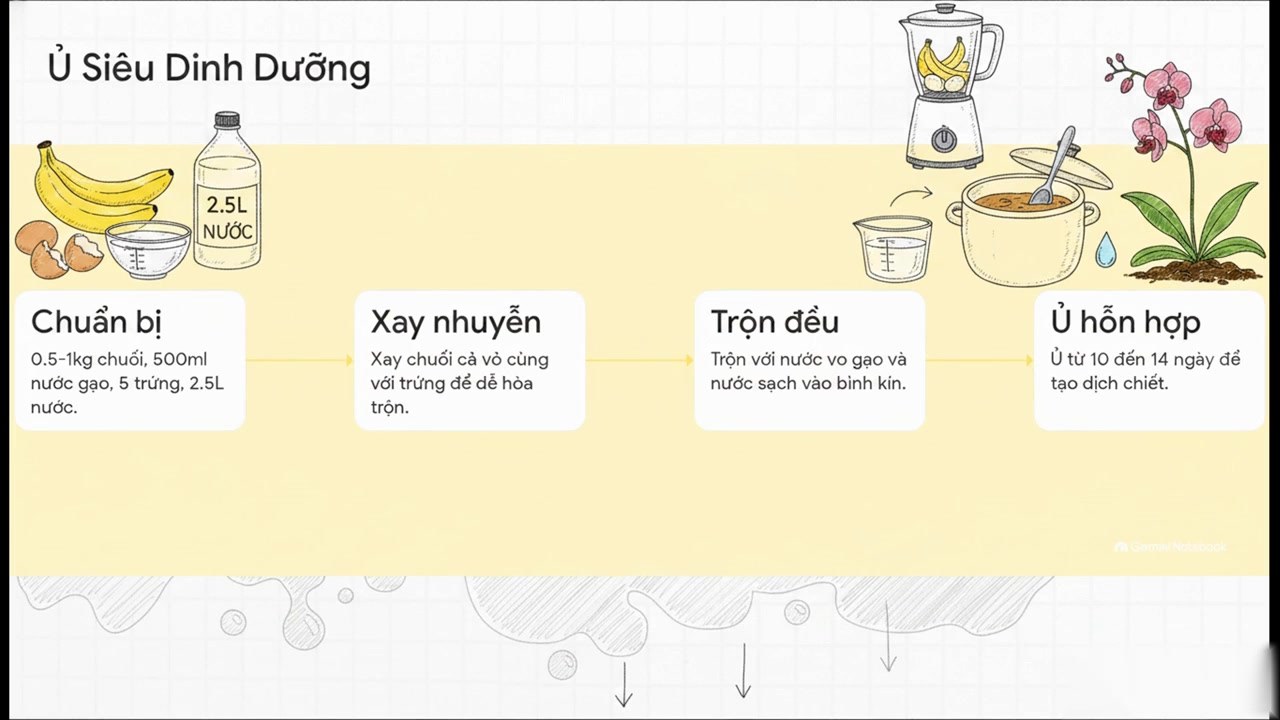
Method 2: Fermented Banana – Egg – Rice Water (Super-Nutrient Brew)
Widely favored by rose and orchid enthusiasts for driving heavy budding and vigorous new shoots:
- Standard ratio:
- 0.5–1 kg ripe bananas (with peels for maximum potassium).
- 500 mL rice water.
- 5 chicken or duck eggs.
- 2.5 liters clean water.
- Step-by-step:
- Blend the bananas (peels included) and eggs until completely smooth.
- Mix thoroughly with 500 mL rice water and 2.5 liters clean water.
- Pour into a clean glass or plastic jug (leaving headroom for gas) and cap securely (burp gently during the first few days if fermentation is brisk).
- Fermentation time: Ready to strain and dilute after 10–14 days.
Method 3: Starter Carrier in Garbage Enzyme (GE)
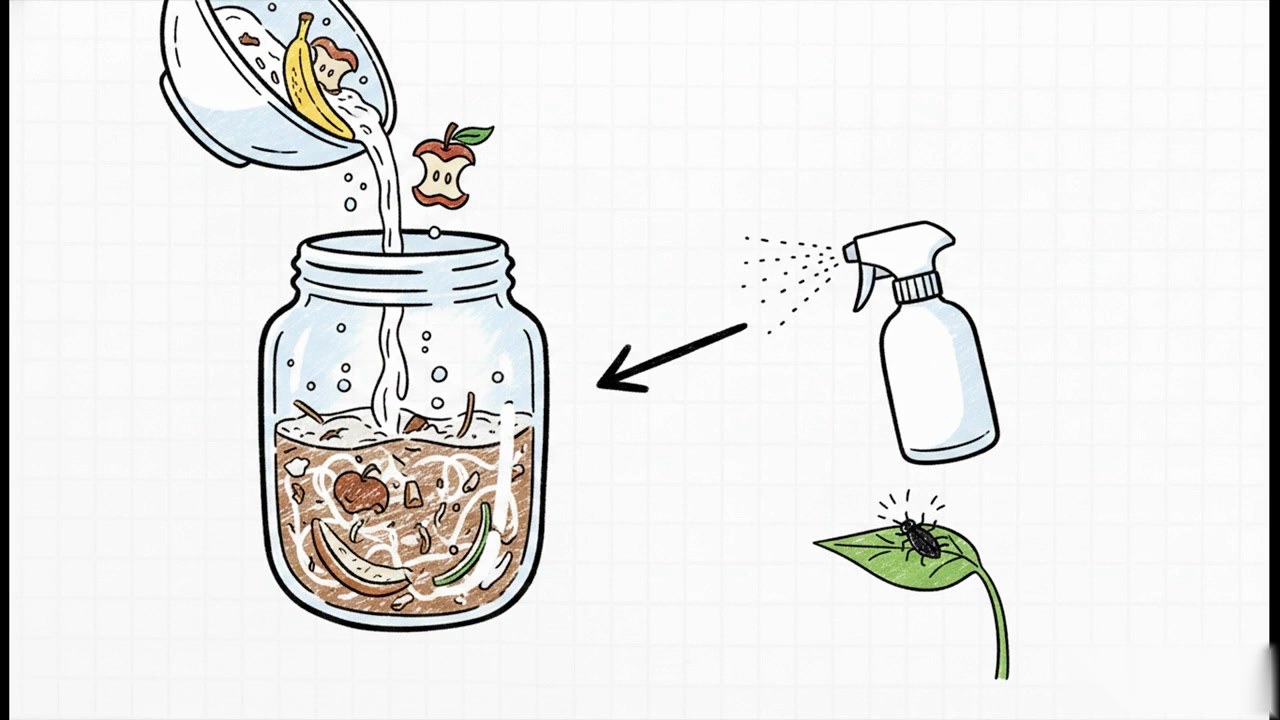
- Use rice water to replace part of the plain water or act as a microbial starter when fermenting fruit peels and sugar into Garbage Enzyme (GE)—producing a versatile bio-enzyme for soil conditioning, eco-cleaning, or natural pest deterrence.
4. Safe Dilution, Frequency, and Watering Technique
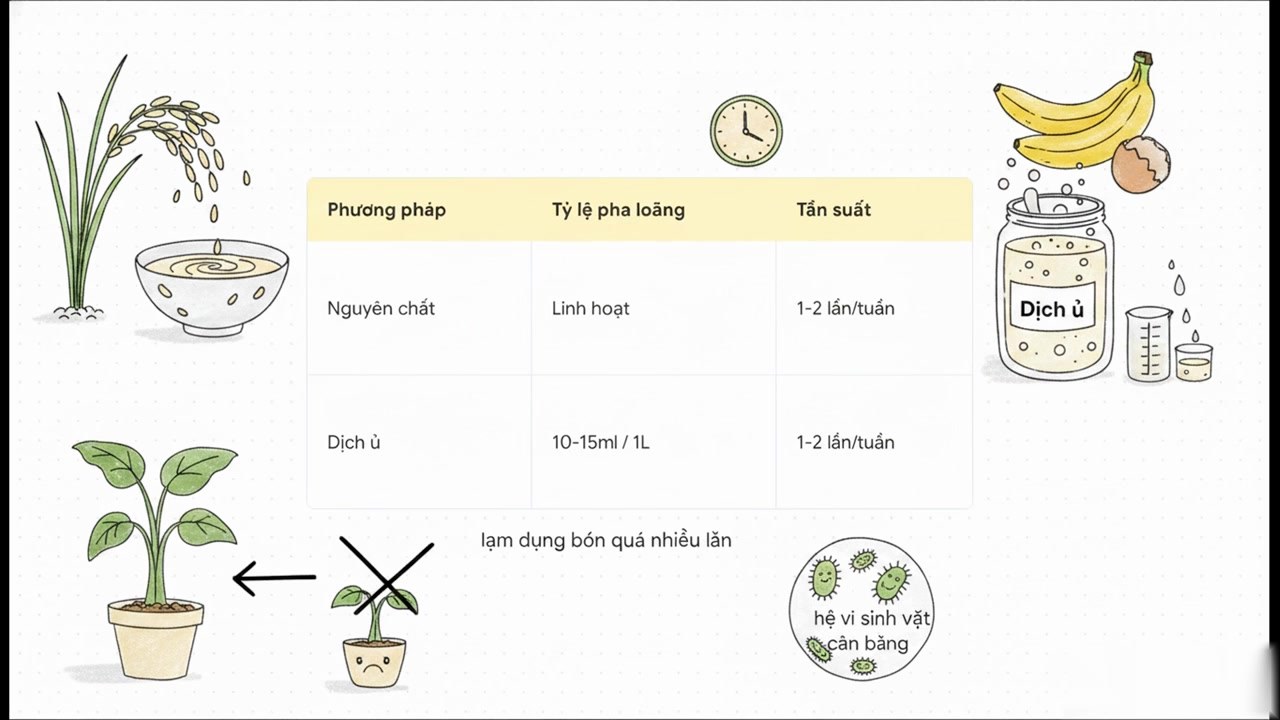
Even gentle organic brews require proper dosing to avoid root shock, ants, or soggy media that invites root rot:
| Preparation | Standard Dilution | Frequency |
|---|---|---|
| Plain Rice Water | Dilute with clean water (adjust to concentration) | 1–2 times / week |
| Fermented Banana–Egg–Rice Water | 10–15 mL extract per 1 liter clean water | 1–2 times / week |
Watering DOs & DON'Ts:
- DO: Water slowly into the soil around the root zone during early morning or cool late afternoon.
- DON'T: Avoid splashing directly onto leaves and stems under harsh midday sun (starch residue can scorch foliage or encourage fungi), and never over-apply beyond 1–2 times weekly to prevent fertilizer burn or microbial imbalance.

5. Replacing Synthetic Fertilizers
When paired with potassium-rich ingredients (bananas) and organic nitrogen sources (eggs or soybeans), rice water can effectively replace:
- Synthetic NPK Fertilizers: Supplies balanced macro- and micronutrients to prevent nitrogen deficiency and potassium deficiency without leaving salt residues.
- Synthetic Rooting Hormones: Natural B vitamins and plant growth compounds build resilient root systems without chemical dependency.

Repurposing daily rice water gives home rose growers a zero-cost organic booster while protecting long-term soil biodiversity and preventing the soil hardening caused by synthetic fertilizer overuse.