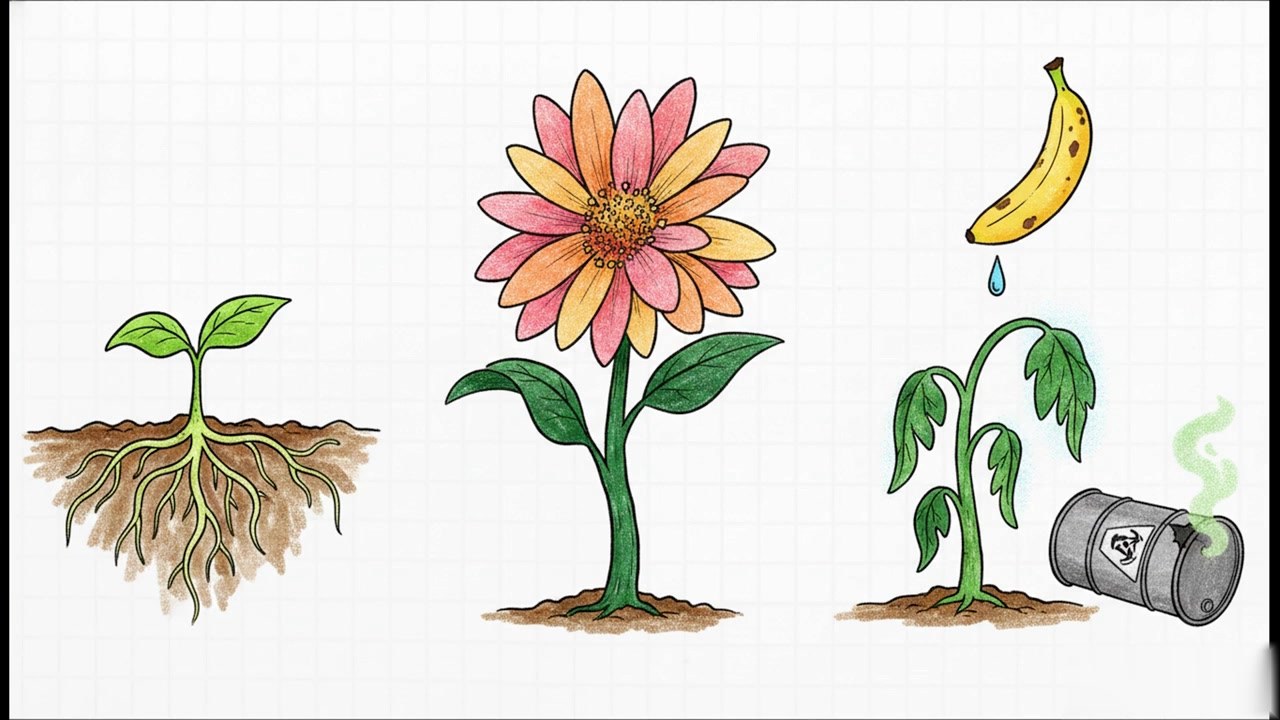
Among organic rose and orchid growers, homemade banana fertilizer (banana enzyme) has earned a reputation as a natural "miracle tonic" thanks to its rich nutrient profile, fast bioavailability, and complete safety for both soil ecosystems and home gardeners. Rather than relying solely on synthetic fertilizers and chemical bloom boosters that degrade potting media over time, you can easily craft potent banana fertilizer right in your kitchen from ripe bananas.
This guide breaks down the biochemical composition of banana fertilizer, the best rose growth stages to apply it, 3 proven homemade recipes (from a quick boiled extract to a 30-day super-nutrient brew), and exact dilution schedules for vibrant, long-lasting blooms without root burn.

1. Core Nutrients Inside Banana Fertilizer
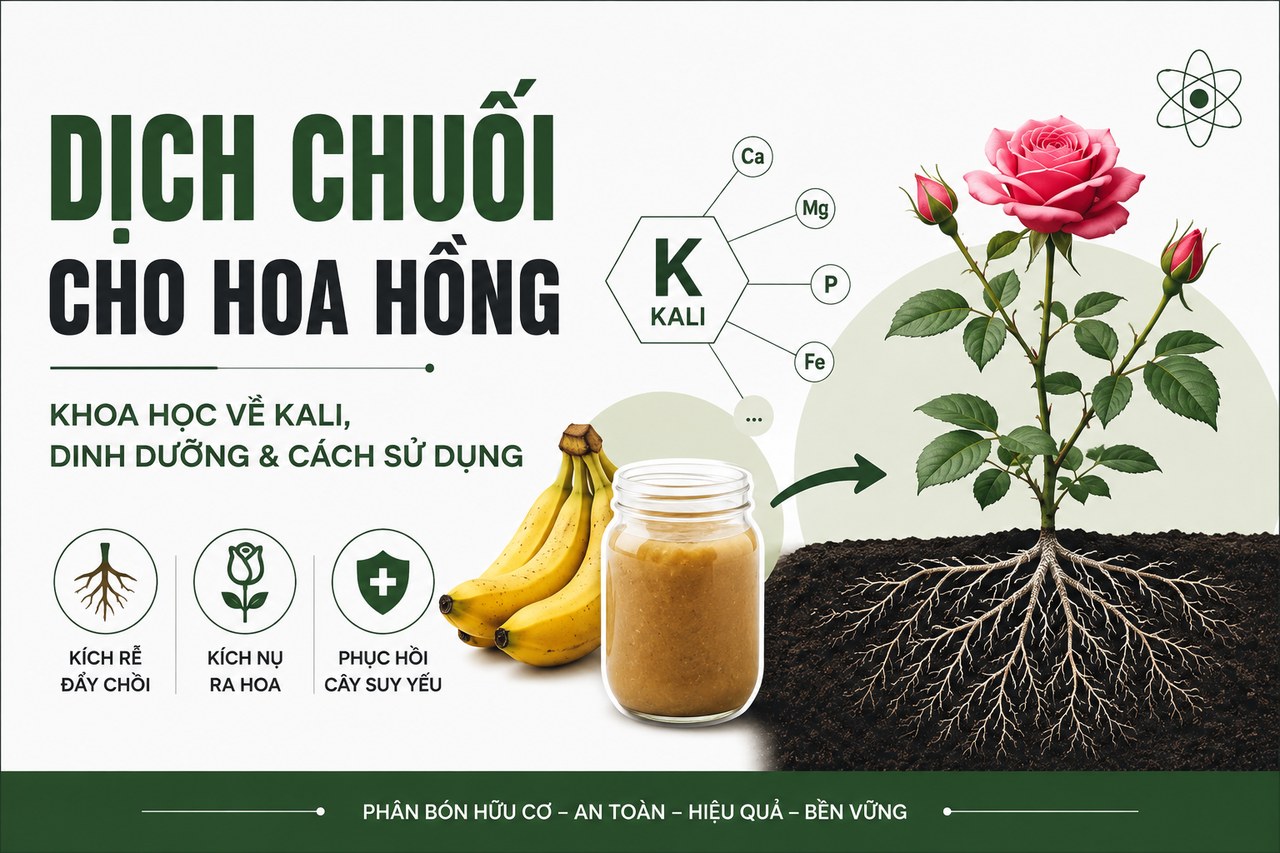
Banana extract is far more than fermented fruit water—it delivers a balanced biological complex that supports roses from root tips to petals:
- Potassium (K) – The primary driver: Ripe bananas (both flesh and peel) are exceptionally rich in natural potassium. Potassium strengthens canes, expands root architecture, fuels vigorous shoots, and directly drives flower bud initiation and bloom development. Whenever roses show signs of potassium deficiency (scorched leaf margins, weak stems, pale blooms), banana fertilizer is one of the gentlest organic remedies.
- Vitamins and Secondary/Trace Minerals: Loaded with B-complex vitamins, vitamin C, and essential minerals including Sulfur (S), Calcium (Ca), Magnesium (Mg), Iron (Fe), and Phosphorus (P). Together, these micronutrients help prevent calcium deficiency, magnesium deficiency, and iron deficiency in container-grown roses.
- Natural Plant Growth Hormones: Contains naturally occurring plant growth regulators that stimulate cell division, new root initiation, and shoot emergence without the physiological stress caused by overdosing synthetic hormones.
- Carbohydrates: Supplies readily available energy for beneficial soil microbes, keeping potting substrates loose, biologically active, and disease-suppressive.

2. Best Rose Growth Stages for Banana Fertilizer
While banana fertilizer can be applied year-round, it delivers maximum impact during 3 key stages:
- Rooting and shoot-pushing stage: Right after repotting, hard pruning, or when new basal breaks appear, its B vitamins and natural hormones promote rapid white root growth and sturdy new shoots.
- Budding and blooming stage: Abundant bioavailable potassium produces fuller buds, thicker petals, deeper bloom color, true-to-type form, and noticeably longer vase/bush life.
- Recovery stage: Especially effective for reviving stressed, malnourished bushes or helping roots recover after fertilizer burn from synthetic chemical overdose.
3. Three Homemade Banana Fertilizer Recipes
Choose the method that best fits your schedule and garden size—from a quick same-day brew to a concentrated 30-day stock solution:
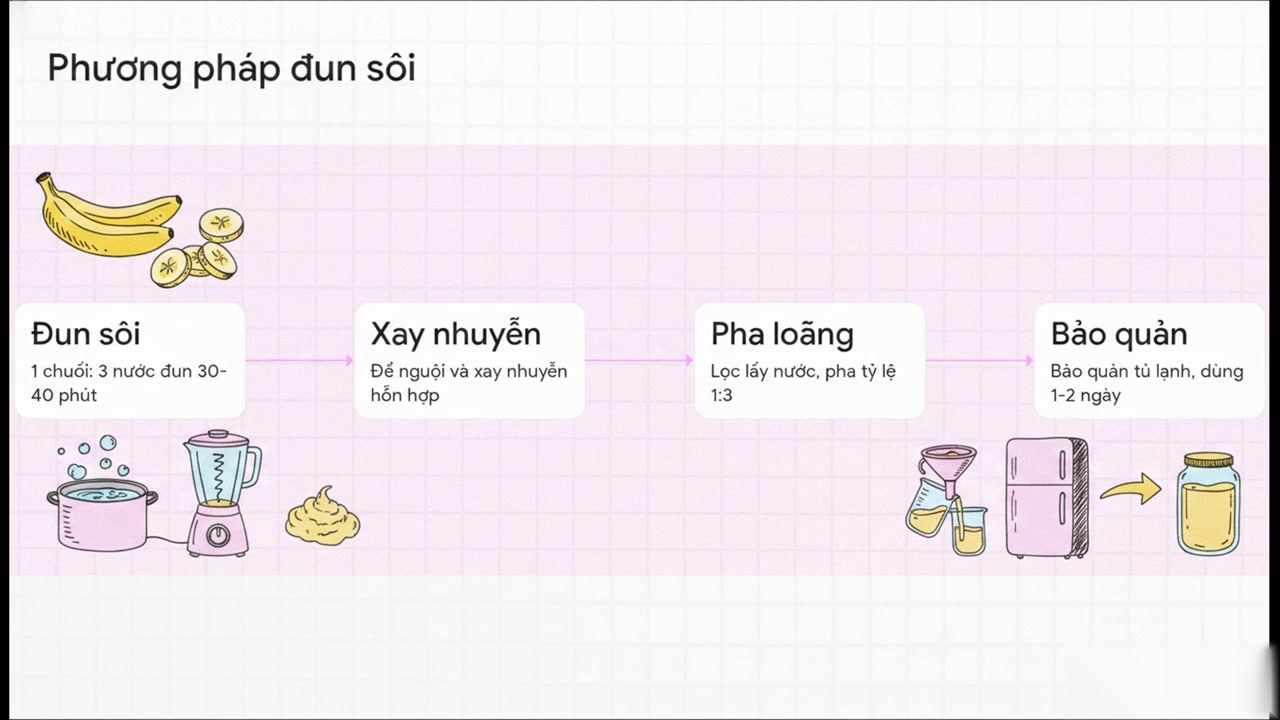
Method 1: Quick Boiling Method (Fast-Track)
Ideal for small balcony collections when you need liquid potassium fertilizer immediately without waiting for fermentation.
- Ratio: 1 part thinly sliced ripe bananas : 3 parts clean water.
- Step-by-step:
- Slice ripe bananas thinly (with clean peels included) and combine with clean water at a 1:3 ratio.
- Boil for 30–40 minutes until the bananas break down completely and release their nutrients.
- Turn off the heat, let cool completely, and blend until smooth.
- Dilute with additional clean water at a 1:3 ratio, stir thoroughly, and strain out the solids (leaving pulp on top of soil invites mold).
- Storage & shelf life: Store in a clean bottle in the refrigerator and use within 1–2 days, as unfermented extract spoils quickly.
Method 2: EM Microbial Fermentation (Long-Term Storage)
Beneficial microbes break down nutrients into highly bioavailable forms while preventing foul odors.
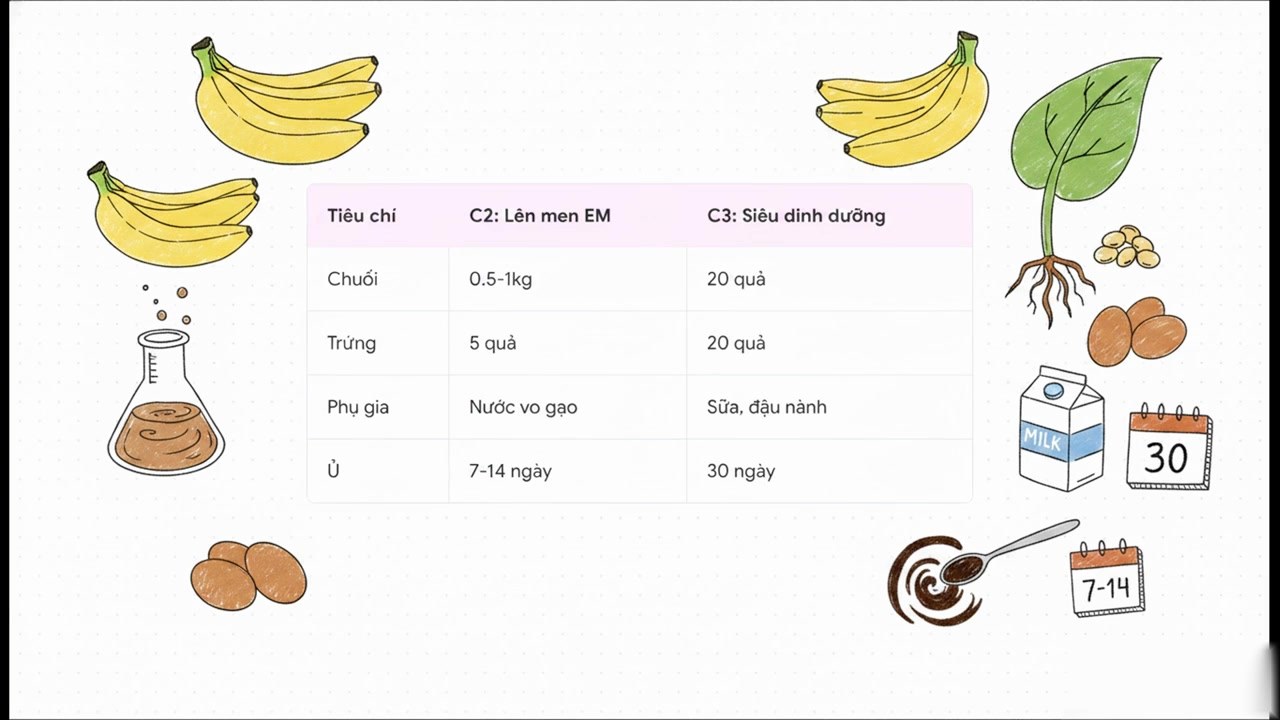
- Ingredients:
- 0.5–1 kg ripe bananas (including peels, where potassium is highly concentrated).
- 500 mL rice water.
- 5 eggs (chicken or duck).
- 2.5 liters clean water.
- Optional boosters: Add molasses and EM (or EMZEO) microbial inoculant to multiply beneficial microorganisms and accelerate clean fermentation.
- Step-by-step: Blend bananas (with peels) and eggs until smooth, mix thoroughly with the rice water, clean water, and inoculant, then pour into a container and leave the lid slightly loose so fermentation gases can escape safely.
- Fermentation time: Ready to strain and use after 7–14 days.
Method 3: Banana – Egg – Milk Super-Nutrient Brew (15–20 Liter Batch)
A powerhouse organic stock solution for larger rose gardens, combining potassium (bananas), organic nitrogen and calcium (eggs & soybeans), and amino acids/probiotics (milk & EM).
- Ingredients for a 15–20 liter batch:
- 20 ripe bananas (with peels).
- 20 chicken eggs (blended whole, including shells for calcium).
- 2 liters fresh milk + 300 g milk powder.
- 500 g soybeans (soaked until soft and blended smooth).
- 1.5 liters molasses.
- 1.5 liters EM microbial solution.
- Step-by-step:
- Combine all blended ingredients and liquids in a large drum, leaving headspace at the top.
- Keep the lid loosely covered (never airtight) so built-up fermentation gas cannot rupture the container.
- Week 1: Stir daily to release gas and aerate the surface.
- Week 2 onward: Stir once every 3 days.
- Fermentation time: Mature and ready to use after 30 days, once the brew develops a mild, sweet-tangy fermented aroma.
4. Safe Dilution Ratios, Frequency, and Timing
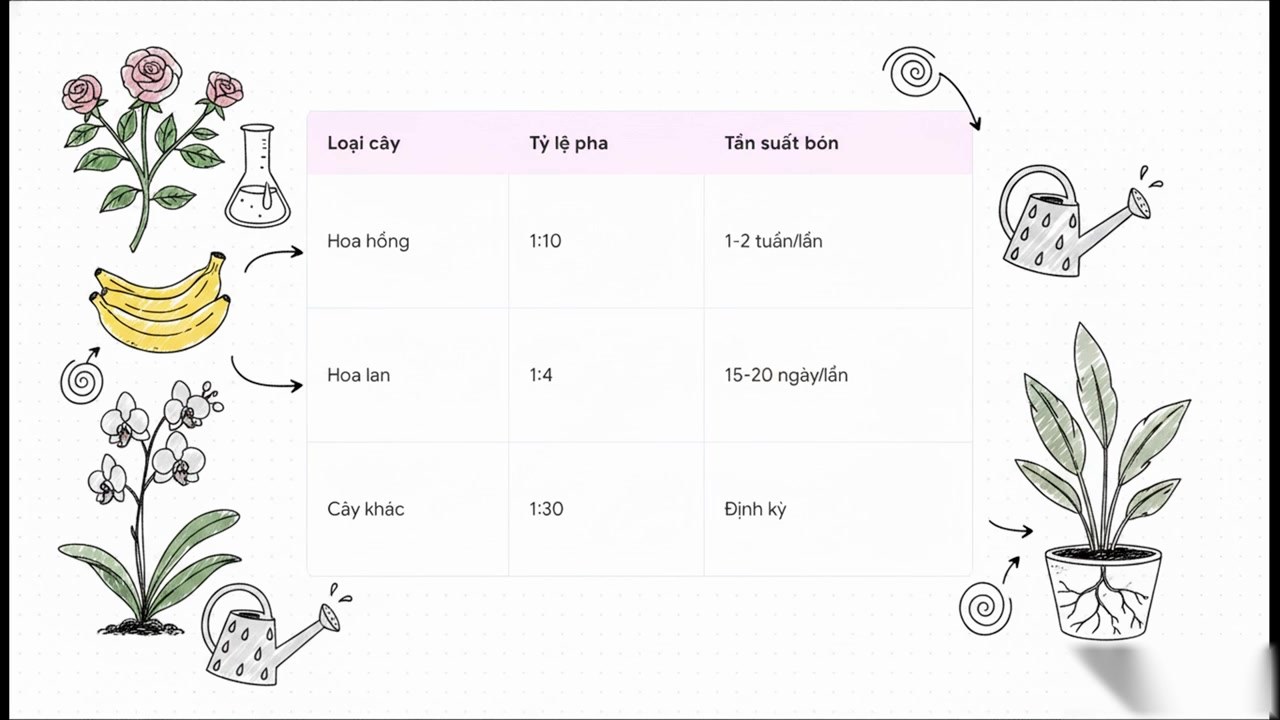
Concentrated banana stock is rich in dissolved sugars and minerals. Applying it undiluted can cause osmotic shock ("root burn"), encourage surface fungi, or attract ants. Always dilute according to plant type:
| Plant Type | Standard Dilution Ratio | Application Frequency |
|---|---|---|
| Roses | 1 part banana extract : 10 parts clean water | Every 1–2 weeks |
| Orchids | 1 liter banana extract : 4 liters clean water | Every 15–20 days |
| Other garden plants | 1 liter banana extract : 30 liters clean water | Periodically by growth stage |
Golden Timing Rule: Always apply banana fertilizer in the early morning or late afternoon when temperatures are cool. Avoid midday heat, which rapidly evaporates water and concentrates residue on roots and foliage. Make sure potted roses sit in fast-draining media so excess moisture never triggers root rot.

5. Which Chemical Fertilizers Can Banana Extract Replace?
In a sustainable rose care program, homemade banana fertilizer can effectively replace two major categories of synthetic inputs:
- High-potassium synthetic fertilizers (e.g., potassium chloride, potassium sulfate, high-K NPK blends): Supplies gentle, bioavailable potassium without accumulating excess mineral salts that harden soil or trigger fertilizer burn.
- Synthetic plant growth hormones (bloom & root boosters): Natural plant hormones and B vitamins encourage balanced rooting, shooting, and blooming without forcing unsustainable growth flushes that exhaust the bush.
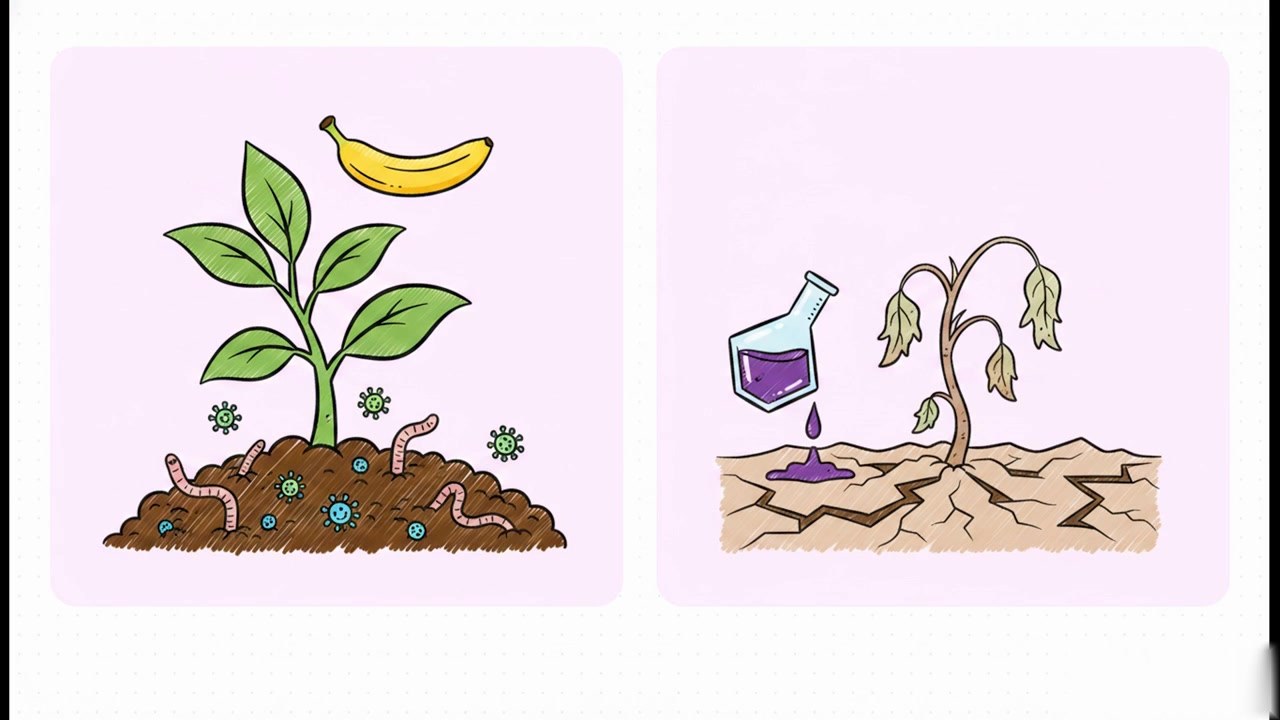
Switching to homemade banana fertilizer reduces chemical dependency, prevents soil compaction and nutrient depletion, and nurtures a living, resilient soil ecosystem that keeps roses thriving season after season.