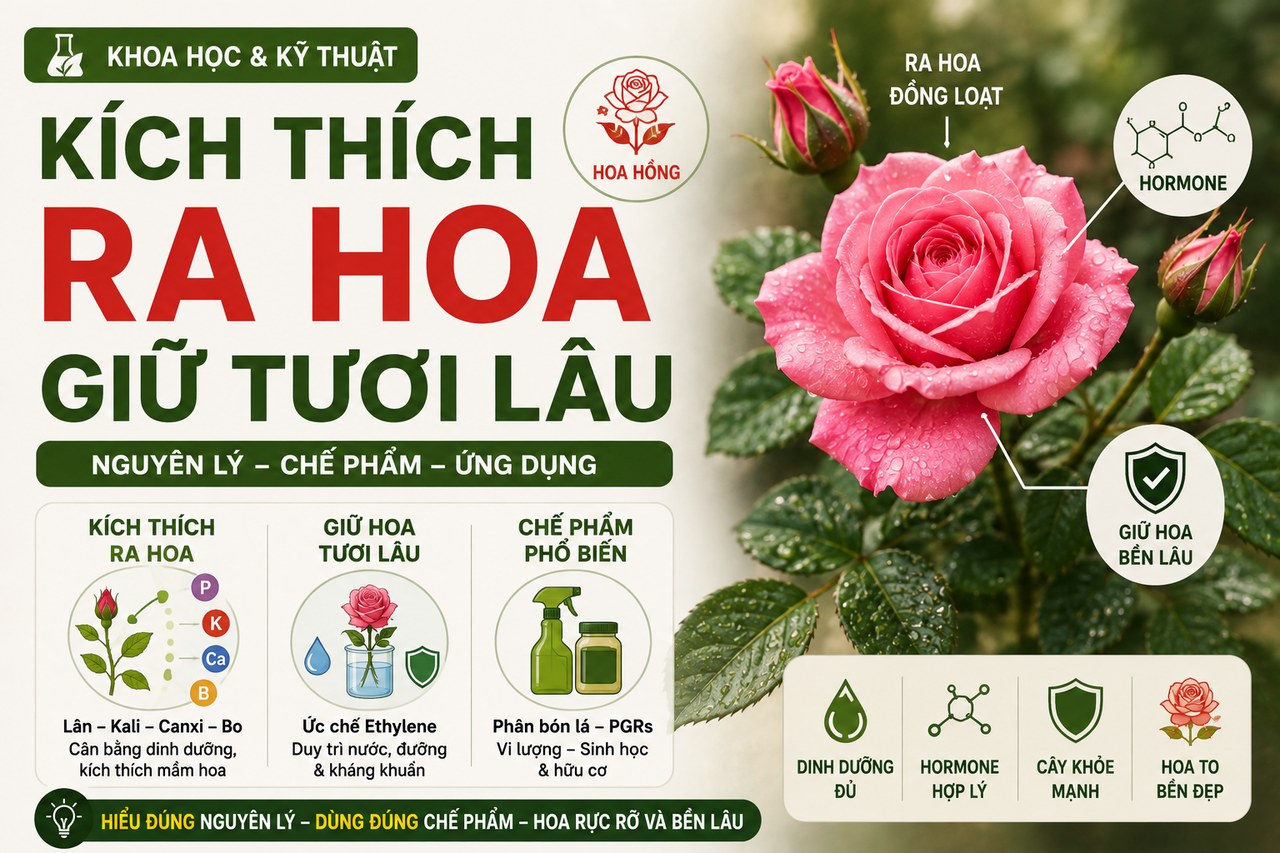
In scientific rose cultivation (Rosa hybrida), if Auxin is the "architect of the root system," then Cytokinins and cytokinin-like regulators are the "conductors of bud break and basal shoot emergence."
On the market today, three active ingredients—6-BA, Kinetin, and DA-6—are frequently grouped together as "bud-break stimulators." Although they all promote vigorous growth, their chemical identities, biological potency, and safety margins on roses are fundamentally different. Misusing or overdosing the strongest compound can turn a healthy rose bush into a tangle of stunted, crowded micro-shoots instead of thick crimson canes.
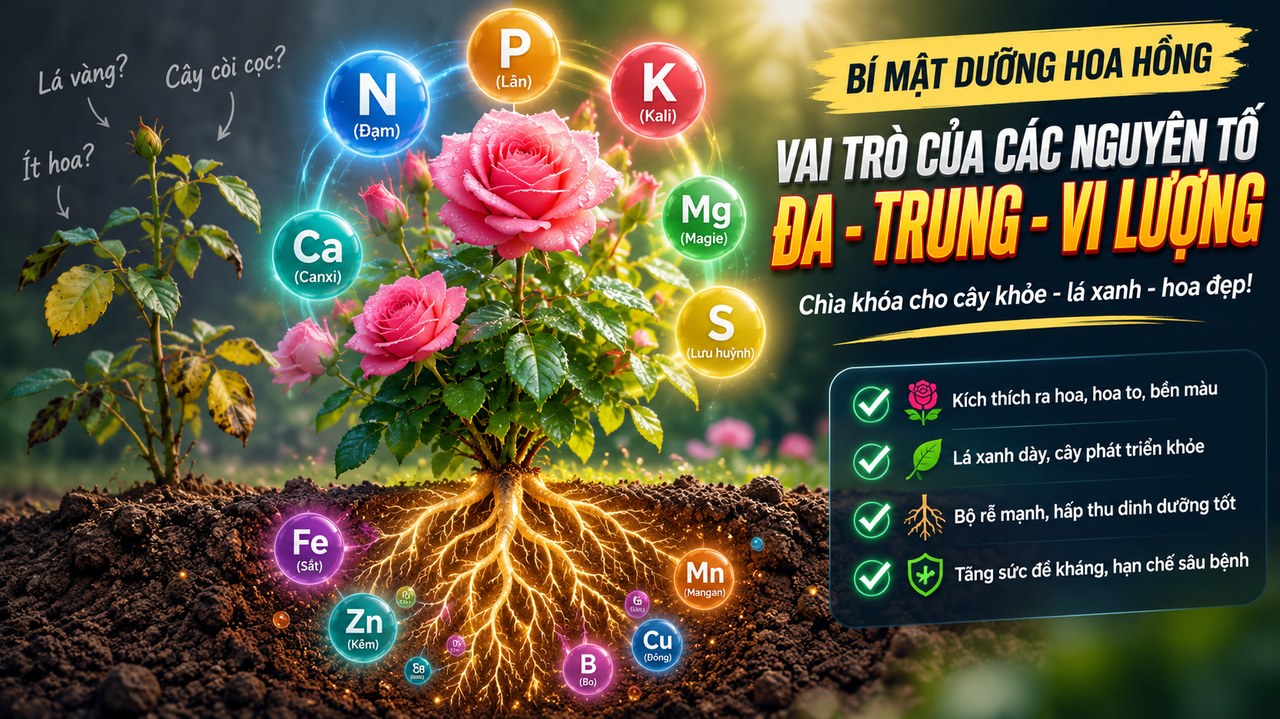
This guide explains how Cytokinins awaken dormant rose buds, compares 6-BA, Kinetin, and DA-6 side by side, provides exact ppm dosages, shows how to pair them with Auxin and NPK, and outlines how to rescue a rose from overdose.
1. How Cytokinins Trigger Lateral and Basal Bud Break in Roses
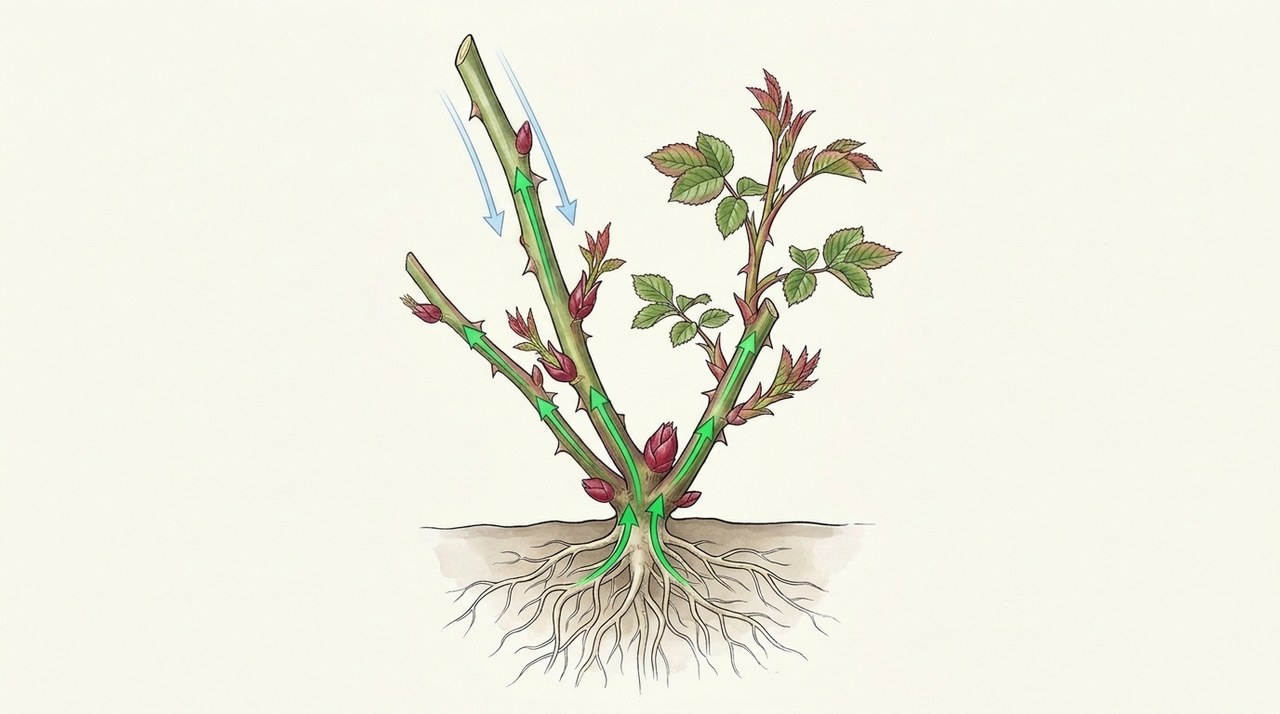
On an actively growing rose bush, downward-flowing Auxin from the shoot apex suppresses lower axillary buds through apical dominance. Cytokinins—naturally synthesized primarily in root tips and transported upward through the Xylem—act as the direct physiological counterbalance:
- Switching off the genetic dormancy brake (RhBRC1): When Cytokinin levels rise at a leaf node or graft union (via pruning or targeted exogenous application), it strongly downregulates the bud-repression gene RhBRC1 (BRANCHED1), immediately releasing dormant eyes.
- Driving rapid cell division (cytokinesis): Cytokinin accelerates mitosis inside the bud meristem, pushing swollen dormant eyes to burst into vigorous lateral shoots and basal shoots.
- Creating a nutrient sink and delaying senescence: Tissues rich in Cytokinin actively draw Sucrose, amino acids, and minerals toward themselves. At the same time, Cytokinins suppress chlorophyll-degrading enzymes (chlorophyllase), keeping foliage deeply green and extending flower longevity.
2. Deep Dive: Comparing 6-BA, Kinetin, and DA-6
2.1. 6-BA (6-Benzylaminopurine / N-benzyladenine) — The High-Potency Bud Breaker
- Chemical nature: A synthetic first-generation aromatic adenine Cytokinin—the most potent of the three compounds.
- Key characteristics: Drives intense cell division and aggressive dormancy release, making it the universal workhorse in plant tissue culture (in vitro micropropagation) for rapid shoot multiplication.
- Effects on roses: Unmatched for forcing stubborn basal shoots from woody older crowns or triggering dense lateral bud break after hard pruning. When foliar-sprayed at a precise low dose (25 ppm) alongside Auxin NAA, 6-BA boosts leaf chlorophyll (SPAD > 50) and extends bloom life on the plant by over 6 days.
- Primary risk: Because its potency is so high and its safety window narrow, overdosing or over-spraying 6-BA forces excessive clusters of tiny, stunted, crowded micro-shoots that drain carbohydrate reserves and fail to produce quality blooms.
2.2. Kinetin (6-Furfurylaminopurine) — The Classic, Stable, Gentle Cytokinin
- Chemical nature: The first Cytokinin ever discovered and named in plant science, also belonging to the adenine family.
- Key characteristics: Delivers steadier, gentler, and far safer bud stimulation than 6-BA, with minimal risk of hormonal shock or deformed branching.
- Effects on roses: Rather than forcing explosive multi-bud crowding, Kinetin excels at maintaining steady cell division, slowing leaf aging, preserving glossy green foliage, and encouraging well-spaced, symmetrical shoot elongation. It is the safest choice for home rosarians or routine canopy maintenance in warm climates.
2.3. DA-6 (Diethyl aminoethyl hexanoate) — Broad-Spectrum Cytokinin-Like Regulator
- Chemical nature: DA-6 is not a true Cytokinin chemically (it is a tertiary amine ester), but it is widely grouped alongside Cytokinins in horticulture because it produces overlapping and highly synergistic growth benefits.
- Key characteristics: Active at ultra-low concentrations (10–20 ppm) and uniquely remains effective even during cool weather when many other plant regulators slow down. It carries an exceptionally wide safety margin with virtually zero risk of leaf burn or shoot distortion.
- Effects on roses: DA-6 dramatically accelerates chlorophyll synthesis (producing thick, dark-green, high-photosynthesis foliage), promotes flower bud differentiation and bloom size, and strengthens resilience against heat, drought stress, and foliar pathogens.
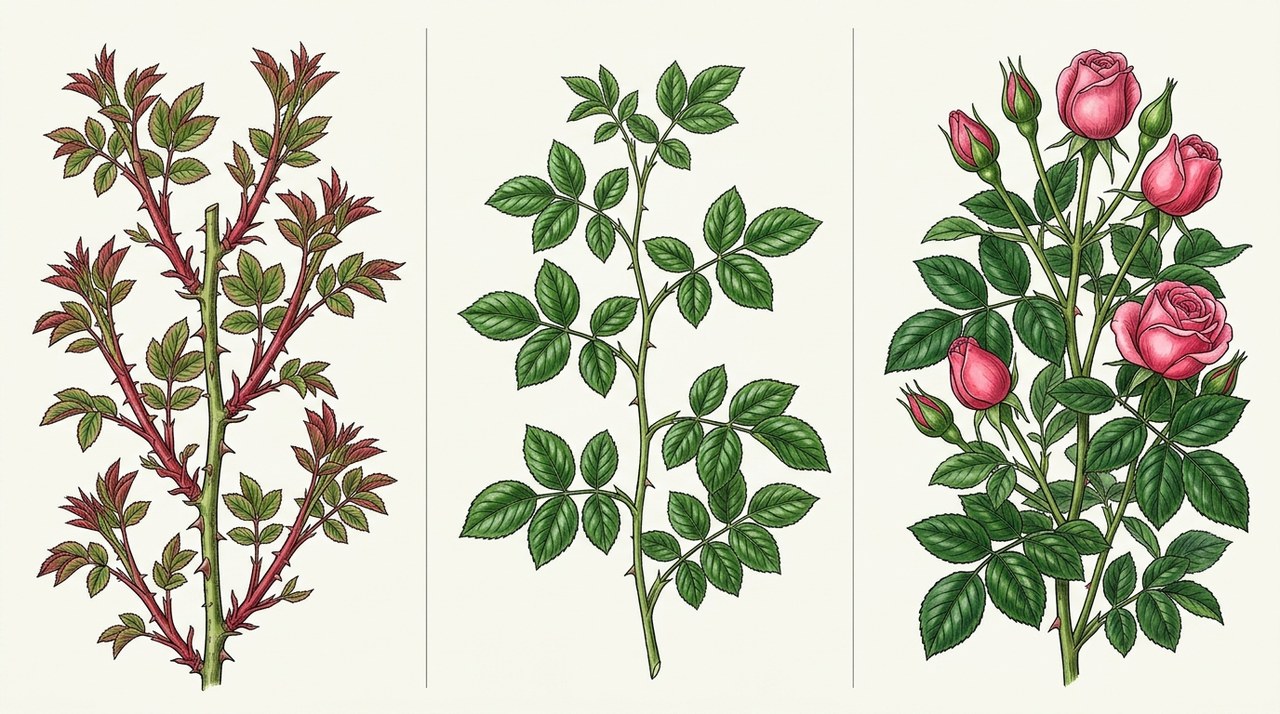
3. Comprehensive Comparison Table: 6-BA vs. Kinetin vs. DA-6
| Comparison Criterion | 6-BA (N-benzyladenine) | Kinetin | DA-6 (Diethyl aminoethyl hexanoate) |
|---|---|---|---|
| Biochemical Class | Synthetic adenine Cytokinin | Classic adenine Cytokinin | Broad-spectrum plant growth regulator (non-pure Cytokinin) |
| Bud-Break Potency | Very high (strongest in group) | Moderate, gentle & stable | Mild / indirect (focuses on photosynthesis & flowering) |
| Signature Rose Benefits | Breaks stubborn dormancy, forces basal shoots, tissue culture multiplication | Balanced shoot growth, anti-aging foliage, extended bloom quality | Boosts chlorophyll, enhances flowering & bud size, improves stress resilience |
| Safe Foliar Spray Dose | 25–50 ppm (0.025–0.05 g / L) | 20–50 ppm (0.02–0.05 g / L) | 10–20 ppm (0.01–0.02 g / L) |
| Direct Basal Bud Paste | 100–200 ppm (spot-applied to eye) | 100–150 ppm | Not typically used solo as a bud paste |
| Dose for 1 Potted Rose (20 L pot / 0.5 L spray) | 0.0125–0.025 g (99% technical powder) or 0.6–1.2 ml (2% SL liquid) | 0.01–0.025 g (pure technical grade) | 0.005–0.01 g (98% TC powder) |
| Optimal Timing | 10–15 days post-pruning; or spot-applied to healthy woody crowns | Periodic canopy support every 15–20 days after bud break | Pre-budding, bud swelling, seasonal transitions, or cool weather |
| Overdose Risk | High (> 100 ppm foliar or > 300 ppm causes stunted witches'-broom clusters) | Low (wide margin of safety) | Very low (broad safety window; highly tank-mix compatible) |
4. Combining Cytokinins with Auxin and NPK Nutrition
Applying Cytokinin in isolation while ignoring the Auxin : Cytokinin balance and the plant's nutrient reserves is one of the most common mistakes in rose care.
4.1. The Golden Auxin : Cytokinin Ratio
In plant physiology, organ development is governed by the relative ratio between these two master hormones:
- High Auxin / Low Cytokinin: Favors root initiation and root elongation (ideal for cuttings, repotting, and root recovery).
- High Cytokinin / Low Auxin: Favors lateral bud break and basal shoot production (ideal post-pruning once roots are strong).
- Balanced 1:1 Co-Application (25 ppm NAA + 25 ppm 6-BA): Foliar-sprayed every 15 days starting 15 days after pruning simultaneously delivers long flower stems (> 27 cm), deep green foliage (SPAD > 50), and more than 6 extra days of bloom retention.
4.2. Mandatory Prerequisites: Roots, Sunlight, and NPK
Cytokinin is a cellular command to divide, never a substitute for food. Before applying 6-BA, Kinetin, or DA-6, verify three essentials:
- Healthy root system: Never force bud break with 6-BA on roses suffering from root rot, waterlogging, or recent repotting stress—weak roots cannot supply water to a sudden flush of new shoots.
- At least 5–6 hours of direct sunlight daily: Roses need photosynthesis to stockpile Sucrose. On bushes suffering from light deficiency, Cytokinin produces spindly, blind shoots.
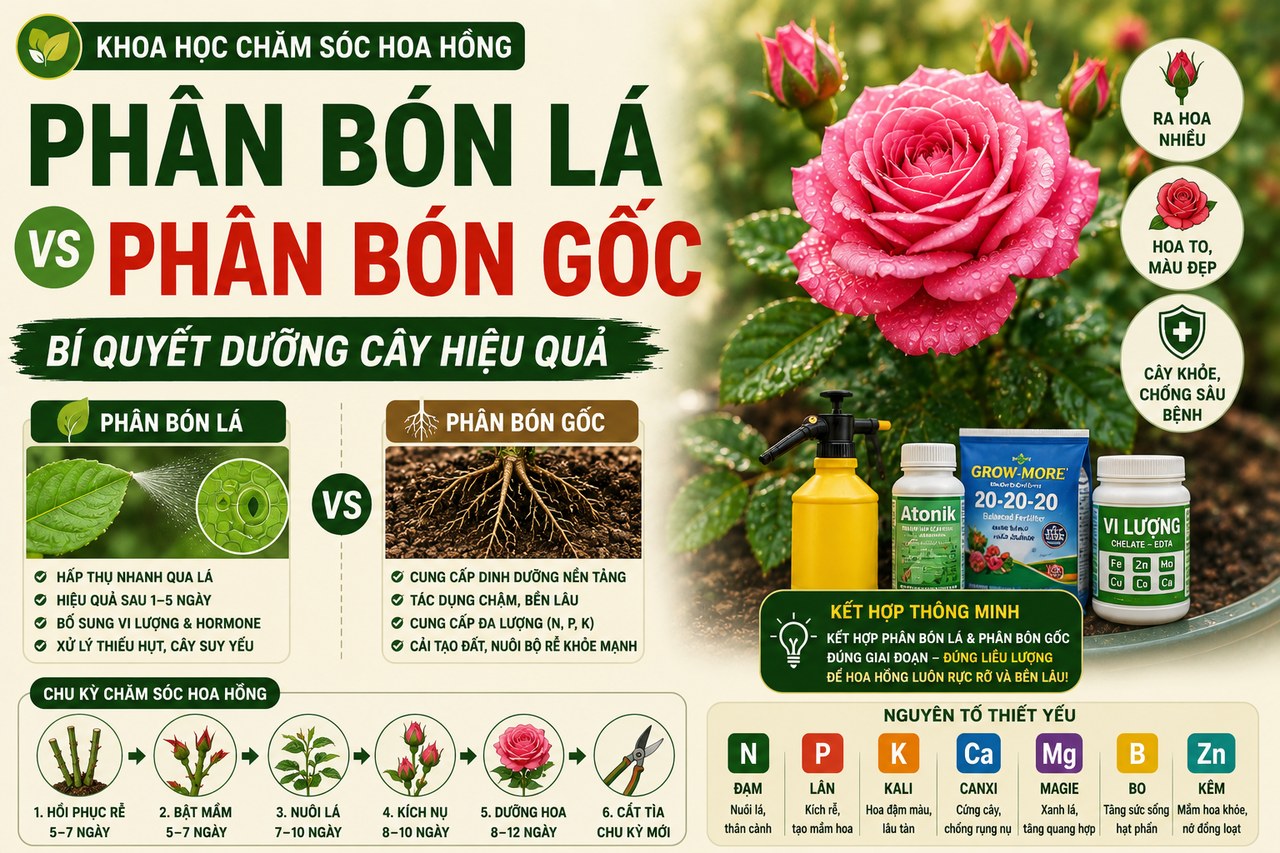
- Complete NPK and trace elements: Pair bud-break sprays with organic base feeding plus Nitrogen, Phosphorus, Calcium, Magnesium, and Iron. DA-6 in particular tank-mixes cleanly with foliar NPK and preventive fungicides, improving nutrient absorption efficiency by 20–30%.
5. Recognizing 6-BA Overdose and How to Rescue Affected Roses
Overdosing 6-BA (especially above 100–300 ppm as a whole-canopy spray, or repeating applications more often than every 7 days) triggers severe shoot-differentiation disorder:
- Classic symptoms: Single nodes erupt into tight clusters of 4–8 tiny, crowded micro-shoots with shortened internodes and curled, pale-yellowish miniature leaves—easily mistaken for Rose Rosette Disease or severe micronutrient deficiency. Stems fail to elongate or set buds, while excess Cytokinin simultaneously suppresses feeder-root growth.
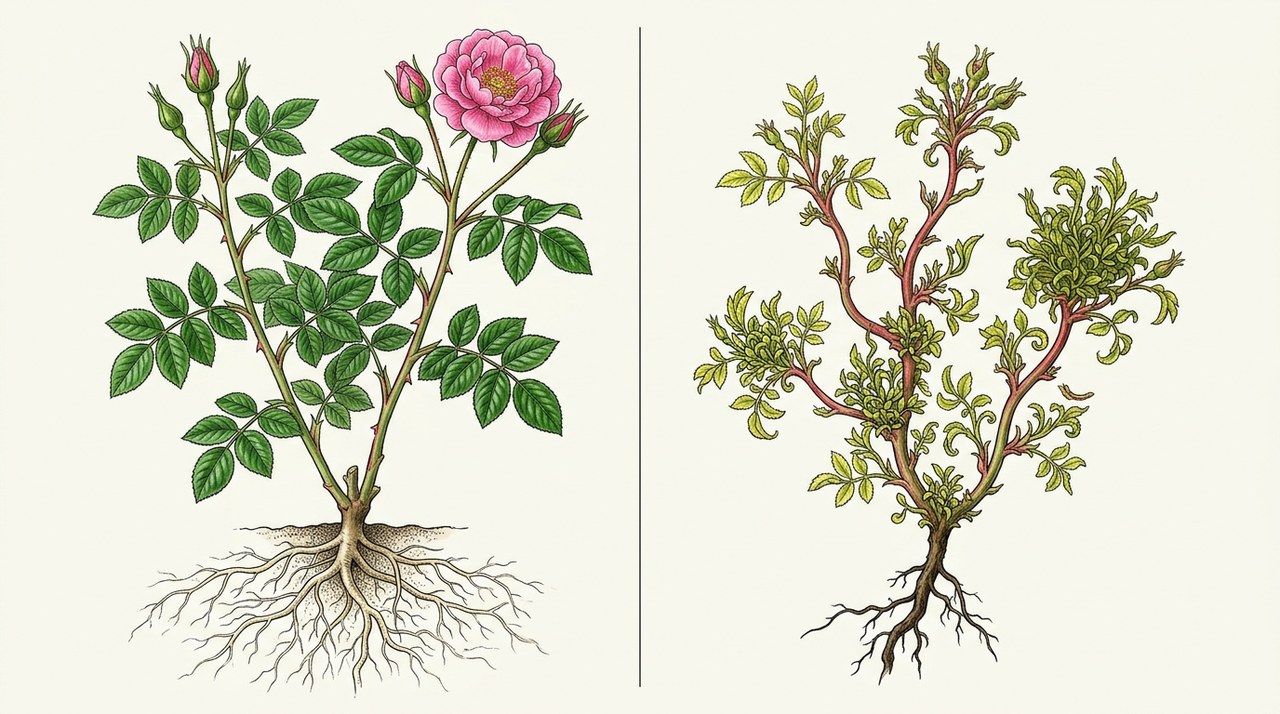
4-Step Recovery Protocol for Cytokinin Overdose:
- Stop all 6-BA and concentrated synthetic fertilizers immediately.
- Thin out crowded micro-shoots: Using sanitized shears, remove excess tiny shoots from each clustered node, leaving only the 1–2 strongest shoots to receive full sap flow.
- Rebuild the root-to-shoot balance: Drench roots gently with HB-101 (2 drops/L) or Vitamin B1 (1–2 ml/L) paired with mild organic nutrition to restart white root growth and restore endogenous Auxin production.
- Avoid harsh sunlight during application: Always spray Cytokinins and DA-6 in the early morning or late afternoon so rapid evaporation does not concentrate droplets on tender foliage and cause sunburn.
6. Conclusion: Which Regulator Fits Your Rose Garden?
- Choose 6-BA when your rose bush is vigorous, well-fed, and woody at the base and you want to force stubborn dormant eyes or basal shoots—always measuring precisely in ppm (25–50 ppm foliar; 100–200 ppm spot-applied to buds).
- Choose Kinetin when you want safe, steady, balanced shoot emergence and long-lasting green foliage without risking stunted micro-shoot clusters.
- Choose DA-6 when your top priority is stronger photosynthesis, larger longer-lasting blooms, and year-round stress resilience, especially during cool seasons or weather swings.