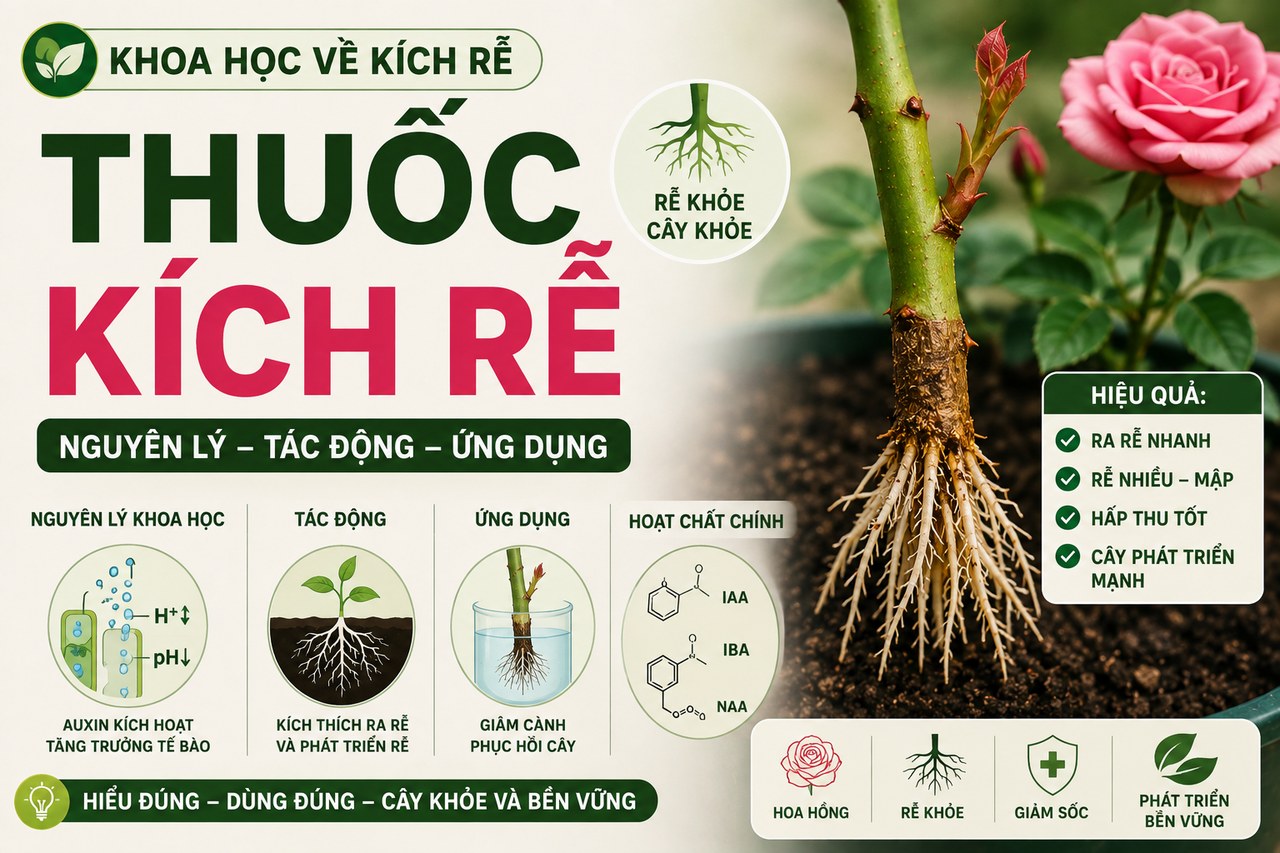
In modern horticulture—and especially in the propagation and rehabilitation of roses (Rosa spp.)—root stimulators are indispensable tools. Yet behind the apparent magic of turning a severed cane into a self-sustaining plant lies an intricate cascade of molecular signaling and plant physiology.
This guide explores the biochemical nature of Auxins, their cellular mechanisms of action, their specific behavior in roses, a review of leading commercial products, and proven homemade organic rooting formulas.
1. Biochemical Nature and Classification of Auxins
Scientifically, rooting hormones belong to the class of Plant Growth Regulators (PGRs), anchored by compounds in the Auxin family. The term "Auxin" derives from the Greek word auxein, meaning "to grow."
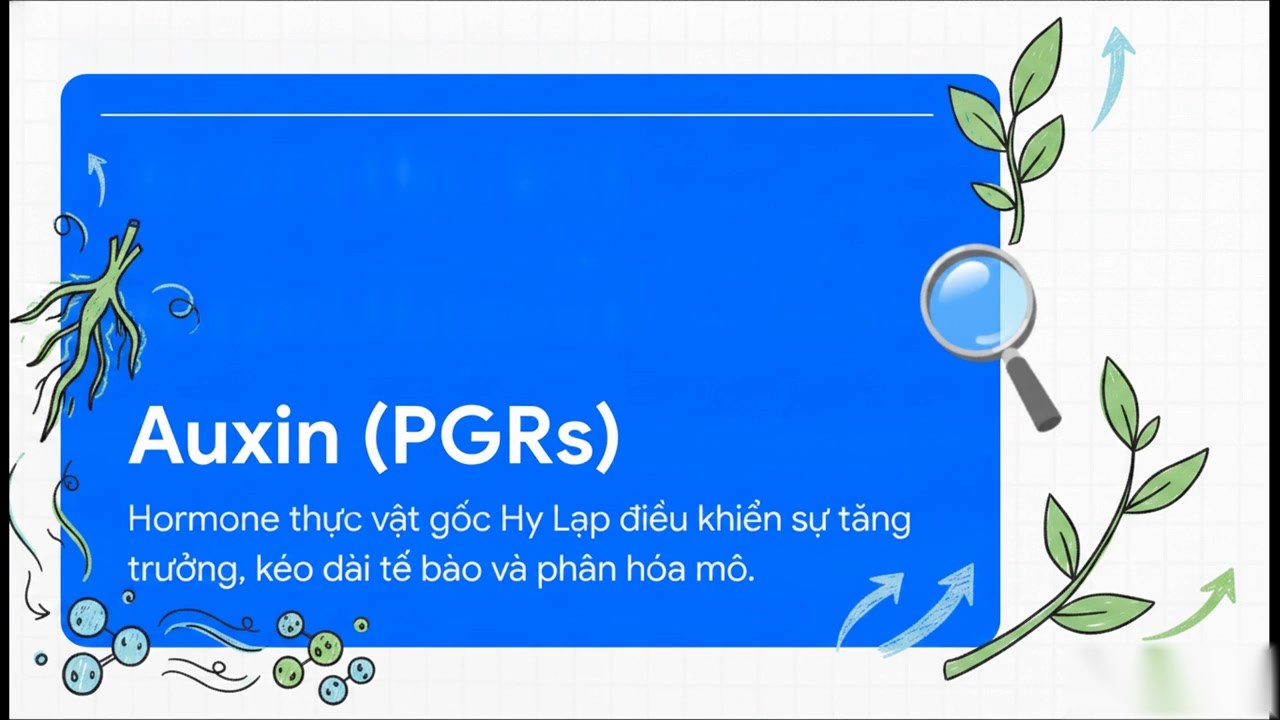
The three foundational Auxin compounds used in horticulture and plant research are:
| Auxin Compound | Origin & Nature | Key Physiological Traits | Best Uses & Safety Notes |
|---|---|---|---|
| IAA (Indole-3-acetic acid) | Primary natural Auxin synthesized from the amino acid L-tryptophan | Gently regulates cell elongation and tissue differentiation, but degrades rapidly under sunlight and via the enzyme IAA-oxidase | Often used as a more stable potassium salt (K-IAA) or in tissue culture; always apply during cool, shaded hours |
| IBA (Indole-3-butyric acid) | Naturally occurring (e.g., in willow bark) or synthetically produced | Considered the "gold standard" for cutting propagation: highly stable, penetrates tissue efficiently, and converts back to active IAA inside plant cells | Top choice for roses—produces thick, uniform white roots with minimal risk of tissue burn |
| NAA (Naphthaleneacetic acid) | Fully synthetic Auxin | Very potent and far more resistant to light and enzymatic breakdown than IAA | Effective for difficult-to-root woody cuttings, but can easily inhibit growth or burn delicate tissue if overdosed |
2. Molecular and Cellular Mechanisms of Action
How can trace concentrations of Auxin (measured in parts per million — ppm) cause rigid plant cells to expand and reprogram stem tissue into brand-new roots? Plant physiology explains this through two core mechanisms.
2.1. The Acid-Growth Hypothesis
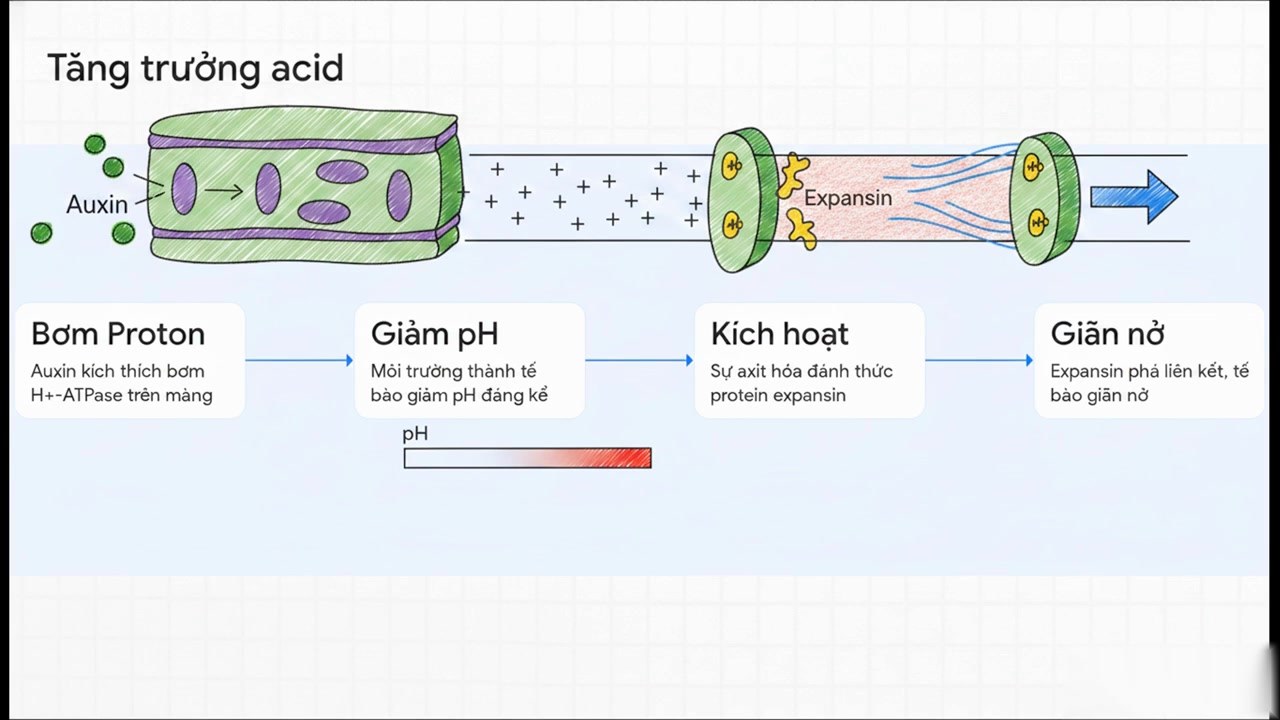
Proposed by Hager and Cleland (1971), the acid-growth hypothesis details how Auxin drives rapid cell wall expansion in four sequential steps:
- Proton pump (-ATPase) activation: Upon contacting the cell, Auxin activates plasma-membrane proton pumps that actively extrude ions into the cell wall space (apoplast).
- Cell wall acidification (pH drop): The accumulation of ions lowers the pH of the cell wall matrix significantly.
- Expansin activation: Acidic pH awakens non-enzymatic wall-loosening proteins called expansins, which disrupt hydrogen bonds cross-linking cellulose microfibrils and xyloglucan.
- Turgor-driven expansion: Once the cell wall framework relaxes, internal water pressure (turgor) stretches the wall outward, physically enlarging and elongating the cell.
2.2. TIR1 Receptor Signaling and Cellular Reprogramming
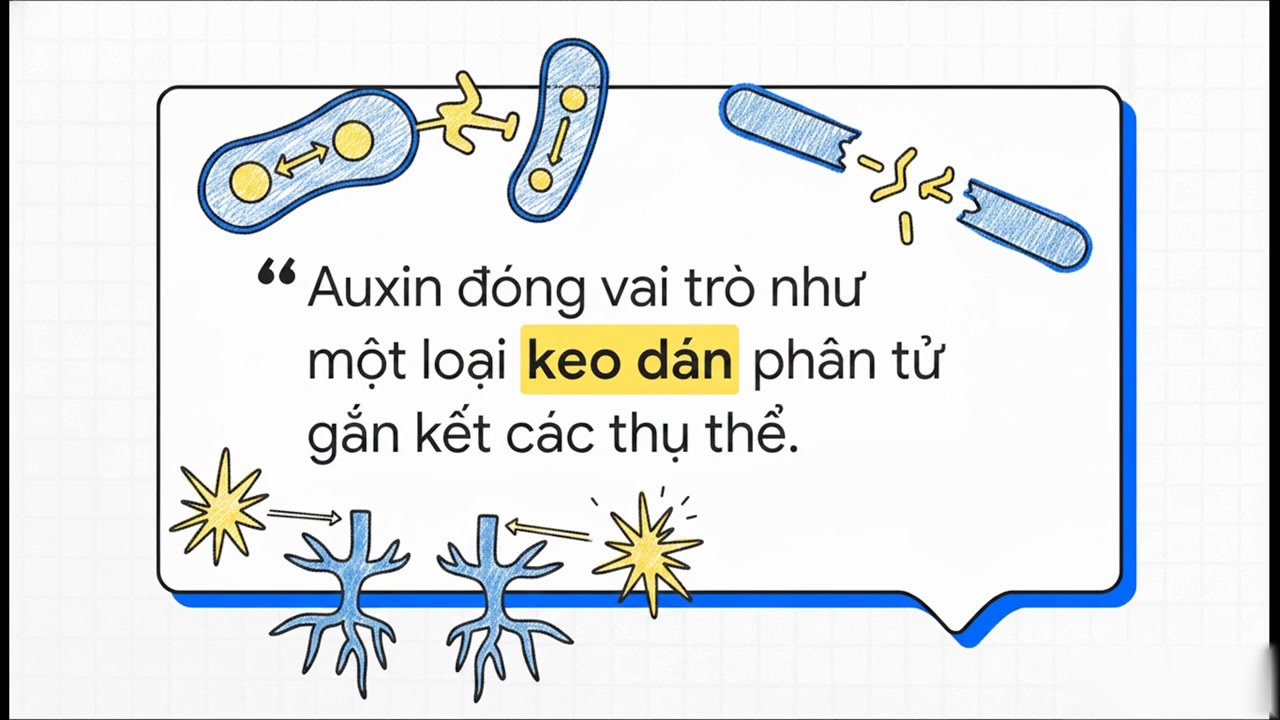
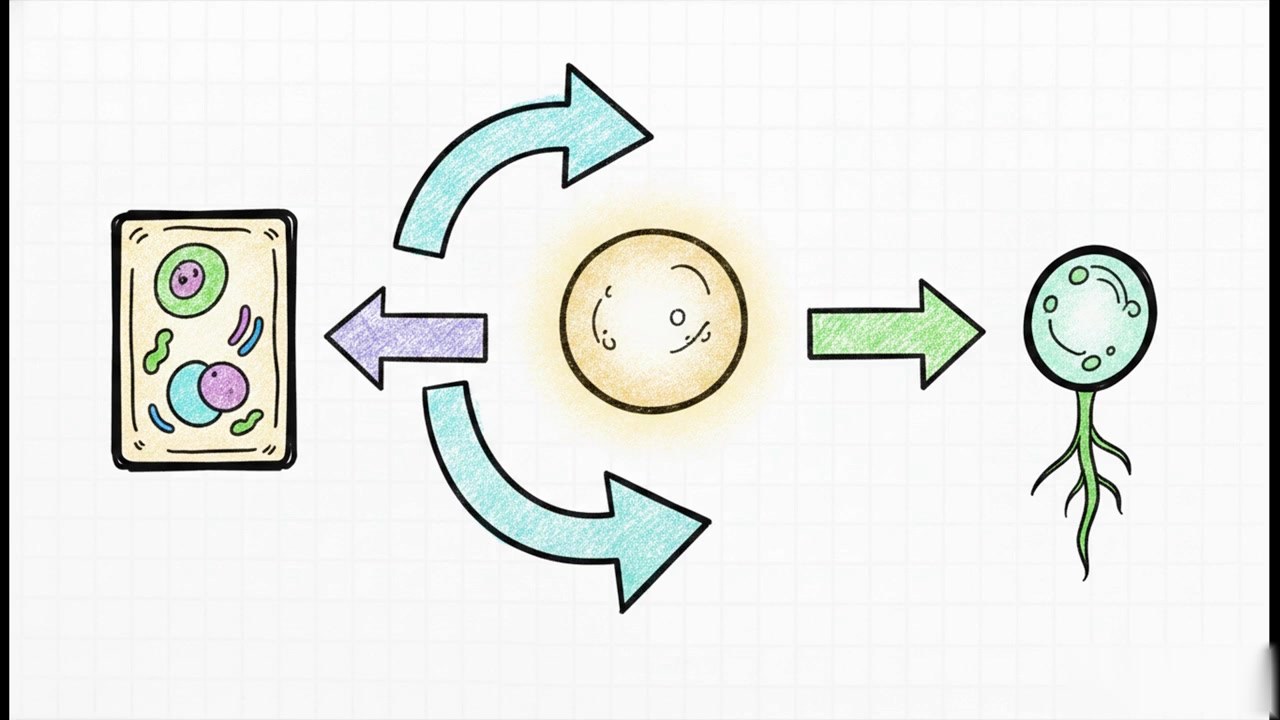
Beyond cell expansion, Auxin acts directly on plant gene expression by functioning as a "molecular glue":
- Auxin binds the nuclear receptor TIR1 tightly to transcriptional repressor proteins called Aux/IAA.
- This binding tags the Aux/IAA repressors for rapid degradation, liberating Auxin Response Factors (ARFs).
- Once freed, ARFs bind to DNA and switch on the genetic programs required for root primordia formation.
Remarkably, this pathway enables cellular dedifferentiation: Auxin can reverse cellular specialization, returning mature stem or leaf cells to an undifferentiated meristematic state and reprogramming them to divide into brand-new adventitious root primordia.
3. Systemic Effects on Roots and the Whole Plant
3.1. Effects on the Root System
- Adventitious root induction: Triggers root initiation from non-root organs (stems, cane bases, leaves), forming the biological foundation of asexual propagation via cuttings and air-layering.
- Increased feeder-root density: Stimulates active cell division in the cambium and pericycle, multiplying lateral root branches, root hairs, and total root length.
- Phenolic compound accumulation: Studies on chrysanthemums (Chrysanthemum indicum) and roses demonstrate that Auxin treatment (particularly IBA) boosts endogenous phenolic compounds such as chlorogenic acid and salicylic acid. These phenolics shield Auxin from oxidative breakdown while directly supporting early root primordium development.
3.2. Above-Ground Effects and the Consequences of Overdose
- Apical dominance: Auxin synthesized in the shoot tip travels downward to suppress lateral buds. Removing the tip (decapitation) lowers Auxin levels and releases side buds to flush.
- Nutrient mobilization: A vigorous root network improves water and mineral uptake, while Auxin itself establishes a physiological sink that pulls sugars and minerals toward the treated zone.
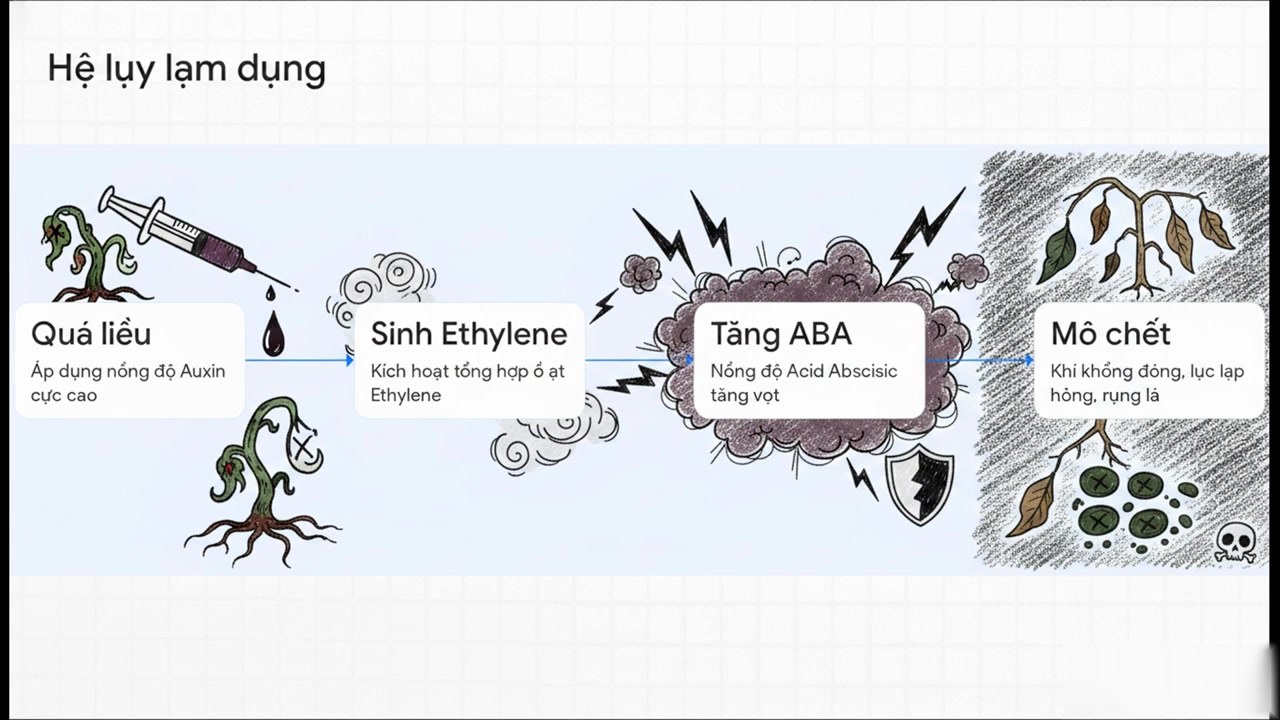
- The lethal cascade of Auxin overdose: Auxin operates within a narrow biological window. Excessively high concentrations trigger massive biosynthesis of Ethylene, which in turn causes a spike in Abscisic Acid (ABA)—the plant stress and senescence hormone. This chain reaction forces stomatal closure, chloroplast destruction, rapid leaf drop, and tissue necrosis, potentially killing the entire rose bush.
4. Practical Application Specifically on Roses (Rosa spp.)
Roses respond sensitively and predictably to Auxin rooting regulators:
- Varietal differences: Heritage Tea roses and China roses naturally produce ample endogenous Auxin and root readily from cuttings. By contrast, many modern hybrid teas and grafted cultivars struggle to root without targeted exogenous hormone support.
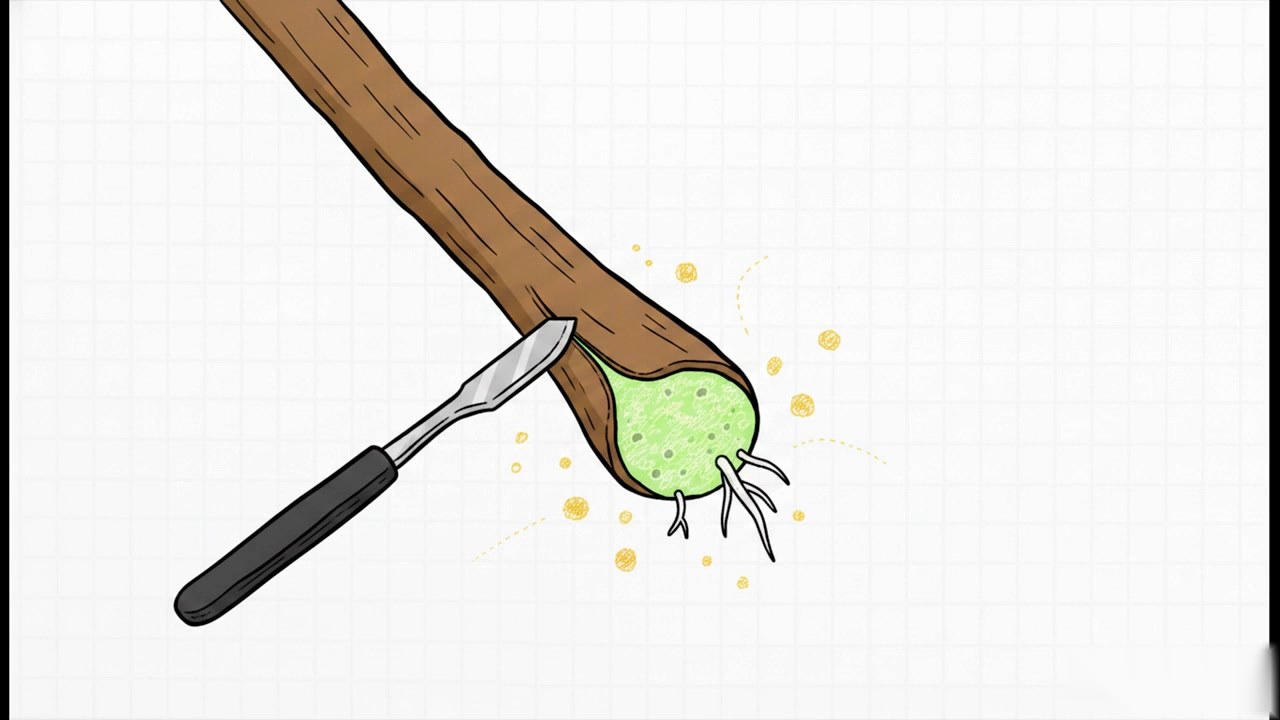
- The "Wounding" technique: Before dipping a rose cutting into rooting hormone, use a sterilized razor blade to gently shave 1–2 thin vertical strips of outer bark (about 1–2 cm long) along the base of the cane. This exposes the underlying cambium/meristem layer, allowing Auxin to penetrate directly into actively dividing cells and dramatically boosting strike rates.
- Research-backed optimal concentrations:
- For dog rose (Rosa canina): NAA at 300 mg/L (300 ppm) has been shown to deliver the highest adventitious rooting response.
- For hybrid roses (Rosa hybrida) in in vitro propagation: a balanced combination of 0.5 mg/L IBA + 0.5 mg/L IAA outperforms single-hormone treatments.
- Preferred active ingredient for roses: In nursery and home practice, IBA is strongly favored for roses because it builds thick, evenly distributed white roots with a much wider safety margin than NAA, which can easily scorch basal stem tissue if slightly over-concentrated.
5. Commercial Rooting Products vs. Homemade Organic Formulas
5.1. Five Popular Commercial Rooting Products
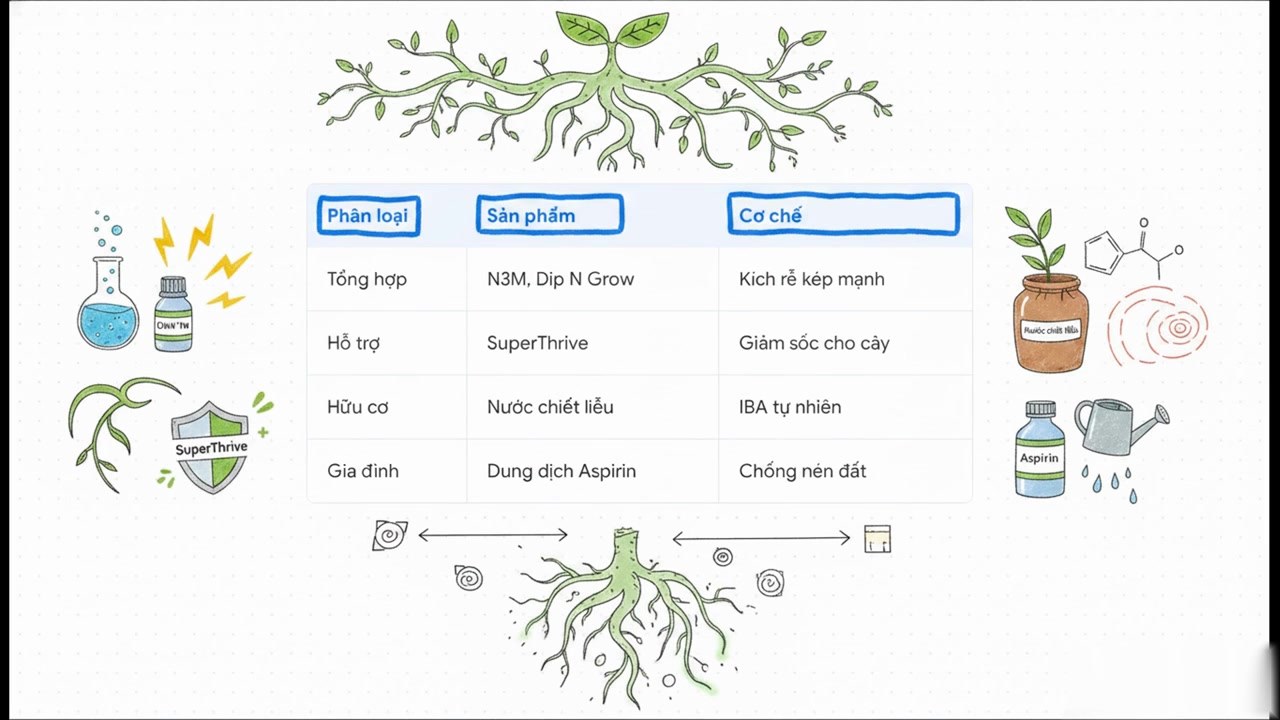
- N3M (Vietnam): A widely used multi-purpose root stimulator combining NPK micronutrients, Vitamin B1, and IBA/NAA. Highly effective for woody cuttings and post-repotting recovery, though overdosing can cause fertilizer burn.
- IBA.NAA 2% SP: A soluble powder combining both IBA and NAA to stimulate primary roots and dense fibrous feeder roots simultaneously—popular for roses and fruit trees.
- Rootex-Gel (Australia): A viscous gel formulation that coats cutting wounds evenly, releasing Auxin steadily while forming a physical barrier against bacteria and fungi.
- SuperThrive (USA): Contains trace NAA blended with Vitamin B1 and botanical extracts. Best viewed as a transplant shock reducer and metabolic tonic rather than a heavy-duty rooting hormone.
- Dip 'N Grow (USA): A concentrated liquid blend of IBA and NAA in an optimized ratio, widely prized by professional propagators for stubborn, hard-to-root rose cultivars.
5.2. Five Homemade Organic Rooting Solutions
For organic growers or balcony gardens seeking gentle, chemical-free alternatives, five natural preparations stand out:
- Willow Water — The strongest natural root stimulator: Young willow twigs naturally contain both IBA (rooting hormone) and Salicylic Acid (SA) (which activates plant defense pathways against fungal pathogens causing root rot and stem canker).
- How to make it: Chop young, green- or yellow-barked willow shoots into 3–5 cm segments. Steep in boiling water overnight (or soak in cold water for 3–5 days until lightly tinted brown), strain, and use to soak cuttings or drench potting media.
- Aspirin Solution: Aspirin contains acetylsalicylic acid, a direct precursor to salicylic acid. Crush 1 Aspirin tablet into 1 liter of water to mildly encourage rooting, boost immune priming, and help counteract soil compaction.
- Banana Extract: Rich in Potassium, vitamins, and growth-supporting enzymes.
- How to make it: Simmer chopped ripe bananas in water and strain the extract, or ferment ripe bananas with Trichoderma fungi for 15–30 days to release bioavailable root nutrients.
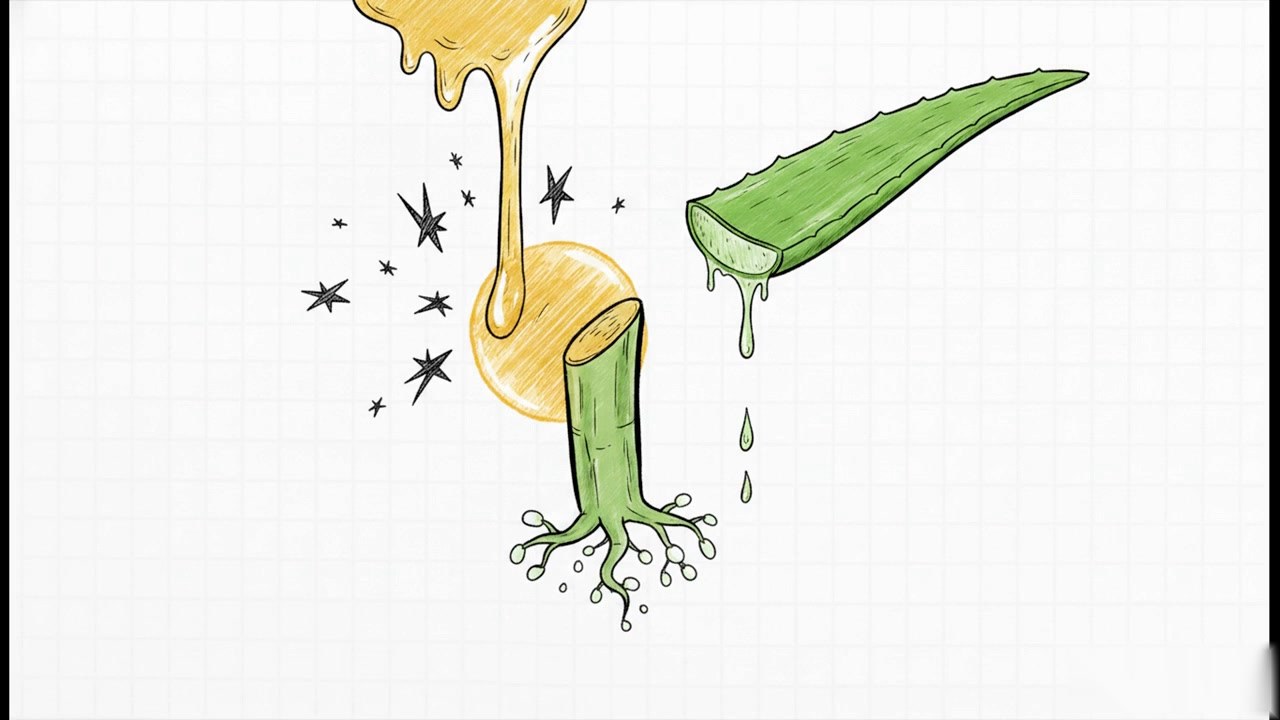
- Raw Honey and Fresh Aloe Vera: Raw honey provides potent natural antimicrobial protection that prevents cutting bases from rotting, while fresh aloe vera gel supplies salicylic acid, vitamins, and natural meristem-stimulating compounds. Dip cutting bases directly into fresh aloe gel or diluted raw honey before inserting into rooting media.
- Rice-Wash Water: Supplies natural Vitamin B1, helping roses recover from transplant shock and improving nutrient uptake in existing roots. (Scientific note: Vitamin B1 does not directly convert stem cells into root cells like Auxin does; instead, it acts as a metabolic coenzyme catalyst supporting root energy supply.)
6. Conclusions and Scientific Recommendations for Rose Growers
Auxin-based root stimulators are powerful physiological tools, but the line between vigorous root regeneration and toxic tissue burn depends strictly on dosage, timing, and substrate aeration. Overusing synthetic rooting chemicals can desensitize tissues, disrupt hormone balance, and scorch delicate root tips.
Three golden rules from plant physiology:
- Match concentration to application method:
- Quick-dip propagation: Use high concentration (1,000–2,000 ppm) for a very brief exposure (a few seconds to a few minutes) so hormone coats the cambium cleanly.
- Periodic root drenching: Use low, properly diluted concentrations spaced 7–15 days apart—never drench daily.
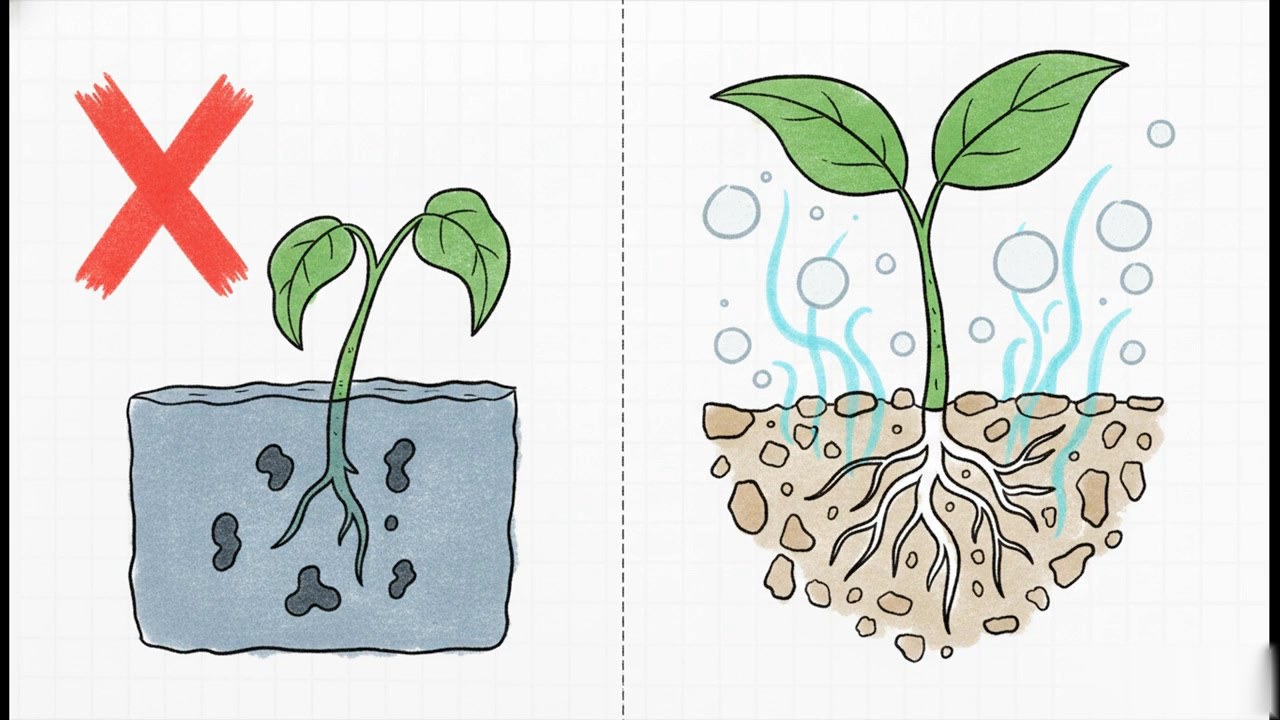
- Guarantee loose, oxygen-rich potting media: Generating new root cells demands intense aerobic respiration (ATP). Auxin cannot function effectively in compacted, root-bound, or waterlogged substrates deprived of oxygen—under anaerobic conditions, cuttings and roots simply rot faster.
- Apply in early morning or late afternoon: Especially when using IAA-based products or Vitamin B1 blends, which degrade rapidly under intense UV sunlight.