When cool spring weather gives way to blistering summer heat, nearly every rose grower knows the same sinking feeling: lush, vibrant bushes that were bursting with blooms suddenly wilt, curl, fade, and deteriorate within days of a heatwave.
Instead of panicking and spraying an arsenal of fungicides and boosters, step back and diagnose the garden systematically. Almost every summer rose crisis is actually a cascading domino effect triggered by extreme environmental pressure, unfolding across four interconnected links: (1) Summer heat pressure, (2) Drought stress and sunburn, (3) Dry-heat insect outbreaks, and (4) Summer fertilizer burn.
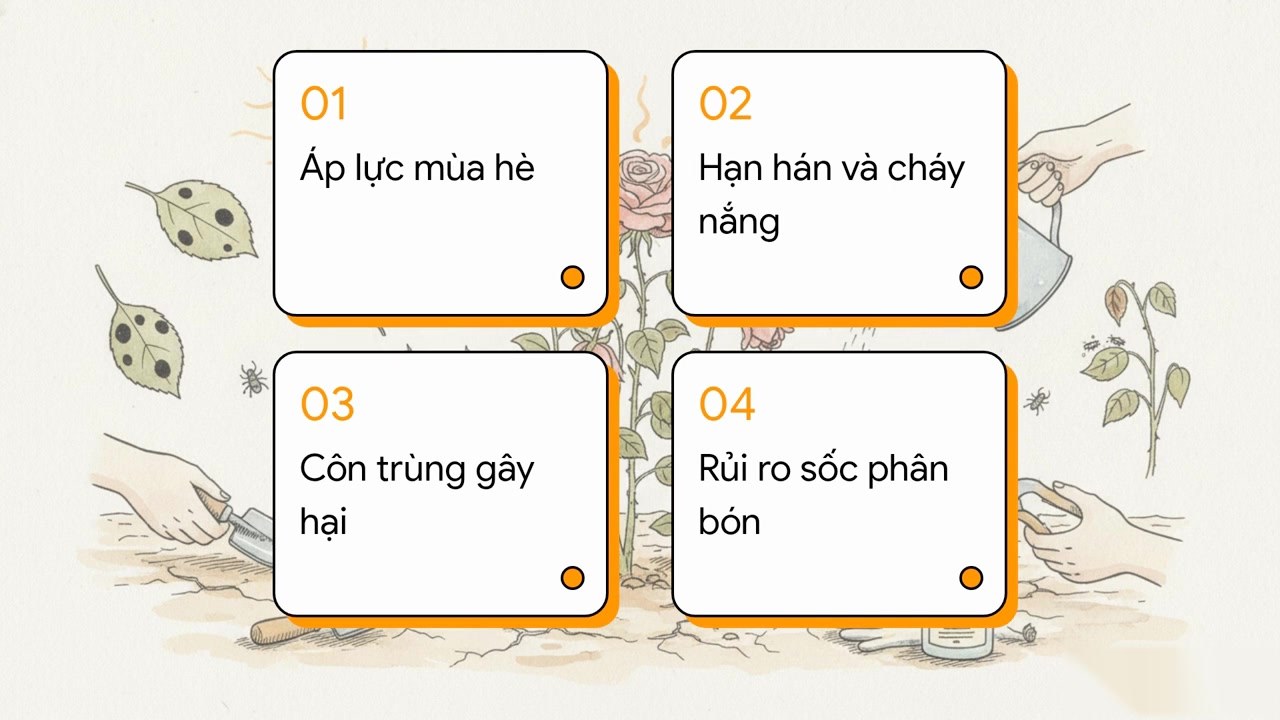
1. Domino #1: Summer Heat Pressure — The Hidden Instigator
Extreme summer heat is the root cause behind nearly every disorder and pest explosion that follows.
- Collapse of natural biological defenses: Although roses love sunlight, extreme heat paired with rapid evapotranspiration throws the plant into physiological panic, breaking down its natural cellular defense mechanisms.
- Shift from flowering mode to survival mode: Water and nutrient demands change drastically. Rather than investing energy in new canes and lush blooms, the bush must expend all its strength simply to stay alive.
- Vulnerability to opportunistic attackers: This quiet exhaustion leaves heat-stressed roses wide open to dry-weather pests and chemical root injury.
2. Domino #2: Drought Stress vs. Sunburn — Diagnose Correctly to Rescue Effectively
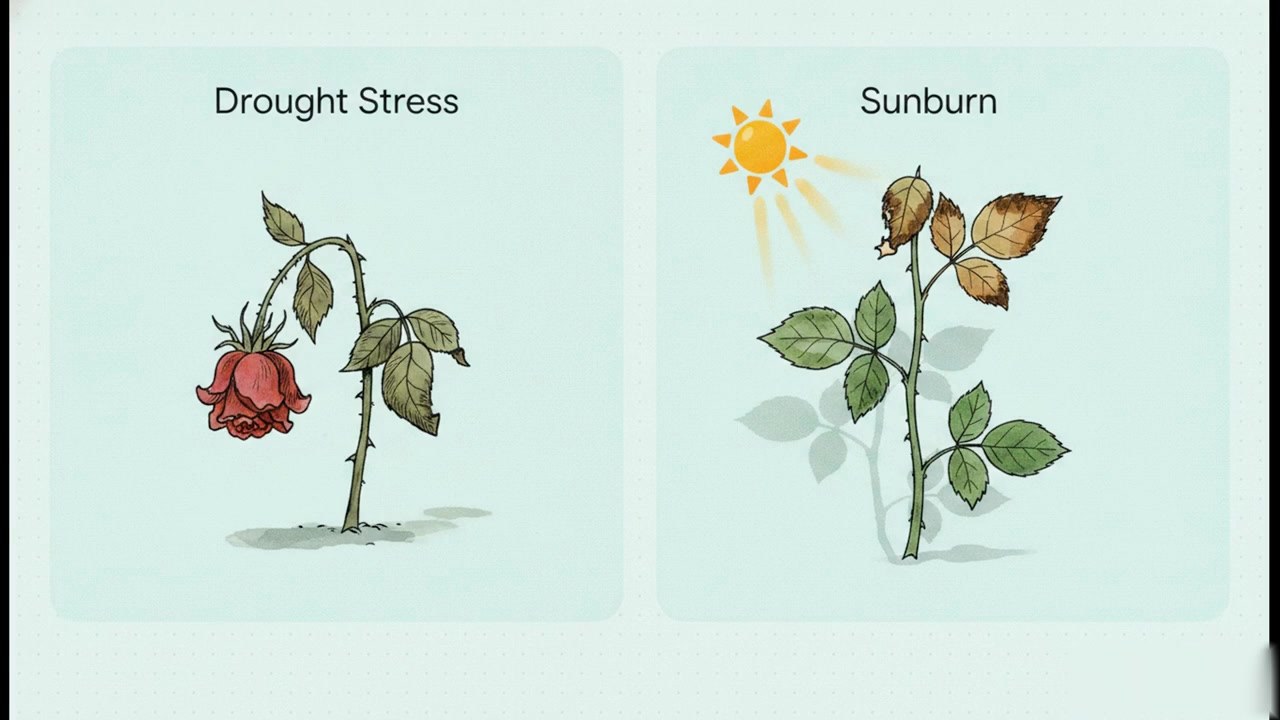
Intense solar radiation and acute moisture deficit produce two distinct physical/physiological injuries that growers frequently confuse: drought stress and sunburn.
2.1. Drought Stress
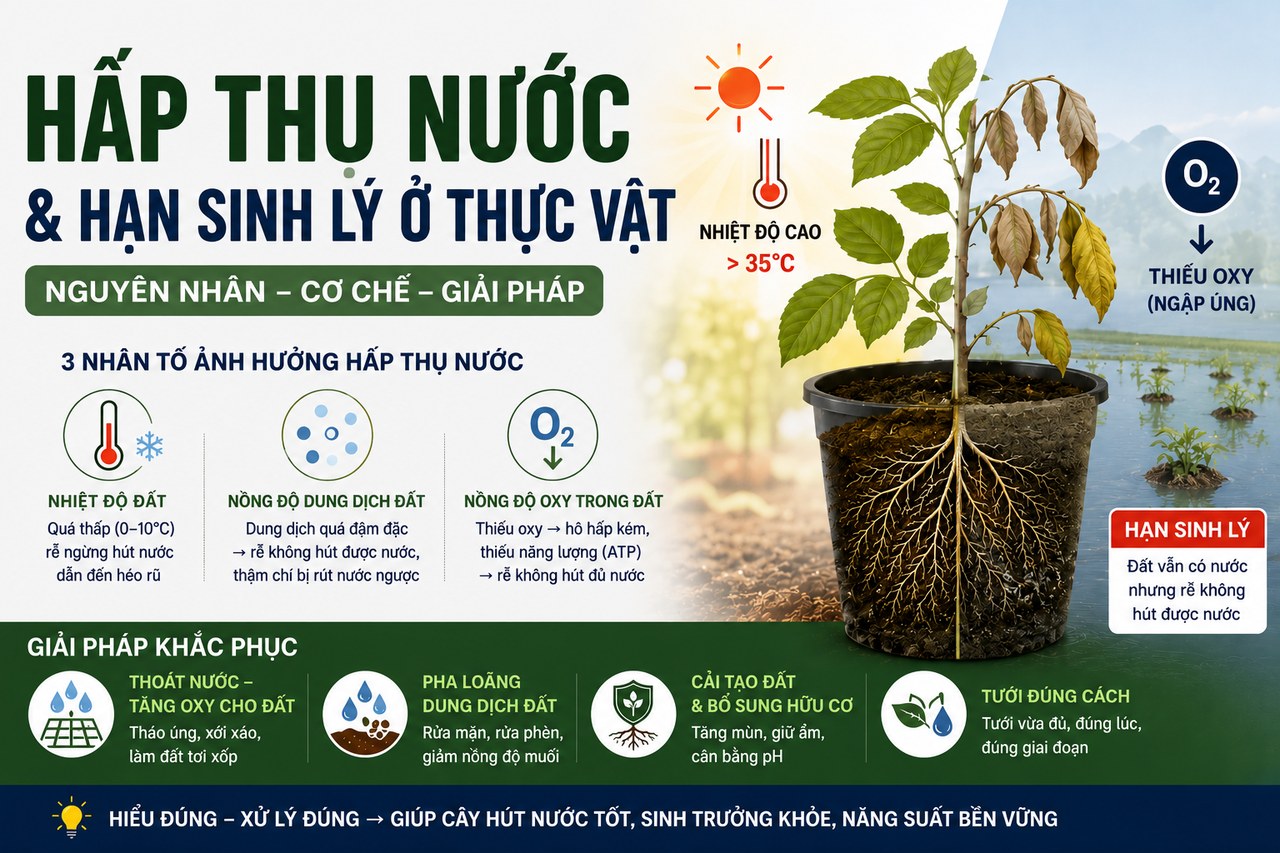
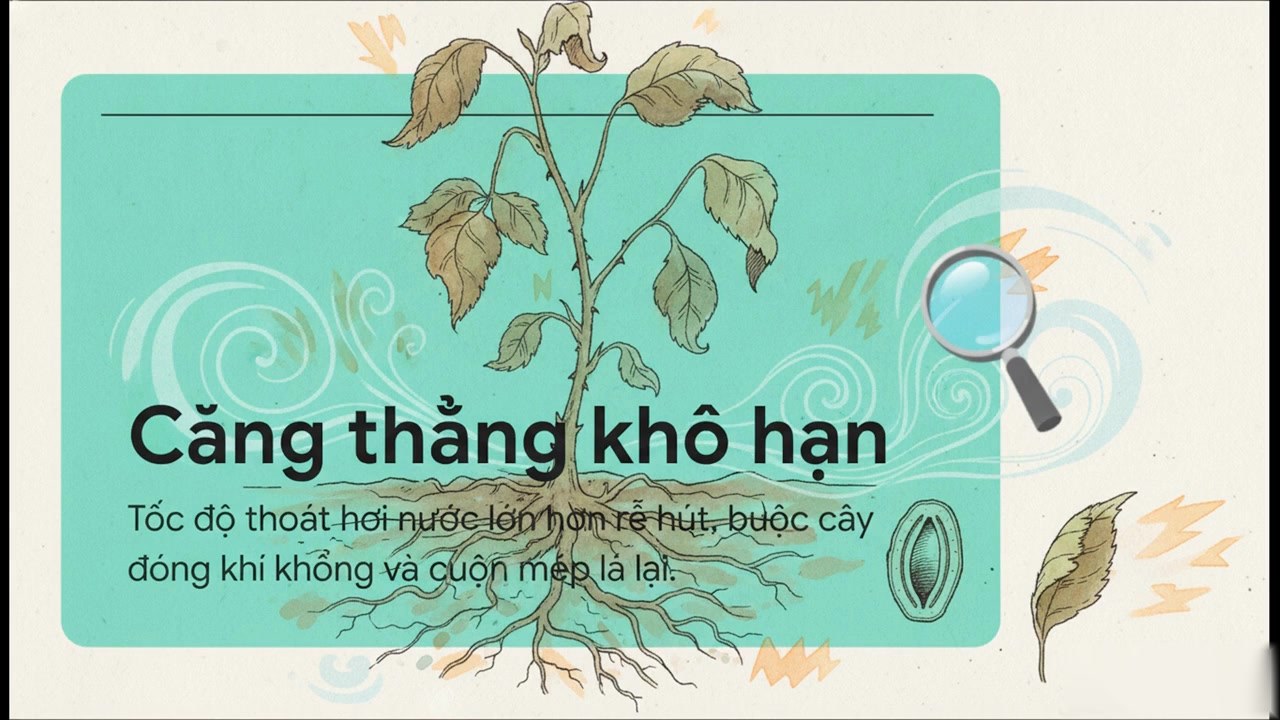
Drought stress occurs when foliar transpiration outpaces the rate at which roots can absorb water. To survive, the rose activates a remarkable protective mechanism:
- It automatically closes its stomata to curb water loss.
- Cells along the lower leaf surface contract, curling leaf margins inward to trap a tiny humid microclimate pocket directly against the leaf and shield tissue from solar radiation.
- Visually, the entire bush wilts, drooping most conspicuously during hot afternoons.
2.2. Sunburn
Unlike the whole-plant wilting of drought stress, sunburn behaves like a localized thermal burn:
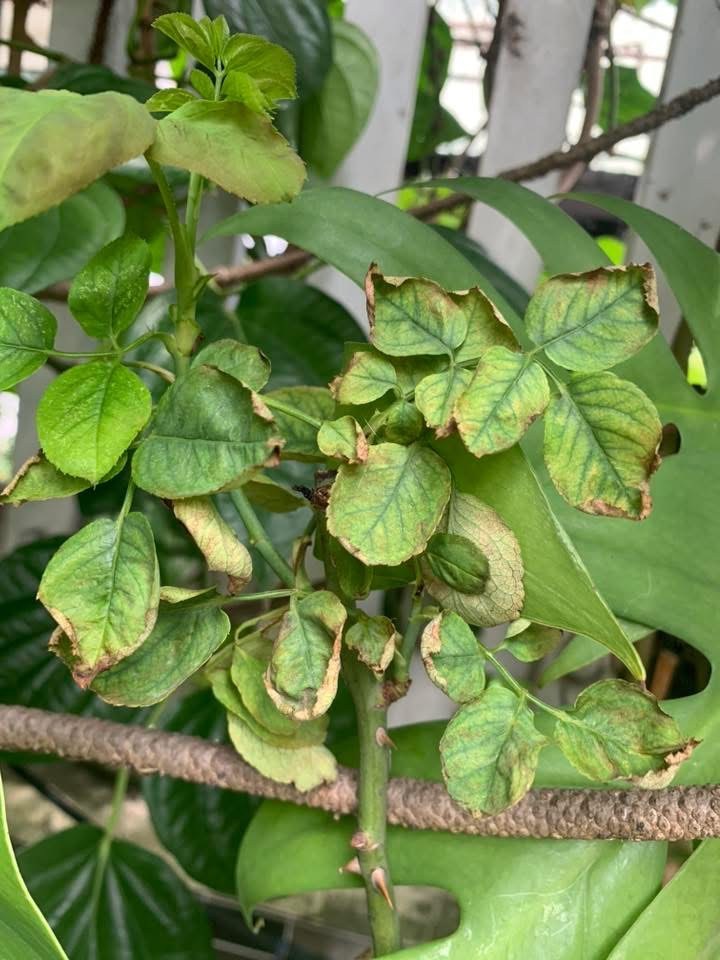
- It produces dry, crisp, brittle brown scorch patches on exposed foliage.
- Crucially, sunburn appears strictly on leaves exposed directly to sun above 35°C, while shaded leaves lower in the canopy remain completely green and normal.
2.3. Three-Step Emergency Rescue for Heat and Drought Stress
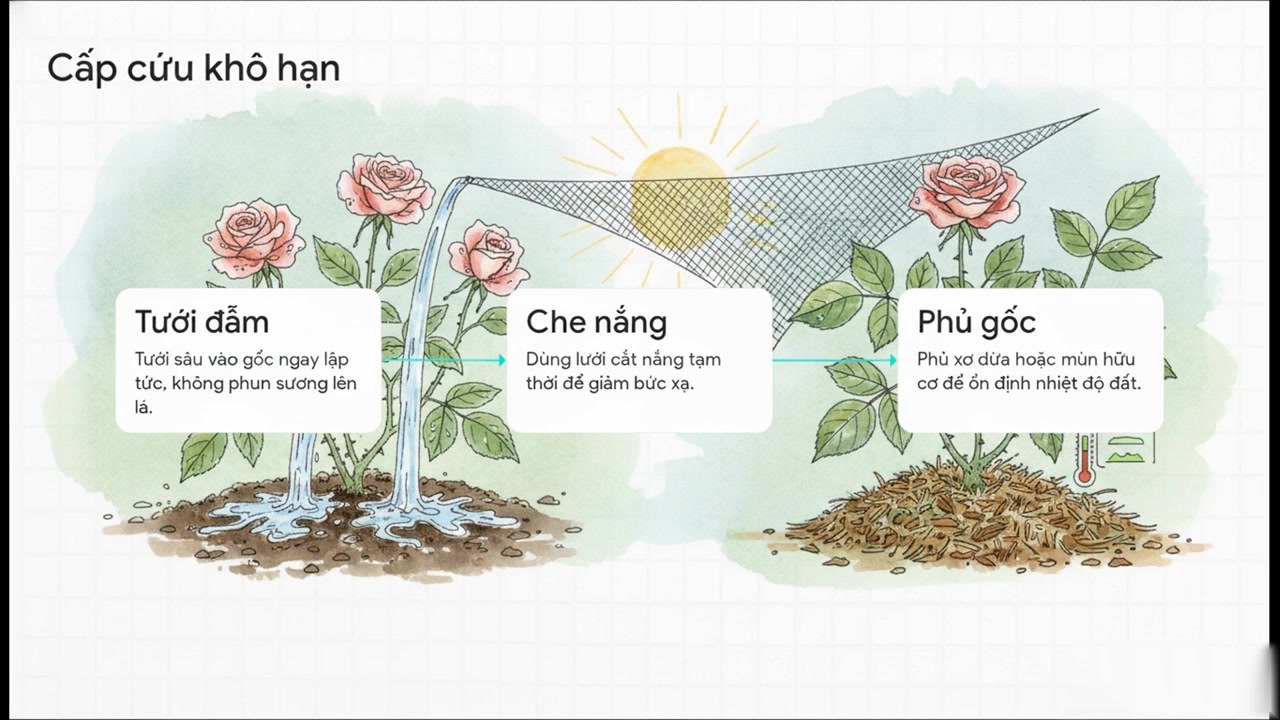
Because heat stress and sunburn are environmental injuries, do not reach for chemical sprays—intervene environmentally with three straightforward, high-impact steps:
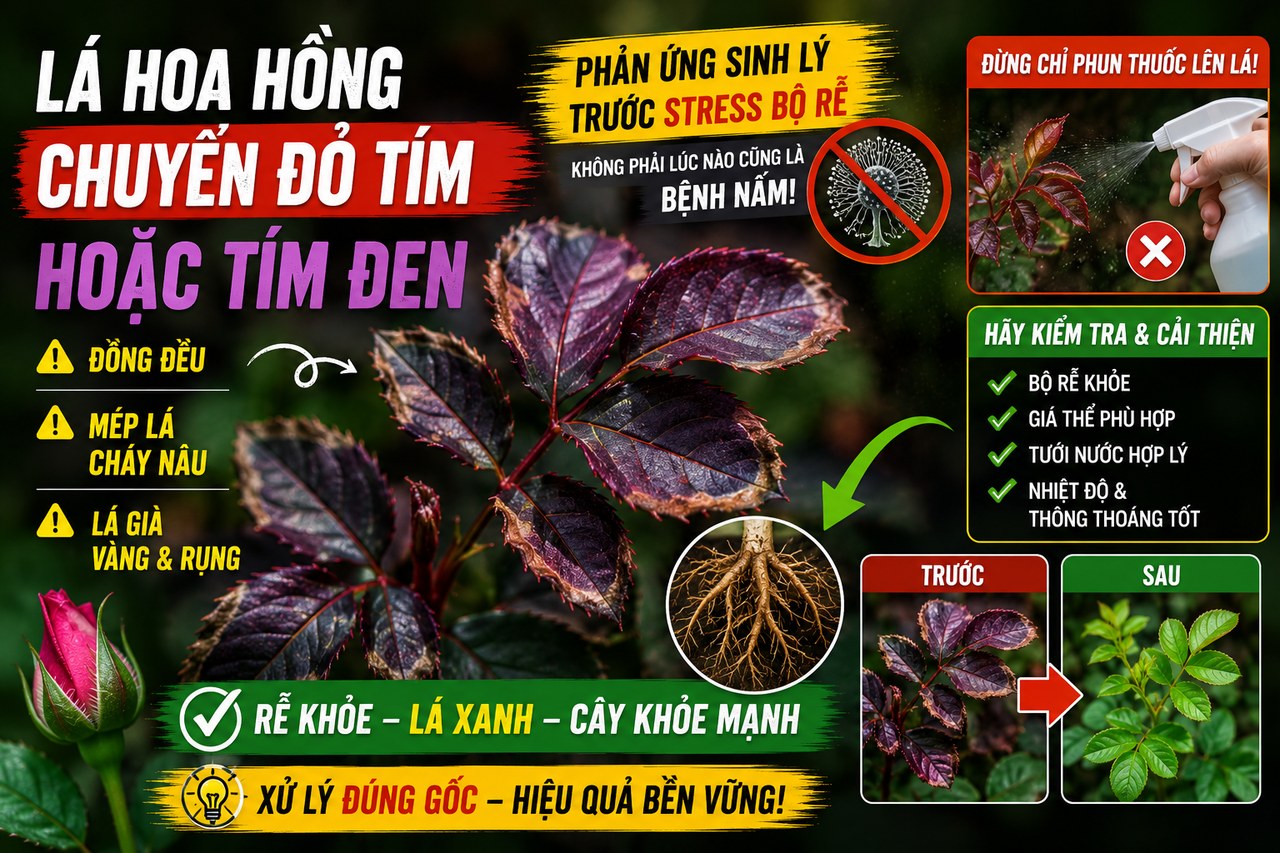
- Water deeply at the root zone immediately: Soak the root ball thoroughly. Never mist hot foliage during scorching midday sun, as water droplets on overheated leaves can worsen thermal shock and tissue damage.
- Install temporary shade cloth: Drape shade netting over the rose bed or pots to immediately cut peak solar radiation.
- Mulch the base: Spread a layer of organic mulch such as coco coir or composted bark around the crown to curb evaporation and cool root-zone soil temperatures.
3. Domino #3: Two Insect Pests That Dominate Hot, Dry Summers
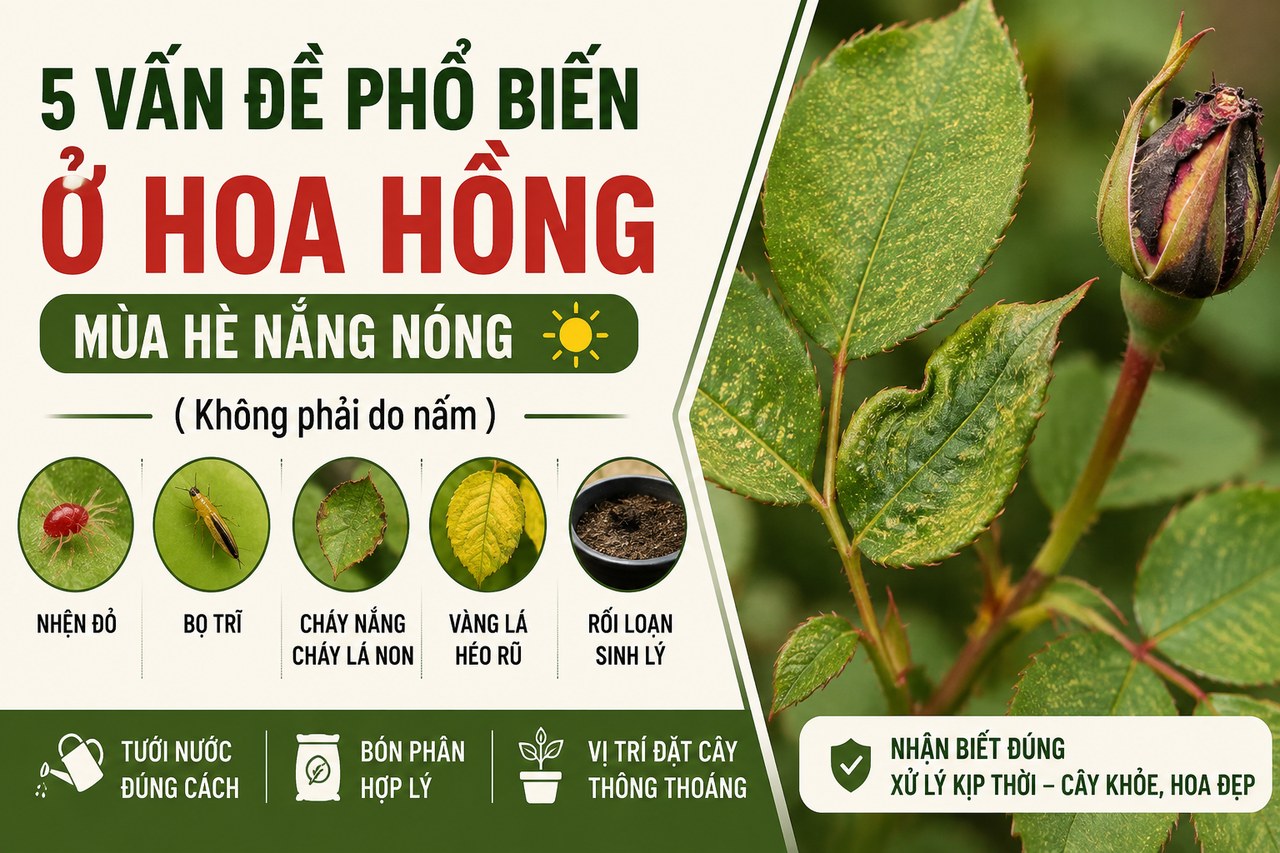
The moment summer heat weakens a rose bush, two microscopic pests built to thrive in hot, arid weather move in: red spider mites and thrips.
3.1. Red Spider Mites (Tetranychus spp.) — Bottom-Up Defoliation
Red spider mites are tiny sap-sucking arachnids that explode in population during prolonged hot, dry spells with no heavy rain. Their favorite food is the chlorophyll inside rose leaves.
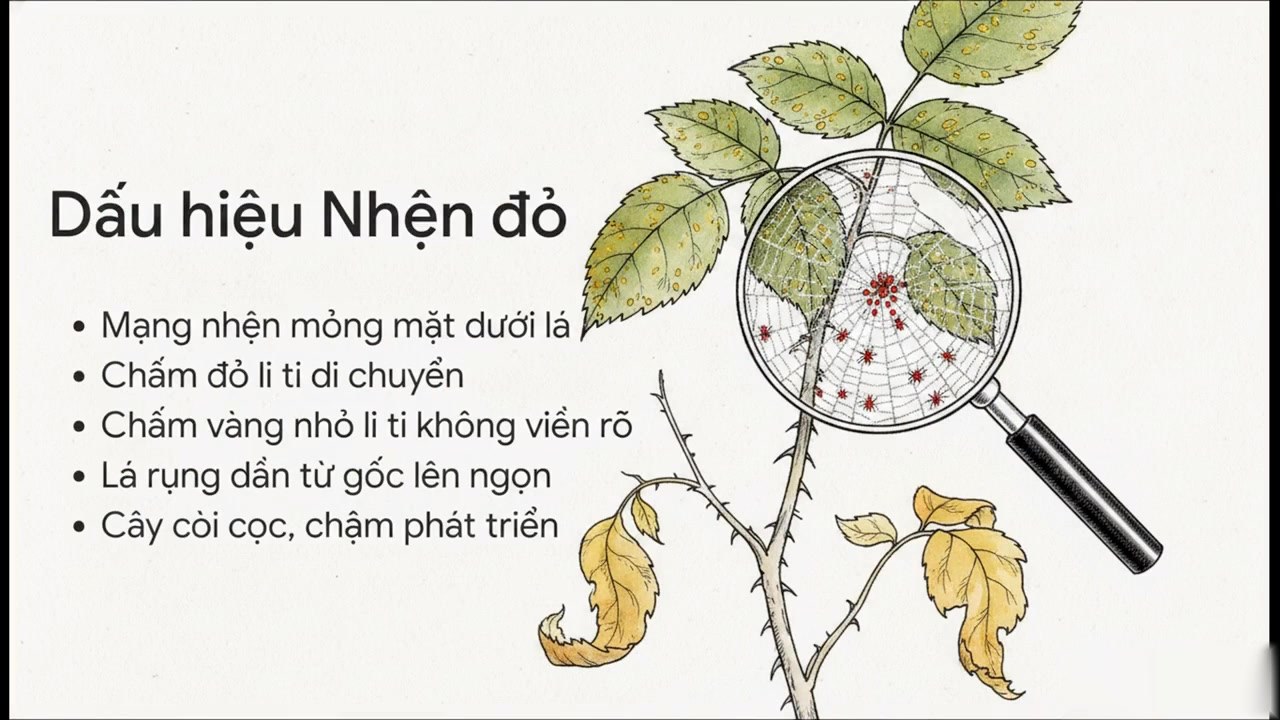
Five diagnostic signs of spider mites:
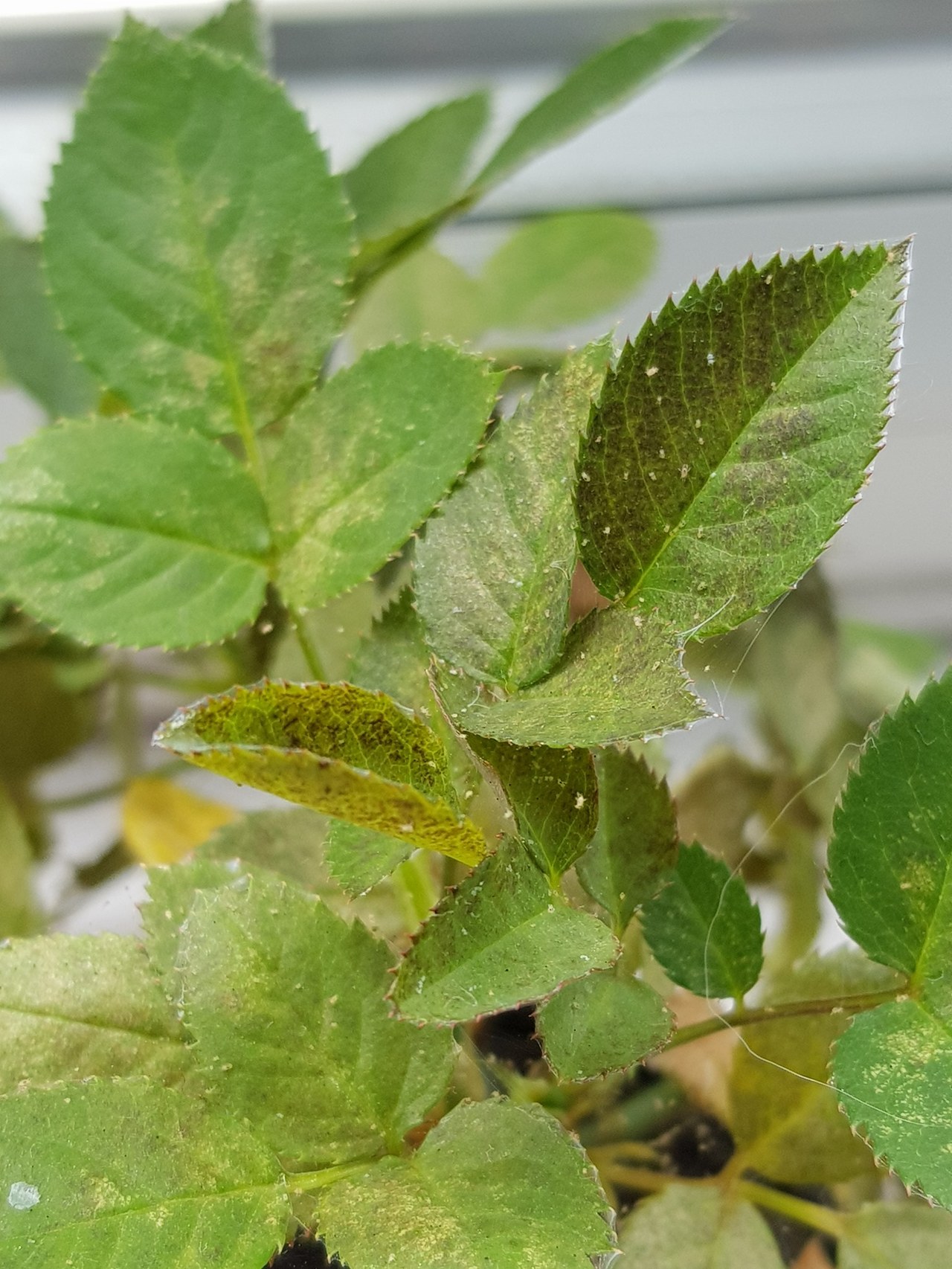
- Inspect leaf undersides for fine, silvery webbing accompanied by tiny moving red specks.
- As mites drain chlorophyll, the upper leaf surface develops thousands of minute yellow stippling dots with no distinct borders.
- Their most destructive signature: leaves yellow and drop heavily from the bottom of the bush upward, eventually leaving bare, stunted canes with stalled growth.
3.2. Thrips — Destroyers of Tender Shoots and Buds
While spider mites attack mature lower foliage first, thrips target the rose's newest architecture: emerging tender shoots and delicate opening flower buds.
A clever biological clue distinguishing thrips from drought stress:
- Drought stress curls leaf margins inward.
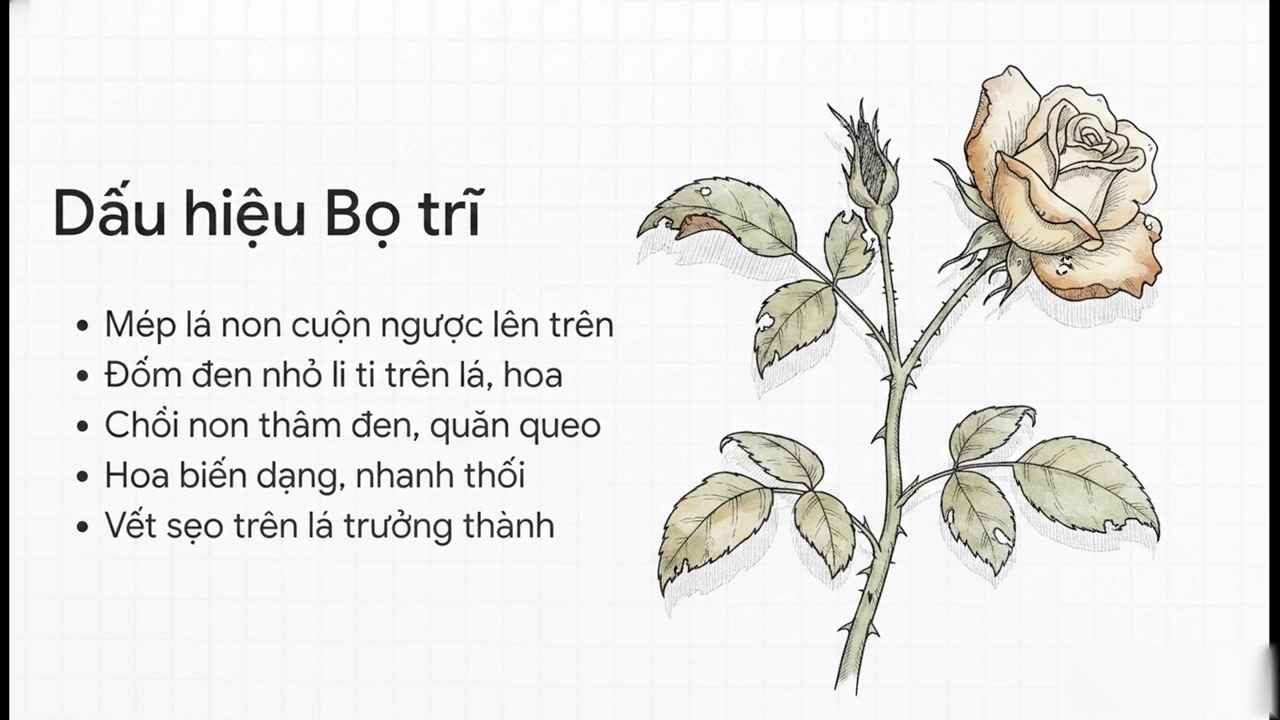
- Thrips curl young leaf margins upward and outward. By rasping and destroying the lower epidermal cells, thrips cause the leaf underside to shrink while the upper epidermis keeps growing—creating mechanical tension that rolls margins upward.
Additional thrips indicators:
- Tiny black specks scattered on leaves and petals (thrips frass/excrement).
- Blackened, twisted, aborted tender shoot tips.
- Deformed, faded blooms that brown and rot rapidly, alongside silvery scarring on mature leaves.
Quick Comparison of the 4 Summer Foliar Syndromes
| Diagnostic Trait | Drought Stress | Sunburn | Red Spider Mites | Thrips |
|---|---|---|---|---|
| Primary location | Whole bush, worst in afternoon | Strictly leaves in direct >35°C sun | Older lower leaves spreading upward | Tender shoot tips, young leaves, buds |
| Leaf appearance | Wilted, margins curled inward | Localized dry, crisp brown patches | Upper yellow stippling; fine webs underneath | Young margins curled upward, scarred |
| Pest evidence | None | None | Tiny red specks crawling on undersides | Tiny black frass dots on leaves/petals |
| Core intervention | Deep root soak, shade, mulch | Shade cloth, root moisture | Thorough underside miticide + water sprays | Targeted thrips control protecting new shoots |
4. Domino #4: Summer Fertilizer Burn (Root Scorch)
The final summer domino is often not a pest or disease at all, but unintentional chemical injury caused by well-meaning growers fertilizing heavily during a heatwave.
4.1. Why Chemical Fertilizer in Extreme Heat Acts Like Root Poison
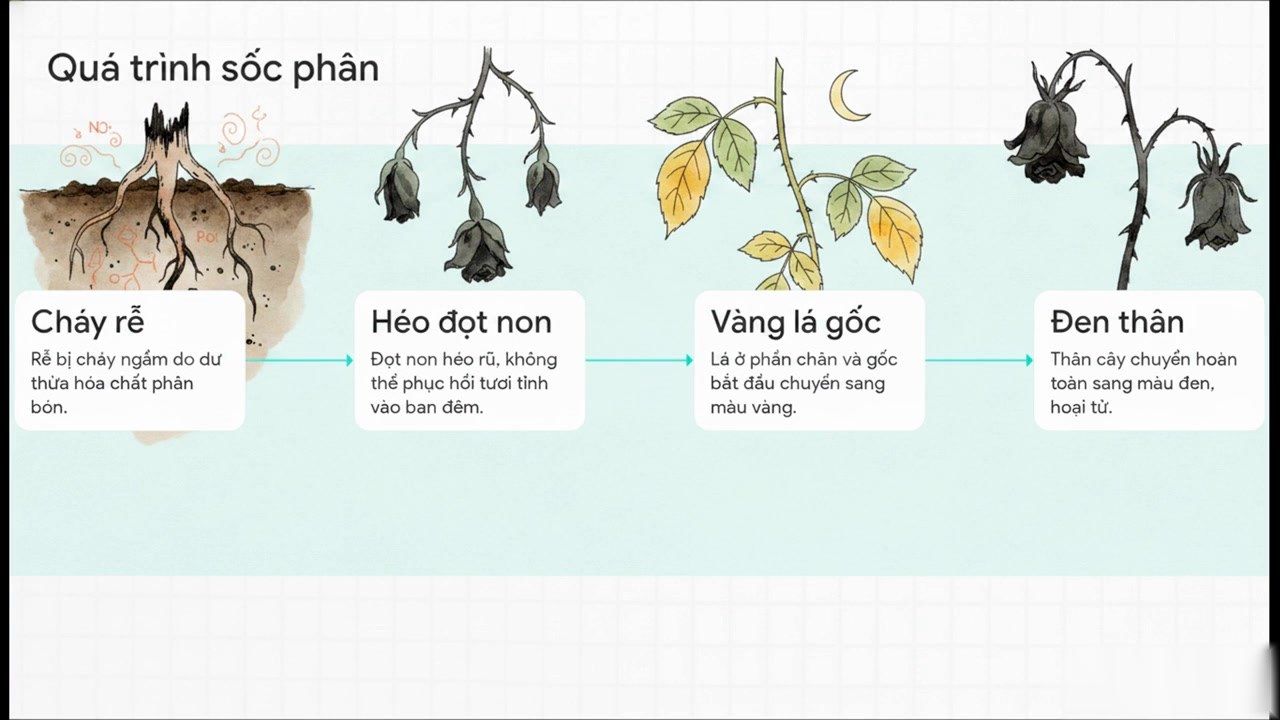
Pouring concentrated chemical fertilizer onto a heat-stressed, dehydrated rose bush spikes soil salt concentration and triggers severe fertilizer burn (root scorch).
Four-stage progression of summer fertilizer burn:
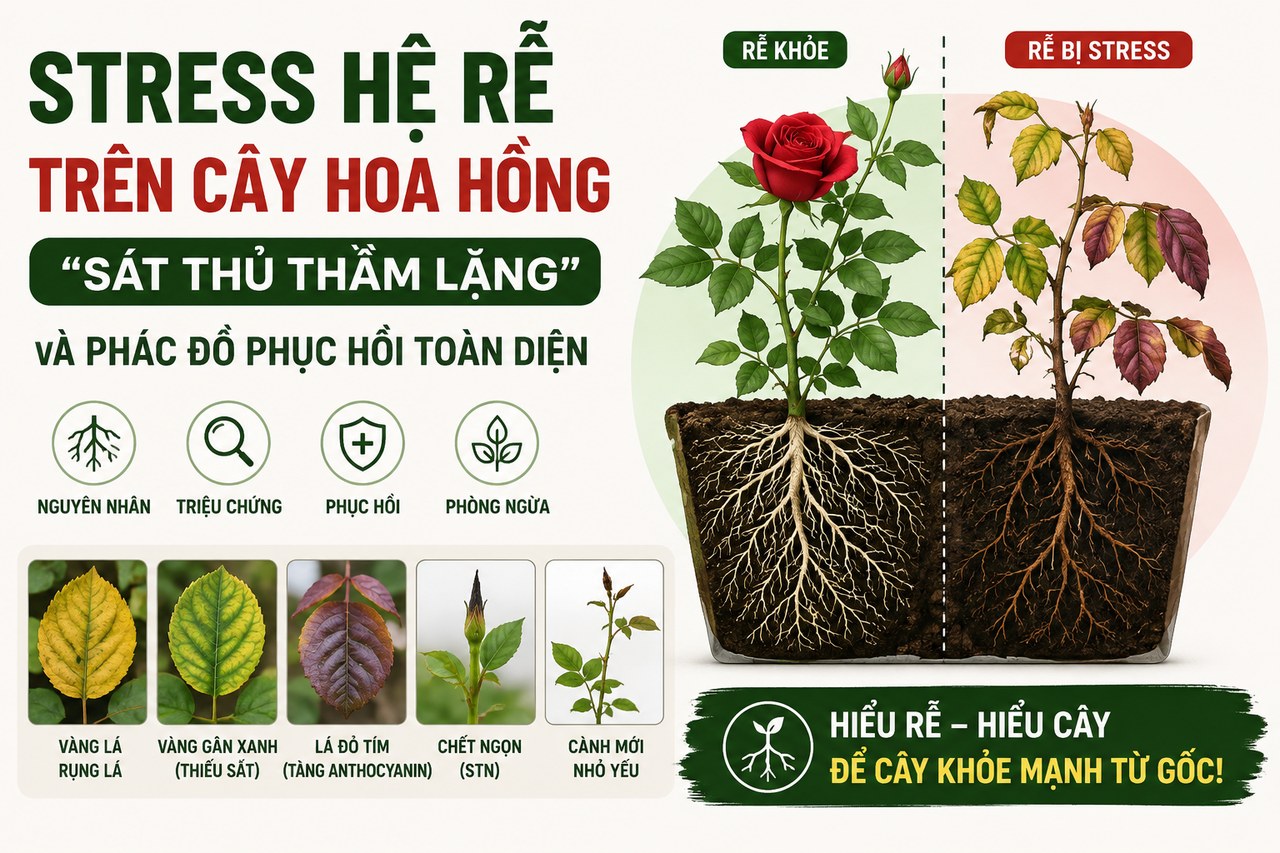
- Silent underground root scorch: Fine roots burn and blacken from excess soluble chemical salts.
- Irreversible shoot-tip wilt: Above ground, tender shoots droop sharply. The critical diagnostic giveaway: unlike normal midday heat wilt, shoots fail to recover even overnight in cool evening dew.
- Lower-leaf yellowing: Within days, basal leaves turn yellow and shed.
- Black stem necrosis: In the final stage, canes turn completely black and necrotic as the bush dies back.
4.2. The Golden Fertilization Principle ("4 More, 4 Less, 4 Never, 3 Avoid") in Summer
Experienced rose growers rely on the year-round nutrition rule "4 More, 4 Less, 4 Never, 3 Avoid"—and during scorching summer heat, the "Never" and "Avoid" rules are non-negotiable:
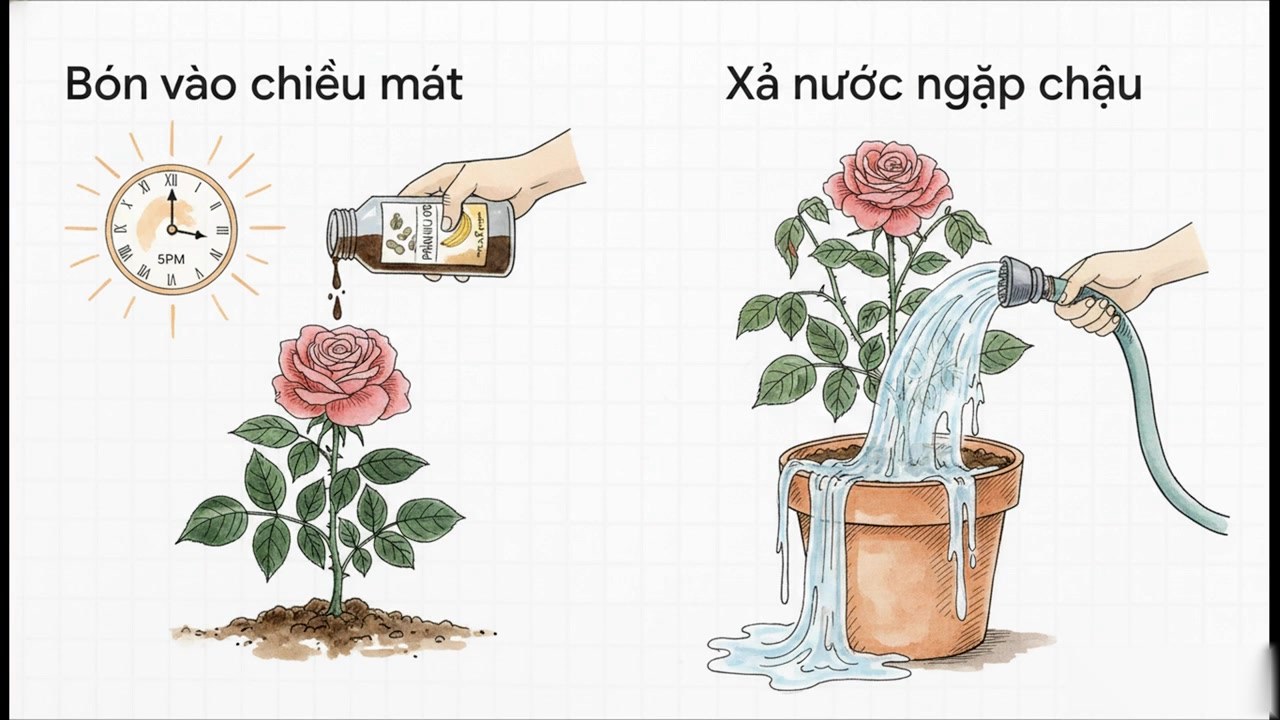
- Never fertilize under scorching midday sun.
- Stop all chemical feeding immediately whenever a bush shows signs of heat or water stress.
- Switch to gentle, cooling liquid organics: Replace harsh chemical salts with dilute, root-soothing liquid organic blends such as fermented soybean Humic or banana-peel Humic, applied only in the cool late afternoon (around 4:00–5:00 PM).
- The only emergency rescue for accidental over-fertilization: If you over-applied fertilizer or spot non-recovering shoot wilt after feeding, flush the entire pot repeatedly with copious clean water until excess fertilizer salts leach thoroughly out the drainage holes.
Final Thought: Observe Before You Spray
When facing a struggling rose bush in midsummer, pause and ask: is it truly suffering from an incurable disease, or simply reacting to harsh heat and mistimed care? By accurately distinguishing drought stress from sunburn, separating red spider mites from thrips, and preventing fatal summer fertilizer burn, you hold the key to adjusting the growing environment so your roses survive summer intact and rebound vigorously.