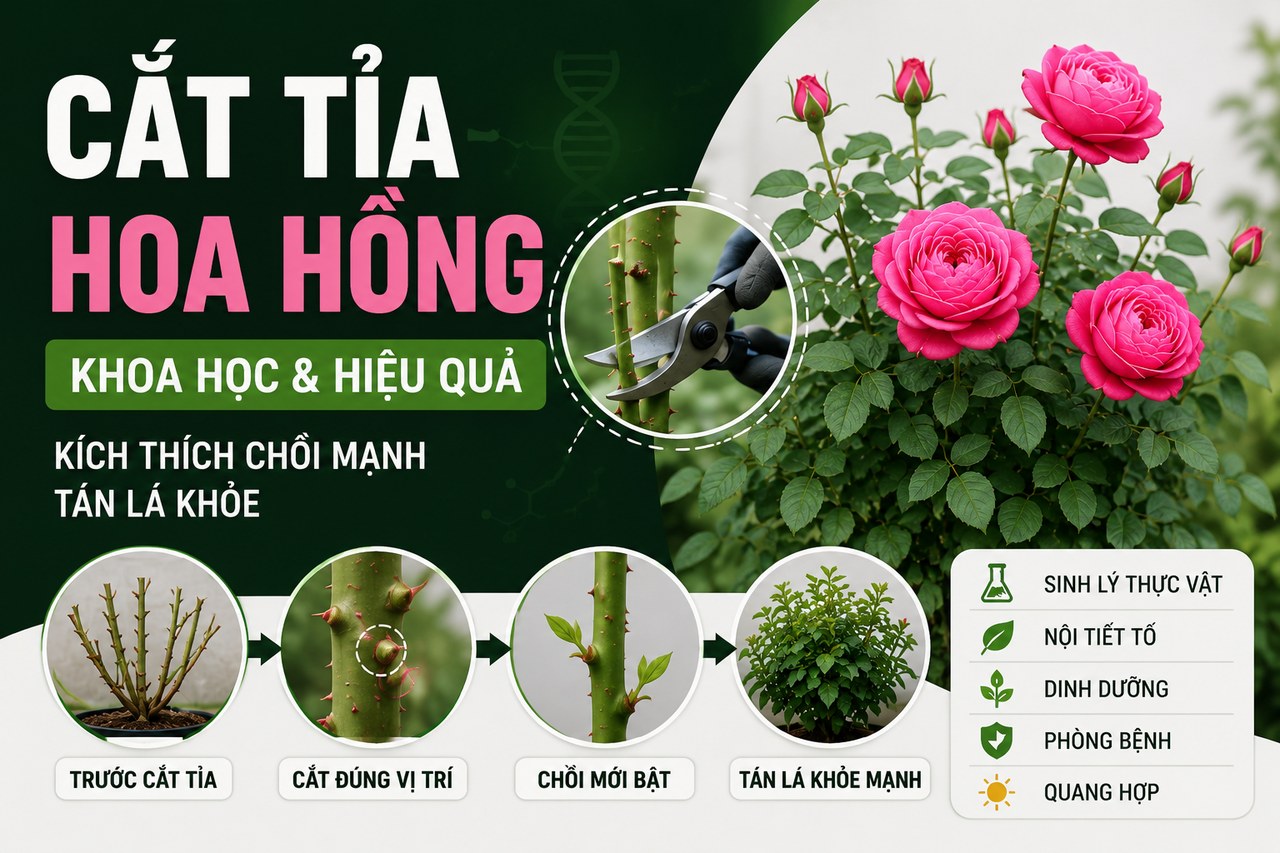
Soil acidity or alkalinity—measured by pH—is one of the most decisive biochemical factors governing nutrient availability, immune vigor, and bloom quality in roses. Active pH management is especially critical for potted roses, where limited substrate volume and thin chemical buffering allow pH to swing rapidly due to hard alkaline tap water or repeated synthetic fertilization.
This comprehensive guide covers the ideal rose pH window, exact home testing procedures, and per-pot amendment dosages calculated specifically for one standard rose container to either lower alkaline pH or raise acidic pH safely.
1. Ideal Soil pH for Roses and Physiological Consequences of Imbalance
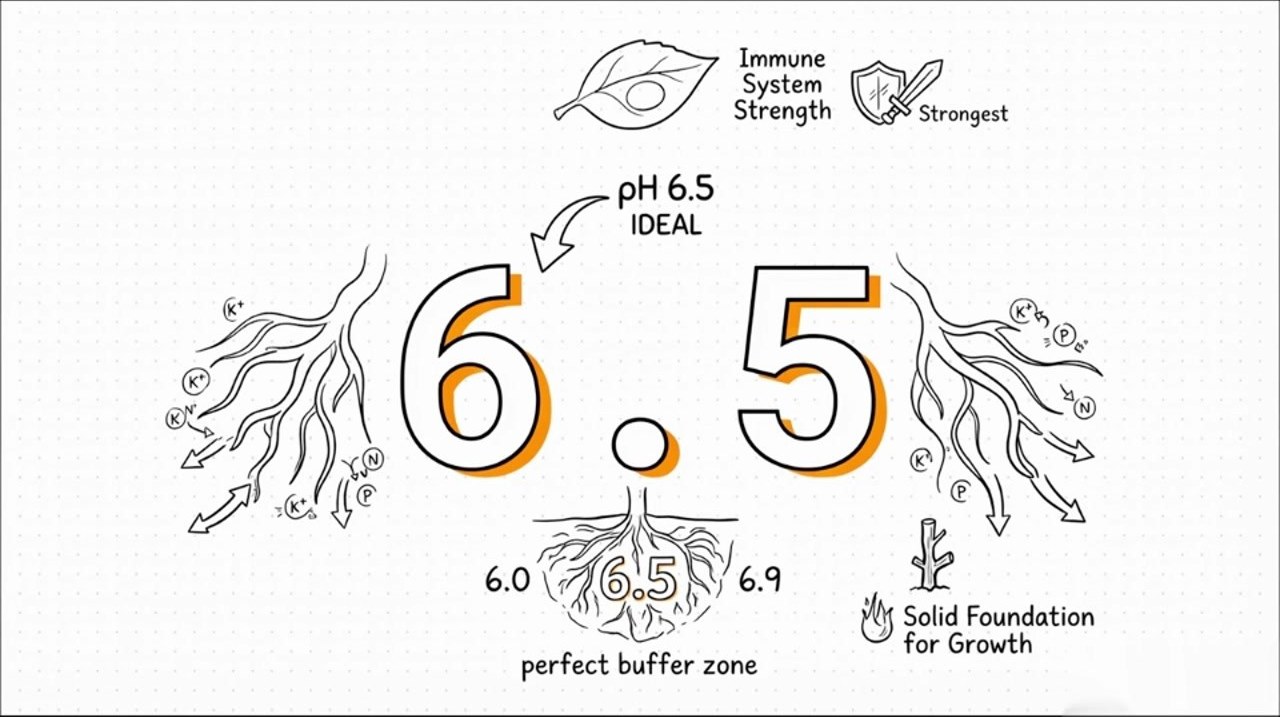
- Optimal pH Window: Roses thrive in slightly acidic soil between pH 6.0 and 6.9, with pH 6.5 representing the ideal sweet spot where macronutrients and micronutrients achieve maximum simultaneous solubility.
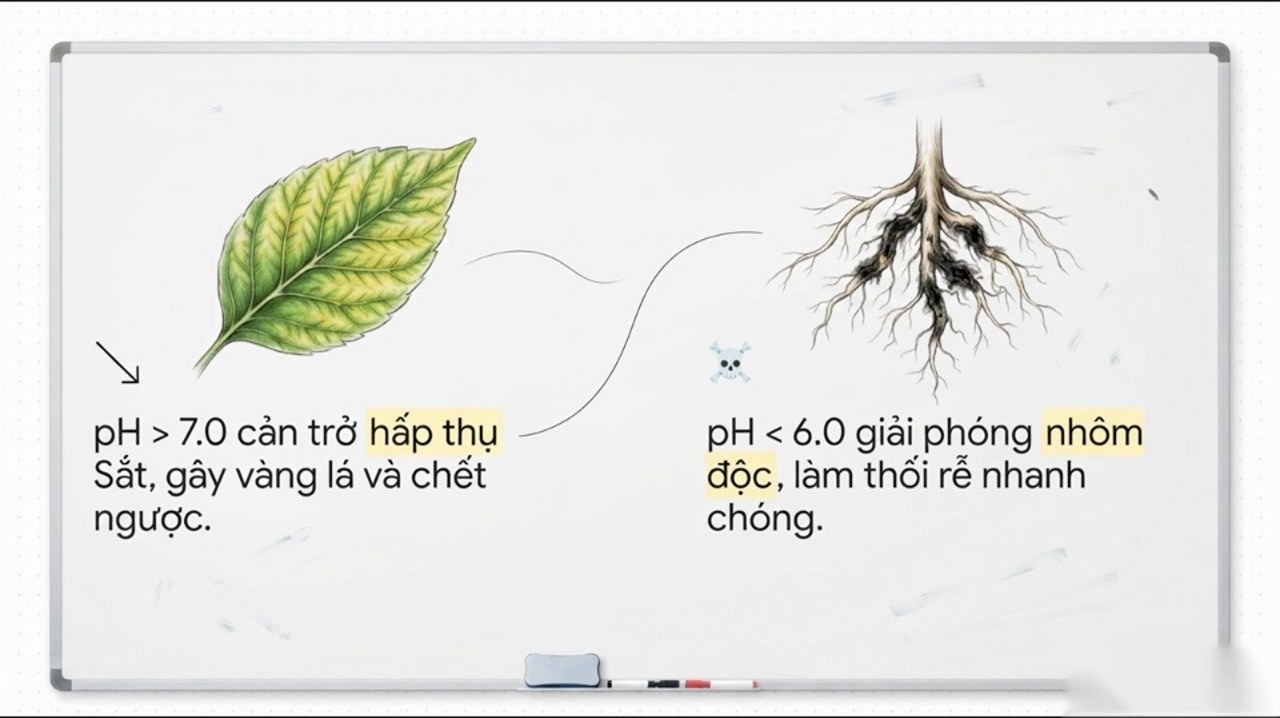
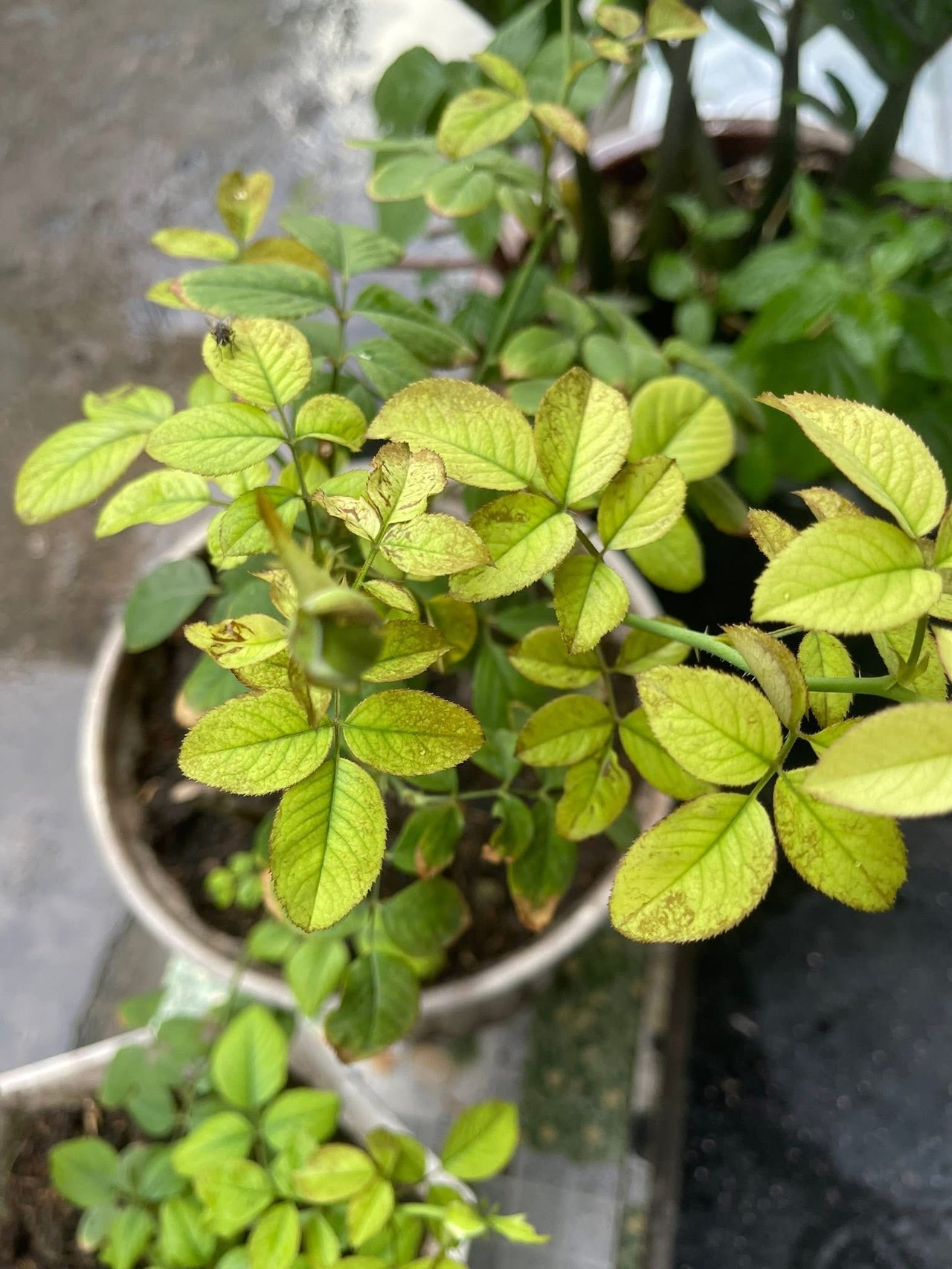
- Alkaline Soil (pH > 7.0): High pH severely blocks root uptake of Phosphorus () and essential micronutrients including Iron (), Manganese (), and Zinc (). Roses rapidly develop interveinal yellowing from iron deficiency (Iron Chlorosis), stunted shoots, blackened tips, and progressive cane die-back.
- Overly Acidic Soil (pH < 6.0, especially below 5.0): Uptake of Nitrogen (), Phosphorus (), and Potassium () plummets. Worse still, strong acidity mobilizes toxic free Aluminum ions (), which both lock up phosphorus into insoluble precipitates and directly poison root tips, triggering rapid root rot.
2. How to Test Container Soil pH Accurately at Home
Always measure actual soil pH before applying amendments to prevent overdosing and chemical root burn:
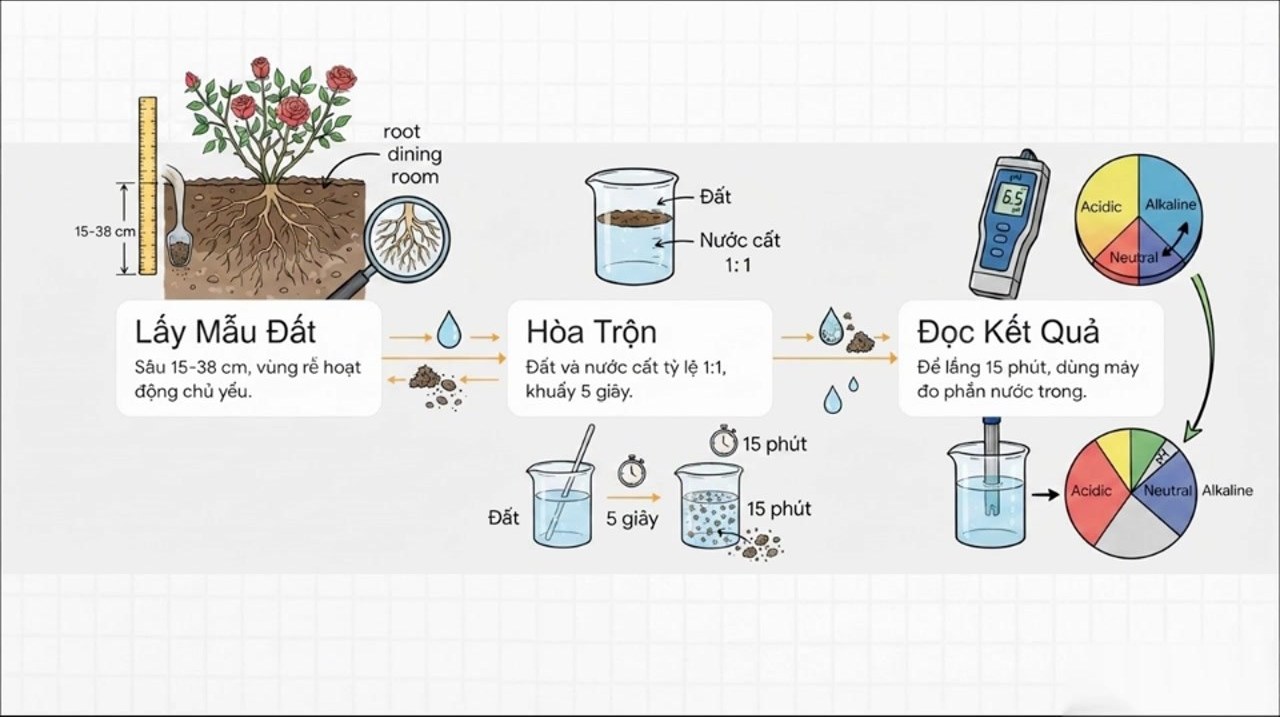
- Step 1 — Sample the Active Root Zone: Brush away surface mulch and debris, then collect soil with a clean spoon from a depth of 15–38 cm (6–15 inches)—the primary feeding zone of rose roots.
- Step 2 — 1:1 Slurry pH Testing: Mix dried soil with distilled or deionized water at a 1:1 weight ratio (e.g., 25 g soil with 25 mL water). Stir vigorously for 5 seconds, allow the slurry to settle for 15 minutes, and dip a calibrated digital pH meter probe into the clear supernatant liquid to read the exact value.
- Step 3 — Vinegar Fizz Test for Free Limestone: Drip several drops of household vinegar directly onto a dry soil sample. Vigorous bubbling (fizzing) reveals abundant free Calcium Carbonate ( — calcareous/limestone soil).

Fizz Test Warning: In calcareous soils rich in free , lowering pH with chemical acidifiers is nearly impossible and prohibitively expensive because the limestone continuously neutralizes newly formed acid. Replacing the potting mix completely is the cleanest solution.
3. Five Methods to Lower Soil pH When Too Alkaline (pH > 7.0)
Standard Pot Reference: All dosages below are calibrated for 1 medium rose container (25–30 cm diameter, 20–30 cm depth, holding 10–15 liters of potting mix).
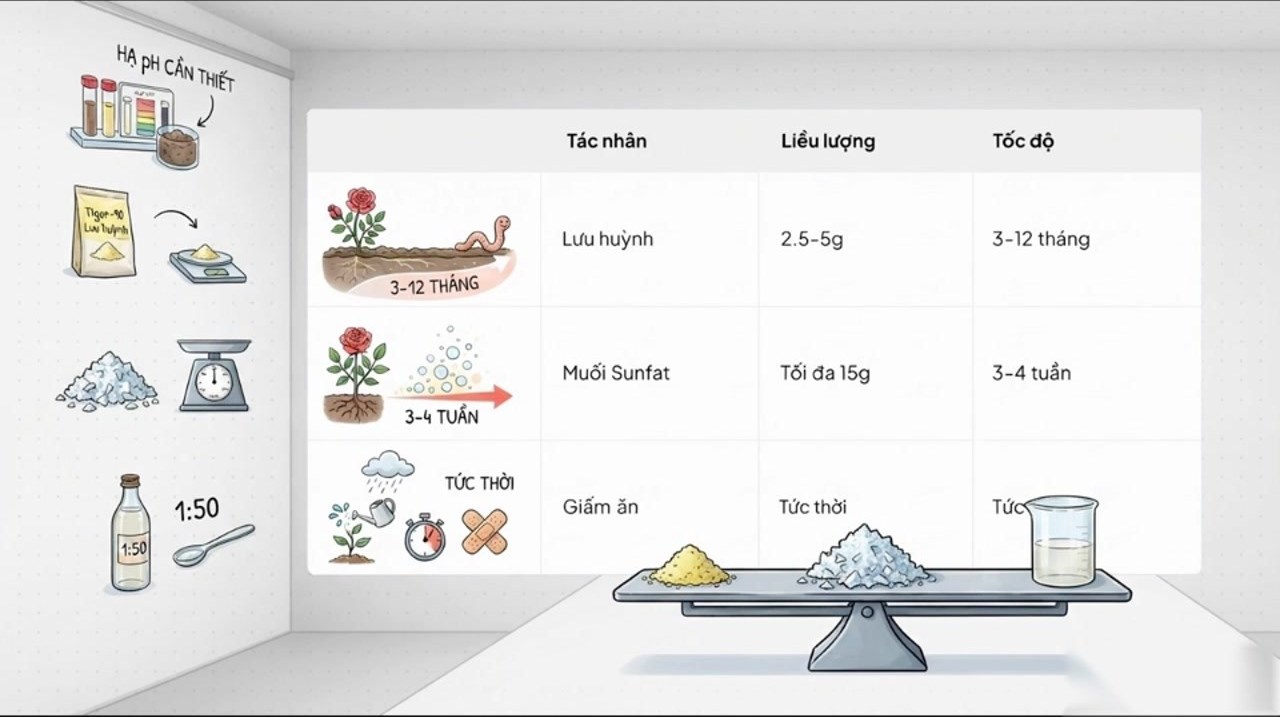
3.1. Elemental Sulfur (Tiger-90 or Espoma Soil Acidifier)
The most durable and thorough long-term acidifier, relying on autotrophic soil bacteria (Thiobacillus spp.) to oxidize sulfur gradually into sulfuric acid.
- Dosage per pot:
- 90% pure elemental sulfur (e.g., Tiger-90): Apply 2.5–5 g (1/2 to 1 teaspoon) to lower pH by roughly 1 full unit.
- 30% sulfur soil acidifier (e.g., Espoma Organic Soil Acidifier, containing 18% active free sulfur): Multiply dosage by 5.5×, applying 15–30 g (1 to 2 tablespoons).
- Application: Broadcast evenly across the soil surface at least 5–10 cm away from the main stem to avoid burning. Gently scratch into the top 5 cm of substrate and water deeply to activate soil microbes.
- Timing Note: Apply only in spring or warm weather when soil temperatures stay consistently above 13°C (55°F), as Thiobacillus bacteria go dormant in cold soil. Action is gradual, taking 3 months to 1 year for full pH reduction.
3.2. Metal Sulfate Salts (Aluminum Sulfate or Iron Sulfate)
Delivers rapid pH reduction via direct chemical hydrolysis releasing ions without waiting on microbial oxidation.
- Dosage per pot: Apply no more than 15 g (1 tablespoon) of Aluminum Sulfate or Iron Sulfate per application. (Exceeding 15 g risks acute free toxicity and severe root burn.)
- Application: Spread evenly away from the crown, work lightly into the top soil layer, and drench thoroughly. Soil pH drops within 3–4 weeks. If amending soil prior to planting a new rose, wait at least 1 month before planting to protect young feeder roots from chemical scorch.
3.3. Biological Wood Vinegar (Pyroligneous Acid)
A natural organic liquid rich in acetic acid that gently counters alkalinity while stimulating rose root development by 30–50%.
- Dosage & Dilution per pot:
- pH maintenance & soil conditioning: Dilute 1:200 (5 mL wood vinegar per 1 L clean water), drenching the root zone until runoff exits the drainage holes every 10–15 days.
- Root-knot nematode suppression (when roots show galls and stunting): Dilute 1:50 to 1:70 (15–20 mL per 1 L water) and drench consistently for 7–10 days (every 1–2 days).

3.4. Coffee Grounds (Composted or Fresh)
Naturally mildly acidic (pH 5.0–6.5), rich in organic matter, and containing roughly 2% biological nitrogen for lush green foliage.
- Composted coffee grounds (composted with dry leaves/sawdust for 1–6 months to break down root-inhibiting caffeine): Mix directly into fresh potting media at 5–10% by container volume.
- Fresh (uncomposted) coffee grounds: Limit strictly to 1/2–1 cup (100–200 mL) per pot. Sprinkle a very thin layer less than 1.2 cm (1/2 inch) thick on the surface at least 5 cm from the stem. Never bury fresh grounds deeply (promotes root-rot fungi) and never pile thickly (dries into a hydrophobic crust blocking water and oxygen). Apply fresh grounds only once per year at the start of the growing season (April–May).
3.5. Household Vinegar (Rice Vinegar or White Vinegar)
Useful for immediate, short-term pH lowering and neutralizing hard alkaline tap water.
- Dosage per pot: Dilute 1:50 (20 mL vinegar per 1 L clean water) and drench the root zone once per month.
- Caution: The acidifying effect is strictly temporary because soil microbes rapidly decompose organic acetic acid. Never pour undiluted vinegar onto soil, as concentrated acid kills roots instantly.
4. Two Methods to Raise Soil pH When Too Acidic (pH < 6.0)
When container soil turns overly acidic (from aged, compacted media, poor drainage, or acidifying synthetic fertilizers), neutralize acidity with these two proven amendments:
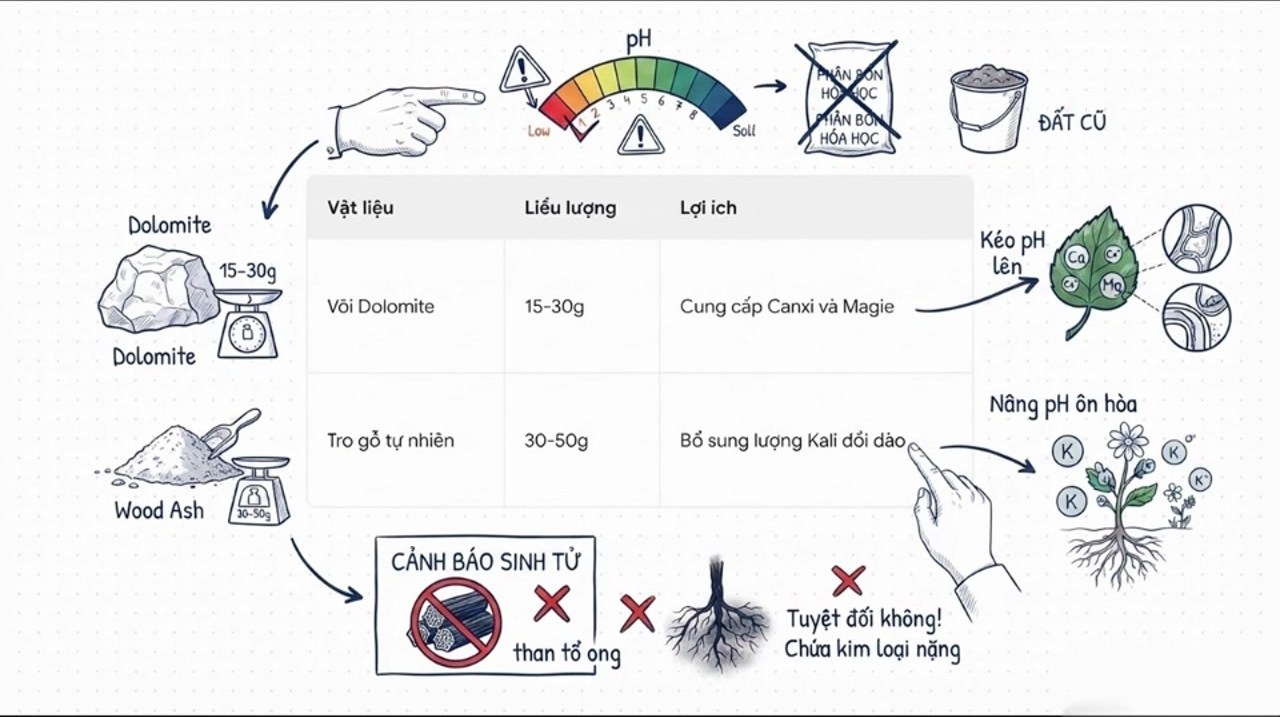
| Alkalizing Amendment | Dosage per 10–15 L Pot | Proper Application | Benefits & Safety Warning |
|---|---|---|---|
| Dolomite Lime () | 15–30 g (1–2 tablespoons) | Broadcast 5 cm from stem, work 5 cm deep, water thoroughly | Neutralizes acid while supplying Calcium & Magnesium for sturdy canes, thick leaves, and reduced leaf drop |
| Natural Wood Ash | 30–50 g (2–3 tablespoons) | Mix evenly into top 10–15 cm of soil | Gently raises pH and supplies abundant Potassium. Warning: Use strictly natural wood ash—never coal ash, which contains toxic heavy metals |
5. Four Golden Rules to Keep Potted Rose pH Stable Long-Term

- Water Deeply 1 Day Before Repotting: Refresh container soil every 6–12 months as media compacts and alkaline salts accumulate. Always drench the pot 1 day prior to repotting so the root ball stays soft and cohesive, minimizing breakage of delicate feeder roots.
- Organic Acid-Buffered Potting Mix Formula: Blend fresh container media using 2 parts clean, solarized alluvial soil + 1 part rinsed carbonized rice hulls + 1 part rinsed, aged coco coir + 2 parts well-composted manure or worm castings + Perlite and Trichoderma biocontrol fungi.
- Incorporate Sphagnum Peat Moss: With a natural acidic pH of 3.5–4.5, Peat Moss acts as an exceptional long-term pH buffer. Always soak and knead Peat Moss thoroughly in water until fully saturated before blending it into your potting mix.
- Favor Ammonium-Based Over Nitrate-Based Fertilizers: Choose ammonium-form nitrogen fertilizers (such as Ammonium Sulfate) during routine feeding cycles to maintain gentle acidity. Avoid overusing Calcium Nitrate or Potassium Nitrate, as nitrate uptake steadily drives soil pH upward toward alkalinity.