
🌹 COMPREHENSIVE GUIDE TO FOLIAR FERTILIZERS FOR ROSES

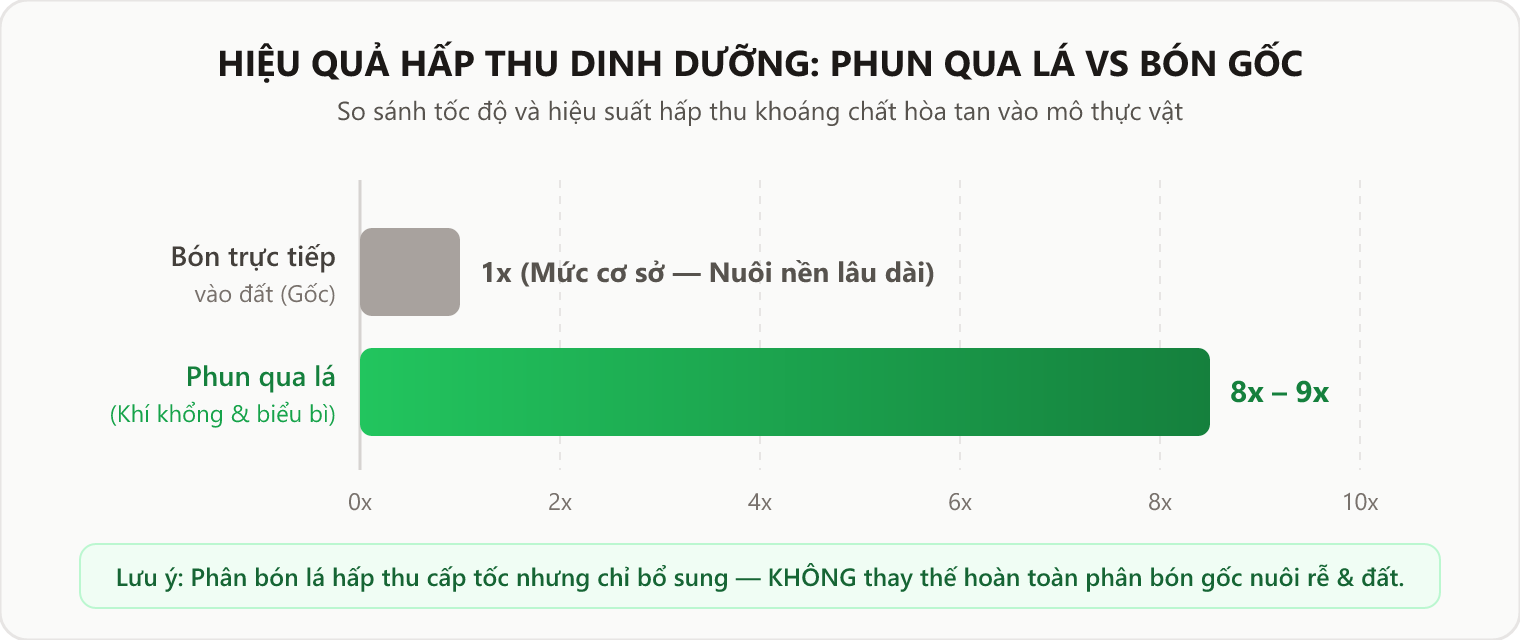
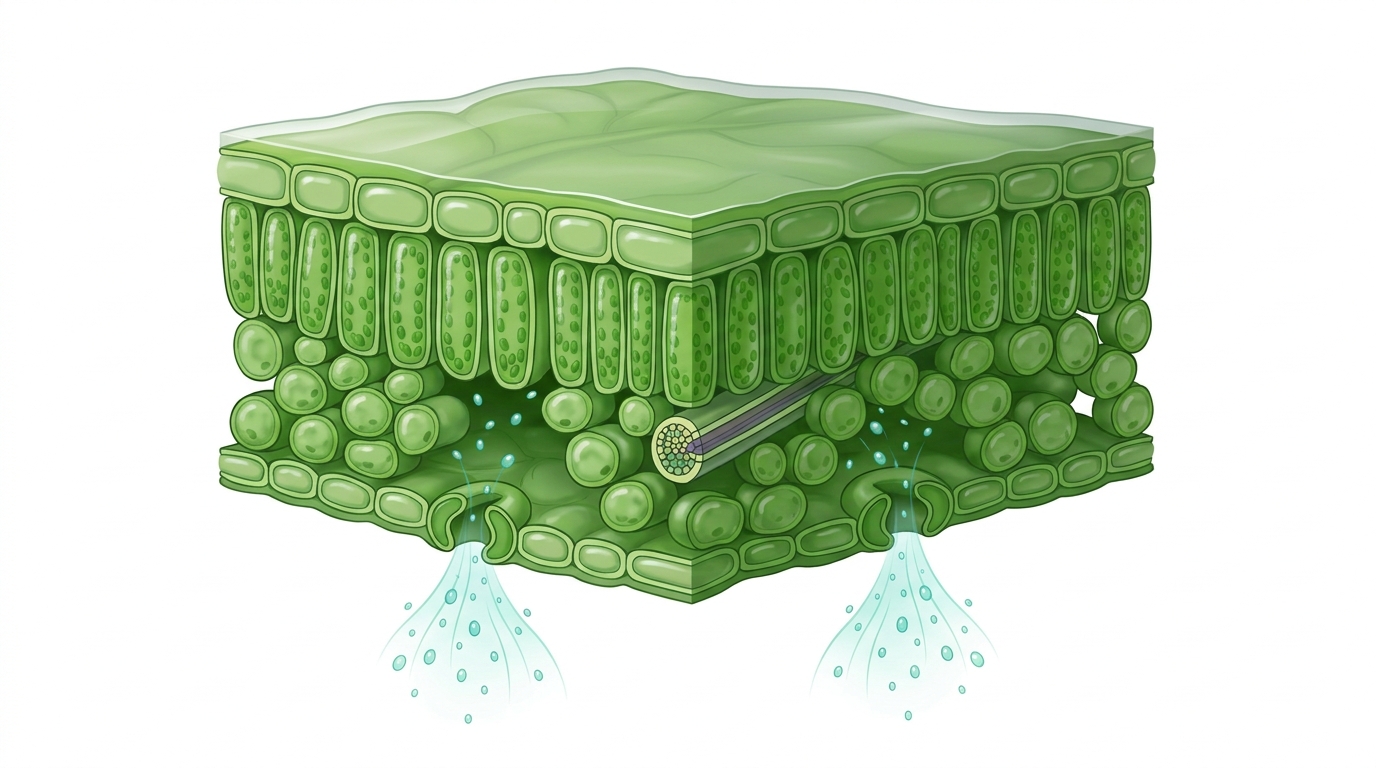
Foliar fertilizer delivers dissolved nutrients directly into plant tissue cells through the leaf cuticle and stomatal system on leaves and young stems. Nutrient uptake efficiency via foliage can be 8 to 9 times higher than soil application.
📌 Core Principle: Foliar feeding serves only as a rapid supplement and emergency support; it cannot replace root-zone fertilization, which remains the long-term nutritional foundation for soil health and root development.
1. When Should You Use Foliar Fertilizer on Roses?
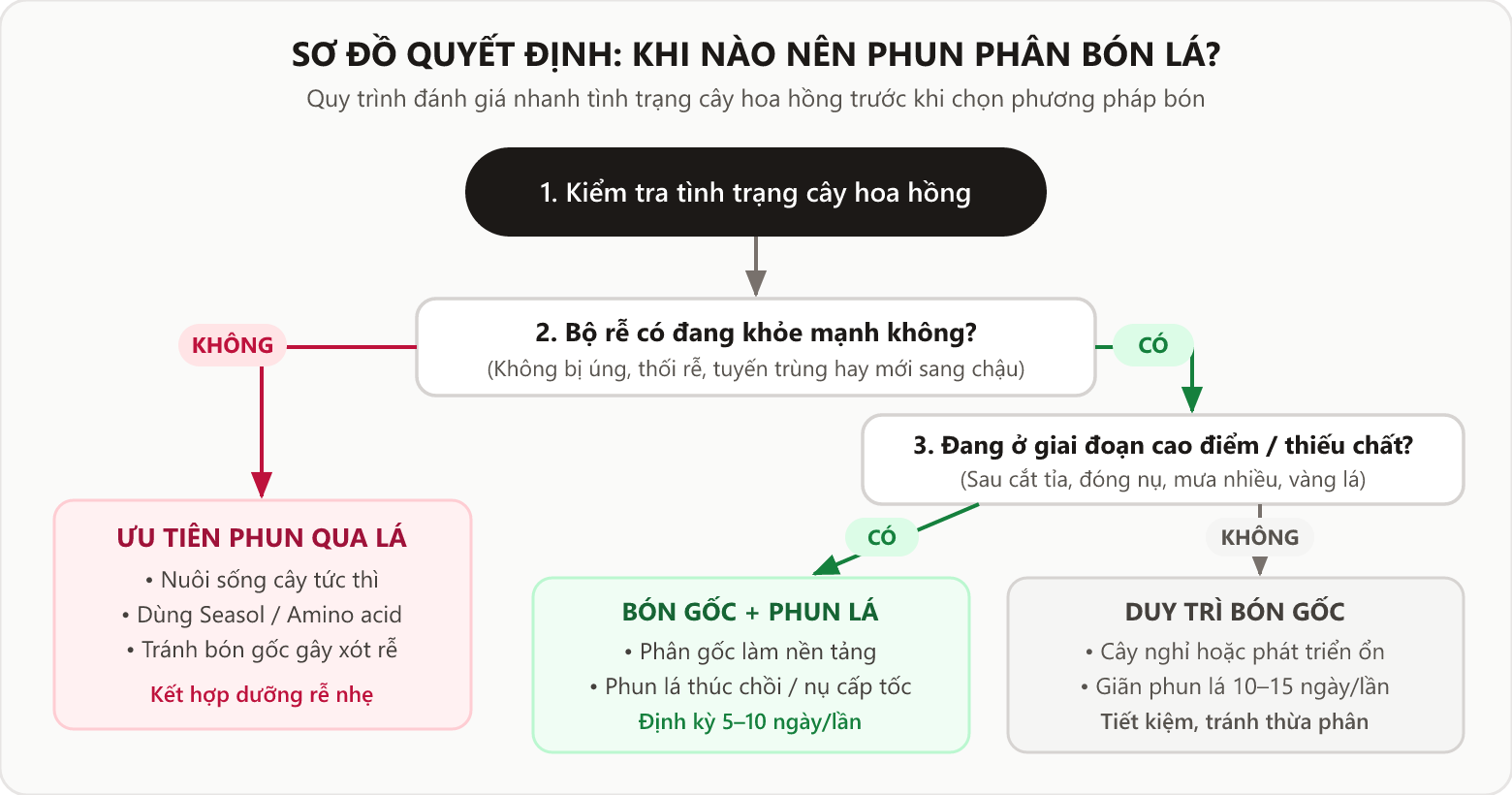
Applying foliar feeds at the right moment helps roses recover rapidly, optimizes cost, and avoids fertilizer waste:
| Practical Situation | Cause / Context | Role of Foliar Fertilizer |
|---|---|---|
| Weakened or damaged roots | Waterlogging, root rot, nematodes, prolonged drought, or compacted potting soil. | Soil feeding risks root burn; foliar spraying sustains the plant immediately while roots recover. |
| Acute nutrient deficiency | Interveinal chlorosis, curled/stunted new shoots, scorched leaf margins, pale blooms, exhaustion after heavy rain or pests/disease. | Delivers micronutrients and minerals straight into leaf tissue to correct symptoms quickly. |
| Key growth stages | After mass pruning, shoot elongation, flower bud initiation, and bud development. | Supplies instant energy and nutrients right when the plant needs a growth surge. |
| Slow-moving nutrients | Calcium (Ca) and Boron (B) move very slowly from roots to shoot tips through xylem vessels. | Direct spraying onto young shoots and bud stalks strengthens stalks and prevents bud drop in time. |
| Rainy season or container growing | Soil nutrients leach quickly during heavy rain; small pot volumes deplete rapidly. | Cuticle adhesion reduces nutrient loss and maintains leaf color and bloom quality. |
2. Physiological Roles & Representative Products by Nutrient Group
A. Macronutrients (N - P - K)
| Element | Core Physiological Role | Direct Effect on Roses | Usage Notes |
|---|---|---|---|
| Nitrogen (N) | Builds amino acids, proteins, and chlorophyll; stimulates cell division. | Breaks buds, drives fast shoot elongation, and produces lush green foliage. | Use strongly after pruning; avoid excess nitrogen in the rainy season as it causes soft, leggy canes prone to fungal disease. |
| Phosphorus (P₂O₅) | Transfers biological energy (ATP) and builds cell nuclei. | Stimulates feeder roots, promotes early and uniform flower bud differentiation, and increases bud count. | Prioritize during the transition from vegetative growth to bud formation. |
| Potassium (K₂O) | Regulates osmotic pressure, stomatal opening, and sugar transport. | Strengthens canes, plumps buds, thickens petals, deepens bloom color, and extends vase/bloom life. | Increase from bud emergence until just before full bloom. |
Representative Macronutrient Products (Rose-specific formulas preferred)
| Product Image | Details & Usage Instructions |
|---|---|
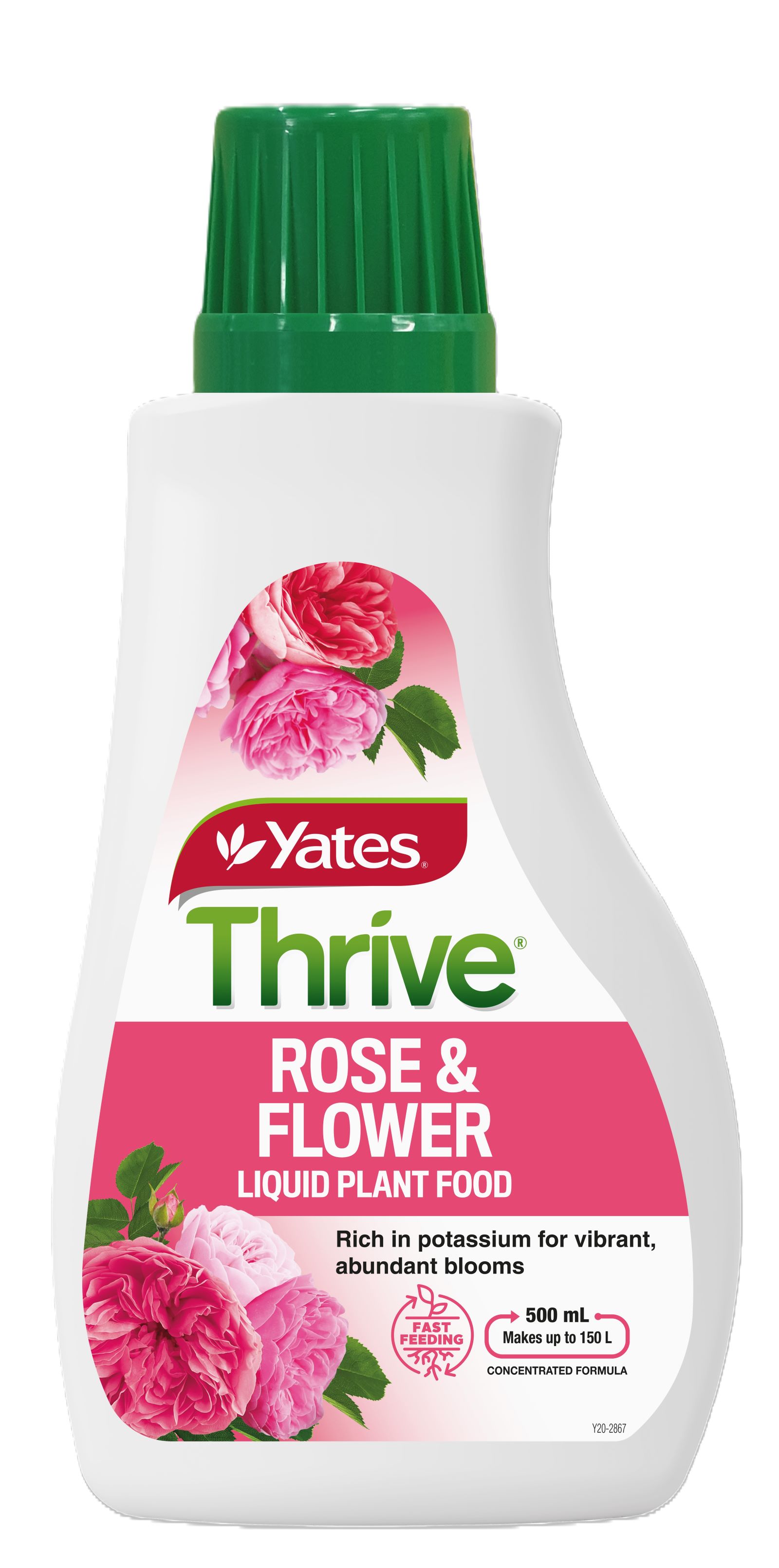 |
YATES THRIVE Rose & Flower Soluble Plant Food (Yates – Australia — Formulated for roses) • Composition: Pure soluble mineral NPK 25-5-8.8 with chelated trace elements (S, Mg, Fe, B, Cu, Zn, Mo). • Benefits: Rapidly absorbed through the leaf cuticle, helping roses push vigorous new shoots in just 7–10 days. |
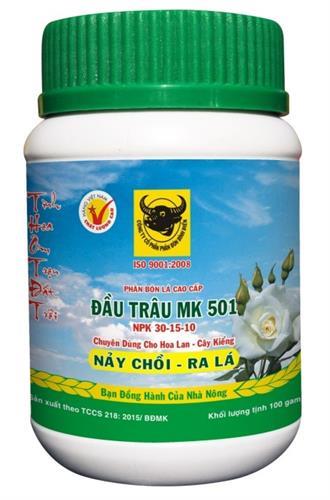 |
Dau Trau MK 501 (NPK 30-15-10 + TE) (Binh Dien – Mekong) • Benefits & Rate: Specialized for pushing shoots and young leaves; research shows it is particularly well-suited for ancient Sa Pa roses (Rosa gallica L.) at 2 g/L of water. |
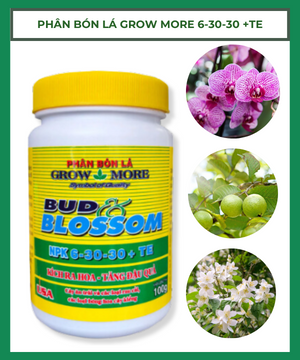 |
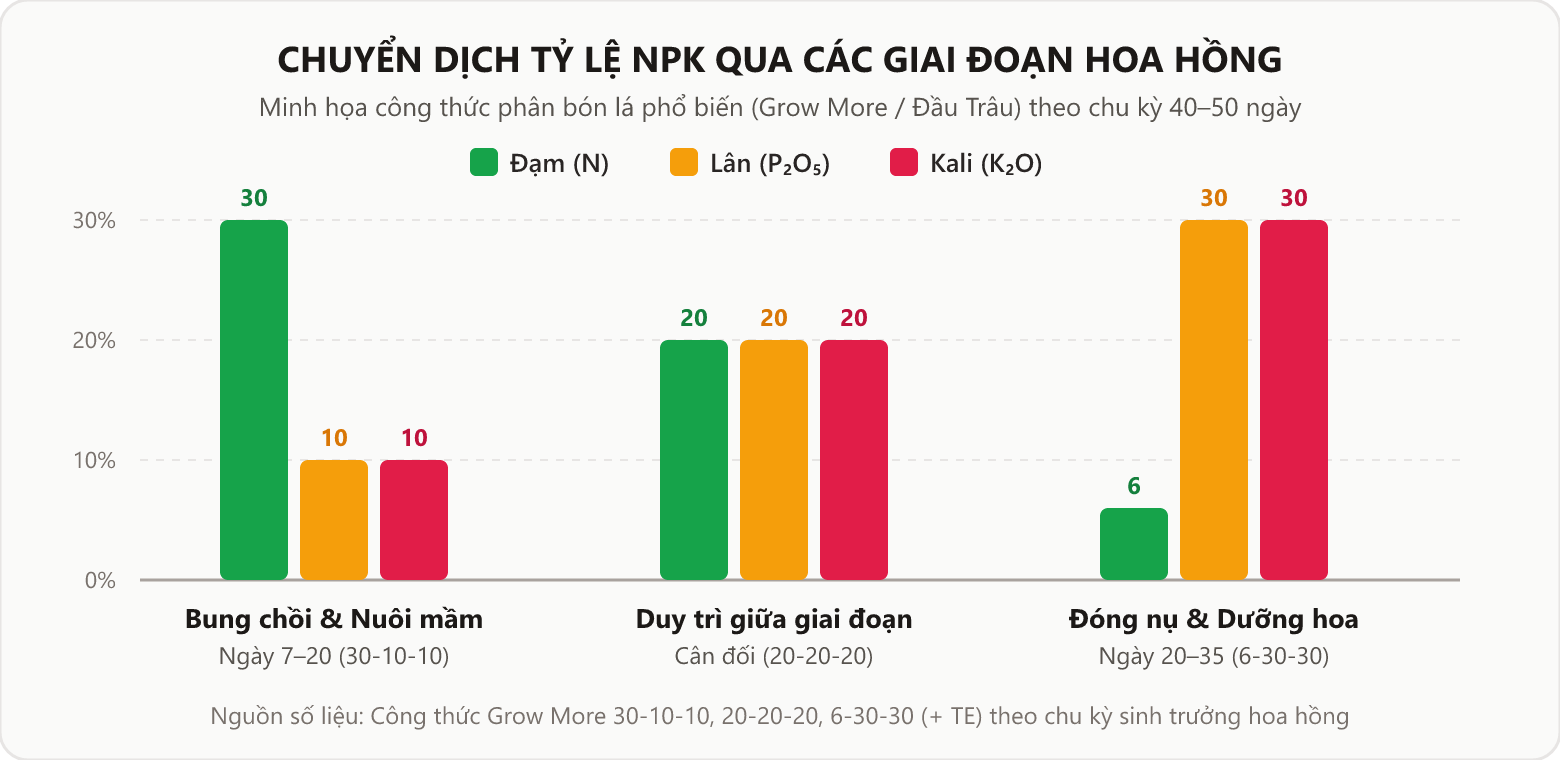
GROW MORE Soluble Foliar Line (USA) • Grow More 30-10-10 + TE: Drives strong shoot and leaf break after pruning. • Grow More 20-20-20 + TE: Balanced maintenance nutrition between stages. • Grow More 6-30-30 + TE: High Phosphorus & Potassium for large buds, thick petals, vivid color, and reduced petal drop. |
B. Secondary Nutrients (Ca - Mg - S - Si)
| Element | Mode of Action | Visible Effect on Roses |
|---|---|---|
| Calcium (Ca) | Forms the middle lamella (calcium pectate) to bind cell walls firmly. | Strengthens bud stalks, prevents abscission-layer formation (bud/flower drop), and keeps stems upright. |
| Magnesium (Mg) | Central atom of the chlorophyll molecule; activates metabolic enzymes. | Produces thick, dark green leaves; corrects interveinal chlorosis and stimulates feeder roots. |
| Sulfur (S) | Participates in synthesizing sulfur-containing amino acids and natural essential oils. | Enhances the characteristic fragrance of rose blooms. |
| Silicon (Si) | Thickens epidermal cell walls of leaves and stems. | Creates sturdy, upright leaves for optimal light capture and a mechanical barrier against fungi and sap-sucking pests. |
C. Micronutrients (Trace Elements)
| Micronutrient | Specialized Function | Deficiency Symptoms Corrected |
|---|---|---|
| Boron (B) | Promotes pollen germination and pollen-tube elongation. | Prevents bud-stalk cracking/rot and blackened, aborted buds. |
| Zinc (Zn) | Catalyzes endogenous Auxin (IAA) biosynthesis. | Prevents rosetted, curled, or dwarfed young leaves; promotes long shoots and strong branching. |
| Iron (Fe) & Manganese (Mn) | Catalyze cellular respiration and nitrate reduction. | Prevents bleached white young leaves and scorched leaf margins. |
| Copper (Cu) | Participates in redox enzymes; provides mild surface sanitization. | Helps keep foliage clean and reduces fungal pressure. |
| Molybdenum (Mo) | Supports nitrogen fixation and nitrate assimilation. | Helps the plant efficiently utilize absorbed nitrogen. |
Representative Secondary & Micronutrient Products for Roses
| Product Image | Details & Usage Instructions |
|---|---|
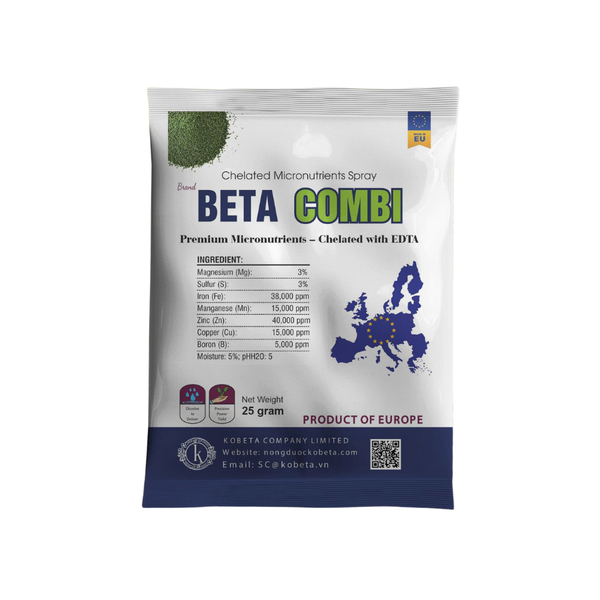 |
Beta Combi (Imported from Poland – 25g sachet) • Composition: Secondary Mg 3%, S 3% with chelated Fe, Mn, Zn, Cu, B, Mo for easy uptake. • Benefits: Prevents interveinal chlorosis and keeps rose leaves thick, glossy, and healthy. • Rate: 1 g per 8 L (or 0.25 g per 2 L), spray every 7–10 days. |
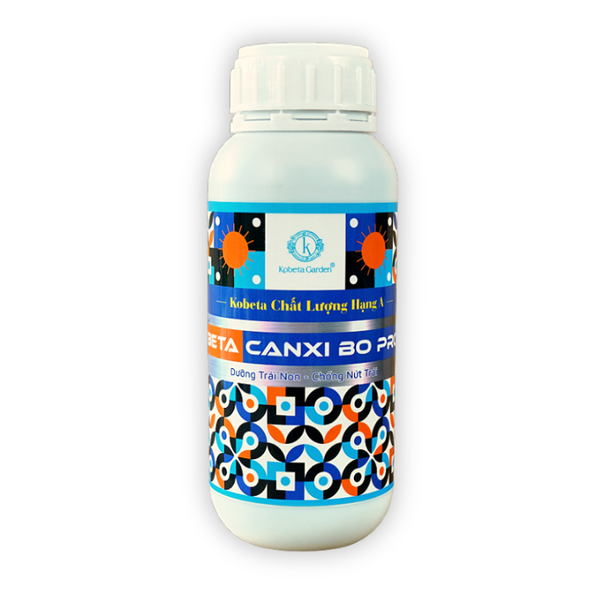 |
Beta Canxi Bo Pro (Imported from Spain) • Benefits: Formulated for rose bud emergence to strengthen flower stalks and prevent bud drop and stalk cracking. |
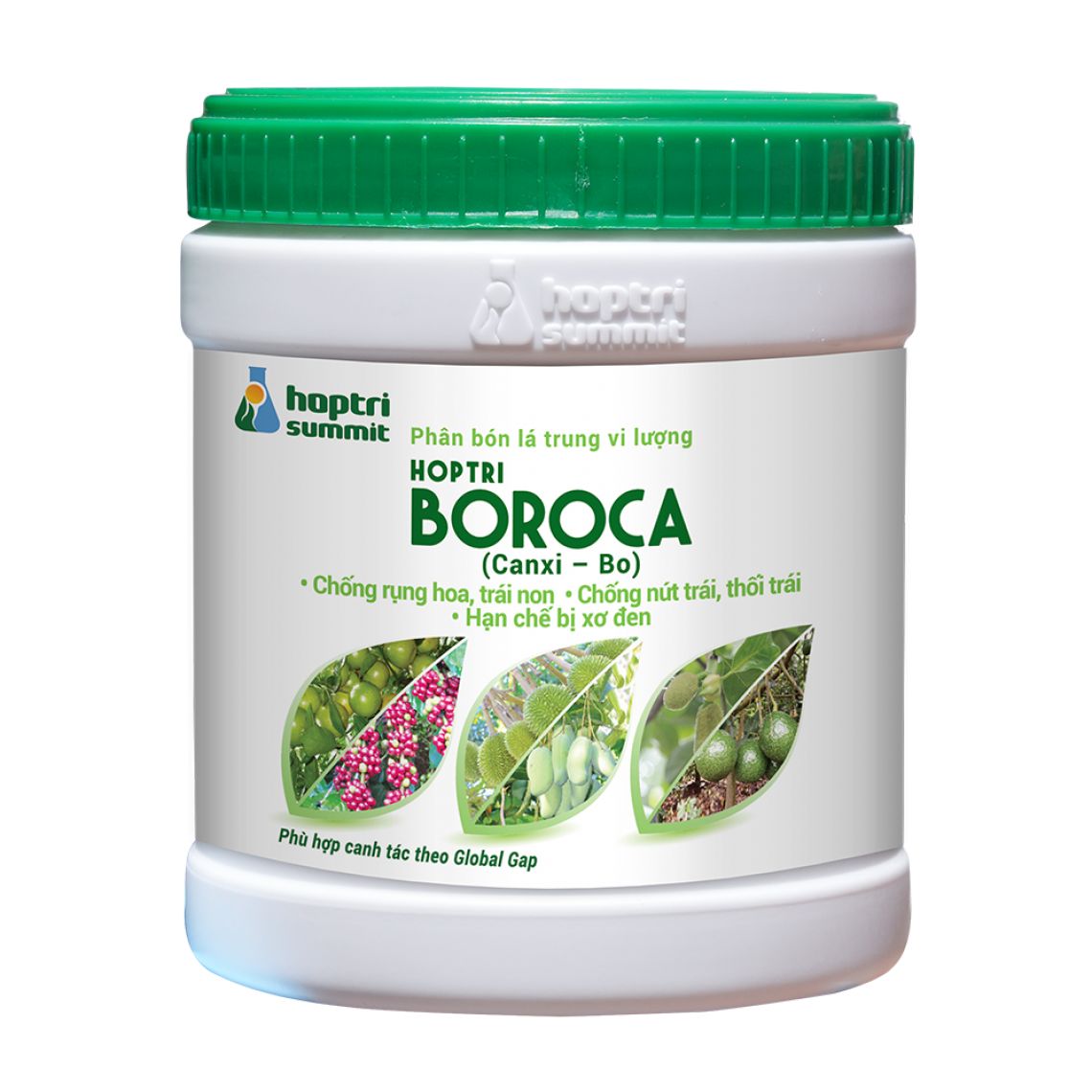 |
Hop Tri Boroca (Hop Tri Summit) • Composition & Benefits: Contains Calcium 12% + Boron 40,000 ppm; specialist for preventing young flower drop and bud-stalk rot. |
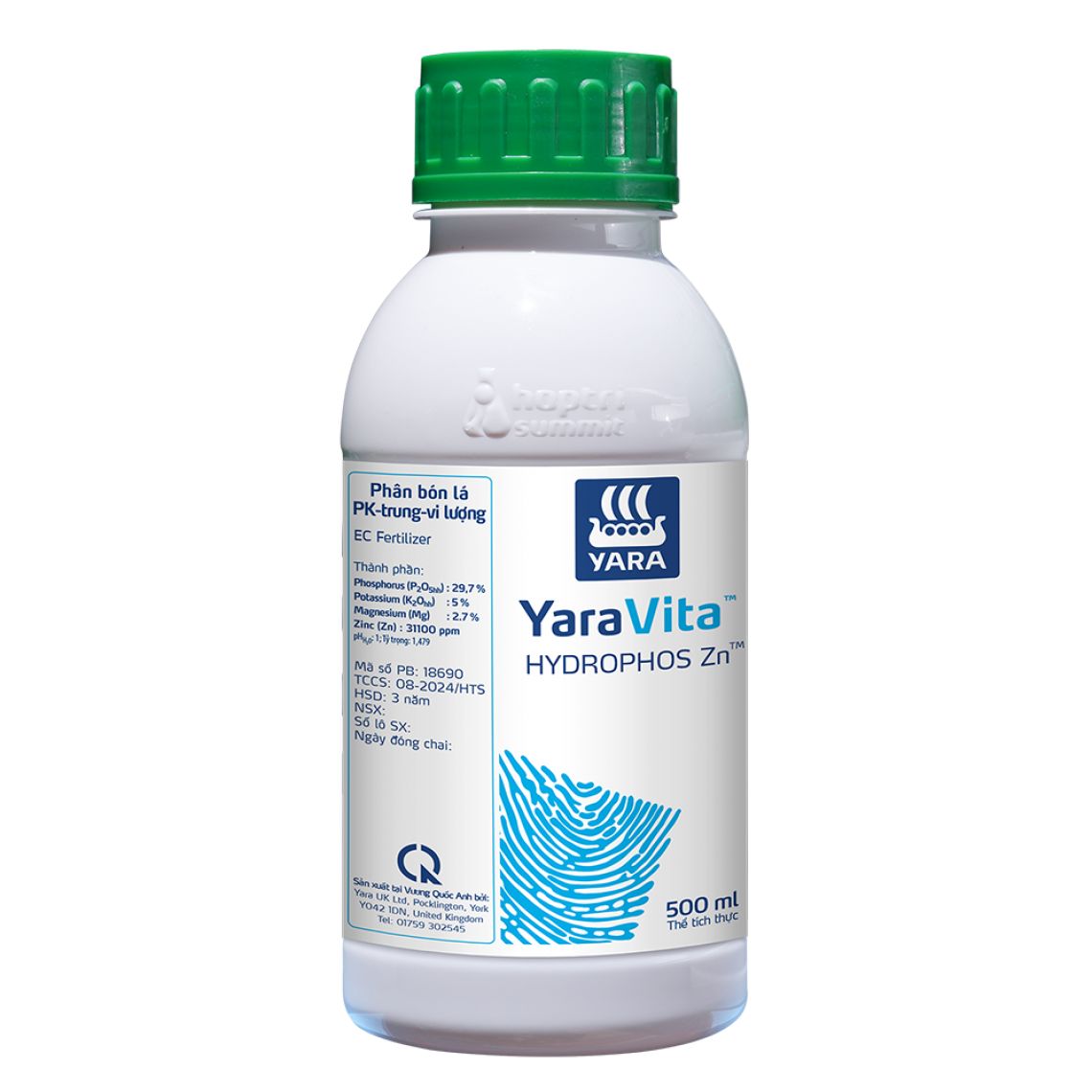 |
Hydrophos-Zn (Hop Tri Summit) • Composition & Benefits: Liquid formula with K₂O 75 g/L, MgO 67 g/L, Zn 46 g/L; boosts photosynthesis and feeder-root growth. |
D. Organic Biostimulants & Growth Promoters
| Biostimulant | Mode of Action | Key Benefits on Roses |
|---|---|---|
| Amino Acids | Short-chain peptides absorbed and converted directly into plant proteins without energy cost. | Relieves post-pruning physiological stress and awakens dormant buds rapidly. |
| Humic & Fulvic Acids | Stimulate root and shoot meristems; increase cell-membrane permeability. | Improves drought tolerance, detoxifies soil, and enhances nutrient adhesion. |
| Seaweed & Brown Kelp Extract | Rich in natural phytohormones (bio-Auxin, Cytokinin). | Accelerates feeder-root branching, relieves heat/transplant shock, and rejuvenates older bushes. |
| Hydrolyzed Salmon Protein | Supplies short-chain organic nitrogen, B vitamins, and natural trace minerals. | Produces glossy foliage, thick canes, and synchronized blooming. |
Representative Organic Biostimulants (Especially gentle on roses)
| Product Image | Details & Usage Instructions |
|---|---|
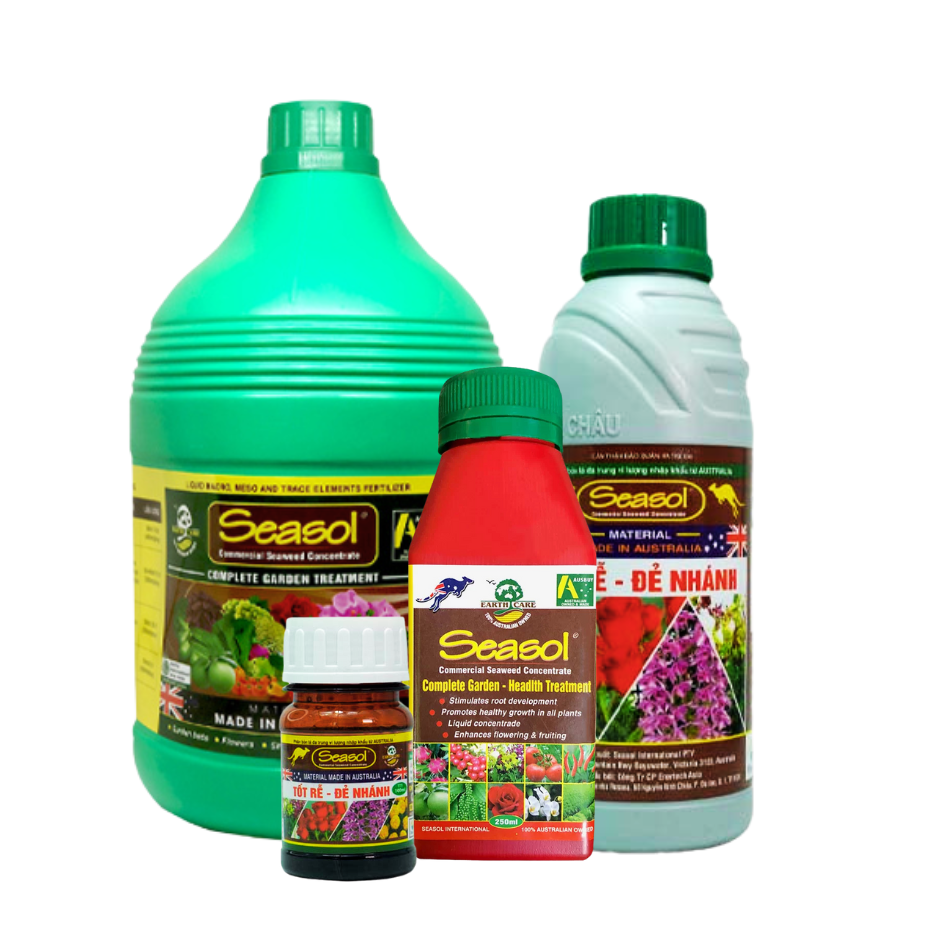 |
SEASOL Organic Liquid Seaweed (Seasol International – Australia) • Composition: 100% extract of Australian bull kelp (Durvillaea potatorum), rich in natural auxins and 14 organic trace minerals. • Benefits: Stimulates feeder roots, prevents transplant/pruning shock, detoxifies chemical stress, and boosts heat tolerance. • Rate: 15–20 ml per 10 L, spray every 7 days. |
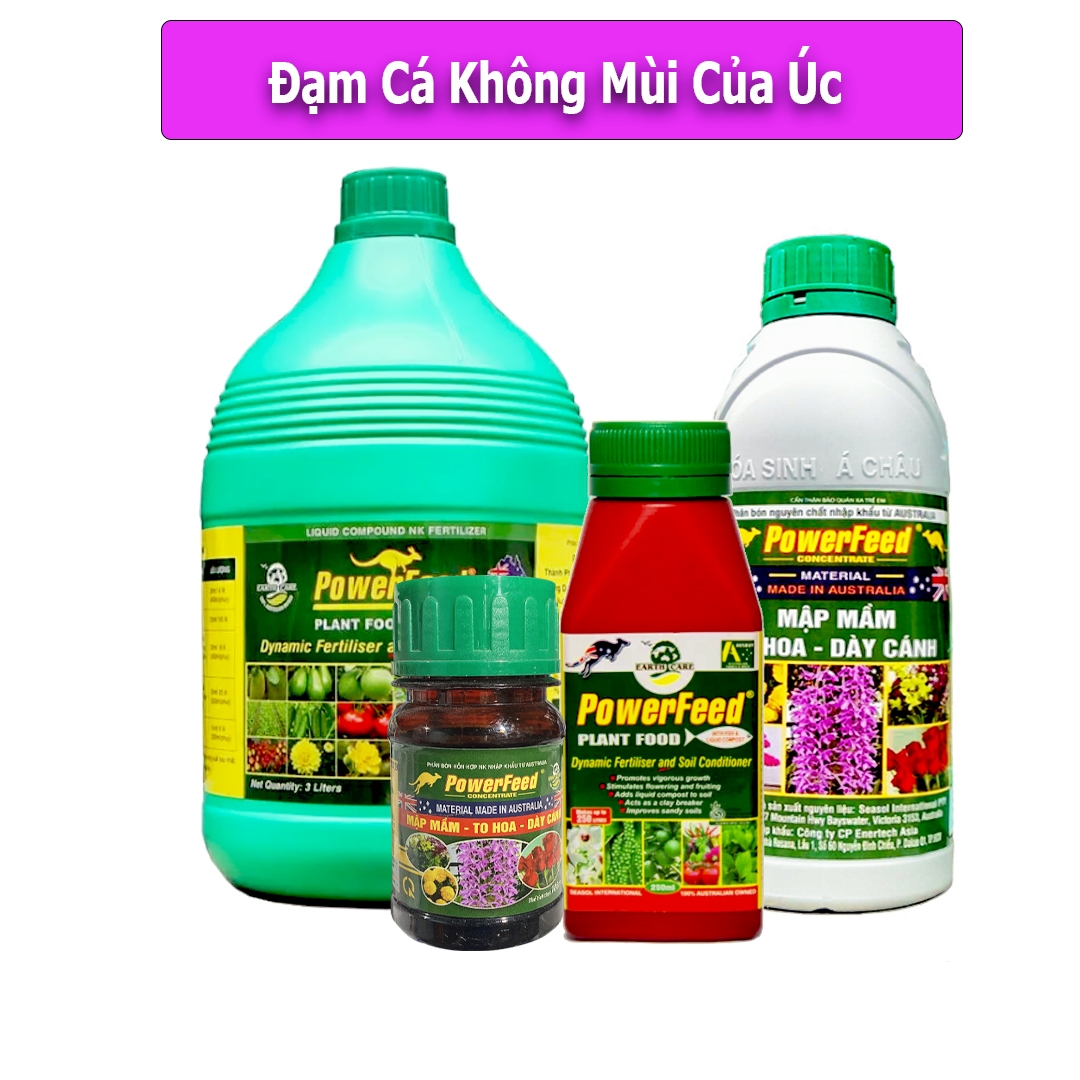 |
Seasol POWERFEED Fish Emulsion (NPK 14 - 1.4 - 9) (Seasol International – Australia) • Composition: Deodorized hydrolyzed salmon emulsion containing 14% N, 1.4% P, 9% K, 460 mg/L Ca, 1.6 mg/L B, 12.5% Carbon, amino acids, and vitamins. • Benefits: Gentle and non-burning; drives sturdy shoots, glossy leaves, synchronized blooms, and thick petals. • Rate: 15 ml per 10 L (or 2 ml/L), spray every 7 days during shoot growth and pre-bloom. |
 |
Beta Pro Amino (Imported from Italy – 500 ml bottle) • Composition: 100% natural animal-derived amino acids, 40% organic matter, 3% total N (Reg. PB: 23587). • Benefits: Relieves physiological stress, regenerates chlorophyll, and speeds up bud break after pruning. • Rate: 8–10 ml per 8 L (or 2–2.5 ml per 2 L), spray every 7–10 days. |
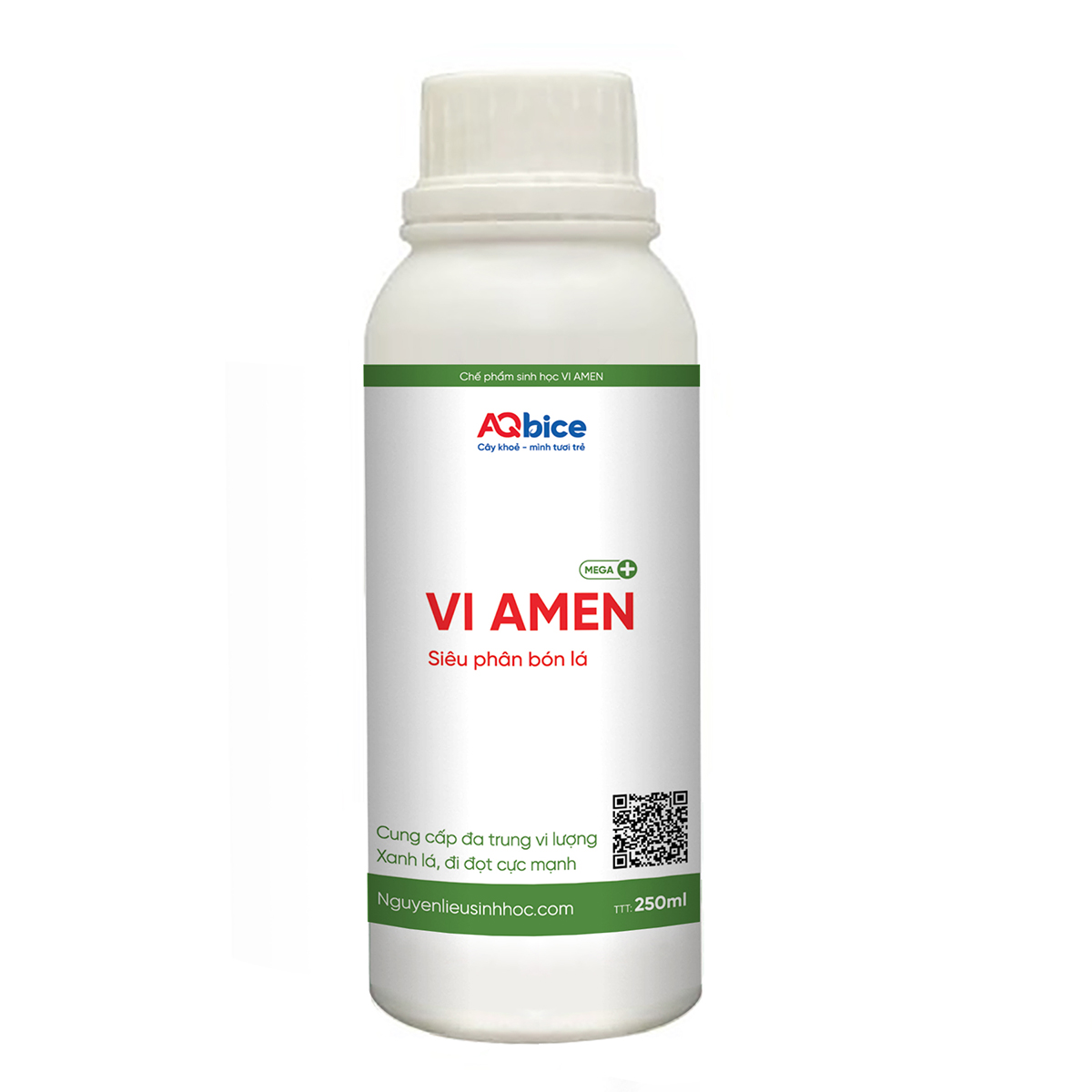 |
AQ51 VI AMEN Bio-Fertilizer (AQ Bio JSC) • Composition: N 8%, P 5%, K 5%, Humic Acid 1.5%, B 200 ppm, Mn 500 ppm, Zn 500 ppm, Cu 500 ppm; fermented microbial base (Bacillus subtilis, Actinomycetes sp., Rhodopseudomonas spp.), 15% amino acids, nano chitosan, fulvic acid. • Benefits & Rate: Keeps leaves lush green, stems sturdy, buds large, and stress-resistant. Dilute 25 ml per 40–80 L, spray every 7–15 days. |
3. Stage-by-Stage Foliar Feeding Schedule for Roses
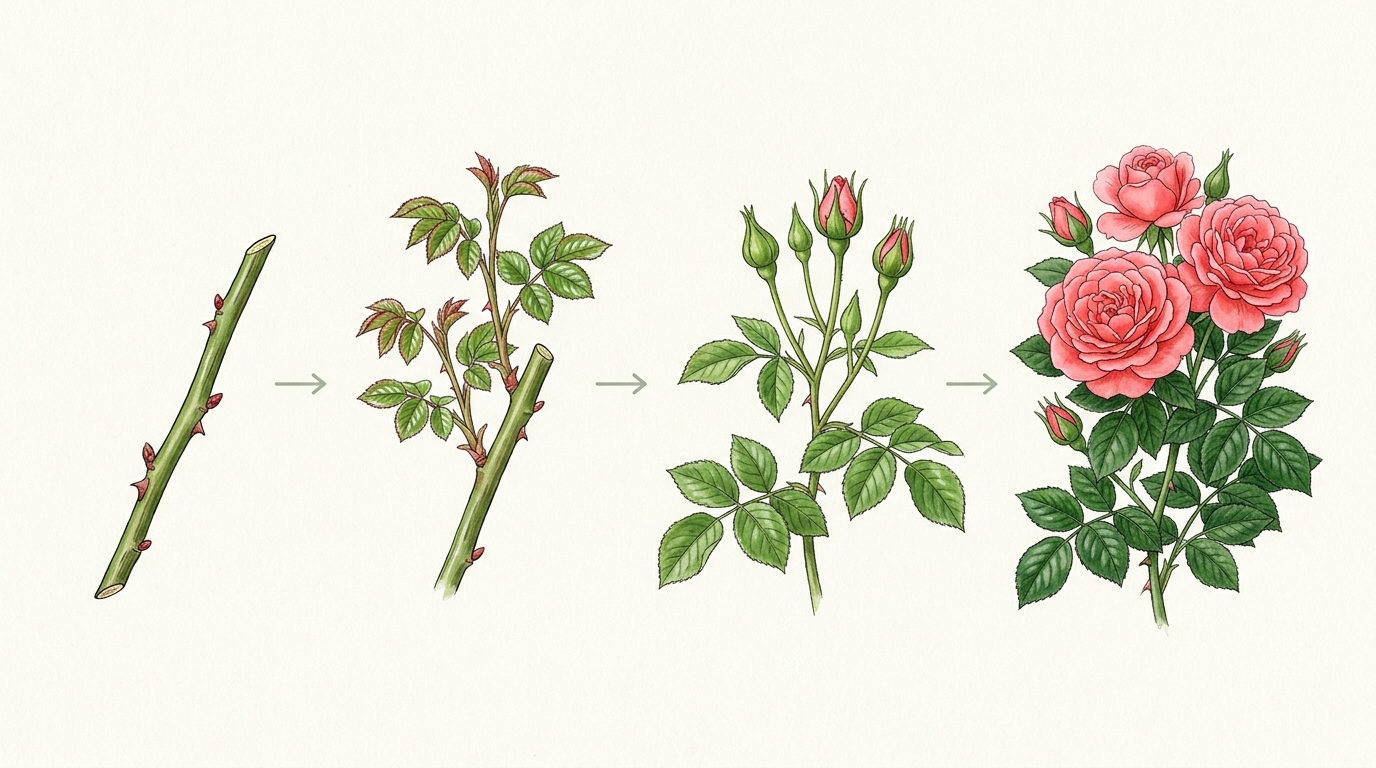
A rose bloom cycle typically lasts 40 to 50 days. Foliar fertilizers should be rotated flexibly across each growth phase:
| Growth Stage | Care Objective | Recommended Formulas & Products |
|---|---|---|
| Young / Newly Potted | Root establishment, anti-shock | Wait 15–20 days before foliar feeding; prioritize Seasol (kelp) and Humic at dilute rates. |
| After Pruning (Days 1–7) | Relieve pruning stress, wake dormant buds | Spray Beta Pro Amino, AQ51 VI AMEN, or Seasol kelp extract to repair tissue. |
| Bud Break & Shoot Growth (Days 7–20) | Long shoots, thick canes, dense canopy | Prioritize Yates Thrive Rose & Flower, Seasol PowerFeed, Dau Trau MK 501 (Sa Pa roses), or Grow More 30-10-10 + TE paired with Beta Combi. |
| Bud Set & Bud Development (Days 20–35) | Large buds, strong stalks, well-formed blooms | Switch to Beta Gel K60, Grow More 6-30-30 + TE, or Bud Booster combined with Beta Canxi Bo Pro / Hop Tri Boroca to prevent bud drop. |
| Flowering & Opening (Days 35–50) | Maintain petal color and bloom longevity | Avoid drenching open petals; if feeding, mist lightly in the cool evening onto leaf undersides and bud bases only. |
Specialized Bud-Boosting & Bloom-Form Products
| Product Image | Details & Usage Instructions |
|---|---|
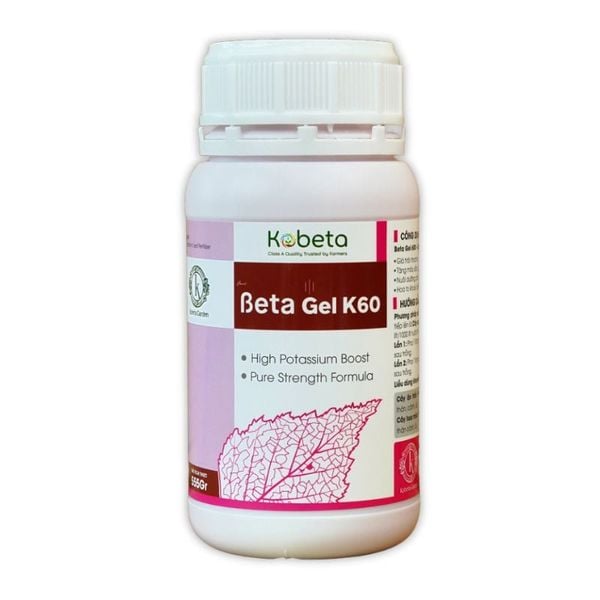 |
Beta Gel K60 (Imported from Turkey) • Stage: Bud Set & Bud Development (Days 20–35). • Benefits: High-concentration gel Potassium with strong leaf adhesion, producing thick petals, classic bloom form, and long-lasting color. |
 |
Bud Booster (Hop Tri Summit) • Stage: Transition from shoot growth to flower bud initiation. • Composition & Benefits: NPK formula with Mg 1% + Zn 10% + B 5%; stimulates stout shoots and uniform flower bud differentiation. |
📌 Distinguishing Soil vs. Foliar Fertilizers: Products such as T201 (NPK 15-5-32 + MgO + CaO), Dau Trau 16-16-8 + TE, Dau Trau 17-12-7 + TE, or SFARM PB01 Vermicompost are slow-release or organic soil fertilizers meant for top-dressing or root drenching — never dissolve them for foliar spraying.
4. Essential Rules When Spraying Foliar Fertilizers
| Principle | Best Practice | Scientific Reason |
|---|---|---|
| Timing | Spray in the early morning (before 8 AM) or late afternoon (after 4 PM). | Stomata are wide open and temperatures are cool. Avoid midday heat (rapid evaporation, margin scorch) or imminent rain (wash-off). |
| Technique | Use a fine mist nozzle, aiming upward to coat leaf undersides evenly; wet the surface to a light film without heavy runoff. | Rose stomata are concentrated primarily on the underside of the leaves. |
| Dosage | Always mix at or slightly below the label rate. | Overdosing causes scorched leaf margins, burnt shoot tips, and curled leaves within 1–3 days. |
| Frequency | Every 7–10 days (vigorous shoot push: 5–7 days; flowering/rest: 10–15 days). | Allows full nutrient assimilation and prevents mineral salt buildup on the cuticle. |
⚠️ Safe Tank-Mixing: Never mix foliar fertilizers with strongly alkaline pesticides or copper-based fungicides, which can cause precipitation or phytotoxicity. Keep foliar feeding days separate from disease-spray days by at least a few days to prevent shock or leaf burn.
🚨 Emergency Fix for Overdose: If young leaf margins turn black/burnt or curl uniformly after spraying, rinse the entire canopy with clean water in the cool evening, flush the pot thoroughly, and pause all fertilization for 10–14 days until new healthy foliage emerges.
💡 Suggested Organic Balcony Routine: Alternate the Australian duo Seasol + PowerFeed with Beta Combi every 7–10 days for a gentle, home-safe regimen that keeps foliage glossy green and blooms abundant and long-lasting.